Can You Cook Small Portions in Large Slow Cooker
Yes, you absolutely can cook small portions in a large slow cooker with the right techniques! It’s perfect for single servings or small families, preventing food waste. Learn how to use inserts, adjust liquids, and manage cooking times to ensure your meals are perfectly cooked and delicious, even in oversized equipment. This guide makes adapting your favorite slow cooker recipes easy and efficient.
Can You Cook Small Portions in Large Slow Cooker?
Picture this: You’re living solo, or maybe it’s just you and a partner, and you absolutely love the convenience and flavor that comes from slow cooking. But there’s a problem. Your trusty slow cooker is a behemoth, a glorious 6-quart or 8-quart pot designed to feed a small army. Every time you try to cook a modest meal for one or two, you worry. Will it dry out? Will it burn? Is it even possible to cook small portions in a large slow cooker without wasting food or ending up with a culinary disaster?
Good news! The answer is a resounding YES! You absolutely can cook small portions in a large slow cooker, and this comprehensive guide will show you exactly how. We’ll dive into practical methods, smart tips, and essential troubleshooting to ensure your smaller meals turn out perfectly every time. Say goodbye to excessive leftovers and hello to perfectly portioned, delicious slow-cooked goodness, even with a supersized appliance.
Key Takeaways
- Use Inserts: Employ smaller, oven-safe dishes like ramekins or baking dishes inside your large slow cooker to create a cozy cooking environment for small portions.
- Adjust Liquid Levels: Significantly reduce the amount of liquid in your recipe when cooking small portions, especially if using an insert with a water bath, to prevent food from becoming watery or mushy.
- Monitor Cooking Time: Small portions cook faster than full batches. Start checking your food earlier than the recipe suggests, often reducing the total cooking time by 1-3 hours.
- Elevate and Protect: Place inserts on a trivet or foil balls to prevent direct contact with the slow cooker bottom, and consider foil packets for delicate foods to protect against drying.
- Lower Temperature Settings: Opt for the “Low” setting whenever possible, as it provides a gentler heat, reducing the risk of overcooking or burning small quantities of food.
- Keep the Lid On: Avoid frequently lifting the slow cooker lid, which allows heat to escape and prolongs cooking time, especially crucial when trying to cook small portions efficiently.
- Embrace Experimentation: Successful cooking of small portions in a large slow cooker often requires a bit of trial and error to find the perfect balance for your specific appliance and recipes.
Why Cook Small Portions in a Large Slow Cooker?
Before we get into the “how,” let’s quickly chat about the “why.” Cooking small portions in a large slow cooker might seem counterintuitive, but it offers several fantastic benefits:
- Reduced Food Waste: If you’re cooking for one or two, making a full slow cooker recipe can lead to days of leftovers. Cooking smaller portions means less waste and fresher meals.
- Meal Prep Efficiency: You can prepare individual meals for the week, allowing you to portion out exactly what you need without the risk of overcooking a single large batch.
- Variety at Once: With clever techniques, you can cook multiple small, different dishes simultaneously in one large slow cooker. Imagine a savory stew in one insert and a delicate dessert in another!
- Energy Savings: For a small meal, using a slow cooker is often more energy-efficient than firing up a large oven.
- Enjoy Your Appliance: You invested in that large slow cooker, so why let its size limit your cooking possibilities? Learn to adapt and make it work for your needs.
Understanding the Challenges of Cooking Small Portions
While entirely possible, cooking small portions in a large slow cooker does present a few challenges. Being aware of these will help you overcome them:
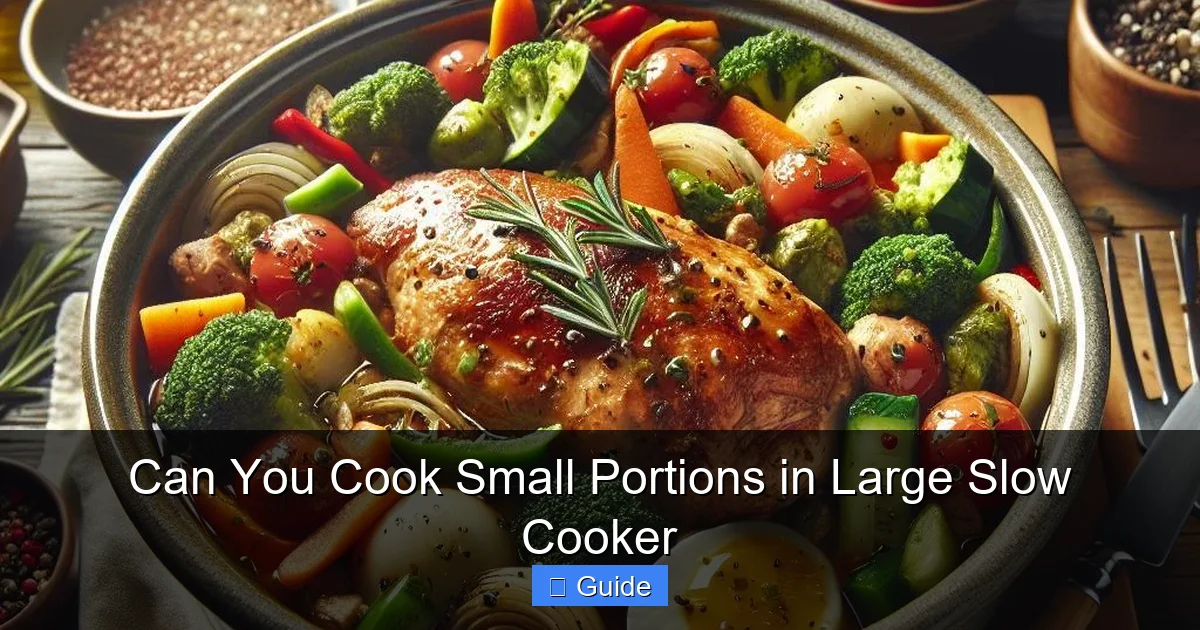
Visual guide about how to small portions in large slow cooker
Image source: sabrinassinlesssecrets.com
- Excess Empty Space: A large volume of empty space around your small portion of food means the heat can surround it more aggressively, potentially cooking it faster and more intensely than intended.
- Drying Out: With more surface area exposed to heat and less liquid (relative to the pot size), food can dry out quickly, especially if the lid isn’t sealed tightly or is lifted frequently.
- Uneven Heating: The heating elements of slow cookers are usually in the base and sides. A small amount of food might receive too much direct heat, leading to burning on the bottom while the top remains undercooked.
- Heat Retention: A full slow cooker benefits from the thermal mass of its contents. A small portion lacks this, meaning temperature fluctuations can be more pronounced.
Don’t worry, these challenges are easily manageable with the right approach!
Method 1: Using Inserts and Smaller Dishes
This is arguably the most popular and effective way to cook small portions in a large slow cooker. By using a smaller, oven-safe dish inside the slow cooker, you create a controlled cooking environment for your food.
Choosing the Right Inserts
The key here is oven-safe materials. Look for:
- Ramekins: Perfect for individual servings of dips, custards, or small casseroles.
- Small Glass or Ceramic Baking Dishes: Ideal for miniature loaves, gratins, or single servings of main dishes like lasagna or mac and cheese.
- Heat-Proof Jars: Mason jars can work well for oatmeal, rice pudding, or even individual portions of soup.
Make sure whatever insert you choose fits comfortably inside your slow cooker, leaving a little room around the sides.
Placement and Support
You don’t want your insert sitting directly on the bottom of the slow cooker, as this can lead to scorching. Elevate it!
- Trivet: A metal trivet (like those used for steaming) is perfect.
- Foil Balls: If you don’t have a trivet, crumple several pieces of aluminum foil into golf-ball-sized spheres and place them on the bottom of the slow cooker. They’ll create a stable base for your insert.
- Silicone Steamer Basket: These can also act as a buffer and provide elevation.
Adding Water to the Slow Cooker (for a Water Bath)
Once your insert is on its trivet, carefully pour about 1-2 inches of hot water into the slow cooker, around the insert. This creates a “bain-marie” or water bath, which offers several benefits:
- Gentle, Even Heat: The water bath acts as a buffer, preventing direct, harsh heat from reaching your food. This is crucial when you cook small portions in large slow cooker setups, as it minimizes scorching and promotes even cooking.
- Prevents Drying: The steam from the hot water keeps the cooking environment moist, helping your food retain its natural juices.
Ensure the water level doesn’t reach the rim of your insert, especially if it doesn’t have a tight-fitting lid.
Recipe Adaptation for Inserts
When using inserts, you’ll still need to adjust your recipe slightly:
- Liquid Content: Because of the moist environment created by the water bath, you’ll often need less liquid directly in your food’s recipe. Start with about half the amount the original recipe calls for and adjust as needed.
- Seasoning: Taste and adjust seasonings as you go, remembering that slow cooking can sometimes mellow flavors.
- Cooking Time: Small portions will cook faster. Begin checking for doneness 1-2 hours earlier than a full batch would require.
Method 2: Creating Foil Packets
Foil packets are another fantastic technique for when you want to cook small portions in a large slow cooker, especially for dishes like fish, vegetables, or small cuts of meat.
How to Make a Foil Packet
Making a foil packet is simple:
- Tear off a large piece of heavy-duty aluminum foil.
- Place your food (e.g., a seasoned fish fillet, chopped vegetables with herbs, a small chicken breast) in the center.
- Add a very small amount of liquid (a splash of broth, wine, or lemon juice) to create steam.
- Bring the long sides of the foil together and fold them down several times to create a tight seal.
- Fold up the short ends of the foil to seal completely, creating a secure packet.
Ensure the packet is sealed well to trap moisture and prevent leaks.
Ideal Foods for Foil Packets
Foil packets excel with foods that benefit from steaming and don’t require a lot of stirring:
- Fish: Tilapia, salmon, cod.
- Chicken: Boneless, skinless breasts or thighs.
- Vegetables: Root vegetables (potatoes, carrots), green beans, broccoli florets.
- Meatballs: Individual servings of seasoned meatballs.
Placement and Moisture
Place your foil packets directly into the bottom of the slow cooker. You can even stack a few if you’re cooking different items, but avoid overcrowding. You don’t usually need a water bath with foil packets, as the foil traps the food’s natural moisture. However, adding a small amount of water to the bottom of the slow cooker itself (not in the packets) can still help maintain overall humidity if you’re worried about dry spots.
Method 3: Adapting Directly in the Large Pot (with Caution)
While inserts and foil packets are generally safer, you can cook small portions directly in a large slow cooker pot, but it requires more careful management.
Reducing Liquid Significantly
If you’re cooking a stew or chili, drastically reduce the amount of liquid. You want just enough to cover your small portion of food, rather than filling the whole pot. The empty space above the food will lead to more condensation, so factor that in.
Elevating Food with a Rack or Trivet
Even if cooking directly in the pot, consider placing your food (e.g., a small roast or a couple of chicken pieces) on a metal rack or trivet. This keeps the food off the slow cooker’s hot bottom, preventing it from scorching and allowing for more even heat circulation.
Strategic Food Placement
If cooking very small amounts directly, try to centralize them. If your slow cooker has hot spots (common around the edges), keep your food away from those areas. A small layer of chopped vegetables at the bottom can also act as a buffer against direct heat.
Using a Liner
Slow cooker liners can help with cleanup, but they also offer a slight buffer between your food and the pot’s surface, which can be beneficial when you cook small portions in large slow cooker pots. They don’t prevent burning, but they can mitigate some direct heat intensity.
General Tips for Success When You Cook Small Portions in Large Slow Cooker
Regardless of the method you choose, these general tips will help you achieve perfect results:
Monitor Cooking Time Closely
Small portions simply cook faster. A recipe that calls for 6-8 hours on low for a full batch might only need 3-5 hours for a small portion using an insert or foil packet. Start checking your food about halfway through the original recommended time.
Lower the Temperature Setting
Whenever possible, cook on the “Low” setting. High heat can quickly overcook or burn small quantities of food due to the less forgiving nature of reduced volume. The “Low” setting allows for more gentle, controlled cooking.
Don’t Overfill the Insert/Packet
Resist the urge to cram too much into your small insert or foil packet. Leave some space for steam to circulate, which promotes even cooking.
Consider a Heat Diffuser
If you find your slow cooker runs very hot, even on low, a silicone or metal heat diffuser placed on the counter under the slow cooker can help distribute the heat more evenly and reduce direct bottom heat. This is an advanced tip but can be useful for very touchy recipes.
Embrace Experimentation
Every slow cooker is different. Yours might run hotter or cooler than average. Don’t be afraid to experiment with cooking times, liquid amounts, and different inserts to find what works best for your appliance and your recipes. Take notes!
Keep the Lid On
Resist the temptation to lift the lid frequently! Each time you peek, you release a significant amount of heat and steam, which can add 20-30 minutes to your cooking time. This is especially true when trying to cook small portions in large slow cooker containers, as they have less thermal mass to recover quickly.
Warm-Up Time
Remember that slow cookers take time to reach their target temperature. Account for this in your planning, especially when cooking small items that might appear to be cooking slowly at first.
Troubleshooting Common Issues
Even with the best preparation, you might encounter a few hiccups. Here’s how to address them:
Food Drying Out
- Solution: Increase the liquid in your insert/foil packet slightly next time. Ensure your slow cooker lid is sealing tightly. Consider adding a little more water to the bottom of the slow cooker (outside the insert) to create more steam. A piece of parchment paper under the lid can also help trap moisture.
Uneven Cooking
- Solution: Ensure your insert is elevated off the bottom of the slow cooker. Make sure the heat distribution is even – some slow cookers have hotter spots. Try rotating your insert halfway through cooking, or experiment with adding a little more water to the slow cooker’s main pot.
Food Burning on the Bottom
- Solution: This is a classic sign of direct heat exposure. Ensure your insert is adequately elevated with a trivet or foil balls. Reduce your cooking temperature to “Low” if you were on “High.” If cooking directly in the pot, definitely use a rack or a layer of vegetables as a buffer.
Too Much Condensation
- Solution: If your food is getting too watery from condensation dripping back in, try placing a clean kitchen towel under the slow cooker lid. It will absorb some of the excess moisture before it drips onto your food.
Conclusion
Cooking small portions in a large slow cooker is not only possible but a fantastic way to maximize the utility of your appliance. By understanding the principles of heat distribution, moisture retention, and adapting your recipes, you can enjoy perfectly cooked, right-sized meals without waste. Whether you choose the versatile insert method, the convenient foil packet approach, or carefully adapt direct cooking, you now have the knowledge and confidence to tackle any small-batch recipe.
So, dust off that big slow cooker, grab your favorite small-batch recipe, and start experimenting. Enjoy the delightful flavors and effortless convenience that slow cooking brings, even when catering to a smaller crowd. Happy slow cooking!
Jennifer D. Simon has spent the last 26 years studying and practicing nutrition science. She has used a larger part of this time in improving people’s livelihoods. She has done so by coming up with unquestionable ideas on how to tackle food problems in her community. Read More