How to Keep Beef Roast Moist in a Crock Pot
Achieving a perfectly moist beef roast in your crock pot is easier than you think! This guide will teach you how to select the right cut, use sufficient liquid, control cooking temperature, and apply simple techniques to prevent dryness. Say goodbye to tough, dry roasts and hello to fork-tender, flavorful meals every time.
How to Keep Beef Roast Moist in a Crock Pot
There’s nothing quite like the comforting aroma of a beef roast simmering all day in your crock pot. It promises a hearty, satisfying meal with minimal effort. But let’s be honest, we’ve all been there: eagerly pulling out what we hoped would be a fork-tender, juicy masterpiece, only to discover a dry, tough, and disappointing roast. It’s frustrating, isn’t it?
The good news is, achieving a perfectly moist and tender beef roast in your crock pot isn’t a culinary mystery. It comes down to understanding a few key principles and applying some simple techniques. This comprehensive guide will walk you through everything you need to know, from choosing the right cut of meat to the secret to a juicy finish. Say goodbye to dry roasts and hello to succulent, flavorful perfection every time!
Key Takeaways
- Choose the Right Cut: Opt for fattier cuts like chuck roast (pot roast) which have more collagen and marbling, naturally leading to a more tender and moist result when slow-cooked.
- Utilize Ample Liquid: Always ensure your roast is partially submerged (at least halfway) in a flavorful liquid like beef broth or stock. This creates a steamy environment, preventing the meat from drying out.
- Cook “Low and Slow”: Patience is key. Cooking on the LOW setting for a longer duration (6-10 hours, depending on size) breaks down tough connective tissues, resulting in a supremely tender and moist roast. Avoid the HIGH setting for extended periods.
- Don’t Forget to Sear (Optional but Recommended): Briefly searing the roast before adding it to the crock pot locks in juices and builds a rich, caramelized flavor crust that enhances the overall taste and moisture retention.
- Resist the Urge to Peek: Every time you lift the lid, significant heat and moisture escape, extending cooking time and potentially drying out your roast. Keep the lid on until the roast is fork-tender.
- Rest Your Roast: After cooking, remove the roast from the crock pot and let it rest, tented with foil, for 10-15 minutes. This allows the juices to redistribute throughout the meat, ensuring maximum moisture in every bite.
- Add Fat and Aromatics: Incorporating ingredients like bacon, butter, or even a can of cream of mushroom soup, along with onions and garlic, adds both flavor and additional moisture to the cooking environment.
Understanding the “Why”: Why Roasts Dry Out in a Crock Pot
Before we dive into the solutions, let’s quickly understand why beef roasts tend to dry out in a slow cooker. Knowing the root causes will help you prevent them.
- Lack of Sufficient Liquid: The crock pot works by creating a moist, steamy environment. If there isn’t enough liquid, the meat can essentially bake or dry out.
- Overcooking (Incorrect Temperature/Time): While a crock pot is forgiving, cooking meat for too long or at too high a temperature can cause muscle fibers to contract excessively, squeezing out moisture.
- Lean Cuts of Meat: Some beef cuts are naturally leaner. Without enough fat and connective tissue to break down, they are more prone to dryness.
- Frequent Lid Lifting: Every time you peek, heat and precious steam escape. This increases cooking time and dries out the cooking environment.
Now that we know the pitfalls, let’s learn how to avoid them and keep beef roast moist in a crock pot.
Step 1: Choosing the Right Cut of Beef
The journey to a moist beef roast begins at the butcher counter. The type of beef you choose makes a huge difference in how moist and tender it will become after hours of slow cooking.
Visual guide about how to Keep Beef Roast Moist in a Crock Pot
Image source: diethood.com
The Best Cuts for Crock Pot Roasting
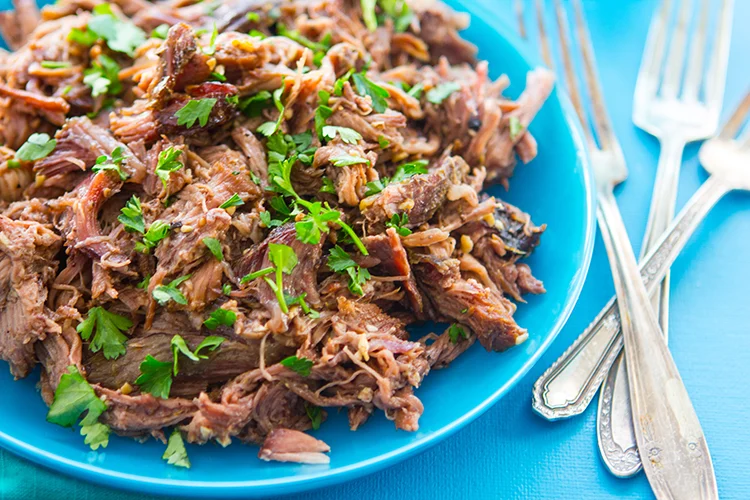
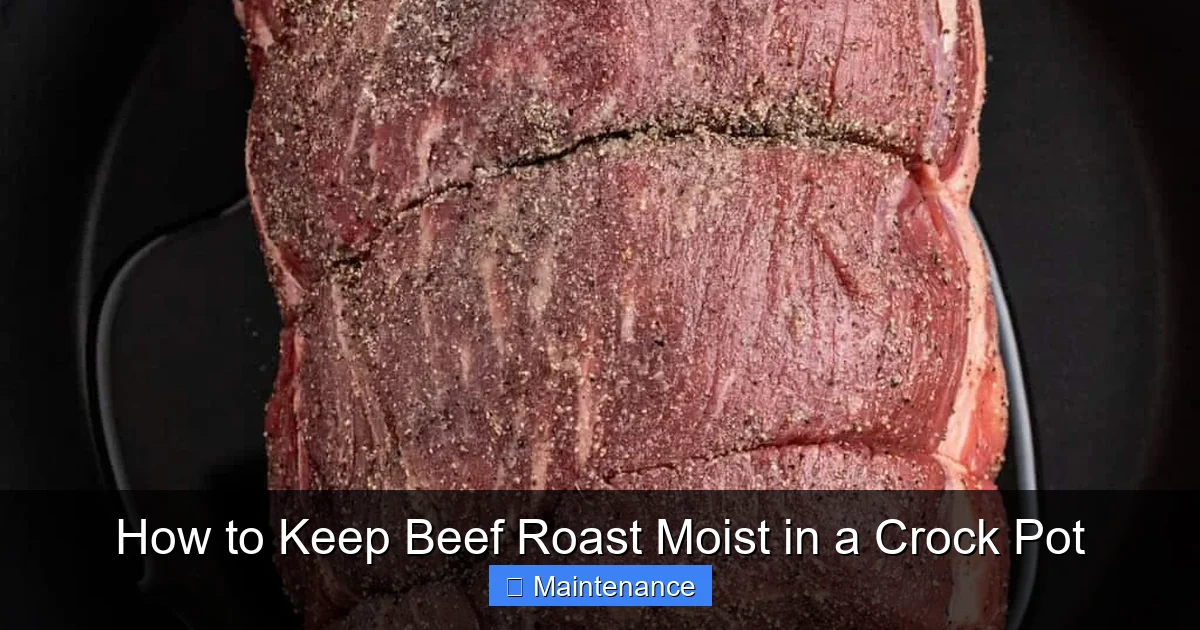
- Chuck Roast (Pot Roast): This is your absolute best friend for a moist crock pot roast. It comes from the shoulder and is rich in marbling (streaks of fat) and connective tissue (collagen). When cooked low and slow, the fat melts and bastes the meat, while the collagen breaks down into gelatin, creating an incredibly tender, juicy, and moist beef roast.
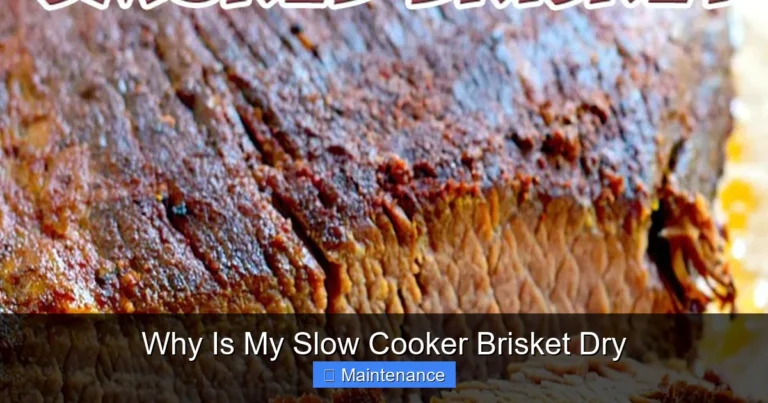
- Brisket: Often used for smoking, brisket also performs beautifully in a crock pot. It’s a tougher cut that benefits from long, slow cooking, yielding wonderfully tender and shreddable meat.
- Rump Roast/Round Roast: These are leaner cuts, meaning they have less fat and connective tissue. While they can be used, they require more careful attention to liquid and cooking time to prevent them from drying out. If using these, be extra diligent with the tips below.
Pro Tip: Look for cuts with good marbling. Those visible streaks of fat are your assurance of flavor and moisture.
Step 2: Preparing Your Beef Roast for Success
A little prep work goes a long way in ensuring your beef roast stays moist and flavorful.
Visual guide about how to Keep Beef Roast Moist in a Crock Pot
Image source: allrecipes.com
Searing for Flavor and Moisture Retention (Highly Recommended)
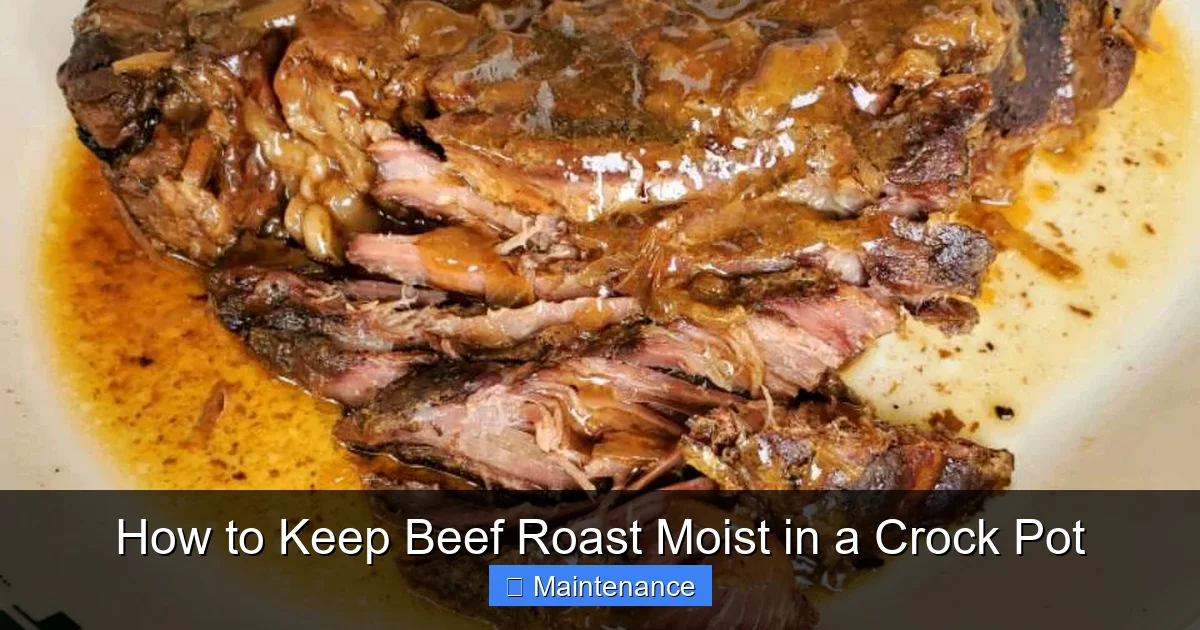
While optional, searing your roast before it goes into the crock pot is a game-changer. It creates a rich, caramelized crust through the Maillard reaction, which locks in juices and adds a deep, savory flavor that you simply can’t get from just slow cooking.
- Pat Dry: Remove the beef roast from its packaging and pat it thoroughly dry with paper towels. A dry surface is crucial for good searing.
- Season Generously: Season all sides of the roast generously with salt, freshly ground black pepper, and any other desired spices (garlic powder, onion powder, paprika).
- Heat Oil: In a large, heavy-bottomed skillet (cast iron works best) or Dutch oven, heat a tablespoon or two of high-smoke-point oil (like vegetable, canola, or grapeseed) over medium-high heat until shimmering.
- Sear All Sides: Carefully place the roast in the hot pan. Sear each side for 2-4 minutes, until a deep golden-brown crust forms. Don’t crowd the pan.
- Transfer: Once seared, transfer the roast directly to your crock pot.
Searing also helps to keep beef roast moist in a crock pot by creating a barrier.
Step 3: The Magic of Sufficient Liquid
This is arguably the most critical step to keep beef roast moist in a crock pot. Your crock pot needs a moist environment to do its job effectively.
How Much Liquid is Enough?
A general rule of thumb is to have liquid cover at least the bottom third, and ideally halfway up the sides of your roast. For larger roasts, you might want to go even higher. The goal is to create plenty of steam and allow the meat to braise.
Choosing Your Liquid
The liquid not only provides moisture but also infuses flavor into the beef roast. Don’t just use plain water!
- Beef Broth or Stock: These are the classic choices and offer a foundational savory flavor. Low-sodium options give you more control over the saltiness.
- Red Wine or Beer: A splash of red wine (like Cabernet Sauvignon or Merlot) or a dark beer (like stout or porter) adds incredible depth and complexity. The alcohol cooks off, leaving behind a rich flavor.
- Canned Soups: Cream of mushroom or cream of celery soup can be a convenient way to add both liquid and flavor, often providing a creamy sauce base.
- Tomato Paste/Crushed Tomatoes: A small amount can add tang and richness, especially if you like a more robust, slightly acidic flavor profile.
- Worcestershire Sauce/Soy Sauce: A teaspoon or two can boost umami flavor significantly.
Adding Aromatics and Vegetables
Don’t just add liquid; add flavor builders! These also contribute to the overall moist environment.
- Onions and Garlic: Absolutely essential. Roughly chopped onions and whole or minced garlic cloves create a fantastic flavor base.
- Carrots and Celery: These classic mirepoix vegetables add sweetness and earthy notes. You can place them around and under the roast.
- Herbs: Fresh sprigs of rosemary, thyme, or bay leaves tied into a bundle will infuse wonderful aroma and taste.
Place your seared roast in the crock pot, then pour your chosen liquid around it, ensuring it reaches the desired level. Scatter your aromatics and herbs in the liquid.
Step 4: Controlling the Cooking Temperature and Time
Patience is a virtue, especially when trying to keep beef roast moist in a crock pot.
Low and Slow is the Golden Rule
The secret to breaking down tough collagen and muscle fibers into succulent, tender meat is extended cooking at a low temperature. This process, known as braising, ensures the beef roast stays moist.
- LOW Setting: This is your go-to. Most roasts will cook beautifully on the LOW setting for 6-8 hours for smaller cuts (2-3 lbs) or 8-10 hours for larger ones (3-5 lbs). This gentle heat allows the meat to tenderize slowly without drying out.
- HIGH Setting: Use the HIGH setting sparingly, if at all. While it can cook a roast faster (3-5 hours), it significantly increases the risk of dryness and toughness, especially for leaner cuts. If you’re short on time, you might start on HIGH for an hour and then switch to LOW, but for ultimate moisture, stick to LOW.
Resist the Urge to Peek!
This cannot be stressed enough. Every time you lift the lid of your crock pot, you release heat and, more importantly, steam. This dramatically drops the internal temperature of the crock pot, extending the cooking time by at least 30 minutes, and allows moisture to escape. The goal is to keep beef roast moist, and keeping the lid on helps achieve that. Trust the process!
How to Know When It’s Done
Forget the clock for a moment. A crock pot roast isn’t done when a specific number of hours has passed; it’s done when it’s fork-tender. You should be able to easily shred or pull apart the meat with two forks or a spoon.
Internal Temperature: While a meat thermometer is useful for other cooking methods, for a truly moist crock pot roast, “fork-tender” is a better indicator than a specific temperature. However, for food safety, ensure the internal temperature reaches at least 145°F (63°C) and rests for 3 minutes, or ideally 190-205°F (88-96°C) for shreddable pot roast, where connective tissues fully break down.
Step 5: Incorporating Fat and Flavor Boosters
Sometimes, a little extra fat or a specific ingredient can make all the difference in achieving and maintaining moisture.
Additional Fat Sources
- Bacon: Lay a few strips of uncooked bacon over the top of your roast. As it cooks, the bacon fat will slowly render and baste the meat, adding both moisture and smoky flavor.
- Butter: Dotting the top of your roast with a few pats of butter before cooking can add richness and help keep beef roast moist.
- Cream of Mushroom/Celery Soup: Besides adding liquid, these soups contribute a creamy, fatty element that helps keep the roast succulent.
Flavor Enhancers that Retain Moisture
- Dry Soup Mixes (Onion Soup Mix): These powdered mixes are packed with flavor and often contain ingredients that help tenderize and moisten the meat.
- Mustard: A spoonful of Dijon or whole grain mustard can be rubbed on the roast before cooking. It adds a tangy depth of flavor and helps create a crust that locks in moisture.
Step 6: The Importance of a Good Seal
Your crock pot’s lid plays a vital role in keeping moisture locked in.
Check Your Lid Fit
Ensure your crock pot lid fits snugly. If it’s loose or warped, steam can easily escape, leading to a drier roast and longer cooking times.
The Aluminum Foil Trick
If your lid doesn’t create a tight seal, or if you want extra assurance, here’s a simple trick:
Loosely place a sheet of aluminum foil over the top of the crock pot insert before placing the lid on. The foil will trap any escaping steam and create a tighter seal, ensuring that all that precious moisture stays inside to keep beef roast moist.
Step 7: Resting the Roast for Maximum Juiciness
This final step is often overlooked but is absolutely crucial for a moist beef roast.
Why Resting is Essential
When meat cooks, the muscle fibers contract, pushing juices towards the center. If you cut into the roast immediately after cooking, all those delicious juices will spill out onto your cutting board, leaving you with a drier piece of meat. Resting allows the muscle fibers to relax and reabsorb those juices, redistributing them evenly throughout the roast.
How to Rest Your Roast
- Remove from Crock Pot: Once your roast is fork-tender, carefully remove it from the crock pot and place it on a clean cutting board or serving platter.
- Tent with Foil: Loosely tent the roast with aluminum foil. Don’t wrap it tightly, as this can steam the exterior and make it soggy.
- Rest Time: Let the roast rest for at least 10-15 minutes before slicing or shredding. For very large roasts, 20-30 minutes can be beneficial.
This simple step is a powerful way to keep beef roast moist in a crock pot even after it’s cooked.
Troubleshooting Common Issues with Crock Pot Roasts
Even with the best intentions, things can sometimes go awry. Here’s how to troubleshoot common problems related to moisture and tenderness.
My Roast is Still Dry/Tough!
If you’ve followed the steps and your roast isn’t as moist or tender as you’d hoped, consider these points:
- Not Cooked Long Enough: The most common culprit for tough roasts. Tough connective tissues need ample time to break down into gelatin. If it’s tough, it likely needs more time on LOW heat. Don’t worry, it’s very hard to truly “overcook” a pot roast to dryness if it’s in enough liquid on LOW.
- Not Enough Liquid: Double-check that there was always sufficient liquid. Add more hot broth and continue cooking.
- Lid Was Lifted Too Often: This extends cooking time and allows moisture to escape. Be patient next time!
- Too Lean a Cut: If you used a very lean cut like a top round, it will naturally be less forgiving. You might need to add more fat (butter, bacon) and liquid, and cook it for longer to tenderize, but it might never reach the same succulent moisture of a chuck roast.
My Roast is Too Watery/Sauce is Thin!
Sometimes you succeed in keeping the beef roast moist, but end up with a very thin sauce.
- Reduce on Stovetop: Carefully pour the liquid from the crock pot into a saucepan. Bring it to a simmer over medium-high heat and let it reduce, stirring occasionally, until it reaches your desired consistency.
- Thicken with a Slurry: Whisk together 1-2 tablespoons of cornstarch or flour with an equal amount of cold water to create a slurry. Stir this into the simmering liquid and cook for a few minutes until it thickens.
- Add a Roux: For a richer gravy, melt butter in a saucepan, whisk in an equal amount of flour, and cook for 1-2 minutes to create a roux. Gradually whisk in your crock pot liquid until smooth and thickened.
Advanced Tips for Ultimate Moisture
Want to go above and beyond for the most moist beef roast imaginable?
- Brining (for leaner cuts): For leaner cuts like round roast, brining the meat for several hours or overnight in a saltwater solution (1 tablespoon salt per cup of water) can significantly increase its moisture retention. Rinse thoroughly before cooking.
- Deglazing After Searing: After searing your roast, remove it and add a splash of beef broth or wine to the hot pan. Scrape up all those flavorful brown bits from the bottom of the pan – this is called deglazing – and pour it into the crock pot with your other liquids. It adds immense flavor.
- Adding Vegetables Later: If you prefer your vegetables (like potatoes, carrots, celery) to be less mushy, add them during the last 2-3 hours of cooking. This ensures they cook through but retain some texture, while still contributing moisture to the overall dish.
- Making Homemade Gravy from Drippings: The flavorful liquid in your crock pot is liquid gold. Once the roast is done, strain the liquid, skim off excess fat, and use it as a base for a phenomenal homemade gravy. This locks in all the cooking moisture into a delicious accompaniment.
Conclusion
Keeping beef roast moist in a crock pot doesn’t have to be a gamble. By understanding the science behind slow cooking and applying these practical tips, you can consistently achieve a perfectly tender, juicy, and flavorful beef roast every single time. Remember to choose the right cut, use plenty of liquid, cook it low and slow, resist peeking, and always let it rest. Embrace these principles, and your crock pot will become your most trusted tool for creating comforting, moist beef roast dinners that will impress everyone at the table.
Happy slow cooking!

Jennifer D. Simon has spent the last 26 years studying and practicing nutrition science. She has used a larger part of this time in improving people’s livelihoods. She has done so by coming up with unquestionable ideas on how to tackle food problems in her community. Read More