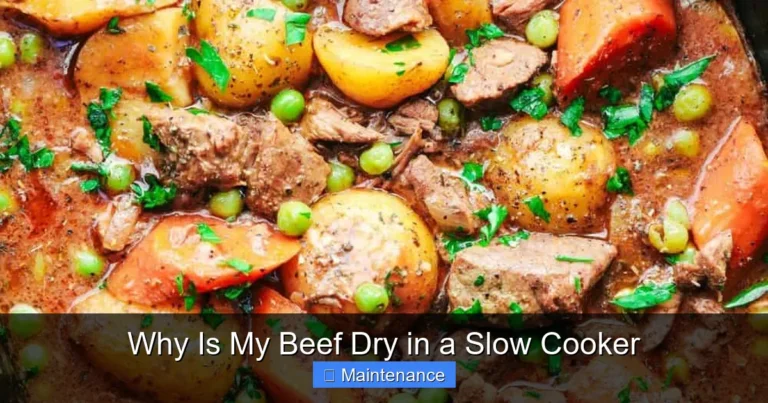
Why Does Stew Meat Become Dry in a Slow Cooker
Many home cooks wonder, “Why does stew meat become dry in a slow cooker?” The problem often stems from choosing lean cuts, overcooking, or insufficient liquid. To ensure juicy, tender results, select cuts rich in connective tissue like chuck, brown the meat first, maintain proper liquid levels, and cook low and slow without overdoing it. Prevent dry stew meat and enjoy perfect, succulent stews every time.
Why Does Stew Meat Become Dry in a Slow Cooker
There’s nothing quite like a hearty, comforting stew, especially one that has simmered all day in a slow cooker. The promise of tender, melt-in-your-mouth meat, rich gravy, and soft vegetables is what makes us reach for this beloved appliance. However, many home cooks often face a frustrating problem: despite cooking for hours, their stew meat becomes dry in a slow cooker. It’s a common dilemma, and one that can ruin an otherwise perfect meal.
If you’ve ever wondered, “Why does stew meat become dry in a slow cooker?” you’re in the right place. This comprehensive guide will pull back the curtain on the science behind dry stew meat, reveal common mistakes, and provide you with actionable steps to ensure your stew meat is always succulent, tender, and delicious. You’ll learn how to choose the right cuts, manage liquid, master cooking times, and avoid those all-too-common pitfalls that lead to a disappointing meal. Get ready to transform your slow-cooked stews from dry and tough to utterly irresistible!
Key Takeaways
- Choose the Right Cut: Always opt for tougher, fattier cuts like chuck roast, beef short ribs, or boneless beef short ribs. These cuts have abundant connective tissue and fat, which break down into gelatin and moisture during long, slow cooking, keeping the stew meat juicy.
- Brown Your Meat First: While optional, browning the stew meat before slow cooking creates a flavorful crust (Maillard reaction) and helps lock in juices, preventing the stew meat from becoming dry in a slow cooker.
- Maintain Proper Liquid Levels: Ensure your stew meat is partially submerged in liquid, not completely drowned. Enough liquid creates a moist, braising environment, but too much can dilute flavor.
- Avoid Overcooking: Despite popular belief, stew meat can get dry from overcooking in a slow cooker. Cook until it’s “fork-tender,” meaning it shreds easily with a fork, then turn off the heat.
- Cut Meat to the Right Size: Keep pieces of stew meat larger, about 1.5 to 2 inches. Smaller pieces have more surface area, leading to greater moisture loss and a higher chance of your stew meat becoming dry.
- Resist Lifting the Lid: Every time you lift the slow cooker lid, heat escapes, extending the cooking time and potentially leading to overcooking and dry stew meat.
- Understand Your Slow Cooker: Different slow cookers cook at varying temperatures and speeds. Get to know how your specific appliance performs to better control cooking times and prevent dry stew meat.
The Science of Dryness: Collagen and Muscle Fibers
To understand why stew meat becomes dry in a slow cooker, let’s look at what’s happening at a molecular level. Meat is made up of muscle fibers and connective tissue. How these elements react to heat is key to tender or dry results.
The Role of Collagen Breakdown
Connective tissue, particularly collagen, is abundant in tougher cuts of meat. When collagen is exposed to low, moist heat for an extended period, it slowly breaks down into gelatin. This gelatin is what gives stew its rich, silky mouthfeel and contributes significantly to the juiciness of the meat. It acts like an internal lubricant, keeping the muscle fibers moist. This is why certain cuts are ideal for stew: they have plenty of collagen to convert.
When Muscle Fibers Tighten
Muscle fibers, on the other hand, are mostly protein. When exposed to heat, these proteins contract and tighten. As they tighten, they squeeze out moisture. If cooked at too high a temperature, or for too long (even at a low temperature), these fibers can contract excessively, expelling too much liquid and leaving the meat tough and dry. This is a primary reason why stew meat becomes dry in a slow cooker if not managed properly.
Common Mistakes Leading to Dry Stew Meat
Several factors can contribute to your stew meat becoming dry in a slow cooker. Let’s explore the most common culprits.
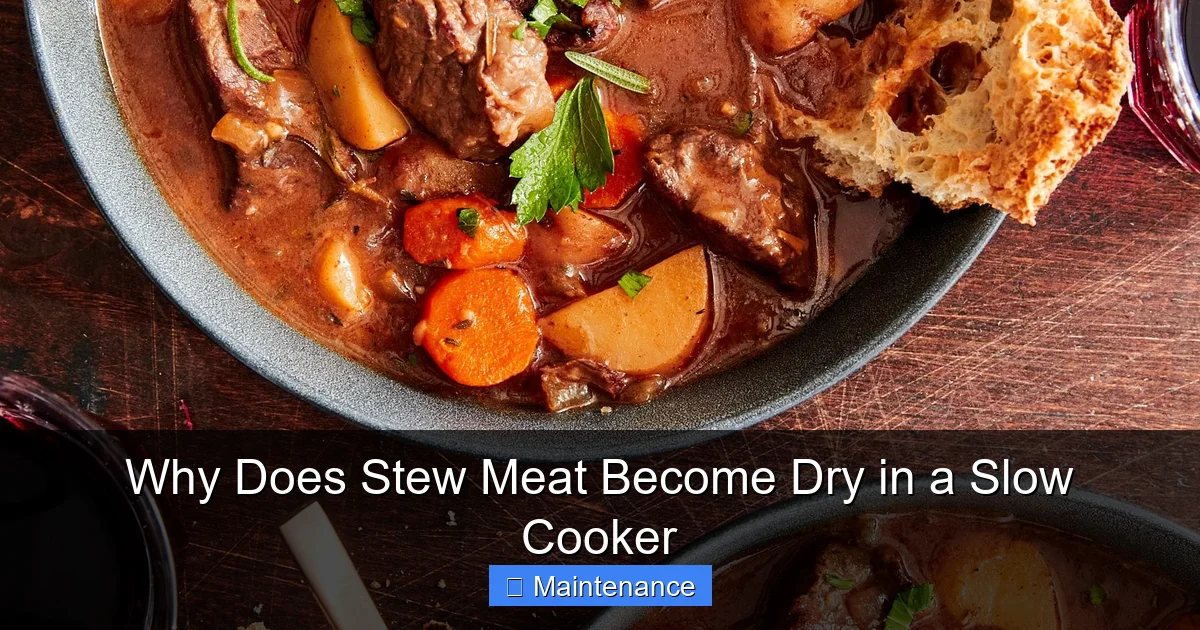
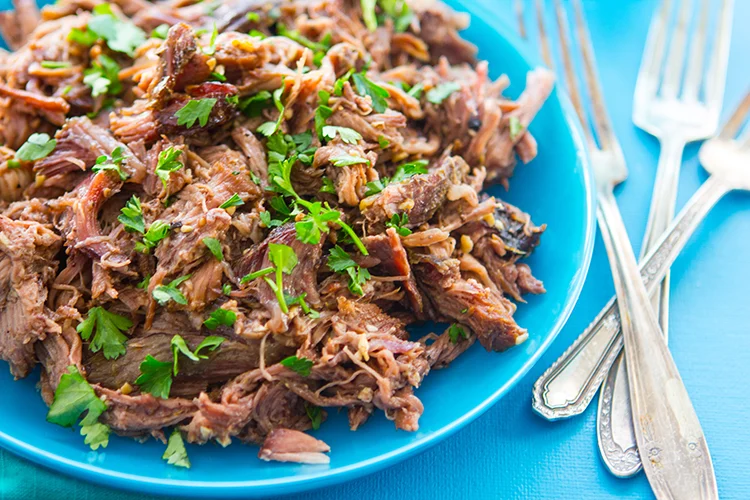
Visual guide about how to Stew Meat Become Dry in a Slow Cooker
Image source: s23209.pcdn.co
Mistake 1: Choosing the Wrong Cut of Meat
This is arguably the most significant factor. Not all cuts of beef are created equal for slow cooking.
Lean Cuts are a No-Go
Leaner cuts like sirloin, round steak, or tenderloin have very little connective tissue and fat. They are best suited for quick, high-heat cooking methods like grilling or pan-frying. If you put these cuts in a slow cooker for hours, they will inevitably become tough, stringy, and dry because there’s not enough collagen to break down and moisten them. This is a common mistake when preparing stew meat.
Opting for Connective Tissue Rich Cuts
For a slow cooker, you want cuts that are tough to begin with. These are the cuts with lots of collagen and some marbling (fat woven through the muscle). These cuts become incredibly tender and flavorful as the collagen transforms into gelatin. Ignoring this fundamental principle is why stew meat becomes dry in a slow cooker for many people.
Mistake 2: Insufficient Liquid or Incorrect Ratio
A slow cooker works by creating a moist, braising environment. The liquid plays a crucial role.
The Importance of a Braising Environment
The slow cooker needs enough liquid to generate steam, which helps keep the meat moist and aids in the breakdown of collagen. Without sufficient liquid, the meat can essentially “roast” rather than “braise,” leading to a much drier texture. If you have too little liquid, your stew meat becomes dry in a slow cooker quickly.
Don’t Drown It, Just Cover It (Partially)
However, there’s a fine line. You don’t need to completely submerge your meat, especially in a slow cooker where liquid doesn’t evaporate much. Partial submersion is usually sufficient. Too much liquid can dilute the flavors of your stew and make it watery. A good rule of thumb is to have the liquid come halfway or two-thirds up the sides of the meat and vegetables.
Mistake 3: Overcooking is the Enemy
It’s a common misconception that you can’t overcook meat in a slow cooker. You absolutely can, and it’s a major reason why stew meat becomes dry in a slow cooker.
Temperature and Time Matters
While slow cookers cook at low temperatures, extended cooking times can still cause problems. Once the collagen has fully broken down and the muscle fibers have reached their tender peak, continued cooking will only cause them to contract further, expelling more moisture. The meat will start to fall apart but will taste like sawdust.
What Happens During Overcooking
Think of it like wringing out a sponge. As the meat continues to cook past its tender point, its cellular structure breaks down too much, squeezing out all the internal moisture. This results in stringy, dry stew meat that lacks the succulent texture you desire.
Mistake 4: Cutting Meat Too Small
The size of your stew meat pieces can also impact their final texture.
Surface Area and Moisture Loss
Smaller pieces of meat have a greater surface area exposed to the heat and liquid. This means they can lose moisture more rapidly and are more prone to drying out. They also cook faster, increasing the risk of overcooking before the larger pieces or vegetables are ready.
Ideal Size for Stew Meat
Aim for pieces that are about 1.5 to 2 inches in size. This allows them to retain moisture more effectively and ensures they cook evenly alongside other ingredients.
Mistake 5: Skipping the Browning Step
While slow cookers are all about convenience, a little pre-work goes a long way.
Flavor vs. Moisture Retention
Browning meat in a hot pan before adding it to the slow cooker does two important things: it creates incredibly deep, rich flavor through the Maillard reaction, and it helps to create a slight crust that can aid in moisture retention. Skipping this step won’t directly make your stew meat dry, but it contributes to a less flavorful result, and the meat might not feel as “protected” during the long cook.
Your Step-by-Step Guide to Juicy Stew Meat
Now that we understand the “why,” let’s dive into the “how.” Here’s how to ensure your stew meat never becomes dry in a slow cooker again.
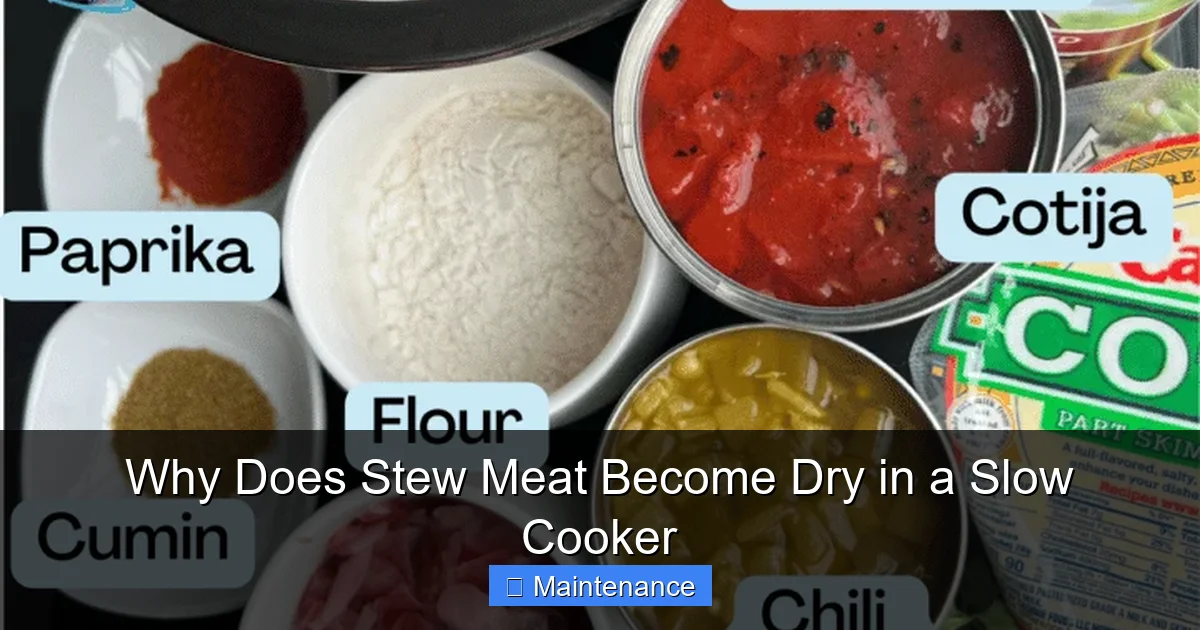
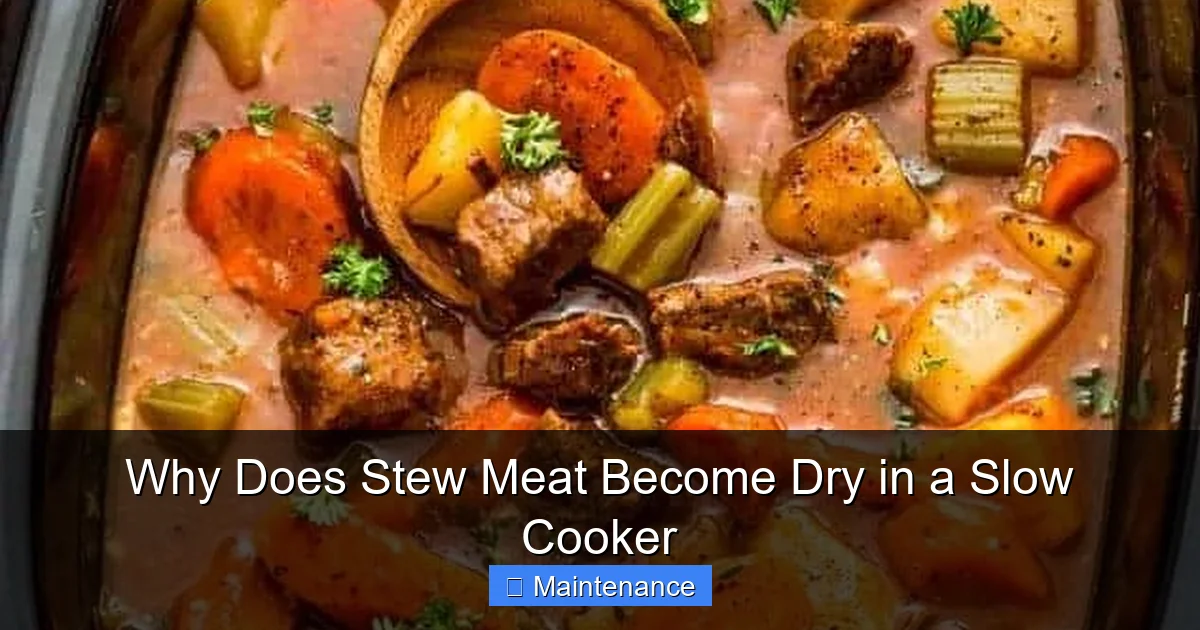
Visual guide about how to Stew Meat Become Dry in a Slow Cooker
Image source: thelazyslowcooker.com
Step 1: Select the Perfect Cut of Meat
This is your foundation for success.
Best Choices: Chuck, Round, Brisket
For beef stew, look for cuts like chuck roast (or chuck eye roast), beef short ribs, or boneless beef short ribs. Other good options include bottom round or rump roast, though chuck is often preferred for its marbling. These cuts are packed with collagen and some fat, which are essential for tender, moist stew meat. When shopping, you’ll often see “stew meat” pre-packaged. While convenient, it’s often made from various trimmings, sometimes including leaner cuts. It’s usually safer to buy a larger chuck roast and cut it yourself.
Trim Excess Fat (But Not All)
While fat is good, too much exterior fat can make your stew greasy. Trim off any large, thick pieces of fat, but leave some marbling and thin layers of fat on the meat. This internal fat melts and bastes the meat from within, contributing to its juiciness and preventing the stew meat from becoming dry in a slow cooker.
Step 2: Proper Pre-Cooking Preparation
A little effort upfront pays dividends in flavor and texture.
Cut Meat to the Right Size
If you bought a roast, cut the meat into uniform 1.5 to 2-inch cubes. This size ensures even cooking and minimizes the surface area exposed to moisture loss, keeping your stew meat tender. Avoid smaller pieces if you want to prevent dry stew meat.
Don’t Skip the Browning!
This step is worth the extra few minutes.
- Pat the meat dry: Use paper towels to thoroughly pat the meat dry. Moisture on the surface will steam the meat instead of browning it.
- Season generously: Season the meat well with salt and freshly ground black pepper.
- Heat the pan: Heat a heavy-bottomed skillet (cast iron works wonderfully) over medium-high heat with a tablespoon or two of oil (like vegetable or canola).
- Sear in batches: Add the meat in a single layer, ensuring not to overcrowd the pan. Cook for 2-3 minutes per side until deeply browned. Work in batches to avoid lowering the pan temperature too much.
- Deglaze the pan: After browning all the meat, you can add a splash of liquid (like broth or wine) to the hot pan, scrape up any browned bits (fond), and add this flavorful liquid to your slow cooker. This adds incredible depth of flavor.
Browning adds a rich, savory crust that enhances the overall taste and helps prevent the stew meat from becoming dry in a slow cooker.
Step 3: Master the Liquid Level
The right amount of liquid is critical for a moist environment.
Aim for Partial Submersion
Place your browned meat and other ingredients (onions, carrots, celery, potatoes) in the slow cooker. Add your liquid (broth, canned tomatoes, beer, wine, water) until the ingredients are about two-thirds submerged. Remember, the slow cooker lid creates a seal, so very little liquid evaporates. Too much liquid can lead to watery stew and potentially overcooked meat if it takes longer to thicken.
Consider Viscous Liquids
Thicker liquids, like tomato paste-enhanced broth or a touch of flour/cornstarch slurry added at the end, can cling to the meat more effectively, helping to keep it moist and preventing the stew meat from becoming dry. This also enhances the richness of the stew.
Step 4: The Art of Slow Cooking Time and Temperature
Patience is a virtue, especially with a slow cooker.
Low and Slow is Key
Always cook stew meat on the “LOW” setting for a longer duration rather than “HIGH” for a shorter time. The “LOW” setting allows collagen to break down gradually into gelatin, resulting in incredibly tender and moist meat. Cooking on “HIGH” can cause muscle fibers to contract too quickly, squeezing out moisture and leaving you with dry stew meat.
Avoid Lifting the Lid
Resist the urge to peek! Every time you lift the slow cooker lid, a significant amount of heat escapes, and the temperature inside drops considerably. This extends the cooking time, which can lead to overcooking in the long run and contributes to your stew meat becoming dry. Only lift the lid when absolutely necessary, such as to add delicate vegetables towards the end or to check for doneness.
Know Your Cooker
Slow cookers vary. Some run hotter than others. Get to know your appliance. The first few times you use a new recipe or cooker, keep an eye on it. A common cooking range for stew meat is 6-8 hours on LOW or 3-4 hours on HIGH, but adjust based on your specific slow cooker and the tenderness of the meat.
Step 5: Resist the Urge to Overcook
This is where many people go wrong, thinking longer is always better for tenderness.
Check for Tenderness, Not Just Time
Meat is done when it’s “fork-tender.” This means you should be able to easily pull a piece of meat apart with a fork without much resistance. Start checking for tenderness at the lower end of the recipe’s suggested cooking time. Once it reaches this stage, the stew meat is perfect. Overcooking past this point is a prime reason why stew meat becomes dry in a slow cooker.
Don’t Let it Sit on “Warm” Too Long
The “Warm” setting on a slow cooker is designed to keep food at a safe serving temperature for a short period. It’s not for extended cooking or holding. Leaving meat on “Warm” for many hours can still contribute to drying it out, especially if it was already cooked to perfection. Serve your stew as soon as it reaches fork-tender status or within an hour or two on the warm setting.
Troubleshooting: Saving a Potentially Dry Stew
What if, despite your best efforts, your stew meat is already dry in a slow cooker? Don’t despair entirely; you might still have options.
What If My Stew Meat is Already Dry?
Adding Moisture Back
If the meat is just a little dry, you can try adding more liquid (broth, water, or even a little red wine) to the stew and letting it simmer gently on the stovetop for a short while, maybe 15-20 minutes. This won’t magically reverse the dryness, but the meat can reabsorb some moisture from the liquid, making it more palatable. Ensure the liquid itself is flavorful.
Repurposing Dry Meat
If the stew meat is severely dry and tough, it might be beyond saving as a chunky stew. However, you can repurpose it:
- Shred it: Pull the meat apart with two forks. The smaller pieces will feel less dry.
- Mix it into a saucy dish: Stir the shredded meat into a very saucy dish, like a chili, tacos, enchiladas, or even a pasta sauce. The sauce will mask the dryness and add flavor.
- Make a sandwich filling: Combine the shredded meat with a flavorful, moist dressing (like BBQ sauce, a creamy dressing, or mayonnaise with spices) to create a sandwich or wrap filling.
These options won’t give you perfectly tender stew meat, but they will prevent waste and allow you to salvage your meal, even if your stew meat becomes dry in a slow cooker.
Conclusion
You now have a complete understanding of why stew meat becomes dry in a slow cooker and, more importantly, how to prevent it. From selecting the right cut of meat to mastering browning, managing liquid levels, and understanding cooking times, each step plays a vital role in achieving that perfectly tender, juicy stew. No more wondering why stew meat becomes dry in a slow cooker for you!
By implementing these simple yet effective techniques, you’ll consistently create stews that are rich in flavor and wonderfully succulent. So go ahead, dust off your slow cooker with confidence. Your next batch of stew is destined to be a triumph of tender, moist, and utterly delicious goodness. Happy cooking!

Jennifer D. Simon has spent the last 26 years studying and practicing nutrition science. She has used a larger part of this time in improving people’s livelihoods. She has done so by coming up with unquestionable ideas on how to tackle food problems in her community. Read More