Why Is My Beef Dry in a Slow Cooker
Many home cooks struggle with dry, tough beef in their slow cooker, despite the appliance’s reputation for tender results. The main culprits often include choosing the wrong cut of meat, insufficient liquid, incorrect cooking temperatures or times, and improper preparation. This guide will walk you through preventing these common pitfalls, ensuring your beef turns out wonderfully moist and flavorful.
Why Is My Beef Dry in a Slow Cooker?
There’s nothing quite like the promise of a perfectly tender, fall-apart beef dish from your slow cooker. You toss in the ingredients, set it, and forget it, dreaming of succulent, juicy results. But then, disappointment strikes. You open the lid, and instead of that dreamy texture, you’re faced with dry, tough, stringy beef. It’s a common kitchen woe, and if you’re asking, “Why is my beef dry in a slow cooker?”, you’re definitely not alone.
The slow cooker is designed to make tough cuts of meat incredibly tender, so when beef comes out dry, it feels like a betrayal of the appliance’s very purpose! The good news is that preventing dry beef in a slow cooker is absolutely achievable. It’s usually not a problem with the slow cooker itself, but rather with some key steps in the process.
This comprehensive guide will demystify the art of slow cooking beef. We’ll explore the common culprits behind dry beef and equip you with practical, easy-to-follow tips and techniques to ensure your beef is always moist, flavorful, and incredibly tender. Let’s turn those dry beef disappointments into delicious slow cooker triumphs!
Key Takeaways
- Choose Fatty Cuts: Opt for tougher, fattier cuts like chuck roast, brisket, or short ribs. These cuts contain collagen and fat that break down during slow cooking, yielding moist, tender beef.
- Ensure Adequate Liquid: Always have enough liquid in your slow cooker to partially submerge the beef. This creates a moist environment, but don’t drown it – too much liquid can dilute flavor.
- Cook Low and Slow: The “slow” in slow cooker is key. Cooking on the “low” setting for a longer duration (6-8+ hours) allows connective tissues to properly break down without drying out the meat.
- Resist Lifting the Lid: Every time you open the slow cooker, you release heat and moisture, extending the cooking time by 20-30 minutes and potentially contributing to dry beef.
- Sear for Flavor and Moisture: Browning your beef before adding it to the slow cooker creates a flavorful crust and can help seal in juices, preventing your beef from becoming dry.
- Don’t Overcrowd: Give your beef space. Overcrowding can lower the cooking temperature and steam the meat instead of braising it, leading to less desirable texture.
- Rest the Meat: After cooking, let your beef rest for 10-15 minutes before shredding or slicing. This allows the juices to redistribute, resulting in more tender and less dry beef.
Understanding the Core Problem: Moisture Loss
Before we dive into solutions, let’s briefly understand *why* beef gets dry. When meat cooks, its muscle fibers contract, squeezing out moisture. If this happens too quickly, at too high a temperature, or for too long, too much moisture is lost, leaving you with dry beef. The slow cooker’s magic lies in breaking down tough connective tissues (collagen) into gelatin over a long, low-temperature cook. This gelatin then lubricates the meat, making it feel moist and tender. If this process is interrupted or done incorrectly, you end up with dry results.
1. Choosing the Right Cut of Beef
This is arguably the single most important factor when it comes to preventing dry beef in a slow cooker. Not all beef cuts are created equal for slow cooking.
H3: Lean vs. Fatty Cuts: A Tale of Two Textures
Many people gravitate towards lean cuts of meat, thinking they’re healthier or will be more tender. However, for a slow cooker, lean cuts are your enemy if you want juicy beef. Cuts like sirloin, flank steak, or eye of round have very little fat and connective tissue. While great for quick searing or grilling, they simply don’t have what it takes to stand up to long, moist heat without becoming bone-dry.
Visual guide about how to Beef Dry in a Slow Cooker
Image source: i.pinimg.com
H3: The Best Beef Cuts for Slow Cookers
To avoid asking, “Why is my beef dry in a slow cooker?” focus on cuts that are inherently tough and contain a good amount of fat and connective tissue (collagen). These are the cuts that truly shine with the low and slow method because the collagen breaks down into gelatin, keeping the meat moist and tender. Think of it as built-in lubrication!
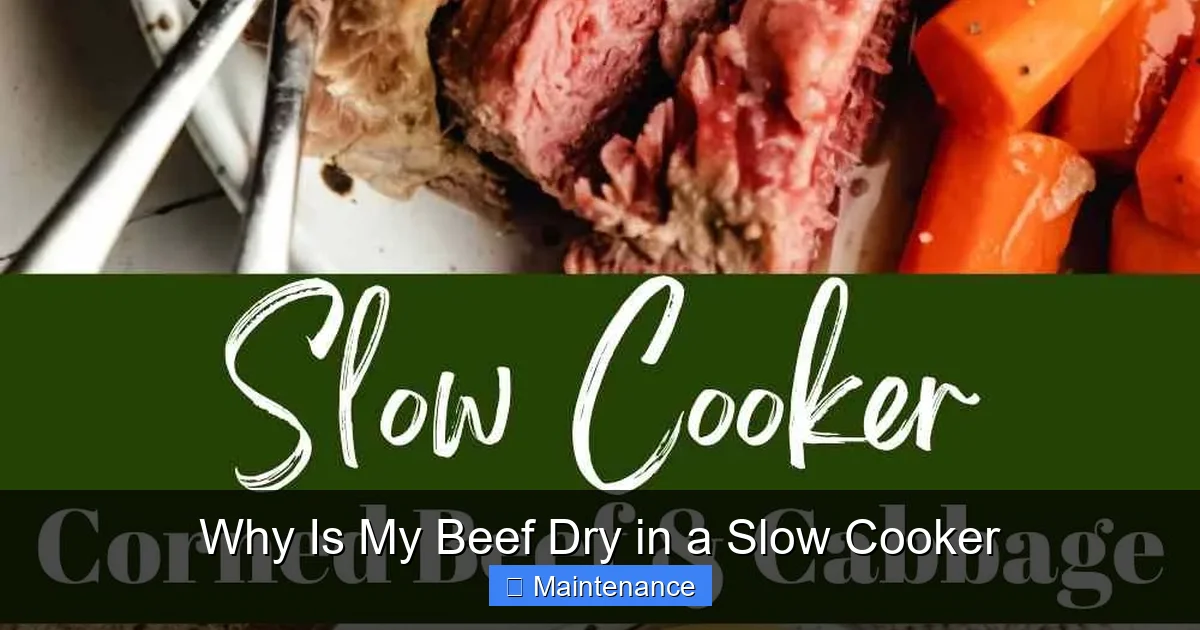
- Chuck Roast: This is the undisputed champion of slow cooking. It’s well-marbled with fat and has plenty of connective tissue. It shreds beautifully and stays incredibly moist.
- Brisket: Another fantastic choice, especially the “point” or “fatty” end. It’s rich in connective tissue and fat, leading to incredibly tender results.
- Short Ribs: These are bone-in or boneless cuts from the chuck or plate primal. They are incredibly flavorful and become fall-off-the-bone tender.
- Round Roast (Bottom Round, Top Round): While leaner than chuck, certain round cuts can work if cooked with plenty of liquid and not overcooked. However, they are more prone to becoming dry beef if not careful.
- Oxtail: A very gelatinous cut that yields rich, tender meat.
Practical Tip: Don’t be afraid of the fat! A certain amount of fat and marbling is essential for juicy, flavorful slow-cooked beef.
2. The Importance of Proper Preparation
Preparation steps, often skipped in the rush, can make a significant difference in preventing dry beef.
H3: Searing for Flavor and Moisture
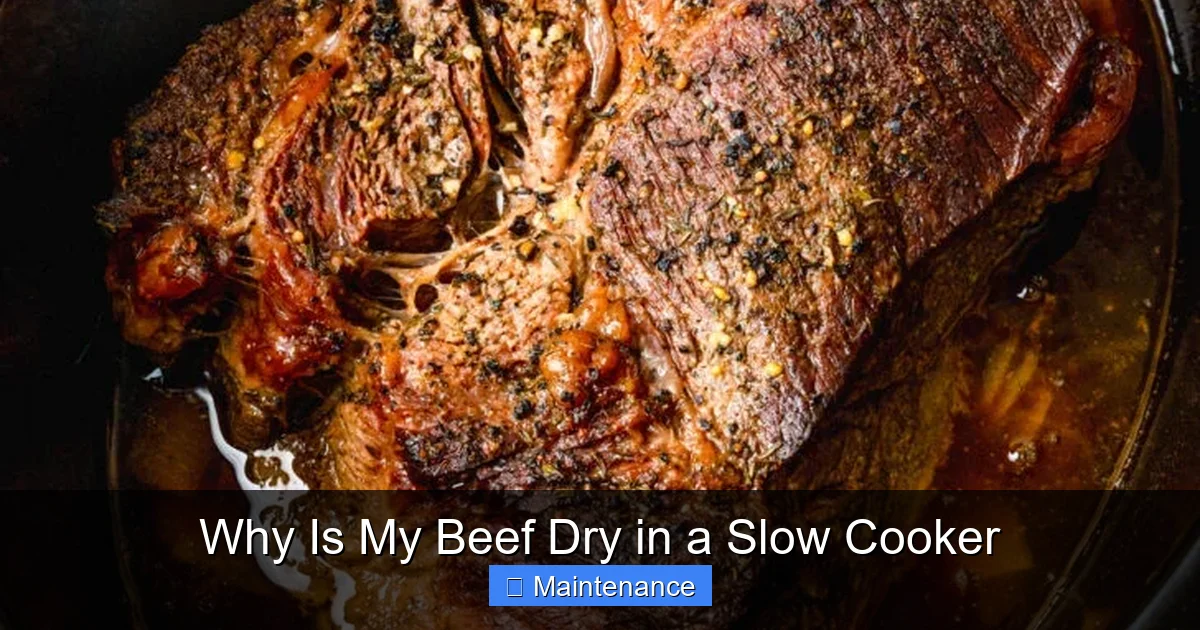
Many recipes skip this step for convenience, but searing your beef before it goes into the slow cooker is a game-changer. It doesn’t “seal in juices” as was once believed, but it does two crucial things:
Visual guide about how to Beef Dry in a Slow Cooker
Image source: asouthernsoul.com
- Develops Flavor: The browning process (Maillard reaction) creates deep, rich, complex flavors that you simply can’t get from un-seared meat. This adds a fantastic depth to your final dish.
- Adds Texture: It creates a slight crust that can contribute to a more pleasant mouthfeel, especially when shredding the beef.
Sear your beef in a hot pan with a little oil until well-browned on all sides. Don’t crowd the pan, or the meat will steam instead of sear.
H3: Trimming Fat Wisely
While we just talked about the importance of fat, you don’t want excessive, chewy pieces. Trim off large, solid chunks of external fat, but leave the marbling and smaller fat deposits within the meat. This strikes a balance between moisture and texture.
H3: Cutting Size and Uniformity
Cut your beef into roughly uniform pieces. If you have some very small pieces and some very large ones, the small pieces will cook faster and likely become dry beef while the larger ones are still getting tender. Aim for pieces about 1.5 to 2 inches thick if you’re making stew, or leave a roast whole.
3. Mastering the Liquid Factor
The slow cooker works by braising – cooking in liquid with gentle, moist heat. The amount and type of liquid are crucial.
H3: The Right Amount of Liquid
This is where many cooks go wrong. Unlike stovetop braising where meat might be fully submerged, a slow cooker creates a very efficient, humid environment. You generally only need enough liquid to come about halfway or two-thirds of the way up the sides of your beef. If your beef is completely submerged, you risk diluting the flavor and potentially boiling the meat, which can also contribute to dry beef. The lid creates condensation, which drips back down, adding to the moisture.
Practical Tip: If your recipe calls for a specific amount, stick to it. If it’s vague, aim for the halfway point. You can always add a little more if it looks too dry during cooking (but try to avoid opening the lid!).
H3: Choosing Your Liquid Wisely
The liquid isn’t just for moisture; it’s also a flavor builder! Water is okay, but stock or broth (beef, chicken, or vegetable), red wine, beer, canned tomatoes, or a combination will add much more depth. Acidic liquids like wine, tomatoes, or a splash of vinegar can also help tenderize the meat. Remember, your liquid will concentrate in flavor, so choose wisely.
4. Temperature and Timing: The Heart of Slow Cooking
The name “slow cooker” tells you everything you need to know about how to get tender, non-dry beef. Rushing the process or using the wrong setting is a common reason for dry beef in a slow cooker.
H3: Low and Slow Is the Way to Go
Resist the urge to cook on high to speed things up, especially for tougher cuts. The “low” setting (typically around 200°F/93°C) for a longer period (6-8+ hours for most roasts) is where the magic happens. This allows the collagen to slowly break down into gelatin without forcing out all the moisture from the muscle fibers. Cooking on high can cause the muscle fibers to contract too quickly, squeezing out moisture and leaving you with dry beef.
H3: Don’t Overcook It
While it’s difficult to truly “overcook” meat in a slow cooker in the traditional sense (it won’t burn), you can certainly cook it for too long, even on low. If meat cooks for an excessive amount of time after the collagen has already broken down, the muscle fibers will continue to break down and release moisture, leading to a mushy and dry texture. It might still be tender, but it will be dry and lack a pleasant mouthfeel.
- For most beef roasts (2-3 lbs), aim for 6-8 hours on low or 3-4 hours on high.
- Larger roasts (3-5 lbs) might need 8-10 hours on low or 4-6 hours on high.
- Stews or smaller chunks of beef might be done in 4-6 hours on low.
Practical Tip: Always check for tenderness rather than relying solely on the clock. The beef should be easily shreddable with a fork.
H3: Resist the Lid-Lifting Urge
This is a big one! Every time you lift the lid, you release a significant amount of heat and steam. This drop in temperature can extend the cooking time by 20-30 minutes and interrupt the gentle cooking process. This constant heat loss can mean your beef isn’t getting the consistent, moist heat it needs, contributing to a dry outcome. Trust the process and leave the lid on!
5. Other Contributing Factors and Advanced Tips
Beyond the basics, a few other elements can influence how moist your beef turns out.
H3: Don’t Overcrowd Your Slow Cooker
Packing too much meat into your slow cooker can prevent even cooking. The temperature won’t remain consistent, and the meat won’t be exposed to enough liquid or heat to tenderize properly. This can lead to some pieces being overcooked (dry) and others undercooked (tough). Give your beef some breathing room.
H3: Adding Vegetables and Acidity
Vegetables like onions, carrots, and celery add moisture and flavor to your slow cooker. They release their own liquids as they cook. Acidic ingredients (like tomatoes, wine, or vinegar) can also help break down tough fibers, further preventing dry beef. Just be mindful of adding too much, as excessive acidity can make meat mushy.
H3: Seasoning for Success
Proper seasoning isn’t just about flavor; salt helps the meat retain moisture. Season your beef generously with salt and pepper before searing. Don’t forget other herbs and spices to build a robust flavor profile.
6. What if It’s Already Dry? Troubleshooting and Salvage Missions
Even with the best intentions, sometimes your beef turns out dry. Don’t despair! There are ways to rescue it.
H3: Add More Liquid
If your beef is dry but not completely overcooked (i.e., it’s not mushy), you can try adding more liquid – beef broth, water, or even some drippings – and letting it simmer for a short while. This can rehydrate the meat to some extent.
H3: Shred and Sauce It
If the beef is dry and tough but still edible, shred it. Shredded beef absorbs sauces much better than sliced beef. Toss it with some extra broth, BBQ sauce, gravy, or whatever sauce pairs well with your dish. The added moisture from the sauce will mask the dryness and make it more palatable.
H3: Turn It Into a Different Dish
Dry, tough beef can sometimes be repurposed.
- Tacos or Burritos: Shred the beef, season it heavily with taco seasoning, and warm it through with some salsa or broth.
- Soup or Chili: Chop the beef into smaller pieces and add it to a hearty soup or chili, where it can rehydrate and meld with other flavors.
- Shepherd’s Pie: Mix the chopped or shredded beef with gravy and vegetables, top with mashed potatoes, and bake.
The key here is to introduce moisture back into the dish through other ingredients and sauces, rather than trying to magically re-tenderize the beef itself.
Conclusion: The Path to Perfect Slow Cooker Beef
If you’ve been plagued by the question, “Why is my beef dry in a slow cooker?”, hopefully, this guide has provided clear, actionable answers. Achieving perfectly tender, moist beef in your slow cooker isn’t about complex techniques; it’s about understanding the basic principles of slow cooking and making smart choices from the start.
Remember the key takeaways: choose the right cut of beef (fatty and tough!), sear it for flavor, use just enough liquid, and cook it low and slow without lifting the lid too often. With a little practice and attention to these details, you’ll consistently create slow cooker beef dishes that are wonderfully juicy, incredibly tender, and bursting with flavor. Happy slow cooking!

Jennifer D. Simon has spent the last 26 years studying and practicing nutrition science. She has used a larger part of this time in improving people’s livelihoods. She has done so by coming up with unquestionable ideas on how to tackle food problems in her community. Read More