Why Is My Slow Cooker Brisket Dry
Achieving tender, moist brisket in a slow cooker can be challenging, but a dry outcome is usually preventable. The main culprits often include selecting the wrong cut of meat, insufficient liquid, overcooking, or improper resting after cooking. This guide will walk you through each potential issue, providing actionable advice to ensure your next slow cooker brisket is succulent and flavorful, not tough and dry.
Why Is My Slow Cooker Brisket Dry?
There’s nothing quite like the dream of tender, melt-in-your-mouth brisket, especially when you imagine it effortlessly cooking away in your slow cooker all day. It’s supposed to be a set-it-and-forget-it pathway to culinary bliss. So, when you lift that lid, anticipating succulent perfection, only to find a piece of meat that’s tough, stringy, and disappointingly dry, it can feel like a culinary betrayal. If you’ve ever asked, “Why is my slow cooker brisket dry?” then you’re in the right place.
You’re not alone in this struggle. Brisket is a notoriously finicky cut of meat, even for experienced chefs, and the slow cooker, while a marvel of convenience, presents its own unique challenges. The good news is that achieving a perfectly moist and tender slow cooker brisket is entirely possible with a few adjustments and a deeper understanding of what brisket needs to truly shine.
This comprehensive guide will walk you through all the common culprits behind a dry slow cooker brisket, from choosing the right cut of meat to perfecting your cooking technique and even handling it properly once it’s done. By the end, you’ll have all the knowledge you need to turn that dry disappointment into a juicy triumph, making your slow cooker brisket a dish to be proud of. Let’s get started on transforming your brisket game!
Key Takeaways
- Choose the Right Brisket: Opt for a well-marbled point cut or a whole packer to ensure enough fat for moisture, as leaner flat cuts are more prone to drying out in a slow cooker.
- Ensure Ample Liquid: Brisket needs to braise in a generous amount of liquid (broth, stock, or sauce) to create a moist environment and prevent it from drying out during the long cooking process.
- Avoid Overcooking: While “low and slow” is key, overcooking brisket for too long, even on a low setting, can cause it to release all its moisture and become dry and fibrous. Cook until fork-tender, not beyond.
- Don’t Skimp on Resting: Resting the brisket after cooking is crucial. This allows the juices to redistribute throughout the meat, resulting in a significantly more tender and moist final product.
- Slice Against the Grain: Proper slicing against the grain is essential for perceived tenderness and moisture. Slicing with the grain will make even perfectly cooked brisket seem tough and dry.
- Maintain a Tight Seal: A loose slow cooker lid allows steam to escape, reducing the internal moisture and temperature, which can contribute to a dry slow cooker brisket.
Understanding Brisket: The Foundation of Moisture
Before we dive into the “why,” it’s important to understand what brisket is. Brisket is a tough cut of meat from the cow’s lower chest or breast. It’s full of connective tissue, which needs long, slow cooking to break down into gelatin, creating that desirable tender texture and releasing moisture. Because it’s a working muscle, it can be lean, which makes it particularly susceptible to drying out if not handled correctly.
The Wrong Cut: It Starts at the Butcher Counter
One of the most common reasons for a dry slow cooker brisket can be traced back to the very beginning: the type of brisket you choose.
Flat Cut vs. Point Cut (or Whole Packer)
Brisket typically comes in two main parts, or as a “whole packer” which includes both:
Visual guide about how to My Slow Cooker Brisket Dry
Image source: crayonsandcravings.com
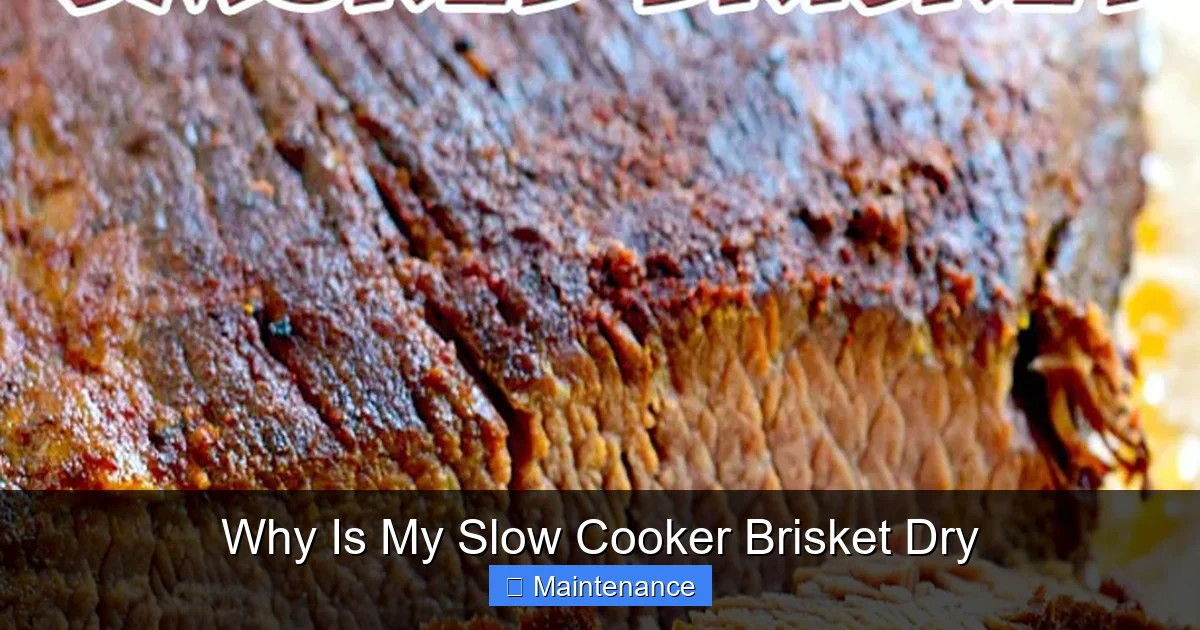
- The Flat (or “First Cut”): This is the leaner, flatter section of the brisket, often trimmed of most of its fat. It’s popular for slicing cleanly, but because it has less intramuscular fat and external fat, it’s highly prone to drying out, especially in a slow cooker where it’s exposed to consistent heat for extended periods.
- The Point (or “Second Cut”): This is the fattier, more irregular portion of the brisket, also known as the “deckle.” It has a lot more marbling and a thick layer of fat, making it much more forgiving and flavorful. This is the cut often used for burnt ends.
- The Whole Packer: This includes both the flat and the point, connected by a layer of fat. If you can find a whole packer and it fits your slow cooker, it’s often the best choice because the combined fat and different textures work together to keep the entire cut moist.
Tip: If you’re consistently getting dry slow cooker brisket, try buying the point cut instead of the flat, or specifically ask your butcher for a flat cut with good marbling and a decent fat cap still intact.
Lack of Marbling
Marbling refers to the intramuscular fat streaks within the meat itself. This fat melts during cooking, basting the meat from the inside, adding flavor, and crucially, keeping it moist. Lean brisket, even if it’s a flat cut, will struggle to retain moisture without this internal fat. When shopping, look for cuts with visible white streaks of fat throughout the red muscle.
Pre-Cooking Preparation: Setting the Stage for Success
How you prepare your brisket before it even enters the slow cooker plays a significant role in its final moisture content.
Improper Trimming
While excess hard fat should be trimmed, many home cooks make the mistake of trimming *all* the fat off the brisket. A thin layer of external fat (about 1/4 to 1/2 inch) is your friend in the slow cooker. This fat renders down, creating a self-basting effect that keeps the meat moist and adds flavor. It also acts as a protective layer against the direct heat of the slow cooker insert.
Visual guide about how to My Slow Cooker Brisket Dry
Image source: northcoast.organic
Skipping the Sear
Searing your brisket before placing it in the slow cooker is often overlooked. While it’s not strictly about “sealing in juices” (that’s a bit of a myth), searing creates a flavorful crust through the Maillard reaction. This crust can provide a very slight barrier that helps maintain moisture, but more importantly, it adds a depth of flavor that a non-seared brisket often lacks. Pat the brisket dry thoroughly before searing for the best results.
Inadequate Seasoning
A good rub with plenty of salt not only enhances flavor but also aids in moisture retention. Salt draws out some moisture initially, but then through a process called osmosis, helps the meat reabsorb it along with the seasonings, leading to a more flavorful and moist outcome. Don’t be shy with your seasoning!
Mistakes in the Cooking Environment: The Slow Cooker’s Role
The slow cooker itself, and how you use it, can be a major factor in whether your slow cooker brisket ends up dry or wonderfully tender.
Not Enough Liquid
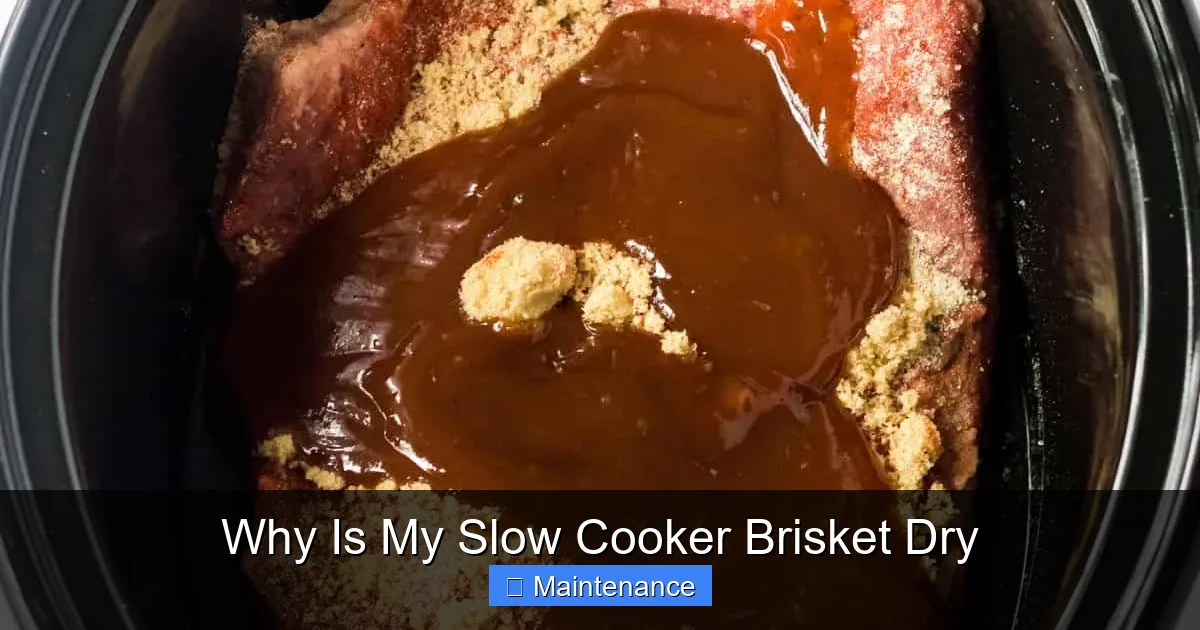
This is arguably the most common reason for a dry slow cooker brisket. Unlike smoking, where fat renders and moisture is released into the air, a slow cooker relies on a moist, steamy environment to braise the meat. Brisket needs to cook submerged in some liquid, typically broth, water, beer, or a flavorful sauce. This liquid helps to tenderize the meat by breaking down connective tissues and provides the essential moisture for a juicy end product.
How much liquid? Generally, you want the brisket to be at least 1/3 to 1/2 submerged. For a 3-5 lb brisket, this often means 2-4 cups of liquid. Don’t be afraid to add more if your slow cooker is very large or if you notice the liquid evaporating too quickly.
Overcrowding the Slow Cooker
If your brisket is too large for your slow cooker, it can lead to uneven cooking. Parts of the meat might be too close to the heating elements, cooking faster and drying out, while other parts remain undercooked. Always ensure there’s a little space around the brisket for even heat circulation and liquid distribution.
Lifting the Lid Too Often
Every time you lift the slow cooker lid, you release a significant amount of heat and steam. This drop in temperature means your slow cooker has to work harder to get back up to temperature, prolonging the cooking time. More importantly, it lets out the precious moisture that’s creating that steamy braising environment. Resist the urge to peek!
Incorrect Temperature Setting or Overcooking
While “low and slow” is the mantra for brisket, it’s possible to overcook it even on a low setting. Cooking brisket for too long, past its point of tenderness, will cause all the rendered fat and moisture to be squeezed out, leaving you with dry, stringy meat. The goal is to cook until the connective tissues have broken down, making it fork-tender, but *before* the muscle fibers dry out.
What’s the right temperature and time? For a 3-5 lb brisket, cooking on low for 6-8 hours is a general guideline, but size, slow cooker model, and even the brisket’s thickness will affect this. The best indicator is tenderness, not strictly time or internal temperature. When a fork or skewer can easily slide in and out of the meat with little resistance, it’s done.
Avoid high settings: While a “high” setting can sometimes work for shorter durations, prolonged cooking on high can cook the outside too quickly and dry it out before the inside has a chance to tenderize properly.
Post-Cooking Mishaps: The Final Frontier of Juiciness
You’ve cooked your brisket perfectly, but the battle for moisture isn’t over yet. How you handle it after cooking is just as vital.
Not Resting the Brisket
This is a critical step that many home cooks skip or rush, leading directly to a dry slow cooker brisket. When meat cooks, its muscle fibers contract, pushing moisture to the center. If you slice into it immediately, all those delicious juices will spill out onto your cutting board, leaving you with dry meat.
How to rest: After removing the brisket from the slow cooker, place it on a cutting board, tent it loosely with foil, and let it rest for at least 30-60 minutes (longer for larger briskets). This allows the muscle fibers to relax and reabsorb those juices, distributing them evenly throughout the meat. The difference in moisture and tenderness is astounding.
Slicing Against the Grain
Even a perfectly cooked and rested brisket can taste dry and tough if sliced incorrectly. Brisket has a prominent “grain” – the direction in which the muscle fibers run. Always slice *against* the grain (perpendicular to the fibers). This shortens the fibers, making each bite more tender and giving the perception of more juiciness.
How to find the grain: Look closely at the surface of the meat. You’ll see parallel lines. Orient your knife perpendicular to these lines before slicing. For a whole packer, the grain might change direction between the flat and the point, so you might need to separate them and slice each piece accordingly.
Slow Cooker Specific Considerations
Your slow cooker itself can sometimes contribute to the problem of dry brisket.
Slow Cooker Size
The size of your slow cooker matters. If your slow cooker is too large for the piece of brisket you’re cooking, there will be more empty space, which can lead to faster evaporation of liquids and a less steamy environment. Conversely, if it’s too small and you cram the brisket in, it won’t cook evenly.
Loose-Fitting Lid or Poor Seal
A tight-fitting lid is essential for a slow cooker to work efficiently. If your lid doesn’t seal well, steam and moisture will escape throughout the cooking process. This lowers the internal temperature and allows the liquid to evaporate faster, resulting in a drier cooking environment. Check your lid’s seal; if it’s loose, you might try placing a layer of aluminum foil directly over the slow cooker insert before putting the lid on to create a tighter seal.
Troubleshooting: What to Do If Your Brisket Is Already Dry
Sometimes, despite your best efforts, you might still end up with a dry slow cooker brisket. Don’t despair! All is not lost.
- Shred and Rehydrate: If your brisket is too dry to slice, shred it. Then, toss the shredded meat with some warm beef broth, BBQ sauce, or the juices from the slow cooker. Let it sit for a bit to absorb the liquid. This works wonderfully for sandwiches, tacos, or sliders.
- Sauce It Up: Serve the dry brisket smothered in a rich, warm sauce. The added moisture and flavor from the sauce can often mask the dryness of the meat.
- Repurpose It: Dry brisket can find new life in dishes where moisture is added from other ingredients. Think chili, stew, shepherd’s pie, or even a hearty beef hash. The brisket will absorb moisture from the other components, becoming more palatable.
- Steam It Briefly: In some cases, if it’s only slightly dry, you can try gently steaming slices of brisket for a few minutes over simmering broth to reintroduce some moisture. Be careful not to overdo it, or it will become mushy.
Conclusion
A dry slow cooker brisket is a frustrating experience, but it’s one you can easily prevent with the right knowledge and techniques. From carefully selecting a well-marbled cut and preparing it correctly, to ensuring adequate liquid and avoiding overcooking, every step plays a vital role. Most importantly, remember the power of resting and slicing against the grain – these post-cooking steps are just as crucial as the cooking itself.
By implementing the tips in this guide, you’ll be well on your way to consistently producing fork-tender, juicy, and utterly delicious slow cooker brisket that will impress everyone at your table. So, don’t let past dry brisket experiences deter you. Embrace the process, be patient, and get ready to enjoy the succulent slow cooker brisket you’ve always dreamed of! Happy cooking!

Jennifer D. Simon has spent the last 26 years studying and practicing nutrition science. She has used a larger part of this time in improving people’s livelihoods. She has done so by coming up with unquestionable ideas on how to tackle food problems in her community. Read More