
Can Slow Cooker Explode The Truth About Kitchen Safety
Many wonder, “can slow cooker explode?” The good news is, for modern slow cookers, a true explosion like you might imagine from a pressure cooker is extremely rare, bordering on impossible due to their fundamental design. They are non-pressurized appliances built with multiple safety features. While components can crack or electrical issues may arise from damage or misuse, causing a mess or minor hazard, these are typically not explosive events. Understanding proper care and maintenance is key to ensuring your slow cooker remains a safe and convenient kitchen companion.
Can Slow Cooker Explode The Truth About Kitchen Safety
Picture this: You’ve just spent a busy morning prepping ingredients, you pop them into your trusty slow cooker, set it, and forget it. Hours later, your home is filled with the comforting aroma of a delicious meal. It’s a dream come true for busy households, offering convenience, tender results, and minimal fuss. Slow cookers have earned their spot as a kitchen hero for millions.
But amidst the convenience, a nagging question sometimes creeps into people’s minds: “Can my slow cooker explode?” It’s a valid concern, often fueled by dramatic movie scenes involving pressure cookers or simply a general apprehension about unattended appliances. The idea of something violently rupturing in your kitchen while you’re out or asleep can be unsettling, to say the least. So, let’s pull back the curtain and get to the bottom of this common worry. We’re here to talk about slow cooker safety, clear up misconceptions, and give you the peace of mind you deserve.
Key Takeaways
- No Explosion Risk (True Sense): Modern slow cookers are non-pressurized appliances. Unlike pressure cookers, they are not designed to build up significant internal pressure, making a violent, explosive rupture virtually impossible under normal operating conditions.
- Ventilation is Key: Slow cooker lids have vents or are designed to allow steam to escape. This prevents any significant pressure buildup. Ensuring these vents aren’t blocked is crucial for safe operation.
- Potential Malfunctions, Not Explosions: While a slow cooker won’t typically explode, parts like ceramic inserts can crack due to thermal shock, or electrical components can fail due to damage or age, potentially causing overheating, smoke, or a shattered pot. These are serious but distinct from an explosion.
- Thermal Shock Hazard: Extreme temperature changes, such as placing a hot ceramic insert into cold water or a cold insert directly into a hot base, can cause the ceramic to crack or shatter. Always allow components to cool down naturally.
- Electrical Safety First: Always inspect the power cord and plug for damage before use. Avoid using damaged appliances, overloading outlets, or exposing the base to water to prevent electrical hazards and potential fires.
- Proper Filling and Placement: Never overfill your slow cooker, as this can lead to bubbling over and potential electrical issues. Place it on a stable, heat-resistant surface away from walls and flammable materials to ensure proper ventilation and prevent heat damage.
- Listen to Your Appliance: Unusual noises, smells, or smoke are clear indicators of a problem. If you notice any of these signs, unplug the slow cooker immediately and discontinue use. When in doubt, it’s always safer to replace an old or damaged unit.
📑 Table of Contents
Understanding Your Slow Cooker’s Design and Safety Features
To truly answer the question of whether a slow cooker can explode, we first need to understand how these appliances actually work. A slow cooker, also often called a Crock-Pot (which is a popular brand name), is a relatively simple kitchen device. It consists of a heating element in the base, a ceramic or stoneware insert (the pot where your food goes), and a lid, typically made of glass.
The Non-Pressurized Nature
Here’s the fundamental difference that sets slow cookers apart from appliances that *can* explode: slow cookers are designed to operate at atmospheric pressure. They are *not* pressure cookers. A pressure cooker works by sealing in steam to create high pressure, which raises the boiling point of water and cooks food much faster. If a pressure cooker malfunctions and cannot release this immense pressure, it can indeed rupture with explosive force.
A slow cooker, on the other hand, operates with a loosely fitting lid. This lid might have a small vent hole, or it might simply allow steam to escape around the edges. This design is crucial because it means that pressure can never build up significantly inside the pot. As steam generates during cooking, it simply lifts the lid slightly or exits through the vent, preventing any dangerous pressure accumulation. This is why you can safely remove the lid to stir your food or add ingredients without depressurizing the unit.
Temperature Control and Safety Mechanisms
Slow cookers typically have a few basic settings: Low, High, and sometimes Warm. These settings maintain the food at safe, consistent temperatures for extended periods. The heating elements are calibrated to reach specific temperatures that are sufficient for slow cooking but not so extreme as to create excessive steam or unsafe conditions.
Modern slow cookers also often include safety features like internal thermostats that prevent overheating. If the unit somehow gets too hot, these thermostats will cycle the heating element off until the temperature drops back to a safe level. Some models even have automatic shut-off features if they detect an issue. These layers of design and safety measures are precisely why a slow cooker explode scenario is practically impossible.
The Myth vs. Reality: Can Slow Cooker Explode?
Let’s address the elephant in the room directly: Can a slow cooker explode in the way many people fear, meaning a violent, shrapnel-flying rupture? The emphatic answer is: No, not in the true sense of an explosion.
Visual guide about can slow cooker explode
Image source: mybudgetrecipes.com
Why a Slow Cooker Won’t Explode
As we discussed, the key lies in the non-pressurized design. Without the ability to build and contain high pressure, there’s simply no force to create an explosion. Imagine boiling water in an ordinary pot on your stove. Steam escapes freely, and while it might bubble vigorously or spit hot water, the pot itself won’t explode. A slow cooker operates on a very similar principle, just at a lower, more controlled heat over a longer period.
So, the fear that your slow cooker will suddenly detonate while you’re at work or sleeping is, thankfully, unfounded. The design simply doesn’t allow for it. The lid is made to prevent high pressure from forming, not to contain it.
What Can Go Wrong (and It’s Not an Explosion)
While your slow cooker won’t explode, it’s not immune to problems. Like any appliance, misuse, damage, or manufacturing defects can lead to issues. These issues, however, are distinct from an explosion:
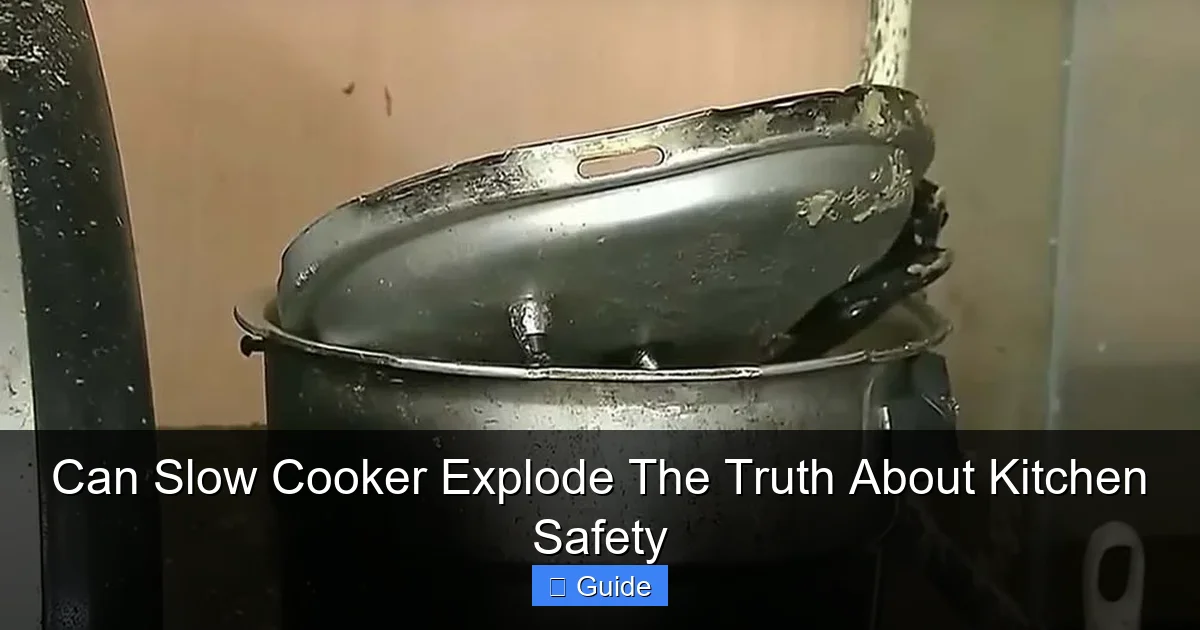
- Cracked Ceramic Inserts: This is perhaps the most common “incident” reported. Extreme temperature changes (thermal shock) can cause the ceramic or stoneware pot to crack or even shatter. For example, placing a piping hot insert directly into a sink of cold water, or putting a frozen insert straight into a hot slow cooker base, can lead to this. It’s sudden, can be startling, and definitely makes a mess, but it’s not an explosion.
- Lid Issues: A glass lid can crack or shatter due to thermal shock or if dropped. Again, this is a breakage, not an explosion. If steam cannot escape due to a blocked vent or a faulty lid seal, a small amount of pressure *could* build up, but it would typically just lift the lid or escape around the edges, not cause the entire appliance to rupture.
- Electrical Malfunctions: Damaged cords, faulty wiring, or an internal electrical short can cause overheating, smoking, or even a small electrical fire. These are serious hazards that require immediate attention but are not an “explosion” of the slow cooker itself.
- Overfilling: If you overfill your slow cooker, the contents can boil over. This can create a messy situation, potentially damage the heating element if liquid gets into the base, or even cause a short circuit if it reaches electrical components. Again, messy and potentially dangerous, but not explosive.
In all these scenarios, while safety is paramount and caution is advised, the appliance itself doesn’t “explode” in the dramatic, high-pressure way that might be imagined. The distinction between a component breaking, an electrical fault, or contents boiling over, and a full-blown slow cooker explode event, is very important for understanding the actual risks.
What Can Go Wrong (and How to Prevent It)
Even though a slow cooker won’t truly explode, understanding potential issues and how to prevent them is key to safe operation. Most problems stem from misuse or lack of maintenance.
Visual guide about can slow cooker explode
Image source: kitchenflock.com
Preventing Ceramic Insert Cracks (Thermal Shock)
The stoneware or ceramic insert is sturdy but vulnerable to rapid temperature changes.
- Allow Cooling: Always let the insert cool down to room temperature before washing it or exposing it to cold water. Don’t put a hot pot directly into a cold sink or dishwasher.
- Room Temperature Ingredients: If possible, bring refrigerated ingredients closer to room temperature before adding them to a hot slow cooker. Avoid placing a frozen solid insert directly into a preheated base.
- Gentle Cleaning: Use non-abrasive cleaners and sponges. Harsh scrubbing or impacts can weaken the ceramic over time, making it more prone to cracking.
Avoiding Lid Breakage and Steam Traps
Glass lids are durable but not indestructible.
- Handle with Care: Avoid dropping the lid or striking it against hard surfaces.
- Check Vents: Ensure any small vent holes in the lid are clear and not clogged with food residue. While not critical for pressure relief in a slow cooker, proper ventilation prevents excessive condensation and keeps the lid from sealing too tightly.
- Inspect for Damage: If you see any chips, cracks, or damage to your glass lid, replace it immediately. A compromised lid could shatter unexpectedly.
Addressing Electrical Malfunctions
Electrical safety is paramount with any appliance left unattended.
- Inspect the Cord: Before each use, visually inspect the power cord and plug for any fraying, cuts, exposed wires, or bent prongs. Never use an appliance with a damaged cord.
- Avoid Overloading: Plug your slow cooker directly into a wall outlet if possible. If you must use an extension cord, ensure it’s rated for the appliance’s wattage and is in good condition. Never overload an electrical circuit.
- Keep Dry: The heating base of a slow cooker is an electrical component. Never immerse it in water or allow liquids to spill into it. If the base gets wet, unplug it immediately and ensure it’s completely dry before plugging it in again. If in doubt, replace it.
- Unplug When Not in Use: Always unplug your slow cooker when cooking is complete or when it’s not in use.
Preventing Overfilling and Spills
Slow cookers have a maximum fill line, usually indicated on the inside of the ceramic insert.
- Respect the Fill Line: Never fill the slow cooker beyond two-thirds to three-quarters full. Overfilling can cause food to bubble over, creating a mess, and potentially damaging the heating element or electrical components if liquid seeps into the base.
- Monitor Liquids: Recipes for slow cookers often require less liquid than stovetop or oven recipes because very little liquid evaporates during slow cooking. Be mindful not to add excessive liquid.
Essential Slow Cooker Safety Tips for Everyday Use
Using your slow cooker safely is mostly about common sense and following a few simple guidelines. These tips will help you enjoy worry-free cooking for years to come.
Visual guide about can slow cooker explode
Image source: kitchenflock.com
Proper Placement and Ventilation
- Stable Surface: Always place your slow cooker on a stable, flat, heat-resistant surface, like a countertop, away from the edge.
- Clearance: Ensure there’s adequate space around the appliance for air circulation. Don’t push it right up against a wall, cabinets, or other appliances. Avoid placing it under overhead cabinets that could be damaged by steam.
- Away from Flammables: Keep the slow cooker away from curtains, paper towels, dishcloths, and other flammable materials.
Before Every Use: A Quick Check
- Inspect for Damage: Take a moment to check the ceramic insert, lid, power cord, and plug for any signs of damage (cracks, chips, fraying). If anything looks compromised, do not use the appliance.
- Cleanliness: Ensure both the insert and the heating base are clean and free of food debris or liquid spills from previous use.
During Operation
- Don’t Peek Too Often: While it’s generally safe to lift the lid, doing so frequently can significantly extend cooking times as a lot of heat escapes. Try to resist the urge!
- Avoid Foreign Objects: Never place aluminum foil or other metallic objects directly on the heating element or between the insert and the base, as this can interfere with heating or cause electrical issues.
- Follow Recipes: Stick to recipes designed for slow cookers. They account for cooking times and liquid amounts appropriate for the appliance.
After Cooking
- Unplug: Once cooking is complete, or if you’re using the “warm” setting for an extended period, remember to unplug the unit.
- Cool Down: Allow the ceramic insert and lid to cool down before washing, as mentioned earlier, to prevent thermal shock.
- Proper Storage: Store your slow cooker in a dry, safe place where it won’t be easily damaged. Coil the cord loosely; don’t wrap it tightly around the base.
When to Replace Your Slow Cooker
Even with the best care, appliances don’t last forever. Knowing when to retire your slow cooker is another crucial aspect of kitchen safety. A faulty appliance is a much bigger safety risk than a perfectly working one.
Signs It’s Time for a New Slow Cooker
- Cracked or Chipped Insert: If your ceramic or stoneware insert has a visible crack, especially one that goes all the way through, it’s time for a new one. Even small cracks can worsen, lead to leaks, or completely shatter. While you might be able to find replacement inserts for some brands, sometimes buying a whole new unit is more cost-effective.
- Damaged Power Cord or Plug: Any fraying, cuts, exposed wires, or a loose connection at the base of the appliance are immediate red flags. This poses a significant electrical fire hazard. Do not attempt to repair it yourself; replace the entire unit.
- Erratic Heating: If your slow cooker consistently cooks too hot, too cold, or cycles on and off unpredictably, its thermostat or heating element may be failing. This can lead to undercooked food (food safety risk) or burned food.
- Unusual Smells or Sounds: If you detect a burning smell (not related to the food), hear buzzing, popping, or other strange electrical noises, unplug the unit immediately and discontinue use. These are signs of internal electrical problems.
- Visible Damage to the Base: If the outer casing of the heating base is cracked, warped, or shows signs of burning or melting, it indicates internal damage or overheating.
- Lid Issues: A lid that no longer fits properly, or is chipped/cracked, can compromise cooking efficiency and safety.
- Age: While there’s no fixed lifespan, older models (especially those 10+ years old) might not have the same safety features or robust materials as newer ones. If your slow cooker is an antique, it might be time for an upgrade.
Don’t try to fix major issues yourself, especially electrical ones. When in doubt, it’s always better to err on the side of caution and replace the appliance. The cost of a new slow cooker is a small price to pay for your safety and peace of mind.
Conclusion
So, can slow cooker explode? The answer, for modern slow cookers, is a resounding no. They are built with safety in mind, designed specifically to prevent pressure buildup. The slow cooker’s non-pressurized operation is its most important safety feature, making the dramatic “explosion” scenario almost entirely confined to fiction or a misunderstanding of how these wonderful appliances work.
While you don’t need to fear a violent rupture, like any electrical appliance that generates heat, proper use and maintenance are crucial. Be mindful of thermal shock to your ceramic insert, keep an eye on your power cord, avoid overfilling, and always ensure your appliance is in good working order. By following these simple kitchen safety guidelines, you can continue to enjoy the convenience and delicious meals your slow cooker provides, confident that it’s a safe and reliable tool in your culinary arsenal. Happy cooking!
Frequently Asked Questions
Can a slow cooker lid seal completely and build pressure?
No, slow cooker lids are designed to fit loosely or include a vent to allow steam to escape. They are not airtight and therefore cannot build up significant pressure like a pressure cooker. This design is a key safety feature preventing any possibility of a “slow cooker explode” event.
What happens if a slow cooker overheats?
If a slow cooker overheats, modern units usually have internal thermostats that will automatically cycle the heating element off until the temperature drops. In older or faulty units, extreme overheating could lead to scorching of food, smoke, or in rare cases, an electrical fire, but it would not cause the unit to explode.
Is it safe to leave a slow cooker unattended all day or overnight?
Yes, slow cookers are specifically designed for long, unattended cooking periods. As long as the unit is in good condition, placed on a stable, heat-resistant surface away from flammable materials, and the cord is undamaged, it is generally safe to leave it operating for recommended cooking times, including overnight or while you’re at work.
Can a slow cooker cause a fire?
While extremely rare, any electrical appliance can potentially cause a fire if it’s faulty, has a damaged cord, is misused (e.g., liquid spills into the base), or is placed too close to flammable materials. However, modern slow cookers have multiple safety features to prevent this, and proper care minimizes the risk significantly. A “slow cooker explode” leading to fire is not the typical failure mode.
What should I do if my slow cooker pot cracks?
If your slow cooker’s ceramic or stoneware insert cracks, stop using it immediately. Leaks can occur, and further cooking could worsen the crack or cause it to shatter completely. You may be able to purchase a replacement insert for your specific model, but if not, it’s safer to replace the entire slow cooker.
How often should I replace my slow cooker?
There’s no fixed lifespan for a slow cooker, but it’s wise to consider replacement if you notice any signs of damage such as frayed cords, cracked inserts, visible damage to the heating base, or erratic heating. For very old models (10+ years), upgrading might be beneficial for enhanced safety features and efficiency.

Jennifer D. Simon has spent the last 26 years studying and practicing nutrition science. She has used a larger part of this time in improving people’s livelihoods. She has done so by coming up with unquestionable ideas on how to tackle food problems in her community. Read More