
Yes Can Slow Cooker Pot Go In Fridge For Safe Leftovers
Yes, you absolutely can put your slow cooker pot in the fridge for safe leftovers, but there are important food safety guidelines to follow. It’s crucial to cool the food rapidly before refrigeration to prevent bacterial growth. Never put a very hot pot directly into the fridge; instead, cool it down safely using methods like an ice bath or by dividing food into smaller, shallow containers, ensuring your delicious meals remain safe to enjoy later.
Have you ever finished a wonderful slow cooker meal, looked at the generous amount of delicious leftovers, and thought, “Can slow cooker pot go in fridge?” It’s a common question, and one that sparks a bit of confusion for many home cooks. The good news is, yes, in most cases, you absolutely can put your slow cooker pot in the fridge to store leftovers safely. However, like many things in the kitchen, there’s a right way and a wrong way to do it.
The primary concern isn’t whether the pot itself can withstand the cold – most ceramic or stoneware inserts are robust enough for refrigeration – but rather the critical aspects of food safety. Our main goal is to prevent harmful bacteria from growing in your delicious food. This guide will walk you through everything you need to know about safely storing your slow cooker pot and its contents in the fridge, ensuring your leftovers are just as tasty and safe on day two (or three!) as they were on day one.
So, let’s dive deep into the best practices, clever hacks, and crucial food safety rules that will allow you to confidently store your slow cooker pot in the fridge, making meal prep and leftover management a breeze. You’ll learn how to cool food rapidly, choose the best storage methods, and reheat everything safely.
Key Takeaways
- Rapid Cooling is Crucial: Before placing your slow cooker pot (or its contents) in the fridge, ensure the food cools quickly to below 40°F (4°C) within two hours to bypass the “danger zone” where bacteria multiply.
- Never Place a Hot Pot Directly in the Fridge: A very hot ceramic or stoneware pot can raise the fridge’s internal temperature, jeopardizing other foods and potentially cracking the pot itself.
- Utilize an Ice Bath: For faster cooling, transfer the pot to a large basin of ice water, stirring the food occasionally, until it reaches a safe temperature.
- Divide into Smaller Portions: If keeping food in the slow cooker pot isn’t ideal or it’s too large, transfer the leftovers to multiple shallow containers. This maximizes surface area for quicker cooling.
- Consider Material Properties: Most slow cooker crocks are made of ceramic or stoneware, which retain heat exceptionally well. This makes rapid cooling directly in the pot challenging without assistance.
- Food Safety First: Always prioritize food safety over convenience. If unsure, err on the side of caution. Properly cooled and stored leftovers are safe for 3-4 days in the refrigerator.
- When in Doubt, Transfer: If your slow cooker pot is too big or you can’t cool it effectively, transfer the food to appropriate, fridge-friendly storage containers.
📑 Table of Contents
- The “Yes, But…” – Understanding Food Safety Basics for Slow Cooker Leftovers
- Best Practices for Cooling Your Slow Cooker Pot Safely
- Transferring Food vs. Storing in the Crock When You Can Slow Cooker Pot Go In Fridge
- Fridge Storage Tips for Maximum Freshness and Safety
- Reheating Leftovers Safely and Deliciously
- Common Mistakes to Avoid When Storing Slow Cooker Leftovers
- Conclusion
The “Yes, But…” – Understanding Food Safety Basics for Slow Cooker Leftovers
It’s tempting to just pop the entire slow cooker insert, still warm, right into the fridge. But hold on a minute! While the answer to “can slow cooker pot go in fridge” is generally yes, the timing and method are key. The biggest challenge with slow cooker leftovers is getting them to a safe temperature quickly.
The Danger Zone Explained
Bacteria that can cause foodborne illness love to multiply rapidly between 40°F (4°C) and 140°F (60°C). This temperature range is what food safety experts call the “danger zone.” The longer food stays in this zone, the more bacteria can grow, making your food unsafe to eat. After cooking, you have a critical window: food needs to cool from 140°F (60°C) to 70°F (21°C) within two hours, and then from 70°F (21°C) down to 40°F (4°C) or below within an additional four hours. This means a total of six hours from the time cooking finishes until the food is fully refrigerated at a safe temperature.
Why Rapid Cooling Matters
Slow cooker pots, particularly the ceramic or stoneware inserts, are designed to retain heat incredibly well. This is fantastic for cooking, but it becomes a challenge when you need to cool food down quickly. A large, hot mass of food in a heat-retaining pot will take a very long time to cool naturally. During this prolonged cooling period, your food could spend too much time in the danger zone, making it risky to consume later. This is why just leaving your slow cooker pot on the counter to cool for hours is not a safe practice if you intend to refrigerate.
The Slow Cooker Pot’s Unique Properties
Most slow cooker inserts are made from heavy ceramic or glazed stoneware. These materials are excellent insulators. This means they not only hold heat during cooking but also keep food warm for a long time afterward. When considering “can slow cooker pot go in fridge,” remember this property. A hot, heavy ceramic pot will significantly impact the temperature inside your refrigerator, potentially warming up other foods and forcing your fridge to work harder, which isn’t energy efficient and can be detrimental to food safety.
Best Practices for Cooling Your Slow Cooker Pot Safely
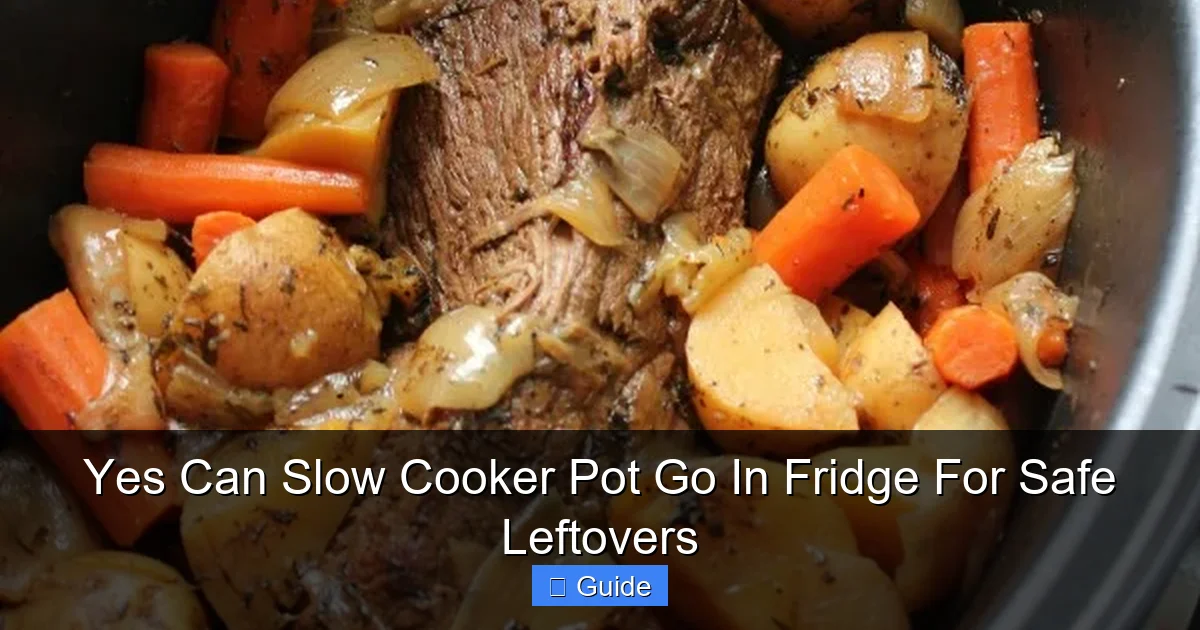
Visual guide about can slow cooker pot go fridge
Image source: cincyshopper.com
Now that we understand the “why,” let’s talk about the “how.” Safely cooling your slow cooker pot or its contents is paramount before you think about putting it in the fridge.
Never Put a Hot Pot Directly Into the Fridge
This is rule number one. Placing a piping hot slow cooker pot directly into your refrigerator is a big no-no. As mentioned, it can drastically raise the internal temperature of your fridge, putting all your other stored foods at risk of entering the danger zone. It also makes your refrigerator work overtime, consuming more energy and potentially shortening its lifespan. There’s also a minor risk of thermal shock cracking a ceramic pot, though this is less common with modern slow cooker inserts.
Divide and Conquer: Smaller Portions
One of the most effective ways to cool food quickly is to increase its surface area. If you have a large amount of stew or chili in your slow cooker, don’t try to cool it all in one go in the big pot.
- Transfer to multiple shallow containers: Ladle the food into several smaller, shallow (no more than 2-3 inches deep) containers. Plastic food storage containers, glass dishes, or even baking pans work well.
- Spread it out: Don’t pack the containers too full. Spreading the food out thinly allows heat to escape much faster.
- Leave uncovered initially: Once transferred, leave the containers uncovered for a short period to allow steam to escape and rapid cooling to begin. Once cool to the touch, or if placing in the fridge, cover loosely or fully.
The Ice Bath Method: Your Best Friend
This is a chef’s secret for rapid cooling and is highly effective for your slow cooker contents.
- Prepare an ice bath: Fill your kitchen sink or a large basin with ice and cold water.
- Submerge the slow cooker pot: If your slow cooker pot can fit, carefully place the entire (or mostly cooled) insert into the ice bath, making sure the water level doesn’t go over the rim and into your food.
- Stir the food: Stir the food periodically to help distribute the cold and speed up the cooling process.
- Monitor temperature: Use a food thermometer to check the temperature. Continue until the food reaches 40°F (4°C) or below. This method significantly cuts down the cooling time.
This method is particularly useful when you want to put slow cooker pot in fridge for efficient storage.
Using Shallow Containers
Even if you’re not doing a full ice bath, simply transferring food to shallow containers is a game-changer. Imagine a large block of ice versus crushed ice – the crushed ice melts much faster because it has more surface area exposed to the air. The same principle applies to cooling hot food. The more surface area exposed to cooler air (or fridge air), the faster it will cool. Once the food in these shallow containers has reached a safe temperature (around 70°F), you can then move them into the refrigerator.
Transferring Food vs. Storing in the Crock When You Can Slow Cooker Pot Go In Fridge

Visual guide about can slow cooker pot go fridge
Image source: cookingclassy.com
Deciding whether to keep food in the slow cooker pot or transfer it to other containers is a practical consideration after cooling.
Pros and Cons of Storing Food in the Original Pot
Pros:
- Less cleanup: If you cool the food directly in the slow cooker pot (using an ice bath, for instance), you avoid washing extra dishes.
- Convenience: The pot is already there, no need to find other containers.
- Reheating (sometimes): For certain dishes and smaller portions, you might reheat directly in the slow cooker later (though this isn’t always recommended for large batches or all food types).
Cons:
- Takes up a lot of fridge space: Slow cooker inserts are bulky. A large one can dominate your fridge shelf.
- Slower cooling: Even with an ice bath, a large volume of food in a thick ceramic pot will take longer to cool than if divided.
- Not always airtight: The slow cooker lid often isn’t designed for airtight fridge storage, which can lead to food drying out or absorbing fridge odors.
- Risk of thermal shock: While rare, extreme temperature changes can stress ceramic.
When to Transfer to Other Containers
It’s almost always a good idea to transfer your slow cooker leftovers to dedicated food storage containers. This is especially true if:
- You have a very large batch of food.
- You need to cool the food down as quickly as possible.
- Fridge space is at a premium.
- You want truly airtight storage to maintain freshness.
- You plan to freeze portions.
Transferring ensures rapid cooling and efficient use of fridge space, so you can slow cooker pot in fridge or elsewhere with confidence.
Choosing the Right Storage Containers
When transferring, opt for:
- Shallow containers: As discussed, these promote faster cooling.
- Airtight lids: To prevent spoilage, drying out, and odor transfer.
- Food-grade materials: Glass, BPA-free plastic, or stainless steel are all excellent choices.
- Freezer-safe if needed: If you plan to freeze some portions, ensure your containers are freezer-safe.
Fridge Storage Tips for Maximum Freshness and Safety
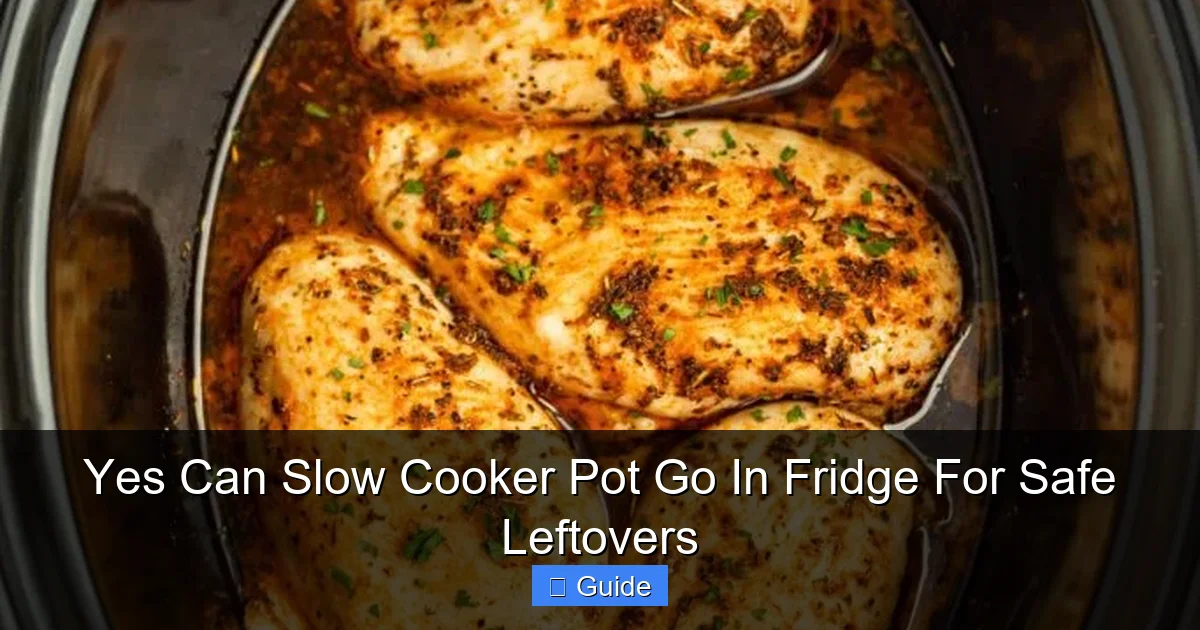
Visual guide about can slow cooker pot go fridge
Image source: eatingonadime.com
Once your slow cooker pot (or its transferred contents) is properly cooled and ready, let’s make sure it’s stored optimally in the fridge.
Proper Placement in the Fridge
- Avoid the door: The fridge door is the warmest part of the refrigerator and experiences the most temperature fluctuations. Don’t store anything that’s highly perishable here.
- Main shelves: Place your slow cooker pot or food containers on the main shelves, where temperatures are more consistent.
- Don’t overpack: Ensure there’s enough air circulation around your food containers. An overstuffed fridge can prevent proper cooling and lead to warmer spots. This is important when you slow cooker pot in fridge.
Labeling and Dating Your Leftovers
This seemingly small step is crucial for food safety. Always label your containers with:
- The name of the dish: “Chicken Chili” or “Beef Stew.”
- The date it was cooked/stored: This helps you keep track of its shelf life.
A simple piece of masking tape and a marker do the trick. This way, you’ll never have to play the “mystery meat” game with old leftovers. Knowing when you can slow cooker pot go in fridge with its contents and how long it stays good is essential.
How Long Can it Stay? Shelf Life Guidelines
Properly cooked, cooled, and refrigerated slow cooker leftovers (like stews, casseroles, and cooked meats) are generally safe to eat for 3 to 4 days. Beyond that, the risk of spoilage and bacterial growth increases, even if stored correctly. If you won’t eat it within this timeframe, consider freezing portions.
Reheating Leftovers Safely and Deliciously
You’ve successfully managed to slow cooker pot in fridge and store your leftovers. Now it’s time to enjoy them! Reheating needs to be done correctly to maintain safety and flavor.
Reheating from the Fridge
Always reheat leftovers until they reach an internal temperature of 165°F (74°C).
- Stovetop: This is often the best method for slow cooker dishes. Transfer portions to a saucepan and heat over medium heat, stirring frequently, until thoroughly hot. Add a splash of broth or water if it seems dry.
- Microwave: Great for individual portions. Use microwave-safe containers, cover to trap moisture, and stir halfway through heating to ensure even temperature distribution.
- Oven: For larger quantities or dishes that benefit from crisping (like a casserole), use an oven at 300-350°F (150-175°C) until thoroughly heated.
Avoid the Slow Cooker for Reheating Large Batches (Generally)
While you might think it’s convenient to reheat your slow cooker pot in fridge leftovers directly back in the slow cooker, it’s generally not recommended for large batches. Slow cookers reheat slowly, meaning your food could spend too much time in the danger zone as it slowly comes back up to temperature. For a small portion, it might be okay, but for a whole pot, choose a faster method like the stovetop or oven.
The Importance of Heating Through
Just like cooling, thorough reheating is vital. You want to kill any potential bacteria that might have grown during storage. Use a food thermometer to check the internal temperature, especially for thicker dishes. Visually, look for steaming hot food throughout, not just around the edges.
Common Mistakes to Avoid When Storing Slow Cooker Leftovers
Even with the best intentions, it’s easy to make mistakes. Here are a few common pitfalls to steer clear of when dealing with slow cooker leftovers.
Overfilling the Fridge
Resist the urge to cram your fridge full of containers. Overpacking restricts airflow, leading to inconsistent temperatures and warmer spots, making it harder for your fridge to cool food properly. This negates your efforts to slow cooker pot in fridge safely.
Leaving Food Out Too Long
Remember the two-hour rule! Cooked food should not be left at room temperature for more than two hours. If it’s a hot day (above 90°F or 32°C), that time shrinks to just one hour. If you forget or lose track of time, it’s safer to discard the food than risk illness.
Reheating Multiple Times
Try to reheat only the amount of food you plan to eat. Reheating food multiple times increases the risk of it spending too much time in the danger zone and can also degrade its quality, texture, and flavor.
Not Trusting Your Senses (Smell, Sight)
While proper storage and dating are crucial, your senses are also your last line of defense. If food smells off, has an unusual appearance (mold, slimy texture), or just doesn’t seem right, it’s best to throw it out. “When in doubt, throw it out” is a good motto for food safety. Even if you correctly slow cooker pot in fridge, sometimes things go wrong.
Conclusion
So, can slow cooker pot go in fridge? Yes, it absolutely can, and it’s a fantastic way to manage your delicious slow cooker leftovers. The key to success lies in understanding and implementing proper food safety practices, particularly rapid cooling. By taking a few extra steps – like using an ice bath or dividing food into shallow containers – you can ensure your slow cooker meals remain safe, fresh, and enjoyable for days to come.
Embrace these tips, and you’ll transform your slow cooker into an even more powerful tool for convenient, safe, and delicious meal preparation. No more wasted food, just perfectly preserved flavors ready for your next culinary adventure! Happy cooking and safe storing!
Frequently Asked Questions
Can I put the stoneware insert of a slow cooker directly into the fridge while it’s still warm?
No, it’s not recommended to place a very hot stoneware insert directly into the fridge. This can drastically raise the internal temperature of your refrigerator, putting other foods at risk and forcing your appliance to work harder. Always cool the food down first.
How quickly does slow cooker food need to be cooled before refrigeration?
Cooked food needs to be cooled rapidly to minimize bacterial growth. It should go from 140°F (60°C) to 70°F (21°C) within two hours, and then from 70°F (21°C) down to 40°F (4°C) or below within an additional four hours.
What is the best way to cool slow cooker food quickly?
The most effective methods include transferring the food to multiple shallow containers to increase surface area, or placing the slow cooker insert into an ice bath, stirring the food occasionally to help it cool faster.
Is it better to store leftovers in the original slow cooker pot or transfer them to other containers?
While you can store cooled food in the slow cooker pot, it’s often better to transfer leftovers to smaller, airtight, shallow containers. This saves fridge space, ensures more even cooling, and provides better protection against drying out.
How long are slow cooker leftovers safe to eat after being refrigerated?
Properly cooked, rapidly cooled, and refrigerated slow cooker leftovers are typically safe to eat for 3 to 4 days. Always label your containers with the date to keep track.
Can I reheat slow cooker leftovers in the slow cooker itself?
It’s generally not recommended to reheat large batches of leftovers in the slow cooker, as it heats slowly and could keep food in the “danger zone” for too long. For safety, it’s better to reheat portions on the stovetop, in the microwave, or in the oven until they reach 165°F (74°C).

Jennifer D. Simon has spent the last 26 years studying and practicing nutrition science. She has used a larger part of this time in improving people’s livelihoods. She has done so by coming up with unquestionable ideas on how to tackle food problems in her community. Read More