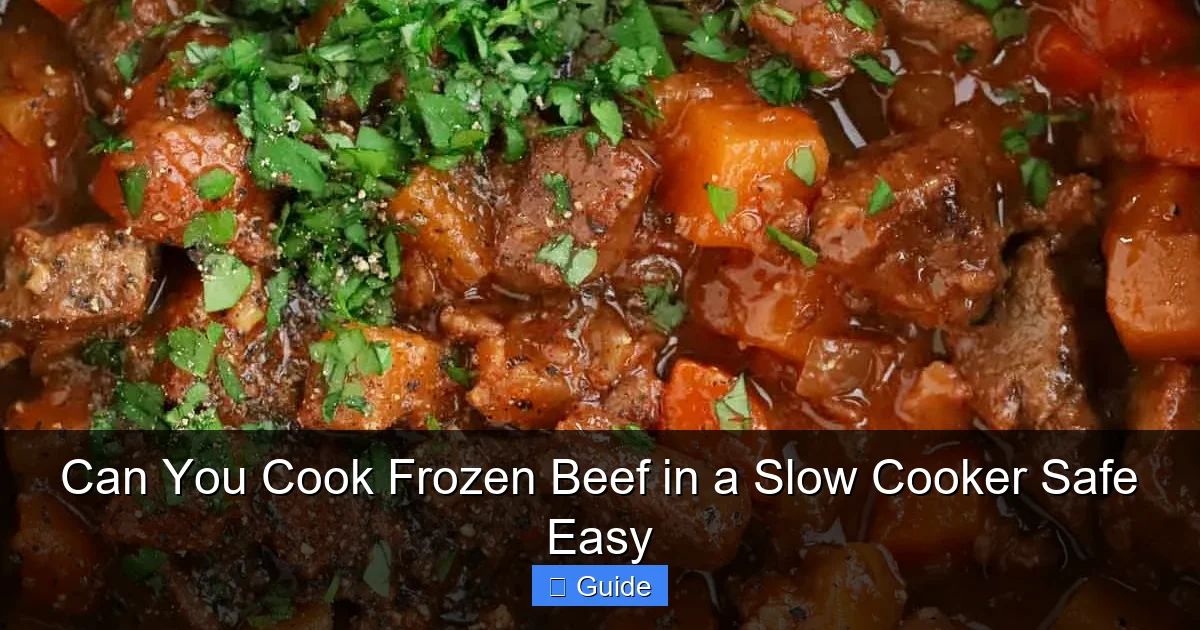
Can You Cook Frozen Beef in a Slow Cooker Safe Easy
Cooking frozen beef in a slow cooker is generally not recommended by food safety experts due to the “danger zone” for bacterial growth. While the slow cooker’s convenience is tempting, it warms frozen meat too slowly, allowing harmful bacteria to multiply. This guide emphasizes thawing beef thoroughly before slow cooking for optimal safety, flavor, and texture, and provides safer alternatives for busy cooks.
Ah, the slow cooker. It’s truly a kitchen hero, isn’t it? The promise of tossing ingredients in the morning and coming home to a delicious, ready-to-eat meal is a dream come true for busy folks everywhere. We all love the convenience, the tender results, and that wonderful aroma filling the house as dinner simmers away. It’s perfect for making hearty stews, succulent roasts, and flavorful pulled beef with minimal effort.
But amidst all this slow-cooker love, a common question pops up, especially when you’re staring at a rock-solid block of beef in your freezer and the clock is ticking: “Can I just toss this frozen beef right into my slow cooker?” It’s a tempting thought, isn’t it? Skip the thawing, save some time, and let the magic happen. Many of us have been there, wondering if this shortcut is truly safe or if it’s a recipe for disaster. This is where food safety and convenience often butt heads, and understanding the science behind it is key to making a smart, safe choice for your family’s meals.
So, let’s dive deep into this culinary conundrum. We’re going to explore whether you can cook frozen beef in a slow cooker safely, easily, and what the experts say. We’ll cover the risks, the best practices, and offer some fantastic alternatives for those times when you’re short on prep time but still want a delicious, worry-free meal. Get ready to become a slow-cooking pro, armed with all the knowledge you need to make amazing beef dishes every single time!
Key Takeaways
- Safety First: The USDA strongly advises against cooking frozen meat, including beef, in a slow cooker because it can spend too much time in the “danger zone” (40°F to 140°F or 4°C to 60°C), where bacteria multiply rapidly.
- Thawing is Crucial: Always thaw your beef completely before adding it to a slow cooker. This ensures even cooking and prevents unsafe temperature fluctuations.
- Bacterial Risk: Starting with frozen beef means the meat’s internal temperature rises very slowly, creating a prime environment for harmful bacteria like Salmonella and E. coli to thrive before the meat reaches a safe cooking temperature.
- Temperature Control Issues: Slow cookers are designed to maintain warmth once food is hot, not to rapidly heat up frozen solids. They may not reach a safe internal temperature quickly enough to eliminate bacteria from frozen meat.
- Better Results: Thawed beef absorbs marinades and seasonings more effectively, cooks more uniformly, and results in a more tender and flavorful final dish compared to cooking from frozen.
- Safer Alternatives: If you’re pressed for time, a pressure cooker (like an Instant Pot) is a much safer option for cooking beef from frozen, as it reaches high temperatures rapidly. Oven roasting or stovetop simmering for smaller cuts are also safer choices.
- Small Cuts Exception (Rare and Risky): While some might argue small, uniformly cut pieces of frozen beef (like stew meat) can be cooked if submerged in already boiling liquid, this method still carries risks and is not recommended by official food safety guidelines.
📑 Table of Contents
- The Science of Slow Cooking and Food Safety: Understanding the “Danger Zone”
- Why It’s Generally NOT Recommended to Cook Frozen Beef in a Slow Cooker
- Debunking Myths: Why Some People *Think* It’s Okay (and Why It’s Still Risky)
- The Safest and Best Way: Thaw Your Beef First
- Beyond Thawing: Tips for Amazing Slow-Cooked Beef
- Safer Alternatives to Cooking Beef from Frozen (If You’re Short on Time)
- Conclusion
The Science of Slow Cooking and Food Safety: Understanding the “Danger Zone”
To truly understand why cooking frozen beef in a slow cooker is a tricky business, we first need to chat about food safety basics, specifically what’s known as the “danger zone.” This isn’t just a catchy phrase; it’s a critical concept for anyone who cooks at home.
What is the “Danger Zone”?
The “danger zone” refers to the temperature range between 40°F (4°C) and 140°F (60°C). This specific range is where harmful bacteria like Salmonella, E. coli, and Listeria multiply most rapidly. When perishable foods, especially meats, spend too much time in this zone, these bacteria can grow to levels that can cause foodborne illness. Think of it as a bacterial playground where they thrive and throw parties.
How Slow Cookers Work (and Their Limitations)
Slow cookers, also known as Crock-Pots, are brilliant for cooking food at low temperatures over extended periods. They work by gently heating food, allowing flavors to meld and tough cuts of meat to break down into tender, juicy perfection. However, their very nature – slow, gentle heating – is what makes them problematic for frozen meat.
When you place thawed meat into a slow cooker, it typically reaches a safe temperature relatively quickly because it’s already at a refrigerated temperature (around 40°F or 4°C). The slow cooker then maintains and gradually increases that temperature, keeping the food out of the danger zone for an unsafe amount of time.
Why Frozen Meat Prolongs Time in the Danger Zone
Now, imagine what happens when you introduce a large, frozen chunk of beef into that same environment. The slow cooker struggles to bring the internal temperature of the frozen meat up to a safe level quickly. Instead, the outer layers of the beef start to warm up, entering the danger zone, while the core remains frozen solid. This means the meat could spend many hours slowly thawing and warming up through that critical 40°F to 140°F range before the entire piece of beef reaches a cooking temperature high enough to kill bacteria.
This extended stay in the bacterial “danger zone” provides ample opportunity for any existing bacteria on the surface or within the meat to multiply exponentially. Even if the meat eventually reaches a safe internal temperature (like 160°F or 71°C for ground beef, or 145°F or 63°C for steaks and roasts followed by a rest), the toxins produced by the bacteria during their growth spurt might not be destroyed by cooking. This is a significant risk that food safety experts, including the USDA, strongly advise against.
Why It’s Generally NOT Recommended to Cook Frozen Beef in a Slow Cooker
Let’s get straight to the point: the overwhelming consensus from food safety organizations like the USDA (United States Department of Agriculture) is to avoid cooking frozen beef in a slow cooker. While the allure of convenience is strong, the risks simply outweigh the benefits. Here’s a deeper look at why this practice is largely discouraged:
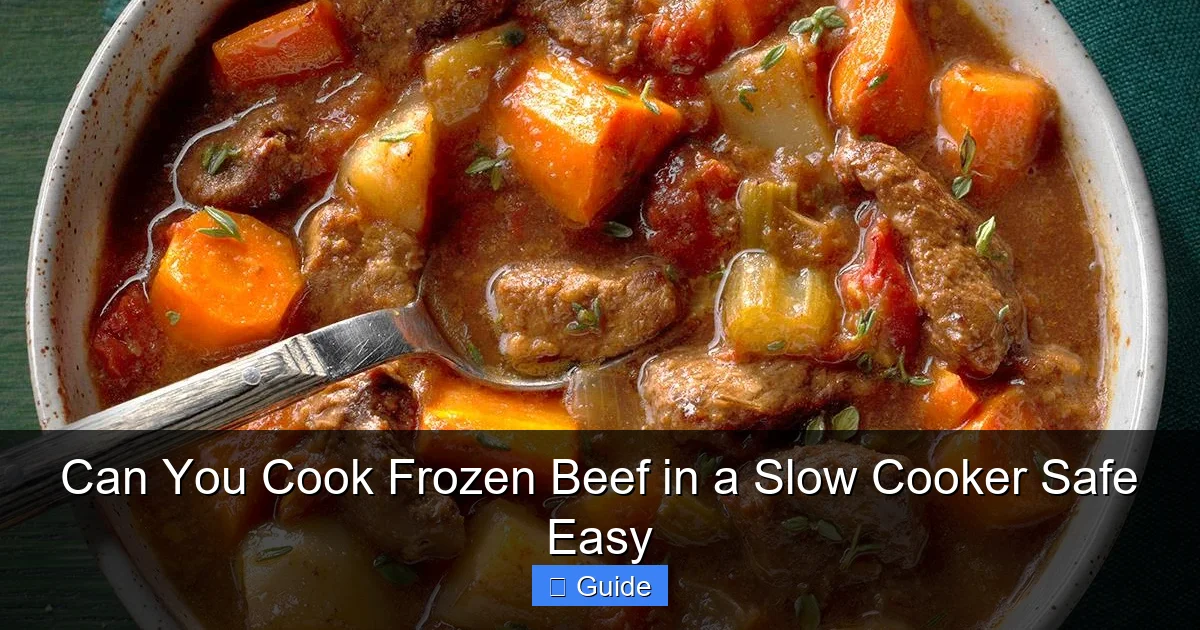
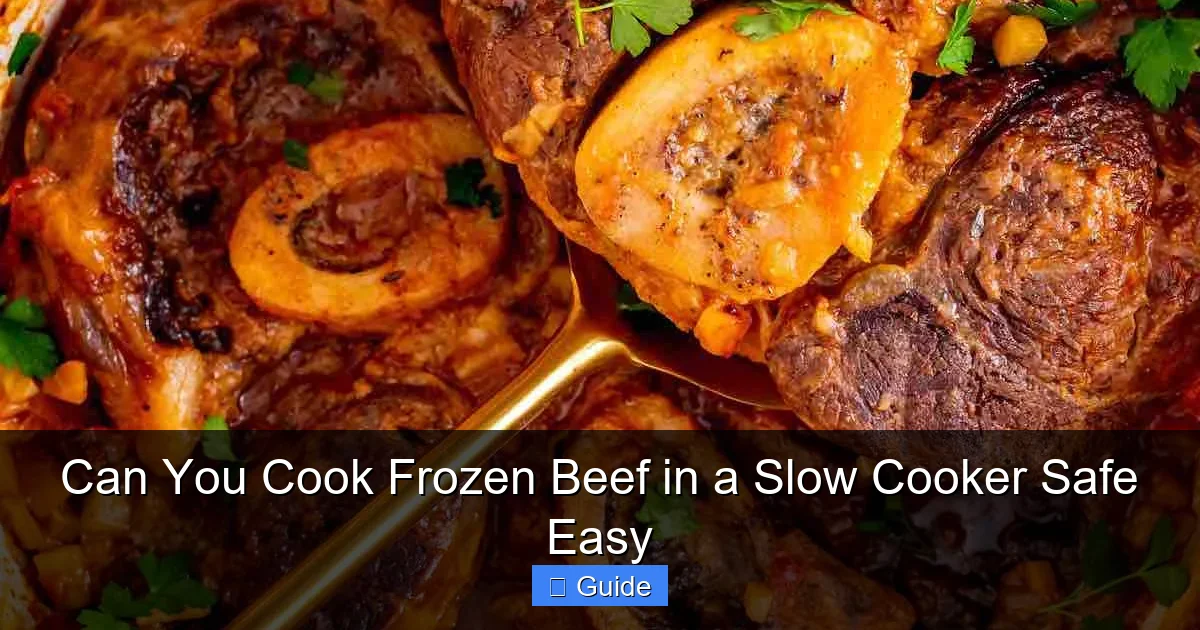
Visual guide about cook frozen beef in slow cooker
The Critical Safety Risk: Bacterial Growth
As we just discussed, the primary concern is bacterial proliferation. A slow cooker’s gentle heat takes too long to thaw and cook a large piece of frozen beef. This means your beef will sit in the bacterial danger zone (40°F to 140°F or 4°C to 60°C) for an extended period. Bacteria can double in number every 20 minutes in this range, potentially reaching dangerous levels before the beef is fully cooked. Even if the meat eventually reaches a safe final internal temperature, toxins produced by these bacteria during their growth phase may not be eliminated by heat, leading to foodborne illness.
Uneven Cooking and Subpar Texture
Beyond the safety aspect, cooking frozen beef in a slow cooker often leads to disappointing culinary results. When you start with a frozen block, the outer edges begin to cook and even overcook, while the center is still trying to thaw and warm up. This can result in a piece of beef that’s tough and dry on the outside but potentially still undercooked or even raw in the middle. Imagine a pot roast that’s chewy around the edges but still feels slightly fibrous at its core – not the tender, melt-in-your-mouth experience you’re hoping for.
Reduced Flavor Absorption
One of the beauties of slow cooking is how meat absorbs all those wonderful flavors from your broth, herbs, and spices. When beef is frozen, its cells are tightly packed with ice crystals. This structure makes it much harder for marinades, seasonings, and cooking liquids to penetrate the meat effectively. You might end up with beef that’s bland in the middle and only flavorful on the surface, defeating the purpose of a slow-cooked meal designed for deep, integrated flavors.
The “Core Temperature” Problem
It’s incredibly difficult to accurately gauge the internal temperature of frozen meat in a slow cooker without constant monitoring and the use of a reliable meat thermometer. Even with a thermometer, the very act of checking constantly disrupts the slow cooker’s heat retention, further prolonging the cooking time and exacerbating the danger zone issue. You can’t safely assume a frozen piece of beef will cook through simply because the recipe says it takes 8 hours for a thawed cut.
Debunking Myths: Why Some People *Think* It’s Okay (and Why It’s Still Risky)
Despite the strong recommendations against it, you might have heard stories or seen advice online suggesting that cooking frozen beef in a slow cooker is perfectly fine. Perhaps a friend mentioned their grandma always did it, or you saw a recipe that claimed it was safe. Let’s tackle some of these common misconceptions and explain why, even if some get away with it, it’s a gamble you shouldn’t take with your health.
Visual guide about cook frozen beef in slow cooker
Myth 1: “My slow cooker gets hot enough to kill everything!”
While a slow cooker does eventually reach temperatures high enough to kill bacteria, the problem isn’t the final temperature; it’s the *time it takes* to reach that temperature when starting with frozen meat. The hours spent slowly warming through the danger zone allow bacteria to multiply to dangerous levels and produce toxins. These toxins often aren’t destroyed by later high heat, meaning you could still get sick even if the meat is fully cooked.
Myth 2: “If it’s a small piece of meat, it’s fine.”
Some people believe that very small, uniformly cut pieces of frozen beef, like stew meat, might be okay if submerged in an already hot or boiling liquid. The theory is that smaller pieces will thaw and heat up faster. While a smaller size *does* reduce the heating time, it doesn’t eliminate the danger zone entirely. It’s still a risk. The USDA doesn’t differentiate by size when advising against cooking frozen meat in slow cookers, and for good reason. It’s simply too hard to guarantee the internal temperature is rising fast enough.
Myth 3: “Browning frozen beef first makes it safe.”
Browning meat on the stovetop before adding it to the slow cooker is a fantastic step for flavor and color, but it doesn’t make cooking from frozen safe. Browning only affects the surface of the meat, creating a delicious crust and locking in some juices. It does not thaw the internal core, nor does it heat the entire piece of meat quickly enough to bypass the danger zone issue. You would still be placing a largely frozen piece of beef into the slow cooker, facing the same risks.
Why Even “Getting Away With It” Isn’t Good
Sometimes, people cook frozen beef in their slow cooker and don’t get sick. This might be due to luck, a low initial bacterial load on that particular piece of meat, or a robust immune system. However, “getting away with it” once or twice doesn’t make it a safe practice. Foodborne illnesses can be severe, leading to hospitalization, and are entirely preventable by following proper safety guidelines. It’s simply not worth the risk when safer, equally convenient alternatives exist.
The Safest and Best Way: Thaw Your Beef First
For truly safe, delicious, and tender slow-cooked beef, the golden rule is simple: always thaw your beef completely before it goes into the slow cooker. This single step eliminates the safety concerns and greatly enhances the quality of your finished dish. Here are the three safe methods for thawing beef:
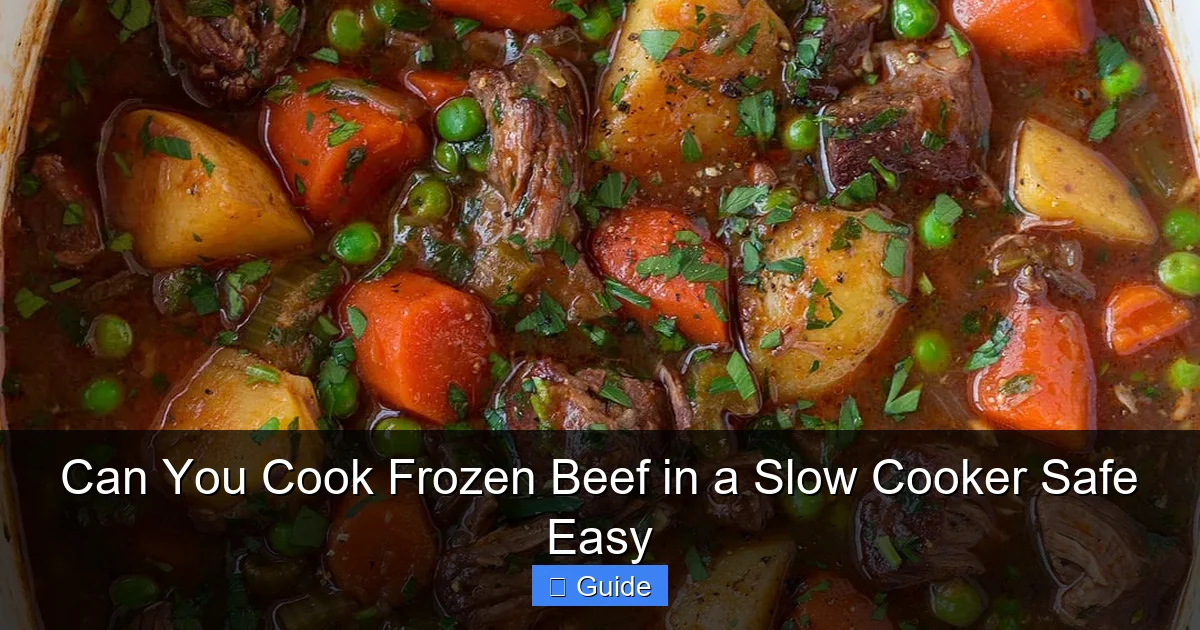
Visual guide about cook frozen beef in slow cooker
1. Refrigerator Thawing (The Gold Standard)
This is the safest and most recommended method, though it requires planning ahead.
- How to do it: Simply place your frozen beef (still in its original packaging or a sealed bag) on a plate or in a shallow dish to catch any drips. Put it in the refrigerator set to 40°F (4°C) or below.
- Time required: This is a slow process. Allow approximately 24 hours for every 5 pounds (2.2 kg) of beef. A 3-pound (1.4 kg) roast might take a full day and a half.
- Benefits: It’s the safest method because the beef thaws at a consistently cold temperature, never entering the danger zone. Plus, once thawed, beef can remain safely in the refrigerator for another 3-5 days before cooking.
2. Cold Water Thawing (Faster, but Requires Attention)
If you’re short on time but forgot to thaw in the fridge, this method is a good alternative.
- How to do it: Place your frozen beef in a leak-proof plastic bag. Submerge the sealed bag in a bowl or sink filled with cold tap water. Change the water every 30 minutes to ensure it remains cold and to speed up thawing.
- Time required: A 1-pound (450g) package of beef can thaw in about an hour. Larger cuts (3-4 pounds or 1.4-1.8 kg) may take 2-3 hours.
- Important: Beef thawed using this method must be cooked immediately. Do not refreeze it or place it back in the refrigerator unless it has been cooked first.
3. Microwave Thawing (Quickest, but Cook Immediately)
For those truly last-minute situations, your microwave can be a savior, but it has specific rules.
- How to do it: Use your microwave’s “defrost” setting, following the manufacturer’s instructions for weight and time. Rotate the beef frequently to ensure even thawing and prevent cooking around the edges.
- Time required: This is the fastest method, usually taking minutes.
- Important: Microwave thawing can partially cook the beef, especially around the edges. Any beef thawed in the microwave *must be cooked immediately* after thawing. Do not refreeze raw beef that has been thawed in the microwave.
Benefits of Thawing
Thawing your beef first not only ensures safety but also dramatically improves your slow-cooked results. Thawed meat cooks more evenly, absorbs seasonings better, and will achieve that incredibly tender, fall-apart texture we all crave from a slow cooker. It’s a small investment of time that pays off big in flavor and peace of mind.
Beyond Thawing: Tips for Amazing Slow-Cooked Beef
Once your beef is safely thawed, you’re on the path to a truly spectacular meal. Here are some pro tips to elevate your slow-cooked beef dishes from good to absolutely unforgettable:
1. Brown Your Beef First (Always!)
This is a game-changer! Before your beef goes into the slow cooker, pat it dry with paper towels and sear it in a hot pan with a little oil until it has a beautiful golden-brown crust on all sides. This process, called the Maillard reaction, creates incredible depth of flavor that you simply can’t achieve by skipping this step. It’s a few extra minutes that makes a world of difference.
2. Layer Your Flavors
Don’t just dump everything in! Build your flavors thoughtfully.
- Aromatics: Start with onions, garlic, carrots, and celery. Sautéing them briefly before adding them to the slow cooker (after browning the beef) will enhance their sweetness and aroma.
- Liquids: Choose flavorful liquids like beef broth, red wine, beer, or tomato paste mixed with water. Ensure the liquid covers at least half of the meat to keep it moist.
- Herbs and Spices: Add robust herbs like bay leaves, thyme, rosemary, and paprika. Fresh herbs can be added towards the end of cooking for a brighter flavor.
3. Strategic Veggie Addition
Harder vegetables like potatoes, carrots, and parsnips can go in at the beginning with the meat. Softer vegetables, such as peas, green beans, or corn, should be added during the last 30-60 minutes of cooking to prevent them from becoming mushy and overcooked.
4. Don’t Overfill Your Slow Cooker
A good rule of thumb is to fill your slow cooker between half and two-thirds full. Overfilling can lead to uneven cooking and may prevent the food from reaching a safe temperature, especially on the top layers. Underfilling might cause food to overcook or dry out.
5. Resist the Urge to Lift the Lid
Every time you lift the lid of your slow cooker, you release a significant amount of heat and moisture, which can extend the cooking time by as much as 30 minutes. Be patient! Trust the process. Only lift the lid when absolutely necessary, such as to check the final temperature or add delicate ingredients.
6. Always Check Internal Temperature
Even with thawed meat, a meat thermometer is your best friend. For roasts and larger cuts, beef is generally considered safe at 145°F (63°C) for medium-rare, 160°F (71°C) for medium, and 170°F (77°C) for well-done, with a 3-minute rest. For ground beef or stew, it should reach 160°F (71°C). Insert the thermometer into the thickest part of the meat, avoiding bone.
7. Let the Meat Rest
After your beef is cooked, remove it from the slow cooker and let it rest on a cutting board, loosely tented with foil, for 10-15 minutes. This allows the juices to redistribute throughout the meat, resulting in a more tender and moist final product. For shredded beef, you can shred it right in the slow cooker with the juices, or shred it after resting.
Safer Alternatives to Cooking Beef from Frozen (If You’re Short on Time)
Life happens, and sometimes you really do find yourself with frozen beef and very little time to thaw. While a slow cooker isn’t the right tool for that job, other kitchen appliances can safely handle frozen meat much more efficiently. Here are some fantastic alternatives:
1. The Pressure Cooker (Your Best Friend for Frozen Meat)
This is by far the best alternative if you need to cook beef from frozen quickly and safely. Pressure cookers, like the popular Instant Pot, work by trapping steam and building pressure, which raises the boiling point of water and significantly increases the cooking temperature. This intense heat penetrates frozen meat rapidly, minimizing the time spent in the danger zone.
- How it works: You can place frozen beef (often even large cuts) directly into a pressure cooker with liquid. The high pressure and temperature cook the meat much faster than traditional methods, ensuring it reaches a safe internal temperature quickly.
- Time saving: A dish that might take 8 hours in a slow cooker could be done in 60-90 minutes (plus pressure build-up and release time) in a pressure cooker, even from frozen.
- Safety: Because the internal temperature rises so quickly and to such high levels, the risk of bacterial growth is greatly reduced.
Always consult your pressure cooker’s manual and specific recipes for cooking frozen beef, as timings will vary.
2. Oven Roasting (For Larger Cuts)
If you have a larger cut of frozen beef, your oven can be a safer bet than a slow cooker. While still requiring some time, the oven’s more intense and direct heat helps cook the beef more uniformly and quickly than the gentle heat of a slow cooker.
- How it works: You can roast frozen beef in a preheated oven. You’ll need to add significantly more cooking time compared to a thawed roast (often 50-100% longer).
- Safety: The oven reaches and maintains higher temperatures more effectively than a slow cooker for frozen items, helping to push the internal temperature past the danger zone faster.
- Tip: You might not be able to brown the meat before roasting, which means sacrificing some flavor depth, but safety comes first. Use a meat thermometer to ensure it reaches the safe internal temperature (145°F for roasts).
3. Stovetop Simmering/Braising (For Smaller Pieces)
For smaller cuts of beef, like stew meat or thinly sliced steak, stovetop cooking can be a good option from frozen, provided you’re adding it to an already hot liquid.
- How it works: Bring a pot of liquid (broth, sauce, water) to a rapid boil. Carefully add the frozen beef pieces, ensuring they are fully submerged. Reduce heat to a simmer and cook until tender and fully cooked through.
- Safety: The immediate high heat of the boiling liquid helps to quickly raise the temperature of the frozen meat, minimizing time in the danger zone.
- Tip: This works best for pieces that aren’t too thick. Always ensure the beef reaches a safe internal temperature, typically 160°F (71°C) for stew meat.
While these methods offer safer alternatives for frozen beef, remember that thawing your beef in the refrigerator is always the safest and often yields the best culinary results. Planning ahead truly is the key to both delicious and safe slow-cooked meals.
Conclusion
So, can you cook frozen beef in a slow cooker? The short, definitive answer from food safety experts is: it’s best not to. While the allure of convenience is strong, the significant risk of foodborne illness due to the prolonged time spent in the “danger zone” outweighs any perceived time-saving benefits. Your health and the health of those you’re feeding are simply too important to take this gamble.
Instead, embrace the power of planning! A little foresight goes a long way in ensuring your meals are not only incredibly delicious but also perfectly safe. Thawing your beef thoroughly in the refrigerator, under cold water, or in the microwave before slow cooking is the recommended and safest approach. This simple step guarantees even cooking, superior flavor absorption, and that wonderfully tender texture we all crave from a slow-cooked meal.
And for those times when you truly are caught off guard with frozen beef and no time to thaw, remember that safer alternatives like pressure cookers, oven roasting, or stovetop simmering are excellent choices. These methods are designed to bring frozen foods to safe temperatures much more rapidly, giving you peace of mind.
Armed with this knowledge, you can continue to enjoy your slow cooker as the amazing, convenient kitchen tool it is, always making choices that prioritize safety and flavor. Happy cooking!
Frequently Asked Questions
Is it ever safe to put frozen beef directly into a slow cooker?
Generally, no. Food safety organizations like the USDA strongly advise against it because frozen beef thaws too slowly in a slow cooker, allowing harmful bacteria to multiply to unsafe levels before the meat reaches a proper cooking temperature.
How long does it take to thaw beef safely for slow cooking?
The safest method is refrigerator thawing, which takes approximately 24 hours for every 5 pounds of beef. Smaller cuts can thaw faster, but it’s best to plan a day or two ahead for larger roasts.
What’s the “danger zone” for meat, and why is it important for slow cooking?
The “danger zone” is the temperature range between 40°F (4°C) and 140°F (60°C) where bacteria grow rapidly. When cooking frozen beef in a slow cooker, the meat spends too much time in this zone as it slowly thaws, increasing the risk of foodborne illness.
Can I use an Instant Pot for frozen beef instead of a slow cooker?
Yes, a pressure cooker like an Instant Pot is a much safer alternative for cooking frozen beef. Its high-pressure, high-temperature environment cooks food rapidly, quickly moving the meat through the danger zone and ensuring it reaches a safe internal temperature.
What happens if I accidentally cook frozen beef in my slow cooker?
If you’ve accidentally cooked frozen beef in your slow cooker, the main concern is the potential for bacterial growth and toxins. While it might reach a safe internal temperature eventually, the prolonged time in the danger zone means it’s best to discard the food to avoid the risk of foodborne illness.
Does browning frozen beef before putting it in the slow cooker make it safe?
No, browning frozen beef only cooks the surface and does not significantly thaw the interior. The internal part of the beef will still thaw slowly in the slow cooker, creating the same food safety risks as unbrowned frozen beef.
Jennifer D. Simon has spent the last 26 years studying and practicing nutrition science. She has used a larger part of this time in improving people’s livelihoods. She has done so by coming up with unquestionable ideas on how to tackle food problems in her community. Read More