Can You Cook with Lid Slightly Open in Slow Cooker
Cooking with a lid slightly open in a slow cooker is generally advised against due to significant heat loss and extended cooking times. However, for specific purposes like reducing excess liquid or thickening sauces towards the end of cooking, it can be a useful technique. Always exercise caution, monitor food temperature to ensure safety, and be prepared for longer cooking durations when you cook with lid slightly open in slow cooker.
Can You Cook with Lid Slightly Open in Slow Cooker?
Have you ever found yourself with a slow cooker full of delicious stew, only to discover the sauce is too watery? Or perhaps you’re aiming for a slightly thicker consistency for your pulled pork, but your slow cooker keeps everything moist? It’s a common dilemma, and one solution that often crosses people’s minds is to simply “vent” the slow cooker by leaving the lid slightly open. But is this a good idea? Is it safe? And if so, how do you do it correctly?
This comprehensive guide will dive deep into the nuances of cooking with a lid slightly open in a slow cooker. We’ll explore the pros, cons, safety considerations, and offer practical, step-by-step advice on when and how to implement this technique effectively. By the end, you’ll understand exactly how to handle this tricky slow cooker situation to achieve the best results for your meals.
Key Takeaways
- Heat Loss & Extended Time: Leaving the lid ajar allows significant heat and moisture to escape, drastically extending cooking times.
- Food Safety Risk: A prolonged drop in temperature due to an open lid can bring food into the “danger zone” (40°F – 140°F / 4°C – 60°C), promoting bacterial growth.
- Strategic Use: The primary reason to cook with lid slightly open in slow cooker is to reduce excess liquid or thicken sauces, but only do this towards the end of the cooking cycle.
- Method for Opening: Use a wooden spoon or similar utensil to create a small, consistent gap, or slightly offset the lid. Avoid lifting it completely.
- Monitor Closely: When cooking with the lid slightly open, you must frequently check the food’s texture, consistency, and internal temperature for safety.
- Consider Alternatives: Thickeners (cornstarch slurry, flour) or reducing sauces on the stovetop after cooking are often safer and more efficient options.
- Minimal Opening: If you must open the lid, make the gap as small as possible and only for the shortest necessary duration to minimize impact.
Understanding Your Slow Cooker’s Design and Function
Before we talk about opening the lid, it’s crucial to understand how a slow cooker works its magic. A slow cooker is designed to operate as a sealed, low-temperature oven. The tight-fitting lid is essential for several reasons:
- Trapping Heat: It keeps the consistent, low heat inside the pot, allowing ingredients to cook slowly and evenly.
- Retaining Moisture: The lid traps steam and moisture, which condenses and drips back into the food. This creates a moist cooking environment, ideal for tenderizing tough cuts of meat and preventing food from drying out.
- Maintaining Temperature: A sealed lid ensures the food stays above safe temperatures (above 140°F / 60°C) throughout the long cooking process, preventing bacterial growth.
This design is why the cardinal rule of slow cooking is often, “Don’t peek!” Every time you lift the lid, even for a moment, you lose a significant amount of heat and moisture. This can drop the internal temperature by 10-20°F (5-10°C), requiring up to 30 minutes or more to recover, thus extending the overall cooking time.
Why You Might Consider Cooking with Lid Slightly Open
Despite the “no peeking” rule, there are legitimate reasons why a home cook might want to cook with lid slightly open in slow cooker, especially towards the end of the process.
Reducing Excess Liquid
Many slow cooker recipes, especially those with high-moisture vegetables or watery meats, can result in too much liquid. Since moisture can’t easily escape, it accumulates, leading to a thin, watery sauce or broth. If you cook with lid slightly open in slow cooker, it allows some of that excess moisture to evaporate.
Thickening Sauces and Stews
Related to reducing liquid, allowing some steam to escape helps to concentrate flavors and thicken the consistency of sauces, gravies, and stews. This can transform a watery dish into a rich, luscious meal.
Achieving Desired Texture
While not typical for most slow cooker dishes, a slightly open lid might occasionally be considered for specific textures, like if you want the very top of a casserole or a bread pudding to be slightly less moist or set more firmly. However, this is less common and more risky.
The Risks and Drawbacks of Opening the Lid
Before you decide to cook with lid slightly open in slow cooker, it’s crucial to understand the potential downsides.
Significantly Extended Cooking Times
As mentioned, even a brief lift of the lid adds cooking time. Leaving it open for an extended period will drastically increase the time needed for your food to cook through and reach doneness. What was an 8-hour meal could easily become 10-12 hours.
Food Safety Concerns
This is the most critical risk. If the temperature inside the slow cooker drops below 140°F (60°C) for too long, your food enters the “danger zone” (40°F – 140°F / 4°C – 60°C). In this temperature range, harmful bacteria can multiply rapidly, potentially leading to foodborne illness. Opening the lid for an extended period, especially early in the cooking process, can be very dangerous.
Uneven Cooking
The area closest to the open vent will experience more heat loss and evaporation. This can lead to uneven cooking, where one side of your dish might be drier or cooler than the other.
Energy Inefficiency
A slow cooker is energy-efficient because it traps heat. When you cook with lid slightly open in slow cooker, it has to work harder and longer to maintain its temperature, using more energy.
When It’s (Relatively) Safe and Effective to Cook with Lid Slightly Open
Given the risks, the decision to cook with lid slightly open in slow cooker should be strategic and limited.
Towards the End of Cooking
This is the only recommended time to even consider this technique. Once your food has been cooking for several hours and has reached a safe internal temperature, opening the lid for the last hour or two poses less of a food safety risk. The food has already been thoroughly heated, and you’re primarily adjusting consistency rather than cooking raw ingredients.
For Specific Recipes Requiring Reduction
If you’re making a hearty stew, chili, soup, or a shredded meat dish (like pulled pork or chicken) where a thicker, richer sauce is desirable, and you find it too watery, then cooking with the lid slightly open can be effective in the final stages.
When Alternatives Aren’t Preferred
Sometimes, adding a thickening agent like cornstarch or flour can alter the texture or flavor of a sauce, or you might not want to transfer the entire contents to the stovetop for reduction. In these cases, venting the slow cooker might be your preferred method.
How to Safely and Effectively Cook with Lid Slightly Open
If you’ve assessed the risks and decided that opening the lid is the best approach for your slow cooker dish, here’s a step-by-step guide to doing it safely and effectively.
Step 1: Assess Your Recipe and Goal
Before you even think about lifting that lid, ask yourself: Is this absolutely necessary? What am I trying to achieve? If your goal is just to speed up cooking, forget it – it will only slow it down. If you need to thicken a sauce or reduce liquid, and your food is already mostly cooked, then proceed.
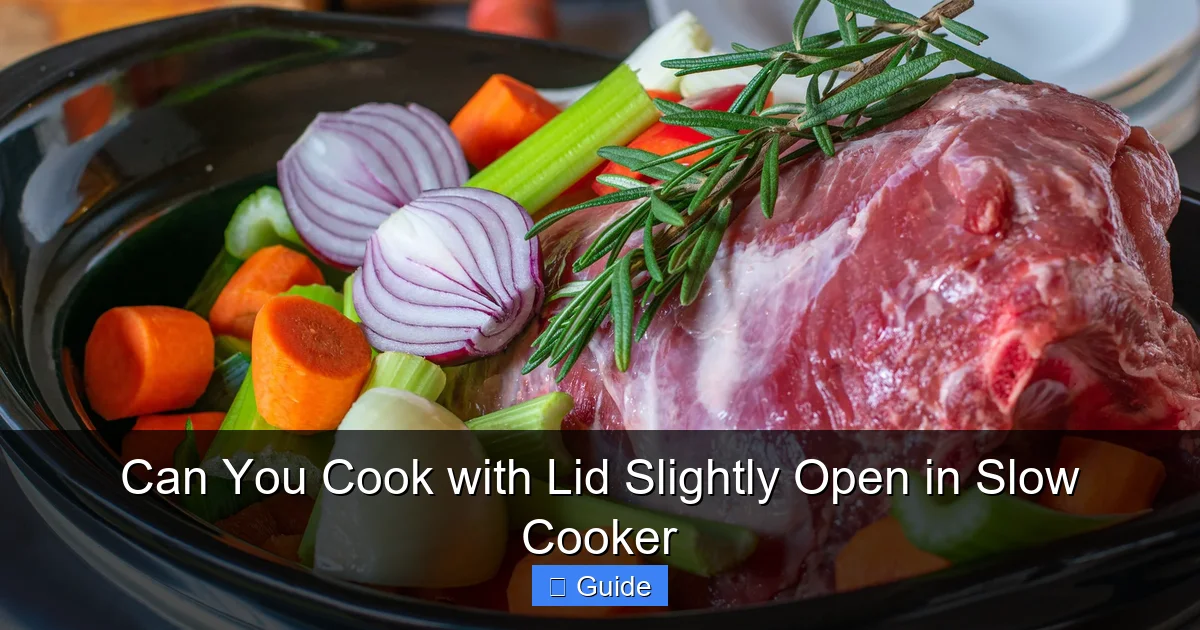
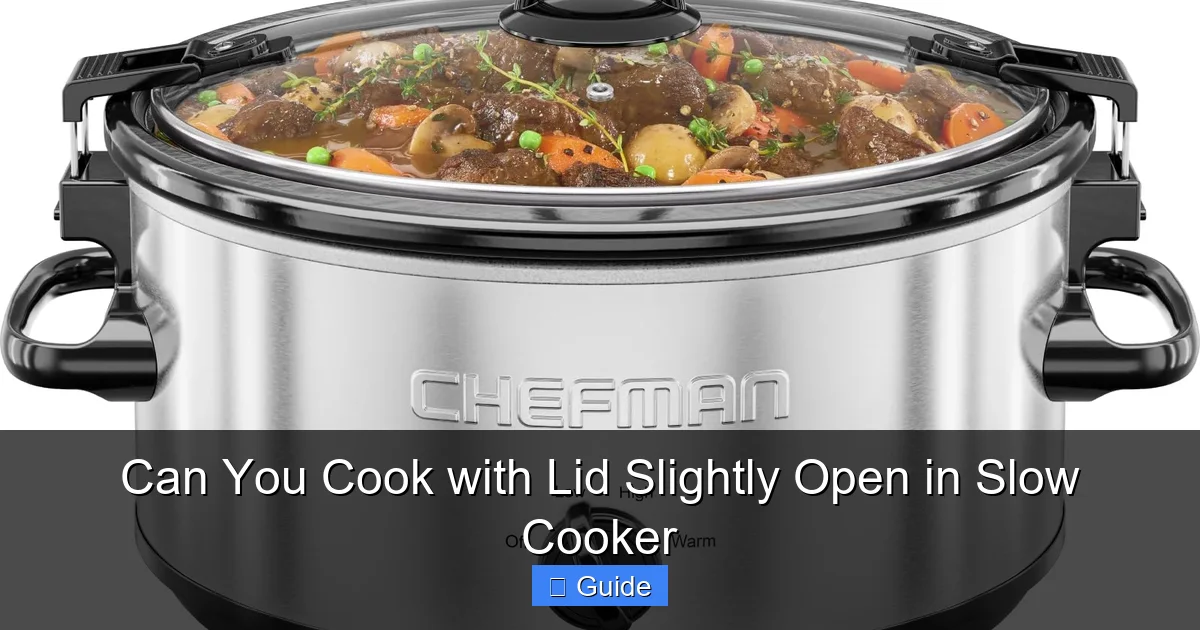
Visual guide about how to cook with lid slightly open in slow cooker
Image source: tastingtable.com
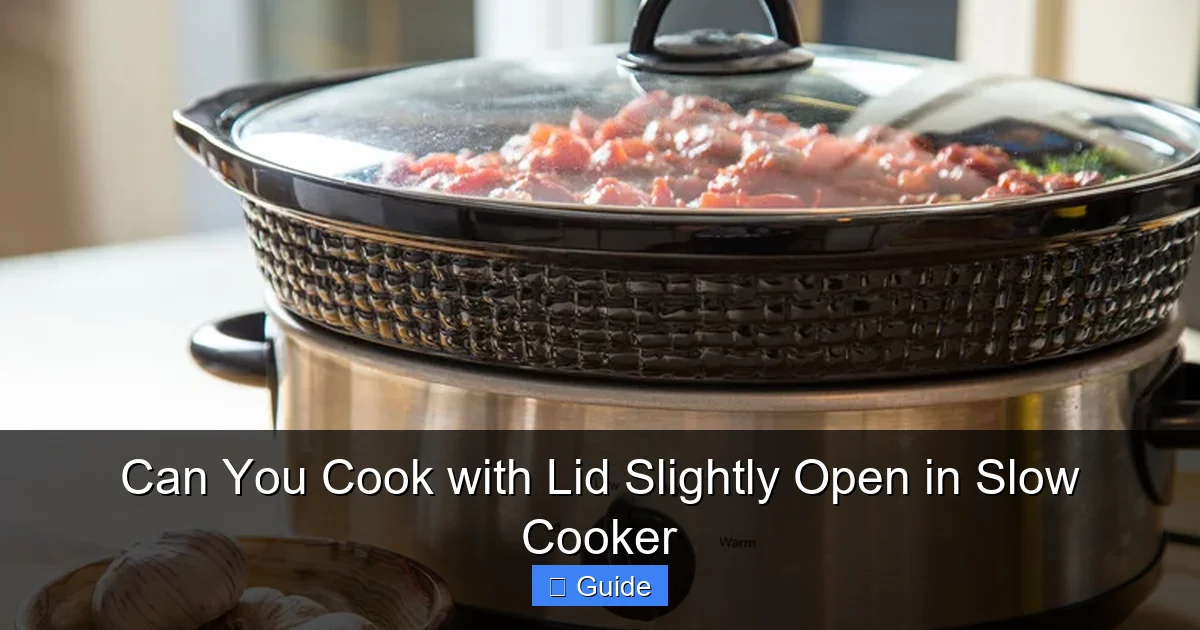
Visual guide about how to cook with lid slightly open in slow cooker
Image source: tastingtable.com
Step 2: Timing is Everything
You should only consider opening the lid during the last 30 minutes to 2 hours of the total cooking time. Never do this at the beginning or in the middle of the cooking process, as it significantly compromises food safety and cooking efficiency. Your food should be fully cooked or very close to it before you implement this step.
Step 3: Choose Your Method for “Slightly Open”
There are a couple of ways to create a vent without fully exposing the food or losing too much heat too quickly.
Method A: The Wooden Spoon/Chopstick Trick
- Place a heat-proof wooden spoon, a chopstick, or even a folded piece of aluminum foil across the rim of the slow cooker insert.
- Gently place the lid on top of the spoon/chopstick/foil. This will create a small, consistent gap (usually about ¼ to ½ inch) that allows steam to escape while still keeping most of the heat trapped. This is often the preferred method because it provides a controlled vent.
Method B: Slightly Askew Lid
- Carefully shift the lid so it’s slightly off-center, creating a small gap on one side.
- Ensure the gap isn’t too large; a small crack is sufficient. This method might be less stable than using a spoon, so be careful not to knock the lid off completely.
Do NOT remove the lid completely and simply leave it off for an extended period. This will cause too much heat loss and is unsafe.
Step 4: Monitor Closely
Once you decide to cook with lid slightly open in slow cooker, you must keep a close eye on your dish. The cooking process is now much more active than typical slow cooking.
- Visual Checks: Look for steam escaping and the liquid reducing.
- Stirring: Stir the contents occasionally to ensure even cooking and to prevent the bottom from scorching, especially as the liquid reduces.
- Temperature Check (Optional but Recommended): If you are concerned about food safety, use an instant-read food thermometer to check the internal temperature of your food regularly. Ensure it stays above 140°F (60°C) at all times.
Step 5: Adjust Cooking Time
Expect that cooking with a lid slightly open will add time to your recipe. The exact amount will depend on how wide the gap is, how much liquid needs to evaporate, and your slow cooker’s efficiency. Be prepared to let it go for an additional 30 minutes to 2 hours beyond the original recipe time to achieve your desired consistency.
Practical Tips and Best Practices
Beyond the step-by-step guide, here are some additional tips for managing liquid in your slow cooker:
- Start with Less Liquid: Often, the best defense against a watery slow cooker dish is to start with less liquid than a traditional stovetop recipe might call for. Remember, virtually no moisture escapes a slow cooker.
- Utilize Thickening Agents: A safer and more reliable alternative to leaving the lid open is to use a thickening agent. In the last 30 minutes of cooking, stir in a slurry made from cornstarch (1-2 tablespoons mixed with equal parts cold water) or a roux (flour cooked with butter) to thicken sauces quickly.
- Reduce on the Stovetop: For truly excellent results and to maintain food safety, spoon out some of the excess liquid into a saucepan and reduce it rapidly on the stovetop over high heat. Then, stir the reduced sauce back into the slow cooker. This method offers the best control and minimal impact on the main dish.
- Know Your Slow Cooker: Some slow cookers run hotter or colder than others. Get to know how your specific appliance performs.
- Avoid Frequent Peeking: Even when the lid is intentionally ajar, resist the urge to lift it completely or stir too often. Each disturbance prolongs the process.
Troubleshooting Common Issues
Even with the best intentions, things can go awry when you cook with lid slightly open in slow cooker.
Issue: Sauce is still too watery after venting.
Solution: You likely didn’t vent for long enough, or the gap wasn’t wide enough. Increase the venting time by another 30-60 minutes, or slightly widen the gap (still using a spoon or chopstick for control). If time is short, resort to a cornstarch slurry or stovetop reduction.
Issue: Food is drying out or scorching at the edges.
Solution: The lid was open too wide, or for too long, causing excessive evaporation. Next time, use a smaller gap. If your food is already drying, add a small amount of liquid (broth, water, or wine) to rehydrate and stir thoroughly. Reduce the heat if possible or turn off the slow cooker immediately if it’s overcooked.
Issue: Food isn’t fully cooked, despite extended time.
Solution: This indicates the lid was opened too early in the cooking process, drastically slowing down the cook. Remove the lid and use an instant-read thermometer to check the internal temperature of the food. If it’s below safe levels, close the lid completely, increase the slow cooker to HIGH (if safe for the recipe), and cook until it reaches a safe temperature. Unfortunately, some loss of quality might be unavoidable in this scenario.
Conclusion
So, can you cook with lid slightly open in slow cooker? The answer is a cautious “yes,” but with significant caveats. While generally not recommended for the majority of the cooking process, it can be a useful technique for specific purposes like reducing excess liquid or thickening sauces towards the very end of cooking.
Always prioritize food safety by ensuring your food has already reached a safe internal temperature before attempting to vent. Be prepared for extended cooking times and monitor your dish closely. When in doubt, consider safer and more predictable alternatives like thickening agents or stovetop reduction. By understanding the science and following these guidelines, you can master your slow cooker and consistently create delicious, perfectly textured meals. Happy slow cooking!

Jennifer D. Simon has spent the last 26 years studying and practicing nutrition science. She has used a larger part of this time in improving people’s livelihoods. She has done so by coming up with unquestionable ideas on how to tackle food problems in her community. Read More