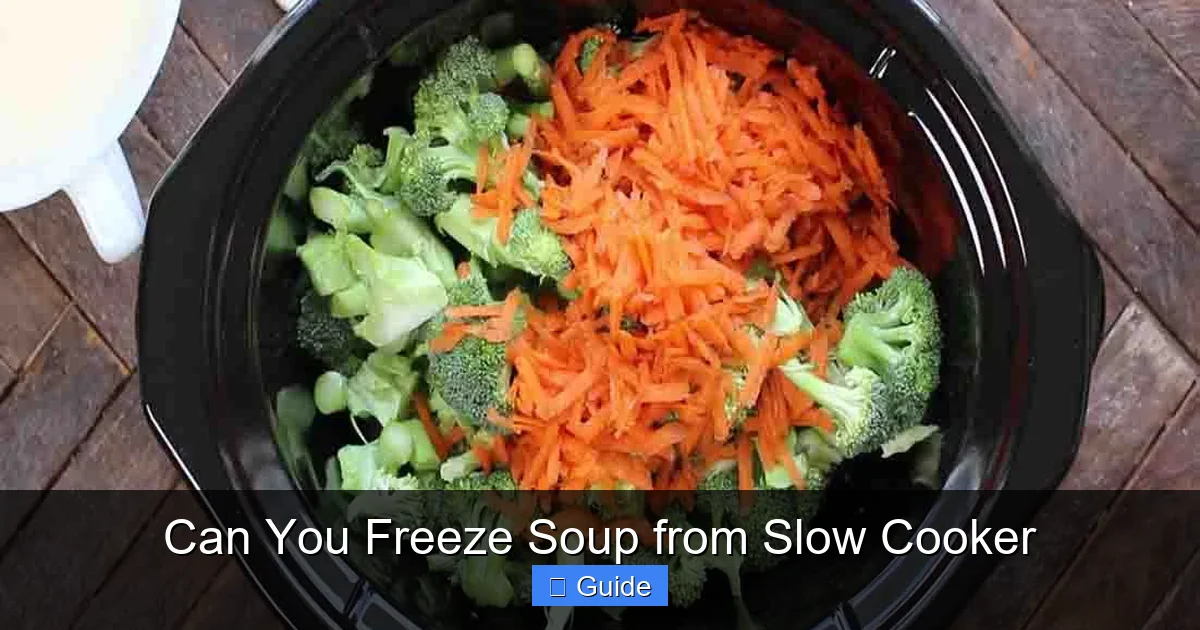
Can You Freeze Soup from Slow Cooker
Absolutely, you can freeze soup from your slow cooker, making meal prep a breeze! This comprehensive guide will walk you through the essential steps, from proper cooling and packaging to safe thawing and reheating, ensuring your delicious homemade soups maintain their quality and flavor. Master the art of freezing slow cooker soup to enjoy convenient, ready-to-eat meals anytime.
Can You Freeze Soup from Slow Cooker? Absolutely! Your Ultimate How-To Guide
Welcome, fellow food enthusiasts and meal-prep champions! If you’ve ever gazed at a generous batch of delicious soup simmering in your slow cooker, wondering how to make that goodness last, you’ve come to the right place. The question, “Can you freeze soup from a slow cooker?” is a resounding YES! Freezing slow cooker soup is not only possible but also an incredibly smart way to enjoy homemade comfort food on busy days, reduce food waste, and save money.
In this comprehensive guide, we’re going to break down everything you need to know about freezing soup from your slow cooker. We’ll cover how to prepare your soup for the freezer, the best containers to use, how long it can stay frozen, and most importantly, how to safely thaw and reheat it so it tastes just as amazing as the day it was made. Get ready to turn your slow cooker creations into convenient, ready-to-eat meals that are just a thaw and reheat away!
Key Takeaways
- Cool Soup Rapidly: Always cool your slow cooker soup quickly and completely before freezing to prevent bacterial growth and ensure food safety.
- Choose Right Containers: Use freezer-safe bags, airtight containers, or wide-mouth glass jars, leaving adequate headspace for expansion.
- Label and Date Everything: Clearly label each frozen soup package with its contents and the date it was frozen for easy identification and quality tracking.
- Thaw Safely: The safest thawing methods are in the refrigerator overnight or under cold running water for faster results. Avoid thawing at room temperature.
- Adjust After Thawing: After thawing and reheating, you may need to adjust consistency with broth/water and re-season with herbs and spices.
- Mind Certain Ingredients: Dairy, pasta, rice, and starchy thickeners can sometimes change texture when frozen and reheated; consider adding these fresh if possible or making adjustments.
- Optimal Storage Time: For best quality, consume frozen slow cooker soup within 3-6 months, though it remains safe indefinitely if stored properly at 0°F (-18°C).
Is Your Soup Freezable? Understanding Ingredients
While most soups are freezer-friendly, some ingredients behave differently after freezing and thawing. Knowing what to expect can help you adapt your recipes or make minor adjustments to ensure the best possible results when you freeze soup from your slow cooker.
Ingredients That Freeze Well
- Broth-based soups: Clear broths, vegetable soups, lentil soups, and bean soups generally freeze beautifully.
- Meat: Cooked chicken, beef, pork, and turkey hold up very well.
- Root vegetables: Carrots, celery, onions, potatoes (with some caveats), and sweet potatoes tend to freeze nicely.
- Pureed soups: Creamy (but dairy-free) pureed vegetable soups, like butternut squash or tomato soup, are excellent candidates.
Ingredients That Might Cause Issues (and how to handle them)
Some ingredients can change texture or separate when subjected to freezing temperatures. This doesn’t mean you can’t freeze soup with them, just that you might need a strategy.
- Dairy/Cream: Soups thickened with milk, cream, or yogurt can sometimes separate or become grainy after thawing.
- Tip: For best results, consider adding dairy components *after* thawing and reheating the soup. If you must freeze with dairy, full-fat dairy tends to separate less than low-fat, and stirring well or using an immersion blender after reheating can help recombine it.
- Starchy Thickeners (Cornstarch, Flour): Soups thickened solely with cornstarch or flour can sometimes become gummy or separate when frozen and thawed.
- Tip: Thicken your soup with pureed vegetables (like potatoes or beans) before freezing. If using cornstarch or flour, consider adding a fresh slurry when you reheat to achieve the desired consistency.
- Pasta/Rice: Cooked pasta and rice can become very soft and mushy after freezing and thawing in soup.
- Tip: Cook pasta or rice slightly al dente before adding to soup if you plan to freeze. Even better, cook and freeze the soup without these ingredients, and then add freshly cooked pasta or rice when reheating.
- Potatoes: Potatoes can sometimes become grainy or mushy, especially if they are floury varieties or cut into very small pieces.
- Tip: Use waxy potatoes, or for creamy soups, mash them into the soup before freezing. You can also cook and freeze the soup without potatoes and add freshly cooked ones when reheating.
- Delicate Vegetables (e.g., Zucchini, Spinach): These can become very watery and mushy after thawing.
- Tip: Add these vegetables fresh during the reheating process for better texture, or accept that they will be softer.
The Golden Rules of Freezing Soup Safely
Before we dive into the step-by-step process of how to freeze soup from your slow cooker, let’s go over the essential food safety rules. These are crucial for maintaining quality and preventing bacterial growth.
1. Rule 1: Cool It Down, Fast!
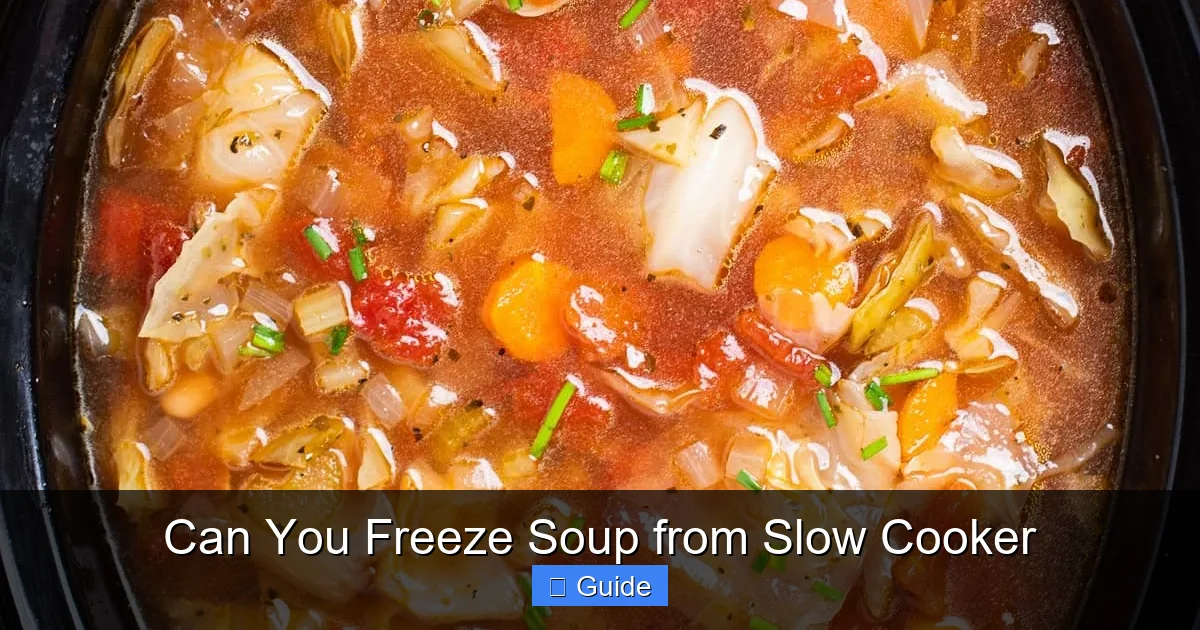
This is arguably the most important step when you freeze soup from your slow cooker. Allowing soup to sit at room temperature for too long (between 40°F and 140°F, or 4°C and 60°C – the “danger zone”) allows bacteria to multiply rapidly. Aim to cool your soup to below 40°F (4°C) within two hours.
Visual guide about how to freeze soup from slow cooker
Image source: dishingdelish.com
- Why: To prevent the growth of harmful bacteria that can cause foodborne illness.
- How: We’ll detail methods below, but the key is speed.
2. Rule 2: Proper Packaging is Key
The enemy of frozen food is air. Exposure to air leads to freezer burn, which causes dry spots and affects the flavor and texture of your soup.
- Why: To prevent freezer burn and maintain the quality, flavor, and texture of your soup.
- How: Use airtight, freezer-safe containers and remove as much air as possible.
3. Rule 3: Label Everything
Ever found a mystery container in your freezer? Avoid that predicament!
- Why: To easily identify the contents and know when it was frozen. This helps you rotate your stock and ensures you consume the soup while it’s still at its best quality.
- What to include: Soup name, date frozen, and possibly serving size.
Step-by-Step Guide: How to Freeze Soup from Your Slow Cooker
Now, let’s get to the practical steps of how to freeze soup from your slow cooker. Follow these instructions carefully for the best results.
1. Cool Your Soup Completely and Quickly
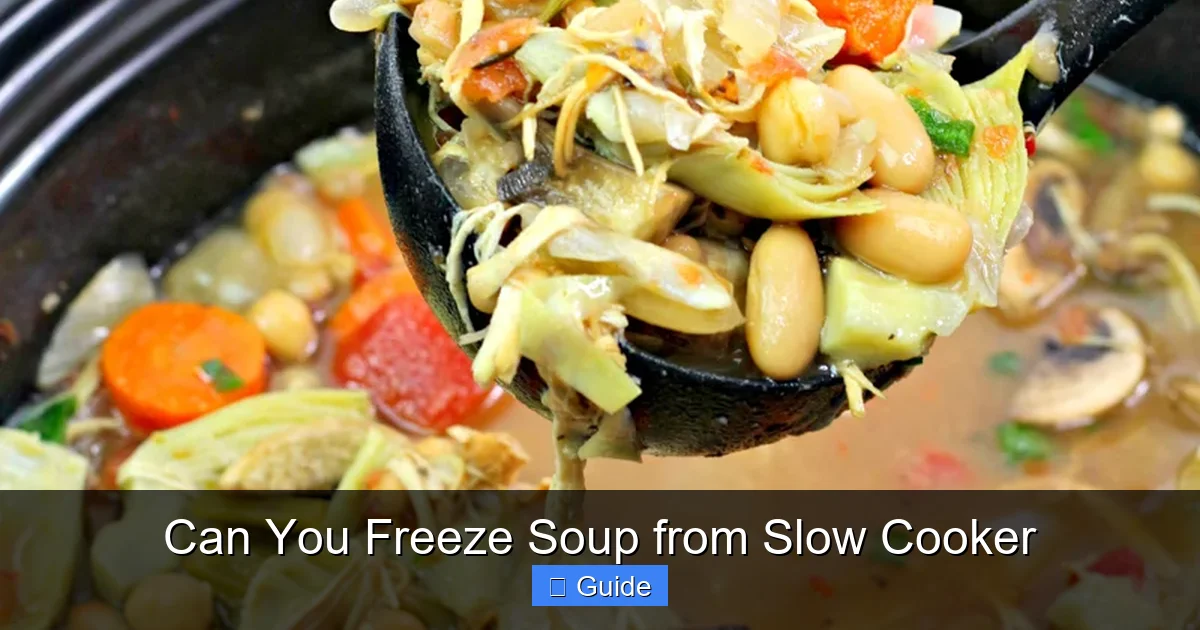
This critical first step ensures food safety. Your slow cooker soup needs to be cooled down to refrigerator temperature (below 40°F/4°C) before it goes into the freezer.
Visual guide about how to freeze soup from slow cooker
Image source: simplytodaylife.com
Transfer to Shallow Containers
Pour the hot soup into several shallow containers (like baking dishes or wide, flat Tupperware) instead of keeping it in one large pot. This increases the surface area, allowing heat to escape faster.
Use an Ice Bath
For an even faster cool-down, create an ice bath. Fill your kitchen sink or a large bowl with ice water. Place the pots or shallow containers of soup directly into the ice bath, making sure the water doesn’t overflow into the soup. Stir the soup occasionally to help it cool evenly.
Refrigerate Promptly
Once the soup has cooled significantly (it should be warm, not steaming hot), you can transfer it to the refrigerator to finish cooling completely. Do not leave soup out at room temperature for more than two hours.
2. Portion Your Soup
Think about how you’ll want to use the soup later. Freezing soup in appropriate portions makes thawing and reheating much more convenient.
Single Servings
If you often eat alone or want quick lunches, freezing individual portions is ideal. This prevents you from thawing more than you need.
Family-Sized Portions
For family meals, freeze larger portions that match your typical serving size. This might be 2-4 cups or more, depending on your household.
Consider Future Use
Will you add fresh ingredients later? Leave space if you plan to bulk up the soup with fresh pasta or vegetables after thawing.
3. Choose Your Freezing Container
The right container is essential for preserving the quality of your slow cooker soup and preventing freezer burn.
Freezer-Safe Bags
Heavy-duty freezer bags are excellent. They take up minimal space once frozen flat and you can easily squeeze out excess air. They’re also great for making “soup bricks” that can be stacked.
Airtight Containers
Plastic or glass freezer-safe containers with tight-fitting lids work well. Ensure they are specifically designed for freezer use to prevent cracking at low temperatures.
Glass Jars (with caution)
Wide-mouth canning jars (like Mason jars) are a popular choice. Always choose straight-sided jars to allow for expansion and prevent cracking. Do not fill past the shoulder of the jar, leaving at least 1-2 inches of headspace.
Silicone Trays (for cubes)
Silicone muffin tins or large ice cube trays are fantastic for freezing small portions of soup. Once frozen solid, you can pop out the soup cubes and transfer them to a freezer bag for long-term storage, freeing up your trays.
4. Fill and Seal Properly
This step is crucial for preventing freezer burn and mess.
Leave Headspace
Liquids expand when they freeze. If you’re using rigid containers (plastic or glass), leave at least one inch of headspace from the top to allow for this expansion. For bags, you still want some space for sealing.
Remove Excess Air
If using freezer bags, lay them flat and press out as much air as possible before sealing. Air is the enemy of frozen food quality. You can even use a straw to suck out air just before sealing the last inch.
Ensure a Tight Seal
Whatever container you use, make sure it’s completely sealed to prevent leaks and air exposure. Double-bagging can be a good idea for extra security, especially with liquids.
5. Label and Date
Don’t skip this! It’s amazing how quickly you forget what’s in a frozen container.
What to Write
Clearly write the type of soup (e.g., “Chicken Noodle Soup”), the date it was frozen, and if helpful, the number of servings.
Why It’s Important
Labeling helps you easily find what you’re looking for and ensures you use older items first, maintaining the best quality. Knowing the date is key for understanding how long you can freeze soup from your slow cooker for optimal taste.
6. Freeze Flat, Then Stack (if using bags)
If you’re using freezer bags, lay them flat on a baking sheet in your freezer until they are completely solid. This creates flat, stackable “soup bricks” that save a tremendous amount of freezer space.
How Long Can You Freeze Slow Cooker Soup?
While food kept at 0°F (-18°C) or colder is safe indefinitely from a microbial standpoint, quality deteriorates over time. For the best flavor and texture, aim to consume your frozen slow cooker soup within:
- 3-6 months: This is the general recommendation for most cooked soups for optimal quality.
- Up to 1 year: Soups can often remain good quality for up to a year, especially if properly sealed and stored consistently at 0°F (-18°C).
Always use your best judgment. If the soup shows signs of severe freezer burn (large dry, discolored patches), it might be better to discard it, though small affected areas can sometimes be cut away.
Thawing and Reheating Frozen Soup
The way you thaw and reheat your frozen slow cooker soup can significantly impact its final taste and texture. Always prioritize food safety during these steps.
1. Thawing Methods
The safest way to thaw any frozen food is slowly.
In the Refrigerator (Best & Safest)
Transfer the frozen soup from the freezer to the refrigerator 24-48 hours before you plan to eat it. Small portions may thaw overnight, while larger blocks will take longer. Place the soup container on a plate or in a bowl to catch any condensation or drips.
In a Cold Water Bath (Faster)
If you’re short on time, place your sealed freezer bag or airtight container of soup into a bowl of cold water. Change the water every 30 minutes to ensure it stays cold. Do not use warm or hot water, as this can bring the soup into the danger zone. This method works faster for relatively flat portions.
Directly on the Stovetop/Microwave (Small Portions Only)
For small, individual portions, you can sometimes reheat soup directly from frozen. This method is best avoided for large blocks of soup, as it can lead to uneven heating and potential scorching.
2. Reheating Instructions
Once thawed (or mostly thawed), your slow cooker soup is ready for reheating.
Stovetop
Pour the thawed soup into a pot. Heat over medium-low heat, stirring frequently, until it comes to a gentle simmer and is steaming hot throughout. Bring it to a rolling boil for at least one minute to ensure it reaches a safe internal temperature (165°F/74°C).
Microwave
Transfer the thawed soup to a microwave-safe bowl. Cover loosely (to prevent splatters) and microwave on medium-high heat, stirring every minute or two, until piping hot. Again, ensure it reaches 165°F (74°C).
Slow Cooker (for Large Batches)
If you have a large batch that has thawed in the refrigerator, you can reheat it gently in your slow cooker on the LOW setting for 2-4 hours, or until thoroughly heated through. This is a great option for keeping soup warm for a party.
3. Adjusting and Enhancing After Thawing
After reheating, your soup might need a little love to bring it back to its prime.
Check Consistency
Frozen and thawed soup can sometimes be a bit thicker or thinner than it was originally. If it’s too thick, add a splash of broth or water until you reach your desired consistency. If it’s too thin, you can simmer it longer to reduce, or add a fresh thickener like a cornstarch slurry.
Re-season
Freezing can sometimes mute flavors. Taste your soup and adjust seasonings with salt, pepper, fresh herbs, or a squeeze of lemon juice.
Add Fresh Ingredients
This is where you can make your frozen soup feel brand new! Stir in fresh cream, a swirl of pesto, freshly cooked pasta or rice, a handful of fresh spinach, or a sprinkle of fresh herbs just before serving.
Tips for Best Results When You Freeze Soup from Slow Cooker
- Undercook Starches: If your slow cooker soup contains pasta or rice, consider undercooking it slightly before freezing, or adding it freshly cooked after thawing and reheating. This prevents mushiness.
- Puree Potatoes: For soups with potatoes, mash them into the soup for a smoother texture, or use waxy potato varieties that hold up better.
- Hold Back Dairy: Whenever possible, add milk, cream, or yogurt after thawing and reheating to prevent separation.
- Taste and Adjust: Always taste and re-season your soup after thawing and reheating. Freezing can sometimes mellow flavors.
- Flash Freeze Cubes: For quick additions to other dishes or small servings, freeze soup in ice cube trays. Once frozen, transfer the cubes to a freezer bag.
- Use a Ladle with a Spout: A ladle with a spout or a measuring cup makes pouring soup into bags or containers much cleaner.
- Consider a Vacuum Sealer: For ultimate freshness and to prevent freezer burn, a vacuum sealer can be a fantastic investment if you frequently freeze soup from your slow cooker.
Troubleshooting Common Freezing Issues
Even with the best intentions, you might encounter a few hiccups when you freeze soup from your slow cooker. Here’s how to tackle them:
Grainy or Separated Soup
This usually happens with dairy-based soups or those thickened with starches that didn’t hold up well.
- Solution: Reheat gently, stirring vigorously. An immersion blender can often help to re-emulsify separated dairy or smooth out a grainy texture. If the texture is still off, you can try adding a splash of fresh cream or a swirl of plain yogurt after reheating.
Mushy Vegetables or Pasta
Overcooked starches or delicate vegetables are common culprits.
- Solution: Unfortunately, once a vegetable or pasta turns mushy, you can’t restore its original texture. If it’s a vegetable, you can try to embrace it and blend a portion of the soup to create a thicker, smoother consistency. For pasta, accept the softness, or make a mental note to add fresh next time.
Freezer Burn
This appears as dry, discolored, icy spots on the surface of your soup, caused by air exposure.
- Solution: If the freezer burn is minor, you can often scrape or cut away the affected parts. If it’s widespread and deep, the flavor and texture will be severely compromised, and it might be best to discard it. Proper packaging is your best defense against freezer burn.
Soup is Too Thick or Too Thin After Thawing
The consistency can sometimes change post-freeze.
- Solution: If too thick, simply stir in some extra broth or water until you reach your desired consistency. If too thin, simmer the soup uncovered for a while to allow some liquid to evaporate, or create a quick slurry with cornstarch and a bit of cold water, stir it into the simmering soup, and cook until thickened.
Conclusion
So, can you freeze soup from a slow cooker? Absolutely! And now you have all the tools and knowledge to do it like a pro. Freezing your slow cooker creations is a fantastic way to extend their life, enjoy delicious homemade meals with minimal effort on busy nights, and significantly cut down on food waste.
By following these simple steps for cooling, packaging, freezing, thawing, and reheating, you’ll be able to enjoy the fruits of your slow cooker labor for weeks or even months to come. Embrace the power of your freezer and transform your kitchen into an even more efficient and delicious hub. Happy freezing!

Jennifer D. Simon has spent the last 26 years studying and practicing nutrition science. She has used a larger part of this time in improving people’s livelihoods. She has done so by coming up with unquestionable ideas on how to tackle food problems in her community. Read More