Can You Overcook in Slow Cooker
Many home cooks wonder, “can you overcook in a slow cooker?” The answer is a definitive yes. While slow cookers are designed for long, gentle cooking, leaving food in for too long can lead to mushy vegetables, dry meat, and diminished flavors. This guide will reveal the common culprits behind overcooked slow cooker dishes and provide practical strategies to ensure your meals are always perfectly tender and delicious. Master your slow cooker and say goodbye to overcooking!
Can You Overcook in Slow Cooker? A Comprehensive Guide to Perfect Crock-Pot Meals
Ah, the slow cooker. It’s a kitchen marvel, celebrated for its ability to transform tough cuts of meat into fall-apart tender masterpieces and meld simple ingredients into rich, complex flavors with minimal effort. The allure of “set it and forget it” is powerful, promising delicious meals waiting for you at the end of a long day. But there’s a common misconception that because it cooks “slow,” you simply *can’t* overcook in a slow cooker. Many home cooks believe that the gentle heat acts as a magical buffer against culinary disaster.
The truth? You absolutely *can* overcook in a slow cooker.
While these appliances are incredibly forgiving, they are not entirely foolproof. Leave food in for too long, or use the wrong settings, and you’ll find yourself with mushy vegetables, dry, stringy meat, or a flavorless mess. The goal of this comprehensive guide is to debunk the myth, explain why and how overcooking happens in a slow cooker, and – most importantly – equip you with all the knowledge and practical tips you need to prevent it, ensuring your slow cooker creations are always perfectly delicious.
Get ready to master your slow cooker and say goodbye to unintentionally overcooked slow cooker dishes forever!
Key Takeaways
- Yes, you can overcook in a slow cooker: Despite its low-and-slow nature, food can become mushy, dry, or flavorless if cooked for too long or on the wrong setting, especially delicate ingredients.
- Timing and Settings are Crucial: Adhering to recipe times and understanding the difference between “HIGH” and “LOW” settings is paramount. Over-extending cooking beyond the recommended window is the most common cause of overcooked slow cooker meals.
- Ingredient Selection Matters: Some ingredients, like lean meats, delicate vegetables (zucchini, mushrooms), and pasta, are more susceptible to overcooking and benefit from being added later in the cooking process.
- Monitor Moisture Levels: Too much liquid can steam ingredients excessively, leading to mushiness, while too little can dry out tougher cuts of meat over extended periods. Adjust liquid based on your recipe and slow cooker.
- Avoid Frequent Lid Lifting: Each time the lid is opened, heat escapes, adding significant time to the overall cooking process and potentially leading to uneven cooking or pushing you past the ideal doneness.
- Know Your Appliance: Slow cookers vary in heat output. Get to know your specific model’s tendencies – some run hotter than others – and adjust recipes accordingly to prevent overcooking.
- Prevention is Key: Strategic layering, delayed addition of delicate items, using a timer, and proper recipe adaptation are your best tools for achieving consistently perfect slow cooker results.
Understanding What “Overcooked” Means in a Slow Cooker
Before we dive into prevention, let’s define what “overcooked” truly means when we’re talking about a slow cooker. It’s not always about burning. In a slow cooker, overcooking typically manifests in a few ways:
*
Mushy Texture
This is perhaps the most common sign, especially with vegetables. Carrots, potatoes, celery, and even some meats (like chicken breast) can turn into an unappealing, watery mash if left in the slow cooker for too long. They lose their structure, becoming soft and unappetizing.
*
Dry or Stringy Meat
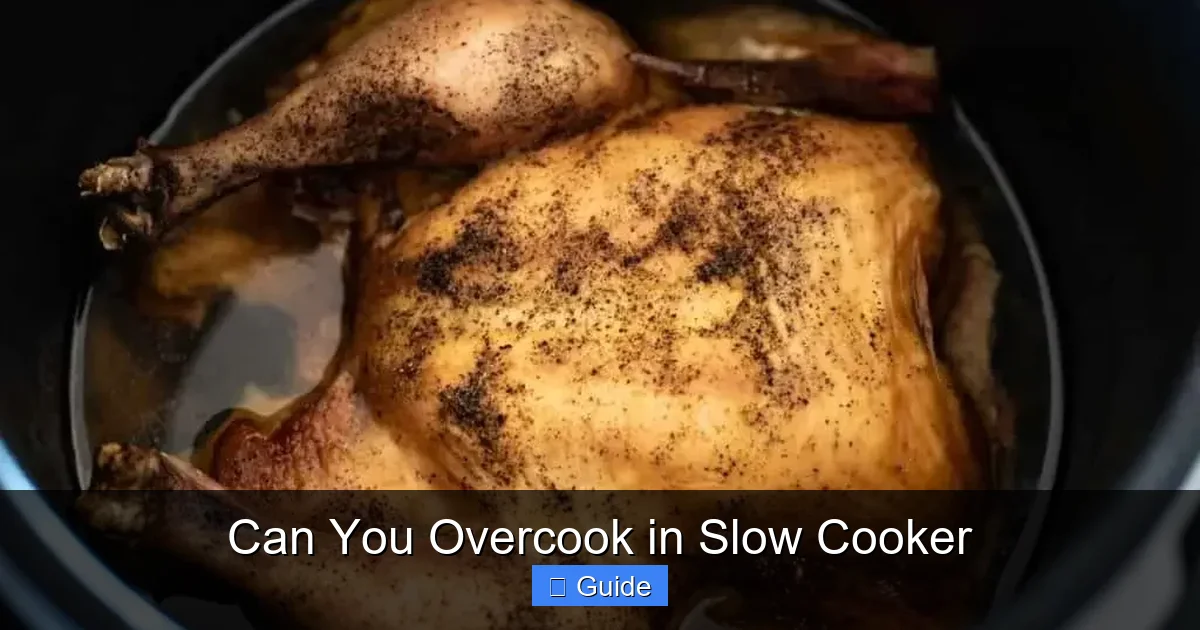
While slow cooking is fantastic for breaking down connective tissue in tough meats, there’s a point of no return. Leaner cuts of meat, like chicken breast or certain pork cuts, can become dry, chalky, and stringy if exposed to heat for too long, even in a moist environment. Even fattier cuts can eventually lose too much moisture and become unpleasant.
*
Diminished Flavor
Extended cooking can sometimes cook out or dilute the vibrant flavors of your ingredients, leaving you with a bland, one-note dish. Herbs and spices can lose their potency, and fresh vegetables might just taste like water.
*
Rubberiness
Certain ingredients, particularly seafood or some dairy products, can turn rubbery or separate if overcooked in a slow cooker.
Why Does Overcooking Happen in a Slow Cooker?
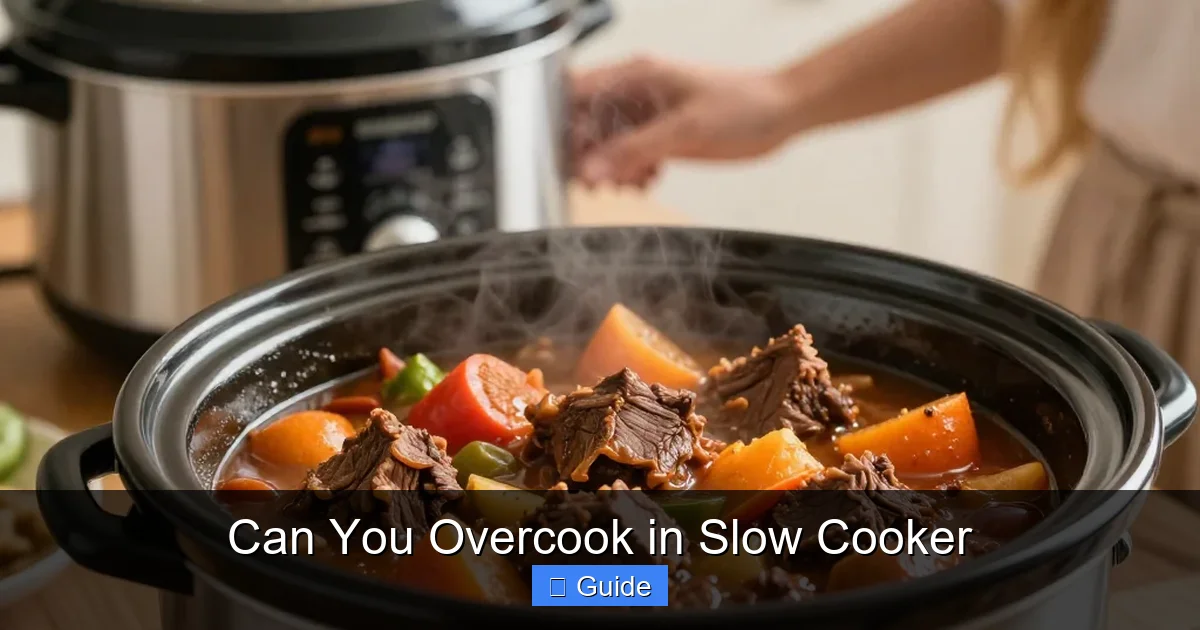
Visual guide about how to overcook in slow cooker
Image source: theslowcookinghousewife.com
It might seem counterintuitive. After all, isn’t the whole point of a slow cooker to cook slowly and gently? Yes, but “slow and gentle” doesn’t mean “endless.” Here are the primary reasons why food can become overcooked in a slow cooker:
*
Excessive Cooking Time
This is the number one culprit. Recipes provide a cooking window for a reason. Exceeding that window, even by a few hours, can push your ingredients past their prime. A dish designed to cook for 4-6 hours on HIGH won’t be good after 10 hours.
*
Incorrect Setting
Most slow cookers have “LOW” and “HIGH” settings. “HIGH” cooks food roughly twice as fast as “LOW.” Using “HIGH” when a recipe calls for “LOW” for an extended period, or vice-versa without proper adjustment, can easily lead to overcooking.
*
Too Much Liquid
While moisture is essential, an excessive amount of liquid can essentially steam or boil your ingredients rather than gently braise them. This is particularly problematic for vegetables, turning them into mush.
*
Opening the Lid Frequently
Every time you lift the lid of your slow cooker, you release a significant amount of heat – enough to extend the cooking time by an estimated 20-30 minutes each time. If you constantly check on your food, you might end up leaving it in the slow cooker for much longer than intended, thus increasing the chance of it becoming an overcooked slow cooker meal.
*
Dish Size vs. Slow Cooker Size
An underfilled slow cooker can cook food faster than anticipated because there’s less mass to heat. Conversely, an overfilled one might cook unevenly or take longer, but an underfilled one is a greater risk for overcooking.
*
Starting with Frozen Ingredients (Sometimes)
While many recipes allow for frozen meat, it can affect overall cooking time and potentially overcook other ingredients while the meat thaws and comes up to temperature. Always adjust timing and liquid if starting with frozen.
Ingredients Most Susceptible to Overcooking
Visual guide about how to overcook in slow cooker
Image source: i0.wp.com
Knowing which ingredients are most prone to becoming an overcooked slow cooker mess can help you plan your cooking strategy:
*
Lean Meats
Chicken breast, pork loin, and fish are very lean and contain little connective tissue or fat to break down. They cook quickly and can become dry and tough if overcooked.
*
Delicate Vegetables
Zucchini, mushrooms, bell peppers, green beans, peas, and spinach have high water content and delicate structures. They can quickly turn to mush.
*
Pasta and Rice
These starches absorb liquid rapidly. Adding them too early will result in a gummy, clumpy, and unpleasant texture.
*
Dairy Products
Milk, cream, cheese, and yogurt can curdle or separate if cooked at high temperatures or for too long, leading to a grainy or greasy texture.
How to Prevent Overcooking in Your Slow Cooker: Step-by-Step Mastery
Now for the good stuff! Here’s how to ensure your slow cooker meals are always perfectly cooked.
1. Choose the Right Ingredients and Cuts of Meat
*
For Meat:
For long cooking times, opt for tougher, fattier cuts with lots of connective tissue, like beef chuck, pork shoulder (butt), short ribs, or chicken thighs. These cuts benefit from long, slow cooking, breaking down into tender deliciousness. If using leaner cuts like chicken breast, reduce cooking time significantly or add them later.
*
For Vegetables:
Hearty root vegetables (carrots, potatoes, parsnips) can handle longer cooking. More delicate vegetables should be added closer to the end.
2. Master Timing and Settings
*
Follow the Recipe’s Instructions:
This might seem obvious, but it’s the most crucial step. Use the recommended cooking time and setting (LOW or HIGH).
*
Understand HIGH vs. LOW:
“HIGH” cooks roughly twice as fast as “LOW.” A recipe calling for 3-4 hours on HIGH might take 6-8 hours on LOW. Be mindful of this when converting.
*
Use a Timer:
Don’t just guess! Set a timer for the *minimum* recommended cooking time. Check for doneness then, and extend if needed.
*
Test for Doneness:
Meat should be fork-tender and shred easily. Vegetables should be tender but still hold their shape. Use an instant-read meat thermometer to ensure meat reaches a safe internal temperature, then remove promptly.
3. Strategic Layering of Ingredients
*
Bottom Layer:
Place dense, hearty vegetables (carrots, potatoes, onions) and larger cuts of meat at the bottom, closest to the heating element.
*
Middle Layer:
Add liquid, sauces, and other less delicate vegetables.
*
Top Layer (for delicate ingredients):
Delicate vegetables (bell peppers, mushrooms, zucchini, green beans), lean meats (chicken breast, fish), fresh herbs, and dairy products should be added in the last 30-60 minutes of cooking. This prevents them from becoming overcooked in the slow cooker.
4. Manage Liquid Levels Wisely
*
Less is More:
Slow cookers retain moisture very efficiently, so you often need less liquid than conventional stovetop or oven recipes. As a general rule, aim for the liquid to cover about half to two-thirds of your ingredients. Too much liquid will boil your food and make it mushy.
*
Consider Evaporation:
If converting a stovetop recipe, reduce the liquid by about one-third to one-half.
5. Resist the Urge to Lift the Lid
*
Leave it Be:
Unless the recipe specifically instructs you to stir or add ingredients, keep the lid firmly in place. Each peek can add 20-30 minutes to your cooking time, making it harder to gauge when your food is truly done and increasing the chance of an overcooked slow cooker meal.
6. Adapt Your Recipes for Slow Cooking
*
Pre-Cook Some Ingredients:
Searing meat before adding it to the slow cooker can add depth of flavor and help it hold its shape better. Sautéing onions and garlic can also enhance flavor.
*
Thicken Later:
For stews or gravies, add cornstarch slurry or flour towards the end of cooking, or transfer the liquid to a saucepan and thicken on the stove.
*
Spice it Up at the End:
Fresh herbs, citrus zest, and delicate spices are best added in the last 15-30 minutes or even after cooking to preserve their vibrant flavors.
7. Know Your Slow Cooker
*
Hot Spots:
Some slow cookers have hot spots, or cook hotter than others. After a few uses, you’ll get a feel for your specific appliance. If your slow cooker consistently cooks faster or hotter, adjust your cooking times downwards.
*
Consider a Programmable Model:
Programmable slow cookers can automatically switch to a “KEEP WARM” setting once the cooking time is complete. While “KEEP WARM” isn’t cooking, it can still gently continue to soften ingredients, so it’s not a license to leave food indefinitely. It helps prevent drastic overcooking.
Troubleshooting: What If Your Food IS Overcooked?
Even with the best intentions, sometimes an overcooked slow cooker meal happens. Don’t despair! Here are some salvage operations:
*
Mushy Vegetables:
* Puree them: If carrots or potatoes have turned to mush, embrace it! Blend them into the sauce to thicken it and add flavor to a soup or stew.
* Make a dip: Overcooked squash or sweet potatoes can be pureed with some seasoning for a delicious dip.
*
Dry or Stringy Meat:
* Shred it: If it’s a cut like chicken breast or pork loin, shred it and mix it thoroughly back into the sauce to re-moisten.
* Add more liquid/fat: If it’s too dry, you can try adding a splash of broth, olive oil, or butter and gently reheating.
* Turn it into another dish: Dry shredded chicken can be used in tacos, sandwiches with plenty of sauce, or mixed into a casserole.
*
Flavorless Dish:
* Brighten it: Add fresh herbs, a squeeze of lemon or lime juice, a dash of vinegar, or a splash of hot sauce after cooking to revive flavors.
* Enhance with aromatics: Stir in some freshly minced garlic, ginger, or a pinch of red pepper flakes.
* Salt and pepper: Always taste and adjust seasoning generously at the end.
Conclusion: Master the Art of Slow Cooking
The slow cooker is an invaluable kitchen tool, a beacon of convenience and comfort food. However, understanding that you *can* overcook in a slow cooker is the first step towards truly mastering it. By paying attention to cooking times, understanding your settings, strategically layering ingredients, and resisting the urge to peek, you can consistently achieve perfectly tender, flavorful, and wonderfully textured meals.
Remember, every slow cooker is a little different, and every recipe is a guideline. Don’t be afraid to experiment, observe your food, and adjust as needed. With these tips and a little practice, you’ll be creating slow cooker masterpieces that are never overcooked, but always just right. Happy slow cooking!

Jennifer D. Simon has spent the last 26 years studying and practicing nutrition science. She has used a larger part of this time in improving people’s livelihoods. She has done so by coming up with unquestionable ideas on how to tackle food problems in her community. Read More