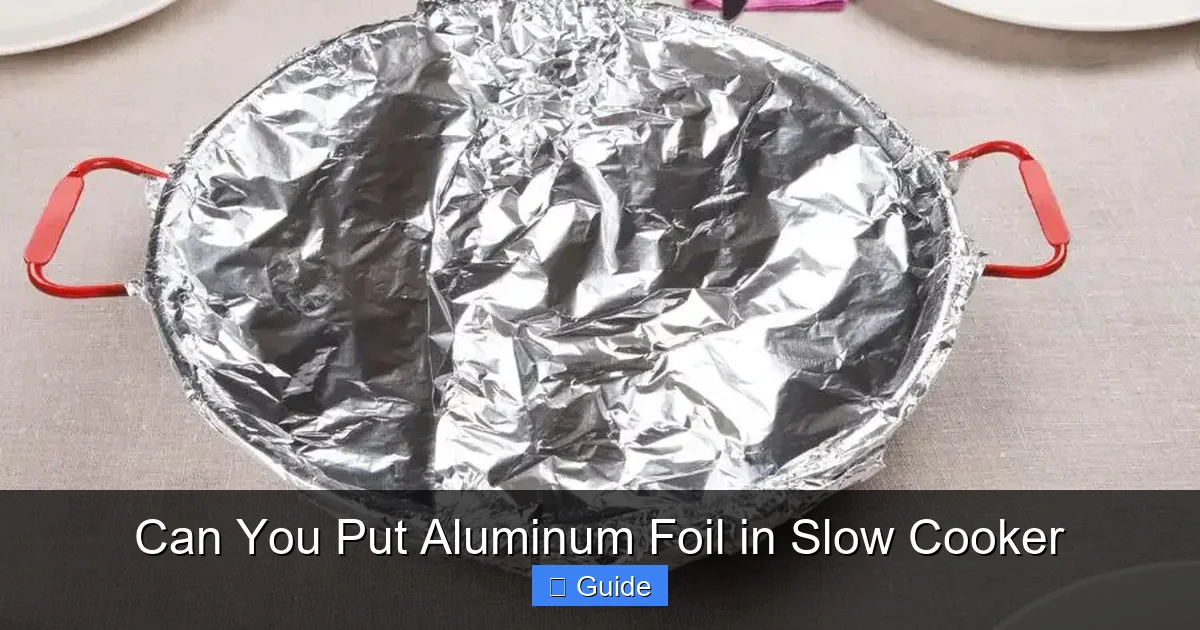
Can You Put Aluminum Foil in Slow Cooker
Curious about using aluminum foil in your slow cooker? The good news is, generally, yes, you can! This guide dives into the various practical applications, from creating dividers to making easy-to-clean packets, and even preventing food from overcooking. However, it’s crucial to understand the safety considerations, such as potential aluminum leaching with acidic foods and maintaining proper heat distribution. By following best practices, you can safely use aluminum foil in slow cooker preparations, ensuring delicious meals with minimal fuss.
Can You Put Aluminum Foil in Slow Cooker? Your Complete How-To Guide
The slow cooker has become an indispensable kitchen appliance for many, making meal preparation incredibly convenient. It’s perfect for those busy days when you want a delicious, home-cooked meal waiting for you. But as you get more adventurous with your slow cooker recipes, you might start wondering about ways to optimize its use, leading to a common question: “Can you put aluminum foil in slow cooker?”
It’s a great question, and one that many home cooks ponder. The short answer is yes, you *can* generally put aluminum foil in your slow cooker, but with some important caveats and best practices to ensure both safety and optimal cooking results. This comprehensive guide will walk you through everything you need to know about using aluminum foil in slow cooker preparations, from its practical uses to critical safety considerations and step-by-step instructions. By the end, you’ll be a pro at deciding when and how to safely incorporate aluminum foil into your slow cooking routine.
Key Takeaways
- Foil is Generally Safe: You can typically use aluminum foil in slow cooker preparations for various purposes, but always exercise caution and follow best practices.
- Versatile Uses: Aluminum foil is excellent for creating dividers to cook multiple dishes, forming lifting slings for easy removal, making individual foil packets for personalized meals, and protecting food from over-browning.
- Mind Acidity and Salt: Avoid direct, prolonged contact between aluminum foil and highly acidic or very salty foods, as this can potentially increase aluminum leaching.
- Ensure Proper Airflow: When using aluminum foil in slow cooker, make sure not to block steam vents or completely cover the entire surface, which could interfere with heat distribution and cooking efficiency.
- Consider Heavy-Duty Foil: Opt for heavy-duty aluminum foil for better durability and to prevent tearing, especially when handling heavier ingredients or forming structures.
- Explore Alternatives: For some applications, alternatives like parchment paper, silicone liners, or oven-safe dishes can offer similar benefits without the concerns associated with aluminum.
- Prioritize Liner Protection: Be careful not to scratch the ceramic or non-stick lining of your slow cooker with sharp edges of foil; form foil carefully.
Why Would You Want to Put Aluminum Foil in a Slow Cooker?
Before we dive into the “how-to,” let’s explore the practical reasons why someone might choose to put aluminum foil in a slow cooker. You’ll be surprised by its versatility!
Creating Dividers for Multi-Dish Cooking
Imagine wanting to cook two different dishes simultaneously, or perhaps a main course with a side, without their flavors mixing. Aluminum foil can be folded and shaped into sturdy dividers, allowing you to effectively create separate compartments within your slow cooker pot. This is a fantastic way to maximize your appliance’s potential.
Making Easy-to-Remove Lifting Slings or “Racks”
For dishes that are delicate or difficult to remove from the slow cooker without breaking (like a whole chicken, meatloaf, or even a baked potato), aluminum foil can be folded into a strong sling. This sling sits under the food during cooking, allowing you to easily lift the entire dish out once it’s done, reducing the risk of it falling apart. You can also form a loose “rack” to elevate food slightly above the liquid, preventing it from getting soggy.
Cooking in Individual Foil Packets
Foil packets are a meal prep dream! You can assemble individual portions of meat and vegetables, seasoned to perfection, then seal them in aluminum foil packets and place them directly into the slow cooker. This method ensures even cooking, locks in moisture and flavor, and perhaps best of all, makes cleanup an absolute breeze. Each person gets their own personalized meal, and there’s no messy pot to scrub.
Preventing Overcooking or Burning
Sometimes, certain parts of your meal might cook faster or are prone to burning if they touch the bottom or sides of the pot directly. A small piece of aluminum foil can be strategically placed to shield these areas, distributing heat more evenly or creating a barrier to prevent scorching. For example, if you’re making a cake or bread in your slow cooker, a foil “collar” can protect the edges.
Simplifying Cleanup
While not its primary function, lining part of your slow cooker with foil (e.g., under a specific dish) can sometimes help contain messes, making the post-meal cleanup a bit easier. However, be cautious when using foil purely as a liner, as direct contact with the heating elements or covering the entire surface can impact cooking.
Safety Considerations When Using Aluminum Foil in a Slow Cooker
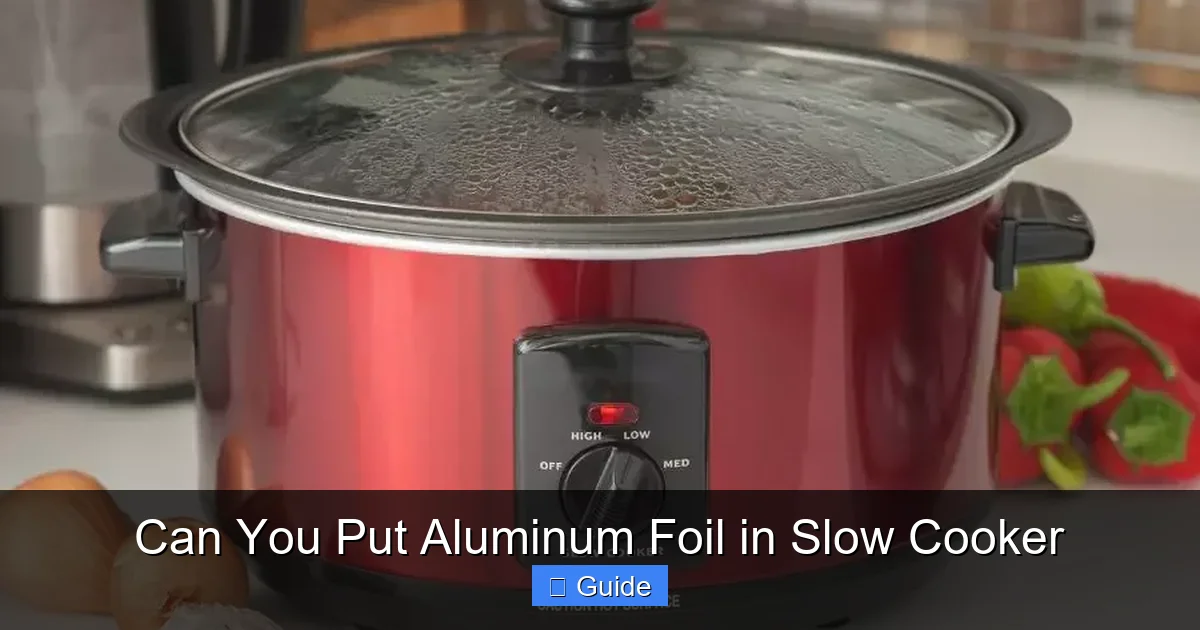
Visual guide about how to put aluminum foil in slow cooker
Image source: wigglywisdom.com
While using aluminum foil in slow cooker applications is generally safe, it’s essential to be aware of potential risks and best practices.
Aluminum Leaching
This is perhaps the most common concern. Research suggests that cooking with aluminum foil, especially with acidic or highly salty foods, can cause small amounts of aluminum to leach into the food. While the amount is typically considered minimal and well within safe limits for healthy individuals, prolonged contact, high temperatures, and the presence of acidic ingredients (like tomatoes, lemon juice, vinegar) or salt can increase this leaching. For very long cooking times or highly acidic recipes, some people prefer to minimize direct contact or use alternatives.
Heat Distribution and Airflow
Aluminum foil acts as a barrier. If you completely line your slow cooker with foil or wrap food too tightly without leaving any space, you might impede the even distribution of heat. Slow cookers rely on gentle, consistent heat and steam to cook food. Blocking airflow or steam vents can lead to unevenly cooked food or even create pressure build-up (though this is rare with proper use). Always ensure there’s still space for heat and steam to circulate.
Scratching the Slow Cooker Liner
Most slow cooker inserts are made of ceramic or stoneware, which can be susceptible to scratching. Sharp edges or abrasive movements of aluminum foil against the liner could potentially damage the non-stick surface over time. Always handle foil carefully and form it smoothly to avoid sharp points.
Chemical Reactions
While rare, aluminum can react with certain metals or highly alkaline substances, potentially affecting the taste or appearance of your food. Sticking to food-grade aluminum foil and following general cooking guidelines will help prevent this.
Best Practices for Using Aluminum Foil in Your Slow Cooker
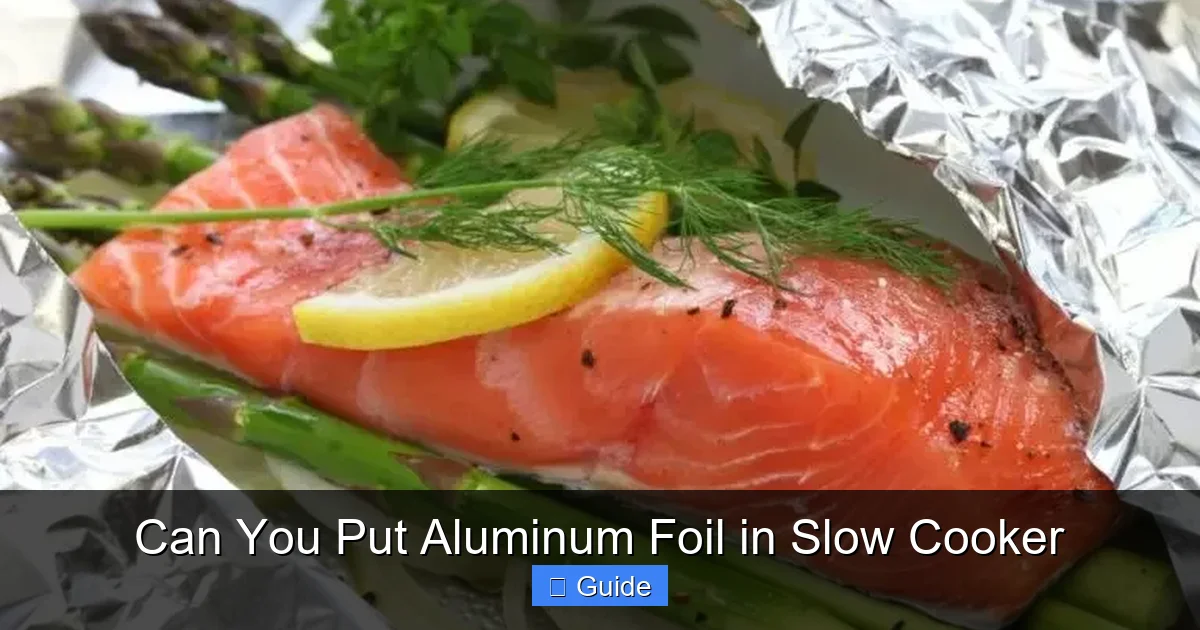
Visual guide about how to put aluminum foil in slow cooker
Image source: wigglywisdom.com
To safely and effectively put aluminum foil in slow cooker meals, follow these best practices:
1. Choose the Right Type of Foil
Opt for heavy-duty aluminum foil whenever possible. It’s thicker and more durable, less prone to tearing or puncturing, especially when lifting heavier foods or forming sturdy dividers.
2. Minimize Direct Contact with Acidic or Salty Foods
If your recipe contains high levels of acid (e.g., tomato sauce, lemon, vinegar) or a lot of salt, try to minimize direct, prolonged contact between the food and the aluminum foil. You can often place a layer of parchment paper between the food and the foil if you’re making a packet, or use foil for support/lifting rather than as a primary cooking vessel for these ingredients.
3. Ensure Proper Airflow and Heat Circulation
Do not completely line your slow cooker with aluminum foil, as this can interfere with the way the appliance cooks. Always leave some space between the foil and the slow cooker walls/bottom, and ensure the lid can still sit snugly. If making foil packets, arrange them so that heat can circulate around them.
4. Form Foil Smoothly and Securely
When creating dividers, slings, or packets, ensure the aluminum foil is folded smoothly with no sharp edges that could scratch your slow cooker’s ceramic insert. Make sure packets are sealed well to retain moisture and flavor, but not so tightly that steam cannot escape if needed.
5. Don’t Let Food Sit in Foil for Extended Periods
Once cooking is complete, especially with acidic or salty dishes, remove the food from the aluminum foil promptly. This minimizes any potential for increased leaching if the food were to sit in contact with the foil for hours after cooking.
Step-by-Step Guide: How to Safely Use Aluminum Foil in Your Slow Cooker
Ready to start using aluminum foil in slow cooker recipes? Here are some common applications and how to do them safely.
How to Make a Divider in Your Slow Cooker
- Prepare Your Foil: Tear off a long sheet of heavy-duty aluminum foil, about 2-3 times the length of your slow cooker insert.
- Fold for Strength: Fold the foil lengthwise multiple times until you have a thick, sturdy strip, about 2-3 inches wide. The thicker it is, the better it will hold its shape.
- Shape the Divider: Gently bend the folded foil strip into a “U” or “S” shape, or whatever configuration you need to divide your slow cooker into compartments. Make sure it fits snugly within the insert without touching the heating elements.
- Place in Slow Cooker: Carefully place the foil divider into your slow cooker insert.
- Add Your Food: Now, you can add different ingredients or entire dishes into the separate compartments you’ve created. For example, chili in one section, and shredded chicken for tacos in another.
How to Create a Lifting Sling for Easy Removal
- Prepare Your Foil: Tear off a very long sheet of heavy-duty aluminum foil, at least twice the diameter of your slow cooker insert. You might even use two sheets overlapped for extra strength if lifting something heavy.
- Fold for Strength: Fold the foil lengthwise multiple times, creating a thick, sturdy “handle” or strap. It should be wide enough to support the food’s weight.
- Form a Cross or X-Shape: For maximum support, you might create two such strips and arrange them in a cross or “X” shape at the bottom of your slow cooker insert. The ends of the strips should extend up and over the rim of the slow cooker.
- Place Your Food: Carefully place your food (e.g., whole chicken, roast) on top of the foil sling.
- Cook and Lift: Cook as usual. When done, simply grab the extended ends of the foil sling and carefully lift the food out of the slow cooker.
How to Cook in Individual Foil Packets
- Prepare Ingredients: Gather your chosen ingredients (e.g., sliced chicken, vegetables, seasonings, a touch of liquid).
- Lay Out Foil: Tear off a sheet of heavy-duty aluminum foil large enough to fully enclose your portion with room to spare for sealing. If cooking acidic foods, you can place a piece of parchment paper on top of the foil first.
- Assemble Packet: Place your ingredients in the center of the foil (or on the parchment). Try to keep acidic liquids from direct contact with the foil if possible.
- Seal the Packet: Bring the long sides of the foil together over the food and fold them down several times to create a tight seal. Then, fold up the shorter ends to seal the packet completely. Ensure it’s leak-proof.
- Arrange in Slow Cooker: Place the sealed foil packets directly into your slow cooker insert. You can stack them if they fit without impeding the lid’s seal. Add a small amount of liquid (like water or broth) to the bottom of the slow cooker if you wish, to help generate steam and prevent scorching, but it’s not always necessary with well-sealed packets.
- Cook and Serve: Cook according to your recipe. When done, carefully remove the hot packets and open them to serve.
How to Protect Food from Overcooking or Browning with Foil
- Identify Areas: Observe your food during the cooking process. If certain edges or tops appear to be browning too quickly or drying out, this is where foil can help.
- Cut and Shape Foil: Tear a small piece of aluminum foil, just large enough to cover the problematic area.
- Apply Gently: Carefully place the foil over the part of the food you wish to protect. For instance, if the edges of a slow cooker cake are browning too much, you can gently form a foil collar around the rim.
- Monitor: Continue cooking, occasionally checking to ensure the foil is doing its job without inhibiting overall cooking.
Troubleshooting Common Issues
Even with best practices, you might encounter minor hiccups when you put aluminum foil in slow cooker recipes.
Food Sticking to Foil
* Solution: Ensure you’re using heavy-duty foil. Lightly grease the foil with cooking spray or oil before placing food on it. For very delicate items, consider placing a layer of parchment paper between the food and the aluminum foil.
Foil Tearing
* Solution: Always use heavy-duty aluminum foil. When creating slings or dividers, fold the foil multiple times to create thicker, stronger sections. Avoid overfilling foil packets that could put too much strain on the seams.
Uneven Cooking
* Solution: If you suspect uneven cooking, check if the foil is blocking too much heat or airflow. Make sure there’s ample space for steam and heat to circulate around dividers or packets. Avoid completely covering the entire bottom or sides of the slow cooker.
Alternative Options to Aluminum Foil in a Slow Cooker
While using aluminum foil in slow cooker is a convenient solution for many, there are excellent alternatives if you want to avoid foil entirely, or for specific applications:
* Parchment Paper: Great for lining foil packets (to prevent sticking and minimize aluminum contact with food) or making individual packets by themselves if secured properly. However, it’s not as sturdy for lifting or creating dividers.
* Silicone Liners/Dividers: Reusable silicone slow cooker liners are fantastic for easy cleanup. You can also find silicone dividers specifically designed for slow cookers, which are perfect for multi-dish cooking.
* Oven-Safe Ramekins or Bowls: Small, oven-safe ceramic or glass bowls can be placed inside your slow cooker to cook separate dishes or to elevate food, offering a sturdy, non-reactive alternative.
* Vegetable “Racks”: For lifting foods like roasts, you can create a natural “rack” using sturdy vegetables like carrots, celery, or onions at the bottom of the slow cooker. They’ll also infuse flavor into your dish!
Conclusion
So, can you put aluminum foil in slow cooker? Absolutely, with an understanding of its capabilities and limitations. By following the best practices outlined in this guide – choosing heavy-duty foil, being mindful of acidic and salty foods, ensuring proper airflow, and forming structures carefully – you can harness the versatility of aluminum foil to enhance your slow cooking experience.
Whether you’re dividing your pot to cook multiple dishes, making individual, mess-free foil packets, or gently lifting a delicate roast, aluminum foil can be a valuable tool in your slow cooker arsenal. Always prioritize safety and good cooking practices, and you’ll continue to enjoy delicious, convenient meals from your trusty slow cooker for years to come. Happy cooking!

Jennifer D. Simon has spent the last 26 years studying and practicing nutrition science. She has used a larger part of this time in improving people’s livelihoods. She has done so by coming up with unquestionable ideas on how to tackle food problems in her community. Read More