
Can You Put Raw Meat in Slow Cooker
Yes, you absolutely can put raw meat in a slow cooker, and it’s a common, safe practice for creating tender, flavorful meals. The key is to follow proper food safety guidelines, ensure the internal temperature reaches a safe level, and choose appropriate cuts of meat. This guide will walk you through everything you need to know for delicious and safe slow cooking, from preparing your ingredients to serving your perfect slow-cooked dish.
Can You Put Raw Meat in Slow Cooker?
The slow cooker is a beloved kitchen appliance for busy households everywhere. It promises delicious, comforting meals with minimal effort, transforming tough cuts of meat into fork-tender masterpieces. But a common question often pops up: “Can you put raw meat in slow cooker?” The short answer is a resounding yes!
For many new slow cooker users, or even seasoned cooks who’ve always pre-cooked their meat, the idea of adding raw meat directly to the pot might feel a bit unsettling. You might worry about food safety, proper cooking, or even the texture of the finished dish. Rest assured, slow cookers are designed to safely cook raw meat from start to finish. This comprehensive guide will walk you through everything you need to know about putting raw meat in slow cooker, ensuring your meals are not only safe but incredibly delicious.
We’ll cover essential food safety practices, how to choose and prepare your meat, assembly tips, cooking times, and even troubleshooting common issues. By the end of this guide, you’ll be a confident slow cooker pro, ready to tackle any recipe that calls for raw meat.
Key Takeaways
- Safety is paramount: Always ensure raw meat reaches a minimum internal temperature (e.g., 165°F for poultry, 160°F for ground meat, 145°F for whole cuts of beef/pork) to prevent foodborne illness.
- Slow cookers are designed for raw meat: Their low, steady heat cooks meat safely over several hours, breaking down tough fibers for tender results.
- Searing is optional but beneficial: While not required for safety, searing raw meat beforehand can enhance flavor, improve texture, and create a richer color.
- Choose the right cuts: Tougher cuts like chuck roasts, pork shoulders, and chicken thighs excel when you put raw meat in slow cooker, becoming incredibly tender and juicy.
- Don’t overfill: Ensure your slow cooker is filled between halfway and two-thirds for optimal cooking performance and to maintain safe temperatures.
- Use a meat thermometer: This is the most reliable way to confirm your raw meat has cooked to a safe internal temperature throughout.
- Avoid thawing frozen meat in the slow cooker: Always thaw meat completely in the refrigerator before adding it to your slow cooker to ensure even and safe cooking from the start.
The Magic of Slow Cooking: Why It Works for Raw Meat
Slow cookers, also known as crock-pots, operate on a simple principle: low heat over a long period. This method is perfectly suited for cooking raw meat safely and effectively.
How Slow Cookers Ensure Safety
The consistent, low temperature (typically between 170°F and 280°F, or 77°C and 138°C) within a slow cooker allows raw meat to cook gradually. This gradual heating process ensures that the meat spends enough time above the “danger zone” (40°F to 140°F, or 4°C to 60°C) where bacteria multiply rapidly. By reaching and maintaining a high enough internal temperature for several hours, the slow cooker effectively kills harmful bacteria, making your raw meat safe to eat. The sealed lid also traps moisture and heat, creating a steamy environment that aids in even cooking.
The Benefits for Meat Texture
Beyond safety, the low and slow method is a game-changer for meat texture. Tougher cuts of meat, which can be chewy when cooked quickly, contain a lot of connective tissue. When you put raw meat in slow cooker for an extended period, this connective tissue, primarily collagen, slowly breaks down into gelatin. This transformation is what gives slow-cooked meats their characteristic melt-in-your-mouth tenderness and rich flavor.
Before You Begin: Essential Food Safety Rules
While putting raw meat in slow cooker is safe, it’s crucial to follow fundamental food safety practices. These steps prevent foodborne illness and ensure your delicious meal is also a healthy one.
Keep it Cold, Cook it Hot
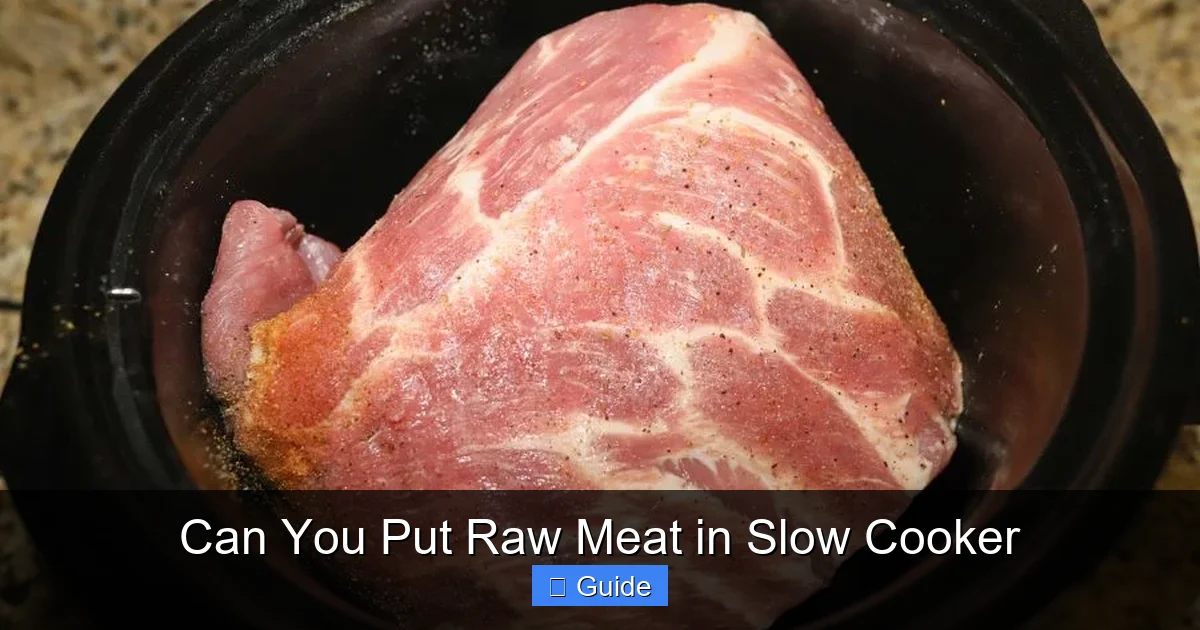
The “danger zone” for food temperatures is between 40°F (4°C) and 140°F (60°C). Bacteria can multiply rapidly in this range. Always keep raw meat refrigerated until you’re ready to add it to the slow cooker. Once cooked, make sure the internal temperature reaches safe levels. If you have leftovers, refrigerate them promptly and reheat them to at least 165°F (74°C).
Visual guide about how to put raw meat in slow cooker
Image source: bakingkneads.com
Prevent Cross-Contamination
This is vital when handling raw meat. Always use separate cutting boards, knives, and utensils for raw meat and other ingredients (like vegetables) that won’t be cooked. Wash your hands thoroughly with soap and warm water after handling raw meat. Clean any surfaces that have come into contact with raw meat juices.
Thaw Meat Safely
Never put frozen raw meat directly into a slow cooker. This is a common mistake that can be dangerous. Frozen meat takes too long to reach a safe temperature, spending extended periods in the “danger zone.” Always thaw meat completely in the refrigerator before adding it to your slow cooker. For larger cuts, this can take 24-48 hours, so plan ahead.
Choosing the Perfect Cut for Your Slow Cooker
Not all cuts of meat are created equal when it comes to slow cooking. The magic of “low and slow” truly shines with specific types of raw meat.
Best Meats for Slow Cooking
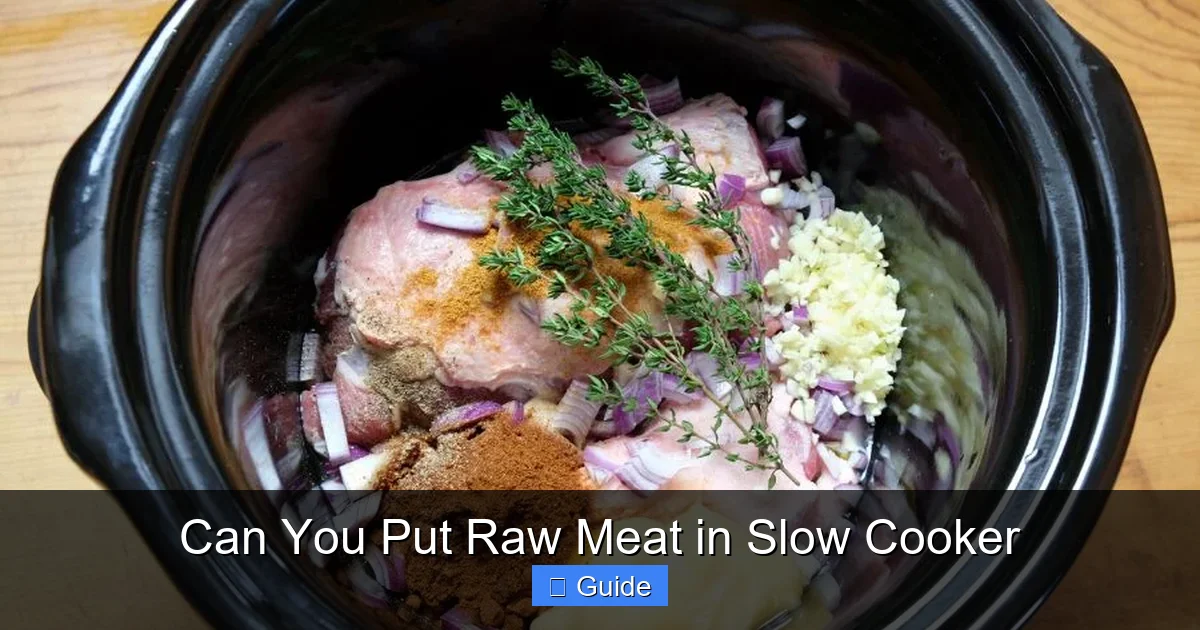
When you’re looking to put raw meat in slow cooker, focus on tougher, less expensive cuts. These cuts have more connective tissue, which, as mentioned, breaks down beautifully into gelatin over time. Some excellent choices include:
Visual guide about how to put raw meat in slow cooker
Image source: bakingkneads.com
- Beef: Chuck roast, brisket, short ribs, stew meat.
- Pork: Pork shoulder (Boston butt), pork butt, country-style ribs.
- Chicken: Bone-in, skin-on chicken thighs or drums (skin-on adds flavor, but can be removed before serving if you prefer). Boneless, skinless chicken breasts can be used, but they cook faster and can dry out if overcooked.
- Lamb: Lamb shoulder, lamb shanks.
These cuts benefit from the long cooking times, becoming incredibly tender and flavorful. If you put raw meat in slow cooker that is already very tender, like a sirloin steak or tenderloin, it will likely become dry and stringy.
Meat Quality Matters
Always start with fresh, high-quality raw meat. Check the packaging for the “sell by” or “use by” date. The meat should have a good color (red for beef, pink for pork, light pink for chicken) and no off-smell. While slow cooking makes meat tender, it won’t hide the flavor of poor-quality or old meat.
Preparing Your Raw Meat for the Slow Cooker
Once you’ve chosen your cut, a little preparation can go a long way in enhancing the flavor and texture of your slow-cooked dish.
To Sear or Not to Sear?
This is a common debate. Searing raw meat before putting it in the slow cooker is optional, but highly recommended for beef and pork. Searing involves quickly browning the surface of the meat in a hot pan with a little oil before adding it to the slow cooker.
- Pros of Searing: It creates a rich, caramelized crust through the Maillard reaction, which adds incredible depth of flavor. It also helps lock in some juices and gives the finished dish a more appealing color.
- Cons of Searing: It adds an extra step and another pan to wash.
For most recipes, especially those featuring beef roasts or pork shoulder, searing is worth the extra effort. For chicken or very small pieces of stew meat, you can usually skip this step without sacrificing too much flavor.
Trimming and Sizing
Before you put raw meat in slow cooker, take a moment to trim any excess, hard fat or silver skin. While some fat adds flavor and moisture, too much can make the final dish greasy. Silver skin is a tough membrane that won’t break down during cooking and should be removed.
Consider the size of your meat pieces. For stew, cut beef or pork into 1 to 2-inch cubes. For roasts, leave them whole. Ensure pieces are relatively uniform in size to promote even cooking.
Seasoning for Flavor
Don’t be shy with seasoning when you put raw meat in slow cooker. The long cooking process can sometimes dilute flavors. A good base of salt, black pepper, garlic powder, onion powder, and herbs like thyme or rosemary can make a huge difference. Rub the seasonings generously over the raw meat before adding it to the slow cooker, especially if you’re not searing.
Assembling Your Slow Cooker Masterpiece
The order and quantity of ingredients matter when you’re loading up your slow cooker.
Layering Ingredients Correctly
A good layering strategy ensures even cooking and optimal flavor. Generally, follow these steps:
- Root Vegetables First: Place sturdy root vegetables like carrots, potatoes, and onions on the bottom of the slow cooker. These vegetables cook slower and benefit from direct contact with the heat source.
- Raw Meat Next: Place your prepared raw meat directly on top of the vegetables.
- Softer Vegetables and Aromatics: Add any softer vegetables (like mushrooms or bell peppers) or additional aromatics (garlic, herbs) on top of or around the meat.
- Liquid Last: Pour in your broth, sauce, or other liquids.
The Importance of Liquid
Slow cookers create their own moisture, so you typically need less liquid than you would for stovetop or oven cooking. Aim for enough liquid to cover about half to two-thirds of your ingredients. Too much liquid can result in a watery sauce, while too little could lead to dry meat or scorched ingredients. Broth, water, canned tomatoes, beer, wine, or even a can of cream of mushroom soup can serve as your liquid base.
Don’t Overfill (or Underfill!)
For optimal performance and food safety, your slow cooker should be filled between halfway and two-thirds full. If it’s too full, it might not reach a safe cooking temperature quickly enough, and the contents might boil over. If it’s too empty, the food can overcook or dry out. Stick to the recommended fill levels for best results when putting raw meat in slow cooker.
Setting It and Forgetting It (Almost!): Cooking Times and Temperatures
Understanding the cooking settings and estimated times is key to perfectly cooked raw meat in your slow cooker.
Low vs. High Settings
Most slow cookers have “Low” and “High” settings:
- Low Setting: Cooks at a lower temperature for a longer period. This is ideal for most raw meat dishes, especially tough cuts, allowing them to become incredibly tender. General rule: 6-10 hours.
- High Setting: Cooks at a higher temperature for a shorter period, roughly half the time of the Low setting. While useful for faster cooking, it can sometimes dry out more delicate meats. General rule: 3-5 hours.
For best results with raw meat, especially larger cuts like roasts, the “Low” setting is almost always preferred. It allows more time for connective tissues to break down, resulting in superior tenderness and flavor.
General Cooking Time Guidelines
These are general guidelines when you put raw meat in slow cooker. Always use a meat thermometer to confirm doneness.
- Beef Roast (3-4 lbs): Low for 6-8 hours, High for 3-4 hours.
- Pork Shoulder (3-4 lbs): Low for 6-8 hours, High for 3-4 hours.
- Chicken Thighs (bone-in): Low for 3-4 hours, High for 2-3 hours.
- Stew Meat (cubed): Low for 4-6 hours, High for 2-3 hours.
Remember that every slow cooker is slightly different, and factors like the size and density of the meat, and the amount of liquid, can affect cooking times. Check periodically, especially towards the end of the suggested cooking window.
The Golden Rule: Internal Temperature
The most important safety measure is to ensure your raw meat reaches a safe internal temperature. This is where a good meat thermometer becomes indispensable. Stick it into the thickest part of the meat, avoiding bones.
- Pork, Beef (whole cuts): 145°F (63°C) with a 3-minute rest.
- Ground Beef, Pork, Lamb: 160°F (71°C).
- Chicken, Turkey (all parts): 165°F (74°C).
For tough cuts like pot roast or pulled pork, you’ll often cook them past these minimums (to 190-205°F or 88-96°C) to achieve that signature fall-apart tenderness. At these higher temperatures, the meat will be incredibly moist and easy to shred.
How to Check for Doneness
Beyond timing, knowing how to properly check if your raw meat in slow cooker is done is crucial for both safety and deliciousness.
Your Best Friend: The Meat Thermometer
As mentioned, a meat thermometer is the most reliable tool. Insert it into the thickest part of the meat, away from bones. When the thermometer reads the safe internal temperature, your meat is cooked. For shreddable meats, continue cooking until the desired tenderness is achieved.
Visual Cues of Tenderness
For meats meant to be shredded (like pulled pork or pot roast), you can also rely on visual cues. The meat should be easily pierced with a fork and virtually fall apart when gently prodded. If it still resists or feels tough, it needs more time. Don’t be afraid to give it another hour or two on the “Low” setting.
Troubleshooting Common Slow Cooker Issues
Even with the best intentions, things can sometimes go awry. Here’s how to fix common problems when you put raw meat in slow cooker.
Meat is Still Tough
If your meat is tough, it simply needs more time. This is especially common with beef roasts and pork shoulders. Don’t assume it’s “ruined” – just let it cook longer on the “Low” setting. Toughness is usually a sign that the connective tissues haven’t fully broken down yet. Add another 1-2 hours and check again.
Meat is Dry or Stringy
This usually happens if the meat was overcooked, particularly lean cuts like chicken breast, or if there wasn’t enough liquid. For future recipes, consider using fattier cuts or reducing the cooking time, especially on the “High” setting. Adding more liquid or a fatty element like cream cheese or sour cream at the end can sometimes help salvage a dry dish.
Too Much or Too Little Liquid
If your sauce is too thin, remove the cooked meat and vegetables. Turn the slow cooker to “High” (if it has this feature) and let the sauce simmer with the lid off to reduce and thicken. Alternatively, you can thicken it on the stovetop by adding a cornstarch slurry (cornstarch mixed with a little cold water). If there’s too little liquid, your food might dry out or stick. Next time, add a bit more broth or water.
Lack of Flavor
This can occur if you didn’t season generously enough, or if the flavors cooked out. Taste your dish before serving. You can always adjust seasonings at the end. Consider adding fresh herbs, a splash of vinegar or lemon juice, a dollop of mustard, or a dash of hot sauce to brighten flavors.
Power Outage or Long Stand Time
If your power goes out or you leave the slow cooker on “Warm” for more than 2-4 hours after cooking, the food might have spent too long in the danger zone. When in doubt, it’s safer to discard the food than risk foodborne illness.
Serving Your Delicious Slow-Cooked Meal
You’ve successfully cooked raw meat in your slow cooker! Now for the best part – enjoying your meal.
Resting the Meat
Just like with oven-roasted meats, allowing your slow-cooked meat to rest for 10-15 minutes after cooking can improve its juiciness. Remove the meat from the slow cooker, tent it loosely with foil, and let it sit before shredding or slicing. This allows the juices to redistribute throughout the meat.
Safe Storage of Leftovers
Promptly refrigerate any leftovers within 2 hours of cooking. Store them in airtight containers. Cooked raw meat dishes can typically be stored in the refrigerator for 3-4 days or frozen for up to 3 months. When reheating, always ensure the food reaches an internal temperature of 165°F (74°C).
Conclusion
Hopefully, this guide has answered all your questions about putting raw meat in slow cooker and eased any concerns you might have had. The slow cooker is an incredible tool for creating tender, flavorful, and budget-friendly meals with minimal effort. By understanding the safety principles, choosing the right cuts, and following proper preparation and cooking techniques, you can confidently transform raw meat into delicious dishes that your whole family will love.
So, go ahead and embrace the convenience and deliciousness of slow cooking with raw meat. Happy cooking!

Jennifer D. Simon has spent the last 26 years studying and practicing nutrition science. She has used a larger part of this time in improving people’s livelihoods. She has done so by coming up with unquestionable ideas on how to tackle food problems in her community. Read More