Can Slow Cooker Replace Oven Discover the Full Answer
While a slow cooker is an incredibly versatile and convenient appliance, it cannot fully replace an oven. Each serves distinct purposes with different cooking methods and temperature ranges. Ovens excel at high-heat cooking, baking, and achieving crispy textures, while slow cookers shine in low-and-slow applications that tenderize meats and meld flavors, often with more moisture retention. Understanding their unique strengths is key to maximizing your kitchen’s potential.
Ah, the age-old kitchen debate! In our quest for convenience and efficiency, it’s natural to wonder if one mighty appliance can handle the job of another. Specifically, a question that pops up in many home cooks’ minds is: Can a slow cooker replace an oven? It’s a fantastic question, especially with the rising popularity of slow cookers as kitchen workhorses, promising delicious meals with minimal fuss. But is it truly a one-to-one swap?
The short answer, like most things in the culinary world, isn’t a simple yes or no. While both appliances are incredible tools for creating mouth-watering meals, they operate on fundamentally different principles and excel at different tasks. Understanding these differences is key to mastering your kitchen and deciding which appliance is best suited for your next delicious creation. Let’s dive deep into the world of slow cookers and ovens to discover their unique strengths and limitations, and finally, answer whether a slow cooker can truly replace an oven.
Key Takeaways
- No, a Slow Cooker Cannot Fully Replace an Oven: While they share some overlapping capabilities, an oven offers higher temperatures, dry heat, and precise baking functions that a slow cooker simply cannot replicate.
- Slow Cookers Excel at Low-and-Slow Cooking: They are perfect for braises, stews, pulled meats, and dishes that benefit from long cooking times at gentle temperatures, resulting in incredibly tender and flavorful results.
- Ovens are Indispensable for High-Heat Tasks: For searing, roasting, baking bread, crisping skins, or achieving golden-brown finishes, the oven’s high, dry heat is irreplaceable.
- Moisture is a Key Differentiator: Slow cookers retain moisture due to their sealed lids, making them ideal for moist dishes. Ovens, with their circulating dry heat, tend to produce drier, crispier exteriors.
- Some Recipes Can Be Adapted: Certain casseroles, pot roasts, and stews can often be successfully made in either appliance, with slight adjustments to achieve optimal results.
- Consider Your Cooking Goals: The best appliance depends entirely on the desired outcome for your dish – whether you need tender and moist, or crispy and browned.
- They Are Complementary, Not Substitutes: Owning both appliances offers the greatest culinary flexibility, allowing you to choose the best tool for every cooking task.
📑 Table of Contents
- Understanding the Basics: How Ovens and Slow Cookers Work Differently
- Where the Slow Cooker Shines: Ideal Dishes for Crock-Pot Cooking
- The Oven’s Unique Advantages: When You Can’t Beat Conventional Baking and Roasting
- The Overlap Zone: Recipes That Can Be Adapted for Both Appliances
- Practical Limitations and Considerations: When a Slow Cooker Just Won’t Do
- Making the Choice: Which Appliance for Which Task?
- Conclusion
Understanding the Basics: How Ovens and Slow Cookers Work Differently
Before we can even begin to ponder if a slow cooker can replace an oven, we need to understand how each one actually cooks food. They might both use heat, but their methods are worlds apart, leading to vastly different results.
The Oven’s Domain: High Heat and Dry Air
Think of your oven as a large, heated box where air circulates, transferring heat to your food. Ovens typically operate at much higher temperatures, ranging from around 250°F (120°C) for slow roasting to upwards of 500°F (260°C) for searing and broiling. This high, dry heat allows for several key cooking processes:
- Browning and Maillard Reaction: The intense heat causes sugars and amino acids on the surface of food to react, creating that desirable golden-brown crust and rich, complex flavors. Think of roasted chicken skin or the caramelized edges of roasted vegetables.
- Searing and Crispness: High temperatures are crucial for quickly searing meat, locking in juices, and developing a crisp exterior. Baking cookies, bread, and pastries also relies on this dry heat to set their structure and create a delightful texture.
- Evaporation: The dry environment of an oven encourages moisture to evaporate from the surface of food, contributing to crispiness and concentration of flavors.
- Versatility: From baking to roasting, broiling, and even dehydrating, ovens offer a wide range of cooking methods due to their adjustable temperatures and ability to provide direct and indirect heat.
The Slow Cooker’s Specialty: Low Heat and Moist Environment
A slow cooker (often called a Crock-Pot, a popular brand name) works by cooking food at much lower temperatures over an extended period. It consists of a heated base, a ceramic or stoneware insert, and a tightly fitting lid. This setup creates a very different cooking environment:
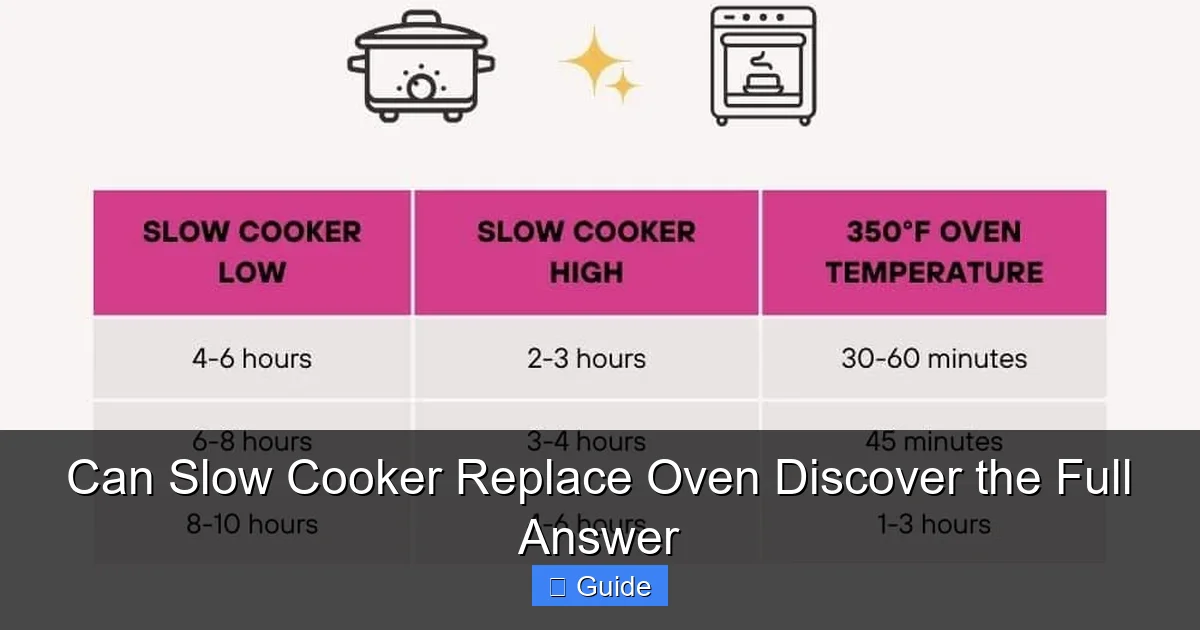
- Low and Slow Heat: Slow cookers typically operate at two main settings: “Low” (around 170-200°F / 77-93°C) and “High” (around 250-300°F / 120-150°C), though these can vary by model. Even the “High” setting is often lower than the minimum temperature of most ovens.
- Moist Heat Cooking: The tightly sealed lid traps steam and moisture within the pot. This moist environment is perfect for breaking down tough cuts of meat and infusing flavors throughout a dish.
- Gentle Tenderizing: The long, gentle cooking process gradually breaks down collagen in connective tissues, turning tough cuts of meat into incredibly tender, fall-apart deliciousness.
- Even Cooking: The consistent, all-around heat distribution minimizes hot spots, ensuring food cooks evenly without needing constant stirring.
So, right off the bat, we can see that their fundamental operating principles are distinct. One is all about high heat and dryness, the other about low heat and moisture. This difference dictates whether a slow cooker can replace an oven for specific culinary tasks.
Where the Slow Cooker Shines: Ideal Dishes for Crock-Pot Cooking
Now that we understand the mechanics, let’s explore where the slow cooker truly excels. These are the moments when you definitely *don’t* want to ask if a slow cooker can replace an oven, because the slow cooker is simply the superior tool.
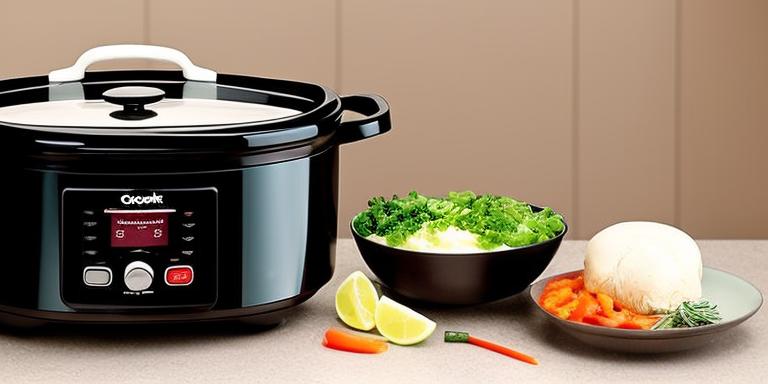
Visual guide about slow cooker replace oven
Image source: persnicketyplates.com
Tenderizing Tough Cuts of Meat
This is arguably the slow cooker’s greatest superpower. Its low, moist heat is perfectly designed to transform inexpensive, tough cuts of meat like chuck roasts, pork shoulders, briskets, and short ribs into incredibly tender, juicy, and flavorful masterpieces. Think of classic dishes like:
- Pulled Pork or Chicken: Achieve that perfectly shredded texture that melts in your mouth.
- Pot Roast: A quintessential slow cooker meal, where beef and vegetables cook down into a comforting, fork-tender delight.
- Beef Stew: Rich, hearty, and with unbelievably tender chunks of beef.
Rich, Flavorful Soups, Stews, and Chilis
The long cooking time allows flavors to meld and deepen in a way that quick cooking simply can’t achieve. Ingredients have ample time to release their essences and combine into a harmonious, complex taste profile. The consistent low heat prevents scorching and allows for a gentle simmer. This is where your slow cooker truly outshines, making dishes like:
- Hearty Chili: Whether beef, turkey, or vegetarian, slow cooking develops layers of spice and flavor.
- Chicken Noodle Soup: The chicken becomes incredibly tender, and the broth achieves a comforting depth.
- Lentil or Bean Soups: Beans and legumes cook perfectly without constant monitoring.
Convenience and Hands-Off Cooking
This is where the slow cooker truly earns its “set it and forget it” reputation. You can load it up in the morning, go about your day, and come home to a hot, delicious meal. This hands-off approach makes it ideal for busy weekdays or when you’re entertaining and want to focus on your guests, not the stove. This aspect often makes people wish a slow cooker can replace an oven entirely for everyday ease.
Keeping Food Warm
Many slow cookers have a “Warm” setting, which is perfect for keeping food at a safe serving temperature for hours without overcooking. This is a huge advantage for potlucks, parties, or when family members are eating at different times.
The Oven’s Unique Advantages: When You Can’t Beat Conventional Baking and Roasting
While the slow cooker is amazing for specific tasks, there are many culinary feats that only an oven can accomplish. When considering if a slow cooker can replace an oven, these are the areas where the oven stands alone.
Visual guide about slow cooker replace oven
Image source: i.ytimg.com
Achieving Crispiness, Browning, and Searing
This is perhaps the most significant limitation of the slow cooker. Due to its moist, low-heat environment, a slow cooker cannot produce a crispy skin, a golden-brown crust, or a seared exterior. If you want any of these textures, you need an oven:
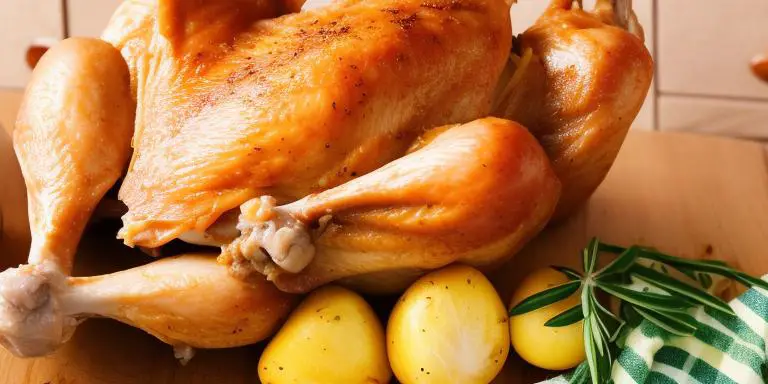
- Roast Chicken or Turkey: That beautiful, crispy skin and deeply browned exterior is an oven-exclusive.
- Roasted Vegetables: Caramelized edges and tender-crisp textures are the hallmarks of oven-roasted veggies.
- Searing Meats: While you can sear meat in a pan before putting it in a slow cooker, the slow cooker itself won’t provide any browning during the cooking process.
Baking All Your Favorites
From cakes and cookies to bread and pies, the oven is the undisputed champion of baking. The precise temperature control and dry heat are essential for the chemical reactions and structural development needed for baked goods. Trying to bake a cake or bread in a slow cooker simply won’t yield the same results – you’d end up with a dense, moist, un-risen mess rather than a light, airy loaf or a fluffy cake. This is where the notion of “can slow cooker replace oven” completely falls apart.
- Bread: A slow cooker cannot achieve the crust and crumb structure of oven-baked bread.
- Cakes and Muffins: They would be dense, soggy, and lack the characteristic rise.
- Pies and Crisps: Forget about a flaky crust or a bubbling, browned topping without an oven.
High-Heat Roasting
For dishes that require intense heat to cook quickly while developing a flavorful crust, the oven is the only choice. Think of a perfectly roasted prime rib, a speedy sheet pan dinner, or crispy French fries. The slow cooker’s maximum temperature simply isn’t high enough for these applications.
Cooking Large Quantities Efficiently
While slow cookers come in various sizes, an oven generally offers more flexibility for cooking large quantities, especially if you need multiple dishes cooked at different temperatures or simultaneously. You can fit several sheet pans or large roasting pans in an oven, which would be impossible in a single slow cooker.
The Overlap Zone: Recipes That Can Be Adapted for Both Appliances
Despite their differences, there is indeed an “overlap zone” where a slow cooker can, with some modifications, achieve similar results to an oven. These are typically dishes that involve braising, stewing, or long, gentle cooking methods.
Visual guide about slow cooker replace oven
Image source: i.ytimg.com
Braised Dishes
Both appliances are excellent for braising. A traditional oven braise involves searing meat on the stovetop, then transferring it to a Dutch oven with liquid and vegetables, and cooking it slowly in the oven. A slow cooker does this just as well, often with even less liquid needed due to reduced evaporation.
- Pot Roasts: Can be made beautifully in both. The oven version might require a heavier, lidded pot for even heating, while the slow cooker simply needs to be plugged in.
- Beef Bourguignon or Coq au Vin: While often started on the stovetop for browning, the long, gentle simmer can be completed in either appliance.
Certain Casseroles
Some casseroles that rely on moist ingredients and don’t require a crispy topping can be adapted. Think of cheesy chicken and rice casseroles, or baked ziti that mostly needs to heat through and meld flavors. However, if that golden-brown, bubbly cheese topping is crucial, you’ll still need a quick blast under the broiler in your oven.
Baked Potatoes (with Caveats)
Yes, you can “bake” potatoes in a slow cooker. They’ll be incredibly tender and fluffy on the inside. However, they will lack the crispy skin that’s characteristic of an oven-baked potato. If you want that perfect crispy skin, you’d need to finish them in the oven or under the broiler for a few minutes.
When adapting recipes, remember the key difference: moisture. Slow cooker recipes generally need less added liquid than oven braises because very little evaporates. Also, consider searing ingredients on the stovetop before adding them to the slow cooker if browning is desired for flavor depth.
Practical Limitations and Considerations: When a Slow Cooker Just Won’t Do
While the slow cooker offers undeniable convenience, it’s crucial to acknowledge its limitations. Asking “can slow cooker replace oven” needs a firm “no” in several scenarios.
Crispy Skins and Crunchy Toppings
This has been a recurring theme because it’s the biggest hurdle. Any recipe that calls for a crispy exterior – whether it’s the skin of poultry, a topping on a casserole, or the crust of a baked good – simply cannot be achieved in a slow cooker. The moist, low-heat environment works against crispness.
Quick Meals and High-Temperature Cooking
The slow cooker, by its very nature, is for *slow* cooking. If you need a meal ready in under an hour, or even two, it’s not the right tool. Similarly, recipes that require high temperatures for specific reactions, like blooming spices or rapid boiling, are better suited for the stovetop or oven.
Baking and Pastries
We’ve touched on this, but it bears repeating: don’t try to bake bread, cakes, cookies, or pies in your slow cooker. The results will be disappointing. These items rely on the dry, circulating heat of an oven to rise properly, set their structure, and achieve their characteristic texture and color.
Reaching Specific Internal Temperatures for Safety or Texture
While a slow cooker cooks food to safe internal temperatures, the *rate* at which it does so and the maximum temperature it reaches are different from an oven. Some recipes might call for higher initial temperatures to kill specific bacteria quickly, or for very precise temperature curves that a slow cooker cannot manage. However, for standard braises and stews, a slow cooker is perfectly safe and effective.
Size and Capacity
While slow cookers come in various sizes (from 1.5 quarts to 8 quarts or more), an oven generally offers much more flexible cooking space. You can often cook multiple dishes simultaneously in an oven, something a slow cooker can’t match. If you’re cooking for a very large crowd or need to prepare several different components of a meal at once, the oven is usually the more practical choice.
Making the Choice: Which Appliance for Which Task?
Ultimately, the question “can slow cooker replace oven” leads us to conclude that they are not interchangeable substitutes, but rather complementary tools. Each brings unique advantages to your kitchen, and understanding these will help you cook smarter and more efficiently.
When to Reach for Your Slow Cooker:
- You’re short on time during the day and want a meal waiting for you.
- You’re cooking tough cuts of meat that need tenderizing.
- You want deep, melded flavors in soups, stews, or chilis.
- You need to keep food warm for an extended period.
- You want to minimize active cooking time and stovetop mess.
When Your Oven is the Only Option:
- You need to achieve crispy textures, browned crusts, or seared surfaces.
- You’re baking bread, cakes, cookies, pies, or pastries.
- You need to roast vegetables or meats at high temperatures.
- You’re cooking multiple dishes simultaneously or for a very large crowd.
- You need precise temperature control for delicate baking or specific culinary techniques.
Embrace Both!
The best strategy for any home cook is to view your slow cooker and oven as partners, not competitors. They work together to expand your culinary repertoire. Use your slow cooker for those comforting, hands-off stews, and rely on your oven for elegant roasts, perfect baked goods, and anything that needs that irresistible golden-brown finish.
For example, you might slow-cook a pork shoulder all day for pulled pork, and then transfer it to the oven for 15-20 minutes at a high temperature to develop some crispy, caramelized edges. Or, you could make a creamy chicken and vegetable casserole in the slow cooker and then finish it under the broiler in the oven for a bubbly, cheesy top. These combinations leverage the strengths of both appliances.
Conclusion
So, can a slow cooker replace an oven? The definitive answer is no, not entirely. While they share some overlapping territory, each appliance offers distinct cooking capabilities that the other simply cannot replicate. The oven, with its high, dry heat, is indispensable for baking, roasting, searing, and achieving those coveted crispy, browned textures. The slow cooker, with its low, moist heat, is a champion for tenderizing tough meats, creating deeply flavored stews, and providing unparalleled hands-off convenience.
Instead of viewing them as substitutes, think of your oven and slow cooker as specialized tools in your kitchen arsenal. By understanding their individual strengths and limitations, you can make informed decisions, choose the right appliance for each recipe, and ultimately elevate your home cooking to new heights. Embrace the versatility that both offer, and enjoy the delicious results!
Frequently Asked Questions
Can I bake bread in a slow cooker?
No, a slow cooker cannot replicate the conditions needed for baking traditional bread. Bread requires high, dry heat to rise properly, form a crust, and develop a light, airy crumb. A slow cooker would result in a dense, moist, and un-risen loaf.
Can a slow cooker brown meat?
A slow cooker itself cannot brown or sear meat. Browning, which creates rich flavors through the Maillard reaction, requires high heat. If a recipe calls for browned meat, it’s best to sear it in a pan on the stovetop before transferring it to the slow cooker.
Is food cooked in a slow cooker healthier than in an oven?
The healthiness of food depends more on the ingredients and cooking methods (e.g., amount of fat, added sugars) than on the appliance itself. Both slow cookers and ovens can be used to prepare healthy meals. Slow cookers often excel at cooking vegetables and lean proteins in liquid, which can be a very healthy approach.
Can I make a roasted chicken with crispy skin in a slow cooker?
No, a slow cooker’s moist, low-heat environment will not produce crispy chicken skin. The skin would remain soft and rubbery. For crispy skin, you need the high, dry heat of an oven, either for the entire cooking process or a finishing step after slow cooking.
Do slow cookers use less electricity than ovens?
Generally, yes. Slow cookers operate at much lower wattages than ovens, even though they cook for longer periods. For dishes that require several hours of cooking, a slow cooker can often be more energy-efficient than using an oven for the same duration, making it a budget-friendly choice for long cooks.
Can I bake cakes or cookies in a slow cooker?
You cannot bake traditional cakes or cookies in a slow cooker. These items rely on the dry heat of an oven to rise, set their structure, and achieve a proper texture and golden-brown finish. A slow cooker would likely yield a dense, soggy, and unevenly cooked result.

Jennifer D. Simon has spent the last 26 years studying and practicing nutrition science. She has used a larger part of this time in improving people’s livelihoods. She has done so by coming up with unquestionable ideas on how to tackle food problems in her community. Read More