
The Secret Revealed Can You Add Yogurt to Slow Cooker Dishes
The age-old kitchen dilemma: can you add yogurt to slow cooker dishes without a curdled mess? The exciting answer is yes, but timing and technique are crucial. By understanding yogurt’s delicate nature and applying simple tips like adding it at the end and tempering, you can achieve incredibly creamy, tangy, and flavorful results, transforming your slow-cooked meals into culinary masterpieces. This guide reveals how to confidently add yogurt to slow cooker recipes, ensuring perfect texture and taste every time.
Ah, the slow cooker – our kitchen MVP, tirelessly transforming humble ingredients into comforting, flavorful meals with minimal fuss. From hearty stews to tender pulled meats, it’s a culinary wizard. But for many home cooks, a lingering question often arises, accompanied by a touch of trepidation: can you add yogurt to slow cooker recipes?
It’s a valid concern! We’ve all heard the horror stories of dairy curdling under high heat, leaving an unappetizing, separated mess. The idea of introducing delicate, tangy yogurt to the slow cooker’s prolonged, simmering embrace can feel like a high-stakes gamble. But what if I told you that not only can you add yogurt to slow cooker dishes, but doing so can unlock a whole new dimension of creaminess, richness, and depth of flavor? It’s true! With a few simple tricks up your sleeve, you can confidently incorporate this versatile ingredient and elevate your slow-cooked meals from great to absolutely extraordinary.
Prepare to banish your slow cooker dairy fears forever. In this comprehensive guide, we’re going to dive deep into the science, the techniques, and the incredible possibilities that await when you master the art of how to successfully add yogurt to slow cooker preparations. Get ready to transform your favorite recipes with a creamy, tangy twist!
Key Takeaways
- Timing is Everything: Always add yogurt towards the very end of the slow cooking process, typically in the last 15-30 minutes, to prevent curdling.
- Temper Your Yogurt: Before adding cold yogurt to a hot slow cooker, gradually warm a small amount of the hot liquid with the yogurt to equalize temperatures and prevent shock.
- Choose Wisely: Opt for full-fat, plain yogurt or Greek yogurt. Their higher fat content and thicker consistency make them more stable and less prone to separation under gentle heat.
- Stir Gently: Once added, stir the yogurt in gently until fully incorporated. Avoid vigorous stirring, which can sometimes encourage separation.
- Thickening and Flavor: Yogurt acts as a fantastic natural thickener and adds a delightful tangy depth to savory dishes like curries, stews, and soups, as well as a rich creaminess to sweet treats.
- Acid Awareness: Be mindful of highly acidic ingredients already in your slow cooker. If present, temper even more carefully and consider a smaller amount of yogurt.
- Not for Long Cooking: Yogurt is generally not suitable for being present in the slow cooker for the entire cooking duration, as prolonged heat will almost certainly cause it to curdle.
📑 Table of Contents
- The Core Question: Can You Add Yogurt to Slow Cooker? (The Verdict)
- Understanding Yogurt’s Chemistry in Heat
- Best Practices for Success: When and How to Add Yogurt
- Delicious Recipes and Practical Applications
- Beyond Savory: Exploring Sweet Slow Cooker Yogurt Creations
- Conclusion: Embrace the Creamy Revolution!
The Core Question: Can You Add Yogurt to Slow Cooker? (The Verdict)
Let’s cut right to the chase: Yes, you absolutely can add yogurt to slow cooker dishes! However, and this is the crucial part, it’s all about when and how you do it. Simply tossing a dollop of cold yogurt into your slow cooker at the beginning of an 8-hour cooking cycle is a recipe for disappointment, almost guaranteed to result in a grainy, separated texture rather than the smooth, luscious creaminess you desire.
The key to success lies in understanding yogurt’s delicate nature and respecting its boundaries with heat. Unlike cream or some cheeses, yogurt is highly susceptible to curdling when exposed to prolonged high temperatures. But don’t let that deter you! By applying some simple, smart techniques, you can confidently add yogurt to slow cooker meals and enjoy all its wonderful benefits without any curdling catastrophes.
Why the Hesitation? Understanding the Curdle Factor
The main reason people hesitate to add yogurt to slow cooker dishes is the fear of curdling. What exactly causes this? Yogurt is made by fermenting milk with live bacterial cultures, which produce lactic acid. This acid causes the milk proteins (casein) to coagulate and thicken, giving yogurt its characteristic texture. When these proteins are subjected to high, direct, or prolonged heat, they can tighten up too much, squeezing out the liquid (whey) and leading to that undesirable clumpy, separated appearance.
The slow cooker, with its gentle but prolonged heat, creates a tricky environment. While it’s not always a blistering high heat, the extended exposure still breaks down the protein structure in a way that encourages separation. But fear not, we’re about to reveal the secrets to bypass this common pitfall and ensure your slow cooker dishes are creamy and perfect when you add yogurt to slow cooker.
Understanding Yogurt’s Chemistry in Heat
To truly master the art of adding yogurt to slow cooker meals, it helps to understand a little bit about what’s going on at a molecular level. Yogurt is a colloid, a mixture where tiny particles (milk proteins and fats) are dispersed throughout a liquid (whey). This delicate balance is what gives yogurt its smooth, creamy texture.
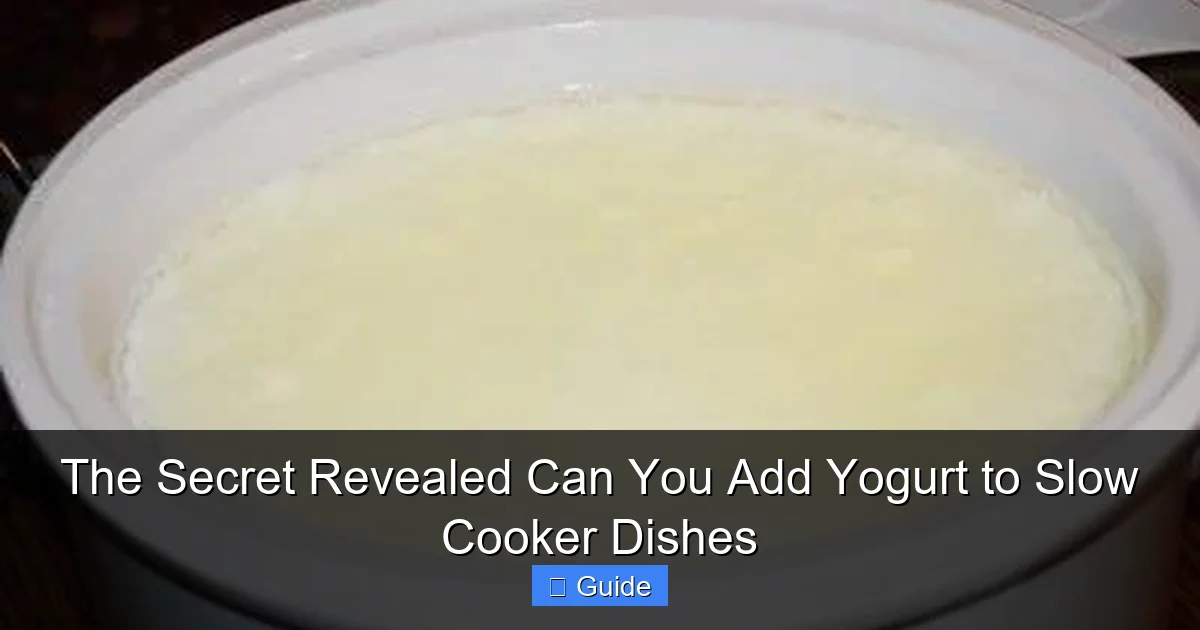
Visual guide about add yogurt to slow cooker
Image source: groceryshrink.com
Proteins and Acid: A Delicate Dance
As mentioned, yogurt’s structure relies heavily on its proteins. These proteins are kept suspended by the surrounding liquid and the acidic environment. When heat is introduced, especially sudden or intense heat, it can denature (unfold) these proteins. Once unfolded, they tend to clump together, expelling the liquid they once held. This process is accelerated by acidity. Since yogurt is already acidic, it’s more prone to this protein denaturing and subsequent curdling than, say, milk or cream.
The Role of Fat Content
This is where your choice of yogurt becomes critical. Full-fat yogurts, particularly Greek yogurt, tend to be more stable under heat than their low-fat or non-fat counterparts. The extra fat provides a protective buffer around the protein molecules, making them less likely to denature and clump together. This means when you decide to add yogurt to slow cooker recipes, a full-fat option gives you a much better chance of a smooth finish.
Why Slow Cooker Heat is Different (and Tricky)
While a slow cooker generally operates at lower temperatures than a stovetop, the prolonged exposure can be just as problematic for sensitive dairy. It’s not about instant shock, but rather a slow, continuous breakdown of protein bonds. This is why the “add at the end” rule is paramount when you add yogurt to slow cooker dishes. We want the yogurt to mingle and thicken without being subjected to hours of heat stress.
Best Practices for Success: When and How to Add Yogurt
Now for the good stuff! Here are the golden rules and techniques to confidently add yogurt to slow cooker meals without any unwanted curdling.
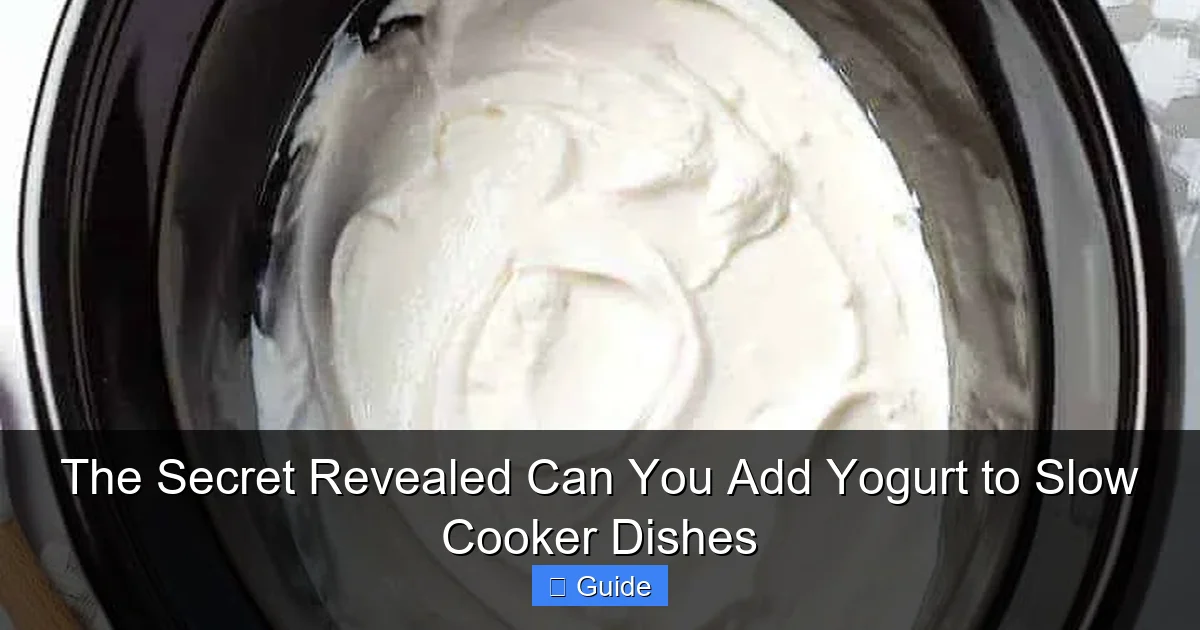
Visual guide about add yogurt to slow cooker
Image source: retrorecipebox.com
The Golden Rule: Add at the End
This is arguably the most important tip. For virtually all savory slow cooker dishes, yogurt should be stirred in during the final 15-30 minutes of cooking. At this point, the main ingredients are fully cooked and tender, and the sauce is hot but no longer undergoing hours of high-heat simmering. Adding it at the end allows the yogurt to gently warm through, meld with the flavors, and thicken the sauce without breaking down its protein structure. You’re simply aiming to gently incorporate its creaminess and tang.
Temper Your Yogurt: The Temperature Bridge
Imagine dropping an ice cube into boiling water – it’s a sudden shock. The same principle applies to yogurt. Adding cold yogurt directly from the fridge into a piping hot slow cooker can cause a sudden temperature shock, triggering immediate curdling. The solution is tempering. Before you add yogurt to slow cooker, spoon out a cup or two of the hot liquid from your slow cooker (sauce, broth, etc.) into a separate bowl. Gradually whisk a few spoonfuls of this hot liquid into your cold yogurt until the yogurt is warmed through and visibly thinner. Once the yogurt mixture is warm and smooth, slowly stir it back into the main slow cooker contents. This gradual temperature equalization prevents protein shock and promotes a silky-smooth finish.
Choose the Right Yogurt: Full-Fat is Your Friend
As discussed, fat content is key. Always opt for plain, full-fat yogurt or full-fat Greek yogurt. Their higher fat content and thicker consistency provide more stability against heat. Avoid low-fat or fat-free varieties, as they are far more prone to curdling. Sweetened or flavored yogurts are generally not suitable for savory slow cooker dishes due to their sugar content and artificial flavors.
Thickening Power: Natural and Healthy
One of the fantastic benefits when you add yogurt to slow cooker dishes is its natural thickening ability. As it gently heats and incorporates, it adds body to sauces and gravies, creating a richer mouthfeel without the need for flour or cornstarch (though you can certainly use them in conjunction if a very thick sauce is desired). The lactic acid also brightens flavors and tenderizes meats, adding another layer of culinary magic.
Be Mindful of Acidity
If your slow cooker dish already contains highly acidic ingredients (like a lot of tomato paste, vinegar, or lemon juice), it can increase the likelihood of curdling when you add yogurt to slow cooker. In these cases, be extra diligent with tempering, and consider reducing the amount of yogurt slightly, or adding it just before serving rather than the last 15-30 minutes of cooking. Alternatively, stir it in and serve immediately.
Delicious Recipes and Practical Applications
Now that you know the ‘how,’ let’s talk about the ‘what’! The possibilities are vast when you learn to add yogurt to slow cooker creations. Here are some inspiring ideas:
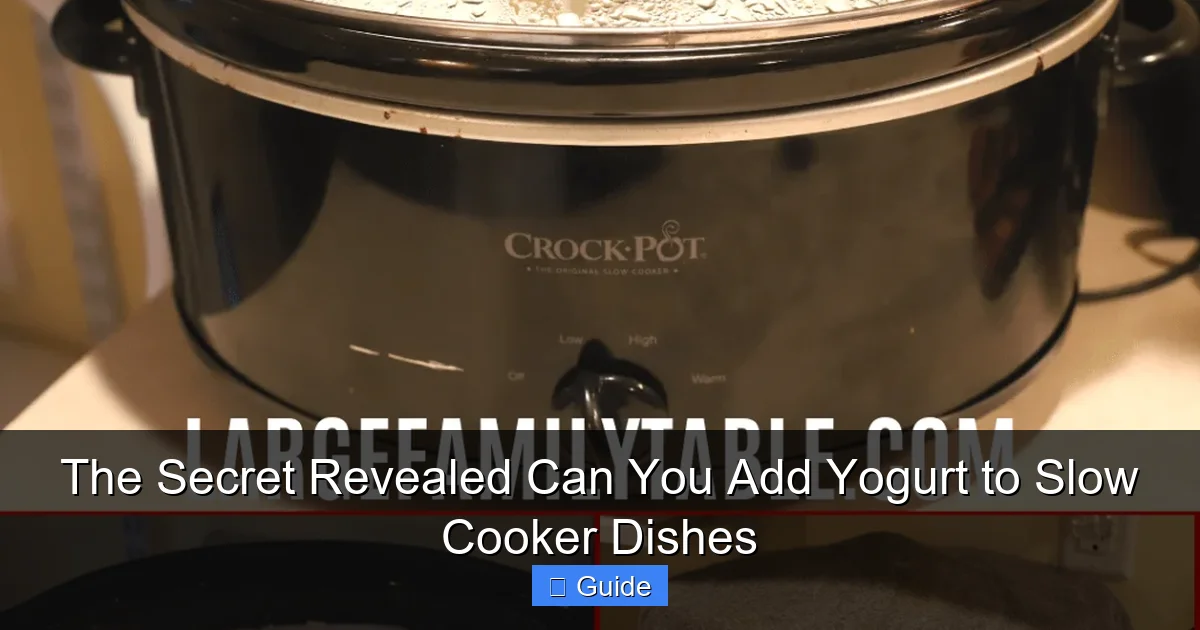
Visual guide about add yogurt to slow cooker
Image source: largefamilytable.com
Creamy Chicken Curries
Indian-inspired curries are perhaps the most common and delicious application for yogurt in a slow cooker. Imagine tender chicken infused with aromatic spices, bathed in a rich, velvety sauce. When you add yogurt to slow cooker chicken curry at the end, it transforms into a restaurant-quality dish.
Tip: For an extra luxurious finish, stir in a dollop of full-fat Greek yogurt just before serving, creating beautiful swirls of creaminess.
Tangy Lamb Stews and Moroccan Tagines
Lamb, with its robust flavor, pairs beautifully with the tanginess of yogurt. Whether you’re making a Mediterranean lamb stew or a North African-inspired tagine, a swirl of tempered yogurt at the end adds a bright, creamy counterpoint to the rich, slow-cooked meat and spices.
Example: A slow-cooked lamb and apricot tagine finished with a swirl of plain yogurt and fresh mint. The yogurt cuts through the richness of the lamb and balances the sweetness of the apricots perfectly.
Vegetarian Delights: Lentil and Chickpea Dishes
Vegetarian slow cooker meals often benefit immensely from the addition of yogurt. It adds protein, creaminess, and a fantastic flavor boost.
Tip: For a hearty lentil dahl or a chickpea and spinach stew, add yogurt to slow cooker when it’s just about done for a luscious, satisfying texture. It’s also excellent for topping these dishes fresh.
Soups and Chili
While often topped with sour cream, yogurt can be a healthier and equally delicious alternative for finishing slow cooker soups and chili. Its tanginess brightens rich flavors and adds a creamy element.
Application: Stir a small amount of tempered yogurt into a creamy tomato soup or a hearty beef chili right before serving, or dollop it on top as a garnish. This is a simple yet impactful way to add yogurt to slow cooker soups.
Creamy Pasta Sauces
For a rich and comforting pasta sauce, imagine a slow-cooked tomato and vegetable base. Stirring in tempered yogurt at the very end can transform it into a creamy, dreamy sauce perfect for tossing with your favorite pasta. It lightens the sauce while adding depth.
Idea: A slow cooker chicken and veggie pasta sauce finished with a generous amount of plain Greek yogurt for a healthier alfredo-style creaminess.
Tips for Troubleshooting (If It Curdles Anyway)
Even with the best intentions, sometimes dairy can be finicky. If your yogurt does curdle slightly, don’t despair!
- Whisk Vigorously: Sometimes a quick, vigorous whisk can help break down smaller curds and redistribute the proteins, making the sauce appear smoother.
- Use an Immersion Blender: For sauces, an immersion blender can be a lifesaver. Carefully blend the sauce right in the slow cooker (or transfer to a regular blender) to emulsify the mixture and smooth out any curds.
- Strain: For very liquid dishes, you might carefully strain out any larger curds, though this isn’t always practical or desirable for thicker stews.
- Embrace It: In some rustic dishes, a slight separation might not be a deal-breaker. If the flavor is still good, consider it a textural feature!
Beyond Savory: Exploring Sweet Slow Cooker Yogurt Creations
While savory dishes are the most common application, yogurt’s versatility extends to the sweet side of the slow cooker too. Here are a couple of intriguing ways you might want to add yogurt to slow cooker recipes for dessert or breakfast.
Making Yogurt IN the Slow Cooker
This is a different beast entirely, but fascinating! You can actually use your slow cooker to make your own homemade yogurt. This involves heating milk to a specific temperature, allowing it to cool, introducing a yogurt culture, and then using the slow cooker on a very low “keep warm” setting to incubate the yogurt for several hours. This is a fantastic way to control ingredients and save money, creating a fresh batch of perfect plain yogurt ready to be used in other slow cooker recipes, or enjoyed as is. This is a prime example of how you can add yogurt to slow cooker… by making it!
Fruit Compotes and Dessert Toppings
Imagine slow-cooked fruit compotes – apples, berries, peaches – gently simmered with spices until tender and bursting with flavor. These make an incredible topping for oatmeal, pancakes, or even ice cream. Once removed from the slow cooker and cooled slightly, a dollop of fresh yogurt (not added during cooking) becomes the perfect creamy, tangy accompaniment. You can swirl it in just before serving, or simply dollop it on top for a beautiful contrast.
The trick here is to not cook the yogurt with the fruit for hours. Instead, cook your fruit base to perfection in the slow cooker, then add fresh, cold yogurt when serving for that delightful contrast in temperature and texture. This highlights that while you can add yogurt to slow cooker, knowing when is always the key.
Conclusion: Embrace the Creamy Revolution!
So, can you add yogurt to slow cooker dishes? Absolutely, with a resounding yes! The secret is out, and it’s simpler than you might have imagined. By understanding yogurt’s sensitive nature, respecting the power of tempering, and always aiming for an end-of-cooking addition, you can unlock a world of creamy, tangy, and deeply flavorful meals. Gone are the days of fear and hesitation when reaching for that container of yogurt.
From rich Indian curries to hearty lamb stews and vibrant vegetarian mains, a perfectly incorporated swirl of yogurt can elevate your slow cooker creations from everyday delicious to truly unforgettable. It’s a natural thickener, a flavor enhancer, and a healthy way to add richness without heavy creams. So, grab your favorite full-fat, plain yogurt, fire up your slow cooker, and start experimenting. Your taste buds (and your dinner guests) will thank you. Happy slow cooking!
Frequently Asked Questions
Can I add plain yogurt to slow cooker at the beginning of cooking?
No, it is strongly advised against adding plain yogurt to a slow cooker at the very beginning of the cooking process. The prolonged, gentle heat will almost certainly cause the yogurt to curdle and separate, resulting in an unappetizing, grainy texture rather than a creamy sauce.
What type of yogurt is best to add to slow cooker recipes?
For best results, always use full-fat, plain yogurt or full-fat Greek yogurt. Their higher fat content and thicker consistency provide greater stability against heat, making them less prone to curdling compared to low-fat or non-fat varieties.
How do I prevent yogurt from curdling when adding it to a slow cooker?
The most effective way to prevent curdling is to add the yogurt during the last 15-30 minutes of cooking and to temper it first. Tempering involves gradually whisking a small amount of the hot slow cooker liquid into the cold yogurt before stirring the warmed yogurt mixture back into the pot, equalizing temperatures to prevent shock.
Can I use flavored or sweetened yogurt in slow cooker dishes?
It’s generally not recommended to use flavored or sweetened yogurts in savory slow cooker dishes. The added sugars and artificial flavors can negatively impact the overall taste profile of your meal. Stick to plain, unsweetened yogurt for savory applications.
What if my yogurt still curdles in the slow cooker after following the tips?
If your yogurt still curdles slightly, don’t despair! You can try whisking the dish vigorously to break up smaller curds, or use an immersion blender to smooth out the sauce. In many cases, a slight separation won’t affect the flavor significantly.
Does adding yogurt to slow cooker change the cooking time or temperature?
No, adding yogurt to a slow cooker at the very end of the cooking process should not impact the overall cooking time or temperature required for the main ingredients. The goal is simply to warm it through and incorporate its flavor and creaminess, not to cook it for an extended period.

Jennifer D. Simon has spent the last 26 years studying and practicing nutrition science. She has used a larger part of this time in improving people’s livelihoods. She has done so by coming up with unquestionable ideas on how to tackle food problems in her community. Read More