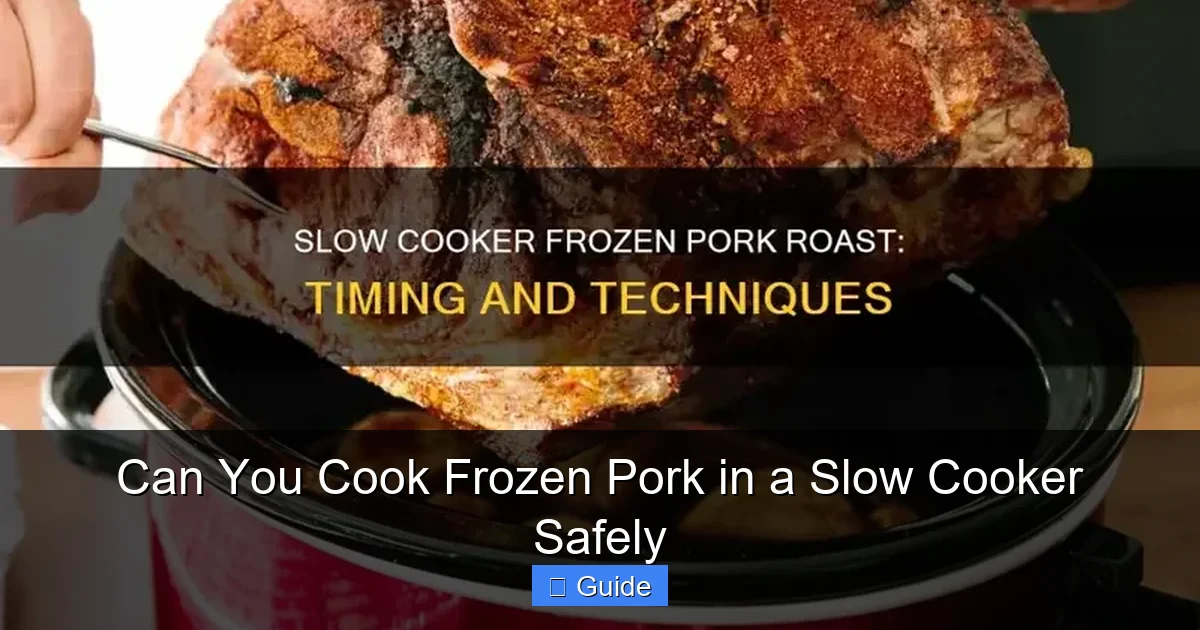
Can You Cook Frozen Pork in a Slow Cooker Safely
While the convenience of slow cooking frozen pork is tempting, food safety experts generally advise against it. The slow cooker’s gradual heating can keep the meat in the “danger zone” (40°F to 140°F) for too long, allowing harmful bacteria to multiply rapidly. For safe consumption, it’s always best to thaw pork completely before slow cooking or use methods specifically designed for frozen meat, like pressure cooking, which reach high temperatures quickly.
Can You Cook Frozen Pork in a Slow Cooker Safely
Picture this: It’s a busy morning, you’re rushing to get out the door, and you suddenly remember you meant to take that beautiful pork shoulder out of the freezer last night. Now it’s rock solid, and your slow cooker recipe is already calling your name. The tempting thought pops into your head: “Can I just throw this frozen pork right into the slow cooker? It’ll cook all day, surely it’ll be fine, right?” It’s a question many home cooks ask, driven by convenience and the promise of an effortless meal.
While the allure of setting it and forgetting it with frozen meat in a slow cooker is incredibly strong, the reality is that this common practice poses significant food safety risks. As a guide, we’re here to walk you through the ins and outs of why this isn’t generally recommended, the science behind it, and most importantly, how to prepare your pork safely for delicious slow-cooked meals, every single time. Let’s dive deep into understanding how to cook frozen pork in a slow cooker safely—or rather, why it’s safer not to.
Key Takeaways
- USDA Recommendation: Food safety guidelines, including those from the USDA, strongly advise against placing frozen or partially frozen meat, including pork, directly into a slow cooker due to the risk of bacterial growth.
- The “Danger Zone”: Slow cookers heat food very gradually, which means frozen pork can spend too much time in the “danger zone” (temperatures between 40°F and 140°F) where harmful bacteria, such as Salmonella or E. coli, multiply rapidly.
- Thawing is Essential: For safe slow cooking, pork should always be completely thawed before being added to the slow cooker. Thawing can be done safely in the refrigerator, under cold running water, or in the microwave.
- Internal Temperature is Paramount: Regardless of the cooking method, all pork cuts must reach a safe internal temperature to kill bacteria. Whole cuts of pork should reach 145°F (63°C) with a three-minute rest, while ground pork should reach 160°F (71°C).
- Use a Food Thermometer: A reliable food thermometer is your most crucial tool for ensuring meat is cooked safely. It’s the only way to accurately verify that the internal temperature is safe.
- Safer Alternatives Exist: If you’re starting with frozen pork, faster cooking methods like pressure cooking, oven roasting, or stovetop cooking (for smaller cuts/ground meat) are much safer as they minimize the time spent in the danger zone.
📑 Table of Contents
- The Slow Cooker & Frozen Meat: A Safety Dilemma
- Unpacking the “Danger Zone”: Why It’s a Concern
- The Risks of Slow Cooking Frozen Pork: What You Need to Know
- Safest Paths: How to Cook Pork Properly
- Beyond the Slow Cooker: Other Ways to Cook Frozen Pork
- Making Informed Choices: Prioritizing Food Safety
The Slow Cooker & Frozen Meat: A Safety Dilemma
Slow cookers, also known as Crock-Pots, are kitchen heroes for many. They transform tough cuts of meat into tender, falling-apart masterpieces with minimal effort. The concept is simple: low heat over a long period. This method works wonderfully for thawed ingredients, allowing flavors to meld and textures to soften beautifully. However, when frozen meat enters the picture, this slow and steady heating process becomes a serious food safety concern.
The Lure of Convenience
There’s no denying the appeal. Dropping a frozen piece of pork into a slow cooker seems like the ultimate time-saver. You avoid the thawing step entirely, which can take hours or even a full day. For busy families or individuals, any shortcut that doesn’t compromise flavor feels like a win. But as with many shortcuts in life, sometimes they come with hidden costs, and in this case, the cost could be your health.
Why Frozen Meat Poses a Challenge
The core issue with cooking frozen pork in a slow cooker lies in its gradual temperature increase. When you place frozen meat directly into a cool slow cooker, it takes a considerable amount of time for the internal temperature of the pork to rise above the critical “danger zone.” During this extended period, the surface of the meat may begin to warm up, but the center remains frozen. This creates a perfect environment for bacteria to flourish, multiplying to levels that can cause serious foodborne illness.
The U.S. Department of Agriculture (USDA) and other food safety organizations consistently advise against cooking frozen or partially frozen meat in a slow cooker or oven. Their guidelines are clear: meat should always be thawed completely before it begins the slow cooking process to ensure it heats evenly and rapidly enough to prevent bacterial growth.
Unpacking the “Danger Zone”: Why It’s a Concern
Understanding the “danger zone” is fundamental to practicing safe food handling, especially when it comes to cooking meat. This specific temperature range is where harmful bacteria can multiply at an alarming rate, turning your meal into a potential health hazard.
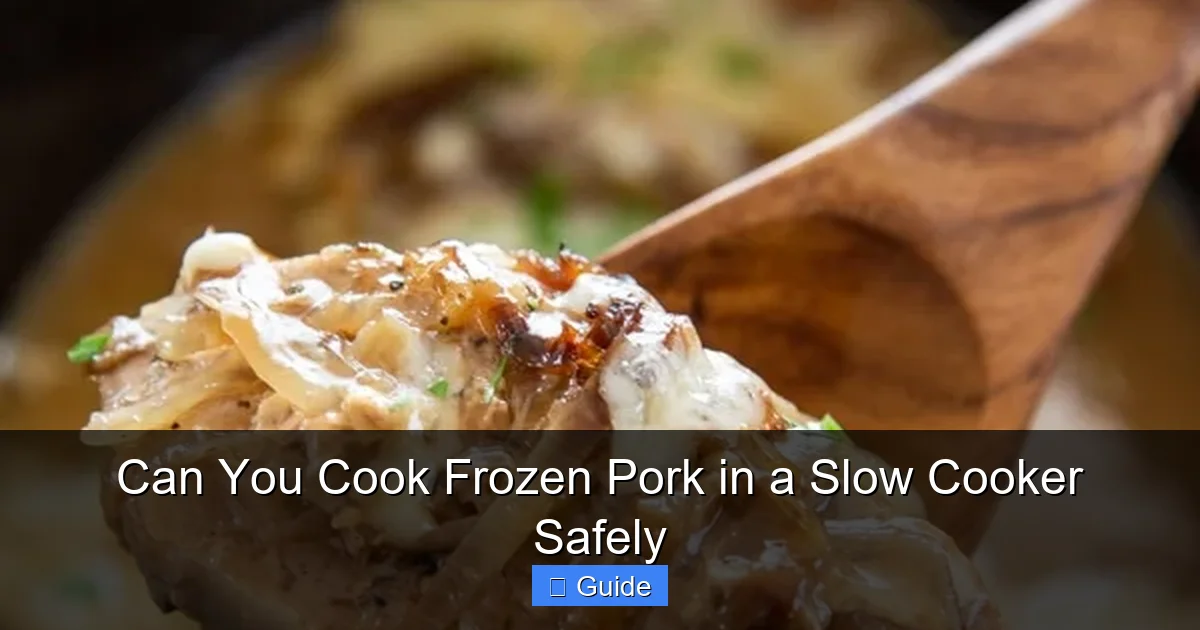
Visual guide about cook frozen pork in slow cooker
Image source: dashofsanity.com
The Perfect Breeding Ground
The “danger zone” refers to temperatures between 40°F (4°C) and 140°F (60°C). Within this range, bacteria like Salmonella, E. coli, and Listeria find ideal conditions to grow and reproduce rapidly. They can double in number in as little as 20 minutes! The longer food remains in this zone, the higher the risk of bacterial contamination reaching dangerous levels.
When you start with a frozen piece of pork in a slow cooker, the outside of the meat thaws and begins to warm up first, while the inside remains frozen. This means the exterior of the pork can linger in the danger zone for hours before the interior even begins to thaw properly and reach safe cooking temperatures. This extended exposure provides ample opportunity for bacteria to multiply exponentially, even if the meat eventually reaches a safe final internal temperature.
How Slow Cookers Contribute to the Risk
Slow cookers are designed to heat food gently and over many hours. While this is fantastic for tenderizing, it’s problematic for frozen items. Unlike an oven or stovetop where you can apply immediate, high heat to quickly raise the temperature of food, a slow cooker’s low and gradual heat simply isn’t powerful enough to move frozen meat through the danger zone quickly enough. The appliance itself needs time to heat up, then that heat needs to transfer through the ice-cold pork, which is a slow process.
Imagine a frozen block of pork. When placed in a slow cooker, the outer layers slowly warm up, hitting and dwelling in that critical 40-140°F range. The frozen core acts as an insulator, keeping the center cold. By the time the core finally thaws and begins to cook, the outer layers may have spent several hours fostering bacterial growth. Even if these bacteria are later killed by reaching a high enough final temperature, they may have produced toxins that are heat-resistant and can still make you sick.
The Risks of Slow Cooking Frozen Pork: What You Need to Know
Beyond the simple fact that food safety organizations advise against it, understanding the specific risks involved can help solidify why it’s a practice best avoided. These risks directly impact your health and the safety of your meal.
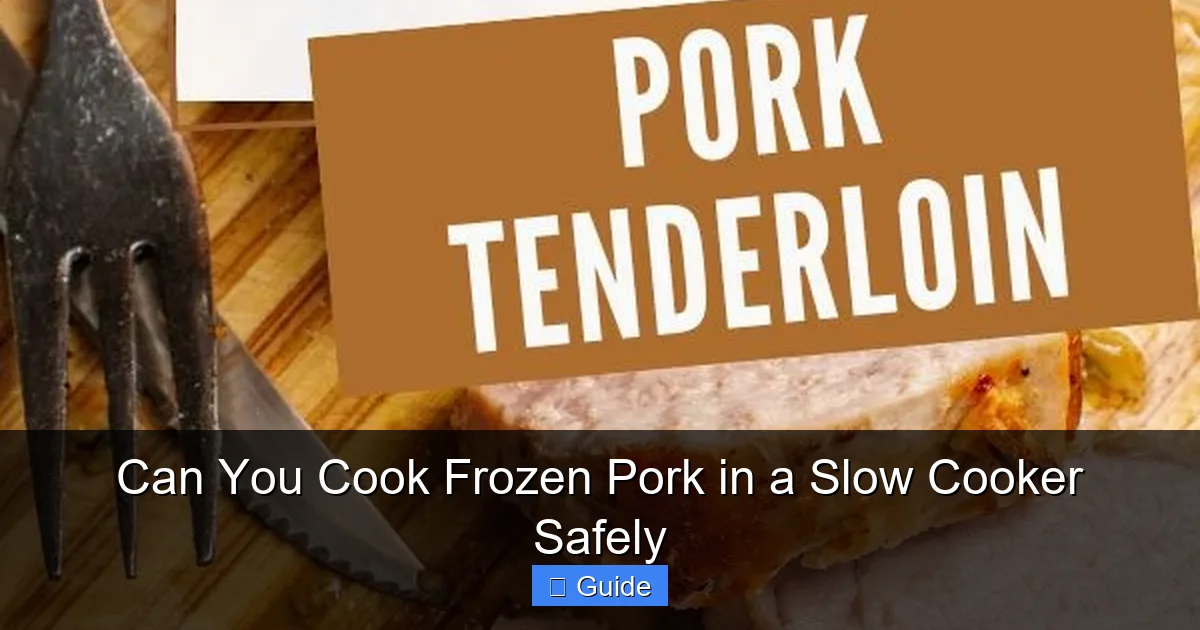
Visual guide about cook frozen pork in slow cooker
Image source: littlesproutslearning.co
The Threat of Foodborne Illness
The most significant danger of cooking frozen pork in a slow cooker is the increased risk of foodborne illness. Common symptoms of food poisoning include nausea, vomiting, diarrhea, abdominal cramps, and fever. While often mild, these illnesses can be severe, especially for vulnerable populations such as young children, the elderly, pregnant women, and individuals with weakened immune systems. In some cases, foodborne illnesses can lead to long-term health complications or even be life-threatening.
Even if the pork eventually reaches a safe internal temperature (e.g., 145°F for whole cuts), the prolonged time spent in the danger zone allows bacteria to produce toxins. These toxins are often not destroyed by cooking, even at high temperatures, meaning a perfectly cooked piece of meat could still harbor harmful substances from its journey through the danger zone.
Uneven Cooking and Why It Matters
Another concern is uneven cooking. When you start with a frozen piece of pork, particularly a large roast or loin, it’s incredibly difficult to ensure that every part of the meat reaches a safe internal temperature. The outer layers might be cooked perfectly, while the center could still be undercooked, or even worse, still partially frozen. This not only makes for an unappetizing meal but also means that any bacteria lingering in the cooler, undercooked sections will not have been adequately killed.
The uneven heating also affects the texture and quality of your dish. Parts of the pork may become stringy and overcooked while other parts remain tough. Achieving that uniformly tender, melt-in-your-mouth texture that slow cookers are famous for becomes much harder when starting from frozen.
Safest Paths: How to Cook Pork Properly
Now that we’ve established why putting frozen pork directly into a slow cooker isn’t the safest choice, let’s focus on the right way to prepare your pork for slow cooking. The good news is that these methods are simple, effective, and ensure both safety and delicious results.
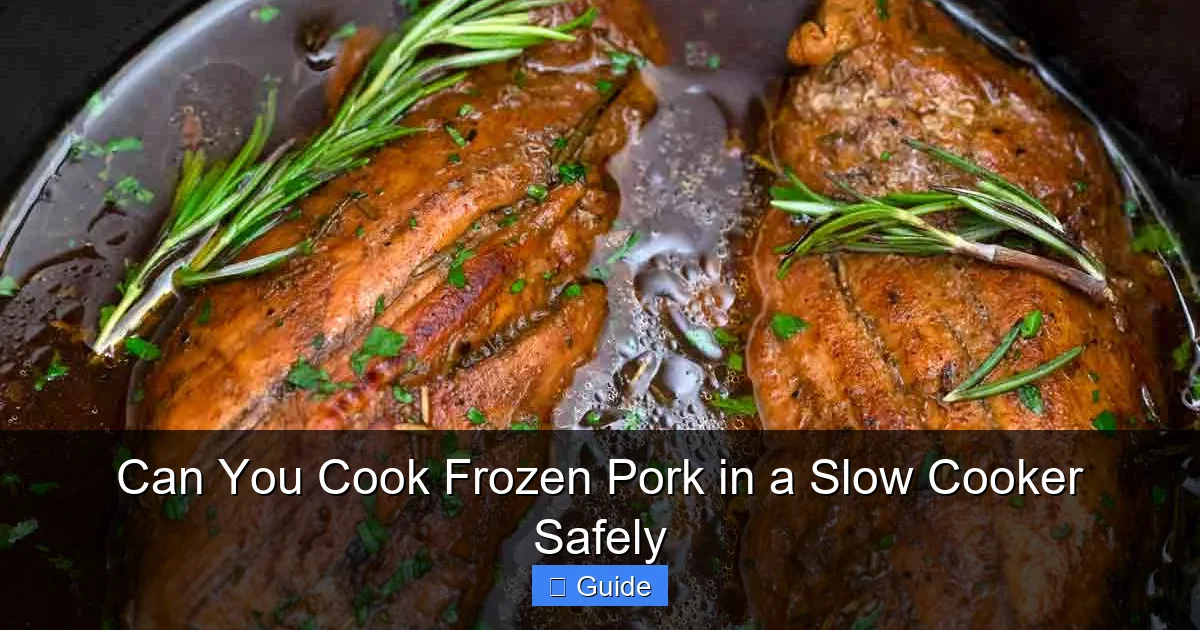
Visual guide about cook frozen pork in slow cooker
Image source: sweetandsavorymeals.com
The Golden Rule: Thaw First
The single most important step for safely slow cooking pork is to thaw it completely before it goes into the appliance. There are three safe ways to thaw pork:
- In the Refrigerator: This is the safest and most recommended method. Place the frozen pork on a plate or in a shallow dish to catch any drips, and let it thaw in the refrigerator. A good rule of thumb is to allow about 24 hours of thawing time for every 5 pounds of meat. Planning ahead is key here!
- Under Cold Water: For quicker thawing, you can submerge the sealed frozen pork (still in its original packaging or a watertight bag) in a bowl of cold tap water. Change the water every 30 minutes to ensure it remains cold. This method is faster, typically taking 1-3 hours for a pound or two of pork, but it requires more attention. Cook immediately after thawing this way.
- In the Microwave: While the fastest method, microwave thawing can sometimes lead to uneven thawing, where some parts of the meat begin to cook while others are still frozen. If you use this method, be sure to cook the pork immediately after thawing to prevent bacterial growth.
Never thaw pork at room temperature on the counter. This allows the outer layers to enter the danger zone for an extended period, encouraging bacterial growth.
Achieving Safe Internal Temperatures
Once your pork is thawed and ready for the slow cooker, the cooking process itself is critical. While a slow cooker cooks for many hours, you still need to ensure the meat reaches a safe internal temperature to kill any potential bacteria.
- For whole cuts of pork (roasts, chops, tenderloin): The USDA recommends cooking to an internal temperature of 145°F (63°C), followed by a three-minute rest time. The resting period allows the temperature to equalize and juices to redistribute, resulting in a more tender and flavorful product.
- For ground pork: Ground meats, due to their increased surface area and potential for cross-contamination during grinding, should be cooked to a higher internal temperature of 160°F (71°C) with no rest time needed.
Your Best Friend in the Kitchen: The Meat Thermometer
You simply cannot tell if meat is safely cooked by its color or texture alone. A reliable food thermometer is an indispensable tool for every home cook. To use it correctly:
- Insert the thermometer into the thickest part of the pork, making sure it doesn’t touch bone, fat, or the bottom/sides of the slow cooker insert.
- Take readings in several spots if you’re unsure, especially with larger cuts.
- Wash your thermometer after each use to prevent cross-contamination.
Investing in a good quality digital instant-read thermometer is one of the best kitchen decisions you can make for food safety.
Beyond the Slow Cooker: Other Ways to Cook Frozen Pork
So, you’re faced with frozen pork, and slow cooking isn’t the safest option. Don’t despair! There are several other cooking methods that are perfectly safe for preparing frozen pork, as long as they apply heat quickly and effectively to move the meat through the danger zone at an accelerated pace.
The Pressure Cooker Advantage
If you own an Instant Pot or any other electric pressure cooker, this is your go-to for frozen meats! Pressure cookers are designed to reach high temperatures very quickly, often cutting cooking times by two-thirds. This rapid heating minimizes the time the pork spends in the danger zone, making it a safe and efficient method for cooking frozen pork shoulder, loin, or even tenderloin. You can often go directly from freezer to pressure cooker with excellent, tender results.
Oven Roasting from Frozen
You can absolutely roast many cuts of frozen pork in your oven. The key is to increase the cooking time and often lower the temperature slightly to ensure even cooking without drying out the exterior. Typically, frozen pork will take about 50% longer to cook than thawed pork. Always use a meat thermometer to ensure it reaches the safe internal temperature of 145°F (with a rest) for whole cuts or 160°F for ground pork.
For best results, you might want to start with a slightly higher temperature for the first 20-30 minutes to help thaw the exterior quickly, then reduce it to your desired roasting temperature.
Stovetop & Air Fryer Solutions
For smaller cuts like pork chops, pork medallions, or ground pork, the stovetop can be a safe option from frozen. Simply place the frozen meat in a hot pan (with a little oil if needed) and cook, breaking up ground pork as it thaws, until it’s browned and cooked through to the correct internal temperature. Just be prepared for some extra splattering and a longer cooking time than if it were thawed.
Air fryers are also great for smaller, thinner cuts of frozen pork. Their powerful circulating hot air cooks food quickly and efficiently, making them another safe alternative to the slow cooker for frozen pork. Again, cooking time will be longer than for thawed meat, and a meat thermometer is non-negotiable.
Making Informed Choices: Prioritizing Food Safety
In the culinary world, convenience often clashes with safety. When it comes to the question “can you cook frozen pork in a slow cooker safely,” the resounding answer from food safety experts is generally no. The risks associated with bacterial growth and potential foodborne illness simply outweigh the benefits of saving a few hours of thawing time.
Planning Ahead for Delicious Meals
The best way to ensure your slow-cooked pork dishes are both delicious and safe is to plan. Take a few minutes the night before to transfer your frozen pork to the refrigerator. This simple act can make all the difference, allowing you to enjoy your meal without any underlying worries about food safety.
If you frequently find yourself with forgotten frozen meat, consider setting reminders or even pre-batching meals where you thaw the pork, cut it up, and assemble your slow cooker ingredients in a freezer bag. Then, the night before, you can simply pull the prepped bag out to thaw, and in the morning, pour it into the slow cooker.
When in Doubt, Throw It Out (or Thaw It Out!)
Food safety should always be your top priority. If you’re ever uncertain about whether a piece of pork has been handled or cooked safely, it’s always better to err on the side of caution. Remember that a food thermometer is your ultimate guide, providing objective proof that your meat has reached a safe internal temperature.
Ultimately, the slow cooker is a fantastic kitchen tool for creating tender, flavorful meals. By understanding and adhering to basic food safety principles, especially around thawing and cooking temperatures, you can ensure that every meal you prepare is not only a delight to the taste buds but also perfectly safe for everyone at your table. Happy cooking!
Frequently Asked Questions
Is it ever safe to put frozen meat directly into a slow cooker?
Food safety experts, including the USDA, generally advise against putting frozen or partially frozen meat directly into a slow cooker. The slow heating process can keep the meat in the “danger zone” (40°F-140°F) for too long, allowing harmful bacteria to multiply to unsafe levels.
What is the “danger zone” for food, and why is it important?
The “danger zone” refers to temperatures between 40°F (4°C) and 140°F (60°C). This range is where harmful bacteria can multiply most rapidly, increasing the risk of foodborne illness. It’s crucial to minimize the time food spends in this temperature range.
How should I safely thaw pork before slow cooking?
The safest ways to thaw pork are in the refrigerator, allowing approximately 24 hours per 5 pounds of meat, or by submerging it in cold water (changing the water every 30 minutes). Microwave thawing is also an option, but the pork must be cooked immediately afterward.
What internal temperature should pork reach to be considered safely cooked?
Whole cuts of pork (like roasts or chops) should be cooked to an internal temperature of 145°F (63°C) with a three-minute rest time. Ground pork, however, requires a higher internal temperature of 160°F (71°C) with no rest time needed.
Can I put partially frozen pork into a slow cooker if it’s only a little bit frozen?
Even partially frozen pork poses the same safety risks as fully frozen pork in a slow cooker. Any frozen portion will still significantly extend the time the meat spends in the danger zone, providing opportunities for bacterial growth. It’s always best to thaw completely.
What are safer alternative methods for cooking frozen pork if I’m in a hurry?
If you need to cook frozen pork quickly, a pressure cooker is an excellent option as it reaches high temperatures rapidly. Other safe methods include oven roasting, stovetop cooking (for smaller cuts), or using an air fryer, all of which apply heat quickly and effectively.

Jennifer D. Simon has spent the last 26 years studying and practicing nutrition science. She has used a larger part of this time in improving people’s livelihoods. She has done so by coming up with unquestionable ideas on how to tackle food problems in her community. Read More