Can You Pressure Cook in Slow Cooker
It is not possible and unsafe to pressure cook in a slow cooker. These appliances are designed with fundamentally different mechanisms and materials; slow cookers operate at atmospheric pressure for gentle, extended cooking, while pressure cookers trap steam to build high internal pressure for rapid results. Attempting to pressure cook in a slow cooker could lead to dangerous failures. Instead, consider a dedicated pressure cooker or a multi-cooker that safely combines both functionalities.
Can You Pressure Cook in Slow Cooker
Have you ever looked at your slow cooker, maybe after a long day, and wished it could just speed things up a bit? Perhaps you’ve heard about the magic of pressure cooking and wondered if your trusty slow cooker could somehow pull double duty. It’s a common thought, a natural curiosity in our busy world where time is often a luxury. But let’s get straight to the point: the answer is a resounding no, you absolutely cannot pressure cook in a slow cooker.
This guide will dive deep into why this isn’t possible, the critical differences between these two popular kitchen appliances, and most importantly, why attempting to pressure cook in a slow cooker is incredibly unsafe. We’ll explore the unique design and operational principles of each device, helping you understand their specific strengths and limitations. By the end, you’ll have a clear understanding of when to reach for your slow cooker, when a pressure cooker is the right tool, and what safe alternatives exist if you want to enjoy both cooking methods. Our goal is to equip you with the knowledge to cook safely and efficiently, harnessing the power of each appliance for delicious results without any dangerous shortcuts.
Key Takeaways
- Fundamental Difference: Slow cookers operate at atmospheric pressure for gentle, long cooking, while pressure cookers build high internal pressure for rapid cooking. You cannot pressure cook in a slow cooker.
- Safety First: Attempting to use a slow cooker as a pressure cooker is extremely dangerous due to incompatible design, materials, and lack of safety mechanisms, potentially leading to explosions or severe injury.
- Appliance Design: Slow cooker lids and pots are not designed to withstand high pressure. Pressure cookers have reinforced lids, specialized gaskets, and safety valves specifically engineered to handle and release pressure safely.
- Multi-Cooker Solution: For those seeking both functionalities, a multi-cooker (like an Instant Pot) is the correct and safe appliance. It combines slow cooking and pressure cooking modes within a single, properly engineered unit.
- Read Your Manual: Always consult your appliance’s manual to understand its intended use, safety features, and limitations. Never try to modify an appliance for a function it wasn’t designed for.
- Recipe Adaptation: Recipes are typically developed for specific cooking methods. Do not assume you can convert a pressure cooker recipe to a slow cooker or vice-versa without proper guidance, even with a multi-cooker.
Understanding the Fundamental Differences: Why You Can’t Pressure Cook in a Slow Cooker
At first glance, a slow cooker and a pressure cooker might seem similar. Both are countertop kitchen appliances, often oval or round, with a pot inside and a lid. They both use heat to cook food. However, that’s where the similarities largely end. Their core operating principles are vastly different, making them incompatible and attempting to pressure cook in slow cooker an extremely dangerous endeavor.
What is a Slow Cooker?
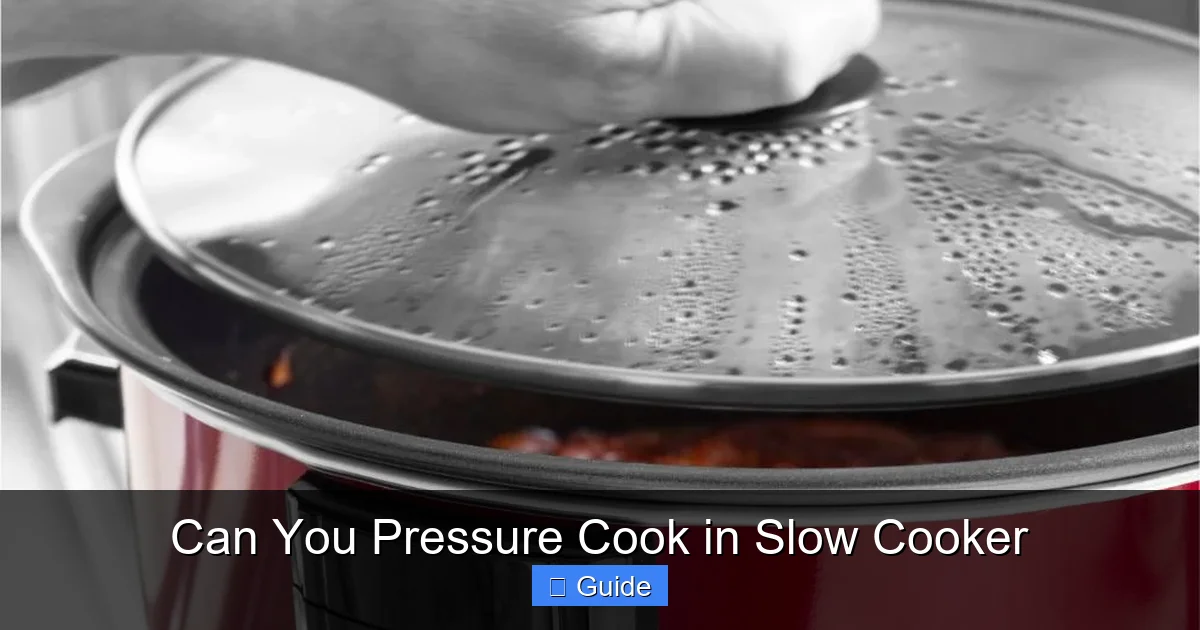
A slow cooker (also known as a Crock-Pot, a popular brand name) is designed for long, gentle cooking at relatively low temperatures. It uses moist heat to slowly tenderize food over several hours. The pot, typically ceramic or stoneware, sits within an outer housing that contains a heating element. The lid, often made of glass, simply rests on top, allowing a small amount of steam to escape and maintaining atmospheric pressure inside. This means the internal temperature never goes significantly above the boiling point of water (around 212°F or 100°C).
What is a Pressure Cooker?
A pressure cooker, on the other hand, is built for speed. It works by creating a sealed environment that traps steam, building significant internal pressure. This elevated pressure raises the boiling point of water inside the pot (often to 250°F or 121°C or even higher), dramatically increasing cooking temperatures. The higher temperature and pressure force moisture and heat into the food more rapidly, significantly reducing cooking times for many dishes, from tough cuts of meat to dried beans.
The Critical Safety Implications
The incompatibility stems from their design and safety features. A slow cooker’s lid, materials, and seals are simply not engineered to withstand any significant internal pressure. If you were to somehow seal a slow cooker completely (which isn’t its design), the increasing pressure from steam would have no safe escape route. The result could be catastrophic:
- Lid Failure: The glass lid could shatter or the lid could be violently forced off.
- Pot Explosion: The ceramic or stoneware pot could crack or explode under pressure.
- Steam Release: Superheated steam and food could be ejected forcefully, causing severe burns and injury.
- Appliance Damage: The entire unit could be destroyed, potentially leading to electrical hazards.
In short, trying to pressure cook in slow cooker is a recipe for disaster, not dinner. These are not interchangeable functions.
Detailed Design Differences: Why One Can and One Can’t
To further emphasize why you cannot pressure cook in slow cooker, let’s look at the specific design elements that set them apart.
Slow Cooker Design
- Lid: Typically made of tempered glass, designed to fit loosely or with a simple rubber gasket. It allows steam to escape slowly, preventing pressure buildup.
- Pot Material: Usually ceramic or stoneware, designed for even, gentle heat distribution. These materials are brittle under pressure.
- Sealing Mechanism: Minimal to non-existent. The lid’s primary function is to contain moisture and heat, not pressure.
- Venting: Often has a small vent hole or a slightly loose fit to allow steam to escape gradually.
- Heating Element: Located around the base and sides of the outer housing, providing indirect, low heat.
Pressure Cooker Design
- Lid: Heavy-duty, typically metal, with a sophisticated locking mechanism that creates an airtight and watertight seal. Many have multiple safety interlocks to prevent opening under pressure.
- Pot Material: Made from robust stainless steel or aluminum, capable of withstanding extreme internal pressures.
- Sealing Mechanism: Features a thick, durable silicone or rubber gasket that forms a tight seal between the lid and the pot, essential for building and maintaining pressure.
- Venting & Safety Valves: Equipped with multiple safety features:
- Pressure Release Valve (or Steam Release Valve): Manually or automatically releases steam to reduce pressure.
- Float Valve: Indicates when pressure has been reached and locks the lid.
- Safety Vent/Plug: A secondary safety mechanism that will release pressure if the primary valve fails, preventing catastrophic overpressure.
- Heating Element: For electric pressure cookers, it’s typically a powerful element at the base. Stovetop models use external heat.
It’s clear from these comparisons that a slow cooker lacks every single feature necessary to safely contain and manage high pressure. They are built for entirely different purposes.
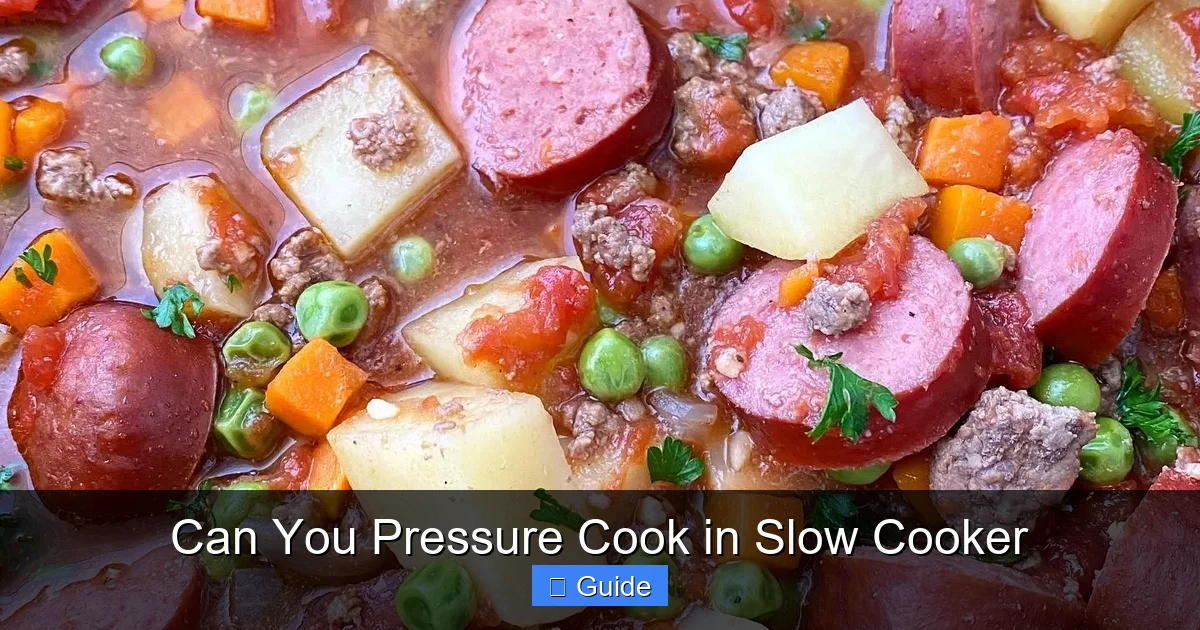
Visual guide about how to pressure cook in slow cooker
Image source: i0.wp.com
The Rise of the Multi-Cooker: The Safe Solution
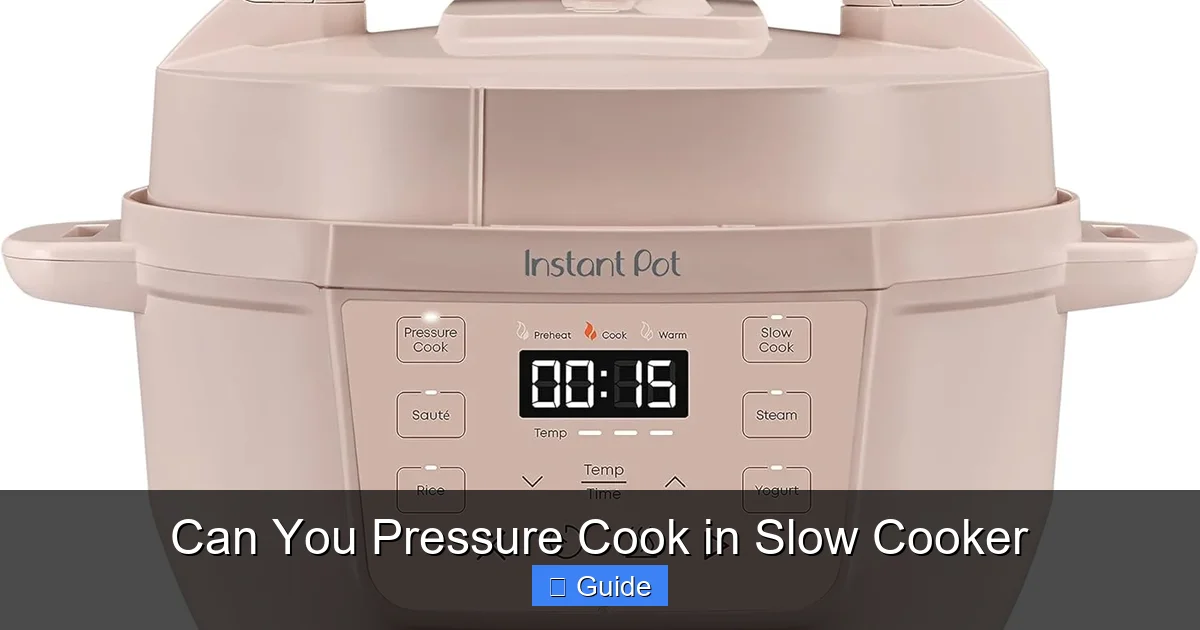
So, if you can’t pressure cook in slow cooker, but you want the benefits of both, what’s the answer? Enter the multi-cooker. Appliances like the Instant Pot or Ninja Foodi have revolutionized home cooking by safely combining multiple functions into one unit, most notably pressure cooking and slow cooking.
How a Multi-Cooker Works
A multi-cooker is essentially a cleverly designed electric pressure cooker that also includes settings for slow cooking, sautéing, steaming, and often much more. When you select the “Pressure Cook” function, it operates as a true pressure cooker, engaging its robust lid, gasket, and safety valves. When you select “Slow Cook,” it utilizes a lower, gentler heat, mimicking a traditional slow cooker, and the lid often sits more loosely (or in some models, a specific slow cooker lid might be recommended).
Visual guide about how to pressure cook in slow cooker
Image source: m.media-amazon.com
The key here is that the single appliance is engineered with all the necessary safety features for *both* modes. You’re not trying to force one appliance to do something it wasn’t designed for; you’re using a versatile tool that was specifically built to perform multiple functions safely.
Choosing the Right Appliance for Your Needs
Now that you know you cannot pressure cook in slow cooker, let’s explore when to use each type of appliance.
When to Use a Slow Cooker
- Long, unattended cooking: Perfect for busy days when you want to “set it and forget it.”
- Tenderizing tough cuts: Low, slow heat breaks down collagen in meats, making them incredibly tender.
- Soups, stews, and chili: Develops deep, rich flavors over time.
- Pot roasts and pulled pork: Ideal for fall-apart results.
- Keeping food warm: Many models have a “keep warm” setting.
When to Use a Pressure Cooker (or Multi-Cooker’s Pressure Function)
- Speed: Significantly reduces cooking times for almost anything.
- Dried beans: Cooks them in a fraction of the time compared to stovetop or slow cooker.
- Tough meats: Can make cuts like beef short ribs or pot roast fall-apart tender in an hour instead of 6-8 hours.
- Grains: Quinoa, rice, and even steel-cut oats cook very quickly.
- Sterilization: Can be used for canning or sterilizing jars.
- One-pot meals: Many recipes allow you to sauté and then pressure cook in the same pot.
Factors to Consider When Choosing
- Time: If speed is paramount, a pressure cooker or multi-cooker is essential. If you prefer hands-off, long cooking, a slow cooker is great.
- Budget: Dedicated slow cookers are generally less expensive than multi-cookers or high-quality standalone pressure cookers.
- Space: A multi-cooker saves counter space by combining functions.
- Cooking style: Do you prefer active cooking or passive cooking?
Remember, the goal is to make cooking easier and safer. Do not attempt to pressure cook in slow cooker; invest in the correct tool for the job.
Safety First: Always Read Your Manual
This cannot be stressed enough: always read the instruction manual for any kitchen appliance you own. Each appliance has specific operating instructions, safety warnings, and maintenance guidelines. This is especially true for pressure cookers, where understanding how to properly seal the lid, release pressure, and clean the valves is crucial for safe operation. Never assume you know how to operate a new appliance, and certainly never try to force an appliance to perform a function it wasn’t designed for, like trying to pressure cook in slow cooker.
Tips for Using Your Appliances Effectively (and Safely)
Since you know you cannot pressure cook in slow cooker, let’s review some general tips for using each type of appliance as intended.
For Slow Cookers:
- Don’t overfill: Fill between half and two-thirds full for best results and to prevent overflow.
- Don’t lift the lid too often: Each time you lift the lid, you lose heat, adding 15-20 minutes to the cooking time.
- Browning meat first: While not essential, browning meat on the stovetop before adding it to the slow cooker can add depth of flavor.
- Add dairy later: Dairy products can curdle if cooked for too long; add them towards the end of the cooking cycle.
- Liquid amounts: Slow cookers retain a lot of moisture, so you often need less liquid than conventional recipes.
For Pressure Cookers (and Multi-Cookers on Pressure Cook mode):
- Minimum liquid: Always ensure you have the minimum required liquid (usually 1/2 to 1 cup, check your manual) for the cooker to build pressure.
- Don’t overfill: Never fill above the “Max Fill” line (usually 2/3 full for most foods, 1/2 for foods that expand like beans or grains).
- Secure the lid: Ensure the lid is properly sealed and locked before starting.
- Understand pressure release:
- Natural Release (NR): Allows pressure to dissipate slowly on its own. Good for foamy foods, meats, and things that might tear.
- Quick Release (QR): Manually opens the vent to release steam quickly. Good for vegetables or foods where you want to stop cooking fast.
- Clean valves: Regularly clean the float valve and steam release valve to ensure they function properly.
Troubleshooting Common Misconceptions
Even with the clear distinction, some questions or misconceptions persist.
“My slow cooker gets really hot and steamy; isn’t that like pressure?”
No. While a slow cooker does generate steam and heat, it operates at atmospheric pressure. The lid is designed to allow some steam to escape, preventing any significant pressure buildup. A boiling pot on your stovetop also gets hot and steamy, but it’s not a pressure cooker.
“Can I put the lid from my pressure cooker onto my slow cooker?”
Absolutely not. Even if the lids visually appear to fit, they are not designed for interchangeability. The sealing mechanisms, materials, and safety tolerances are completely different. Using the wrong lid can defeat the safety features of either appliance and is incredibly dangerous.
“Can I convert a pressure cooker recipe to a slow cooker, or vice versa?”
While multi-cookers allow you to use both functions, you cannot directly convert recipes from a dedicated pressure cooker to a dedicated slow cooker (or vice versa) simply by changing the cooking time. The cooking methods are so fundamentally different that ingredient ratios, liquid amounts, and timing require significant adjustments. Always seek out recipes specifically designed for the appliance you are using.
Conclusion: Embrace the Right Tool for the Job
The answer to “Can you pressure cook in slow cooker?” is unequivocally no. These are two distinct and valuable kitchen tools, each with its own purpose, design, and safety requirements. A slow cooker excels at long, gentle cooking at atmospheric pressure, perfect for tenderizing and flavor development. A pressure cooker, conversely, relies on high internal pressure to cook food rapidly and efficiently.
Attempting to force a slow cooker to function as a pressure cooker poses significant safety risks, from appliance damage to severe personal injury. Instead, embrace the appropriate tool for your culinary needs. If you desire both slow cooking and fast pressure cooking capabilities, a multi-cooker is the safe, convenient, and intelligent solution. Always prioritize safety, read your appliance manuals, and enjoy the diverse world of cooking with the right equipment. Happy cooking!

Jennifer D. Simon has spent the last 26 years studying and practicing nutrition science. She has used a larger part of this time in improving people’s livelihoods. She has done so by coming up with unquestionable ideas on how to tackle food problems in her community. Read More