
Can You Put Frozen Vegetables in Slow Cooker
Yes, you absolutely can put frozen vegetables in a slow cooker, but there are important considerations to ensure delicious results. The key is to manage their high water content to prevent mushiness and dilute flavors, adjust your recipe’s liquid, and sometimes add them later in the cooking process for optimal texture and taste. With a few smart strategies, frozen veggies become a convenient and healthy addition to your slow-cooked meals.
Can You Put Frozen Vegetables in Slow Cooker?
Welcome to the world of slow cooking! It’s a culinary haven for busy individuals, offering the promise of delicious, home-cooked meals with minimal effort. One common question that often comes up for slow cooker enthusiasts, especially those looking for convenience, is: “Can you put frozen vegetables in a slow cooker?”
The short answer is a resounding **yes, you absolutely can put frozen vegetables in a slow cooker!** This guide will walk you through everything you need to know to successfully incorporate frozen vegetables into your favorite slow cooker recipes. We’ll explore the benefits, potential pitfalls, and essential tips and tricks to ensure your slow-cooked meals are not just convenient, but also packed with flavor and perfect texture. By the end of this guide, you’ll be a pro at using frozen vegetables in your slow cooker, transforming them into delicious additions to stews, soups, casseroles, and more.
Key Takeaways
- Yes, You Can: Frozen vegetables are generally safe and convenient to use in a slow cooker, offering a quick way to add nutrition to your meals.
- Mind the Moisture: Frozen vegetables release a lot of water as they cook. Reduce other liquids in your recipe by about one-third to half to prevent your dish from becoming watery.
- Choose Wisely: Root vegetables (carrots, potatoes), corn, peas, and green beans hold up well. Delicate vegetables like broccoli, cauliflower, or spinach can become mushy if added too early.
- Timing is Key: For best texture, especially with delicate vegetables, consider adding frozen vegetables during the last 30 minutes to an hour of cooking, rather than at the very beginning.
- Enhance Flavor: Since frozen veggies can sometimes lead to milder flavors due to extra water, don’t be shy with seasonings, herbs, and spices. Sautéing them briefly before adding can also boost flavor.
- No Thawing Needed: You can add frozen vegetables directly to your slow cooker without thawing them first, saving you time and effort.
- Food Safety: Always ensure your slow cooker reaches a safe internal temperature throughout the dish (at least 165°F / 74°C) to prevent bacterial growth, especially when starting with frozen ingredients.
The Short Answer: Yes, But with Caveats
Using frozen vegetables in your slow cooker is a fantastic time-saver. They come pre-chopped, pre-washed, and ready to go, making meal prep a breeze. Plus, they’re often picked at their peak freshness and flash-frozen, locking in nutrients. So, from a convenience and nutritional standpoint, they are an excellent choice.
However, frozen vegetables also bring a unique set of characteristics to the slow cooker that fresh ones don’t, primarily their high water content. When these vegetables thaw and cook in the slow cooker, they release a significant amount of liquid. This extra moisture can dilute flavors, make your dish watery, and sometimes lead to a mushier texture if not managed properly. But don’t worry! With a few smart strategies, you can easily overcome these challenges and achieve delicious results every time you put frozen vegetables in your slow cooker.
Why Frozen Veggies Are Great for Slow Cookers (and Why They Aren’t)

Visual guide about how to put frozen vegetables in slow cooker
Image source: m.media-amazon.com
Before we dive into the “how-to,” let’s quickly weigh the pros and cons of using frozen vegetables in your slow cooker. Understanding these will help you make informed decisions for your recipes.
Pros of Using Frozen Vegetables in a Slow Cooker
- Unmatched Convenience: This is arguably the biggest advantage. Frozen vegetables are ready to use straight from the bag – no washing, peeling, or chopping required. This saves a tremendous amount of prep time.
- Nutritional Value: Many frozen vegetables are flash-frozen shortly after harvest, which helps preserve their vitamins, minerals, and antioxidants, sometimes even more effectively than “fresh” produce that has traveled long distances.
- Year-Round Availability: You can enjoy your favorite vegetables regardless of the season, ensuring a consistent supply for your slow cooker meals.
- Cost-Effective: Frozen vegetables can often be more economical than fresh produce, especially for out-of-season items. They also reduce food waste since you only use what you need.
- Easy Storage: They have a long shelf life in the freezer, making them perfect for stocking up and spontaneous slow cooker creations.
Cons of Using Frozen Vegetables in a Slow Cooker
- Excessive Liquid Release: As mentioned, frozen vegetables release a lot of water. This can dilute the flavor of your dish and make your sauce or broth too thin.
- Texture Issues: Because of the freezing and thawing process, the cell walls of frozen vegetables can break down, making them more prone to becoming soft or even mushy, especially if cooked for too long in the slow cooker.
- Flavor Dilution: The extra water can also lead to a blander taste, requiring more seasoning to achieve the desired flavor profile.
- Slightly Longer Cook Time: Adding a large amount of frozen vegetables, which are essentially blocks of ice, can slightly lower the internal temperature of your slow cooker initially, potentially extending the overall cooking time by a small amount.
Knowing these points is the first step to mastering the art of putting frozen vegetables in a slow cooker. Now, let’s get into the practical advice.
Essential Tips for Success When Using Frozen Vegetables in Your Slow Cooker
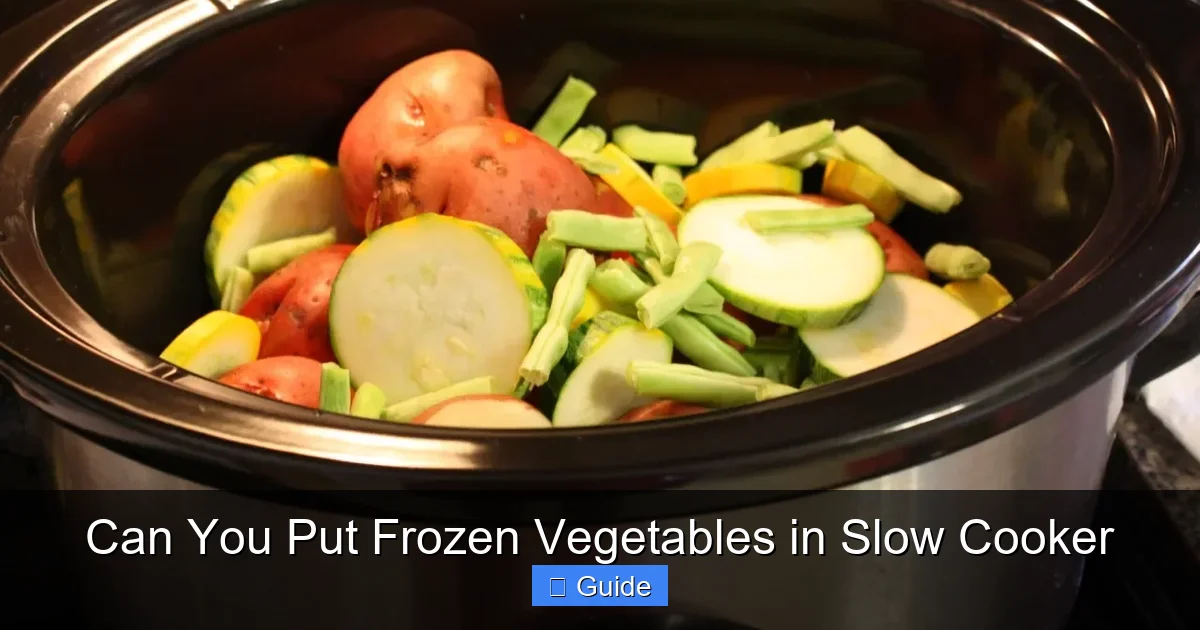
Visual guide about how to put frozen vegetables in slow cooker
Image source: i2.wp.com
Mastering the use of frozen vegetables in a slow cooker is all about smart planning and a few key adjustments. Follow these steps for consistently great results.
Step 1: Choose Your Vegetables Wisely
Not all frozen vegetables are created equal when it comes to slow cooking. Some hold up much better to long cooking times than others.
Best Candidates for Your Slow Cooker
These vegetables generally maintain their texture well and are excellent choices for adding directly to your slow cooker from the start:
- Root Vegetables: Frozen carrots, potatoes (diced), sweet potatoes, and parsnips are fantastic. Their robust structure allows them to withstand long cooking times without becoming overly mushy. They absorb flavors beautifully.
- Hardy Greens: Frozen kale and collard greens, if you enjoy them, can work well. They are designed to soften, but retain some chew.
- Corn and Peas: These are excellent additions. They cook quickly and maintain their individual integrity, adding pops of sweetness and color without becoming mushy.
- Green Beans: While they can soften, frozen green beans generally hold up well, especially the “cut” varieties.
- Butternut Squash (Diced): Similar to potatoes, these hearty squash pieces do well in a slow cooker.
Veggies to Be Cautious With (or Add Later)
These vegetables can be used, but require careful timing or specific techniques to prevent them from becoming too soft or losing their appeal:
- Broccoli and Cauliflower: These florets can become very mushy and lose their vibrant color if cooked for the entire slow cooker duration. It’s best to add them during the last 30-60 minutes of cooking.
- Spinach and Other Tender Greens: Frozen spinach will quickly wilt down to almost nothing and can release a lot of water. Add it in the last 15-30 minutes, or even stir it in just before serving.
- Zucchini and Summer Squash: These watery vegetables are very prone to becoming mushy and disappearing into your dish. If using, add them late in the cooking process.
- Bell Peppers: While not as prone to mushiness as broccoli, frozen bell peppers can lose some of their crispness and vibrant color with extended slow cooking. They are often added earlier for flavor, but for texture, consider adding them later.
Step 2: Mind the Moisture (Crucial for Best Results)
This is perhaps the most important consideration when you put frozen vegetables in a slow cooker. Their high water content can significantly alter the consistency of your dish.
Reduce Other Liquids in Your Recipe
Because frozen vegetables release a lot of water as they cook, you’ll need to adjust the amount of other liquids (broth, water, canned tomatoes, sauces) in your recipe. A good rule of thumb is to **reduce the initial liquid by about one-third to one-half** of what the recipe calls for with fresh ingredients. You can always add more liquid later if your dish seems too thick, but you can’t easily remove it once it’s in there.
Drain Excess Ice (Optional, But Helpful)
Some bags of frozen vegetables, especially if they’ve been stored for a while or improperly, might have a layer of ice crystals. While not strictly necessary, you can briefly rinse the frozen vegetables under cold water to remove this excess ice, or simply dump them into a colander for a minute before adding them to the slow cooker. This minimal step can help reduce the initial water overload.
Consider Adding Later in the Cook Time
For dishes where a thicker sauce is paramount, or if you’re using delicate vegetables, holding back on adding the frozen vegetables until later in the cooking process is a smart move. Adding them during the last 30 minutes to 2 hours of cooking allows the main dish to develop its flavor and consistency without being watered down initially. This strategy is particularly effective for corn, peas, green beans, broccoli, and cauliflower.
Step 3: Adjust Cooking Times and Temperatures
Generally, you don’t need to drastically change the overall cooking time when using frozen vegetables in a slow cooker, especially if they are hardy varieties. However, there are a few nuances.
Frozen vs. Fresh Cook Time
Most slow cooker recipes are designed for long, slow cooking, which is forgiving. While adding frozen ingredients might slightly lower the initial temperature of the pot, the slow cooker will eventually come back up to temperature. For hardy vegetables like carrots or potatoes, you can usually add them at the beginning alongside your meat and other ingredients, and cook for the recipe’s full duration (e.g., 6-8 hours on Low or 3-4 hours on High).
Adding Later for Optimal Texture
As mentioned in Step 2, if you’re aiming for a less mushy texture or want to preserve the vibrant color of certain vegetables (like broccoli or bell peppers), add them during the latter part of the cooking cycle.
- For slightly firmer texture: Add frozen vegetables during the last 1-2 hours of cooking on Low, or the last 30-60 minutes on High.
- For delicate greens (spinach): Stir them in during the last 15-30 minutes, or even right before serving, using the residual heat of the slow cooker to wilt them.
Step 4: Enhance Flavor and Texture
Because of the potential for flavor dilution from the extra water, and the risk of mushy textures, a little extra attention to seasoning and technique can go a long way.
Don’t Skimp on Seasoning
Be generous with your herbs, spices, and aromatics. Garlic, onions, bay leaves, thyme, rosemary, and smoked paprika are excellent flavor boosters. Consider adding a touch more salt and pepper than you might typically use. Taste and adjust your seasoning towards the end of the cooking process. A splash of vinegar, lemon juice, or a dollop of mustard can also brighten flavors.
Sautéing or Roasting First (Optional, But Recommended)
While the whole point of a slow cooker is usually “set it and forget it,” sometimes a little pre-work pays off. Briefly sautéing onions, garlic, or even some of your heartier frozen vegetables (like carrots or bell peppers) in a pan before adding them to the slow cooker can add depth of flavor through caramelization. This is especially useful for bringing out the inherent sweetness of vegetables. You can even quickly roast some frozen root vegetables on a sheet pan for 15-20 minutes before adding them to the slow cooker for a deeper, more developed flavor.
Add Dairy or Fats for Richness
A swirl of butter, a splash of heavy cream, or a dollop of cream cheese or sour cream stirred in during the last 30 minutes of cooking can add richness and a velvety texture to your slow cooker dish, counteracting any potential blandness from excess water.
Thickeners (If Needed)
If, despite your best efforts, your slow cooker dish is still too watery at the end, you can easily thicken it.
- Cornstarch or Flour Slurry: Whisk 1-2 tablespoons of cornstarch or flour with an equal amount of cold water to form a smooth slurry. Stir this into your hot slow cooker liquid, turn the slow cooker to High (if it’s not already), and cook for another 15-30 minutes until thickened.
- Potato Flakes: A spoonful or two of instant potato flakes can quickly absorb excess liquid without altering the flavor too much.
- Reduction: If time allows and your slow cooker has a “high” setting, remove the lid for the last 30-60 minutes of cooking. This allows some of the excess moisture to evaporate, naturally thickening your sauce.
Step 5: Safety First: Temperature and Storage
Food safety is always paramount, especially when cooking with frozen ingredients in a slow cooker.
Don’t Thaw at Room Temperature
Never thaw frozen vegetables at room temperature before adding them to your slow cooker. For best results and food safety, add them directly to the slow cooker while still frozen, or thaw them safely in the refrigerator overnight.
Ensure Proper Internal Temperature
Always make sure your slow cooker dish reaches a safe internal temperature throughout. For dishes containing meat, poultry, or eggs, this is typically 165°F (74°C). Use a food thermometer to verify doneness, especially if you’re concerned about starting with frozen ingredients. The long, slow cooking process of a slow cooker is designed to bring food to safe temperatures and hold it there.
Reheating Leftovers
Promptly refrigerate any leftovers within two hours of cooking. Reheat thoroughly to 165°F (74°C) before serving.
Common Scenarios and Examples
Let’s look at how these tips apply to different types of slow cooker recipes.
Soups and Stews
These are ideal candidates for frozen vegetables. When making a beef stew with frozen carrots and potatoes, you can add them at the beginning with the meat and broth. Just remember to reduce the initial amount of broth you add. For a chicken noodle soup, you might add frozen corn and peas during the last hour to maintain their texture and bright color.
Casseroles
For creamy chicken and vegetable casseroles, frozen mixed vegetables (like carrots, peas, and green beans) work wonderfully. Again, reduce any milk or cream slightly. If the casserole calls for broccoli, consider adding it later, or accept that it will be very soft.
Side Dishes
Making a simple slow-cooked side of mixed vegetables? You can toss frozen green beans, carrots, and corn directly into the slow cooker with a knob of butter, some seasoning, and a splash of broth. Cook on Low for 2-3 hours or until tender. Keep the liquid minimal to allow the vegetables to steam and cook in their own juices.
Troubleshooting Common Issues
Even with the best intentions, things can sometimes go awry. Here’s how to fix common problems when you put frozen vegetables in a slow cooker.
Mushy Vegetables
- Prevention: Add delicate vegetables (broccoli, cauliflower, zucchini) during the last 30-60 minutes of cooking.
- Fix: If they’re already mushy, it’s hard to reverse. Embrace the texture! If it’s a soup or stew, you can blend a portion of the mushy vegetables into the liquid to thicken it and create a smoother base.
Too Much Liquid
- Prevention: Reduce initial liquids by 1/3 to 1/2.
- Fix:
- Remove the lid for the last hour of cooking on High to allow evaporation.
- Make a cornstarch or flour slurry (1-2 tbsp starch + equal cold water) and stir it in. Cook for another 15-30 minutes on High until thickened.
- Stir in instant potato flakes or breadcrumbs to absorb excess liquid.
Lack of Flavor
- Prevention: Be generous with seasonings, use aromatics, and consider a quick sauté for some ingredients.
- Fix:
- Stir in fresh herbs (parsley, cilantro) at the end.
- Add a splash of something acidic like lemon juice, red wine vinegar, or a dash of hot sauce.
- Stir in a spoonful of concentrated flavor, such as tomato paste, miso paste, or a bouillon cube (if appropriate for the dish).
- Season with more salt and pepper, or a spice blend.
Undercooked Vegetables (Rare in a Slow Cooker)
- Prevention: Ensure sufficient cooking time and that your slow cooker is functioning properly.
- Fix: Simply continue cooking the dish on High until the vegetables reach your desired tenderness.
Conclusion
So, can you put frozen vegetables in a slow cooker? Absolutely! With the right approach, frozen vegetables are a convenient, nutritious, and delicious asset to your slow cooking repertoire. By understanding their unique properties, especially their water content, and applying the simple strategies outlined in this guide—like choosing the right vegetables, adjusting liquid amounts, and timing their addition—you can achieve perfectly cooked, flavorful meals every time. Embrace the ease and versatility of frozen vegetables in your slow cooker and unlock a world of convenient culinary possibilities. Happy slow cooking!

Jennifer D. Simon has spent the last 26 years studying and practicing nutrition science. She has used a larger part of this time in improving people’s livelihoods. She has done so by coming up with unquestionable ideas on how to tackle food problems in her community. Read More