How Do You Cook Beans in a Slow Cooker
Discover the ultimate guide to cooking beans in a slow cooker, a method renowned for its convenience and delicious results. This comprehensive guide walks you through every step, from selecting and preparing your beans to seasoning them perfectly and troubleshooting common issues. You’ll learn how to achieve consistently tender beans with minimal effort, making meal prep a breeze and transforming your kitchen into a hub of wholesome, homemade goodness.
How Do You Cook Beans in a Slow Cooker?
Welcome to the ultimate guide on how to cook beans in a slow cooker! If you’re looking for a simple, hands-off way to achieve perfectly tender, flavorful beans every single time, you’ve come to the right place. Cooking beans from scratch in a slow cooker is a game-changer. It’s not only incredibly economical compared to canned beans but also allows you to control the ingredients, sodium content, and flavor profile precisely. Plus, the slow cooker works its magic while you go about your day, filling your home with a comforting aroma.
In this comprehensive guide, we’ll walk you through every step of the process, from selecting the right beans to troubleshooting common issues. You’ll learn the secrets to achieving creamy, delicious beans that are ready to be incorporated into your favorite recipes, whether it’s chili, soups, salads, or just a simple side dish. Get ready to transform your cooking routine and embrace the ease and deliciousness of slow-cooked beans!
Key Takeaways
- Preparation is Key: Always sort and rinse dry beans thoroughly. Soaking (overnight or quick-soak) is generally recommended for most beans to reduce cooking time and improve digestibility, but some, like lentils, don’t require it.
- Prioritize Safety for Red Kidney Beans: Red kidney beans (and some other specific beans) *must* be boiled vigorously for at least 10 minutes *before* slow cooking to neutralize toxins. Skipping this step can be dangerous.
- Maintain Proper Liquid Ratios: A good starting point is 3-4 cups of water or broth for every cup of dry beans. Ensure beans are fully submerged with about an inch or two of liquid above them throughout the cooking process.
- Strategic Seasoning: Add salt and acidic ingredients (like tomatoes or vinegar) *after* the beans have softened significantly to prevent them from becoming tough or extending cooking times. Aromatics and herbs can be added earlier.
- Utilize Low and Slow: The slow cooker excels with low heat settings over a longer duration (6-8 hours or more) for most beans, ensuring even cooking and creamy textures. High heat can be used for a quicker cook but requires more monitoring.
- Check for Doneness: Beans are done when they are tender throughout, easily mashable with a fork, and have lost their chalky interior. Taste testing is the best method to confirm readiness.
- Store Properly for Longevity: Cooked beans can be refrigerated for 3-5 days or frozen for several months, making them an excellent component for meal prepping and efficient cooking.
Choosing Your Beans and Initial Preparation
The journey to perfectly cooked beans begins long before they even touch your slow cooker. Selection and initial preparation are crucial steps that set the stage for success.
Choosing the Right Beans
Almost any variety of dry bean can be cooked in a slow cooker. Common choices include:
- Black Beans: Great for Mexican and Caribbean dishes.
- Pinto Beans: A staple for refried beans, burritos, and chili.
- Navy Beans: Classic for baked beans and ham and bean soup.
- Cannellini Beans (White Kidney Beans): Excellent in Italian dishes, salads, and minestrone.
- Great Northern Beans: Similar to cannellini, good for soups and stews.
- Kidney Beans: Popular in chili and salads. (Special safety note below!)
- Chickpeas (Garbanzo Beans): Perfect for hummus, curries, and salads.
While lentils and split peas can also be cooked in a slow cooker, their shorter cooking times often mean they’re better suited for stovetop cooking or need significantly less time in the slow cooker to avoid turning to mush.
Sorting and Rinsing Dry Beans
Before you do anything else, you must sort and rinse your beans. Even commercially packaged beans can contain small stones, debris, or shriveled beans that you don’t want in your meal.
Pour your dry beans onto a clean, light-colored surface (like a baking sheet or a clean counter). Pick through them carefully, removing any foreign objects, broken beans, or discolored pieces. Once sorted, place the beans in a colander and rinse them thoroughly under cold running water until the water runs clear. This also helps remove any surface dust or starch.
The Importance of Soaking (and How To Do It)
Soaking dry beans before cooking is a highly recommended step for most varieties. It offers several benefits:
- Reduces Cooking Time: Soaked beans cook faster and more evenly.
- Improves Digestibility: Soaking helps break down complex sugars that can cause gas and bloating.
- Better Texture: It helps the beans achieve a more consistent, creamy texture.
There are two primary methods for soaking:
Overnight Soak Method (Traditional)
After sorting and rinsing, place the beans in a large bowl. Add plenty of cold water – at least three times the volume of the beans, as they will expand significantly. Cover the bowl and let it sit at room temperature for 8-12 hours, or overnight. After soaking, drain the beans and rinse them well under cold water before cooking. Discard the soaking water.
Quick Soak Method (Rapid)
If you forget to soak your beans overnight, the quick soak method is a great alternative. Place the sorted and rinsed beans in a large pot with enough water to cover them by at least 2-3 inches. Bring the water to a rolling boil and let it boil vigorously for 2-3 minutes. Remove the pot from the heat, cover it, and let the beans soak for 1 hour. After soaking, drain the beans and rinse them well before cooking.
Beans That Don’t Require Soaking
Certain beans, particularly smaller, softer varieties like lentils (red, green, brown) and split peas, do not typically require soaking due to their shorter cooking times. In fact, soaking them can sometimes lead to them becoming too mushy. However, a quick rinse is always a good idea.
Crucial Safety Note for Red Kidney Beans and Some Other Specific Beans
This is extremely important for your safety! Red kidney beans (and to a lesser extent, cannellini beans, great northern beans, and some other varieties) contain a natural toxin called phytohaemagglutinin. If consumed undercooked, this toxin can cause severe gastrointestinal distress, including nausea, vomiting, and diarrhea.
To neutralize this toxin, red kidney beans (and other specified beans) *must* be boiled vigorously for at least 10 minutes *before* being cooked in a slow cooker or consumed.
Here’s how to safely prepare them:
- Sort and rinse your dry kidney beans thoroughly.
- Soak them using either the overnight or quick soak method described above.
- Drain and rinse the soaked beans.
- Place the soaked beans in a large pot with fresh water.
- Bring the water to a rolling boil and boil the beans vigorously for a minimum of 10 minutes.
- After boiling, you can then transfer them to your slow cooker with fresh liquid to finish cooking.
Simply cooking dry kidney beans solely in a slow cooker without the pre-boil step, even on high heat, might not reach a high enough temperature or maintain it long enough to destroy all the toxins, making them unsafe to eat. Always err on the side of caution with these specific beans.
Setting Up Your Slow Cooker for Beans
Once your beans are sorted, rinsed, and properly soaked (and boiled if they are kidney beans!), it’s time to get them into the slow cooker.
Adding Beans and Liquid
Transfer your prepared beans to the slow cooker insert. Now, add your liquid. A general rule of thumb is to use 3-4 cups of liquid for every 1 cup of dry beans (which will have expanded significantly after soaking). The liquid should cover the beans by at least 1-2 inches. You can use:
- Water: Simple and effective.
- Vegetable or Chicken Broth: Adds depth of flavor without much effort.
- A Combination: Half water, half broth for a balance.
Ensure there’s enough room in your slow cooker for the beans to expand further and for the liquid to simmer without overflowing. Never fill your slow cooker more than two-thirds full.
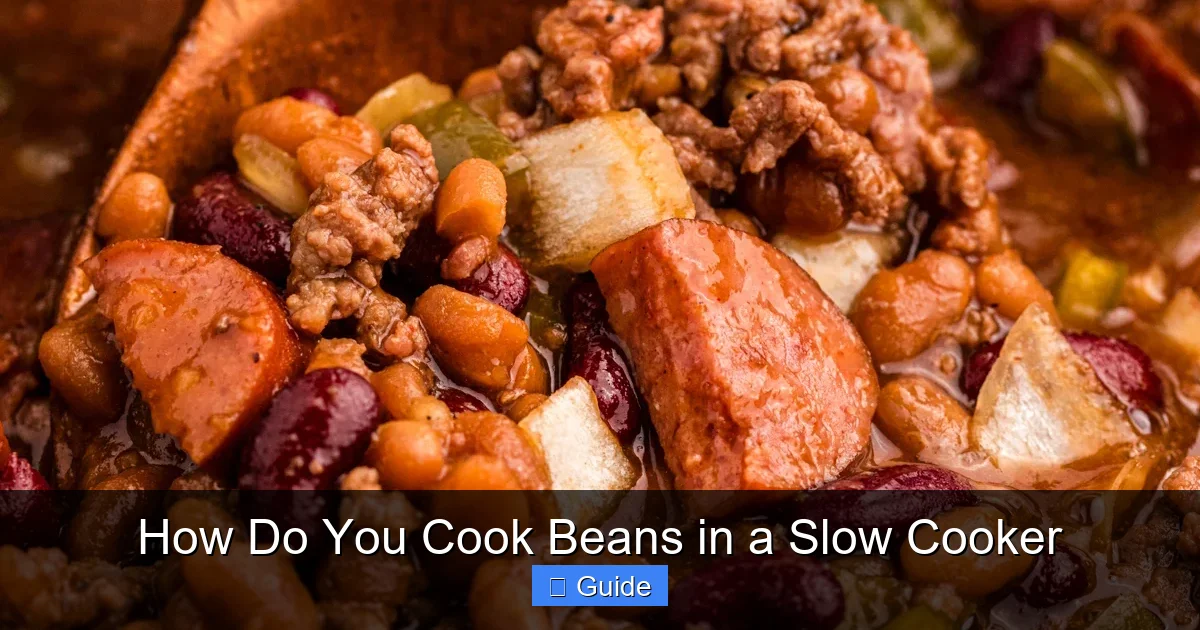
Visual guide about how to cook beans in slow cooker
Image source: addapinch.com
Seasoning Your Beans
Seasoning is where you build incredible flavor. However, timing is crucial, especially for salt and acidic ingredients.
Aromatics and Herbs (Early Addition)
You can add aromatic vegetables and herbs at the beginning of the cooking process to infuse deep flavor. Good options include:
- Onion: Halved or quartered.
- Garlic: Whole cloves or minced.
- Bay Leaves: 1-2 leaves for subtle herbal notes.
- Herbs: Sprigs of thyme, rosemary, or oregano.
- Spices: Cumin, chili powder, smoked paprika (great for pinto or black beans).
- Vegetables: Celery, carrots, bell peppers (chopped).
These ingredients will slowly meld with the beans and liquid as they cook.
Salt and Acid (Late Addition)
It’s generally recommended to add salt *after* the beans have softened significantly, usually in the last hour or two of cooking. Adding salt too early can sometimes toughen the skins of the beans, extending their cooking time. Similarly, acidic ingredients like tomatoes, vinegar, or citrus juice should also be added towards the end of the cooking cycle for the same reason. If you’re making chili with tomatoes, for example, wait until the beans are almost tender before adding your canned tomatoes.
Setting the Slow Cooker
Place the lid securely on your slow cooker. For most dry beans, the “Low” setting is preferred for slow cooker beans. This allows for a gentle, even cook that results in a creamier texture. Cooking time on low typically ranges from 6 to 10 hours, depending on the type and age of the beans. If you’re short on time, you can use the “High” setting, which usually takes 3-5 hours, but keep a closer eye on the liquid levels.
The Cooking Process: Low and Slow Does It
Now that your slow cooker is set, it’s time to let it do its job. The beauty of cooking beans in a slow cooker is the minimal hands-on time during this phase.
Monitoring and Checking for Doneness
Resist the urge to lift the lid frequently, as this releases heat and prolongs cooking time. However, it’s a good idea to check on your beans after about 4-5 hours on high or 6-7 hours on low. When you check, assess the liquid level. If it looks too low, add more hot water or broth to ensure the beans remain submerged. Stirring isn’t usually necessary, but a gentle stir can help distribute flavors.

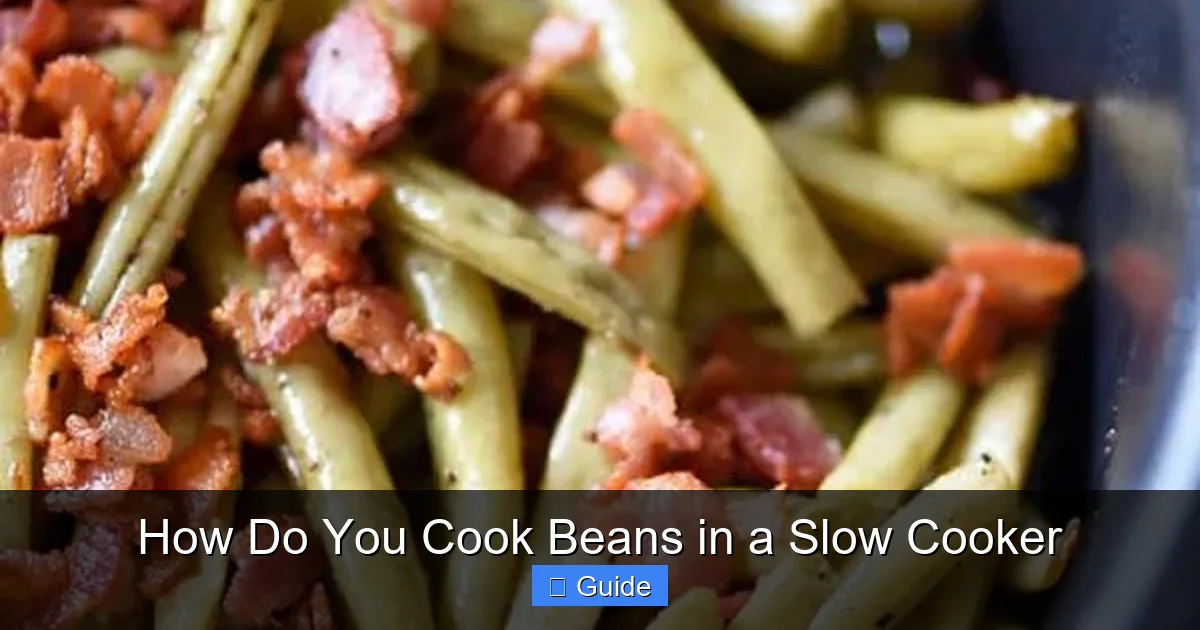
Visual guide about how to cook beans in slow cooker
Image source: slowcookergourmet.net
To check for doneness, carefully remove a few beans with a spoon and taste them. They should be tender throughout, not chalky or firm in the center. They should also be easily mashable with a fork. If they’re still firm, simply continue cooking, checking every 30-60 minutes until they reach your desired tenderness. Remember, older beans tend to take longer to cook than fresher ones.
Adjusting Liquid and Seasoning
Once the beans are almost tender, this is the ideal time to add your salt and any acidic ingredients. Taste and adjust seasoning as needed. You might find you need more salt, a pinch of pepper, or a dash of your favorite spice blend. If the beans are cooked but the liquid is too thin, you can remove the lid for the last hour of cooking to allow some evaporation, or mash a small portion of the beans to thicken the liquid.
Post-Cooking and Storage
Congratulations, you’ve successfully cooked beans in a slow cooker! Now for the final steps: cooling, storing, and enjoying your delicious creation.
Cooling and Storing Cooked Beans
Once cooked, allow the beans to cool down to room temperature before storing them. Rapid cooling is important for food safety. You can speed this up by dividing the beans into smaller containers.
- Refrigeration: Store cooked beans in an airtight container in the refrigerator for 3-5 days.
- Freezing: Cooked beans freeze beautifully! Portion them into freezer-safe bags or containers (freezing with a little cooking liquid helps prevent freezer burn). They can be frozen for up to 3-6 months. Thaw them in the refrigerator overnight or reheat directly from frozen in a pot or microwave.

Visual guide about how to cook beans in slow cooker
Image source: themagicalslowcooker.com
Using Your Delicious Slow-Cooked Beans
The possibilities are endless! Your slow-cooked beans are incredibly versatile.
- Soups and Stews: Add them to chili, minestrone, or a hearty vegetable soup.
- Salads: A fantastic source of protein and fiber for any salad.
- Dips and Spreads: Mash pinto beans for refried beans or blend chickpeas for homemade hummus.
- Sides: Enjoy them simply seasoned with a drizzle of olive oil, fresh herbs, and a squeeze of lime.
- Main Dishes: Use them in burritos, tacos, enchiladas, or bean burgers.
Having a batch of cooked beans ready to go in your fridge or freezer makes meal prep quicker and easier throughout the week.
Troubleshooting Common Slow Cooker Bean Issues
Even with the best intentions, sometimes things don’t go exactly as planned. Here are some solutions to common problems when you cook beans in a slow cooker.
Beans Are Still Hard After Extended Cooking
This is a common issue, especially with older beans.
- Solution: Add more hot liquid (water or broth) and continue cooking. Ensure the beans are fully submerged. Older beans can take significantly longer to soften. Avoid adding salt or acidic ingredients too early, as this can contribute to tough beans. If you did add salt early, add a pinch of baking soda (about ¼ teaspoon per cup of dry beans) to the cooking liquid, which can help soften them, but this should be a last resort as it can alter flavor.
Beans Are Too Mushy or Falling Apart
This usually happens if they’ve cooked too long, or if they were very fresh and cooked faster than expected.
- Solution: If they’re only slightly mushy, they’re still perfectly fine for many recipes like refried beans, dips, or thick soups. For future batches, reduce the cooking time or check for doneness earlier. Ensure you’re not overfilling your slow cooker, which can create a hotter environment.
Beans Are Causing Gas/Digestive Issues
While soaking helps, some people are more sensitive.
- Solution: Always soak your beans thoroughly and discard the soaking water. Cook them until they are very tender, as undercooked beans are harder to digest. Consider adding a strip of kombu (a type of seaweed) to the slow cooker during cooking; many find it helps reduce the gassy effects. Gradually introduce beans into your diet if you’re not used to them.
Too Much or Too Little Liquid
Sometimes the liquid evaporates too quickly, or there’s too much left over.
- Solution (Too Little): If you notice the liquid level dropping significantly during cooking, add more hot water or broth to ensure the beans remain submerged. Keep the lid on to minimize evaporation.
- Solution (Too Much): If your beans are done but there’s too much liquid, remove the lid for the last hour of cooking to allow some of the excess to evaporate. Alternatively, you can mash a portion of the beans to thicken the liquid, or simply drain some of the liquid before serving.
Tips for Slow Cooker Bean Success
Beyond the basic steps, a few extra tips can elevate your slow-cooked beans from good to outstanding.
Don’t Add Acid Too Early
As mentioned, acidic ingredients like tomatoes, vinegar, or lemon juice can prevent beans from softening. Always add them in the last hour or two of cooking.
Use Fresh Beans
The older the dry beans, the longer they take to cook. If your beans have been sitting in the pantry for years, they may never fully soften. Aim to use beans that are less than a year old for best results.
Know Your Slow Cooker
Every slow cooker is different. Some run hotter than others. Get to know yours by paying attention to cooking times in your first few batches. You might need to adjust cooking times up or down.
Flavor Boosters
Don’t be afraid to experiment with flavor! Beyond salt and pepper, consider:
- Smoked ham hocks or bacon for a smoky flavor (especially for pinto or navy beans).
- Chipotle peppers in adobo for a spicy, smoky kick.
- A dash of liquid smoke.
- Fresh herbs like cilantro or parsley stirred in at the very end.
- A squeeze of fresh lime juice after cooking brightens flavors.
Batch Cooking
Slow cookers are perfect for batch cooking. Cook a large quantity of beans and portion them out for future meals. This saves time and ensures you always have healthy, homemade beans on hand.
Conclusion
Cooking beans in a slow cooker is a simple, rewarding process that yields tender, flavorful results with minimal effort. By following these steps – from proper sorting and soaking (and crucially, pre-boiling kidney beans!) to strategic seasoning and smart storage – you’ll consistently achieve perfectly cooked beans that are far superior to their canned counterparts.
Embrace the convenience and versatility of your slow cooker to create delicious, healthy meals that are both budget-friendly and incredibly satisfying. No more guessing how do you cook beans in a slow cooker – you now have all the knowledge and tips to become a bean-cooking master. Happy cooking!

Jennifer D. Simon has spent the last 26 years studying and practicing nutrition science. She has used a larger part of this time in improving people’s livelihoods. She has done so by coming up with unquestionable ideas on how to tackle food problems in her community. Read More