

Can You Put Too Much Water in Slow Cooker
Many home cooks wonder, can you put too much water in slow cooker? The answer is yes! Excess liquid can dilute flavors, create a watery, unappetizing texture, and even extend cooking times. This guide will help you understand the perfect balance of liquid for delicious, flavorful slow cooker meals every time, ensuring your dishes are never bland or soupy.
Welcome, fellow food enthusiasts, to the wonderful world of slow cooking! There’s nothing quite like coming home to the aroma of a delicious meal that’s been simmering all day. Slow cookers are fantastic kitchen companions, making meal prep a breeze and turning tough cuts of meat into tender masterpieces. But, like any cooking method, there’s a learning curve, and one common question that often pops up is: Can you put too much water in slow cooker?
The short answer is a resounding “yes!” And understanding why and how to avoid it is key to unlocking the full potential of your slow cooker. This guide will walk you through everything you need to know about managing liquid levels, ensuring your slow cooker creations are always rich, flavorful, and perfectly textured. We’ll explore what happens when you add too much water, how to find the ideal balance, and even what to do if you’ve made a watery mistake. Get ready to master your slow cooker like a pro!
Key Takeaways
- Yes, you can put too much water in a slow cooker: Unlike stovetop cooking, slow cookers retain almost all moisture, so excess liquid leads to watery, bland results.
- Follow your recipe’s liquid recommendations closely: Recipes are specifically designed for the slow cooker’s unique cooking environment, where little evaporation occurs.
- Aim for food to be mostly submerged, but not entirely drowned: Generally, the liquid should come up to about two-thirds or three-quarters of the way up your ingredients, allowing for natural juices to release.
- Excess liquid dilutes flavor and creates poor texture: Too much water makes sauces thin and watery, and can make dishes taste bland as flavors are spread too thin.
- Troubleshooting watery dishes is possible: You can often thicken a watery dish after cooking using cornstarch slurries, flour, or by simmering on the stovetop.
- Consider your ingredients’ natural water content: Vegetables like mushrooms, onions, and squash release a significant amount of liquid during the slow cooking process.
Why the Water Level Matters in Slow Cooking
Before we dive into the “too much water” dilemma, let’s understand why liquid is so important and how slow cookers handle it differently from other cooking methods.
A slow cooker operates on a simple principle: low heat over a long period. Its sealed lid traps steam and moisture, creating a moist cooking environment. This is fantastic for tenderizing food and infusing flavors, but it also means that, unlike stovetop pots or ovens, there’s very little evaporation.
When you cook on the stove, much of the liquid boils off, concentrating flavors and thickening sauces. In a slow cooker, nearly all the liquid you add, plus the natural juices released from your ingredients, stays in the pot. This unique characteristic is precisely why the initial amount of liquid is so critical. If you start with too much, that excess liquid has nowhere to go, leading to common slow cooker woes.
The Risks of Putting Too Much Water in Slow Cooker
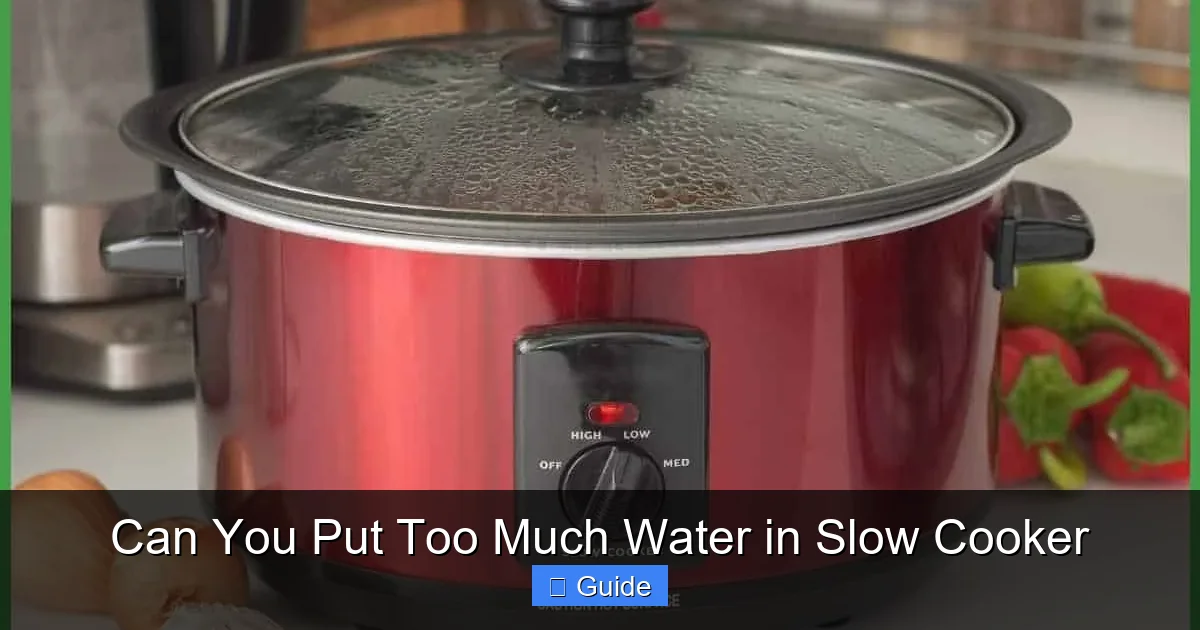
Visual guide about how to put too much water in slow cooker
Image source: topfoodinfo.com
So, what actually happens if you go overboard with the liquid? The consequences can range from slightly annoying to downright disappointing. Here are the main issues you might encounter when you put too much water in slow cooker:
Diluted Flavors and Bland Taste
This is perhaps the most common and disappointing outcome. If you have too much water, the delicious spices, herbs, and seasonings you’ve added get spread out over a larger volume of liquid. Instead of a rich, concentrated sauce, you end up with something weak and watery, leading to a bland, uninspired dish. All that slow cooking time goes to waste if the final product lacks punch.
Soupy, Unappetizing Texture
Many slow cooker dishes are meant to have a thick, luxurious sauce – think stews, pot roasts, or hearty chilis. Excess liquid will turn these into a thin, watery soup. Nobody wants a “stew” that feels more like broth, especially if it’s supposed to cling to your meat and vegetables. The texture impacts the overall enjoyment of the meal significantly.
Extended Cooking Times
While it might seem counterintuitive, too much liquid can actually lengthen your cooking time. The slow cooker needs to bring all that liquid up to temperature and keep it there. More liquid means more thermal mass to heat, which can slow down the overall cooking process for your ingredients, especially if you’re trying to achieve tender meat.
Loss of Nutrients (in extreme cases)
While slow cooking is generally good for nutrient retention due to low temperatures, extremely watery dishes can mean more nutrients leach into the cooking liquid, which might then be discarded or not fully consumed if the sauce is unappetizing.
Food Drowning and Uneven Cooking
If your ingredients are completely submerged in water, they aren’t really “braising” or “stewing” in the traditional sense. They’re boiling or poaching. This can affect the texture of vegetables, making them overly soft or mushy, and might not allow for the caramelization or flavor development that happens when food is partially exposed to the moist heat.
How to Determine the Right Water Level for Your Slow Cooker
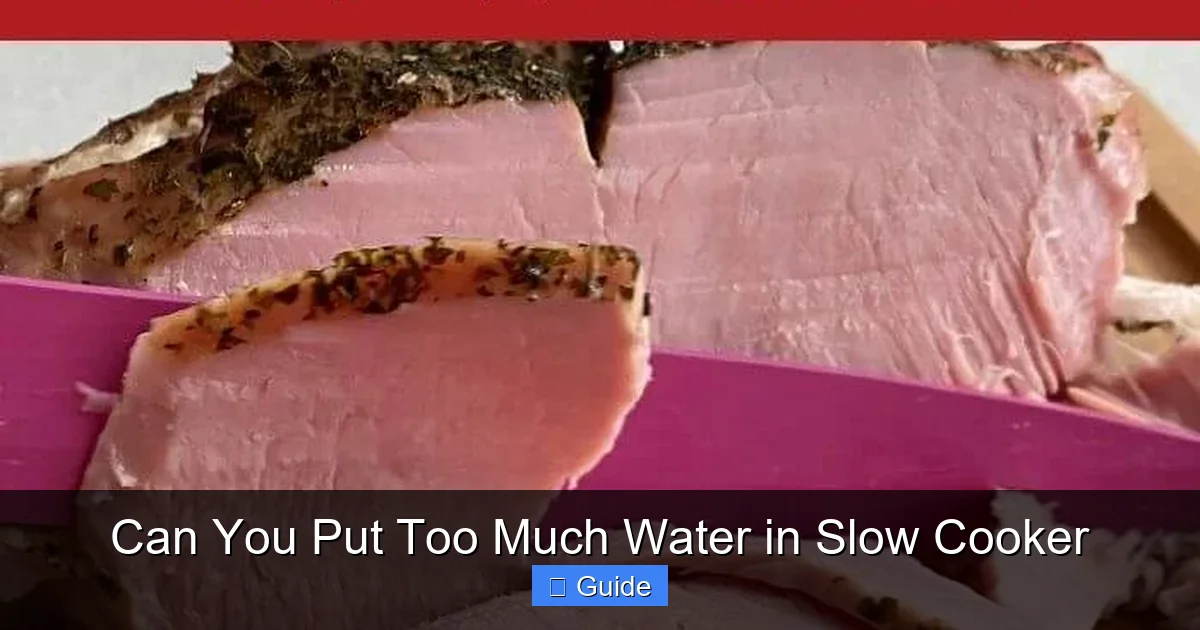
Visual guide about how to put too much water in slow cooker
Image source: recipethis.com
Now that you understand the pitfalls, let’s focus on how to get it right. Finding the “just right” amount of liquid is crucial for delicious results.
Check Your Recipe First
This is your golden rule. Most well-written slow cooker recipes will specify the exact amount of liquid needed. They’ve been tested and account for the slow cooker’s unique environment. Do not substitute the amount of liquid for stovetop recipes without significant adjustment. A recipe designed for a stovetop pot will often call for more liquid because it anticipates significant evaporation.
Understand the General Rule of Thumb
If a recipe is vague or you’re adapting one, a good general guideline is to aim for your ingredients to be about two-thirds to three-quarters submerged in liquid. You generally don’t want your ingredients completely covered. Remember, vegetables and meats will release their own juices as they cook, adding to the overall liquid volume.
For example, when making a pot roast, you might only need a cup or two of broth, even for a large roast. The roast itself, along with any carrots, celery, or onions, will contribute a surprising amount of moisture.
Consider the Type of Food
Different ingredients release different amounts of water:
- High-water vegetables: Onions, mushrooms, zucchini, tomatoes, and bell peppers all contain a lot of water and will “weep” liquid into your pot. If your recipe includes many of these, you’ll need less added liquid.
- Meats: Meats, especially fattier cuts, will release juices. Leaner meats might release less.
- Pasta or Rice: If your recipe calls for adding pasta or rice directly to the slow cooker (which isn’t always recommended, but some recipes do it), they will absorb a significant amount of liquid. You’ll need to account for this absorption.
- Canned Goods: Canned tomatoes, beans, or broths already contain a lot of liquid, so factor that into your total.
A good practice is to reduce the suggested liquid in a standard recipe by about one-third to one-half if you’re adapting it for a slow cooker, especially if it’s rich in high-water content vegetables.
When to Add More (or Less) Liquid
* Start with less: It’s always easier to add more liquid later than to remove it. If you’re unsure, err on the side of slightly less liquid. You can always check your dish halfway through cooking and add a bit more broth or water if it looks too dry or is sticking.
* Don’t lift the lid too often: Each time you lift the lid, you release accumulated steam and heat, which can extend cooking time and slightly reduce the liquid (though not enough to fix a truly watery dish). Try to only peek when necessary.
* Consider your slow cooker’s size: A larger slow cooker with less food might have a bit more surface area for minimal evaporation, but the sealed lid design still dominates. The amount of liquid needed is more about the ingredients than the slow cooker size.
What Happens If You Accidentally Add Too Much Water? (Troubleshooting)
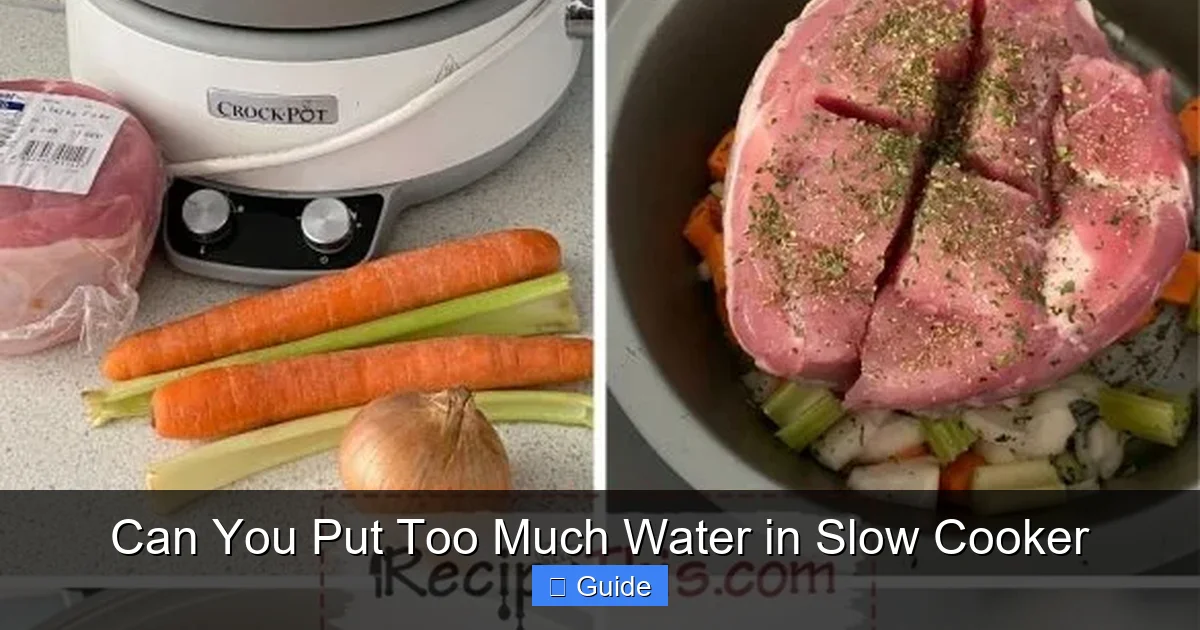
Visual guide about how to put too much water in slow cooker
Image source: recipethis.com
Even with the best intentions, it happens! You might find yourself with a slow cooker full of delicious-smelling but overly watery food. Don’t despair – there are several ways to rescue your dish.
Troubleshooting During Cooking
If you realize you have too much liquid early in the cooking process (within the first few hours):
- Carefully scoop some out: Use a ladle to remove some of the excess liquid. Be careful not to scoop out any precious ingredients. If the liquid is already flavorful, you can save it for later use (e.g., as a base for another soup).
- Add an absorbent ingredient: This is a less common solution for truly excessive liquid, but you can sometimes add ingredients that soak up moisture. A handful of dried lentils (if appropriate for the dish) or a few tablespoons of quick-cooking oats can help, though they will change the texture and flavor profile.
Generally, it’s harder to fix too much liquid during cooking because the slow cooker’s environment prevents evaporation. Your best bet is to wait until the end.
Troubleshooting After Cooking
This is where you have the most control:
- Remove the lid and simmer: The simplest method is to carefully transfer the contents of your slow cooker to a pot on the stovetop. Bring it to a boil, then reduce to a simmer with the lid off. This will allow the excess liquid to evaporate, concentrating flavors and thickening the sauce. Stir occasionally to prevent sticking.
- Use a cornstarch slurry: This is a classic thickening agent. In a small bowl, mix 1-2 tablespoons of cornstarch with an equal amount of cold water or broth until smooth. Slowly stir this slurry into your hot slow cooker contents (either directly in the slow cooker if it has a “keep warm” or high setting, or after transferring to a stovetop pot). Stir constantly until the sauce thickens, usually within a few minutes. If it’s not thick enough, repeat with another slurry.
- Flour slurry (roux): Similar to cornstarch, you can make a flour slurry. For a richer flavor, you can melt some butter or oil in a pan, add flour to make a roux, cook for a minute, then slowly whisk in some of the slow cooker liquid. Once smooth, add the thickened mixture back to the slow cooker. This method can add a bit more flavor and richness than cornstarch.
- Add a thickener directly: You can stir in instant mashed potato flakes, crumbled plain crackers, or even a bit of bread crumbs directly into the hot liquid. These will absorb moisture and help thicken the sauce. Start with small amounts, stir well, and let it sit for a few minutes to absorb before adding more.
- Purée some vegetables: If your dish contains soft vegetables like potatoes, carrots, or squash, you can scoop out a portion of the vegetables and a little liquid, purée it with an immersion blender or potato masher, and then stir it back into the pot. This adds natural thickening and flavor.
- Strain and reduce: For very watery dishes, you can strain the liquid from the solids. Reduce the liquid on the stovetop until it reaches your desired consistency, then return the solids to the thickened sauce.
Practical Tips for Managing Liquid in Your Slow Cooker
Preventing too much water is always easier than fixing it. Here are some smart strategies:
Start Small and Add Later
When adapting recipes or experimenting, always err on the side of adding less liquid initially. You can always open the lid an hour or two before the end of cooking and add a bit more broth or water if things look too dry. This minimal lid-lifting won’t significantly affect cooking time.
Use Concentrated Flavors
Instead of just water, opt for concentrated broths, stocks, tomato paste, or even wine (if appropriate for the dish). These provide flavor without adding excessive volume that dilutes taste. A little bit of powerful liquid goes a long way.
Embrace Thickeners Appropriately
While you generally want to avoid too much water, some slow cooker recipes might call for small amounts of thickeners like cornstarch or flour added toward the end of cooking to achieve a desired consistency. Don’t rely on them to fix a truly watery mess from the start, but use them strategically as per the recipe.
Understand Evaporation (or Lack Thereof)
Always remember the golden rule of slow cookers: they are designed to trap moisture. This is the fundamental difference from stovetop cooking. Adjust your mindset and liquid expectations accordingly.
Layer Your Ingredients Smartly
Place vegetables with high water content (like onions, mushrooms) at the bottom of the slow cooker. They’ll release their juices first, creating a flavorful base liquid for the rest of your ingredients to cook in. This also helps to protect more delicate ingredients from overcooking in direct heat.
Pre-Sauté or Sear
For some recipes, browning meat or sautéing vegetables before adding them to the slow cooker can help develop deeper flavors and reduce the “raw” vegetable taste that sometimes results from slow cooking. While this doesn’t directly manage water, it contributes to overall flavor richness, making a less-than-perfectly-thick sauce more forgivable.
Common Myths About Slow Cooker Liquids
Let’s bust a couple of common misconceptions:
* Myth: “You need to cover everything with liquid.”
* Reality: False! This is the surest way to guarantee a watery, bland dish. As discussed, most ingredients release their own moisture, and the sealed environment retains it. Aim for about two-thirds submerged.
* Myth: “Just use water, it’s fine.”
* Reality: While water can be used, using flavorful liquids like broth, stock, juice, or even beer/wine significantly enhances the depth of flavor of your slow cooker meal. If you’re going to add liquid, make it count!
Conclusion
Hopefully, by now, you have a clear answer to the question, “Can you put too much water in slow cooker?” The answer is an emphatic yes, and understanding why is the first step toward becoming a slow cooker master. By paying attention to your recipes, understanding how your ingredients contribute moisture, and knowing how to troubleshoot, you can ensure every dish you pull from your slow cooker is perfectly balanced, wonderfully flavorful, and boasts a delightful texture.
So, next time you’re prepping a meal, pause for a moment to consider your liquid levels. A little mindfulness at the start can save you a lot of disappointment later. Happy slow cooking, and may your sauces always be rich, and never watery!

Jennifer D. Simon has spent the last 26 years studying and practicing nutrition science. She has used a larger part of this time in improving people’s livelihoods. She has done so by coming up with unquestionable ideas on how to tackle food problems in her community. Read More