Can You Steam Food in Slow Cooker
Yes, you absolutely can steam food in a slow cooker! This comprehensive guide reveals how to transform your trusty appliance into a gentle steamer, perfect for healthy vegetables, delicate seafood, and even dumplings. Enjoy a hands-off cooking method that yields tender, nutrient-rich results with minimal effort, making healthy eating simpler than ever.
Can You Steam Food in Slow Cooker? Absolutely! Your Guide to Healthy, Hands-Off Steaming
Have you ever wondered if your trusty slow cooker could do more than just stew, braise, or make chili? What if it could also gently steam your food, locking in nutrients and flavors with minimal effort? The answer is a resounding yes! Your slow cooker is surprisingly versatile, and with a few simple tweaks, it can become an excellent tool for healthy steaming.
This guide will walk you through everything you need to know about how to steam food in slow cooker. We’ll cover the benefits, the essential equipment, a step-by-step process, and practical tips to ensure your slow cooker steaming adventures are always a success. Get ready to unlock a new, healthier way to prepare your favorite dishes, all with the convenience you’ve come to expect from your slow cooker.
Key Takeaways
- Steaming in a Slow Cooker is Possible and Effective: Your slow cooker can easily be adapted into a gentle steamer, providing a hands-off and reliable method for cooking.
- Essential Equipment: You’ll need a slow cooker, a heat-proof trivet or rack to elevate food above the water, and enough water to create steam without submerging your ingredients.
- Benefits of Slow Cooker Steaming: This method offers gentle, even heat distribution, helping to preserve nutrients, flavors, and textures, resulting in tender, healthy dishes.
- Versatile for Various Foods: It’s ideal for a wide range of foods, including fresh or frozen vegetables, delicate seafood (fish fillets, shrimp), dumplings, and even certain desserts.
- Temperature Settings Matter: Both “Low” and “High” settings can be used for steaming. “High” will steam faster, while “Low” offers a more gradual and often more forgiving cooking process.
- Avoid Frequent Lid Lifting: Resist the urge to peek often, as each time the lid is lifted, a significant amount of heat and steam escapes, prolonging cooking times.
- Monitor Water Levels for Longer Steaming: For extended steaming periods, it’s crucial to ensure there’s enough water in the slow cooker to last the entire cooking process without running dry.
Quick Answers to Common Questions
Can I use aluminum foil balls as a trivet?
Yes, absolutely! If you don’t have a dedicated steaming rack or trivet, you can crumple 3-4 pieces of aluminum foil into golf-ball sized spheres. Place them at the bottom of your slow cooker to create a stable platform for your food or a heat-proof plate, effectively elevating it above the water.
How much water should I add to the slow cooker for steaming?
Generally, 1 to 2 cups of water or enough to create about a 1-inch layer at the bottom is sufficient. The key is to have enough water to generate steam for the entire cooking time without touching the food or drying out, but not so much that it submerges your trivet or rack.
Do I need to preheat my slow cooker before steaming?
Preheating is optional but can slightly speed up the steaming process. You can place the water and trivet in the slow cooker and turn it on “High” for 10-15 minutes before adding your food. This helps generate steam more quickly once the food is introduced.
Can I stack different foods to steam them at the same time?
While you can stack if you have a multi-tiered steaming rack or a second heat-proof plate, it’s generally best to avoid overcrowding. Ensure there’s ample space for steam to circulate around all items for even cooking. Place foods that require longer cooking times on the bottom tier if stacking.
What’s the best slow cooker setting for steaming – Low or High?
Both “Low” and “High” settings work for steaming. “High” will bring the water to a boil faster and steam quicker, which is great for most vegetables and seafood. “Low” provides a more gradual, gentle steam over a longer period, which can be forgiving but will extend cooking times significantly.
Why Steam Food in a Slow Cooker?
Steaming is celebrated as one of the healthiest cooking methods, primarily because it preserves a higher percentage of vitamins and minerals compared to boiling or even roasting. When you steam food, it’s cooked by the gentle heat of water vapor, rather than being immersed in liquid or exposed to direct high heat. This method helps maintain the food’s natural texture, color, and flavor.
So, why choose your slow cooker for steaming?
- Gentle and Even Heat: Slow cookers provide a consistent, contained heat environment, perfect for creating a steady stream of steam. This gentle cooking prevents overcooking and ensures food is tender throughout.
- Hands-Off Convenience: Just like traditional slow cooking, once your food is set up for steaming, you can often “set it and forget it” for the recommended cooking time, freeing you up for other tasks.
- Preserves Nutrients and Flavor: The contained environment minimizes the loss of water-soluble vitamins and keeps the natural flavors locked within your food.
- No Special Steamer Needed: If you don’t have a dedicated steamer basket or appliance, your slow cooker can easily pinch-hit, making it a great multi-functional kitchen tool.
- Easy Cleanup: Often, the food never directly touches the slow cooker pot, meaning less scrubbing for you!
Learning to steam food in slow cooker opens up a world of healthy possibilities without adding complexity to your cooking routine.
What Foods Can You Steam in a Slow Cooker?
The beauty of slow cooker steaming is its versatility. You can steam a wide array of foods, especially those that benefit from gentle cooking. Here are some popular choices:
- Vegetables: This is where slow cooker steaming truly shines! Think broccoli, cauliflower, green beans, asparagus, carrots, potatoes, sweet potatoes, corn on the cob, Brussels sprouts, and even delicate leafy greens like spinach or kale. Both fresh and frozen vegetables work wonderfully.
- Seafood: Delicate fish fillets (like cod, salmon, tilapia), shrimp, scallops, and even mussels or clams can be perfectly steamed. The slow, gentle heat prevents them from drying out, resulting in tender, flaky, and moist seafood.
- Dumplings and Buns: Whether they’re homemade or frozen, steamed dumplings (potstickers, bao buns) come out beautifully light and fluffy when prepared in a slow cooker.
- Chicken Breast: While less common, boneless, skinless chicken breasts can be gently steamed for a tender, moist result, perfect for shredding or dicing into salads.
- Certain Desserts: Believe it or not, some steamed puddings or custards can also be made using this method, though specific recipes should be followed carefully.
When you steam food in slow cooker, you’re embracing a healthy, flavorful way to prepare a variety of dishes.
Essential Equipment for Slow Cooker Steaming
Before you dive into steaming, make sure you have these key items:
- Slow Cooker: Any size will generally work, but a larger one (6-quart or more) offers more space for larger items or batches.
- Heat-Proof Trivet or Rack: This is crucial! You need something to elevate your food above the water at the bottom of the slow cooker. Options include:
- A dedicated metal steaming rack that fits your slow cooker.
- A small, heat-proof metal trivet.
- Foil balls: If you don’t have a rack, crumple several pieces of aluminum foil into golf-ball sized spheres and place them at the bottom. Arrange them to create a stable platform for your plate or bowl.
- Silicone steaming baskets.
- Water: Plain tap water is usually sufficient. You can also use broth or wine for added flavor, depending on what you’re steaming.
- Lid: Your slow cooker lid is essential for trapping the steam.
- Heat-Proof Plate or Bowl (Optional but Recommended): For some foods, especially smaller items or delicate fish, placing them on a heat-proof plate or in a bowl on top of the trivet can make removal easier and prevent them from falling into the water. Ensure the plate/bowl doesn’t block steam circulation too much.
Step-by-Step Guide: How to Steam Food in Your Slow Cooker
Ready to get started? Here’s a simple, foolproof method to steam food in slow cooker:
1. Prepare Your Slow Cooker
This first step sets the stage for successful slow cooker steaming.
Choose the Right Size
Select a slow cooker that’s large enough for your food and allows space for the trivet and water. A 6-quart or larger is generally versatile.
Add Water
Pour about 1 to 2 cups of water into the bottom of your slow cooker pot. The exact amount depends on the size of your slow cooker and the length of the steaming time. You want enough water to generate steam for the entire cooking process without running dry, but not so much that it touches the bottom of your trivet or rack. Generally, 1 inch of water is a good starting point. For longer steaming, you might need a bit more.
Insert Your Trivet or Rack
Carefully place your heat-proof trivet, rack, or aluminum foil balls into the bottom of the slow cooker, ensuring it sits above the water level. This creates the essential space for the steam to circulate and cook your food.
2. Prepare Your Food
While your slow cooker gets ready, prepare the stars of the show!
Wash and Cut
Thoroughly wash any fresh vegetables or seafood. Cut larger vegetables into uniform pieces so they cook evenly. Smaller pieces will steam faster than larger ones. For example, broccoli florets might take 15-20 minutes, while whole small potatoes could take 45-60 minutes.
Season (Optional)
Lightly season your food before placing it in the slow cooker. A little salt and pepper, herbs, or a squeeze of lemon juice can enhance the flavor. Remember, steaming is a gentle process, so bold flavors will shine through. You can also add aromatics like garlic cloves, lemon slices, or fresh herbs directly to the steaming water for infused flavor.
3. Arrange Food for Steaming
How you place your food can impact the results of slow cooker steaming.
Avoid Overcrowding
Arrange your prepared food in a single layer on the trivet or on a heat-proof plate placed on the trivet. Do not overcrowd the slow cooker. Steam needs to circulate freely around the food for even cooking. If you have a lot of food, steam in batches or consider using a second small, heat-proof plate stacked on top of the first (if space allows and steam can still circulate). Ensure the lid can still close properly.
4. Set the Cooking Temperature and Time
This is where the slow cooker’s magic truly comes into play for steaming.
Low vs. High
You can use either the “Low” or “High” setting for steaming in your slow cooker, depending on how quickly you want your food cooked.
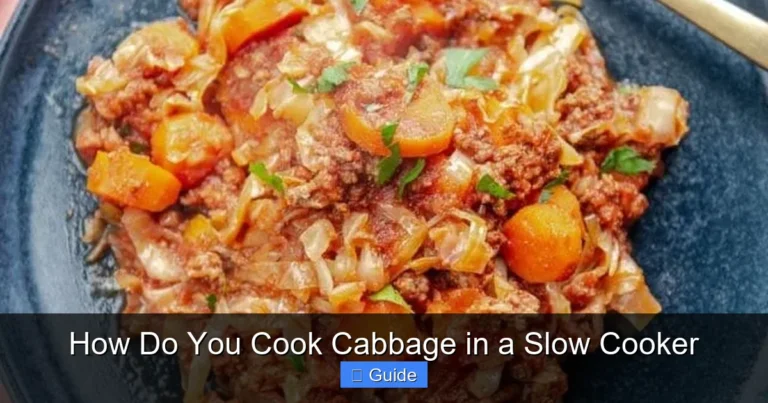
Visual guide about how to steam food in slow cooker
Image source: ichef.bbci.co.uk
Visual guide about how to steam food in slow cooker
Image source: ichef.bbci.co.uk
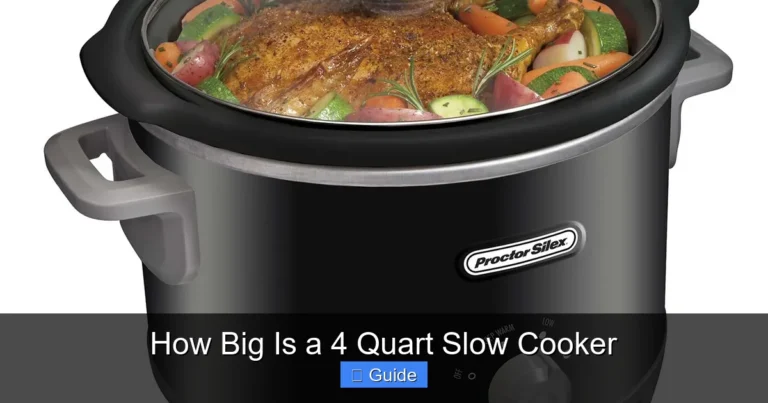
Visual guide about how to steam food in slow cooker
Image source: ichef.bbci.co.uk
- High Setting: The “High” setting will bring the water to a boil and generate steam much faster, resulting in quicker cooking times, similar to a stovetop steamer. This is often preferred for most vegetables and delicate seafood that cook relatively quickly.
- Low Setting: The “Low” setting will take longer to bring the water to a boil and create steam, but it provides a more gentle and prolonged steaming environment. This can be good for slightly denser foods or if you want a more hands-off approach for an extended period without worrying about the water evaporating too quickly.
Monitor Progress and Adjust Time
Cooking times will vary based on your slow cooker model, the setting (Low or High), the amount of water, and the type and density of the food. Here are some general guidelines for steaming in slow cooker on HIGH:
- Delicate Vegetables (e.g., asparagus, spinach): 15-25 minutes
- Medium-Firm Vegetables (e.g., broccoli, green beans, carrots): 20-35 minutes
- Denser Vegetables (e.g., potatoes, sweet potatoes): 45-90 minutes (cut into smaller pieces for faster cooking)
- Fish Fillets: 20-35 minutes (depending on thickness)
- Shrimp: 15-25 minutes
- Frozen Dumplings: 30-45 minutes
Start with the shorter end of the time range and check for doneness. Food is ready when it’s tender-crisp (for vegetables) or opaque and flaky (for fish).
Important: Avoid lifting the lid frequently! Each time you lift the lid, a significant amount of steam and heat escapes, which can add 15-20 minutes to your cooking time. Trust the process!
5. Serve and Enjoy
Once your food is perfectly steamed, carefully remove the lid, being mindful of the hot steam escaping. Use tongs or a spatula to transfer your healthy, tender food to a serving dish. Drizzle with a little olive oil, a sprinkle of fresh herbs, or a squeeze of lemon juice, and savor the naturally delicious flavors. Steaming food in slow cooker is a game-changer!
Tips for Perfect Slow Cooker Steaming
To ensure your slow cooker steaming efforts yield the best results every time, keep these tips in mind:
- Don’t Overfill the Water: Ensure the water level is below your trivet or rack. If the food touches the water, it will boil instead of steam.
- Use a Timer: Set a timer for the recommended cooking duration, especially since you shouldn’t lift the lid often to check.
- Flavor the Steaming Liquid: Add herbs, citrus slices, garlic, ginger, or even a splash of wine or broth to the water. This will infuse your food with subtle, aromatic flavors as it steams.
- Consider Parchment Paper: For very delicate items like fish fillets or dumplings, you can place them on a piece of parchment paper cut to fit your rack/plate. This prevents sticking and makes cleanup even easier.
- Check Water Levels for Long Steaming: If you’re steaming for an hour or more, it’s a good idea to quickly check the water level midway through. If it’s running low, carefully add a bit more hot water to avoid stopping the steaming process.
- Preheat (Optional): While not strictly necessary, allowing your slow cooker to heat up with water and trivet inside for 10-15 minutes on High before adding food can speed up the steaming process slightly.
Troubleshooting Common Issues
Even with simple slow cooker steaming, you might encounter a few hiccups. Here’s how to address them:
- Food Not Cooking Evenly: This often happens due to overcrowding or inconsistent food size. Ensure there’s space for steam circulation and cut food into uniform pieces. If some pieces are still hard, gently rearrange them and steam for a few more minutes.
- Food Becoming Soggy: Soggy food usually means it’s overcooked. Try reducing the steaming time, especially for delicate vegetables. Also, ensure the food is properly elevated and not sitting in the water. Remember, steaming should produce tender, not mushy, results.
- Running Out of Water: If your slow cooker runs dry, the steaming process stops, and the heating element can be damaged. Always start with enough water for the estimated cooking time (1-2 inches for most applications). For longer cooking, briefly check and add hot water if needed.
Conclusion
Who knew your slow cooker could be such a versatile kitchen workhorse? Learning how to steam food in slow cooker adds a fantastic, healthy, and incredibly convenient cooking method to your repertoire. From vibrant, tender vegetables to delicate, flaky fish and perfectly steamed dumplings, your slow cooker can handle it all with ease.
Embrace the gentle, hands-off approach of slow cooker steaming and enjoy nutrient-rich meals that are bursting with natural flavor. Experiment with different foods and seasonings, and you’ll quickly discover why this method is a hidden gem in the world of slow cooking. Happy steaming!

Jennifer D. Simon has spent the last 26 years studying and practicing nutrition science. She has used a larger part of this time in improving people’s livelihoods. She has done so by coming up with unquestionable ideas on how to tackle food problems in her community. Read More