Does Slow Cooker Evaporate Liquid The Truth Revealed
Many home cooks wonder, does slow cooker evaporate liquid? The truth is, slow cookers are designed to minimize evaporation due to their low heat and sealed environment. While some minimal liquid reduction can occur, it’s generally far less than conventional cooking methods. Understanding how your slow cooker works helps manage moisture for perfectly cooked, flavorful dishes every time.
Does Slow Cooker Evaporate Liquid The Truth Revealed
Ah, the slow cooker. It’s a kitchen marvel, isn’t it? The sheer joy of tossing ingredients into a pot in the morning and returning home to a fragrant, ready-to-eat meal is unparalleled. From hearty stews to tender pulled pork, this appliance simplifies cooking and transforms tough cuts of meat into fall-apart deliciousness. But as wonderful as slow cookers are, they often come with a common culinary conundrum that leaves many home cooks scratching their heads: what happens to the liquid?
It’s a question we hear all the time: does slow cooker evaporate liquid? Or, perhaps more accurately, “Why is my slow cooker meal so watery?” or “Did my slow cooker just drink all my broth?” There’s a persistent myth that slow cookers aggressively evaporate liquid, similar to how a pot simmers on the stovetop. This belief often leads to confusion, over-correcting recipes, and sometimes, less-than-perfect results. Today, we’re going to dive deep and uncover the truth behind slow cooker liquid dynamics, helping you master your appliance once and for all.
Let’s clear the air right now: the fundamental design and function of a slow cooker actually *minimize* liquid evaporation. Unlike conventional cooking methods where steam escapes freely, your slow cooker works hard to keep that moisture locked in. Understanding this core principle is the first step to truly harnessing the power of your slow cooker and ensuring your meals are consistently delicious, perfectly textured, and never unexpectedly dry or soupy.
Key Takeaways
- Minimal Evaporation is Normal: Slow cookers operate at low temperatures in a sealed environment, significantly reducing liquid evaporation compared to stovetop or oven cooking.
- Condensation Cycle is Key: The lid traps steam, which then condenses and falls back into the pot, maintaining moisture and flavor. This is why you often find *more* liquid than you started with!
- Factors Affecting Liquid Levels: While rare, a loose-fitting lid, frequent lid lifting, or recipes with high alcohol content can contribute to slight liquid reduction.
- Don’t Overfill: Filling your slow cooker too much can lead to bubbling under the lid and potential liquid loss, or cause your dish to be too watery.
- Adjust Recipes Accordingly: Standard recipes often need about 1/2 to 2/3 the amount of liquid when adapted for a slow cooker to prevent soupy results.
- The “No-Peeking” Rule: Lifting the lid releases heat and steam, extending cooking time and slightly increasing the chance of minimal evaporation.
- Solutions for Excess Liquid: If your dish ends up too watery, easily thicken it at the end with a cornstarch slurry or by simmering on the stovetop.
📑 Table of Contents
The Science Behind Slow Cooker Evaporation (or Lack Thereof)
To truly grasp whether a slow cooker evaporates liquid, we need to understand the basic science at play. Slow cookers operate differently from your oven or stovetop. They are designed for low-and-slow cooking, which inherently limits evaporation.
Low Temperature Cooking and Condensation
Think about how a slow cooker cooks: it uses gentle, consistent heat over an extended period. This low temperature prevents rapid boiling and vigorous steam production, which are the main culprits for liquid reduction in other cooking methods. Instead, the liquid inside heats up slowly, creating steam that rises.
But here’s the clever part: that steam doesn’t just vanish. The slow cooker’s lid, typically made of glass and designed to fit snugly, traps the steam. As the steam hits the cooler surface of the lid, it cools down, condenses back into water droplets, and then drips back into your food. This continuous cycle of evaporation and condensation is what keeps your meal moist and prevents significant liquid loss. It’s like a mini, self-basting environment, creating a humid chamber that tenderizes food without drying it out. This cycle is why you often find more liquid than you started with, especially when cooking foods that release a lot of their own moisture, like vegetables or certain cuts of meat. So, when people ask, “does slow cooker evaporate liquid?”, the answer is usually “very little, if at all.”
The Lid’s Role: Creating a Sealed Environment
The lid is perhaps the most crucial component in preventing evaporation in slow cookers. It’s not just a cover; it’s an integral part of the moisture retention system. A good slow cooker lid forms a relatively tight seal, trapping the steam and allowing the condensation cycle to work efficiently.
This sealed environment means that the air inside the slow cooker quickly becomes saturated with moisture. Once the air is saturated, further evaporation is significantly slowed down because there’s nowhere for the water molecules to go. They’re already bouncing around in a humid cloud. This contrasts sharply with an open pot on a stove, where steam can freely escape into the kitchen air, leading to rapid liquid reduction. This is a key reason why you usually need less liquid when adapting traditional recipes for the slow cooker, as the question “does slow cooker evaporate liquid” typically results in a “no, not really” answer.
Factors That Can Influence Liquid Levels
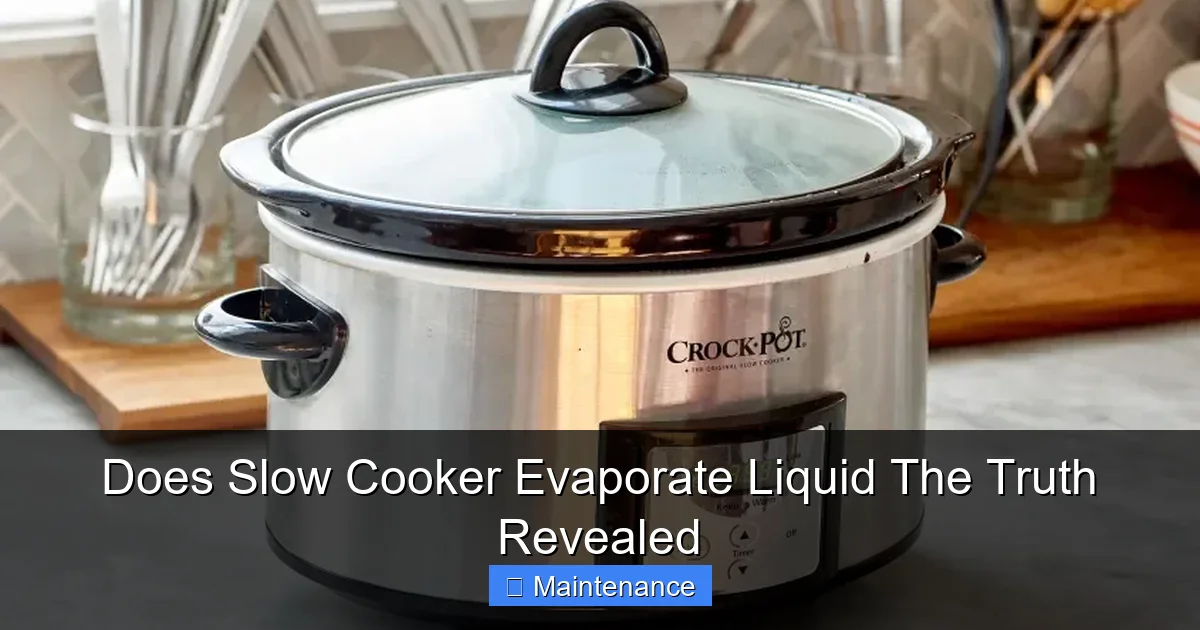
Visual guide about slow cooker evaporate liquid
Image source: cdn.apartmenttherapy.info
While the slow cooker is designed to minimize liquid evaporation, certain factors can still lead to slight reductions or, more commonly, an excess of liquid. It’s important to understand these nuances to achieve perfect consistency every time.
Loose-Fitting Lids and Gaps
Not all slow cooker lids are created equal. Some older models or certain designs might not have as tight a seal as others. If your lid has a noticeable gap or doesn’t fit snugly, some steam can escape. This escape reduces the efficiency of the condensation cycle, leading to a minimal but noticeable reduction in liquid. If you suspect this is happening, you can sometimes place a layer of aluminum foil between the slow cooker pot and the lid to create a tighter seal.
Opening the Lid Frequently
This is perhaps the most common mistake home cooks make. Every time you lift the lid to stir, check on your food, or just take a peek, you release a significant amount of heat and steam. This action breaks the humid seal and forces the slow cooker to work harder to build that temperature and humidity back up. Each lid lift can add 20-30 minutes to your cooking time and, more relevant to our topic, allows a burst of steam to escape, contributing to a slight loss of liquid. For optimal results and minimal evaporation, embrace the “no-peeking” rule.
Initial Ingredient Moisture Content
This factor doesn’t cause evaporation but directly impacts the final liquid volume. Many ingredients, especially vegetables like onions, celery, mushrooms, and even meats, release a lot of their own moisture as they cook. For example, a batch of chili packed with diced tomatoes and peppers will inherently produce more liquid than a simple pot roast with fewer high-moisture vegetables. This is why many slow cooker recipes call for significantly less added liquid than their stovetop counterparts. The question “does slow cooker evaporate liquid” often comes up when people see *more* liquid than they expected, not less!
Pot Size and Fill Level
The size of your slow cooker relative to the amount of food can also play a role. If your slow cooker is too large for the amount of food, there’s more empty space for steam to circulate before condensing, potentially leading to a slight increase in the time it takes for the condensation cycle to become fully efficient. Conversely, overfilling your slow cooker can lead to issues as well. If the liquid level is too high, it might bubble up and seep out from under the lid, creating a mess and causing some liquid loss. Aim to fill your slow cooker between half and two-thirds full for best results.
Recipe Specifics (e.g., Alcohol Content)
Recipes containing alcohol, such as wine or beer, might experience a slightly higher initial liquid reduction. Alcohol has a lower boiling point than water, meaning it will evaporate more readily at the slow cooker’s operating temperatures. While most of the alcohol flavor remains, a small amount of the liquid volume contributed by alcohol can escape before the condensation cycle fully takes over. However, this effect is usually minor and doesn’t significantly impact the overall liquid level compared to the total volume of ingredients.
When Too Much Liquid is a Problem (and How to Fix It)
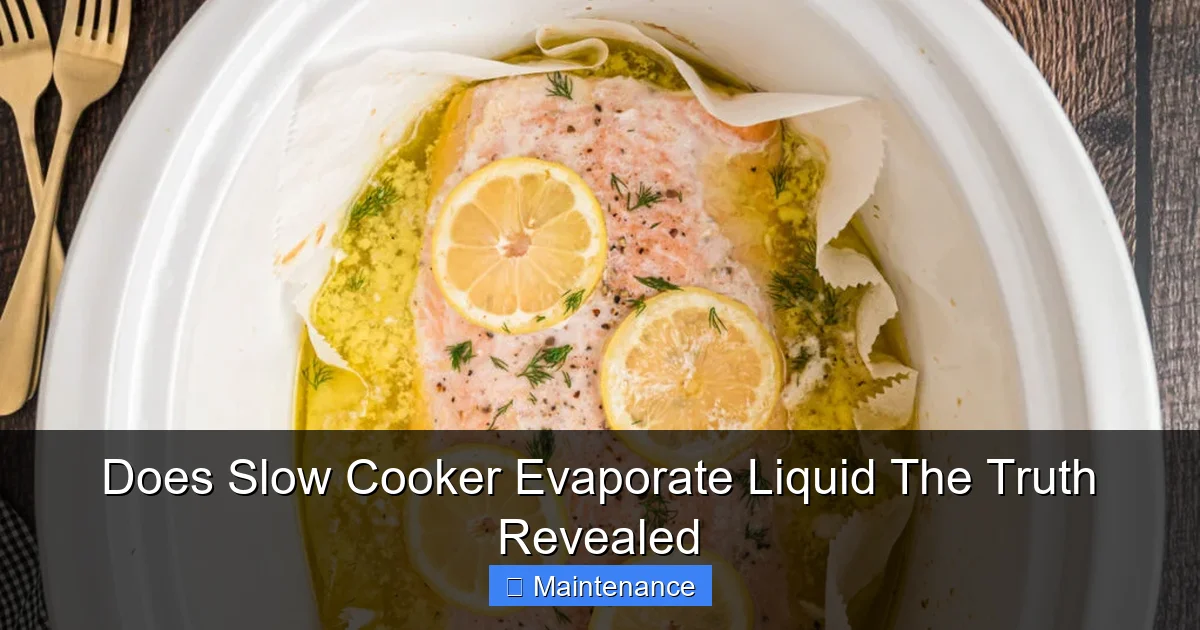
Visual guide about slow cooker evaporate liquid
Image source: themagicalslowcooker.com
Given that slow cookers are designed to *retain* moisture, the more common issue is not whether does slow cooker evaporate liquid, but rather ending up with too *much* liquid, resulting in a watery dish. Fear not, there are easy solutions!
Adjusting Recipes for Slow Cookers
The most crucial tip for managing liquid in a slow cooker is to adapt recipes from other cooking methods. As a general rule, when converting a stovetop or oven recipe to a slow cooker, reduce the amount of added liquid by about 1/2 to 2/3. For example, if a conventional recipe calls for 4 cups of broth, start with 1.5 to 2 cups in your slow cooker. Remember, your ingredients will contribute a lot of moisture, and the sealed environment won’t let much of it escape. This proactive adjustment prevents the watery outcome right from the start.
Thickening Sauces Post-Cooking
If you’ve followed a recipe and still find your slow cooker meal too soupy at the end, don’t despair! Thickening is simple:
- Cornstarch Slurry: The most popular method. In a small bowl, whisk together 1-2 tablespoons of cornstarch with an equal amount of cold water until smooth. Stir this slurry into your hot slow cooker liquid, turn the slow cooker to “High,” and let it cook for another 15-30 minutes, or until thickened to your liking.
- Flour Slurry: Similar to cornstarch, but use 2-3 tablespoons of all-purpose flour mixed with cold water. Flour takes a bit longer to thicken and needs to cook for a while to remove the raw flour taste.
- Reduce on the Stovetop: If you have a lot of excess liquid, carefully spoon out some of the broth into a saucepan. Bring it to a simmer on the stovetop and reduce it by half or more, then return the thickened liquid to the slow cooker.
- Add a Starchy Thickener: If your recipe allows, adding a mashed potato, some cooked rice, or a few breadcrumbs can help absorb excess liquid and thicken the sauce.
These methods are perfect for rescuing a watery slow cooker meal and ensuring your gravy or sauce is rich and flavorful.
Tips for Managing Liquid in Your Slow Cooker
Visual guide about slow cooker evaporate liquid
Image source: cyalcohol.com
Now that we’ve debunked the myth of significant evaporation and understood the factors at play, let’s look at some practical tips to always get your liquid levels just right. The core understanding that “does slow cooker evaporate liquid” is largely a “no” will guide all your cooking decisions.
Pre-Heating and Temperature Control
While not strictly about evaporation, pre-heating your slow cooker on high for 20-30 minutes before adding ingredients can help it reach cooking temperature more quickly. This consistent heat from the start ensures that the ingredients cook evenly and the condensation cycle establishes itself faster, preventing any initial, minor steam loss that might occur while the pot is slowly coming up to temperature.
The “No-Peeking” Rule
We mentioned it before, but it bears repeating: resist the urge to lift the lid! Every time you open it, you lose heat, moisture, and precious cooking time. Trust your slow cooker to do its job. If you absolutely must check, do it quickly and replace the lid immediately. This single tip is paramount to minimizing any liquid loss and maintaining consistent cooking.
Using Less Liquid from the Start
This is the golden rule for slow cooker recipes. Unless a recipe specifically designed for a slow cooker calls for a certain amount, always start with less liquid than you would for stovetop cooking. Meats and vegetables release a lot of their own juices, and these combined with your reduced initial liquid will usually be more than enough. When in doubt, it’s always easier to thicken a watery sauce than to add more liquid to a dish that has cooked down too much (which, again, is rare in a slow cooker).
Adding Thickeners Strategically
Sometimes, a recipe just calls for a thicker sauce. Instead of relying solely on post-cooking thickening, you can incorporate thickeners earlier. For instance, dredging meat in a bit of flour before browning it can help thicken the sauce as it cooks. You can also add a small amount of mashed potato flakes or rice at the beginning of the cooking process for a subtle thickening effect. However, be careful with adding cornstarch or flour slurries *at the beginning* of a long slow cook; they can sometimes break down or become gummy over extended periods. It’s usually best to add them towards the end.
Myths vs. Reality: Debunking Common Beliefs
Let’s address some of the persistent myths that often cloud the discussion around “does slow cooker evaporate liquid?” and the overall performance of these trusty appliances.
“My Slow Cooker Dries Out Food!”
This is a common complaint, but it’s almost never due to evaporation. If your slow cooker food is dry, it’s typically because:
- Overcooking: Leaving food in for too long, especially lean meats, can cause it to become dry and stringy. Even with plenty of liquid, the cellular structure breaks down too much.
- Not Enough Fat: Leaner cuts of meat inherently have less moisture and fat. To combat this, add a little extra fat (like a splash of oil or butter) or cook with a fattier cut.
- Wrong Cut of Meat: Slow cookers excel at breaking down tough, collagen-rich cuts. Using a very tender cut for a long slow cook can dry it out.
The slow cooker’s moist environment is designed to *prevent* dryness, so if your food is dry, look at cooking time, fat content, or the type of ingredient you’re using.
“I Need to Add Water Constantly.”
Absolutely not! This belief directly contradicts how a slow cooker operates. If you’re constantly adding water, you’re likely going to end up with an extremely bland, watery dish. The beauty of the slow cooker is its self-sufficient nature when it comes to moisture. The condensation cycle does all the work for you. Adding more water is only necessary if you’ve deliberately started with too little liquid and the dish genuinely needs more volume, which should be a rare occurrence if you follow the “less liquid from the start” rule. Remember, “does slow cooker evaporate liquid” answers with a resounding “no” under normal operation!
Conclusion
So, let’s revisit our initial question: does slow cooker evaporate liquid? The definitive answer is that slow cookers are incredibly efficient at *minimizing* liquid evaporation. Thanks to their low cooking temperatures and tightly fitting lids that promote a continuous condensation cycle, they are designed to retain moisture, often leading to meals that are more liquid-rich than expected.
Understanding this fundamental principle is key to successful slow cooking. You’re not battling aggressive evaporation; you’re managing moisture retention. By being mindful of initial liquid amounts, resisting the urge to lift the lid, and understanding that ingredients release their own juices, you can master your slow cooker and consistently produce perfectly moist, flavorful, and wonderfully tender meals. Embrace the truth: your slow cooker is a moisture-loving machine, and with these insights, you’re now equipped to create culinary magic every time you plug it in. Happy slow cooking!
Frequently Asked Questions
Does a slow cooker use up a lot of liquid?
No, quite the opposite! Slow cookers are designed to minimize liquid evaporation due to their low heat and tightly sealed lids. They create a humid environment where steam condenses and falls back into the food, leading to excellent moisture retention.
Why is my slow cooker meal so watery?
Your slow cooker meal is likely watery because you added too much initial liquid, or the ingredients themselves released a lot of moisture during cooking. Unlike stovetop cooking, slow cookers don’t allow much liquid to evaporate, so recipes often require significantly less added liquid.
Can I cook without adding any liquid to a slow cooker?
It depends on the ingredients. If you’re cooking high-moisture foods like chicken breasts, certain vegetables (onions, mushrooms), or fatty meats, they will release their own juices. However, for most recipes, especially those involving lean meats or grains, a small amount of liquid is usually needed to kickstart the cooking process and prevent burning.
Does leaving the lid off a slow cooker make liquid evaporate faster?
Yes, briefly. While you should generally keep the lid on, purposefully leaving it off for the last 30-60 minutes of cooking can help some excess liquid evaporate if your dish is too watery. However, this also causes significant heat loss and extends the cooking time.
How much liquid should I put in my slow cooker?
As a general rule for converting traditional recipes, reduce the liquid by 1/2 to 2/3 when adapting it for a slow cooker. Many ingredients will release their own moisture. For slow cooker-specific recipes, follow the directions, as they’ve already accounted for minimal evaporation.
Can I thicken a watery slow cooker meal?
Absolutely! The easiest way is to create a cornstarch or flour slurry (equal parts thickener and cold water), stir it into the hot liquid, and cook on high for 15-30 minutes until thickened. You can also spoon out some liquid and reduce it on the stovetop before returning it to the pot.

Jennifer D. Simon has spent the last 26 years studying and practicing nutrition science. She has used a larger part of this time in improving people’s livelihoods. She has done so by coming up with unquestionable ideas on how to tackle food problems in her community. Read More