
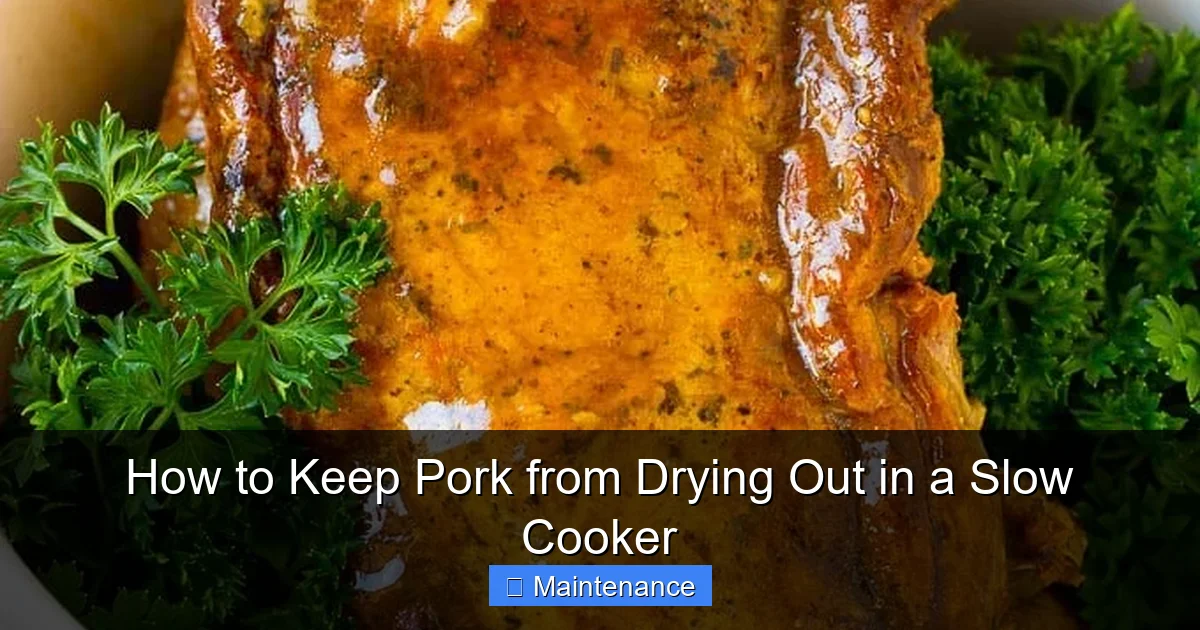
How to Keep Pork from Drying Out in a Slow Cooker
Achieving succulent, fall-apart pork in your slow cooker is easier than you think, even for beginners. The key is to choose the right cut of pork, manage your cooking liquids wisely, and resist the urge to peek during the low-and-slow cooking process. By following these simple steps, you can consistently keep pork from drying out, ensuring every meal is flavorful and tender.
How to Keep Pork from Drying Out in a Slow Cooker
Welcome to the wonderful world of slow cooking! There’s something incredibly satisfying about setting your meal in the morning and coming home to a delicious, ready-to-eat dinner. Slow cookers are perfect for achieving that coveted fall-apart tenderness in meats, especially pork. However, they can also be a double-edged sword. Many home cooks struggle with pork turning out dry, tough, and disappointing. But don’t worry! This comprehensive guide will walk you through every step, from choosing the right cut to post-cooking care, ensuring your pork is always juicy, flavorful, and incredibly moist. You’ll learn exactly how to keep pork from drying out in a slow cooker, transforming your slow-cooked pork dishes from good to absolutely amazing.
The Promise of Perfectly Tender Pork
Imagine fork-tender pulled pork for sandwiches, succulent pork roast for a hearty dinner, or juicy pork tacos bursting with flavor. With the right techniques, this can be your reality every time you use your slow cooker. We’ll cover everything you need to know to master the art of slow cooking pork and banish dry, bland results forever. Get ready to impress yourself and your family with incredibly tender and moist pork dishes!
Quick Answers to Common Questions
What if I only have a lean cut of pork?
If you only have a lean cut like pork tenderloin or boneless chops, it’s best to brine it first for 2-4 hours to help with moisture retention. Also, use a generous amount of liquid (enough to partially cover) and consider adding a tablespoon of oil or butter to the slow cooker for extra fat.
How can I make a thicker sauce from the slow cooker juices?
After removing the cooked pork, pour the cooking liquid into a saucepan. Bring it to a simmer, then whisk in a slurry made from equal parts cornstarch and cold water (start with 1 tablespoon of each). Simmer until thickened to your desired consistency.
Can I cook frozen pork in a slow cooker?
While technically possible, it’s generally not recommended for food safety reasons as the meat spends too long in the “danger zone.” Also, frozen meat releases more water, diluting flavors and making it harder to control the final texture. Always thaw pork completely before slow cooking for best results and safety.
Should I cut the pork before slow cooking?
For large cuts like pork shoulder, it’s often best to cook it whole or in very large chunks. This helps retain moisture. For smaller, denser cuts, cutting into 1-2 inch pieces can help them cook more evenly and absorb flavors more quickly, but be mindful not to overcook.
Is it possible to slow cook pork too long?
Yes, absolutely. While slow cookers are forgiving, leaving pork for an excessive amount of time (many hours past its done point) can still lead to dry, mushy, or stringy results as all the moisture is eventually cooked out and the fibers break down too much. Stick to the recommended cooking windows.
Understanding Why Pork Dries Out in a Slow Cooker
Before we dive into solutions, let’s understand the problem. Why does pork sometimes dry out in a slow cooker? It often comes down to a few key factors:
Leaner Cuts and Lack of Fat
Pork, like all meats, has different levels of fat. Leaner cuts contain less intramuscular fat (marbling) and external fat. While this might sound healthy, fat is crucial for moisture and flavor during slow cooking. Without enough fat, muscle fibers can seize up and become dry and stringy when cooked for extended periods.
Overcooking and Evaporation
Slow cookers excel at low-temperature, long-duration cooking. But “long duration” doesn’t mean indefinite. Even on a low setting, meat can become overcooked if left too long, especially if there isn’t enough moisture in the pot. The constant, gentle heat can gradually strip away the internal moisture, leading to dry results. Lifting the lid frequently also allows precious steam and heat to escape, prolonging cooking and contributing to dryness.
Choosing the Right Pork Cut for Slow Cooking
The journey to moist, tender pork begins at the butcher shop or grocery store. The cut of pork you choose is perhaps the most critical factor in preventing dryness.
Fat is Your Friend (for Slow Cooking)
When you’re trying to keep pork from drying out, fat is your best ally. Fat melts slowly during cooking, basting the meat from within, adding flavor, and keeping the muscle fibers moist and supple. Look for cuts with good marbling (streaks of fat running through the meat) and/or a decent layer of external fat.
Cuts to Embrace for Slow Cooking
- Pork Shoulder (Boston Butt or Picnic Roast): This is the king of slow-cooked pork. It’s well-marbled, has connective tissue that breaks down beautifully, and often has a fat cap. Perfect for pulled pork.
- Pork Belly: While often cured for bacon, fresh pork belly is incredibly fatty and yields meltingly tender results, great for rich, savory dishes.
- Pork Ribs (Country Style or Spare Ribs): These bone-in cuts have plenty of fat and connective tissue, making them ideal for fall-off-the-bone tender results.
- Pork Loin Roast (Bone-in with good marbling): While leaner than shoulder, a bone-in loin roast with visible marbling can work, provided you’re extra careful with moisture and cooking time. Avoid very lean, boneless loin roasts unless you are brining.
Cuts to Approach with Caution (or Avoid)
- Pork Tenderloin: This is the leanest cut of pork and cooks very quickly. It’s best suited for high-heat, short-duration cooking methods like grilling or roasting, not slow cooking. You’ll struggle to keep pork from drying out with tenderloin in a slow cooker.
- Boneless Pork Chops: Also very lean and prone to drying out quickly. While you *can* slow cook them, they require very careful monitoring and a generous amount of liquid.
Pre-Cooking Preparation Steps
Proper preparation sets the stage for success. These steps enhance flavor and contribute to moisture retention.
Searing for Flavor and Texture
Many people skip searing when using a slow cooker, but it’s a game-changer.
How to Sear:

Visual guide about how to Keep Pork From Drying Out in a Slow Cooker
Image source: down-ph.img.susercontent.com

Visual guide about how to Keep Pork From Drying Out in a Slow Cooker
Image source: midgetmomma.com
- Pat your pork dry with paper towels. Excess moisture prevents browning.
- Season generously with salt, pepper, and any other desired spices.
- Heat a heavy-bottomed skillet (cast iron works wonderfully) over medium-high heat with a tablespoon of high-smoke-point oil (like canola or vegetable oil).
- Sear the pork on all sides until a deep golden-brown crust forms. This usually takes 2-3 minutes per side. Don’t crowd the pan.
- Transfer the seared pork to your slow cooker.
Searing creates a rich, complex flavor (Maillard reaction) and a beautiful crust. While it doesn’t “seal in juices” as once believed, it adds a layer of flavor depth that enhances the final dish and makes the crust more appealing.
The Art of Trimming Fat
You want some fat, but not excessive amounts. Trim off any extremely thick, rubbery pieces of fat or silver skin that won’t render down. Leave a decent layer of fat (about 1/4 to 1/2 inch) on the exterior, especially on a pork shoulder. This fat will render, keeping the meat moist and adding flavor to the cooking liquid.
Seasoning and Marinating
Don’t be shy with seasoning! A well-seasoned piece of pork tastes much better.
- Dry Rubs: Apply a generous dry rub directly to the pork before searing. Salt, pepper, garlic powder, onion powder, paprika, and a touch of brown sugar are great starting points.
- Marinades: For extra flavor and tenderness, consider marinating your pork for a few hours or overnight. Acidic marinades (vinegar, citrus juice) can tenderize meat, but don’t over-marinate lean cuts as they can become mushy. Oil-based marinades add moisture.
Mastering Moisture in Your Slow Cooker
The slow cooker creates a moist environment, but adding the right amount and type of liquid is essential to keep pork from drying out.
The Role of Cooking Liquids
Liquids serve multiple purposes:
- They provide steam, which keeps the cooking environment humid.
- They prevent the bottom of the slow cooker from scorching.
- They create a delicious sauce or broth to serve with your pork.
Don’t Overdo the Liquid
A common mistake is completely submerging the pork in liquid. This can leach out flavor and result in a less concentrated sauce.
How Much Liquid? Aim for about 1/2 to 1 cup of liquid for a 3-4 pound cut of pork. The liquid should come up about 1/3 to 1/2 of the way up the sides of the meat. As the pork cooks, it will release its own juices, adding to the liquid volume.
Visual guide about how to Keep Pork From Drying Out in a Slow Cooker
Image source: dinneratthezoo.com
What Kinds of Liquids?
- Broth: Chicken, beef, or vegetable broth are excellent choices.
- Water: Simple and effective, especially if you have a flavorful rub or sauce.
- Beer or Wine: Adds depth and complexity (e.g., dark beer for a smoky flavor, white wine for a lighter taste).
- Cider: Apple cider pairs beautifully with pork.
- Sauces: BBQ sauce, soy sauce, teriyaki sauce, or tomato-based sauces can be used, often diluted with a bit of broth or water.
Adding Aromatic Vegetables
Onions, garlic, celery, and carrots not only add flavor to your liquid but also contribute moisture as they cook down. Placing a bed of these vegetables under your pork can help elevate it slightly out of the liquid, allowing for better heat distribution and preventing the bottom from getting too mushy while still benefiting from the steam.
Optimizing Slow Cooker Temperature and Time
The beauty of a slow cooker is its “set it and forget it” nature, but understanding temperature and timing is key to juicy results.
Low and Slow: The Golden Rule
Always opt for the “low” setting when possible. Cooking on “low” (typically around 170-200°F or 77-93°C) allows the connective tissues in tougher cuts of pork to break down slowly and thoroughly without drying out the muscle fibers. This results in incredibly tender, succulent meat. While “high” (typically 250-300°F or 121-149°C) cooks faster, it can be more aggressive and increase the risk of dry pork.
Know Your Target Temperatures
While slow cooking is more forgiving, an instant-read thermometer is your best friend.
- For pulled pork (pork shoulder/butt), you’re aiming for a much higher internal temperature than typical cooked pork. The collagen breaks down and melts into gelatin around 195-205°F (90-96°C). At this point, the pork will be incredibly tender and easy to shred.
- For sliced pork (like a pork loin roast), a safe cooked temperature is 145°F (63°C) for medium-rare, or up to 160°F (71°C) for well-done, followed by a rest. However, remember that slow cooking usually aims for higher temperatures for tenderness.
Monitor the pork closer to the end of the suggested cooking time to avoid overcooking and ensure you keep pork from drying out.
Resist the Urge to Peek!
This is perhaps the hardest rule to follow for eager cooks. Every time you lift the lid of your slow cooker, a significant amount of heat and moisture escapes. It takes your slow cooker about 20-30 minutes to recover that lost heat. This not only prolongs cooking time but also disrupts the consistent moist environment, making it harder to keep pork from drying out. Leave the lid on until the recommended cooking time is nearly up, or you’re ready to check for doneness.
Post-Cooking Care for Juicy Results
The cooking doesn’t stop when you turn off the slow cooker. What you do next can dramatically impact the final juiciness of your pork.
The Importance of Resting
Once your pork reaches its target temperature or is fork-tender, turn off the slow cooker.
How to Rest:
- You can leave the pork in the slow cooker with the lid on for 10-15 minutes.
- Alternatively, carefully transfer the pork to a cutting board, tent it loosely with foil, and let it rest for 10-15 minutes.
Resting allows the muscle fibers to relax and reabsorb the juices that have migrated to the center during cooking. Skipping this step means juices will rush out when you cut into the meat, leaving it dry.
Shredding or Slicing into Juices
This is a critical step to ensure every bite is succulent and flavorful. After resting, shred or slice the pork directly back into the cooking liquid in the slow cooker. The meat will soak up these flavorful juices, rehydrating and enhancing its taste and texture. If you plan to serve the pork with a different sauce (like BBQ sauce), you can drain some of the cooking liquid, then shred the pork into the remaining liquid before adding your chosen sauce.
Serving with Sauce
Always serve your slow-cooked pork with some of its delicious cooking liquid or a complementary sauce. This adds another layer of moisture and flavor, guaranteeing a delightful eating experience.
Troubleshooting Dry Pork
Even with the best intentions, sometimes things don’t go perfectly. Here’s what to do if your pork still seems a bit dry.
If Your Pork is Still Dry
- Shred and Add More Liquid: If you’ve already shredded the pork, immediately return it to the slow cooker (or a pot on the stove) and add extra liquid. This could be more broth, water, or a sauce. Let it sit on a warm setting for a bit to reabsorb.
- Embrace the Sauce: A very flavorful and moist sauce can rescue slightly dry pork. Think BBQ sauce, a rich gravy made from the pan drippings, or a flavorful salsa.
- Re-purpose: If it’s too dry to enjoy as a main dish, consider re-purposing it. Chop it finely and mix with plenty of sauce for tacos, burritos, or as a base for a hearty soup or chili. The added moisture from other ingredients can mask the dryness.
Advanced Tips for Extra Juicy Pork
Want to take your slow-cooked pork to the next level? Consider these advanced techniques.
Brining Your Pork
Brining involves soaking meat in a saltwater solution (sometimes with sugar and spices) before cooking.
Benefits of Brining:
- Moisture Retention: The salt helps muscle fibers absorb and retain more moisture, making the pork incredibly juicy and tender.
- Flavor Enhancement: Salt and other brining ingredients penetrate the meat, seasoning it from the inside out.
How to Brine: Dissolve 1/4 cup of salt (kosher or sea salt) and 1/4 cup of sugar (optional) per quart of water. Add aromatics like bay leaves, peppercorns, garlic, or herbs. Submerge your pork (especially leaner cuts or whole roasts) for 4-12 hours in the refrigerator. Rinse thoroughly before seasoning and slow cooking.
Using a Slow Cooker Liner
Slow cooker liners are convenient for easy cleanup, but they also help maintain a more consistent, humid environment. They create a barrier that can slightly reduce evaporation from the sides, contributing to a moister final product.
Adding Acidic Components
A touch of acidity can work wonders. A splash of apple cider vinegar, a squeeze of orange juice, or a dollop of mustard can help break down tough fibers, tenderize the meat, and add brightness to the flavor profile, all while helping to keep pork from drying out. Add these to your cooking liquid.
Conclusion
Cooking tender, juicy pork in your slow cooker is entirely achievable, and once you master these techniques, you’ll wonder why you ever settled for dry results. By carefully selecting your cut, preparing it properly, managing your liquids, and resisting the urge to peek, you’ll consistently create slow-cooked pork that is fall-apart tender and bursting with flavor. Remember, the goal is to create a consistently moist environment where the pork can gently cook until every fiber is succulent. Follow these steps, and you’ll successfully keep pork from drying out, making your slow cooker a true hero in your kitchen. Happy cooking!

Jennifer D. Simon has spent the last 26 years studying and practicing nutrition science. She has used a larger part of this time in improving people’s livelihoods. She has done so by coming up with unquestionable ideas on how to tackle food problems in her community. Read More