How Long Is Too Long for Slow Cooking Meat
Achieving perfectly tender, flavorful slow-cooked meat requires understanding ideal cooking times and avoiding overcooking. This guide will help you determine how long is too long for slow cooking meat, outlining key factors like meat type, cut, and slow cooker settings. You’ll learn how to prevent dry, mushy, or flavorless results, ensuring your dishes are consistently delicious and safe to eat.
How Long Is Too Long for Slow Cooking Meat
Slow cooking is a beloved culinary technique, celebrated for its ability to transform tough, inexpensive cuts of meat into incredibly tender, fall-apart masterpieces with minimal effort. Imagine coming home to the comforting aroma of a perfectly cooked pot roast or pulled pork, ready to be devoured. It’s a fantastic way to prepare meals, build flavors, and simplify your daily routine.
However, even with the forgiving nature of a slow cooker, there’s a fine line between perfectly tender and overcooked. Many home cooks wonder, “How long is too long for slow cooking meat?” This guide is designed to answer that question comprehensively, helping you understand the science, identify the signs, and master the art of slow cooking so you never have to suffer through dry, stringy, or mushy meat again. We’ll explore ideal cooking times, common pitfalls, and practical tips to ensure your slow-cooked dishes are always a resounding success.
Quick Answers to Common Questions
What happens if I slow cook meat for too long?
If you slow cook meat for too long, it can become either dry and stringy from excessive moisture loss or mushy and lose its desirable texture as collagen breaks down too much. The flavor might also become muted.
Can I leave slow-cooked meat on ‘warm’ overnight?
While some slow cookers switch to a ‘warm’ setting automatically, it’s generally not recommended to leave meat on ‘warm’ overnight (more than 2-4 hours) as it can continue to dry out the meat and potentially lead to food safety issues if the temperature drops too low for too long. Always aim to turn it off or refrigerate within a few hours of cooking.
How do I know if my slow-cooked meat is done without cutting it?
The best way is to use a meat thermometer; for shreddable cuts, aim for 190-205°F. You can also test for “fork-tenderness” – if a fork easily twists or pulls the meat apart with minimal resistance, it’s usually done.
Does adding more liquid prevent overcooking?
While some liquid is necessary, adding excessive liquid won’t necessarily prevent overcooking the meat itself. It might keep the *overall dish* from drying out, but the meat can still lose its internal moisture or become mushy. Follow recipe guidelines for liquid amounts.
Is it better to cook on HIGH or LOW for longer?
For tenderizing tough cuts, the LOW setting is generally preferred. It allows more time for collagen to break down into gelatin without drying out the muscle fibers as quickly as the HIGH setting might, leading to a more consistently tender and juicy result.
Understanding the Magic and the Mistake of Slow Cooking
Slow cooking works its magic by applying low heat over an extended period. This process is particularly effective for tougher cuts of meat because it allows connective tissues, primarily collagen, to slowly break down into gelatin. This transformation is what gives slow-cooked meats their characteristic tenderness and rich, silky mouthfeel. It also allows flavors to meld beautifully.
The Benefits of Slow Cooking
- Tenderizes Tough Cuts: Makes less expensive, tougher cuts incredibly tender.
- Flavor Development: Long cooking times allow flavors to deepen and meld.
- Convenience: “Set it and forget it” cooking, ideal for busy schedules.
- Even Cooking: Gentle, consistent heat cooks food uniformly.
When “Too Long” Becomes a Problem
While slow cooking is forgiving, there comes a point where even this gentle process can go awry. If meat cooks for too long, several undesirable things can happen:
- Dryness: Muscle fibers release too much moisture, leaving the meat tough and dry, despite being “tender.”
- Mushed Texture: Connective tissue can break down excessively, causing the meat to become overly soft, losing its pleasant chew.
- Flavor Loss: Prolonged exposure to heat can cause delicate flavors to dissipate, leaving a bland taste.
- Nutrient Degradation: Some vitamins can be lost with excessive cooking.
The key to perfect slow-cooked meat is to hit that sweet spot where the collagen has fully broken down, but the muscle fibers still retain enough moisture and structure to be juicy and shreddable, not desiccated or mushy.
Determining Ideal Slow Cooking Times by Meat Type and Cut
Visual guide about how to How Long Is Too Long for Slow Cooking Meat
Image source: timechart.net
The question of “how long is too long for slow cooking meat” doesn’t have a single answer. It largely depends on the type and cut of meat you’re using. Different meats have varying amounts of connective tissue and fat, which influence their ideal cooking duration.
Beef
- Chuck Roast (Pot Roast): A classic slow cooking cut.
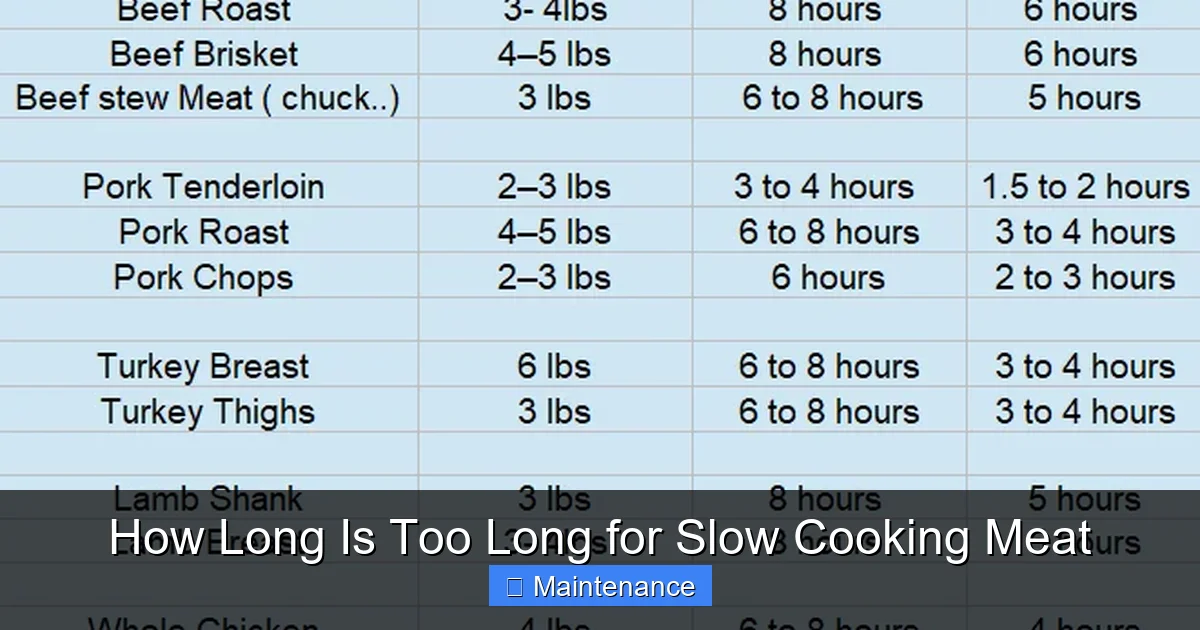
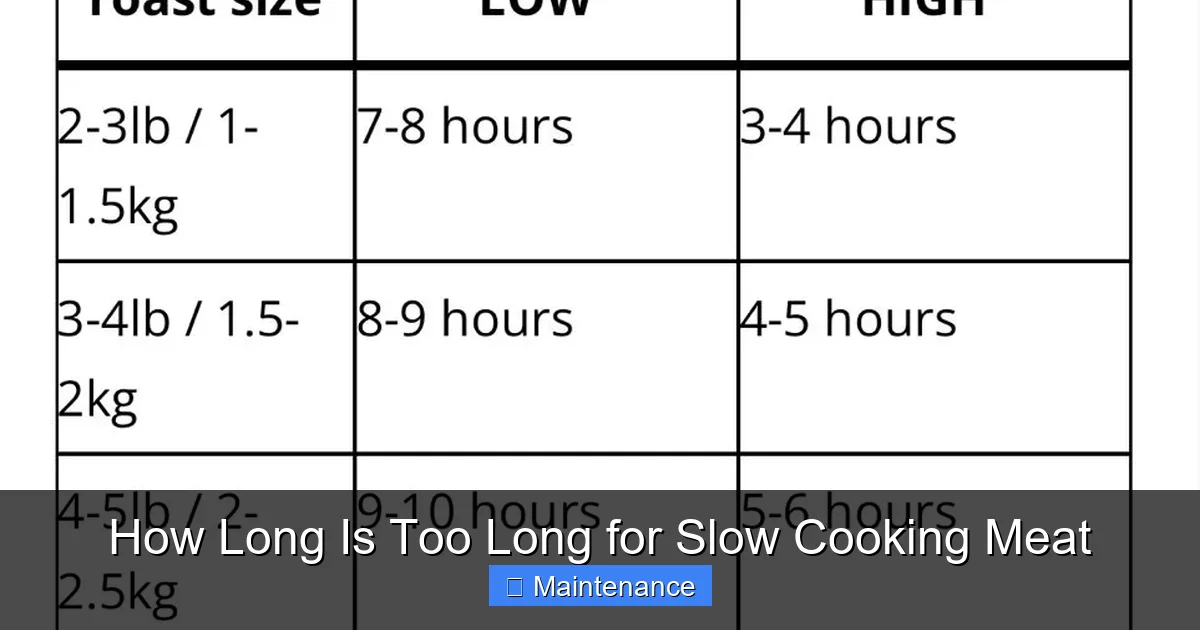
- Ideal Time: 6-8 hours on LOW, 3-4 hours on HIGH.
- Too Long: More than 10-12 hours on LOW or 5-6 hours on HIGH can lead to dryness and a mushy texture.
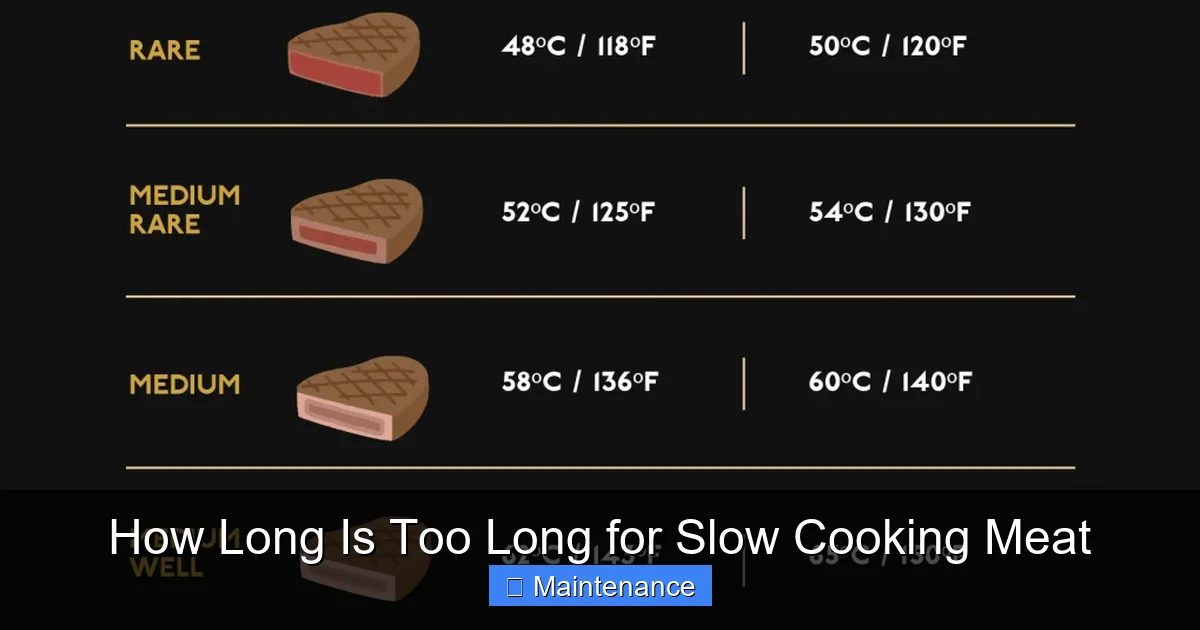
- Signs of Doneness: Fork-tender, easily shreddable. Internal temperature around 190-205°F (88-96°C) for shredding.
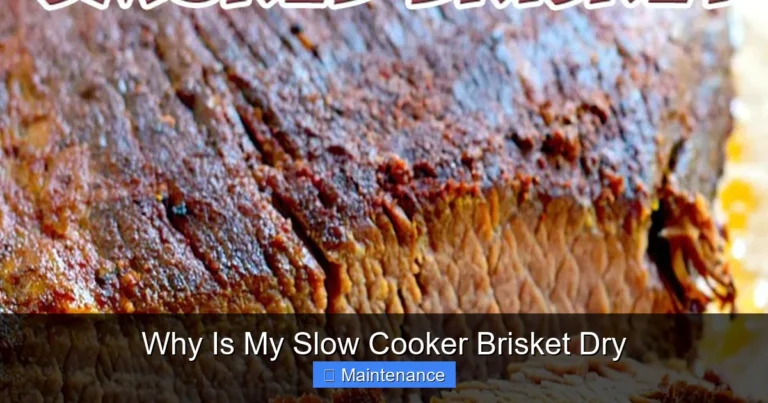
- Brisket: Another tough cut that excels in a slow cooker.
- Ideal Time: 8-10 hours on LOW, 4-5 hours on HIGH.
- Too Long: Beyond 12 hours on LOW or 6 hours on HIGH.
- Short Ribs: Rich and flavorful.
- Ideal Time: 7-9 hours on LOW, 3.5-4.5 hours on HIGH.
- Too Long: Over 10-11 hours on LOW.
Pork
- Pork Shoulder (Boston Butt/Pork Butt): Perfect for pulled pork.
- Ideal Time: 6-8 hours on LOW, 3-4 hours on HIGH.
- Too Long: More than 10-12 hours on LOW or 5-6 hours on HIGH.
- Signs of Doneness: Easily pulls apart with a fork. Internal temperature around 195-205°F (90-96°C) for shredding.
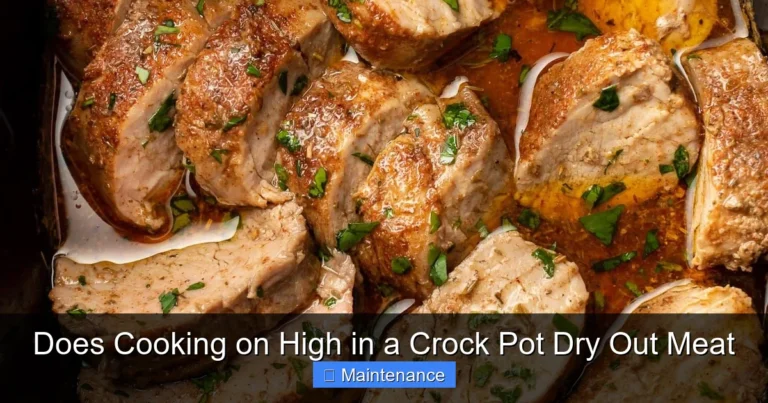
- Pork Loin/Tenderloin: These are leaner cuts and require less cooking.
- Ideal Time: 2-4 hours on LOW, 1.5-2.5 hours on HIGH.
- Too Long: Over 4-5 hours on LOW or 3 hours on HIGH will result in very dry, tough meat.
- Signs of Doneness: Internal temperature of 145°F (63°C) for tenderness (though slow cooking often pushes it higher for shredding).
Chicken
- Whole Chicken:
- Ideal Time: 3-4 hours on LOW, 2-3 hours on HIGH.
- Too Long: Over 5-6 hours on LOW or 3.5-4 hours on HIGH can make it extremely dry and stringy.
- Signs of Doneness: Internal temperature of 165°F (74°C). Meat easily pulls from the bone.
- Chicken Thighs/Drumsticks: Dark meat is more forgiving than breast meat.
- Ideal Time: 3-4 hours on LOW, 2-3 hours on HIGH.
- Too Long: Beyond 5 hours on LOW or 3 hours on HIGH.
- Chicken Breasts: Very lean and prone to drying out.
- Ideal Time: 2-3 hours on LOW, 1.5-2 hours on HIGH.
- Too Long: Even a little over these times can result in extremely dry, stringy chicken. This is the cut where “how long is too long for slow cooking meat” is most critical.
Always remember that these are general guidelines. Your slow cooker’s actual temperature and your specific recipe will influence cooking times.
Signs of Perfectly Cooked Slow-Cooked Meat
Visual guide about how to How Long Is Too Long for Slow Cooking Meat
Image source: thelittleshine.com
Knowing when your meat is just right is crucial. Here’s what to look for:
- Fork-Tender: For cuts meant to be shredded (like pot roast or pulled pork), a fork should easily twist or pull the meat apart with minimal resistance.
- Juicy: The meat should feel moist and release some juices when pressed, not be dry and crumbly.
- Fall-Off-The-Bone: For cuts like ribs or chicken, the meat should separate easily from the bone.
- Flavorful: The meat should have absorbed the flavors of your braising liquid and seasonings.
- Texture: It should have a pleasant texture – not tough, but not so soft that it’s mushy or indistinct.
Using a meat thermometer is always a good idea, even with slow cooking. For shreddable meats like pork shoulder or beef chuck, you’re often aiming for a higher temperature than typical doneness (e.g., 190-205°F) because that’s when the collagen has fully broken down. For poultry, 165°F is the minimum safe temperature, but it might go higher in a slow cooker, which is fine for dark meat.
The Dangers of Overcooking: What Happens and Why
Visual guide about how to How Long Is Too Long for Slow Cooking Meat
Image source: i.pinimg.com
Understanding “how long is too long for slow cooking meat” also means recognizing what happens internally during overcooking.
Why Does Meat Get Dry if It’s Sitting in Liquid?
It seems counterintuitive, doesn’t it? Meat cooking in a pot of liquid should stay moist. However, moisture loss in slow cooking is primarily due to the muscle fibers contracting and squeezing out their internal moisture. While collagen breaking down adds some moisture (gelatin), prolonged heat causes the muscle proteins to tighten up too much. Think of it like wringing out a sponge; the longer it’s heated, the more moisture is expelled.
Visual and Textural Cues of Overcooked Meat
- Visually: Overcooked meat often looks pale or washed out. It might appear stringy even before you touch it.
- Texturally:
- Dry and Crumbly: When you try to shred or cut it, it falls apart into dry strands, lacking any juicy sheen.
- Mushy: In some cases, especially with very lean cuts or if cooked in too much acidic liquid, the proteins can break down so much that the meat becomes unpleasantly mushy, losing all structure.
- Rubbery: Lean meats like chicken breast or pork loin can become tough and rubbery if overcooked, despite being “tenderized.”
- Flavor: The flavor will be muted or bland, as the natural meat flavors have cooked out or been overshadowed by over-reduction of the cooking liquid.
Factors Affecting Slow Cooking Time
Several variables can influence how long your meat needs to cook and, consequently, how long is too long for slow cooking meat.
1. Size and Thickness of the Meat
A larger, thicker cut of meat will naturally take longer to cook through than a smaller, thinner one. Always adjust your cooking time based on the actual size of the piece of meat you’re using. If you cut a large chuck roast into smaller chunks, it will cook faster.
2. Type of Slow Cooker
Not all slow cookers are created equal. Older models might cook at lower temperatures, while newer ones, especially those with “keep warm” functions, can run hotter. Some models also have hotspots. Get to know your specific appliance. A good rule of thumb is to check your dish an hour or two before the minimum recommended cooking time.
3. Temperature Setting (LOW vs. HIGH)
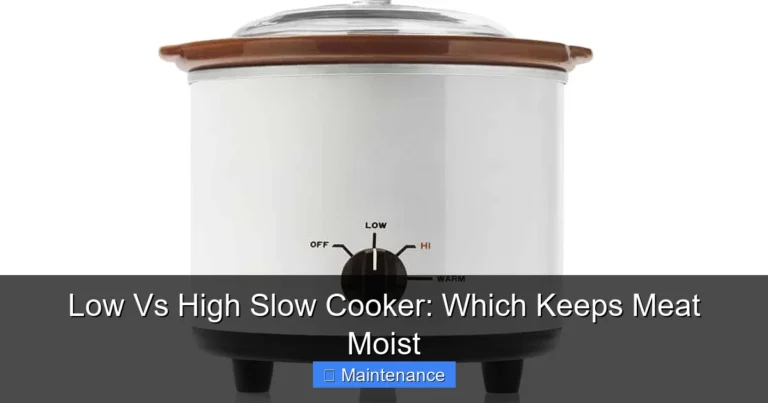
The difference between LOW and HIGH isn’t just double the time; it’s a difference in temperature.
- LOW Setting: Typically around 200°F (93°C). This is generally preferred for tenderizing tough cuts as it allows more time for collagen breakdown before the muscle fibers become too dry.
- HIGH Setting: Typically around 300°F (149°C). This cooks faster but can be riskier for dryness, especially with leaner meats.
As a general rule, 1 hour on HIGH is roughly equivalent to 2 hours on LOW.
4. Amount of Liquid in the Pot
While you need some liquid for slow cooking, don’t drown your meat. Too much liquid can stew the meat rather than braise it, leading to a less concentrated flavor and a potentially mushier texture. Aim for the liquid to come about one-third to halfway up the meat, unless the recipe specifies otherwise. The slow cooker’s lid traps condensation, which adds to the liquid.
5. Frequency of Lid Lifting
Every time you lift the lid, the temperature inside the slow cooker drops significantly. It can take 15-20 minutes for the temperature to recover. This prolongs the cooking time and can affect the final texture. Try to resist the urge to peek unless absolutely necessary.
6. Initial Temperature of the Meat
Starting with frozen meat will significantly increase cooking time. Always thaw meat completely before slow cooking for safety and even cooking. Cold meat from the fridge will also take a little longer than meat that’s been brought to room temperature, though for slow cooking, this difference is less critical than for other cooking methods.
Preventing Overcooking: Tips for Success
Now that you know how long is too long for slow cooking meat and what influences it, here are some practical tips to ensure perfect results every time.
1. Choose the Right Cut of Meat
For long cooking times, opt for cuts rich in connective tissue and fat, like beef chuck, pork shoulder, short ribs, or lamb shank. Leaner meats like chicken breast or pork loin are best cooked for shorter durations or used in recipes that specifically accommodate their tenderness.
2. Follow Reliable Recipes
Start with well-tested recipes from reputable sources. These usually account for typical slow cooker performance and provide accurate timing ranges. Always treat recipe times as guidelines, though, and adjust based on your specific slow cooker and the actual size of your meat.
3. Use a Timer and Check for Doneness
Set a timer for the *minimum* recommended cooking time in your recipe. When the timer goes off, check the meat for tenderness using a fork. Don’t just blindly follow the maximum time. If it’s not quite ready, give it another 30-60 minutes and check again.
4. Resist the Urge to Peek
As mentioned, lifting the lid prolongs cooking time. Keep the lid on tight to maintain a consistent temperature and moisture level.
5. Add Delicate Ingredients Later
Vegetables that cook quickly (like peas or corn) or fresh herbs should be added in the last 30-60 minutes of cooking to prevent them from becoming mushy or losing their flavor.
6. Consider an Appliance Timer
If you have a slow cooker with a programmable timer, you can set it to switch to a “warm” setting after a certain period. This can prevent overcooking if you’re not home to turn it off manually. However, prolonged time on “warm” can also eventually dry out meat, so it’s not a perfect solution for extremely long absences.
7. Brown Your Meat First (Optional, but Recommended)
While not strictly necessary for tenderness, browning meat in a skillet before adding it to the slow cooker adds a layer of rich flavor and color (Maillard reaction) that you won’t get from just simmering. This also sears the exterior, which can help retain some juices.
Troubleshooting Overcooked Meat
So, you’ve asked “how long is too long for slow cooking meat” but still ended up with meat that’s a bit too dry or mushy. Don’t despair! You can often salvage it.
If the Meat is Dry or Stringy:
- Shred It: If it’s a shreddable cut, shred it completely.
- Add More Liquid/Sauce: Toss the shredded meat with extra broth, BBQ sauce, gravy, or the remaining cooking liquid.
- Repurpose Creatively: Use it in dishes where moisture isn’t the primary focus. Think tacos, enchiladas, burritos, sloppy joes, shepherd’s pie, or soup. The added ingredients and sauces in these dishes will help mask the dryness.
If the Meat is Mushy:
- Incorporate into Soups/Stews: Blend it partially into a hearty soup or stew for a thicker texture, where its mushiness will be less noticeable.
- Puree for Fillings: If it’s very mushy, you could even puree it slightly and use it as a base for meat fillings in empanadas or turnovers, mixed with other ingredients for texture.
The key is to embrace its new texture and integrate it into a dish that benefits from it, rather than trying to serve it as a standalone piece of meat.
Food Safety Considerations
While slow cooking is generally safe, it’s vital to follow basic food safety rules to prevent bacterial growth.
- Thaw Meat Completely: Never put frozen meat directly into a slow cooker unless the recipe specifically accounts for it and the slow cooker manufacturer provides guidance. Frozen meat can take too long to reach a safe temperature, spending too much time in the “danger zone” (40-140°F or 5-60°C) where bacteria multiply rapidly.
- Minimum Temperatures: Ensure your slow cooker maintains a temperature above 140°F (60°C) consistently. Most slow cookers are designed to do this.
- Don’t Reheat in the Slow Cooker: Slow cookers are not designed for reheating food. Reheat leftovers on the stovetop or in the microwave until they reach 165°F (74°C).
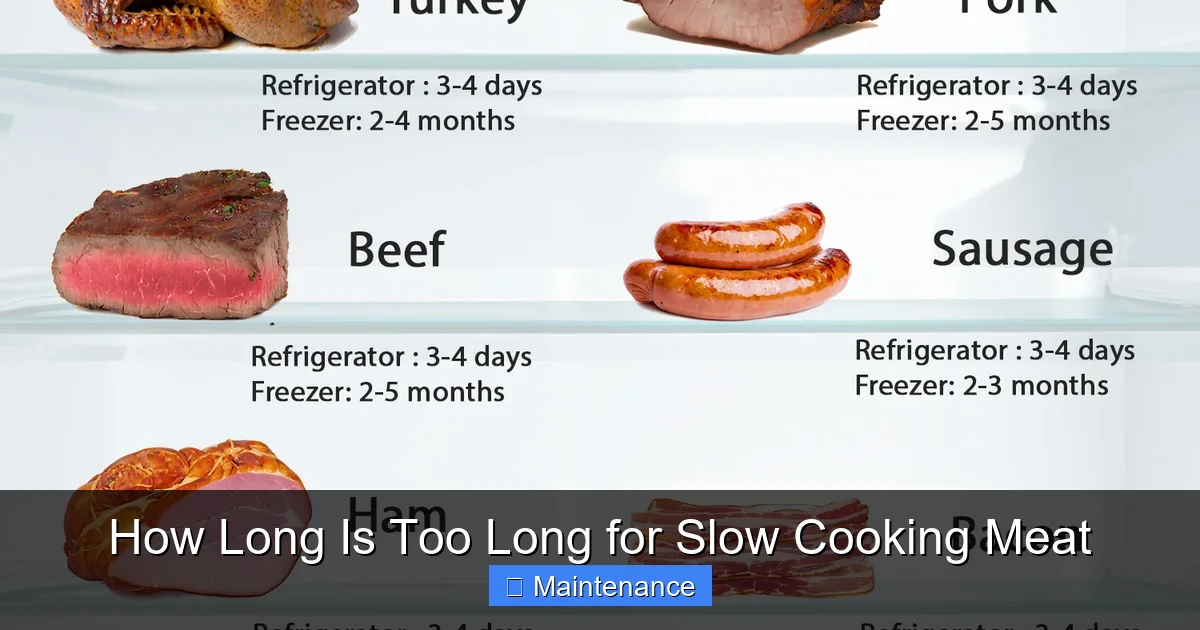
- Proper Storage: Refrigerate leftovers within two hours of cooking. Store in shallow containers to cool quickly.
Conclusion
Mastering slow cooking means understanding the delicate balance between time, temperature, and the specific cut of meat. By asking yourself “how long is too long for slow cooking meat” and actively considering the factors that influence cooking times, you can consistently achieve incredibly tender, juicy, and flavorful results. Remember to use reliable recipes, listen to your slow cooker, and most importantly, trust your senses – the sight, smell, and feel of the meat will tell you when it’s just right. With these tips in mind, you’re well on your way to becoming a slow-cooking pro, delighting your family and friends with perfectly prepared, melt-in-your-mouth dishes every time. Happy slow cooking!

Jennifer D. Simon has spent the last 26 years studying and practicing nutrition science. She has used a larger part of this time in improving people’s livelihoods. She has done so by coming up with unquestionable ideas on how to tackle food problems in her community. Read More