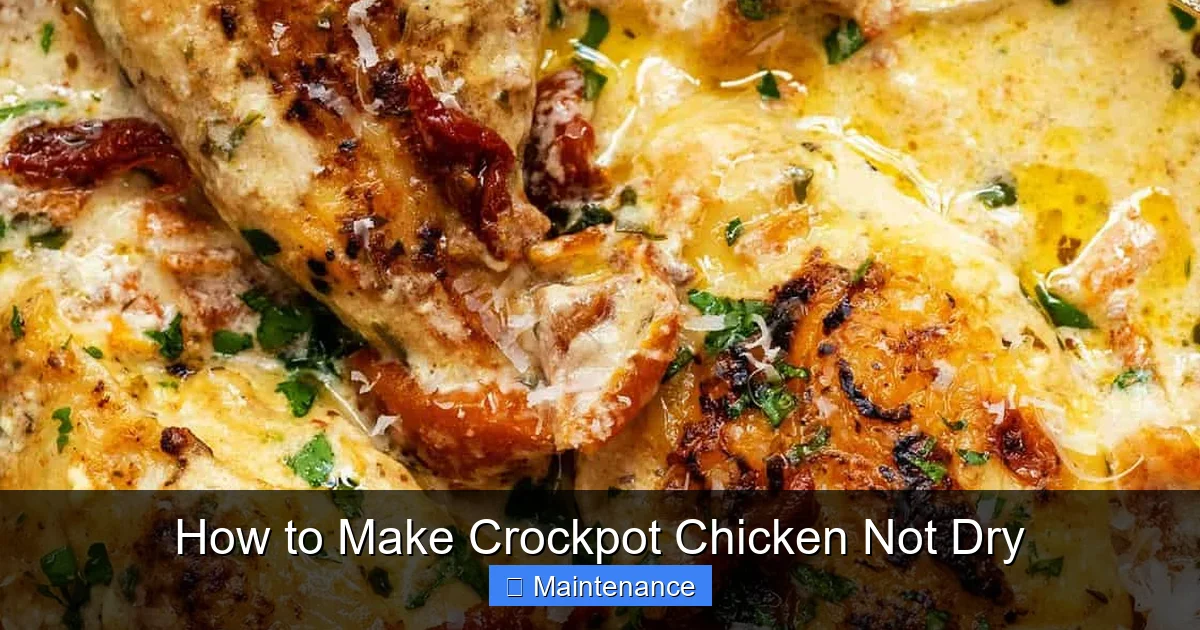
How to Make Crockpot Chicken Not Dry
Are you tired of dry, bland crockpot chicken? This comprehensive guide will show you how to ensure your chicken stays tender and moist, packed with flavor, every single time. Discover essential tips for choosing the right cuts, mastering liquid ratios, and perfect cooking techniques to consistently make crockpot chicken not dry and utterly delicious. Say goodbye to tough, stringy chicken and hello to succulent meals!
How to Make Crockpot Chicken Not Dry
There’s nothing quite like the convenience of a crockpot. You toss in your ingredients in the morning, set it, and forget it, only to return home to a delicious, hot meal. It’s a lifesaver for busy weeknights and a fantastic way to prepare tender, flavorful dishes with minimal effort. But let’s be honest, there’s one common pitfall that plagues many crockpot cooks: dry chicken. You eagerly pull out your chicken, expecting juicy, shreddable perfection, only to find tough, stringy, and utterly disappointing meat. It’s a frustration we’ve all faced!
But what if I told you that dry crockpot chicken doesn’t have to be your destiny? What if you could consistently achieve succulent, moist, and incredibly flavorful chicken every single time? You absolutely can! This comprehensive guide is dedicated to solving that very problem. We’re going to walk you through all the secrets and techniques to ensure your crockpot chicken is always tender, juicy, and never, ever dry again.
We’ll cover everything from choosing the right cut of chicken and understanding the magic of proper liquid ratios to mastering cook times and incorporating essential ingredients that lock in moisture and flavor. By the end of this guide, you’ll be a crockpot chicken expert, ready to impress your family and friends with perfectly cooked, melt-in-your-mouth meals. So, let’s dive in and transform your crockpot chicken game forever!
Quick Answers to Common Questions
Tip: Always Use a Meat Thermometer!
This is your ultimate secret weapon against dry chicken. Cook chicken to exactly 165°F (74°C) for perfect doneness. Don’t guess – measure!
Tip: Bone-In, Skin-On for Maximum Forgiveness
If you’re unsure or prone to overcooking, opt for bone-in, skin-on chicken thighs or breasts. The bone and fat provide insulation and moisture, making them much harder to dry out.
Tip: Don’t Lift the Lid Too Often
Every time you peek, you let out heat and steam, which are essential for keeping chicken moist. Resist the urge to check on your chicken more than absolutely necessary.
Tip: Acid Can Aid Tenderness and Moisture
A splash of lemon juice, lime juice, or vinegar (like apple cider vinegar) in your cooking liquid can help break down tough fibers and keep chicken tender. Just don’t overdo it!
Tip: Return Shredded Chicken to Juices
Once your chicken is shredded, stir it back into the flavorful cooking liquid in the crockpot. It will reabsorb moisture and soak up even more deliciousness, guaranteeing your crockpot chicken not dry.
Understanding Why Crockpot Chicken Dries Out
Before we get to the solutions, it helps to understand the problem. Why does chicken, especially white meat like chicken breast, tend to dry out in a slow cooker?
Chicken, particularly boneless, skinless chicken breast, is very lean. It contains less fat and connective tissue than dark meat (thighs, drumsticks). When cooked for extended periods, as is typical in a crockpot, the muscle fibers contract and squeeze out moisture. If there isn’t enough external moisture to compensate, or if it cooks for too long past its optimal temperature, it becomes tough, stringy, and yes, very dry. The constant, low heat can sometimes be *too* slow and gradual, leading to moisture loss over time if not managed correctly. Our goal is to create an environment where the chicken can cook thoroughly without sacrificing its natural juiciness, making sure your crockpot chicken not dry is the result.
Step-by-Step Guide to Making Crockpot Chicken Not Dry
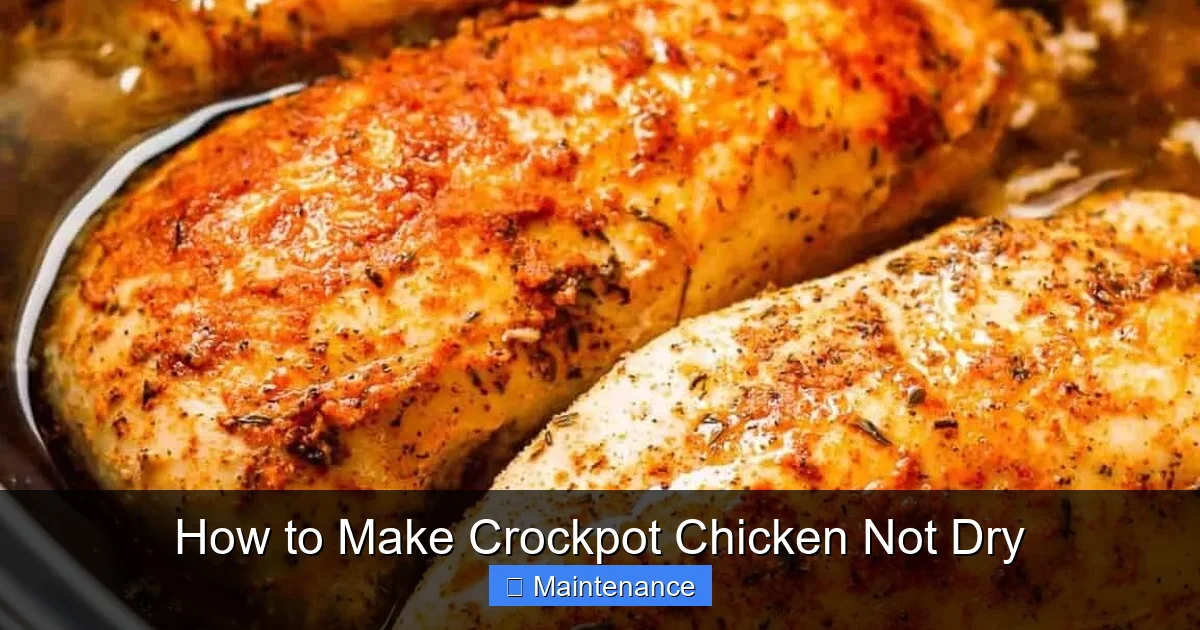
Visual guide about how to Make Crockpot Chicken Not Dry
Image source: thecookierookie.com
1. Choose Your Chicken Wisely
The type of chicken you select is one of the most critical factors in preventing dryness. Not all chicken cuts are created equal, especially when it comes to slow cooking.
H3 Choose Dark Meat for Forgiveness
If you’re truly worried about dry chicken, dark meat is your best friend. Chicken thighs and drumsticks have more fat and connective tissue, which break down during long cooking times, resulting in incredibly tender and moist meat. They are far more forgiving than breasts if slightly overcooked.
- Chicken Thighs: Bone-in, skin-on thighs are king for flavor and moisture. The bone helps conduct heat evenly, and the skin renders fat, basting the meat as it cooks. Boneless, skinless thighs are also an excellent choice and still much more forgiving than breasts.
- Chicken Drumsticks: Similar to thighs, drumsticks offer great flavor and moisture, perfect for shredding or serving whole.
H3 If Using White Meat, Be Strategic
If your recipe or preference calls for chicken breast, don’t despair! You can still make crockpot chicken not dry, but you’ll need to be more mindful of other techniques.
- Bone-In, Skin-On Breasts: These are preferable over boneless, skinless breasts. The bone and skin provide insulation and fat, helping to keep the meat moist.
- Boneless, Skinless Breasts: If you must use these, remember they are the most prone to drying out. You’ll need to be extra vigilant with liquid, fats, and cook time. Cutting them into larger pieces can also help prevent them from overcooking too quickly.
2. The Power of Liquid: Your Moisture Guardian
The crockpot works by creating a moist, steamy environment that gently cooks food. Therefore, having enough liquid is paramount to ensure your crockpot chicken not dry.
H3 Don’t Drown, Just Hydrate
You don’t need to completely submerge the chicken, but you do need a decent amount of liquid at the bottom of the crockpot. This liquid creates steam, which keeps the chicken moist.
- Broth is Best: Chicken broth, vegetable broth, or even plain water are excellent bases. Aim for about 1/2 to 1 cup of liquid for 2-3 pounds of chicken, depending on other ingredients.
- Sauces and Juices: Many recipes call for sauces like salsa, tomato sauce, barbecue sauce, or cream of mushroom soup. These not only add flavor but also contribute significantly to the liquid content. The thicker the sauce, the more moisture it will provide.
- Natural Juices: Don’t forget that ingredients like onions, peppers, and mushrooms release their own juices as they cook, adding to the overall moisture.
H3 Strategic Placement
Place moisture-rich ingredients, like onions or celery, at the bottom of the crockpot before adding the chicken. This creates a bed that the chicken rests on, allowing it to soak up more flavor and moisture.
3. Add Fats for Tenderness and Flavor
Fat is flavor, and fat is moisture. Even if you’re using lean chicken breasts, a little added fat can go a long way in keeping your crockpot chicken not dry.
H3 Butter or Olive Oil
A tablespoon or two of butter or olive oil drizzled over the chicken or mixed into the liquid can make a huge difference. These fats will render and coat the chicken, preventing it from drying out.
- Compound Butter: Consider mixing herbs and spices into softened butter, then rubbing it all over your chicken before slow cooking. This adds both flavor and moisture.
H3 Cream or Cheese
If your recipe allows, adding a touch of heavy cream, cream cheese, or grated cheese towards the end of cooking can create a wonderfully rich and moist sauce that envelops the chicken.
4. Don’t Forget Your Veggies
Beyond just adding flavor, many vegetables release moisture as they cook, acting as natural basting agents for your chicken.
H3 Layer Wisely
Place root vegetables like carrots, potatoes, or sweet potatoes at the bottom. Onions, celery, and bell peppers can go on top of or around the chicken. As they soften, they release their liquids, adding to the steamy, moist environment. This simple step helps ensure your crockpot chicken not dry.
5. Pre-Searing for Flavor and a Bit of a Moisture Seal
While not strictly necessary for every recipe, pre-searing chicken before adding it to the crockpot can significantly enhance flavor and *help* with moisture retention, especially for white meat.
H3 Quick Sear for Skin and Flavor
Heat a tablespoon of oil in a skillet over medium-high heat. Sear chicken pieces for 2-3 minutes per side until lightly browned. This step creates a delicious crust and caramelizes the chicken’s exterior, locking in some juices and adding a depth of flavor you won’t get from simply slow cooking. It’s an extra step, but many cooks swear by it for superior results and to make crockpot chicken not dry.
6. Cook Low and Slow (But Not Too Long!)
This is where many people go wrong. The phrase “set it and forget it” can lead to overcooked, dry chicken if you truly forget about it for too long.
H3 Master the Cook Time
Slow cookers are designed for long, gentle cooking, but even “slow” can be too long for delicate meats like chicken breast.
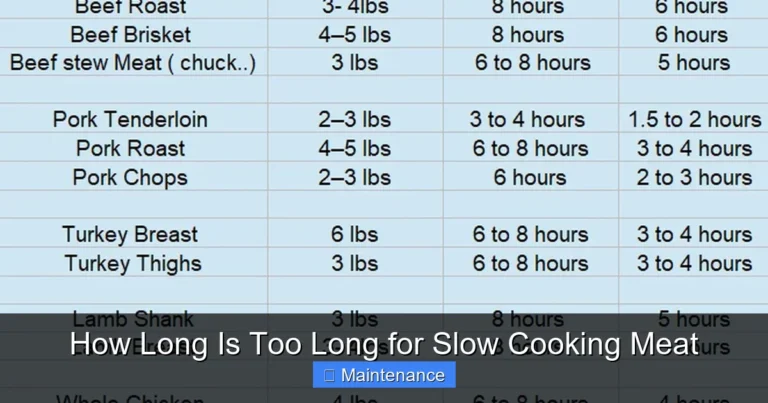
- White Meat (Breasts): Generally, chicken breasts cook faster than dark meat. On LOW, 2-3 hours is often sufficient for boneless, skinless breasts, or 3-4 hours for bone-in. On HIGH, it might only take 1.5-2.5 hours.
- Dark Meat (Thighs, Drumsticks): These cuts can handle longer cooking times. On LOW, 4-6 hours is common. On HIGH, 2.5-3.5 hours.
- Factors Affecting Time: The size and thickness of your chicken pieces, the amount of liquid, and your specific crockpot’s heat settings will all influence cooking time. An older crockpot might cook hotter than a new one.
H3 The Meat Thermometer is Your Best Friend
This is the single most important tool to prevent overcooking. Chicken is safely cooked when it reaches an internal temperature of 165°F (74°C).
- Check Early: Start checking the chicken’s temperature about an hour before the minimum recommended cooking time. Insert the thermometer into the thickest part of the meat, avoiding bones.
- Remove Promptly: As soon as the chicken reaches 165°F, it’s done. Remove it from the crockpot or immediately turn off the heat. Even residual heat can continue cooking the chicken, leading to dryness. This is the absolute key to making sure your crockpot chicken not dry.
H3 Avoid Lifting the Lid
Every time you lift the lid of your crockpot, you release precious heat and moisture, extending the cooking time by at least 15-20 minutes. Resist the urge to peek frequently, especially in the first few hours.
7. The Crucial Resting Period
Just like a steak, chicken needs time to rest after cooking. This step is often overlooked but is essential for juicy results.
H3 Let Those Juices Settle
Once the chicken is cooked, remove it from the crockpot and place it on a cutting board or platter. Tent it loosely with foil and let it rest for 5-10 minutes. This allows the muscle fibers to relax and reabsorb the juices that have migrated to the center during cooking. If you cut into it too soon, those precious juices will run out, leaving you with drier chicken.
8. Shredding and Serving
How you handle the chicken after cooking can also impact its perceived moisture.
H3 Shredding for Maximum Tenderness
If your recipe calls for shredded chicken, use two forks or a stand mixer with a paddle attachment (on low speed) to shred the chicken while it’s still warm.
- Return to Juices: For maximum moisture and flavor, return the shredded chicken to the liquid and sauce in the crockpot. Let it sit for a few minutes to soak up all those delicious flavors. This is especially good for ensuring your crockpot chicken not dry.
H3 Serving Whole
If serving whole pieces, ensure they are well-coated in the delicious sauce from the crockpot.
Troubleshooting Common Crockpot Chicken Issues
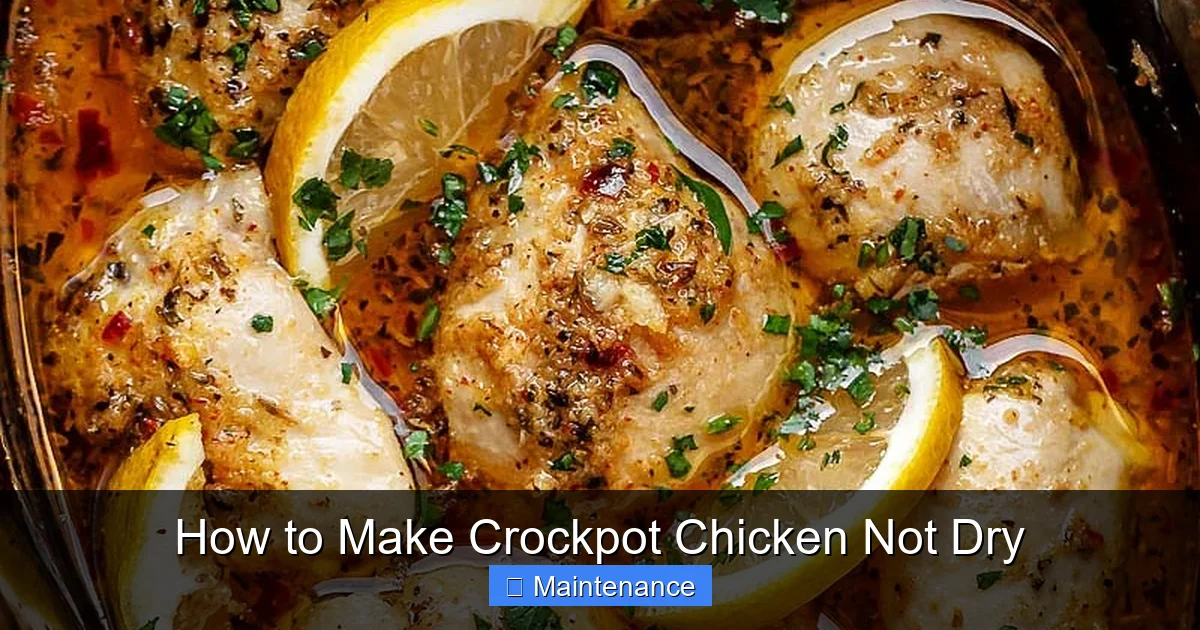
Visual guide about how to Make Crockpot Chicken Not Dry
Image source: eatwell101.com
My Crockpot Chicken is Still Dry! What Went Wrong?
If despite your best efforts, your chicken still comes out dry, here’s a quick checklist:
- Overcooked: This is the most common culprit. Did you use a meat thermometer? Was the cook time too long for the specific cut? Next time, check earlier and remove promptly at 165°F.
- Not Enough Liquid/Fat: Was there a sufficient amount of broth, sauce, or added fat (butter, oil) in the crockpot?
- Too Lean: Were you using boneless, skinless breasts without enough other moisture-contributing ingredients? Consider switching to thighs.
- Lid Lifting: Did you lift the lid too often, letting steam escape?
H3 How to Salvage Dry Crockpot Chicken
Don’t throw it out! You can often salvage dry chicken.
- Shred and Add Sauce: Shred the chicken finely and return it to the crockpot with plenty of the cooking liquid/sauce. Let it simmer on low for another 15-30 minutes, allowing it to reabsorb moisture.
- Add a Creamy Sauce: Toss the shredded chicken with a creamy sauce (like a basic béchamel, alfredo, or even a store-bought cream of mushroom soup) before serving.
- Use in a Casserole: Dry chicken can be disguised in casseroles that have plenty of other moist ingredients and sauces.
- Chicken Salad: Mix with mayo, celery, and other fixings for a classic chicken salad.
My Crockpot Chicken is Too Watery! How Do I Thicken the Sauce?
Sometimes, you’ve done a great job making crockpot chicken not dry, but the sauce is a bit thin.
- Cornstarch Slurry: Remove the chicken and any large vegetables. Whisk together 1-2 tablespoons of cornstarch with an equal amount of cold water until smooth. Stir this slurry into the hot liquid in the crockpot. Cook on high for 15-30 minutes, stirring occasionally, until thickened.
- Flour Slurry: Similar to cornstarch, but use equal parts flour and softened butter (a “beurre manié”) or cold water. Add and simmer until thickened.
- Reduce on Stovetop: Carefully transfer the liquid to a saucepan and simmer on the stovetop over medium-high heat, stirring occasionally, until it reduces and thickens to your desired consistency.
- Add Cream Cheese or Sour Cream: Stir in a few tablespoons of cream cheese or sour cream at the end of cooking for a richer, thicker sauce.
Conclusion
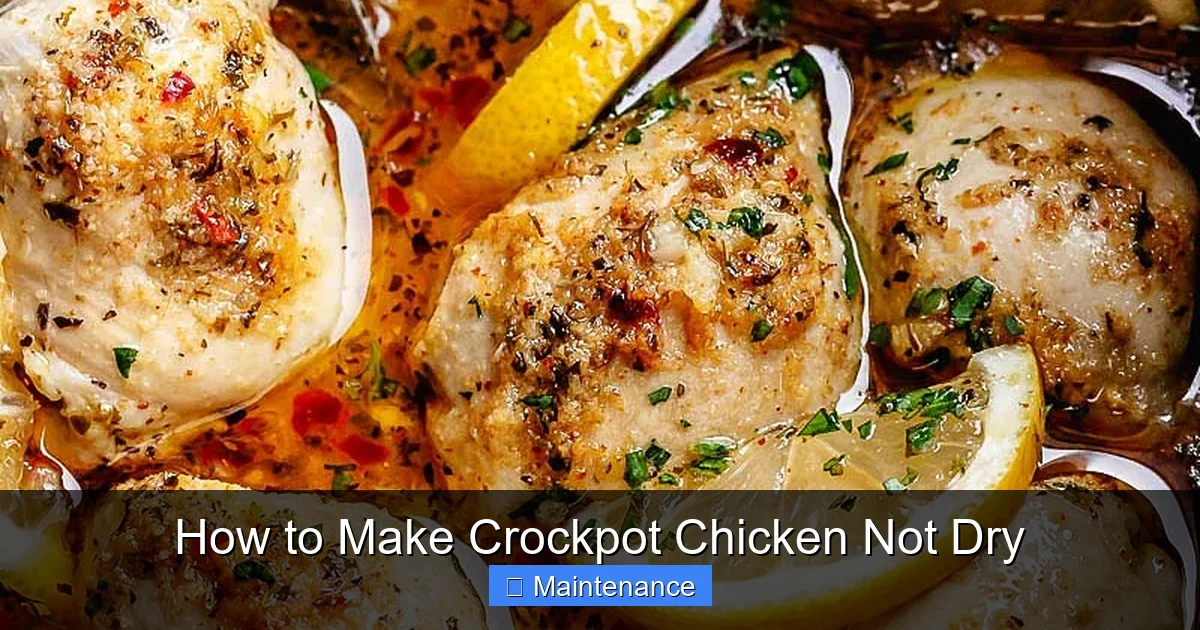
Visual guide about how to Make Crockpot Chicken Not Dry
Image source: eatwell101.com
Mastering the art of moist crockpot chicken is incredibly rewarding. It means consistently delicious, tender meals that practically make themselves. By understanding why chicken dries out and implementing the simple yet effective strategies we’ve discussed – choosing the right cut, ensuring adequate liquid and fat, precise cooking times with a thermometer, and a crucial resting period – you can say goodbye to dry, tough chicken forever.
Armed with these tips, you’re now ready to tackle any slow cooker chicken recipe with confidence. Experiment with different cuts, sauces, and seasonings, always keeping in mind the core principles of moisture retention. Your crockpot is a powerful tool for convenience and flavor, and now you know exactly how to unlock its full potential to make crockpot chicken not dry, but perfectly juicy and irresistible every single time. Happy slow cooking!

Jennifer D. Simon has spent the last 26 years studying and practicing nutrition science. She has used a larger part of this time in improving people’s livelihoods. She has done so by coming up with unquestionable ideas on how to tackle food problems in her community. Read More