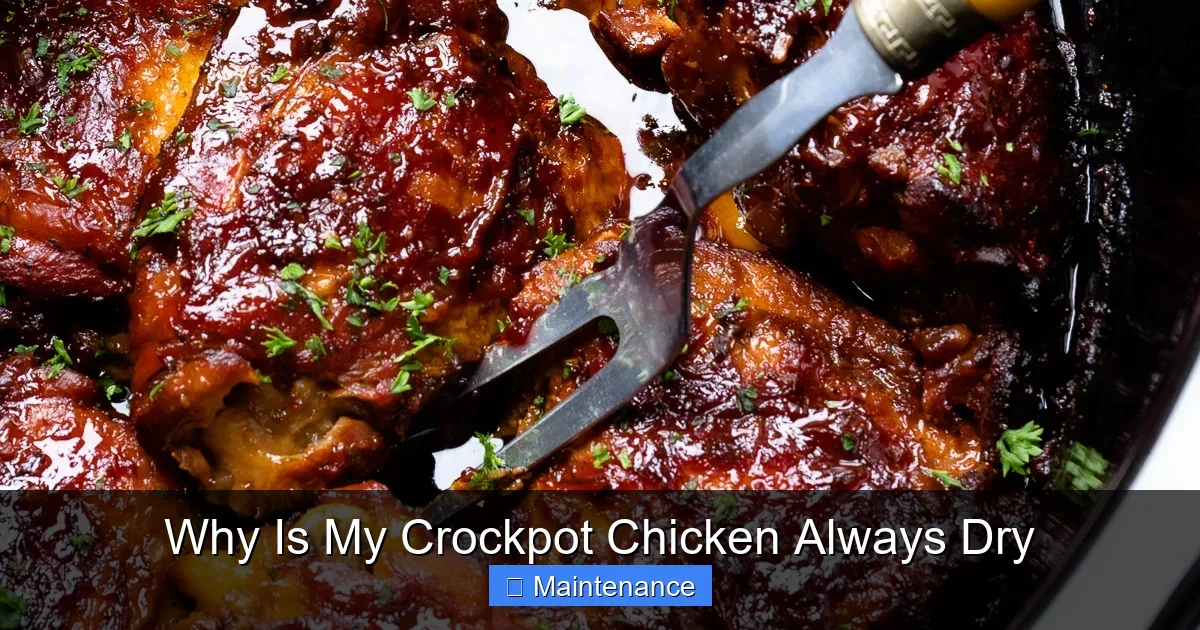
Why Is My Crockpot Chicken Always Dry
It’s frustrating when your “set it and forget it” crockpot chicken turns out dry and stringy. The main culprits are often overcooking, using the wrong cut of meat, and insufficient moisture. This guide will walk you through simple adjustments to ensure your slow cooker chicken is always wonderfully tender and juicy, from choosing the right ingredients to mastering cooking times.
Why Is My Crockpot Chicken Always Dry
Ah, the humble crockpot. It promises ease, convenience, and delicious, fall-off-the-bone meals with minimal effort. Yet, for many home cooks, the reality of slow cooker chicken often falls short of the dream. Instead of tender, juicy perfection, you might find yourself staring at a pile of bland, stringy, and yes, *dry crockpot chicken*. It’s a common frustration, and if you’ve ever wondered, “Why is my crockpot chicken always dry?” you’re definitely not alone.
The good news? Achieving wonderfully moist and flavorful slow cooker chicken isn’t a dark art. It’s usually a matter of understanding a few key principles and making some simple adjustments to your routine. In this comprehensive guide, we’ll dive deep into the most common reasons why your crockpot chicken dries out and, more importantly, how you can fix it. You’ll learn practical tips, troubleshooting advice, and step-by-step strategies to ensure every batch of slow cooker chicken you make is a resounding success. Let’s transform your dry crockpot chicken woes into juicy triumphs!
Quick Answers to Common Questions
What’s the ideal internal temperature for cooked chicken?
The ideal internal temperature for safely cooked chicken, whether white or dark meat, is 165°F (74°C). Use a reliable meat thermometer inserted into the thickest part of the meat to check for doneness.
Should I brown chicken before putting it in the crockpot?
Browning chicken before putting it in the crockpot is optional but highly recommended for richer flavor and better texture. It creates a delicious caramelized crust that enhances the overall taste of your dish, though it won’t directly prevent dry crockpot chicken if overcooked.
Can I use frozen chicken in a slow cooker?
It’s generally not recommended to use frozen chicken in a slow cooker. Frozen chicken takes too long to reach a safe cooking temperature, which can promote bacterial growth. Always thaw your chicken completely in the refrigerator before slow cooking for safety and even cooking.
How much liquid should I add to my crockpot chicken?
A good rule of thumb is to add enough liquid to cover at least the bottom third to halfway up the chicken pieces. This ensures a moist cooking environment and helps prevent dry crockpot chicken.
Does opening the crockpot lid affect cooking?
Yes, opening the crockpot lid releases significant heat and steam, which can extend the cooking time by 15-30 minutes or more. Resist the urge to peek frequently, as this can lead to uneven cooking and increase the risk of dry chicken.
The Root Causes of Dry Crockpot Chicken (and How to Fix Them!)
Let’s break down the major culprits behind dry crockpot chicken and arm you with the knowledge to conquer them.
1. Overcooking: The Ultimate Foe of Juiciness
This is, hands down, the number one reason why your crockpot chicken always turns out dry. It might seem counterintuitive for a slow cooker, which is designed for long cooking times, but chicken (especially lean cuts) is very susceptible to overcooking.
Understanding the Science of Dryness
Chicken is mostly protein and water. When you cook it, the protein fibers contract, squeezing out moisture. The longer you cook it past its ideal doneness, the more those fibers contract, and the more moisture is expelled, leading to that dry, chalky, or stringy texture. Slow cooking can be forgiving, but it’s not magic – it can still overcook.
How to Prevent Overcooking:
- Use a Meat Thermometer Religiously: This is your best friend. Chicken is safely cooked when it reaches an internal temperature of 165°F (74°C). Once it hits this temperature, it’s done. Any longer, and you’re just drying it out.
- Adjust Cooking Times: Recipes provide estimates, but every crockpot cooks differently. Newer models tend to cook hotter and faster. Learn your appliance! If your chicken is consistently dry, try reducing the cooking time. For boneless, skinless chicken breasts, 2-3 hours on HIGH or 3-4 hours on LOW is often sufficient. Dark meat can handle a bit longer.
- Don’t Lift the Lid: Every time you lift the lid, you release accumulated heat and steam, which can drop the internal temperature by 10-20°F (5-10°C). This forces your crockpot to work harder to get back up to temperature, effectively extending the cooking time and increasing the chance of dry crockpot chicken.
2. Choosing the Wrong Cut of Chicken
Not all chicken is created equal, especially when it comes to slow cooking. The type of chicken you use plays a massive role in its final moisture content.
Lean vs. Fatty Cuts
- Chicken Breasts (Boneless, Skinless): These are very lean. While popular for their versatility and low fat content, they are highly prone to drying out in a crockpot. They have less fat and connective tissue to keep them moist over long cooking periods.
- Chicken Thighs (Boneless or Bone-in, Skin-on or Skinless): These are the champions of slow cooking. Thighs have more fat and connective tissue, which breaks down during long, slow cooking, resulting in incredibly moist and flavorful meat. They are far more forgiving than breasts.
- Bone-in, Skin-on Chicken Pieces (Thighs, Drumsticks, Quarters): The bones help conduct heat evenly and add flavor, while the skin provides a layer of protection and renders fat, contributing to moisture. If you prefer white meat, bone-in chicken breasts with skin are also more forgiving than boneless, skinless.
Solution: Match the Cut to the Method
If you prefer white meat, you can still use chicken breasts in your crockpot, but you’ll need to be extra vigilant with cooking times and moisture. For truly foolproof, juicy slow cooker chicken, switch to chicken thighs or a mix of thighs and breasts. They handle the “set it and forget it” nature of a crockpot much better.
3. Insufficient Moisture in the Crockpot
A slow cooker works by creating a moist, steamy environment that gently cooks food. If there isn’t enough liquid, your chicken essentially steams dry instead of simmering in flavor.
The Role of Liquid
The liquid in your crockpot isn’t just for flavor; it’s crucial for maintaining the humid cooking environment, preventing direct dry heat from reaching the chicken, and contributing to the overall moisture content of the dish.
How to Ensure Adequate Moisture:
- Don’t Skimp on Broth or Sauce: Always add some liquid – chicken broth, water, tomato sauce, salsa, or even a can of diced tomatoes. A good rule of thumb is to have the liquid cover at least the bottom third to halfway up the chicken.
- Consider the Chicken’s Own Juices: While chicken releases some liquid as it cooks, especially fatty cuts, it’s often not enough to prevent dry crockpot chicken. You still need to start with added liquid.
- Cover Your Crockpot Tightly: This seems obvious, but ensure the lid is properly seated to trap steam and moisture inside.
4. Crockpot Size and Food Quantity Mismatch
Believe it or not, the amount of food in your crockpot relative to its size can affect cooking efficiency and moisture.
Too Empty or Too Full
- Crockpot Too Empty: If you’re cooking a small amount of chicken in a large crockpot, the food can cook faster (and dry out more quickly) because there’s more empty space for heat to circulate.
- Crockpot Too Full: Conversely, if your crockpot is packed to the brim, it can take much longer for the food to heat evenly, potentially leaving some parts undercooked while others overcook and dry out.
Optimal Filling:
Aim for your crockpot to be between half to two-thirds full for best results. This allows for even cooking and proper moisture retention. If you have a small amount of chicken, use a smaller crockpot.
5. Starting with Frozen Chicken
While tempting for convenience, starting with frozen chicken in your crockpot can lead to uneven cooking and potential food safety issues, often resulting in dry spots.
The Problem with Frozen
Frozen chicken takes a long time to come up to a safe cooking temperature, especially in a slow cooker. This extended period in the “danger zone” (40-140°F / 4°C-60°C) promotes bacterial growth. Additionally, the outside can overcook and dry out by the time the inside thaws and cooks through.
Solution: Thaw First
Always thaw your chicken completely in the refrigerator before adding it to the crockpot. This ensures even cooking and keeps your food safe and moist.
6. Not Resting the Cooked Chicken
This final step is often overlooked but makes a significant difference in the juiciness of your finished dish.
The Importance of Resting
When chicken cooks, the muscle fibers tighten, pushing the juices to the center of the meat. If you cut into it immediately, those juices will gush out onto your cutting board, leaving you with dry crockpot chicken. Resting allows the fibers to relax and reabsorb those delicious juices.
How to Rest Chicken:
Once your chicken reaches 165°F (74°C) and you remove it from the crockpot, let it rest on a cutting board or in a shallow dish, loosely covered with foil, for 5-10 minutes before shredding or serving. You’ll be amazed at the difference!
Advanced Tips for Juicier Crockpot Chicken
Beyond the basics, here are a few more strategies to elevate your slow cooker chicken.
Sear Your Chicken First (Optional, but Recommended)
While not strictly necessary for moisture, quickly searing chicken pieces (especially bone-in, skin-on) in a hot pan before adding them to the crockpot can add depth of flavor and help achieve a better texture. It creates a delicious browned crust that locks in some surface moisture. This step is particularly great for dishes where you want richer flavor, but you can skip it for simple shredded chicken.

Visual guide about how to My Crockpot Chicken Always Dry
Image source: simplyhappyfoodie.com
Add Dairy or Delicate Ingredients Later
Ingredients like cream cheese, sour cream, or heavy cream can curdle or break down if cooked for the entire duration in a slow cooker. Add them in the last 30 minutes to an hour of cooking to maintain their texture and prevent your sauce from becoming grainy or separating.
Incorporate Acidic Ingredients
A splash of lemon juice, lime juice, or vinegar (like apple cider vinegar) can help tenderize chicken and brighten flavors. Add it towards the end of the cooking process to maintain its fresh taste.
Shredding Techniques
- Fork Method: The most common way. Use two forks to pull the chicken apart.
- Hand Mixer: For large batches, a hand mixer (on low speed) can shred cooked chicken in seconds right in the crockpot or a separate bowl. Be careful not to over-shred, which can also lead to a drier texture.
Troubleshooting Common Crockpot Chicken Issues
Even with the best intentions, things can go wrong. Here’s how to troubleshoot:
“My Chicken is Already Dry, Can I Save It?”
If your chicken is slightly dry, you can try to salvage it. Shred it and mix it thoroughly with extra sauce or broth from the crockpot. Let it sit for a few minutes to reabsorb some liquid. If it’s very dry, it might be best repurposed into a dish where the dryness is less noticeable, like chicken salad with plenty of mayonnaise or a casserole with a creamy sauce.
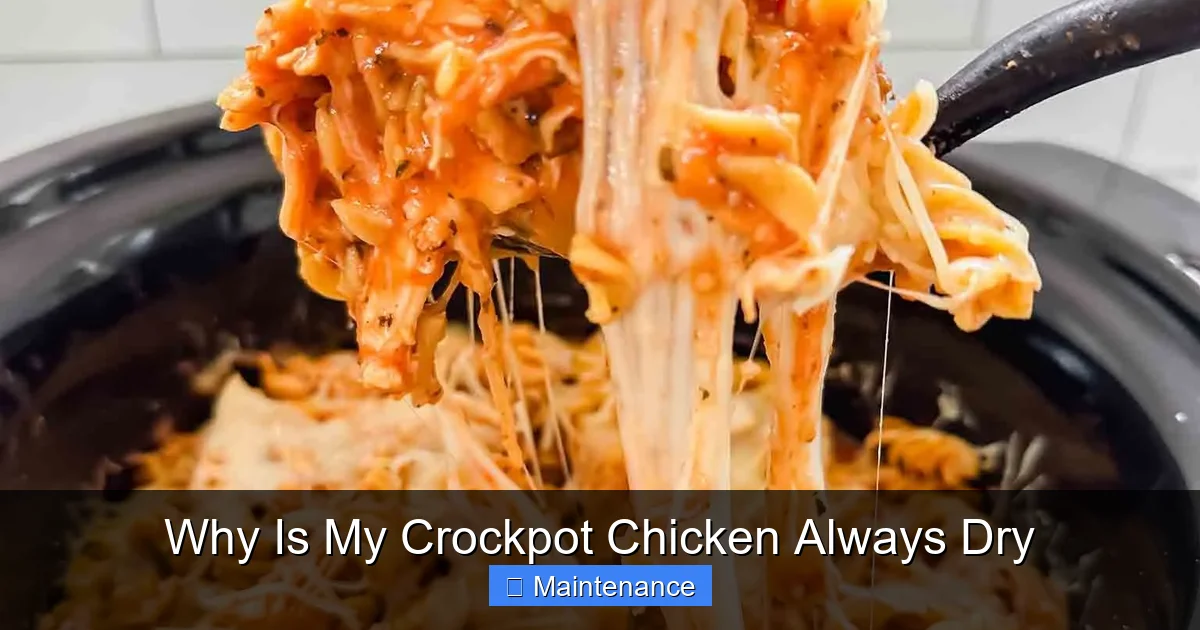
Visual guide about how to My Crockpot Chicken Always Dry
Image source: i.pinimg.com
“The Sauce is Too Thin/Watery”
Slow cookers don’t allow liquid to evaporate as much as stovetop cooking. If your sauce is too thin, remove the chicken, then thicken the sauce. You can do this by:
- Cornstarch Slurry: Mix 1-2 tablespoons of cornstarch with an equal amount of cold water to create a slurry. Stir it into the simmering liquid in the crockpot (after removing the chicken) and cook on high for 15-30 minutes, stirring occasionally, until thickened.
- Reduce on Stovetop: Transfer the liquid to a saucepan and simmer on the stovetop over medium-high heat until it reduces and thickens to your desired consistency.
“My Chicken Has No Flavor”
Dry crockpot chicken often goes hand-in-hand with blandness. Ensure you’re seasoning generously. Don’t just rely on the sauce; season the chicken pieces directly with salt, pepper, garlic powder, onion powder, and any other desired spices before adding them to the crockpot. Adding fresh herbs (like parsley or cilantro) at the very end can also boost flavor.
Conclusion: No More Dry Crockpot Chicken!

Visual guide about how to My Crockpot Chicken Always Dry
Image source: myglowjourney.com
You’ve now got all the knowledge you need to banish dry crockpot chicken from your kitchen forever! Remember, the key takeaways are: don’t overcook, choose the right cut (thighs are your friend!), ensure enough liquid, and let your cooked chicken rest. By paying attention to these simple but crucial details, you’ll consistently achieve moist, tender, and incredibly flavorful slow cooker chicken that lives up to the promise of convenience and deliciousness.
Experiment with different cuts, sauces, and cooking times. Get to know your crockpot. And most importantly, enjoy the process of creating amazing, juicy meals that will impress your family and friends. Happy slow cooking!

Jennifer D. Simon has spent the last 26 years studying and practicing nutrition science. She has used a larger part of this time in improving people’s livelihoods. She has done so by coming up with unquestionable ideas on how to tackle food problems in her community. Read More