Why Did My Pork Shoulder Turn Out Dry in a Slow Cooker
Achieving succulent, pull-apart pork shoulder in your slow cooker is a culinary triumph, but ending up with a dry result can be truly disappointing. This guide reveals the common culprits behind a lack of moisture, such as overcooking, insufficient liquid, or improper resting. By understanding these pitfalls and implementing simple techniques—like monitoring internal temperature, searing, and resisting the urge to peek—you can consistently transform a humble pork shoulder into a wonderfully tender and flavorful meal, making dry pork shoulder a thing of the past.
Why Did My Pork Shoulder Turn Out Dry in a Slow Cooker
There’s nothing quite like the promise of tender, fall-apart pork shoulder cooked slowly all day in your trusty slow cooker. You envision succulent shreds, rich with flavor, ready to be piled into sandwiches, tacos, or enjoyed simply on their own. But then, disaster strikes. You open the lid, pull out your beautifully browned piece of meat, and to your dismay, it’s dry. Not just a little dry, but disappointingly, stubbornly dry. It crumbles instead of shreds, and the moisture you expected is nowhere to be found.
If you’ve ever experienced this culinary letdown, you’re not alone. Many home cooks face the challenge of a dry pork shoulder in a slow cooker. The slow cooker, while often seen as a foolproof appliance, still requires an understanding of how meat cooks and interacts with heat and moisture. The good news? Achieving that perfect, juicy result is entirely within your reach. This comprehensive guide will walk you through the most common reasons why your pork shoulder might be turning out dry and, more importantly, equip you with the knowledge and tips to ensure every future slow cooker pork shoulder is nothing short of magnificent.
We’ll delve into everything from choosing the right cut of meat and preparing it properly, to understanding the nuances of cooking temperature and time, and even what to do if you find yourself with a slightly dry pork shoulder already cooked. Get ready to transform your slow cooker pork shoulder game!
Quick Answers to Common Questions
Why is my slow cooker pork shoulder tough?
If your pork shoulder is tough, it usually means it hasn’t cooked long enough to break down its tough connective tissues into tender gelatin. Unlike other meats, pork shoulder needs to reach a higher internal temperature (195-205°F / 90-96°C) to become fall-apart tender, not just medium-rare.
Should pork shoulder be covered with liquid in a slow cooker?
No, pork shoulder does not need to be completely covered with liquid in a slow cooker. Typically, 1 to 1.5 cups of liquid for a 3-5 lb roast is sufficient. The slow cooker’s tight-fitting lid traps steam, creating a moist environment that helps braise the meat without full submersion.
How do I know when pork shoulder is done in a slow cooker?
The best way to know when pork shoulder is done for shredding is to check its internal temperature with a meat thermometer. It should read between 195°F and 205°F (90°C to 96°C). Also, test for tenderness; a fork inserted into the thickest part should twist and pull out a piece of meat with no resistance.
Can I add more liquid if my pork shoulder looks dry during cooking?
Yes, if you notice your slow cooker pork shoulder looking dry and the liquid has significantly reduced, you can carefully add a small amount of warm broth or water (about half a cup) to the pot. Try to do this quickly to minimize heat loss, and avoid lifting the lid too often.
Is searing pork shoulder necessary before slow cooking?
Searing pork shoulder before slow cooking isn’t strictly necessary for tenderness, but it’s highly recommended for enhancing flavor and can contribute to a juicier result. Searing creates a rich, browned crust through the Maillard reaction, adding a complex depth of flavor that un-seared meat lacks.
Understanding Why Your Pork Shoulder Might Be Dry
Before we can fix the problem, we need to understand its root causes. Several factors can contribute to a dry pork shoulder in a slow cooker. Let’s explore the most common culprits.
Not Enough Liquid or Moisture in the Pot
While a slow cooker creates a humid environment, it’s not a magical self-basting machine. For long cooking times, especially if your lid isn’t perfectly sealed, you can lose steam and moisture. If there isn’t enough liquid in the pot to begin with, the meat can start to dry out as it cooks.
- The Role of Liquid: Liquid helps conduct heat evenly, creates a steamy atmosphere, and braises the meat, breaking down tough fibers. Without it, the meat relies solely on its own juices, which can evaporate.
- What Kind of Liquid?: Water, broth, beer, apple cider, or even soda can all contribute essential moisture and flavor.
Overcooking (Temperature vs. Time)
This is arguably the most common reason for a dry pork shoulder. It sounds counterintuitive – isn’t slow cooking supposed to make things tender? Yes, up to a point. But overcooking can strip the meat of its natural moisture.
- Collagen Breakdown: Pork shoulder is rich in collagen, a tough connective tissue that breaks down into gelatin at higher temperatures (typically 180°F-205°F / 82°C-96°C). This gelatin is what makes the meat so tender and juicy.
- Muscle Fiber Drying: However, if the meat cooks for too long at these temperatures, or if the temperature gets too high, the muscle fibers themselves will start to contract and squeeze out moisture, leading to a dry, stringy texture.
- “Done” for Shredding is Not “Done” for Slicing: Remember that “done” for shreddable pork is a much higher temperature (195-205°F / 90-96°C) than for a sliceable roast (around 145°F / 63°C). But even at the higher temperature, there’s a sweet spot.
Choosing the Wrong Cut of Meat
Not all pork shoulder cuts are created equal, especially when it comes to slow cooking.
- Boston Butt (Pork Butt): This is the ideal cut for slow cooking and shredding. Despite its name, it comes from the upper part of the pig’s front shoulder. It’s well-marbled with fat and connective tissue, which are essential for moisture and tenderness.
- Pork Picnic Shoulder: This is the lower part of the shoulder. It’s often leaner and can be tougher, making it more prone to drying out if not handled carefully.
- Leaner Cuts: Avoid very lean cuts of pork for slow cooking if you’re aiming for shreddable results. They simply don’t have enough fat and connective tissue to stay moist during long cooking times.
Opening the Lid Too Often
It’s tempting to peek, especially when delicious aromas start filling your kitchen. But every time you lift that slow cooker lid, you’re doing more harm than good.
- Heat and Steam Loss: Lifting the lid releases a significant amount of heat and, more importantly, the accumulated steam that helps keep the meat moist.
- Extended Cooking Time: Because of the heat loss, your slow cooker has to work harder to get back up to temperature, adding a considerable amount of time to the overall cooking process. This extended cooking time can contribute to dryness.
Incorrect Resting Period After Cooking
Many people skip this step, but it’s crucial for juicy meat.
- Juice Redistribution: When meat cooks, the muscle fibers contract, pushing the juices towards the center. If you shred it immediately, those juices will gush out onto your cutting board, leaving the meat dry.
- Relaxation: Resting allows the muscle fibers to relax and reabsorb those juices, ensuring that the moisture stays within the meat itself.
Trimming Too Much Fat
While some fat is often trimmed for health reasons, the fat on a pork shoulder is your friend in the slow cooker.
- Natural Basting: As the fat renders down during slow cooking, it naturally bastes the meat, infusing it with flavor and keeping it moist from the inside out.
- Flavor and Texture: Fat contributes significantly to the rich flavor and succulent texture of the finished dish.
How to Guarantee a Juicy Pork Shoulder Every Time
Now that we’ve identified the problems, let’s explore the solutions. With a few simple adjustments to your slow cooking routine, you can consistently achieve perfectly moist and tender pork shoulder.
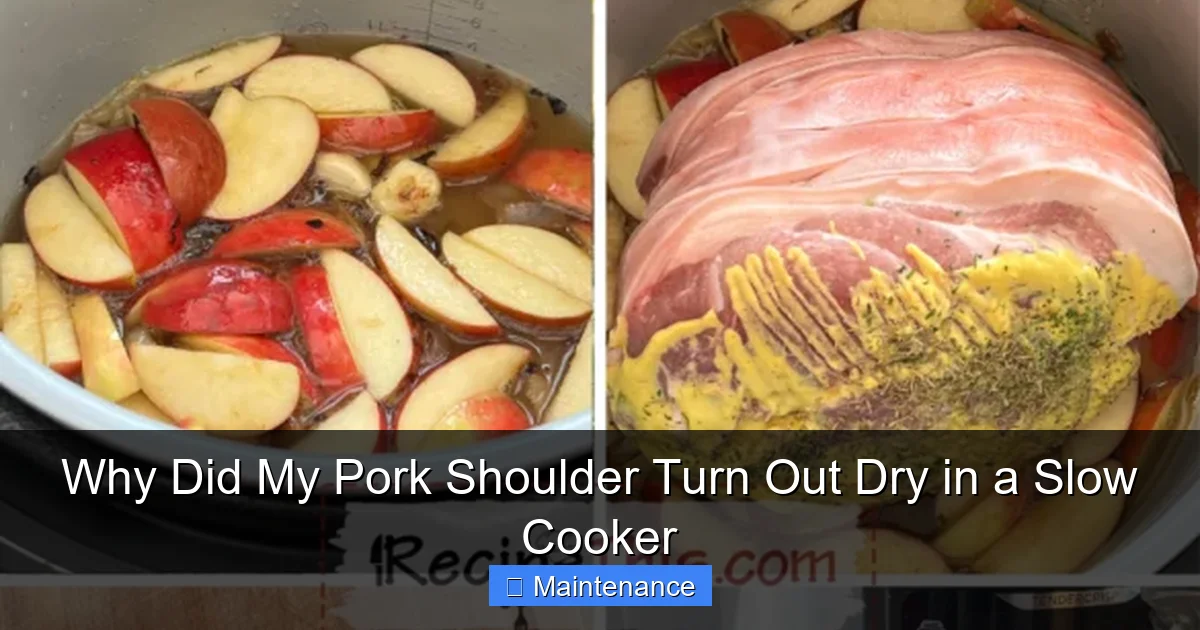
Visual guide about how to Pork Shoulder Turn Out Dry in a Slow Cooker
Image source: cincyshopper.com
1. Start with the Right Cut of Meat
This is foundational for success.
- Look for “Boston Butt” or “Pork Butt”: This cut is ideal due to its excellent marbling and rich connective tissue. It’s designed for long, slow cooking.
- Don’t Fear the Fat: Choose a piece with a good fat cap and visible marbling throughout the meat. This fat will render down, adding flavor and moisture. You can always trim larger pieces of fat after cooking, but leave it on during the cooking process.
2. Sear the Meat Before Slow Cooking
While optional, searing makes a huge difference in flavor and can help retain moisture.
- Create a Crust: Pat the pork shoulder dry thoroughly. Heat a little oil in a heavy-bottomed pan (like cast iron) over medium-high heat until shimmering. Sear the pork on all sides until deeply golden brown.
- Lock in Juices and Flavor: This browning creates a delicious crust (the Maillard reaction) that adds incredible depth of flavor and can help “seal” the exterior, potentially reducing moisture loss.
- Deglaze the Pan: After searing, you can deglaze the pan with some of your cooking liquid (broth, wine) to scrape up all those flavorful browned bits, adding them to your slow cooker.
3. Use the Right Amount of Liquid
Striking the balance is key – enough to prevent dryness, but not so much that you boil the meat.
- General Guideline: For a 3-5 pound pork shoulder, start with about 1 to 1.5 cups (240-360ml) of liquid. This could be broth, water, beer, apple juice, or your preferred braising liquid.
- Don’t Submerge: You don’t need to completely submerge the meat. The slow cooker’s sealed environment will create plenty of steam from this initial liquid.
- Flavor Boost: Use flavorful liquids like chicken or beef broth, hard cider, or even a can of diced tomatoes to enhance the overall taste of your pork.
4. Cook to the Correct Internal Temperature, Not Just Time
This is perhaps the most critical tip for avoiding dry pork shoulder.
- Invest in a Good Thermometer: A reliable meat thermometer is your best friend. Look for an instant-read thermometer.
- Target Temperature: For shreddable pork shoulder, you’re aiming for an internal temperature between 195°F and 205°F (90°C to 96°C). At this range, the collagen has fully broken down, resulting in tender, easy-to-shred meat. Below this, it will be tough; significantly above, it can start to dry out.
- Time is a Guide, Not a Rule: Slow cooker times are estimates. A typical 3-5 lb pork shoulder might take 6-8 hours on low or 3-5 hours on high. Always check with a thermometer. When it probes like butter with no resistance, it’s done.
- Low and Slow is Best: Cooking on the “low” setting for a longer duration is generally preferred over “high” for tenderness and moisture retention, allowing the collagen more time to convert without drying the muscle fibers.
5. Resist the Urge to Peek
Patience is a virtue, especially in slow cooking.
- Keep the Lid On: Let your slow cooker do its job undisturbed. Don’t lift the lid during the first 4-5 hours of cooking on low, or the first 2-3 hours on high.
- Only Check When Necessary: Only open the lid when you are genuinely checking for doneness with a thermometer, or if you need to add something towards the end of the cooking process.
6. Allow for a Proper Resting Period
This simple step can make all the difference in moisture.
- Remove and Cover: Once the pork shoulder reaches its target temperature, carefully remove it from the slow cooker and place it on a cutting board or platter. Cover it loosely with aluminum foil.
- Rest for 15-30 Minutes: Let it rest for at least 15-20 minutes, or even up to 30 minutes for a larger piece.
- Redistribution: This allows the meat fibers to relax and reabsorb the juices that have migrated to the center during cooking, ensuring every shred is moist and flavorful.
7. Shred and Combine with Juices
The way you handle the pork after resting is also important.
- Shredding: Use two forks or meat claws to shred the pork. It should fall apart easily if cooked to the correct temperature.
- Reincorporate Juices: Place the shredded pork back into the slow cooker with the remaining cooking liquids and fat. This helps the meat absorb even more moisture and flavor, preventing it from drying out after shredding. If the liquid is too fatty, skim some fat off the top first.
Troubleshooting: What to Do If Your Pork Shoulder is Already Dry
Even with the best intentions, sometimes a pork shoulder might still turn out a little dry. Don’t despair! There are ways to salvage it.
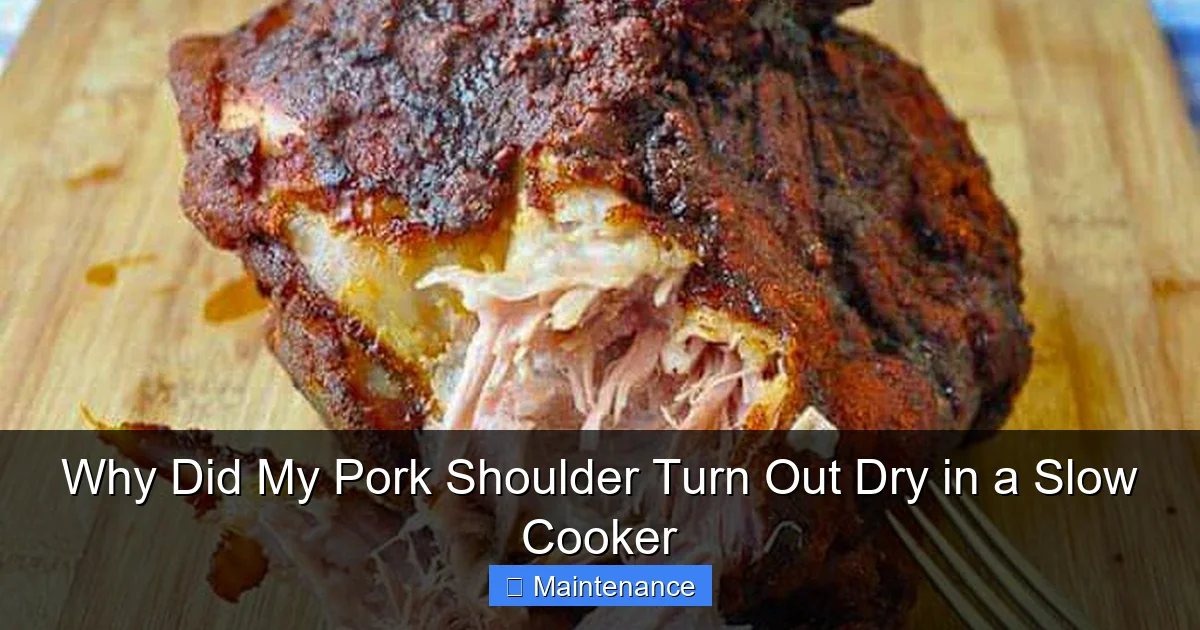
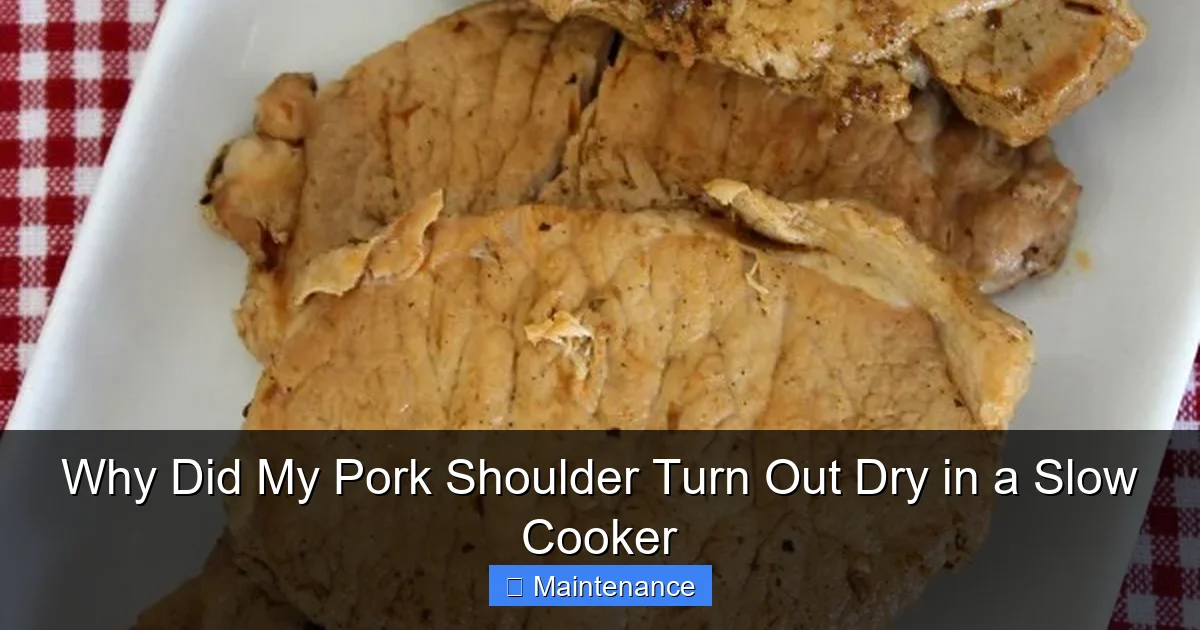
Visual guide about how to Pork Shoulder Turn Out Dry in a Slow Cooker
Image source: rockrecipes.com
Add More Moisture Back In
- Add Broth or Sauce: If your shredded pork seems dry, toss it with extra warm chicken or beef broth. You can also mix in your favorite BBQ sauce, a rich gravy, or even a little apple cider vinegar for tang and moisture.
- Simmer Briefly: If you’re adding broth or sauce, you can return the shredded pork to the slow cooker on the “warm” setting for another 30-60 minutes, allowing it to soak up the added moisture.
- Pan Sauce: Reduce some of the cooking liquid from the slow cooker in a saucepan on the stove to create a concentrated, flavorful sauce to mix back into the meat.
Repurpose the Dry Pork Shoulder
If it’s beyond a simple moisture fix, give it a new life.
- Stews or Soups: Cut the dry pork into smaller chunks and add it to a hearty stew or soup, where it can rehydrate and absorb flavors from the broth.
- Casseroles: Incorporate it into a cheesy casserole with plenty of liquid or creamy sauce.
- Flavorful Fillings: Use it as a filling for empanadas, enchiladas, or savory pastries where it’s mixed with other moist ingredients and sauces.
- Chili or Nachos: Add it to a batch of chili or use it as a topping for nachos, covered in cheese and other moist toppings.
Conclusion
A dry pork shoulder in a slow cooker can be a real letdown, but it’s a problem that’s entirely fixable and preventable. By understanding the science behind slow cooking and implementing these practical tips, you can ensure your pork shoulder is consistently moist, tender, and bursting with flavor.
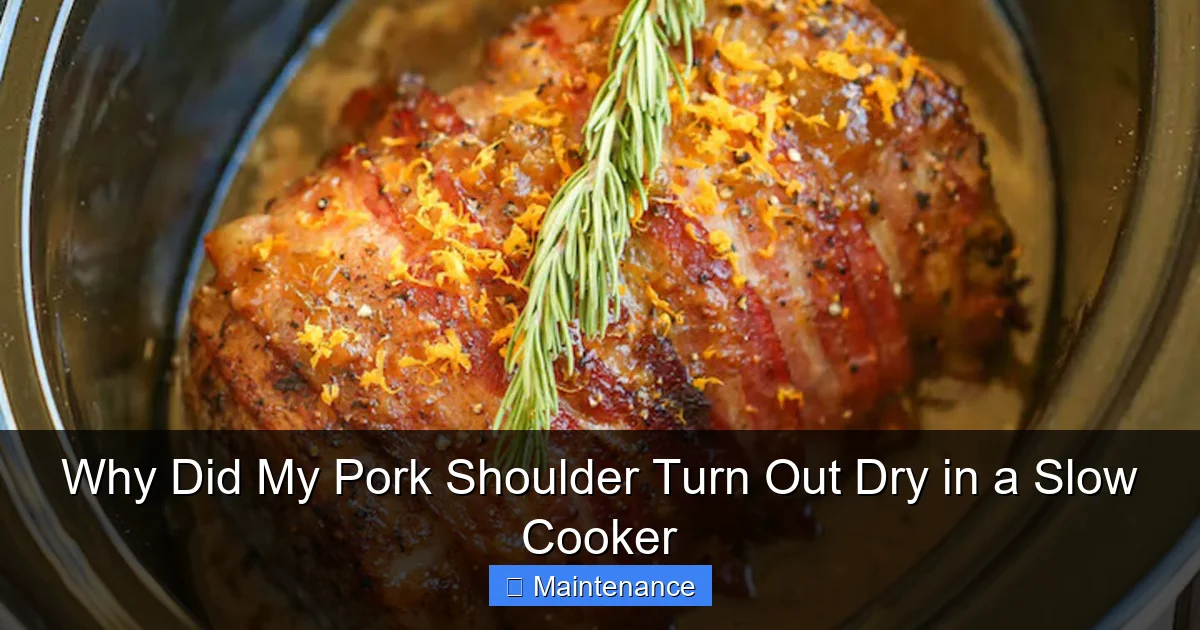
Visual guide about how to Pork Shoulder Turn Out Dry in a Slow Cooker
Image source: assets3.thrillist.com
Remember to choose the right cut, sear for flavor and moisture, use enough liquid, and most importantly, cook to temperature rather than just time. Patience is your ally, so resist the urge to peek, and always allow your beautifully cooked pork to rest. With these techniques in your culinary arsenal, you’re well on your way to slow cooker pork shoulder perfection every single time. Happy cooking!

Jennifer D. Simon has spent the last 26 years studying and practicing nutrition science. She has used a larger part of this time in improving people’s livelihoods. She has done so by coming up with unquestionable ideas on how to tackle food problems in her community. Read More