
Can You Stack Meat in Slow Cooker
Yes, you can absolutely stack meat in a slow cooker, especially for larger batches or family meals! However, it requires careful consideration of meat type, proper layering, and adjusting cooking times to ensure even cooking and food safety. This guide will walk you through the best practices for successfully stacking meat for tender, flavorful results every time.
Can You Stack Meat in Slow Cooker
Welcome to the ultimate guide on one of the most common slow cooker questions: “Can you stack meat in a slow cooker?” If you’ve ever found yourself with more meat than counter space, or a slow cooker that just isn’t big enough for that family gathering, you’re in the right place. The short answer is a resounding “yes,” but there’s an art and science to doing it right. Stacking meat in your slow cooker isn’t just about fitting everything in; it’s about ensuring your food cooks evenly, remains tender, and is safe to eat.
In this comprehensive guide, we’ll dive deep into the best practices for stacking meat in a slow cooker. We’ll cover everything from understanding your slow cooker’s capacity to prepping your meat, layering ingredients strategically, and adjusting cooking times. You’ll learn how to achieve perfectly cooked, flavorful meals even when you’re cooking large quantities. By the end, you’ll be a confident slow cooker stacking pro, ready to tackle any recipe, big or small!
Key Takeaways
- Yes, You Can Stack: It’s generally safe and effective to stack meat in a slow cooker, particularly for larger cuts or when cooking for a crowd, but it requires mindful preparation.
- Mind Your Capacity: Do not overfill your slow cooker more than two-thirds to three-quarters full, including liquids, to allow for proper heat circulation and cooking.
- Layer Strategically: Place tougher, larger cuts of meat at the bottom, closer to the heat source, and smaller, quicker-cooking items or vegetables on top.
- Adjust Cooking Times: Expect longer cooking times when stacking meat, as the increased volume and density will slow down heat penetration. Always verify doneness with a meat thermometer.
- Ensure Sufficient Liquid: Adequate liquid is crucial when stacking meat to prevent drying out and to help distribute heat, but avoid submerging everything completely.
- Stir and Rotate (if possible): For very dense stacks, occasional stirring or rotating ingredients can promote more even cooking, though this isn’t always practical for large roasts.
- Prioritize Food Safety: Always cook meat to the recommended internal temperatures to prevent foodborne illness, especially when stacking, which can create temperature inconsistencies.
Quick Answers to Common Questions
Can I stack different types of meat together?
Yes, but it’s best to choose meats with similar cooking temperatures and times. Always ensure the entire batch reaches the highest required safe internal temperature for all included meats.
How much liquid should I use when stacking meat?
Aim for enough liquid to cover at least halfway up the stack of meat. Remember that meat and vegetables will release their own juices, so avoid overfilling to prevent a watery result.
Do I need to sear meat before stacking it in a slow cooker?
Searing is optional but highly recommended. It adds a deeper flavor and can improve the texture of the meat, especially for roasts, but it’s not strictly necessary for cooking safety when stacking meat.
Will stacking meat make my slow cooker cook slower?
Yes, stacking meat and filling your slow cooker more will generally increase the overall cooking time because there’s more volume to heat through. Plan for an extra 1-4 hours, depending on the volume and density.
How do I prevent the bottom layer from overcooking when stacking?
Ensure adequate liquid in the slow cooker to prevent direct scorching. You can also place larger, tougher cuts at the bottom as they can withstand more heat, or consider using a small trivet or some denser vegetables as a buffer layer.
Understanding Your Slow Cooker’s Capacity
Before you even think about stacking meat, you need to understand the limitations and optimal usage of your specific slow cooker. Overfilling is a common mistake that can lead to undercooked food or even potential safety hazards.
Know Your Slow Cooker’s Size
Slow cookers come in various sizes, typically ranging from 1.5 quarts (perfect for single servings or dips) to 8 quarts or more (ideal for large families or entertaining). The bigger the slow cooker, the more capacity you have for ingredients, including stacking meat. Always check the manufacturer’s recommendations for your model.
The Two-Thirds to Three-Quarters Rule
A general rule of thumb for any slow cooker meal, especially when you plan to stack meat, is to fill your appliance no more than two-thirds to three-quarters full. This includes all ingredients – meat, vegetables, and liquids.
- Why it matters: This space is crucial for several reasons. First, it allows for proper heat circulation. Slow cookers heat from the bottom and sides, and if packed too tightly, the heat won’t penetrate the center of your food effectively. Second, it prevents spillage as the food cooks and releases its own liquids, or as sauces bubble gently.
- Don’t overfill: Overfilling can significantly extend cooking times, making it difficult to predict when your meat will be safely cooked. It also increases the risk of uneven cooking, where the bottom layers might be overdone while the top remains undercooked.
Assessing Meat Type and Cut

Visual guide about how to stack meat in slow cooker
Image source: cdn.slowcookingperfected.com
Not all meats are created equal when it comes to stacking. The type and cut of meat play a huge role in how well they cook in a stacked slow cooker environment.
Consider Density and Thickness
Thicker, denser cuts of meat like roasts (pot roast, pork shoulder) will take longer to cook through than thinner cuts (chicken breasts, stew meat). When stacking, it’s wise to place the denser, tougher cuts closer to the heat source, which is usually the bottom of your slow cooker.
Mix and Match Wisely
While it’s possible to stack different types of meat, it’s generally easier and safer to stick to one type (e.g., all beef, all chicken) if you’re a beginner. This simplifies cooking times and internal temperature requirements.
- Similar cooking times: If you must mix, try to pair meats with similar cooking times and temperatures. For instance, chicken thighs and pork loin might cook more consistently together than a large beef roast and delicate fish fillets.
- Different temperatures: If cooking meats with different doneness temperatures (e.g., chicken needs 165°F, beef roast might be 145-160°F), ensure *all* meat reaches the highest required safe internal temperature. This often means the higher-temperature meat will dictate the overall cooking time.
Prepping Your Meat for Stacking

Visual guide about how to stack meat in slow cooker
Image source: irepo.primecp.com
Proper preparation before you even place the meat in the slow cooker can make a significant difference in the outcome.
Sear for Flavor and Texture (Optional but Recommended)
For beef and pork roasts, quickly searing the meat on all sides in a hot pan before adding it to the slow cooker can lock in juices and create a richer flavor. This step also helps create a delicious crust. While not essential for cooking safety when stacking meat, it certainly enhances the final dish.
Cut Evenly (if applicable)
If you’re using stew meat, chicken pieces, or other non-roast cuts, try to cut them into relatively even sizes. This promotes more consistent cooking throughout the stack. Uneven pieces will cook at different rates, leading to some being overcooked and others undercooked.
Pat Dry and Season Generously
Always pat your meat dry with paper towels before seasoning. This helps the seasonings adhere better. Seasoning generously with salt, pepper, and your preferred herbs and spices isn’t just for flavor; it also helps build a crust and can contribute to even browning if you’re searing.
Layering Meat and Ingredients Safely
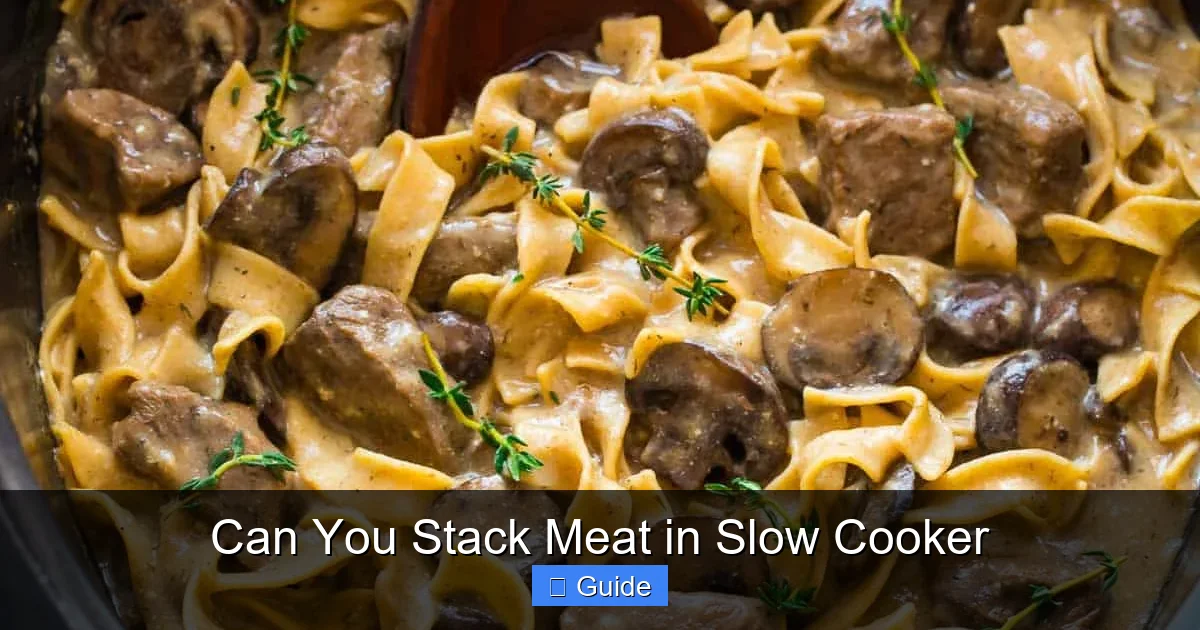
Visual guide about how to stack meat in slow cooker
Image source: wellplated.com
This is where the “how-to” of stacking meat really comes into play. Strategic layering is key to even cooking and food safety.
Bottom Layer: Tougher Cuts or Larger Roasts
The bottom of your slow cooker is the hottest part, thanks to the heating elements. Therefore, this is the best place for:
- Large, dense cuts: A big beef roast, pork shoulder, or whole chicken.
- Meats requiring longer cooking: Cuts that benefit from extended, moist heat to break down connective tissues.
- Bones: If your meat has bones (like bone-in chicken thighs or a bone-in roast), place them at the bottom. Bones can transfer heat effectively and add flavor.
Middle Layer: Smaller Meats or Vegetables
Once your main meat is in place, you can add your next layer.
- Smaller meat pieces: If you’re stacking stew meat or smaller chicken pieces on top of a larger roast, this is their spot.
- Harder vegetables: Root vegetables like carrots, potatoes, and onions can go in this layer. They can withstand longer cooking times and provide a base for the upper layers.
Top Layer: Delicate Ingredients and Liquids
The top layer experiences less direct heat and can be prone to drying out if not properly managed.
- Delicate vegetables: Softer vegetables like mushrooms, bell peppers, or peas can go on top, or be added during the last hour or two of cooking to prevent them from becoming mushy.
- Liquids: Pour your cooking liquid (broth, water, sauce) over all the ingredients. Aim for the liquid to cover at least halfway up the stack of meat, but not necessarily fully submerge everything, especially if you want some browning on top. Too much liquid can make everything watery.
- Herbs and spices: Add fresh herbs towards the end of cooking to preserve their flavor and color. Dried herbs can be added earlier.
Don’t Forget About Space
Even when stacking meat, remember the two-thirds to three-quarters full rule. Ensure there’s still a bit of room at the top for steam and heat to circulate. Avoid pressing the lid down onto your ingredients.
Adjusting Cooking Times and Temperatures
When you stack meat in slow cooker, it changes the dynamics significantly. You can’t just follow the recipe’s base cooking time.
Expect Longer Cooking Times
This is perhaps the most crucial adjustment. More food, especially denser food like stacked meat, means it takes longer for the slow cooker to reach and maintain its target temperature throughout the entire pot.
- General rule: Add at least 1-2 hours to the high setting or 2-4 hours to the low setting compared to a recipe that doesn’t stack meat. For very large, dense stacks, it might be even longer.
- Monitor closely: Don’t just set it and forget it based on a regular recipe.
The Importance of a Meat Thermometer
A reliable meat thermometer is your best friend when stacking meat in a slow cooker. It’s the only way to accurately determine if your meat has reached a safe internal temperature.
- Check multiple spots: Insert the thermometer into the thickest part of each cut of meat, making sure it doesn’t touch bone. Check multiple pieces, especially those in the center or on top of the stack, which are often the last to cook through.
- Recommended temperatures:
- Pork: 145°F (for roasts and chops)
- Beef (roasts, steaks): 145°F (medium-rare), 160°F (medium), 170°F (well-done)
- Chicken/Poultry: 165°F
- Ground Meats: 160°F
- Leftovers: Reheat to 165°F
High vs. Low Setting
While cooking on low for longer is generally preferred for tenderizing tough cuts, when you stack meat, the high setting might be necessary to bring the internal temperature up within a reasonable timeframe. However, prolonged cooking on high can dry out meat. Balance is key. If starting on high to get things cooking, you might reduce to low after a couple of hours.
Ensuring Even Cooking and Food Safety
Cooking safely and evenly is paramount when you stack meat in slow cooker.
Stirring (if applicable)
For recipes with smaller, uniform pieces of meat (like stew meat or shredded chicken), a gentle stir halfway through the cooking process can help distribute heat and flavors more evenly. However, avoid stirring large roasts, as it can disrupt their structure and cooking process.
Don’t Lift the Lid Too Often
Every time you lift the lid of your slow cooker, you release a significant amount of heat and steam, adding 20-30 minutes to the overall cooking time. When stacking meat, this effect is even more pronounced because there’s more volume to reheat. Resist the urge to peek frequently!
Cross-Contamination Prevention
Always use separate cutting boards and utensils for raw meat and cooked meat or other ingredients. After handling raw meat, wash your hands thoroughly with soap and warm water. This is crucial for food safety, especially when dealing with large quantities of meat.
Cooling and Storing Leftovers
Once cooked, if you have leftovers from your stacked slow cooker meal, cool them quickly. Divide large portions into smaller, shallow containers to allow for rapid cooling in the refrigerator (within 2 hours of cooking). Reheat leftovers to 165°F.
Tips for Successful Stacking
Here are some extra tips to ensure your stacked slow cooker meal is a success every time.
- Use a Liner: A slow cooker liner can make cleanup significantly easier, especially when you’re dealing with a large volume of food and potentially sticky sauces from stacking meat.
- Recipe Adaptation: Choose recipes that are forgiving and naturally create a lot of liquid. Pot roasts, pulled pork, and chili are excellent candidates for stacking meat. Dry rubs are fine, but ensure you have enough braising liquid.
- Pre-Searing and Deglazing: For maximum flavor, sear your meat (even smaller pieces) in a pan and then deglaze the pan with some of your cooking liquid. This captures all those delicious browned bits and adds them to your slow cooker.
- Consider a Rack: Some slow cookers come with a small rack, or you can buy a silicone trivet. This can be helpful to keep meat slightly elevated from the direct bottom heat and allow for better liquid circulation, especially if you’re layering delicate items at the bottom.
- Finish with Freshness: Add fresh herbs, a squeeze of lemon juice, or a dollop of sour cream or Greek yogurt just before serving to brighten flavors and add a fresh element to your rich, slow-cooked meal.
Common Stacking Challenges and Solutions
Even with the best intentions, you might run into a few snags when you stack meat in slow cooker.
Challenge: Uneven Cooking
* Problem: Some pieces are done, others are not.
* Solution: Ensure meat pieces are roughly uniform in size. Place larger, denser cuts at the bottom. Use a meat thermometer to check multiple areas. If one piece is significantly undercooked, you might need to remove the cooked portions and continue cooking the rest, or cut the undercooked piece into smaller chunks.
Challenge: Meat is Dry or Tough
* Problem: Despite long cooking, the meat is not tender.
* Solution: This often happens if there isn’t enough liquid, or if the meat was lean and cooked too long on high. Ensure you have adequate liquid (at least half the meat covered). For lean cuts like chicken breast, consider adding them later or cooking on low. Sear meat beforehand to lock in moisture. For tough cuts, sometimes they just need *more* time on low to break down connective tissues.
Challenge: Too Much Liquid
* Problem: Your sauce is thin and watery.
* Solution: When stacking meat, remember that meat and vegetables release their own juices. Reduce the initial amount of liquid you add. If it’s still too thin at the end, remove the meat, increase the slow cooker to high (or transfer liquid to a saucepan on the stovetop), and simmer until reduced to your desired consistency. You can also thicken it with a cornstarch slurry (1 tbsp cornstarch mixed with 1 tbsp cold water, stirred into the hot liquid).
Challenge: Food Burns on the Bottom
* Problem: Bottom layer of meat or veggies is scorched.
* Solution: This can happen if the heat is too high, there’s not enough liquid, or the slow cooker is packed too tightly. Ensure enough liquid is present and that the heating elements aren’t directly scorching the bottom layer without any buffer. If your slow cooker runs very hot, consider adjusting to a lower setting for longer, or using a silicone trivet to slightly elevate the food.
Conclusion
So, can you stack meat in a slow cooker? Absolutely! It’s a fantastic way to maximize your slow cooker’s potential, especially when feeding a crowd or meal prepping for the week. By understanding your appliance, strategically layering your ingredients, adjusting cooking times, and prioritizing food safety, you can confidently stack meat to create tender, delicious, and perfectly cooked meals.
Remember, patience is a virtue with slow cooking, and even more so when stacking meat. Don’t be afraid to experiment with different cuts and recipes, and always, always rely on your meat thermometer for peace of mind. Happy slow cooking!

Jennifer D. Simon has spent the last 26 years studying and practicing nutrition science. She has used a larger part of this time in improving people’s livelihoods. She has done so by coming up with unquestionable ideas on how to tackle food problems in her community. Read More