
Fresh vs Dried Herbs in Slow Cooker Which is Best
When it comes to using herbs in your slow cooker, both fresh and dried varieties have their strengths. Dried herbs often excel in long cooking times, releasing their robust flavors slowly without fading. Fresh herbs, while delicate, can add a vibrant, bright finish when added strategically towards the end. Understanding their unique properties and proper timing is key to elevating your slow-cooked dishes, helping you decide whether fresh herbs or dried herbs in slow cooker recipes will yield the best results for your culinary goals.
Fresh vs Dried Herbs in Slow Cooker Which is Best
Ah, the slow cooker. That beloved kitchen appliance that promises delicious, comforting meals with minimal fuss. It’s a lifesaver on busy weeknights, transforming humble ingredients into culinary masterpieces with its low-and-slow magic. But as you gather your ingredients – a hearty cut of meat, some aromatic vegetables, and, of course, your trusty herbs – a common question often arises: should I reach for fresh herbs or dried herbs in slow cooker recipes? Is there a “best” choice, or does it all depend on what you’re trying to achieve?
This isn’t just a matter of convenience; it’s a fundamental culinary decision that can significantly impact the final flavor profile of your dish. While both fresh and dried herbs bring their unique characteristics to the table, the slow cooker’s prolonged, gentle heat interacts with them in very different ways. Understanding these interactions is key to unlocking the full potential of your ingredients and ensuring your slow-cooked meals are always bursting with the vibrant, layered flavors you crave. Let’s dive deep into the aromatic world of herbs and discover how to master their use in your slow cooker.
Key Takeaways
- Dried Herbs for Long Cooking: Dried herbs are generally preferred for slow cooker recipes that cook for many hours. Their concentrated flavors stand up well to prolonged heat without becoming bitter or losing their potency.
- Use the 1:3 Ratio: As a general rule, use one teaspoon of dried herbs for every tablespoon (three teaspoons) of fresh herbs called for in a recipe. This accounts for the increased concentration of dried herbs.
- Timing is Crucial for Fresh Herbs: Most fresh herbs, especially delicate ones like basil, parsley, and cilantro, should be added towards the end of the cooking cycle (last 30-60 minutes) or just before serving to preserve their vibrant flavor and color.
- Hearty Fresh Herbs Can Go In Earlier: Robust fresh herbs like rosemary, thyme, and oregano can withstand longer cooking times than their delicate counterparts, and can often be added in the last hour or two of slow cooking.
- Consider a Hybrid Approach: Combining both dried and fresh herbs can offer the best of both worlds. Use dried herbs for the slow-cooking base flavor and fresh herbs for a bright, aromatic finish.
- Experiment with Different Types: Not all herbs behave the same way. Understand which herbs are more robust (e.g., bay, sage, rosemary) and which are more delicate (e.g., mint, dill, chives) to make informed decisions for your slow cooker dishes.
- Don’t Overdo It: Herbs, whether fresh or dried, are potent. Start with the recommended amount or a little less, and taste your dish before adding more. You can always add, but you can’t take away!
📑 Table of Contents
The Science of Flavor: How Heat Affects Herbs
Before we decide which type of herb is “best” for your slow cooker, let’s take a moment to understand what’s happening to these flavorful plant parts when they’re subjected to heat. Herbs, whether fresh or dried, owe their distinctive aromas and tastes to complex chemical compounds, primarily volatile oils. These oils are delicate and can react differently depending on the cooking method and duration.
Volatile Oils and Aromatic Compounds
Fresh herbs are packed with moisture and living cells that contain these volatile oils. When you chop fresh herbs, you break these cells, releasing their potent fragrance. Dried herbs, on the other hand, have had most of their moisture removed. This drying process concentrates their flavor compounds, making them more potent by volume than their fresh counterparts. However, some of the very delicate volatile compounds can be lost during drying, leading to a slightly different, often earthier, flavor profile.
The Impact of Low and Slow Cooking
The slow cooker operates at relatively low temperatures over extended periods. This gentle heat is fantastic for tenderizing meats and melding flavors, but it can be a double-edged sword for herbs. Prolonged exposure to heat can cause delicate volatile oils to evaporate or break down. This is where the distinction between fresh and dried herbs becomes particularly important. Some herbs can withstand this long cooking, while others will simply fade into oblivion, or worse, turn bitter. The choice between fresh herbs or dried herbs in slow cooker dishes therefore depends heavily on how these compounds react over time.
Dried Herbs in the Slow Cooker: The Workhorses of Long Cook Times
When it comes to the slow cooker, dried herbs are often the unsung heroes. They are incredibly well-suited for the prolonged cooking times that are characteristic of slow-cooked dishes. Their concentrated nature and stability under heat make them an excellent choice for building a robust flavor base from the very beginning.
Why Dried Herbs Excel Here
Dried herbs have already undergone a process that removes water, leaving behind concentrated flavor compounds. This means they are less prone to breaking down quickly in the slow cooker’s consistent heat. Instead, they slowly rehydrate and release their flavors steadily throughout the cooking process, infusing your entire dish with a deep, earthy, and well-developed taste. Think of them as flavor time-release capsules. They are perfect for stews, braises, chilis, and hearty soups where a foundational, integrated flavor is desired.
Key Dried Herbs for Slow Cookers
Some dried herbs truly shine in the slow cooker environment. These are typically the more robust, woodier herbs that can stand up to long cooking.
- Bay Leaf: Essential for many slow-cooked dishes, bay leaves add a subtle, savory, slightly floral note. Always remove them before serving.
- Dried Thyme: A classic for good reason, dried thyme brings an earthy, minty, slightly lemony flavor that pairs beautifully with meats and vegetables.
- Dried Rosemary: Pungent and piney, dried rosemary is fantastic with lamb, beef, and root vegetables. Use sparingly as its flavor is very strong.
- Dried Oregano: Offering a robust, slightly bitter, and peppery taste, dried oregano is a staple in Mediterranean-inspired slow cooker meals.
- Dried Sage: Earthy and slightly peppery, dried sage is wonderful with poultry, pork, and bean dishes.
- Dried Marjoram: A milder, sweeter cousin to oregano, dried marjoram adds a delicate, savory touch.
Proper Ratios: Dried vs. Fresh (The 1:3 Rule)
Because dried herbs are more concentrated, you cannot simply swap them one-to-one with fresh herbs. A good rule of thumb to remember is the 1:3 ratio:
Use 1 teaspoon of dried herbs for every 1 tablespoon (which equals 3 teaspoons) of fresh herbs called for in a recipe.
Visual guide about fresh herbs or dried herbs in slow cooker
Image source: chowhound.com
For example, if a recipe calls for 3 tablespoons of fresh parsley, you would use 1 tablespoon of dried parsley. If it calls for 1 tablespoon of fresh thyme, you’d use 1 teaspoon of dried thyme. It’s always a good idea to start with slightly less than the calculated amount, taste near the end of cooking, and add more if needed.
When to Add Dried Herbs
One of the greatest advantages of dried herbs in slow cooker recipes is their ability to be added early. For most dried herbs, you can incorporate them right at the beginning of the cooking cycle, along with your other ingredients. This allows them ample time to rehydrate, release their essential oils, and infuse the entire dish with their flavor. This early addition is particularly beneficial for foundational flavors like bay leaves, thyme, and rosemary.
Fresh Herbs in the Slow Cooker: A Delicate Dance of Flavor
While dried herbs are excellent for building a flavor base, fresh herbs play a crucial role in adding brightness, vibrancy, and a fresh “pop” that dried herbs simply cannot replicate. However, their delicate nature means they require a more strategic approach when used in a slow cooker. The debate of fresh herbs or dried herbs in slow cooker preparations often boils down to *when* you add them.
The Challenges and Rewards of Fresh
The high moisture content and delicate volatile oils in fresh herbs mean they are susceptible to degradation under prolonged heat. If added at the beginning of a long slow-cooking cycle, many fresh herbs can lose their vibrant color, turn mushy, and their fresh, aromatic qualities can diminish, leaving behind a dull or even bitter taste.
However, when added at the right time, fresh herbs contribute a burst of color and a lively, fresh flavor that elevates a dish from merely good to truly spectacular. They are fantastic for adding a final flourish and a burst of green freshness.
When Fresh Herbs Shine
Fresh herbs are best utilized in the slow cooker when you want to preserve their bright, herbaceous notes and visual appeal. This typically means adding them towards the end of the cooking process.
- Delicate Herbs: Herbs like basil, cilantro, parsley, dill, chives, and mint are best added in the last 15-30 minutes of cooking or even stirred in just before serving. Their flavors are easily destroyed by long heat exposure.
- Heartier Fresh Herbs: Some fresh herbs, like rosemary, thyme, and oregano, are more robust. They can often be added in the last 1-2 hours of cooking without completely losing their character. While they won’t have the same bright punch as when added at the very end, they will contribute a deeper, infused flavor.
Consider using fresh herbs like parsley or cilantro as a vibrant garnish after plating to add both color and a final aromatic lift.
Strategic Timing: Adding Fresh Herbs
The timing for fresh herbs is everything.
- End of Cooking: For most delicate fresh herbs (basil, cilantro, parsley, dill, chives), stir them in during the final 15-30 minutes of cooking. This allows them to warm through and release their flavor without completely breaking down.
- Just Before Serving: For the freshest taste and best visual appeal, sprinkle a generous handful of chopped fresh herbs directly over individual servings or stir them into the entire pot just before serving. This is especially true for garnishes.
- Bundling Hearty Herbs: If you’re using fresh rosemary or thyme sprigs, you can tie them together with kitchen twine and add them to the slow cooker during the last hour or two. This allows their flavor to infuse while making them easy to remove before serving.
Best Practices for Using Fresh Herbs
Always wash fresh herbs thoroughly before chopping. For delicate herbs, a gentle pat dry is sufficient. For heartier ones, you can dry them more vigorously. To maximize their flavor release, chop delicate fresh herbs just before adding them to your dish. For heartier herbs like rosemary, you can strip the leaves from the woody stems and chop them finely.
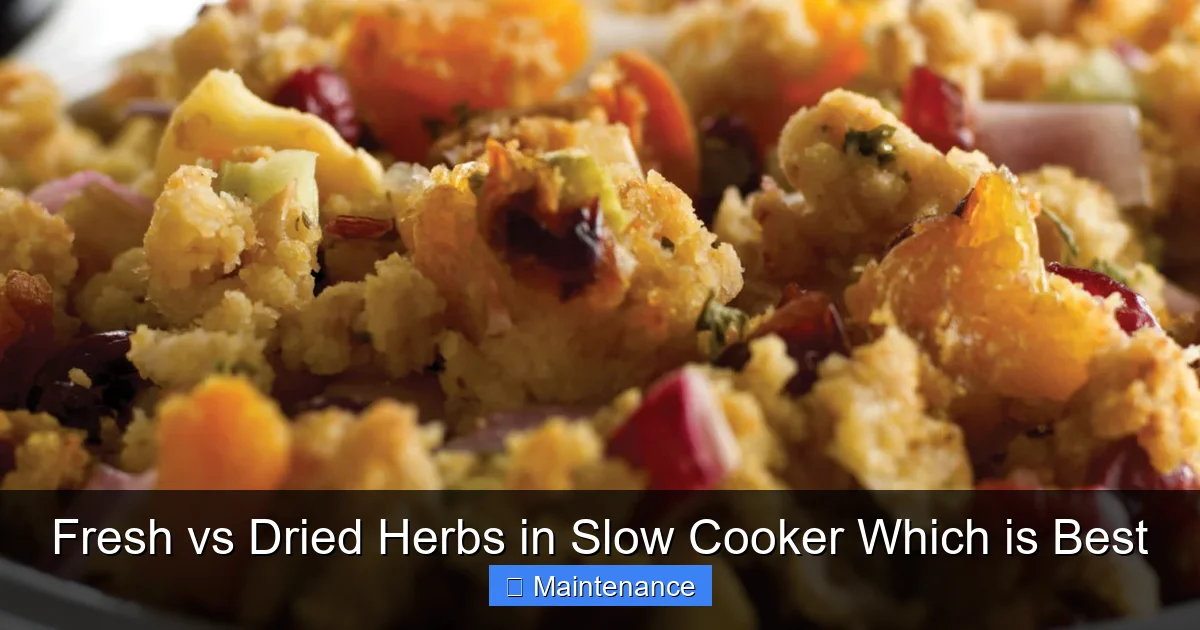
Visual guide about fresh herbs or dried herbs in slow cooker
Image source: campbells.com
Hybrid Approach: Maximizing Flavor with Both

Visual guide about fresh herbs or dried herbs in slow cooker
Image source: thumbs.dreamstime.com
Why limit yourself to an either/or decision when you can have the best of both worlds? The most sophisticated and flavorful slow-cooked dishes often employ a hybrid approach, strategically using both fresh and dried herbs to build depth and add complexity. This is where the discussion of fresh herbs or dried herbs in slow cooker meals becomes truly nuanced.
Layering Flavors
Think of your slow cooker dish as a canvas for flavor layers.
- Foundation with Dried Herbs: Start your slow-cooked masterpiece by incorporating dried herbs at the beginning. These will provide a deep, earthy, and well-integrated base flavor that permeates the entire dish during its long cook time.
- Mid-Cook Addition (Heartier Fresh Herbs): For recipes that might benefit from a slightly brighter herbal note than dried herbs alone can provide, consider adding robust fresh herbs like rosemary or thyme sprigs during the last 1-2 hours of cooking. They’ll soften and meld, but still offer more vibrancy than their dried counterparts.
- Finishing Touch with Delicate Fresh Herbs: Just before serving, or even as a garnish, stir in or sprinkle delicate fresh herbs like chopped parsley, basil, or cilantro. This provides a fresh, aromatic burst, a pop of color, and lifts the entire dish, preventing it from tasting “flat” after hours of cooking.
This layering technique ensures that your dish has a complex flavor profile, with both deep, comforting notes and bright, fresh accents.
The Best of Both Worlds Strategy
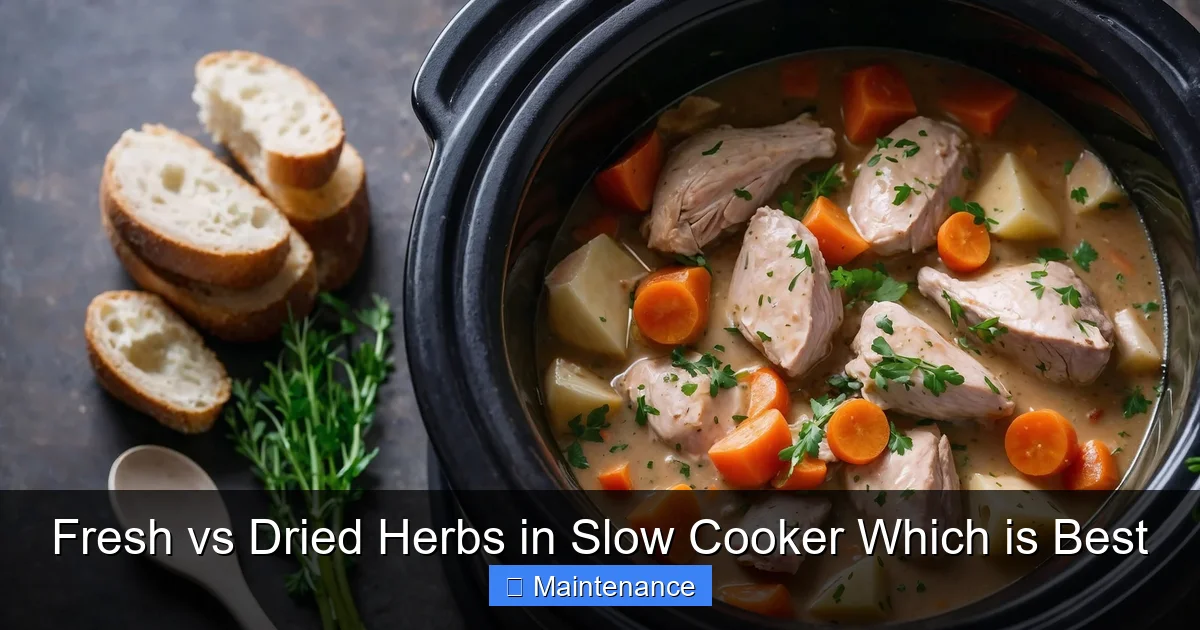
Imagine a beef stew. You might start by browning your beef with dried thyme and bay leaves, letting those flavors infuse deeply throughout the slow cooking process. Then, in the last hour, you could add a few sprigs of fresh rosemary to gently release its piney notes. Finally, just before serving, a generous sprinkle of freshly chopped parsley would add a vibrant green color and a clean, herbaceous finish. This thoughtful combination elevates a simple stew into something truly memorable, showcasing the unique strengths of both fresh and dried herbs in slow cooker applications.
Tips and Tricks for Herb Success in Your Slow Cooker
Mastering the use of herbs in your slow cooker goes beyond just knowing when to add them. A few clever techniques can enhance their flavor and ensure they contribute optimally to your dish. Understanding whether fresh herbs or dried herbs in slow cooker recipes is best also involves preparation.
Bruising and Tying for Fresh Herbs
When using heartier fresh herbs like rosemary or thyme sprigs early in the cooking process (e.g., in the last hour or two), gently bruise them first. You can do this by lightly crushing them with the back of a knife or twisting them between your fingers. This helps to break cell walls and release more of their essential oils. If you’re adding whole sprigs, especially bay leaves, consider tying them together with kitchen twine into a “bouquet garni.” This makes them easy to retrieve and remove before serving, preventing any woody or unpleasant textures in your final dish.
Toasting Dried Herbs (Optional Pre-Step)
For an extra layer of flavor, especially for robust dried herbs like oregano, thyme, or cumin, consider lightly toasting them in a dry pan for 30-60 seconds before adding them to your slow cooker. This short burst of heat can awaken their essential oils, deepening their aroma and flavor. Be careful not to burn them, as this can make them bitter. This step is particularly beneficial when you’re sautéing aromatics (onions, garlic) before adding them to the slow cooker; you can toast the herbs in the residual heat of the pan.
Storing Herbs Properly
Proper storage ensures your herbs, whether fresh or dried, retain their potency.
- Fresh Herbs: Store delicate fresh herbs (parsley, cilantro, basil) by trimming the stems and placing them upright in a glass of water, much like a bouquet of flowers. Cover loosely with a plastic bag and refrigerate. Heartier herbs (rosemary, thyme, oregano) can be wrapped in a damp paper towel and placed in a sealed bag in the crisper drawer.
- Dried Herbs: Keep dried herbs in airtight containers in a cool, dark place away from direct sunlight or heat. While they don’t “go bad” in a harmful way, they do lose potency over time. Aim to replace your dried herbs every 1-3 years for best flavor.
Don’t Overwhelm Your Dish
Remember, herbs are potent. It’s always easier to add more flavor than to take it away. Start with the amount specified in your recipe, or even a little less if you’re experimenting or unsure of the herb’s potency. Taste your dish during the last hour of cooking and adjust seasoning, including herbs, as needed. A balanced herb profile enhances your slow-cooked meal; an overabundance can overpower it.
Conclusion
So, which is best: fresh herbs or dried herbs in slow cooker recipes? The answer, as with many things in cooking, is not a simple one-size-fits-all. Both fresh and dried herbs have their distinct advantages and ideal applications in the slow cooker. Dried herbs are your foundational flavor builders, perfect for long cooking and creating deep, integrated tastes. Fresh herbs are your vibrant finishers, adding brightness, aroma, and visual appeal when incorporated strategically at the end.
The true secret to unlocking phenomenal flavor in your slow-cooked dishes lies in understanding the characteristics of each type of herb and leveraging their strengths. Don’t be afraid to use a combination of both! By employing a thoughtful, layered approach, starting with dried herbs for depth and finishing with fresh for vibrancy, you can transform your slow cooker meals into culinary triumphs. Experiment, taste, and find the perfect balance that suits your palate and your dish. Happy slow cooking!
Frequently Asked Questions
Can I substitute fresh herbs for dried herbs in any slow cooker recipe?
While you can often substitute, it’s crucial to understand the flavor difference and adjust the quantity. Dried herbs are more concentrated, so use about one teaspoon of dried for every tablespoon of fresh. Also, consider the timing, as delicate fresh herbs won’t hold up to long cooking.
When is the best time to add fresh herbs to my slow cooker?
For delicate fresh herbs like basil, parsley, or cilantro, it’s best to add them during the last 15-30 minutes of cooking, or even just before serving. This preserves their vibrant flavor, color, and texture, preventing them from becoming dull or mushy.
Are there any fresh herbs that can withstand long slow cooking?
Yes, heartier fresh herbs like rosemary, thyme, and oregano can endure longer cooking times than their delicate counterparts. You can often add them during the last 1-2 hours of slow cooking, though they will still offer a brighter, fresher taste if added closer to the end.
Do dried herbs lose their flavor in a slow cooker if added too early?
No, quite the opposite! Dried herbs are excellent for slow cooking because they slowly rehydrate and release their concentrated flavors over many hours. Adding them early in the process allows their flavors to fully infuse the entire dish, building a robust base.
What’s the ideal ratio when converting a recipe from fresh to dried herbs or vice versa?
A general rule of thumb is to use one teaspoon of dried herbs for every one tablespoon (which is three teaspoons) of fresh herbs called for in a recipe. This accounts for the higher concentration of flavor in dried herbs.
Can I use both fresh and dried herbs in the same slow cooker dish?
Absolutely, and it’s often recommended for the best results! Using dried herbs early to build a deep flavor base, and then finishing with fresh herbs for a bright, aromatic lift, creates a more complex and satisfying dish.

Jennifer D. Simon has spent the last 26 years studying and practicing nutrition science. She has used a larger part of this time in improving people’s livelihoods. She has done so by coming up with unquestionable ideas on how to tackle food problems in her community. Read More