
Why Are My Boneless Pork Chops Dry in the Crockpot
Are your boneless pork chops consistently dry in the crockpot? You’re not alone! This common issue often stems from overcooking lean meat, insufficient liquid, or improper technique. Learn how to choose the right chops, prepare them properly, and master your slow cooker’s settings to achieve succulent, flavorful pork chops every time.
Why Are My Boneless Pork Chops Dry in the Crockpot
If you’ve ever pulled out what you hoped would be a tender, succulent meal from your slow cooker, only to find rubbery, flavorless boneless pork chops, you’re certainly not alone. It’s a frustrating culinary puzzle that many home cooks face. The slow cooker, or crockpot, is celebrated for its ability to transform tough cuts of meat into fall-apart tender dishes, but when it comes to lean meats like boneless pork chops, it can sometimes be a recipe for disaster. Instead of moist and delicious, you end up with something that feels more like shoe leather.
But don’t despair! This guide is here to unravel the mystery of why your boneless pork chops are dry in the crockpot and, more importantly, to equip you with the knowledge and techniques to achieve perfectly tender, juicy results every single time. We’ll explore the science behind what’s happening, delve into common mistakes, and provide a step-by-step approach to slow-cooking boneless pork chops that will change your weeknight dinners forever. Get ready to turn that dry-chop frown upside down!
Quick Answers to Common Questions
Should I add water to my crockpot for boneless pork chops?
Yes, always add some liquid! Water is okay, but broth, apple cider, or a diluted cream soup base will add much more flavor and create a steamy environment that prevents the chops from drying out.
What if my boneless pork chops are still dry after cooking for the recommended time?
This usually means your slow cooker runs hot, or your chops were particularly thin. Don’t worry, you can shred them and mix them back into the cooking liquid/sauce to rehydrate, or serve them generously drizzled with a rich gravy or creamy sauce.
Can I cook frozen boneless pork chops in the crockpot?
It’s generally not recommended for food safety. The chops will spend too much time in the “danger zone” temperature range as they thaw. Always thaw pork chops completely in the refrigerator before slow cooking.
What temperature should boneless pork chops be in the crockpot?
Boneless pork chops are safe to eat and at their most tender and juicy when they reach an internal temperature of 145°F (63°C), followed by a 3-minute rest. Use a meat thermometer to check!
How can I make my boneless pork chops more flavorful in the crockpot?
Sear them before adding to the crockpot, use flavorful liquids (broth, wine), add aromatics like onions and garlic, and season generously. Don’t forget herbs and spices that complement pork, like sage, thyme, or rosemary!
Understanding the Enemy: Why Boneless Pork Chops Dry Out
The primary reason boneless pork chops dry out in the crockpot is their very nature: they are a lean cut of meat. Unlike fattier cuts like pork shoulder or beef chuck, which benefit from long, slow cooking that breaks down connective tissues and renders fat, boneless pork chops have very little fat or connective tissue to begin with.
The Lean Meat Problem
When lean meat is subjected to prolonged heat, its muscle fibers contract and squeeze out moisture. The longer it cooks, and the higher the temperature, the more moisture is expelled, leaving you with dry, tough meat. Your slow cooker, despite its “low and slow” promise, can still overcook lean cuts if not managed correctly.
The Overcooking Trap
Many slow cooker recipes are designed for cuts that need hours upon hours to become tender. Applying this same philosophy to boneless pork chops is a common mistake. They reach their optimal internal temperature for doneness (145°F or 63°C) relatively quickly. Any time beyond that point is essentially overcooking, leading to dryness. The “low” setting on your crockpot still reaches temperatures high enough to cook food, and if lean meat sits there too long, it will inevitably dry out.
Choosing the Right Boneless Pork Chops for Your Crockpot
The journey to juicy pork chops begins at the grocery store. Making smart choices here can significantly impact your final dish.
Thickness Matters
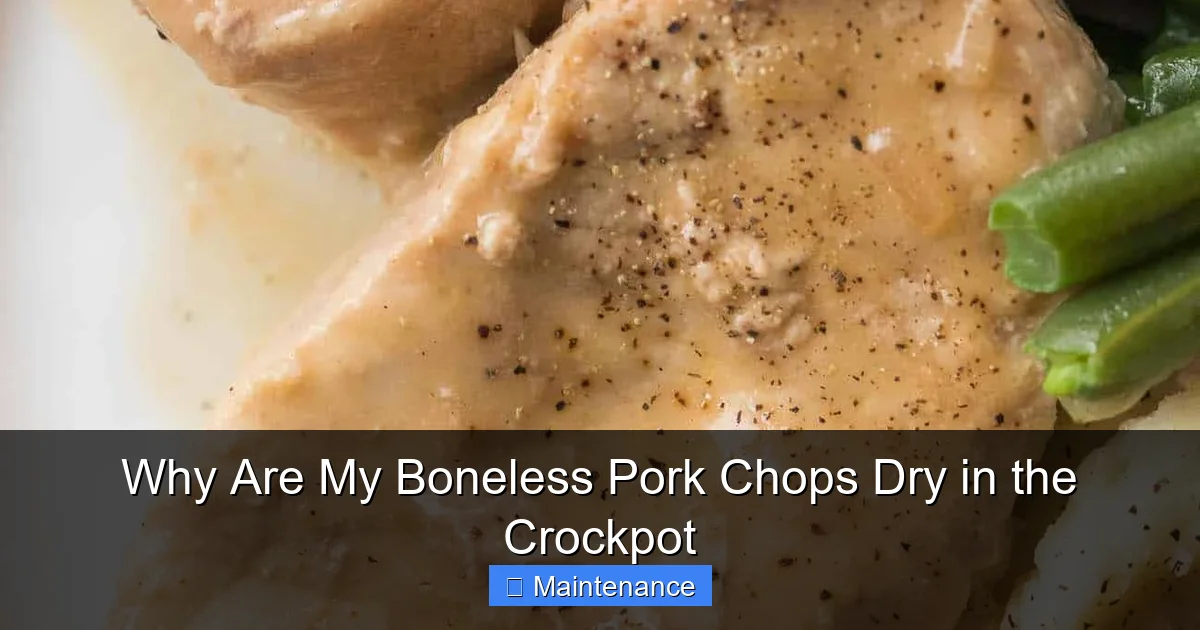
Thicker boneless pork chops (at least 1 to 1.5 inches thick) are more forgiving in the slow cooker. They have more insulation, meaning it takes longer for the heat to penetrate and cook them through, reducing the risk of rapid overcooking.
Visual guide about how to My Boneless Pork Chops Dry in the Crockpot
Image source: dearcrissy.com
Look for Marbling
While boneless pork chops are lean, some cuts might have a bit more intramuscular fat (marbling) than others. A little fat goes a long way in adding flavor and moisture. Avoid chops that look completely devoid of any fat whatsoever.
Consider Bone-In Options
While this guide focuses on “boneless,” it’s worth noting that bone-in pork chops tend to stay juicier. The bone insulates the meat and adds flavor. If you’re open to it, a bone-in chop can be a fantastic slow cooker choice.
Pre-Cooking Preparation: Setting Up for Success
A little effort before your boneless pork chops hit the crockpot can make a huge difference in preventing them from drying out.
Brining for Moisture
Brining is a game-changer for lean meats. A simple brine (water, salt, and optional sugar/herbs) helps the meat absorb moisture and seasoning before cooking. The salt also denatures muscle proteins, allowing them to hold onto moisture more effectively during cooking.

Visual guide about how to My Boneless Pork Chops Dry in the Crockpot
Image source: inspiredtaste.net
- Simple Brine Ratio: For every 4 cups of water, use 1/4 cup kosher salt (or 2 tablespoons table salt) and 1 tablespoon sugar (optional).
- Method: Dissolve salt and sugar in warm water, then cool completely. Submerge boneless pork chops in the cold brine for 30 minutes to 2 hours in the refrigerator. Rinse thoroughly and pat dry before cooking.
Searing for Flavor and Moisture Lock
Searing your boneless pork chops in a hot pan before adding them to the crockpot serves two purposes:
- Flavor Development: It creates a delicious browned crust (Maillard reaction) that adds depth of flavor to your dish.
- Initial Moisture Barrier: While not a perfect “seal,” searing can help some surface moisture remain inside the chop initially.
- Method: Heat a tablespoon of oil in a skillet over medium-high heat. Sear chops for 2-3 minutes per side until nicely browned.
Strategic Seasoning
Season your chops well before they go into the slow cooker. Salt and pepper are essential, but don’t shy away from other herbs and spices that complement your chosen liquid or sauce. The seasoning will infuse into the meat as it cooks.
Mastering the Crockpot Method: The Real Secret
This is where most of the magic (or mischief) happens. Understanding how to use your slow cooker specifically for boneless pork chops is key to preventing dryness.
The Importance of Liquid
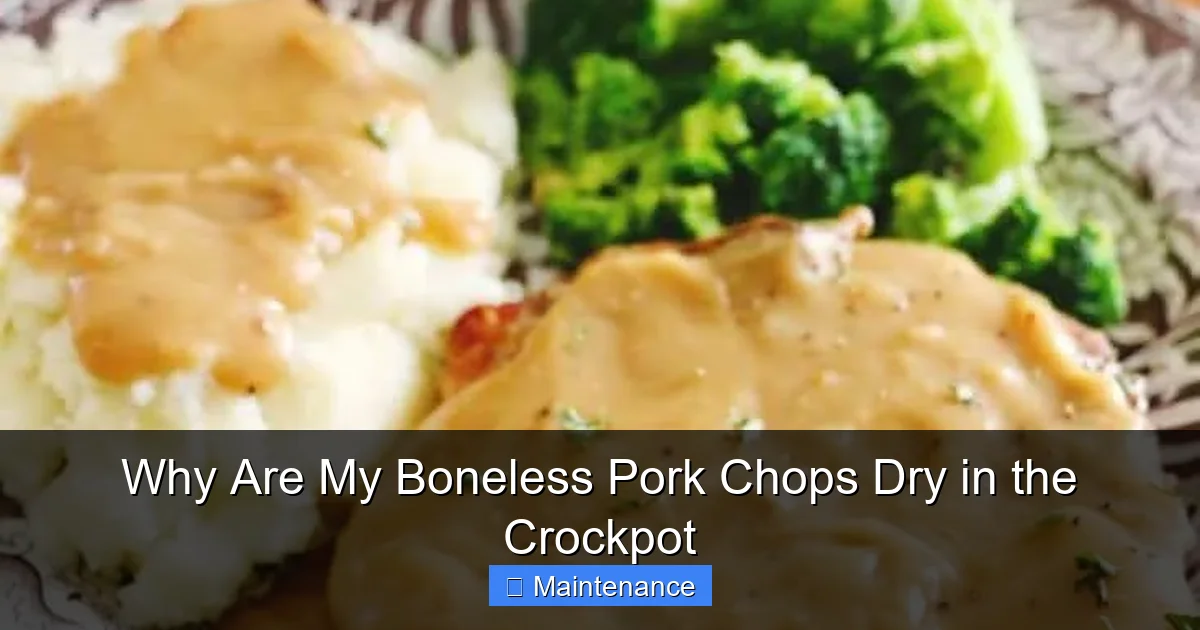
Boneless pork chops need moisture. A sufficient amount of liquid in the crockpot creates a steamy environment that helps prevent the chops from drying out. This liquid also becomes the base for your delicious sauce!
Visual guide about how to My Boneless Pork Chops Dry in the Crockpot
Image source: cdn.shortpixel.ai
- Choose Flavorful Liquids: Use chicken or vegetable broth, apple cider, white wine, canned diced tomatoes, or cream of mushroom soup diluted with a bit of water/broth.
- Partial Submersion: Aim for the liquid to come up about halfway or two-thirds of the way up the sides of your chops. You don’t need to completely submerge them, especially if they are thicker.
- Add Acidity: A splash of apple cider vinegar, lemon juice, or even a bit of tomato paste can help tenderize the meat slightly and brighten flavors.
Temperature and Time Control are Critical
This is arguably the most crucial step to ensure your boneless pork chops aren’t dry in the crockpot. Unlike tougher cuts, pork chops do NOT need 6-8 hours on low.
Cook on Low, Not High (Generally)
While some recipes might call for “high” for a shorter time, “low” generally provides a gentler, more even cooking environment that is better for preventing dryness in lean meats. The problem arises when “low” is still too long.
Shorten Cooking Time Significantly
Boneless pork chops often cook in just 2-4 hours on the low setting, depending on their thickness and your slow cooker’s specific heating. A good starting point for 1 to 1.5-inch thick chops is 2.5 hours on low. They are cooked when they reach an internal temperature of 145°F (63°C).
- Use a Meat Thermometer: This is your best friend. Insert it into the thickest part of a chop without touching the bone (if applicable). Once it reads 145°F (63°C), they are done.
- Don’t Trust Visual Cues Alone: Pork can still be slightly pink inside at 145°F, which is perfectly safe and desired for juiciness. Overcooking until it’s “white all the way through” is a sure path to dryness.
Resist the Urge to Peek
Every time you lift the lid of your slow cooker, you release accumulated heat and steam, extending the cooking time by roughly 20-30 minutes. This increases the overall cooking duration, thereby increasing the chances of drying out your boneless pork chops.
Don’t Overcrowd the Crockpot
Piling too many boneless pork chops into the slow cooker can lead to uneven cooking. Give them a little room, or cook in batches if necessary. Overcrowding also lowers the temperature, requiring longer cooking times.
Adding Moisture and Flavor: The Finishing Touches
Even with careful cooking, you can boost the juiciness and flavor of your boneless pork chops with strategic additions.
Creamy or Acidic Sauces
Incorporating a sauce, especially one that contains dairy (cream, sour cream) or is slightly acidic, can make a huge difference.
- Creamy Sauces: Adding a splash of heavy cream, a dollop of sour cream, or even cream cheese during the last 30 minutes of cooking can create a rich, moist sauce that coats the chops and keeps them tender. Cream of mushroom soup is a classic for a reason!
- Tomato-Based Sauces: Diced tomatoes, tomato sauce, or even a squeeze of tomato paste contribute moisture and a lovely tang.
- Fruit-Based Sauces: Apple sauce, apple butter, or even sliced apples can add natural sweetness and moisture that pairs wonderfully with pork.
Vegetables for Extra Moisture and Flavor
Adding vegetables like onions, carrots, celery, or potatoes to your slow cooker can contribute their own moisture and flavors to the dish, creating a more robust meal and helping to buffer the chops from direct heat.
- Layering: Place a layer of chopped aromatic vegetables (onions, celery) at the bottom of the slow cooker before adding the chops. This lifts the chops slightly and infuses them with flavor.
Resting After Cooking
Once your boneless pork chops reach 145°F, remove them from the slow cooker (or turn the slow cooker off and leave them covered). Let them rest for 5-10 minutes before slicing or serving. This allows the juices to redistribute throughout the meat, resulting in a much more tender and moist chop. If you slice them immediately, all those precious juices will run out onto your cutting board.
Troubleshooting: What to Do If Your Chops Are Already Dry
Sometimes, despite your best efforts, you might still find your boneless pork chops a bit dry in the crockpot. Don’t throw them out! You can still salvage them.
Shred and Sauce
If the chops are too dry for serving whole, shred them with two forks. Then, stir them back into the flavorful cooking liquid and sauce in the crockpot. The shredded meat will absorb more of the moisture, making it much more palatable. This works great for pulled pork sandwiches or tacos.
Add Extra Gravy or Sauce
Make a quick gravy from the cooking liquid by thickening it with a cornstarch slurry (1 tbsp cornstarch mixed with 2 tbsp cold water). Pour generously over the chops. Alternatively, serve with a creamy, rich sauce (like a mushroom cream sauce or a cheese sauce) to mask the dryness.
Chop and Incorporate
Cut the dry chops into smaller pieces and mix them into a casserole, stew, or soup. The added moisture from these dishes can rehydrate the pork and give it a second life.
Putting It All Together: A Simple Recipe Framework
Here’s a basic framework to help you prevent boneless pork chops from being dry in the crockpot:
- Choose Wisely: Select 1-1.5 inch thick boneless pork chops.
- Brine (Optional but Recommended): Brine chops for 30 minutes to 2 hours. Rinse and pat dry.
- Sear (Recommended): Brown chops in a hot skillet for 2-3 minutes per side.
- Layer Aromatics: Place sliced onions or other veggies at the bottom of the crockpot.
- Add Chops and Liquid: Arrange chops on top of veggies. Pour in 1-2 cups of flavorful liquid (broth, cider, diluted cream soup). Liquid should come halfway up the chops.
- Season: Season chops well with salt, pepper, and desired herbs/spices.
- Cook Low and Slow (but not too slow!): Cook on LOW for 2.5-3.5 hours. Check internal temperature with a meat thermometer at the 2.5-hour mark. It’s done when it reaches 145°F (63°C). Do not lift the lid during cooking!
- Add Cream (Optional): If making a creamy sauce, stir in 1/2 cup heavy cream or sour cream during the last 30 minutes.
- Rest: Remove chops and let rest for 5-10 minutes before serving. Thicken sauce in the crockpot if desired.
Conclusion
The frustration of dry boneless pork chops in the crockpot can be a thing of the past. By understanding the unique characteristics of this lean cut of meat and implementing a few key strategies, you can transform your slow cooker into a reliable tool for tender, flavorful pork chops. Remember, the core principles are selecting the right chop, providing adequate moisture, and, most importantly, respecting the cooking time. With these tips in your arsenal, you’ll be able to confidently answer the question “Why are my boneless pork chops dry in the crockpot?” with a knowing smile, ready to serve up a truly delicious meal. Happy slow cooking!

Jennifer D. Simon has spent the last 26 years studying and practicing nutrition science. She has used a larger part of this time in improving people’s livelihoods. She has done so by coming up with unquestionable ideas on how to tackle food problems in her community. Read More