Why Is My Pork Roast Dry in the Crock Pot
Is your “pork roast dry in the crock pot” a recurring problem? You’re not alone! This guide dives deep into the common culprits, from using the wrong cut of meat and insufficient liquid to the ultimate sin: overcooking. Discover practical, step-by-step solutions to ensure your next crock pot pork roast is incredibly tender, juicy, and bursting with flavor, turning mealtime into a delight.
Welcome, fellow home cooks! There’s nothing quite as disappointing as anticipating a tender, juicy pork roast only to pull a dry, tough, and frankly, flavorless chunk of meat from your crock pot. If you’ve ever wondered, “Why is my pork roast dry in the crock pot?” you’re in the right place. This guide is dedicated to demystifying the causes behind a dry pork roast and, more importantly, equipping you with all the knowledge and tips you need to achieve consistently succulent, fall-apart results every single time.
Slow cooking in a crock pot is supposed to be foolproof, right? A set-it-and-forget-it method for tender meats. Yet, pork roast can be notoriously tricky, often turning out dry and stringy if not handled correctly. We’re going to dive deep into the science and technique behind perfect crock pot pork, covering everything from choosing the right cut of meat to mastering cooking times and moisture levels. By the end of this guide, you’ll be a crock pot pork roast pro, confidently serving up delicious, moist meals that will impress everyone at your table. Let’s get started!
Quick Answers to Common Questions
What’s the best cut of pork for a crock pot to avoid dryness?
For a moist, shreddable pork roast in a crock pot, always choose a pork shoulder, also known as pork butt or Boston butt. These cuts have excellent marbling and connective tissue that break down beautifully with slow cooking.
How much liquid should I add to my crock pot for a pork roast?
Aim for enough liquid (broth, cider, water, or a combination) to come at least halfway up the sides of your pork roast. This usually means about 2-4 cups, depending on the size of your roast and crock pot, to ensure a moist cooking environment.
Can I open the crock pot lid to check my pork roast?
It’s best to resist the urge to open the lid frequently. Each time you lift it, heat and steam escape, which can add 20-30 minutes to your cooking time and contribute to a dry pork roast. Only open it when absolutely necessary, like to check the temperature towards the end.
What temperature should pork roast be for shredding in a crock pot?
For a pork roast to be perfectly tender and shreddable in a crock pot, it should reach an internal temperature between 195-205°F (90-96°C) when measured with a meat thermometer in the thickest part.
My pork roast is still dry even after following tips. What can I do?
If your pork roast is still a bit dry, don’t throw it out! Shred it and mix it with extra liquid like warm broth, barbecue sauce, or a flavorful gravy. You can also repurpose it into tacos, sandwiches, or soups where additional moisture can be easily added.
Understanding the Culprits: Why Your Pork Roast Goes Dry
To fix the problem, we first need to understand it. There are several common reasons why your pork roast might be dry in the crock pot. It’s often not just one factor, but a combination.
The Wrong Cut of Pork
This is perhaps the most fundamental mistake people make. Not all pork cuts are created equal, especially when it comes to slow cooking.
- Lean vs. Fatty Cuts:
Pork loin or pork tenderloin are lean cuts of meat. They are fantastic for quick cooking methods like grilling, roasting, or pan-searing to a medium internal temperature (145°F). However, when you subject these cuts to the long, slow heat of a crock pot, they simply don’t have enough fat or connective tissue to break down and keep them moist. The muscle fibers contract, squeezing out any remaining moisture, leaving you with a dry pork roast.
- The Role of Collagen and Fat:
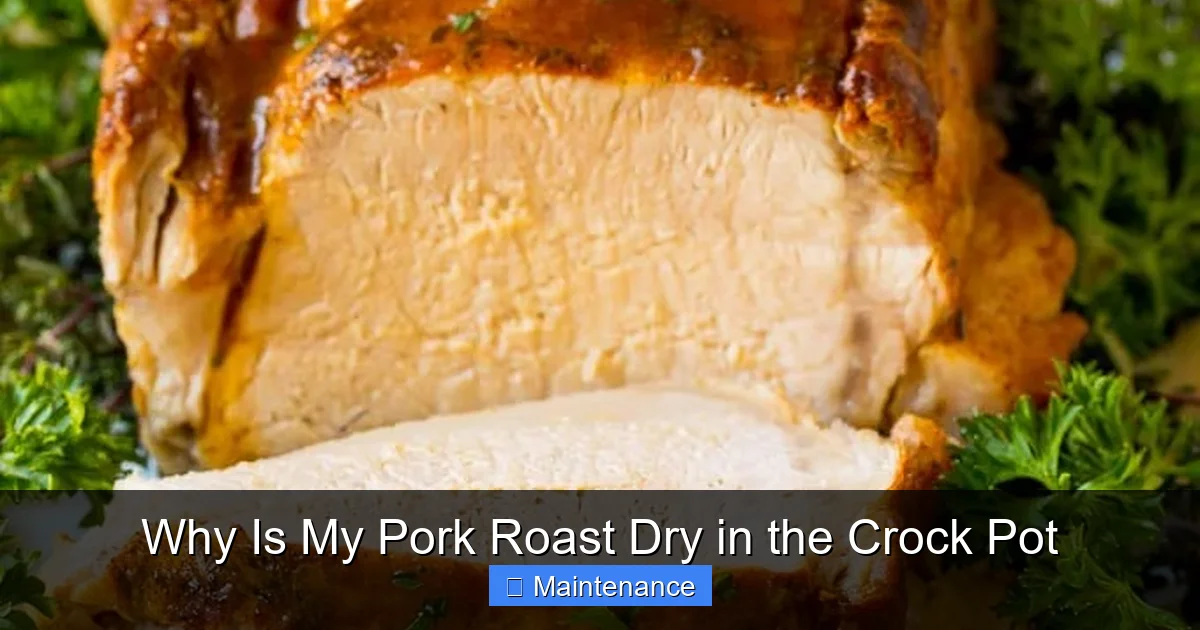
For a truly tender and moist slow-cooked pork roast, you need a cut rich in fat and connective tissue (collagen). Cuts like pork shoulder (also known as pork butt or Boston butt) are ideal. As these cuts cook slowly, the collagen melts into gelatin, creating a luxurious, silky texture, while the fat renders, basting the meat from within and contributing incredible flavor and moisture. This is why a “pork roast dry in the crock pot” is rarely a pork shoulder that’s cooked correctly.
Not Enough Liquid (or the Wrong Kind)
While a crock pot creates a humid environment, it still needs some help.
- The Importance of Braising Liquid:
Slow cooking in a crock pot is a form of braising, which requires liquid. This liquid helps to tenderize the meat, create steam, and prevent direct heat from drying out the surfaces. If there isn’t enough liquid, especially in an older crock pot that might vent more steam, your pork roast can dry out.
- Mind Your Measuring Cup:
The type of liquid also matters. While water works, using broth, apple cider, beer, or even a mix of these with some aromatic vegetables adds flavor that permeates the meat. Ensure the liquid covers at least one-third to half of your pork roast. Too little, and you risk a dry pork roast; too much, and you might boil it instead of braising.
Overcooking: The Number One Offender
This is the most common reason for a “pork roast dry in the crock pot,” even when using the right cut.
- Internal Temperature is Key:
Many recipes provide a time range (e.g., 6-8 hours on low). While helpful, these are estimates. The actual cooking time depends on your crock pot’s specific temperature, the size and shape of your pork roast, and even its starting temperature. The only way to truly know when it’s done is by using a meat thermometer. For pork to be shreddable, it needs to reach an internal temperature between 195-205°F. At this point, the collagen has fully broken down, and the muscle fibers easily separate. If you cook a lean cut to this temperature, it will be incredibly dry. For a lean cut meant for slicing, 145°F is the target.
- The Crock Pot’s Slow Heat Traps Moisture (and Can Overcook Easily):
Ironically, the very feature that makes a crock pot great for tenderizing can also lead to overcooking. Because the heat is so gentle and consistent, it can continue to cook the meat past its optimal point, particularly if you leave it for too long or if your specific crock pot runs hotter than average. The longer the meat sits at a high internal temperature, the more moisture it loses.
- Don’t Just Set It and Forget It for Too Long:
While crock pots are convenient, they’re not always “set it for 10 hours and forget about it.” A 6-pound pork shoulder might take 8-10 hours on low, but a smaller 3-pound one could be done in 6-7 hours. Always aim for the lower end of the recommended time, then start checking the temperature.
Opening the Lid Too Often
Patience is a virtue in slow cooking.
- Heat Loss and Extended Cooking Times:
Every time you lift the lid of your crock pot, a significant amount of heat (and steam!) escapes. This causes the internal temperature to drop, requiring the crock pot to work harder and longer to get back to temperature. Not only does this extend your cooking time, but the fluctuating temperature can also contribute to a dry pork roast as moisture escapes and the cooking process becomes less efficient.
Skipping the Sear (Sometimes)
While not directly causing dryness, skipping a pre-sear can impact the overall experience.
- Flavor vs. Moisture Lock:
Searing the pork roast on all sides in a hot pan before adding it to the crock pot creates a delicious caramelized crust. This crust, developed through the Maillard reaction, locks in incredible flavor. While it’s often said to “seal in juices,” its primary benefit is flavor development. However, a good crust can also help prevent the very surface of the meat from drying out during the long slow cook.
Resting Period Neglect
The final, crucial step often skipped.
- Juices Need to Redistribute:
When meat cooks, the muscle fibers contract, pushing the juices to the center. If you immediately cut into a pork roast straight out of the crock pot, those juices will gush out onto your cutting board, leaving the meat itself dry and less flavorful. A resting period allows the muscle fibers to relax and reabsorb those precious juices, resulting in a significantly more moist and tender result.
Preventing Dryness: Your Guide to Succulent Pork Roast
Now that we know *why* your “pork roast dry in the crock pot” happens, let’s learn how to ensure it never happens again!
Choose the Right Cut
This is your first line of defense against dryness.
- Go for Pork Shoulder or Pork Butt:
Always, always, always choose a bone-in or boneless pork shoulder, pork butt, or Boston butt for your crock pot. These cuts are marbled with fat and laced with connective tissue that break down beautifully over low, slow heat. They are designed for shredding and will give you that melt-in-your-mouth texture.
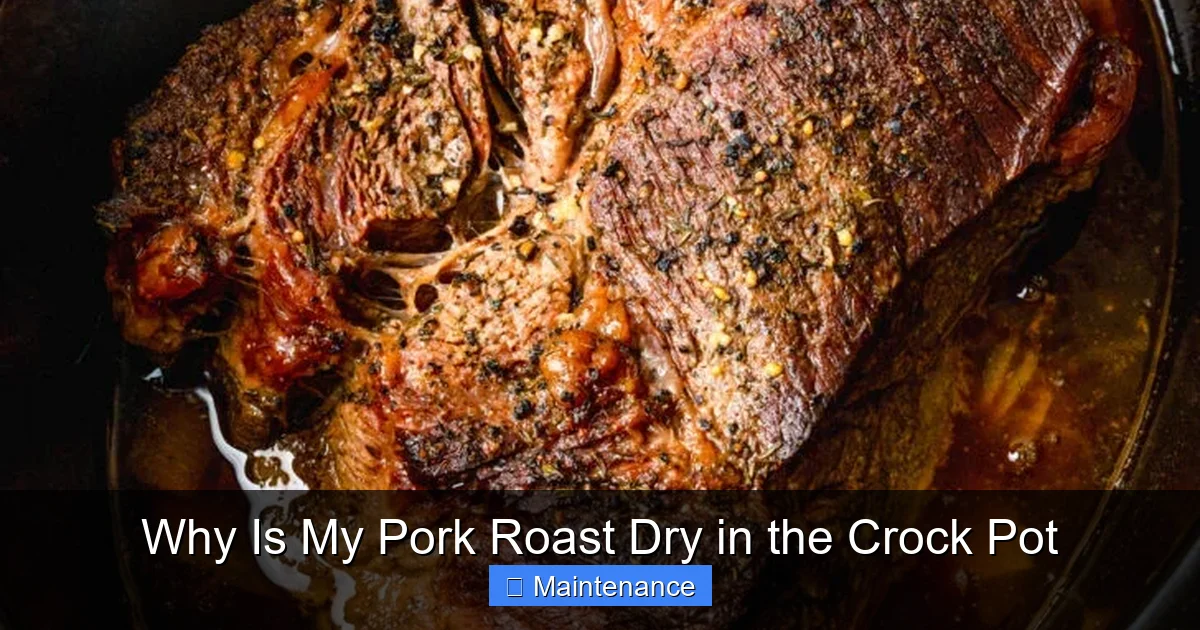
Visual guide about how to My Pork Roast Dry in the Crock Pot
Image source: asouthernsoul.com
- Trim, But Don’t Over-Trim Fat:
While you can trim off any excessively large chunks of exterior fat, don’t remove all of it. A layer of fat on top can help baste the meat as it renders, adding flavor and moisture. Remember, this fat renders down during cooking and contributes to the juiciness.
Adequately Hydrate
Provide a nourishing bath for your pork roast.
- Use Enough Braising Liquid:
Aim for enough liquid to come at least halfway up the sides of your pork roast in the crock pot. This could be 2-4 cups, depending on the size of your roast and crock pot. Chicken or beef broth, apple cider, beer, or even a good quality wine are excellent choices. You can also include some quartered onions, garlic cloves, or carrots for extra flavor.
- Consider an Acidic Element:
A touch of acid (like apple cider vinegar, a splash of citrus juice, or even tomatoes) can help tenderize the meat by further breaking down connective tissues, contributing to a juicier outcome. Don’t overdo it, though, as too much acid can make the meat mushy.
Master the Cooking Time and Temperature
This is where a little attention goes a long way.
- Use a Meat Thermometer – It’s Your Best Friend:
Invest in a good quality instant-read meat thermometer. This is the single most important tool for preventing a dry pork roast. Insert it into the thickest part of the meat, avoiding bone. For shreddable pork, aim for an internal temperature between 195-205°F. It will feel incredibly tender when pierced with a fork.
- Understand “Low and Slow” (but not *too* slow/long):
Cooking on the “low” setting is almost always preferred for pork shoulder in a crock pot, as it allows more time for the collagen to break down before the meat itself dries out. While “low” is generally 6-10 hours for a large roast, start checking at the lower end of the recipe’s range. Don’t let it sit on “warm” for hours after it’s done, as “warm” settings can still be hot enough to continue cooking and dry out the meat.
- Test for Tenderness, Not Just Time:
Even without a thermometer, you can test for tenderness. When your pork roast is ready to shred, a fork inserted into the thickest part should twist easily, and the meat should yield with almost no resistance. If it’s still firm, it needs more time.
Resist the Urge to Peek
Patience, grasshopper!
- Keep the Lid On:
Only lift the lid when you absolutely need to, for example, to check the temperature towards the end of the cooking time or to add a final ingredient. Every peek adds 20-30 minutes to your cooking time and lets moisture escape, contributing to a dry pork roast.
Sear for Flavor (Optional but Recommended)
Add an extra layer of deliciousness.
- Quick Sear Before Crock Pot:
Pat your pork roast dry with paper towels. Heat a tablespoon of oil (like vegetable or canola) in a large skillet or Dutch oven over medium-high heat until shimmering. Sear the pork on all sides until deeply golden brown. This step builds flavor and adds a beautiful crust before it goes into the crock pot.
Don’t Forget the Rest
The finishing touch for juicy perfection.
- Tent with Foil, Let It Sit:
Once your pork roast reaches its desired internal temperature and tenderness, carefully remove it from the crock pot and place it on a cutting board. Tent it loosely with aluminum foil and let it rest for at least 10-15 minutes (for smaller roasts) or up to 20-30 minutes (for larger ones). This resting period is critical for the juices to redistribute, ensuring a moist and tender result.
Consider Brining (A Pro Tip)
For an extra layer of moisture insurance.
- A Pro Tip for Extra Moisture:
If you’re truly dedicated to preventing a dry pork roast, consider brining it overnight before cooking. A simple brine (water, salt, sugar, and aromatics) helps the meat absorb extra moisture and enhances its natural flavor, making it even more resilient to drying out during the long cook. This step significantly reduces the chances of having a “pork roast dry in the crock pot.”
Troubleshooting: Rescuing a Dry Pork Roast (If All Else Fails)
Even with the best intentions, sometimes things go awry. If your pork roast still turns out a bit dry, don’t despair! You can often salvage it.
Shred and Drown
This is your go-to rescue mission.
- Add Extra Liquid (Broth, BBQ Sauce):
Shred the pork as finely as possible. Then, incorporate additional moist ingredients. This could be warm chicken or beef broth, the flavorful cooking liquid from the crock pot (if there’s enough left), or a generous amount of your favorite BBQ sauce. Stir it all together until the pork is adequately moistened. The shredded texture allows the meat to absorb the liquid more effectively.
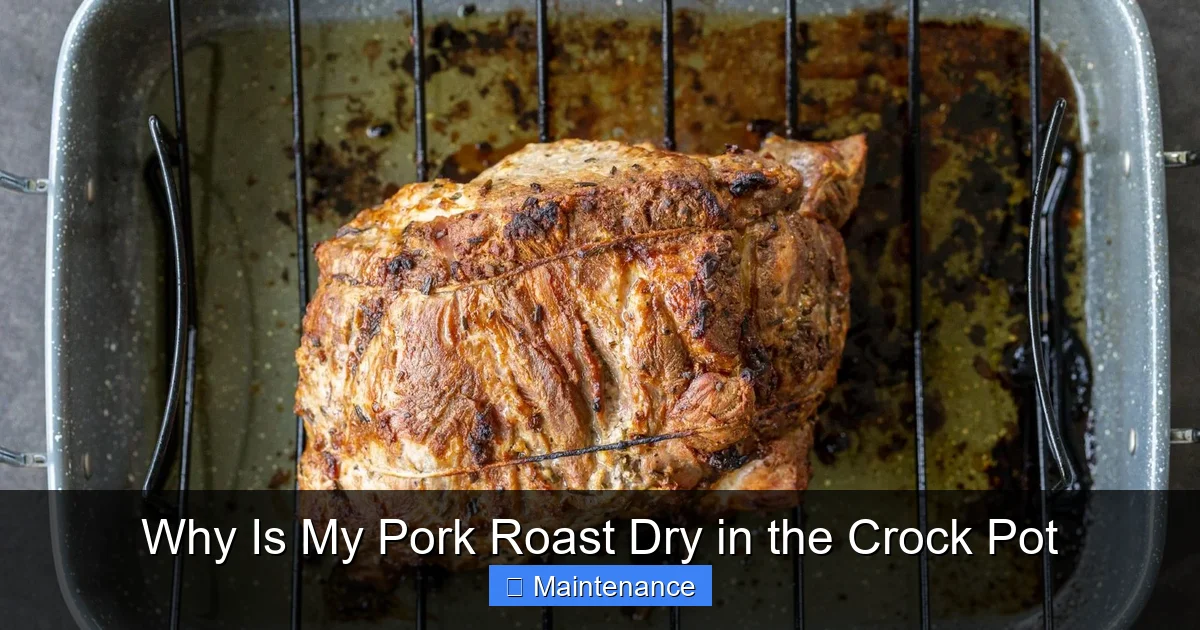
Visual guide about how to My Pork Roast Dry in the Crock Pot
Image source: recipes.net
Make a Sauce
A delicious distraction.
- Pan Juices, Gravy, or Other Sauces:
If you have any remaining cooking juices in the crock pot, reduce them on the stovetop into a rich gravy or sauce. Alternatively, make a separate sauce – perhaps an apple sauce, a creamy mushroom sauce, or a spicy chimichurri – to serve alongside the pork. The sauce will add much-needed moisture and flavor to each bite.
Repurpose
Give your dry pork roast a second life.
- Tacos, Sandwiches, Soups:
Dry pork is still edible pork! Repurpose it into dishes where its dryness won’t be as noticeable or can be easily masked. Think pulled pork tacos or nachos (with plenty of salsa, sour cream, or cheese), shredded pork sandwiches (with coleslaw and extra sauce), or as an ingredient in a hearty soup or stew where it can absorb moisture from the broth.
Conclusion
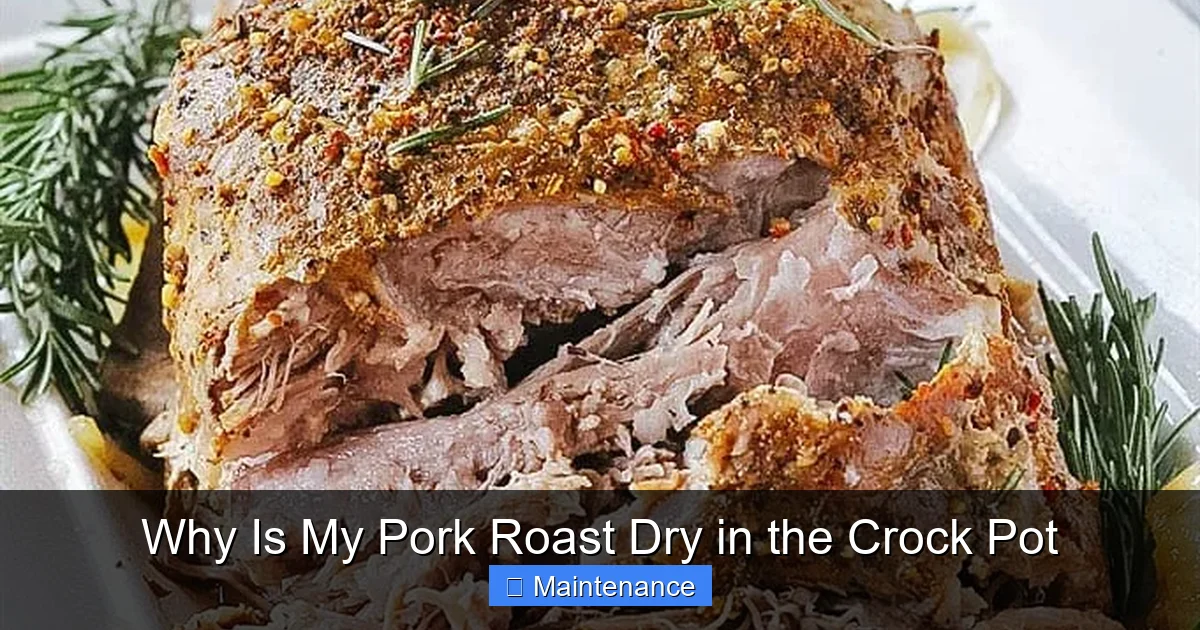
Visual guide about how to My Pork Roast Dry in the Crock Pot
Image source: yourhomebasedmom.com
A dry pork roast in the crock pot can be disheartening, but it’s a completely avoidable culinary mishap. By understanding the common pitfalls—like choosing the wrong cut, skimping on liquid, and especially overcooking—you can actively prevent them. Remember to always opt for fatty cuts like pork shoulder, ensure ample braising liquid, monitor the internal temperature with a thermometer, resist the urge to peek, and allow for a crucial resting period.
With these simple yet powerful tips, you’ll transform your crock pot pork roast from a potential disappointment into a consistently tender, juicy, and flavor-packed masterpiece. So go ahead, confidently tackle your next pork roast, and enjoy the delicious rewards of your newfound knowledge! Happy slow cooking!

Jennifer D. Simon has spent the last 26 years studying and practicing nutrition science. She has used a larger part of this time in improving people’s livelihoods. She has done so by coming up with unquestionable ideas on how to tackle food problems in her community. Read More