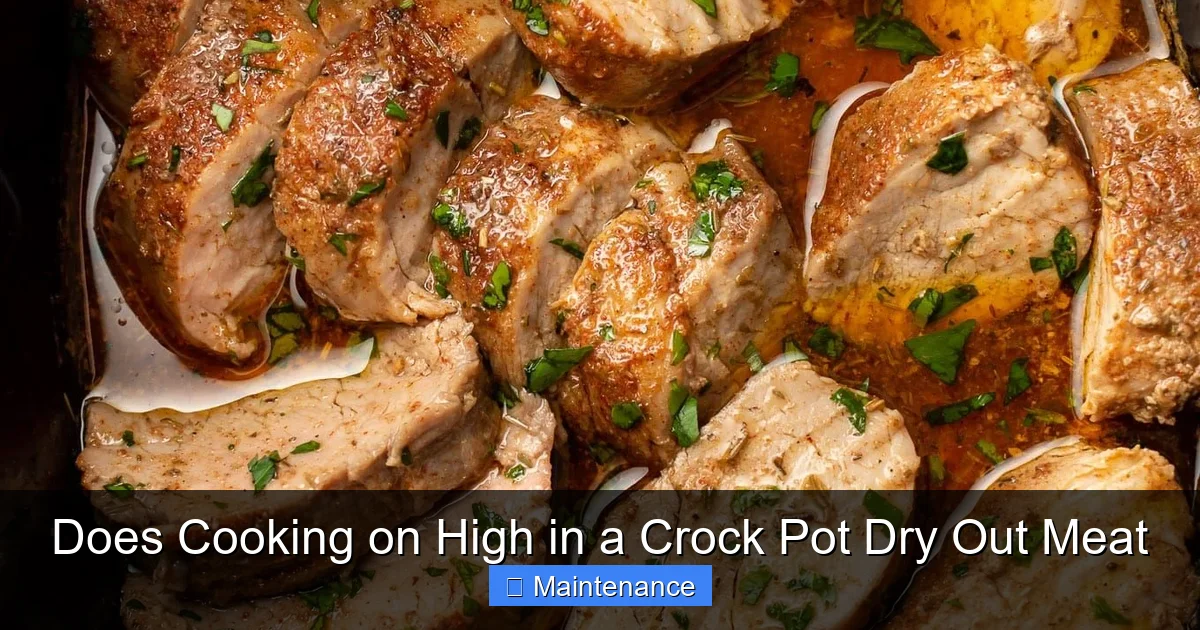
Does Cooking on High in a Crock Pot Dry Out Meat
Many home cooks worry that cooking on high in a Crock-Pot will dry out meat, but this isn’t always the case. While high heat *can* contribute to moisture loss if mishandled, the primary culprits are often overcooking duration, using lean cuts, or insufficient liquid. With the right techniques, you can achieve wonderfully tender results on the high setting, ensuring your meals are juicy and delicious.
There’s a common fear among home cooks: “Does cooking on high in a Crock-Pot dry out meat?” It’s a valid question. We all want succulent, tender meals, not tough, desiccated protein. The idea of “high” heat often conjures images of scorched food and evaporated juices. But when it comes to slow cooking, the answer isn’t as simple as a yes or no. The truth is, while the “High” setting *can* contribute to meat drying out if not handled correctly, it’s often not the primary culprit. More frequently, other factors are at play. In this comprehensive guide, we’re going to dive deep into the mechanics of your Crock-Pot, debunk common myths, and provide you with actionable steps to ensure your slow-cooked meat is always perfectly juicy and tender, even when you’re cooking on high.
You’ll learn about the science behind moisture loss in meat, how to choose the right cuts, the importance of liquid levels, and essential techniques to master your slow cooker. By the end of this guide, you’ll be confidently using your Crock-Pot on any setting, knowing exactly how to prevent dry meat and create delicious meals every time.
Quick Answers to Common Questions
Can I cook chicken breast on high in a Crock-Pot without it drying out?
While possible, chicken breast is lean and prone to drying. For best results on high, use plenty of liquid, don’t overcook (check early with a thermometer), or consider dark meat chicken thighs which are more forgiving.
How much liquid should I really use when cooking on high?
Generally, aim for liquid to come halfway to two-thirds up the side of the meat. This creates enough steam without fully submerging, which can dilute flavors. Adjust based on how much moisture vegetables might release.
Is it better to sear meat before putting it in the Crock-Pot on high?
Yes, searing is highly recommended! It builds deep flavor and creates a protective crust that can help the meat retain juices, significantly improving the final taste and texture when you want to prevent Crock Pot Dry Out Meat issues.
What’s the best way to know if my meat is done without opening the lid?
Short of having a lid with a temperature probe (some advanced models do!), there’s no way to know precisely without opening. However, you can gauge doneness by sticking to recommended recipe times and using a good meat thermometer when you do check. Resist peeking until close to the end of the cooking time.
My slow cooker recipe says 8 hours on low OR 4 hours on high. Are these truly interchangeable?
While often presented as interchangeable, they’re not identical. “High” cooks faster, so you must be more vigilant about checking for doneness to prevent overcooking and avoid a Crock Pot Dry Out Meat situation. “Low” provides a more gradual, forgiving cook.
Understanding Your Crock-Pot: High vs. Low
Before we tackle the question of whether cooking on high in a Crock-Pot will dry out meat, let’s understand how these magical appliances work. A Crock-Pot, or slow cooker, is designed to cook food at relatively low, consistent temperatures over an extended period. This method is fantastic for breaking down tough cuts of meat and infusing flavors deeply.
The Difference Between “Low” and “High”
It’s a common misconception that “High” means your Crock-Pot is scorching hot, like a high oven temperature. In reality, the difference between the “Low” and “High” settings isn’t a massive temperature gap, but rather *how quickly* the appliance reaches its simmering point.
- Low Setting: Typically heats food to around 170-200°F (77-93°C). It takes longer to reach this temperature, usually several hours.
- High Setting: Heats food to around 200-225°F (93-107°C). It reaches this temperature much faster, often in half the time of the “Low” setting.
Notice the temperature ranges. They overlap quite a bit. The key takeaway here is that “High” merely accelerates the cooking process. Both settings operate within the “simmer” range, which is crucial for tenderizing meat. So, the “High” setting itself isn’t inherently designed to burn or dry out your food in the way a broiler or a very hot oven might.
The Science of Moisture Loss in Meat
To truly understand why meat might seem dry after slow cooking, we need a quick peek at the science. Meat is primarily water, protein, and fat. When you cook meat, several things happen:
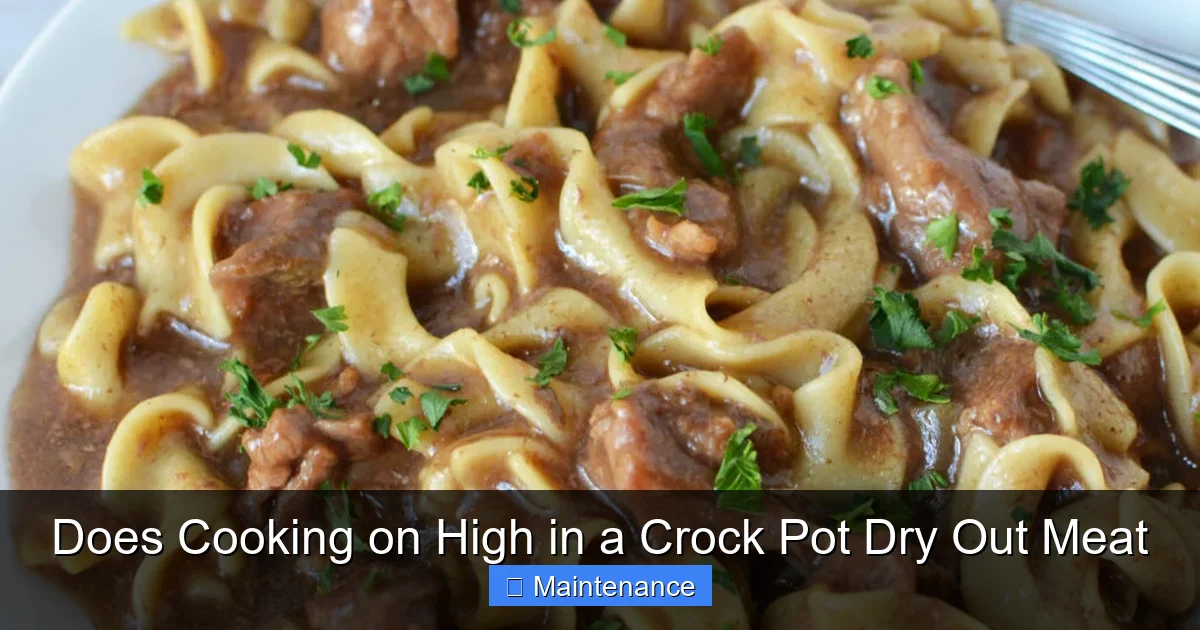
Visual guide about how to Cooking on High in a Crock Pot Dry Out Meat
Image source: ladyandtheblog.com
- Protein Denaturation: The proteins in the meat (muscle fibers) begin to unwind and tighten. As they tighten, they squeeze out moisture. This happens at various temperatures, but the more tightly they contract, the more water is expelled.
- Connective Tissue Breakdown: Tougher cuts of meat have a lot of connective tissue, mainly collagen. When cooked slowly with moisture and heat (around 160-180°F or 71-82°C), this collagen breaks down into gelatin. Gelatin is fantastic because it adds a luscious, moist texture to the meat.
- Evaporation: Some moisture will naturally escape as steam from the surface of the meat and the cooking liquid.
The main reason meat tends to dry out is *overcooking*. This means cooking for too long, allowing the muscle fibers to contract excessively and release too much of their internal moisture, *before* the collagen has had enough time to break down and re-moisturize the meat, or even after the collagen has broken down, if the protein continues to tighten. When you cook on high in a Crock-Pot, you reach that overcooking point faster. If you treat a “High” setting recipe with “Low” setting timing, you will almost certainly end up with dry meat.
Common Reasons Meat *Seems* Dry in a Crock-Pot (and How High Might Play a Role)
It’s easy to blame the “High” setting when your slow cooker meal turns out less-than-perfect. However, several other factors usually contribute to dry meat. Let’s explore them:
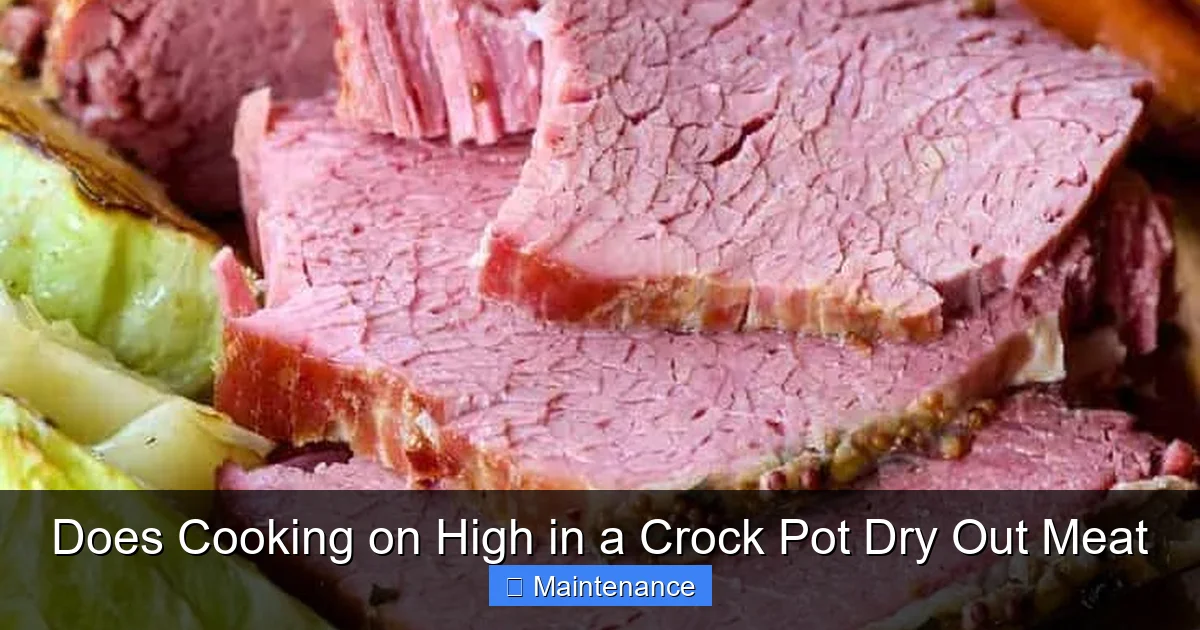
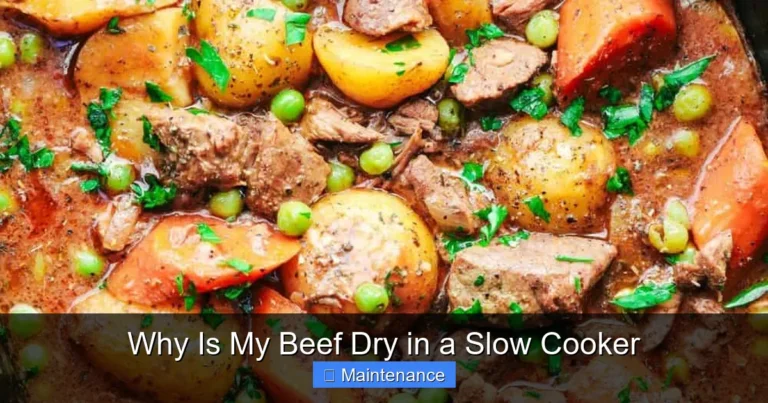
Visual guide about how to Cooking on High in a Crock Pot Dry Out Meat
Image source: mantitlement.com
Insufficient Liquid
Your Crock-Pot relies on a moist, steamy environment to tenderize meat. If there isn’t enough liquid, the meat can’t braise properly, and the steam won’t fully circulate. This can definitely lead to dry meat.
Lifting the Lid Too Often
This is a cardinal sin of slow cooking! Every time you lift the lid, you lose a significant amount of heat and, more importantly, steam. This dramatically increases the cooking time and allows precious moisture to escape. It’s like opening the oven door constantly while baking; it ruins the process.
Using Lean Cuts of Meat
Leaner cuts like chicken breast, pork loin, or beef tenderloin don’t have much fat or connective tissue to break down. While they can be cooked in a Crock-Pot, they are much more prone to drying out, especially on the “High” setting where cooking is faster. These cuts are often better suited for quicker cooking methods.
Overcooking (Duration is Key)
As discussed, overcooking is the biggest culprit. If a recipe calls for 3-4 hours on “High,” and you cook it for 6 hours, your meat will almost certainly be dry. The “High” setting simply means you hit that “overcooked” threshold faster.
Improper Searing (or Lack Thereof)
While not strictly about preventing dry meat, searing your meat before adding it to the Crock-Pot creates a flavorful crust through the Maillard reaction. This crust can also help the meat retain some of its juices and adds a layer of protection against moisture loss.
Step-by-Step Guide to Prevent Dry Meat When Cooking on High
Now that we understand the common pitfalls, let’s equip you with the knowledge and techniques to prevent your Crock Pot Dry Out Meat disasters when using the high setting.
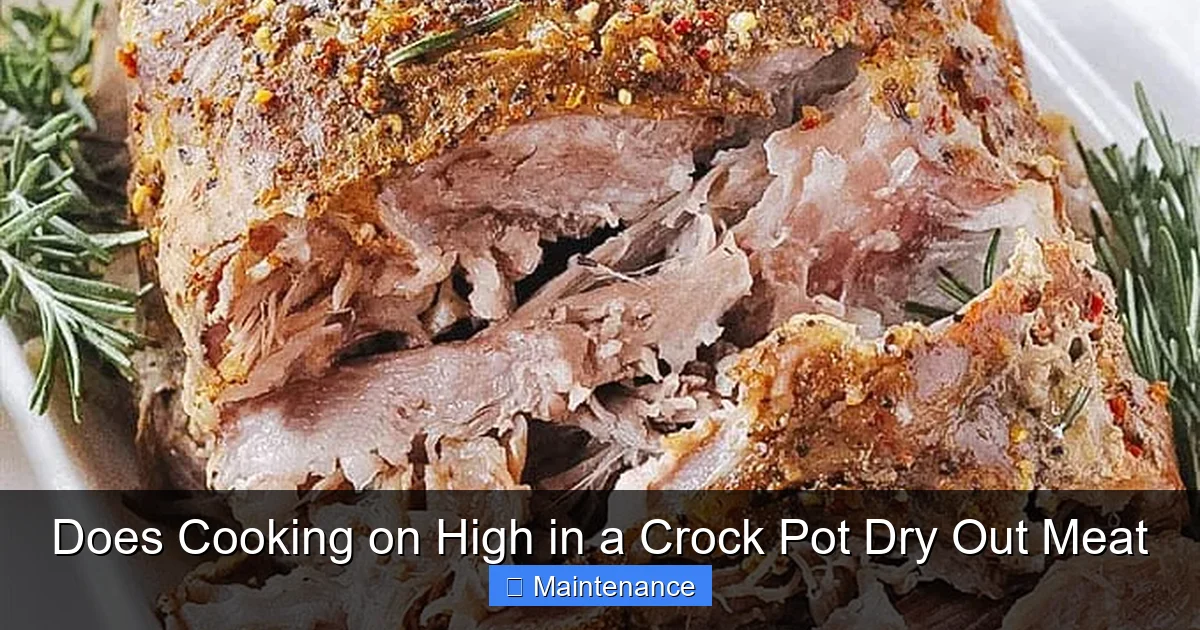
Visual guide about how to Cooking on High in a Crock Pot Dry Out Meat
Image source: yourhomebasedmom.com
Choose the Right Cut of Meat
This is arguably the most critical step. Not all meats are created equal for slow cooking.
Opt for Fattier, Tougher Cuts
The “High” setting is perfect for cuts that thrive on long, moist cooking to break down connective tissue. Think:
- Beef: Chuck roast, short ribs, brisket, stew meat
- Pork: Pork shoulder (Boston butt), pork ribs, pork butt
- Chicken: Dark meat like thighs and drumsticks (bone-in, skin-on for best results)
These cuts have more fat and connective tissue that convert to gelatin, keeping the meat moist and tender. This is a primary strategy to prevent Crock Pot Dry Out Meat problems.
Consider Bone-In Options
Bones add flavor and also help conduct heat evenly, potentially insulating the meat slightly and keeping it moist.
Master Your Liquid Levels
Liquid is essential for creating the steamy environment that tenderizes meat and prevents it from drying out.
Don’t Submerge Completely (Usually)
Many slow cooker recipes only require the meat to be partially submerged. The steam created by the heating liquid is what does most of the work. As a general rule, aim for the liquid to come about halfway or two-thirds up the side of the meat. The lid will trap the steam, ensuring an even cooking environment.
Account for Veggie Moisture
If you’re adding lots of vegetables like onions, bell peppers, or mushrooms, remember they will release their own liquid as they cook. You might need less added broth or water.
Use Flavorful Liquids
Beyond preventing dry meat, the liquid adds flavor. Use broth, stock, wine, beer, or even fruit juice (like apple juice for pork) to enhance your dish.
Prep Your Meat Wisely
A little prep goes a long way in ensuring juicy results.
Sear Before Slow Cooking (Optional but Recommended)
While not strictly necessary, searing your meat in a hot pan before adding it to the Crock-Pot creates a beautiful browned crust and locks in initial juices. This adds a depth of flavor that you can’t get otherwise. Pat the meat dry, season it generously, and sear it on all sides until nicely browned. This step can make a big difference in preventing dry meat.
Cut Meat Uniformly
If you’re using stew meat or cutting up a larger roast, try to cut the pieces into similar sizes. This ensures even cooking. Uneven pieces will cook at different rates, leading some to be perfectly done while others are dry.
Trim Excess Fat (but not all)
While fat adds flavor and moisture, excessive amounts can make your dish greasy. Trim off very large pieces of hard fat, but leave some marbling and a decent fat cap for moisture. This balance is key to preventing Crock Pot Dry Out Meat issues.
Understand Cooking Times
This is where “High” setting users often run into trouble if they are not careful. The “High” setting cooks faster, so you must adjust your expectations and timing.
“High” Means Faster, Not Always Hotter
Remember, the final temperature isn’t drastically different from “Low,” but it’s reached quicker. If a recipe gives a range like “4-6 hours on High,” start checking at the lower end of that range.
Don’t Overcook
This is the golden rule to prevent dry meat. Once the meat is tender and cooked through, it’s done. Continuing to cook it will only lead to dryness. As soon as a fork easily shreds the meat or it reaches the desired internal temperature, it’s time to turn off the Crock-Pot.
Use a Meat Thermometer
This is your best friend for precise cooking. While slow-cooked meat often becomes “fall-apart tender” long after it reaches its safe internal temperature, knowing that temperature helps. For most beef and pork roasts destined for shredding, aiming for 190-205°F (88-96°C) internal temperature allows enough time for collagen to break down fully, without the muscle fibers becoming overly tough and dry. This helps tremendously in preventing Crock Pot Dry Out Meat from occurring.
Resist the Urge to Peek
We’ve said it before, but it bears repeating.
Why Lifting the Lid Matters
Each time you open the lid, you lose about 15-20 minutes of cooking time because the Crock-Pot has to work to reheat and rebuild that steamy environment. This extended cooking time without adequate moisture can absolutely lead to dry meat. Only lift the lid when instructed by the recipe or when you are genuinely checking for doneness.
Add Moisture at the End (If Needed)
Sometimes, despite your best efforts, your meat might still seem a little dry. Don’t despair!
Sauces, Broths, Juices
If your meat is a tad dry, you can often rescue it. Shred the meat and toss it with some of the remaining cooking liquid, extra broth, barbecue sauce, or any other flavorful sauce. This will rehydrate and add flavor. This is a great troubleshooting step to prevent Crock Pot Dry Out Meat from ruining your meal.
Troubleshooting Dry Meat
Even with the best intentions, occasionally you might find your slow-cooked meat isn’t as juicy as you’d hoped. Here’s what to do if your Crock Pot Dry Out Meat fears come true.
What to Do If Your Meat Is Dry
Shred and Add Liquid
This is the most common and effective fix. Shred the meat (which you’re likely doing anyway for pulled pork or shredded beef) and place it back into the Crock-Pot with a generous amount of the cooking liquid, some extra broth, or a complementary sauce (BBQ sauce, gravy, salsa). Stir it well and let it sit on “Warm” for 15-30 minutes, allowing the meat to absorb the moisture.
Make a Gravy or Sauce
If you have plenty of cooking liquid, thicken it into a gravy or sauce using a cornstarch slurry or flour roux. Serve this rich sauce over the dry meat. The added moisture and flavor will make a big difference.
Repurpose the Meat
If the meat is beyond salvation for its intended dish, don’t throw it out! Dry meat can be given a second life. For example:
- Tacos or Burritos: Toss with salsa, taco seasoning, and a little broth.
- Chili: Shred and add to a pot of chili, where the sauce will rehydrate it.
- Shepherd’s Pie: Mix with gravy and vegetables, topped with mashed potatoes.
- Soup: Add to a hearty soup, where it will absorb moisture.
Conclusion
So, does cooking on high in a Crock-Pot dry out meat? The definitive answer is: it *can*, but usually only if other crucial factors are overlooked. The “High” setting itself is not inherently a destroyer of moisture. Instead, it simply speeds up the cooking process, demanding more attention to timing, liquid levels, and meat selection. By understanding your appliance, choosing appropriate cuts of meat, ensuring adequate liquid, resisting the urge to peek, and most importantly, not overcooking, you can achieve wonderfully tender and juicy results every single time, even on the “High” setting.
Embrace your Crock-Pot’s “High” setting with confidence. With the strategies outlined in this guide, you’re now equipped to prevent Crock Pot Dry Out Meat scenarios and consistently create delicious, moist slow-cooked meals that your family and friends will rave about. Happy cooking!

Jennifer D. Simon has spent the last 26 years studying and practicing nutrition science. She has used a larger part of this time in improving people’s livelihoods. She has done so by coming up with unquestionable ideas on how to tackle food problems in her community. Read More