Do You Need to Brown Beef Before Slow Cooking The Truth
The question of whether to brown beef before slow cooking is a culinary debate, but the truth leans strongly towards “yes” for optimal results. While technically optional, browning creates a rich, complex flavor profile through the Maillard reaction, enhances texture, and improves the visual appeal of your final dish. Skipping this step means sacrificing depth of flavor and a superior eating experience, though your meal will still cook.
Ah, the slow cooker. The ultimate kitchen hero for busy weeknights, chilly weekends, and anyone who loves coming home to a delicious, ready-to-eat meal. It promises tender meats, rich sauces, and minimal fuss. But amidst the joy of convenience, a persistent question often simmers: “Do you need to brown beef before slow cooking?” It’s a culinary query that sparks debates among home cooks and seasoned chefs alike.
For some, the extra step of searing meat before it hits the slow cooker feels like an unnecessary hurdle, an impediment to the very ‘set it and forget it’ appeal of the appliance. Why add more dishes and more time when the slow cooker will eventually tenderize the meat anyway? Others swear by the browning step, insisting it’s non-negotiable for achieving truly exceptional flavor. So, what’s the real answer? Is it a crucial technique for culinary excellence, or an optional flourish that can be skipped without much consequence? Let’s dive deep into the science, the flavor, and the practicalities to uncover the truth.
Spoiler alert: While your slow cooker will indeed cook unbrowned beef to tender perfection, skipping the initial sear means missing out on a world of flavor, texture, and visual appeal. The difference is often profound, transforming a merely good dish into an unforgettable one. So, if you’re looking to elevate your slow-cooked beef dishes, understanding the ‘why’ behind browning is key.
Key Takeaways
- Flavor is Paramount: Browning beef before slow cooking develops deep, complex flavors through the Maillard reaction, a chemical process that caramelizes sugars and amino acids on the meat’s surface. This adds immense savory depth that unbrowned meat cannot achieve.
- Texture and Appearance Matter: Searing the beef creates a desirable crust, which holds up better during long cooking times, preventing a mushy texture. It also gives the finished dish a more appetizing, rich brown color.
- The Maillard Reaction: This crucial chemical reaction, occurring at high temperatures, is the secret to savory, umami flavors. Slow cooking alone, with its moist heat, cannot replicate these flavors effectively.
- It’s Technically Optional (But Not Recommended): While your beef will cook through in a slow cooker without browning, skipping this step means missing out on significant flavor, texture, and visual benefits. The dish will taste flatter and look less appealing.
- Practical Benefits: Browning also helps render some fat, which can be drained, leading to a less greasy final dish. It also provides fond (caramelized bits) in the pan, which can be deglazed to create a flavorful base for your slow cooker liquid.
- Time Investment vs. Reward: The extra 10-15 minutes spent browning is a small investment for a significantly more flavorful, appealing, and satisfying slow-cooked meal. It truly elevates the dish from good to great.
📑 Table of Contents
- The Great Debate: To Brown or Not to Brown?
- The Science of Sizzle: Understanding the Maillard Reaction
- Beyond Flavor: Texture, Appearance, and Aroma
- Practical Considerations: When Bypassing the Sear Might Be Okay (Barely)
- How to Brown Beef Effectively for Slow Cooking
- Making the Call: Is It Worth the Extra Step?
The Great Debate: To Brown or Not to Brown?
The question of whether to brown beef before slow cooking is more than just a matter of personal preference; it touches on fundamental principles of cooking. On one side, you have the convenience argument: the slow cooker’s primary appeal is its simplicity. Adding a stovetop step seems to defy that. “It’ll get tender anyway!” is a common refrain.
On the other side, culinary tradition and scientific principles stand firm. Chefs, grandmothers, and food scientists will almost unanimously advocate for browning. They understand that cooking is not just about heating food; it’s about transforming it. And for beef, especially cuts destined for long, slow braising, that transformation begins with a good sear.
The Convenience Factor
For those genuinely pressed for time, or those new to cooking, the idea of skipping the browning step is tempting. It means fewer pots to wash, less active cooking time, and a quicker path to getting dinner started. If your primary goal is simply to have a hot, edible meal at the end of the day, then, yes, you can technically bypass the browning. The beef will still cook through and become tender. However, the experience will be noticeably different.
The Culinary Experience Factor
For anyone who cares about flavor, texture, and overall dining satisfaction, browning is a game-changer. It’s the difference between a functional meal and a truly delicious one. The rich aromas that fill your kitchen when searing meat are just a preview of the complex flavors that will develop in your final dish. This isn’t just an old wives’ tale; it’s backed by powerful chemical reactions that happen only at high heat.
The Science of Sizzle: Understanding the Maillard Reaction
The main reason experts insist on browning beef before slow cooking lies in a fascinating chemical process known as the Maillard reaction. This is not just some fancy culinary term; it’s the engine that drives flavor development in countless cooked foods.
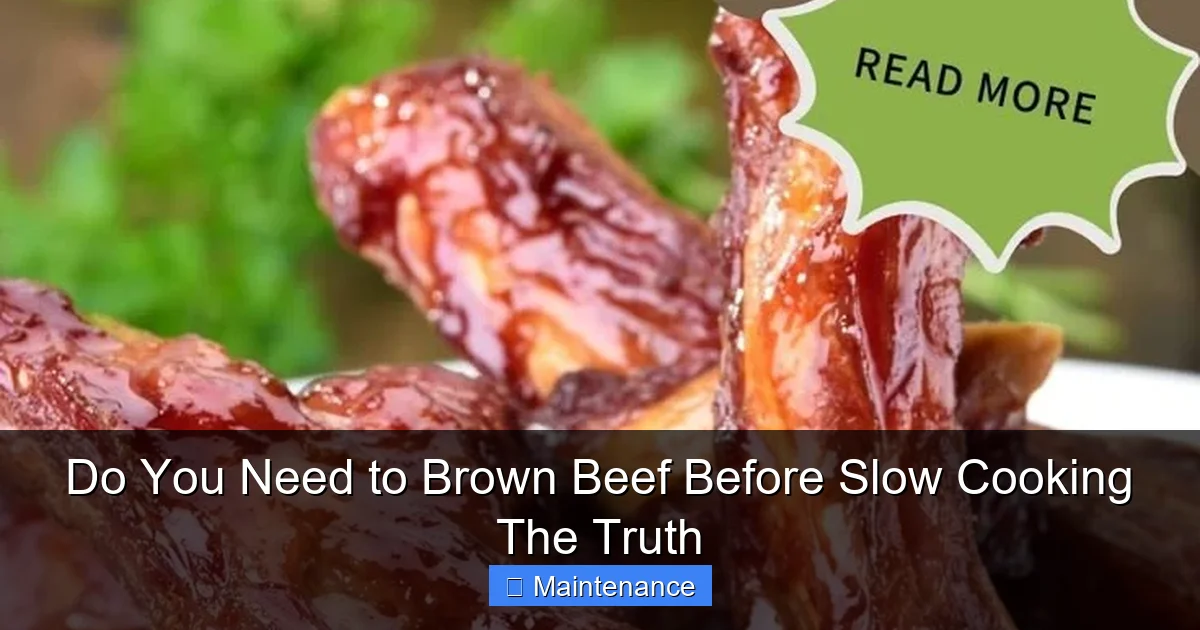
Visual guide about brown beef before slow cooking
Image source: i.pinimg.com
What is the Maillard Reaction?
The Maillard reaction is a complex series of chemical reactions that occurs between amino acids (proteins) and reducing sugars when heated. It’s responsible for the browning and characteristic flavors of many foods, including seared steaks, toasted bread, roasted coffee beans, and even dark beer. It’s what gives a fried potato its golden crispness and an onion its sweet depth when caramelized.
- High Heat Required: Crucially, the Maillard reaction only happens at temperatures above 300°F (150°C). This is a dry heat process.
- Flavor Compounds: As the reaction progresses, thousands of new flavor compounds are created, producing incredibly complex, savory, roasted, and umami notes that simply don’t exist in unbrowned meat.
- Not Caramelization: While often confused with caramelization (which is the browning of sugars alone), the Maillard reaction involves proteins and sugars, yielding a much more diverse and powerful range of flavors.
Why Slow Cooking Alone Can’t Replicate It
Slow cooking, by its very nature, operates at much lower temperatures (typically between 170°F and 280°F, or 77°C and 138°C) and in a moist environment. These conditions are perfect for breaking down tough connective tissues (like collagen) into gelatin, making meat incredibly tender. However, they are entirely unsuitable for triggering the Maillard reaction.
When you put raw beef directly into a slow cooker, it essentially stews in its own juices. While it will become fork-tender, it will lack that foundational layer of deep, savory, roasted flavor that browning provides. The meat will taste “boiled” or “steamed” rather than rich and hearty. This is the primary reason why you should absolutely brown beef before slow cooking.
Beyond Flavor: Texture, Appearance, and Aroma
The benefits of browning extend beyond just the taste buds. It significantly impacts other sensory aspects of your slow-cooked meal, making it more appealing and enjoyable.
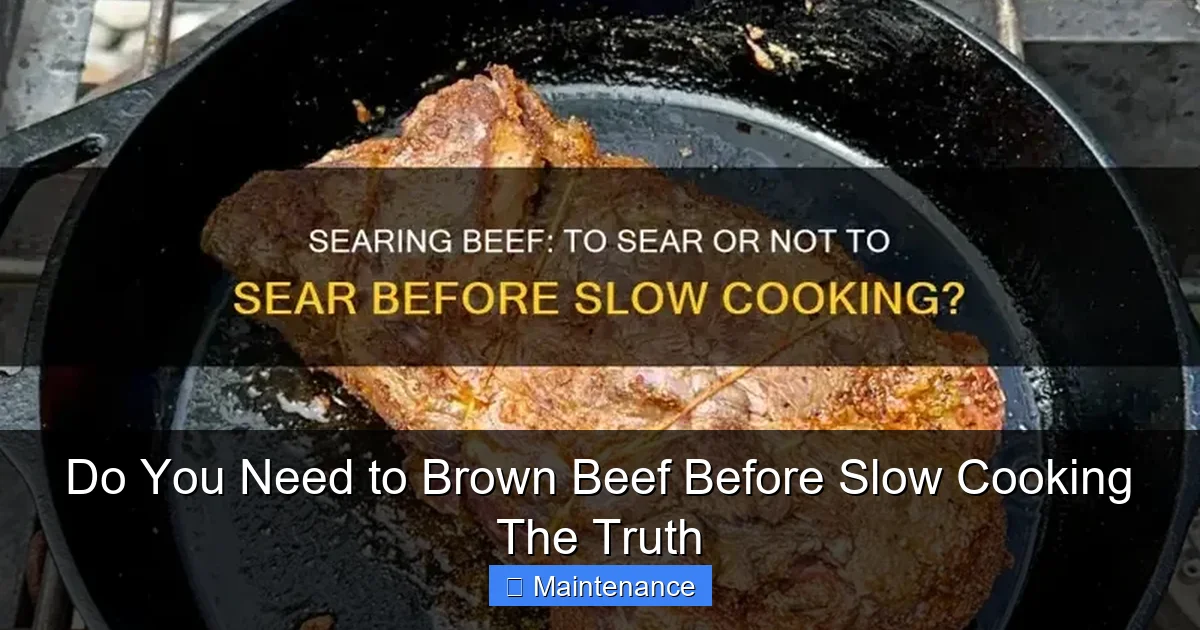
Visual guide about brown beef before slow cooking
Image source: shungrill.com
Enhancing Texture
When you brown beef, you create a slightly crusty, flavorful exterior. This sear helps the meat hold its shape better during the long cooking process. Without it, the beef can sometimes take on a somewhat uniform, soft, and even mushy texture, especially if it’s cut into smaller pieces. The browned surface provides a pleasant textural contrast to the tender interior, adding another dimension to each bite.
Improving Visual Appeal
Let’s face it: we eat with our eyes first. A beautiful, deeply browned piece of meat looks infinitely more appetizing than one that’s a dull gray or pale brown. When beef goes into the slow cooker unbrowned, it will retain a somewhat anemic, unappealing color. The browning step gives the meat a rich, appetizing hue that promises deliciousness before you even take a bite.
- Golden-Brown Crust: The dark crust developed during searing adds visual depth and indicates rich flavor.
- Appetizing Final Dish: The entire dish will look more vibrant and professionally prepared when the core ingredient has been properly handled.
Creating Irresistible Aroma
The Maillard reaction doesn’t just create flavor compounds; it also creates aromatic compounds. That wonderful smell of sizzling steak or roasting meat is directly attributable to these reactions. Browning your beef fills your kitchen with enticing aromas that set the stage for the meal to come. These same aromas will be present in the final slow-cooked dish, making it smell as good as it tastes.
Practical Considerations: When Bypassing the Sear Might Be Okay (Barely)
While the arguments for browning are strong, there are very specific scenarios where you might get away with skipping it, or where its impact is slightly lessened. However, these are exceptions, not the rule, and always come with a trade-off.
Visual guide about brown beef before slow cooking
Image source: simple-nourished-living.com
When Time is an Absolute Critical Factor
If you genuinely have zero extra minutes, and the choice is between an unbrowned slow-cooker meal and takeout, then by all means, skip the browning. An unbrowned homemade meal is still often healthier and more economical than last-minute alternatives. Just be prepared for a difference in the final flavor profile.
When Using Highly Flavored Sauces
If your slow cooker recipe calls for an intensely flavored sauce with many competing ingredients (think a very spicy chili, a heavily spiced curry, or a super-rich BBQ sauce), the absence of browned beef flavor might be slightly masked by the other strong components. However, even in these cases, the dish would still benefit from the depth that browning adds.
For Ground Beef
When cooking ground beef in a slow cooker (for chili, sloppy joes, etc.), browning is almost always recommended, but for slightly different reasons than whole cuts. With ground beef, browning helps break up clumps, render fat (which you can then drain for a less greasy dish), and, of course, develop those Maillard flavors. Skipping it often results in large, unappetizing gray chunks of meat and a greasy final product. So, even here, browning is key.
How to Brown Beef Effectively for Slow Cooking
If you’re convinced (and we hope you are!) that browning is worth the effort, here’s how to do it effectively to get the best results for your slow cooker beef.
Prep Your Beef Properly
- Pat Dry: This is arguably the most crucial step. Moisture on the surface of the meat will cause it to steam rather than sear, preventing the Maillard reaction. Use paper towels to thoroughly pat all sides of the beef dry.
- Season Generously: Season the beef with salt and pepper (and any other desired seasonings) just before browning. The salt will begin to draw out some moisture, helping with the sear, and the seasonings will stick better.
- Cut Size: For stews or roasts, cut beef into roughly 1-2 inch cubes, or leave roasts whole. Brown in batches if necessary to avoid overcrowding.
Master the Browning Technique
- Use the Right Pan: A heavy-bottomed pan, such as cast iron or stainless steel, is ideal. These pans retain heat well and provide an even cooking surface.
- Hot Pan, Hot Oil: Heat the pan over medium-high to high heat. Add a high smoke point oil (like vegetable, canola, grapeseed, or avocado oil) until shimmering. Don’t add the beef until the oil is hot – this helps prevent sticking and promotes a good sear.
- Don’t Overcrowd: This is a common mistake. Adding too much beef to the pan at once lowers the temperature, causing the meat to steam instead of sear. Work in batches, leaving plenty of space between pieces.
- Leave It Alone: Once you place the beef in the hot pan, resist the urge to move it. Let it cook undisturbed for 3-5 minutes per side, until a deep, golden-brown crust forms. You should only flip it once.
- Brown All Sides: For cubed beef, try to brown as many surfaces as possible. For larger roasts, sear all exposed sides.
Deglaze for Extra Flavor (Optional but Recommended)
After browning all the beef and removing it from the pan, you’ll notice delicious brown bits stuck to the bottom of the pan – this is called “fond.” This fond is packed with flavor. You can deglaze the pan by adding a splash of liquid (water, broth, wine, or beer) and scraping up those bits with a wooden spoon. Pour this flavorful liquid into your slow cooker along with the beef. It adds another layer of depth to your sauce.
Making the Call: Is It Worth the Extra Step?
When you weigh the minimal extra time and effort against the significant benefits, the answer becomes crystal clear: yes, it is absolutely worth it to brown beef before slow cooking. The 10-15 minutes you spend on the stovetop will profoundly impact the final taste, texture, and appearance of your dish.
The Investment Pays Off
Think of it as a small investment that yields a huge return. That initial sear sets the stage for a much richer, more satisfying meal. Your slow-cooked beef will no longer just be tender; it will be flavorful, robust, and truly delicious. From beef stews and pot roasts to pulled beef sandwiches, browning elevates every slow cooker recipe.
So, the next time you’re prepping a beef dish for your slow cooker, embrace the sizzle. Take a few extra minutes to brown that beef properly. Your taste buds, and anyone you’re cooking for, will thank you for it. The truth is, while you don’t have to brown beef before slow cooking, you really, really should if you want the best possible results.
Frequently Asked Questions
Does browning beef seal in the juices?
No, the idea that browning seals in juices is a common myth. While browning creates a crust, it doesn’t prevent moisture loss. Its primary benefit is the development of complex flavors through the Maillard reaction.
What happens if I don’t brown the beef for slow cooking?
If you don’t brown the beef, it will still cook through and become tender in the slow cooker. However, it will lack the deep, savory, roasted flavors and appealing brown color that browning provides, resulting in a flatter-tasting and less visually appealing dish.
Can I brown frozen beef?
It is not recommended to brown frozen beef directly. Frozen beef will release a lot of moisture when heated, causing it to steam rather than sear, which prevents the Maillard reaction. Always thaw beef completely and pat it dry before browning.
How long should I brown beef for slow cooking?
Brown beef for about 3-5 minutes per side over medium-high to high heat, or until a deep, golden-brown crust forms. For cubed beef, try to brown as many surfaces as possible, working in batches to avoid overcrowding the pan.
What’s the best oil to use for browning beef?
Use a high smoke point oil such as vegetable oil, canola oil, grapeseed oil, or avocado oil. These oils can withstand the high temperatures needed for searing without burning and imparting off-flavors.
Is browning essential for all cuts of beef destined for the slow cooker?
Browning is beneficial for almost all cuts of beef going into a slow cooker, especially tougher cuts like chuck roast, brisket, or stewing beef. The flavor development from browning is invaluable for these cuts, significantly enhancing the final dish regardless of the cut.

Jennifer D. Simon has spent the last 26 years studying and practicing nutrition science. She has used a larger part of this time in improving people’s livelihoods. She has done so by coming up with unquestionable ideas on how to tackle food problems in her community. Read More