Do You Need to Sauté Onions Before Slow Cooking for Best Results
When it comes to slow cooking, the question of whether to sauté onions before adding them is crucial for optimal flavor development. While not strictly necessary for safety, pre-sautéing transforms raw onions, enhancing their sweetness, creating deep savory notes through caramelization and the Maillard reaction, and preventing a watery, bland outcome. For truly rich, complex, and restaurant-quality dishes, taking the extra few minutes to sauté is a game-changer that elevates your slow-cooked meals significantly.
Ah, the slow cooker. It’s a kitchen hero, a culinary savior on busy days, promising tender meats, rich sauces, and comforting meals with minimal fuss. You toss everything in, set it, and forget it – or do you? There’s one small step, often debated and sometimes skipped, that can make all the difference between a good slow-cooked meal and an absolutely unforgettable one: the humble act of sautéing your onions.
For many home cooks, the allure of the slow cooker lies in its “dump and go” simplicity. Why add an extra step, an extra dirty pan, when the slow cooker is supposed to be about ease? This is especially true when it comes to aromatics like onions. Won’t they just cook down beautifully in the slow cooker anyway? The answer, my friend, is both yes and no, and the “no” part holds the key to unlocking truly superior flavor in your slow-cooked creations. Let’s dive deep into why taking a few extra minutes to sauté onions before slow cooking is often the secret ingredient you didn’t realize you were missing.
In this comprehensive guide, we’ll explore the science behind sautéing, the flavor transformations that occur, and the tangible benefits of this simple technique. We’ll discuss when it’s absolutely essential, when you might get away with skipping it, and how to master the art of sautéing onions for your slow cooker to ensure every dish is packed with incredible depth and aroma. Get ready to elevate your slow cooking game!
Key Takeaways
- Enhanced Flavor Depth: Sautéing onions before slow cooking develops deep, complex, and sweet flavors through caramelization and the Maillard reaction that slow cooking alone cannot achieve.
- Superior Texture: Pre-sautéing helps prevent onions from becoming overly mushy or watery in the slow cooker, contributing to a better overall texture in your dish.
- Aromatics Foundation: Sautéed onions form a crucial flavor base, often paired with other aromatics like garlic and celery, creating a richer starting point for stews, soups, and roasts.
- Deglazing is Key: After sautéing, deglazing the pan with a liquid (like broth or wine) incorporates all the flavorful browned bits, adding another layer of richness to your slow cooker.
- Not Strictly Necessary (But Recommended): While you can technically skip sautéing, your dish will lack the profound flavor complexity and depth that a few minutes of pre-cooking provides.
- Time vs. Taste: The extra 5-10 minutes spent sautéing is a small investment for a significant return in the taste and quality of your final slow-cooked meal.
- Consider Recipe Goals: For dishes where a very mild, soft onion flavor is desired and depth isn’t paramount, skipping the sauté might be acceptable, but it’s generally best practice for most savory recipes.
📑 Table of Contents
- The Science of Sautéing: Unlocking Flavor Gold
- Why Slow Cooking Onions Alone Falls Short
- The Argument for Sautéing: Unlocking Superior Flavor
- When You Might Skip Sautéing (and the Trade-offs)
- How to Sauté Onions Like a Pro for Slow Cooking
- Beyond Onions: Other Aromatics and Ingredients to Consider Sautéing
- Conclusion: Invest a Few Minutes for Incredible Flavor
The Science of Sautéing: Unlocking Flavor Gold
Before we even get to the slow cooker, let’s understand what happens when you introduce an onion to a hot pan with a little oil. It’s not just about softening; it’s about a chemical transformation that creates magic.
The Maillard Reaction and Caramelization
These are the two big players when you sauté onions. They are distinct but often happen simultaneously, especially with higher heat and longer cooking times.
- The Maillard Reaction: This is a complex chemical reaction between amino acids and reducing sugars that gives browned food its distinctive flavor. Think of the crust on a seared steak, the crispy skin on a roasted chicken, or, yes, the golden-brown bits on a sautéed onion. It creates hundreds of new flavor compounds, adding savory, umami-rich notes that simply can’t be achieved through boiling or steaming. Slow cooking, which uses moist heat and rarely reaches high enough temperatures, generally won’t trigger the Maillard reaction effectively.
- Caramelization: This is the process of sugars browning when heated. Onions are surprisingly high in natural sugars. As they cook in a hot pan, these sugars break down and polymerize, resulting in a deep, rich sweetness and a slightly nutty flavor. This isn’t just a sweeter onion; it’s a profoundly different, more complex flavor profile.
When you take the time to sauté onions before slow cooking, you are purposefully kickstarting these reactions, building a foundational layer of flavor that will permeate your entire dish. Skipping this step means missing out on this essential flavor development.
Texture Transformation
Beyond flavor, sautéing also changes the onion’s texture. Raw onions are crisp and pungent. Slowly cooked onions become soft, but often lack structure and can release a lot of water, making your slow cooker dish watery. Sautéing them first helps to break down their cell walls and drive off some moisture, allowing them to meld more seamlessly into the dish without contributing excess liquid or a mushy consistency.
Why Slow Cooking Onions Alone Falls Short
If you just toss raw, chopped onions into your slow cooker along with everything else, what happens? They will, indeed, cook. They’ll soften, they’ll become translucent, and they’ll contribute their inherent oniony flavor. However, there are significant drawbacks:
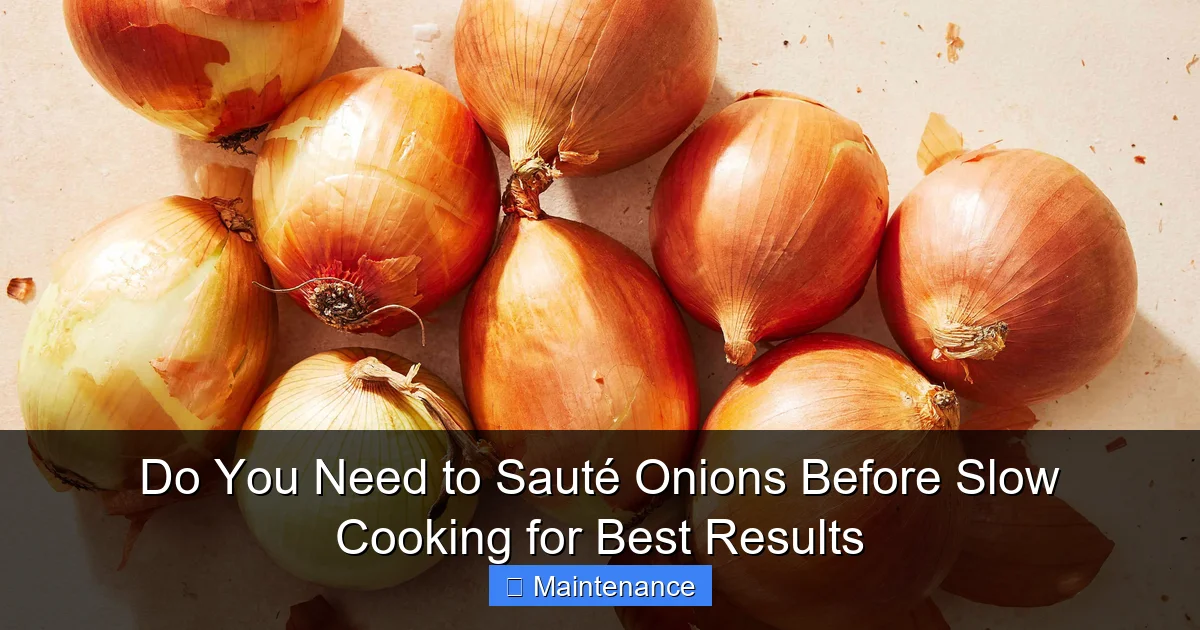
Visual guide about sauté onions before slow cooking
Image source: img-s-msn-com.akamaized.net
Lack of Depth and Complexity
Without the Maillard reaction or significant caramelization, the onions won’t develop those deep, savory, sweet, and complex notes. Instead, they’ll offer a simpler, more singular onion flavor – often just sweet and slightly pungent, without the richness that comes from browning. Your slow-cooked dish might taste “flat” or “one-dimensional” because it’s missing that crucial flavor foundation.
Excess Moisture and Dilution
Onions contain a lot of water. When they cook slowly in a moist environment like a slow cooker, they release all that water directly into your dish. This can dilute the overall flavor of your sauce or broth, making it thinner and less concentrated. Sautéing them first drives off some of this moisture, concentrating their flavors and preventing them from watering down your final product.
Undesirable Texture
While slow-cooked onions are soft, they can sometimes become overly gelatinous or mushy if not pre-sautéed. They won’t have that slightly tender, almost melting quality that sautéed onions contribute. The contrast in textures between ingredients is important for an enjoyable meal, and perfectly cooked onions play a big part.
The Argument for Sautéing: Unlocking Superior Flavor
For dishes where you truly want that “wow” factor, taking the extra few minutes to sauté onions before slow cooking is non-negotiable. Here’s why:
Visual guide about sauté onions before slow cooking
Image source: preview.gettyimagesbank.com
Building a Robust Flavor Base
Think of sautéed onions as the cornerstone of your flavor house. Many classic dishes – stews, chilis, pot roasts, gravies, and soups – begin with what’s called a mirepoix (onions, carrots, celery) or simply sautéed onions and garlic. This foundational step creates an aromatic and savory base that permeates every other ingredient in the pot. By bringing these initial flavors to life through sautéing, you ensure a richer, more cohesive, and deeply satisfying end result.
Achieving Restaurant-Quality Results
Ever wonder why some homemade dishes just don’t taste quite like your favorite restaurant’s version? Often, it’s the attention to these foundational steps. Professional chefs almost always sauté their aromatics for depth of flavor. If you aspire to restaurant-quality slow-cooked meals, embracing this technique is a must. It’s a small effort with a huge payoff in taste.
Complementing Other Ingredients
The deep, sweet, and savory notes from sautéed onions enhance and complement other ingredients in your slow cooker. They help to round out the flavors of meats, vegetables, and spices, making the entire dish more harmonious. Without this depth, other ingredients might stand out individually rather than blending into a rich, unified symphony of taste.
When You Might Skip Sautéing (and the Trade-offs)
While strongly recommending sautéing, it’s fair to acknowledge there are situations where you *can* skip it. But be aware of the compromises you’re making.
Visual guide about sauté onions before slow cooking
Image source: happyfoodstube.com
Time Constraints and Convenience
Let’s be real: sometimes you just don’t have an extra 5-10 minutes, or you want absolutely minimal cleanup. For those truly “dump and go” days, skipping the sauté is an option. The dish will still be edible and likely enjoyable, especially if it’s a forgiving recipe like a simple soup or chili where other bold flavors are dominant. However, it won’t have the same depth.
Specific Recipe Requirements
Very occasionally, a recipe might explicitly call for raw onions to be added directly to the slow cooker, perhaps for a very light, delicate broth where intense caramelization isn’t desired, or where the onions are purely for texture and not deep flavor. These instances are rare for savory slow-cooked mains, though.
Using Onion Replacements (with Caveats)
Some people opt for onion powder or dried minced onion as a substitute for fresh. While these can add an oniony flavor, they lack the fresh, nuanced taste and the textural contribution of fresh onions, let alone the complex flavors developed through sautéing. They are a convenience choice, not a flavor-enhancing one for this purpose.
In essence, skipping the sauté is a trade-off. You gain a little time and reduce cleanup, but you sacrifice a significant amount of flavor complexity and richness. For many, that’s a trade not worth making for their slow-cooked masterpieces.
How to Sauté Onions Like a Pro for Slow Cooking
Mastering this simple technique will elevate all your slow-cooked dishes. It’s not complicated, but a few pointers can make a big difference.
1. Proper Chopping
For slow cooking, you generally want a medium to fine dice for your onions. This allows them to cook down evenly and meld into the sauce. Avoid very large chunks unless your recipe specifically calls for them to remain distinct.
2. Choosing Your Fat
A little fat is essential for sautéing. Olive oil, vegetable oil, or butter are all great choices. Butter will add a rich, nutty flavor, while oils are more neutral. Choose based on the overall flavor profile of your dish. Generally, 1-2 tablespoons per medium onion is sufficient.
3. Heat Control and Patience
Use a medium-low to medium heat. You want to cook the onions slowly and evenly, allowing them to soften and sweeten before they brown too quickly. Rushing the process on high heat will result in burnt outsides and raw insides. Stir occasionally. This process can take anywhere from 5-15 minutes, depending on the number of onions and your desired level of caramelization.
Look for the onions to become translucent, then start to turn golden brown around the edges. For deep flavor, aim for a rich golden-brown color, not just translucency. This is where the magic of caramelization really happens.
4. The Importance of Deglazing
This is a crucial, often overlooked step! Once your onions are beautifully browned, you’ll notice delicious browned bits (fond) stuck to the bottom of the pan. These are packed with flavor. Add a splash of liquid – broth, wine, beer, or even just water – to the hot pan. Scrape up all those browned bits with a wooden spoon. This liquid, now infused with incredible flavor, goes directly into your slow cooker along with the onions.
This single step ensures none of that precious flavor is left behind in the sauté pan. It’s an easy way to boost the savory depth of your slow-cooked dish.
5. Don’t Stop at Onions!
While you have that pan hot, consider sautéing other aromatics. Carrots, celery, and garlic are often cooked alongside onions to form a mirepoix. Sautéing these together builds an even more complex flavor base. Adding garlic a minute or two after the other vegetables have started to soften prevents it from burning, which can make it bitter.
Beyond Onions: Other Aromatics and Ingredients to Consider Sautéing
Once you understand the power of sautéing onions before slow cooking, you’ll see how this principle extends to other ingredients that can significantly improve your slow-cooked meals.
Garlic, Carrots, and Celery
As mentioned, these are the classic companions to onions. Sautéing them alongside the onions helps to soften them, bring out their natural sweetness (especially carrots), and integrate their flavors more smoothly into the dish. Raw garlic can sometimes taste harsh in a slow cooker, so a quick sauté mellows it beautifully.
Browning Meats
This is another game-changer. Just like onions, meats benefit immensely from the Maillard reaction. Searing beef, pork, or even chicken pieces until they are deeply browned on all sides before adding them to the slow cooker creates a rich, savory crust that translates into incredible depth of flavor for your entire stew or roast. Don’t skip this step for any braised meat dish if you want truly rich results.
Spices and Herbs
Toasting whole spices (like cumin seeds, coriander seeds) in the dry pan for a minute or two before adding oil and onions, or blooming ground spices (like paprika, chili powder) in the oil for 30 seconds after the onions have cooked, can dramatically enhance their aroma and flavor. This activates their essential oils, making them more potent and fragrant in your slow cooker.
Conclusion: Invest a Few Minutes for Incredible Flavor
So, do you need to sauté onions before slow cooking for best results? The resounding answer, for the vast majority of savory slow-cooked dishes, is a resounding YES! While you can technically skip it and still have an edible meal, you’ll be missing out on a world of flavor that this simple pre-step unlocks.
The few minutes it takes to properly sauté your onions, allowing them to caramelize and undergo the Maillard reaction, creates a foundational layer of deep, complex, sweet, and savory flavor that slow cooking alone cannot replicate. This process prevents a watery, bland outcome, improves texture, and elevates your dish from good to truly gourmet.
Think of it as a small investment of time for a monumental return in taste. So, the next time you’re pulling out your slow cooker, don’t be tempted to bypass this crucial step. Grab that skillet, chop those onions, and get ready to create slow-cooked meals that are bursting with unparalleled flavor. Your taste buds, and anyone lucky enough to share your meal, will thank you!
Frequently Asked Questions
Is it ever okay to put raw onions in a slow cooker?
While you can put raw onions directly into a slow cooker, it’s generally not recommended for best flavor. They will soften, but they won’t develop the deep, complex, and sweet notes that come from sautéing due to the lack of high heat for caramelization and the Maillard reaction.
What happens if I don’t sauté onions before slow cooking?
If you don’t sauté them, your onions will cook down to be soft and translucent, but they will lack the rich, savory, and sweet depth of flavor that browning provides. They may also release more water into your dish, potentially diluting its overall flavor and making it thinner.
How long should I sauté onions for a slow cooker?
Sauté onions for about 5-15 minutes over medium heat, depending on the quantity and your desired level of browning. You want them to become translucent, then turn a nice golden-brown, indicating caramelization and the Maillard reaction have occurred for maximum flavor.
Does sautéing onions affect the texture in slow cooking?
Yes, sautéing significantly impacts the texture. Pre-sautéing helps to break down the onion’s cell walls and remove some moisture, leading to a more tender, melt-in-your-mouth texture rather than an overly watery or mushy consistency that can occur with raw onions in a slow cooker.
Should I deglaze the pan after sautéing onions?
Absolutely! Deglazing the pan with a bit of broth, wine, or water after sautéing onions is a crucial step. It allows you to scrape up all the flavorful browned bits (fond) stuck to the bottom of the pan, incorporating those concentrated flavors directly into your slow cooker dish.
Can I sauté other vegetables with the onions before slow cooking?
Yes, it’s highly recommended! Sautéing other aromatics like carrots and celery along with your onions (often called a mirepoix) builds an even more robust and complex flavor base for your slow-cooked meals, contributing to a richer and more cohesive final dish.

Jennifer D. Simon has spent the last 26 years studying and practicing nutrition science. She has used a larger part of this time in improving people’s livelihoods. She has done so by coming up with unquestionable ideas on how to tackle food problems in her community. Read More