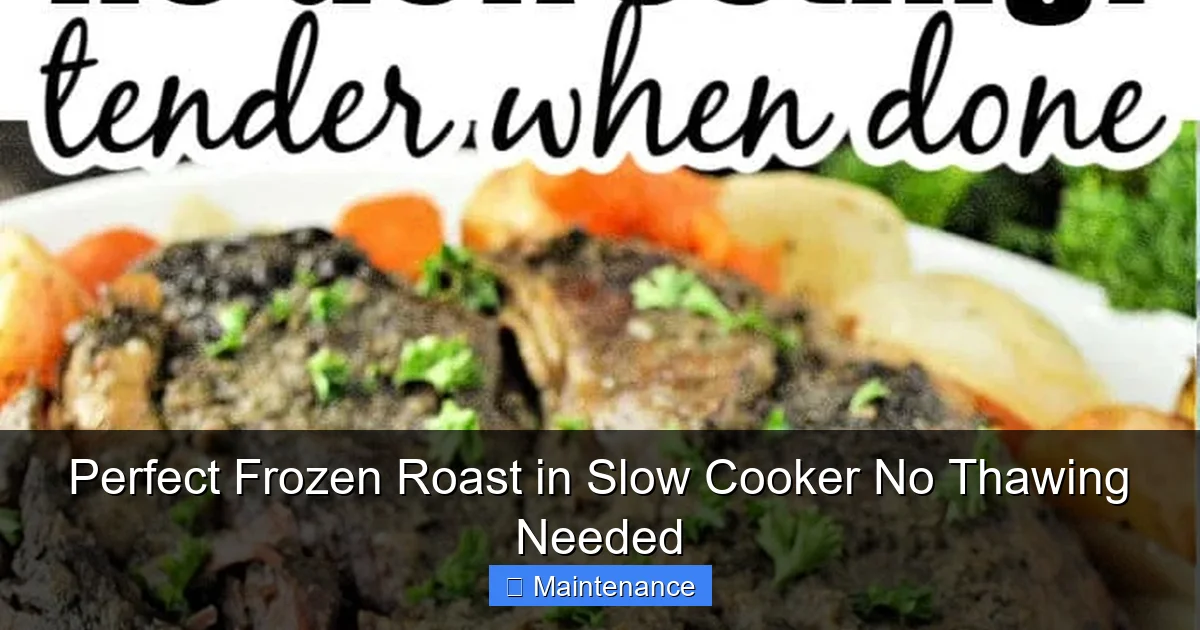
Perfect Frozen Roast in Slow Cooker No Thawing Needed
Cooking a frozen roast in your slow cooker is a game-changer for busy weeknights, delivering incredibly tender and flavorful meat without any prior thawing. This method prioritizes safety by ensuring the roast reaches proper temperatures slowly, making it not only convenient but also a reliable way to achieve a succulent meal every time. Say goodbye to defrosting dilemmas and hello to effortless, delicious dinners!
Perfect Frozen Roast in Slow Cooker No Thawing Needed
Life can be wonderfully unpredictable, but dinner doesn’t always have to be a last-minute scramble. How many times have you stared into your freezer, spotted that beautiful roast, and then sighed, realizing it would take hours, if not an entire day, to thaw? The dream of a succulent, tender roast for dinner often gets sidelined by the cold, hard reality of defrosting time.
But what if I told you there’s a magical way to bypass that thawing step entirely? What if you could take a rock-solid, frozen roast straight from the freezer and transform it into a fork-tender, flavor-packed meal with minimal effort? Get ready to say goodbye to defrosting dilemmas because cooking a frozen roast in your slow cooker is not only possible but incredibly easy and safe. This method is a total game-changer for busy weeknights, meal prep, or simply when you forget to plan ahead.
In this comprehensive guide, we’re going to dive deep into the world of slow cooking a frozen roast. We’ll cover everything from the science of why it’s safe to the exact steps you need to follow, ensuring your next roast is a resounding success. So, dust off your slow cooker, because a delicious, no-fuss dinner is just hours away, starting with a perfect frozen roast in slow cooker!
Key Takeaways
- Safety First: Cooking a frozen roast in a slow cooker is safe when executed correctly, ensuring the internal temperature reaches 160°F (71°C) for beef and pork.
- No Thawing Required: The biggest advantage is entirely skipping the defrosting step, which saves significant time and removes the need for advance meal planning.
- Low and Slow is Key: Always cook on the LOW setting for an extended duration (typically 8-10 hours) to allow for even cooking, preventing the exterior from overcooking before the interior thaws completely.
- Add Liquid Generously: Sufficient liquid—like broth, water, or a sauce—is crucial for maintaining moisture, enhancing flavor, and efficiently transferring heat from the slow cooker walls to the frozen meat.
- Choose the Right Cut: Heartier cuts such as chuck roast, round roast, or pork shoulder are ideal, as their structure benefits immensely from long, moist cooking to become fall-apart tender.
- Flavor from the Start: Season the frozen roast directly if possible, or build robust flavors within the cooking liquid by incorporating aromatics like onions, garlic, and herbs early in the process.
- Verify Doneness: Always use a reliable meat thermometer to confirm that the internal temperature is safe and that the roast is cooked thoroughly, a critical step when starting from a frozen state.
📑 Table of Contents
Why Cook a Frozen Roast in Slow Cooker? The Ultimate Convenience
The slow cooker is already a hero in many kitchens, known for its ability to transform tough cuts of meat into tender masterpieces with minimal supervision. But its power truly shines when you introduce a frozen roast into the equation. The benefits extend far beyond just saving time, though that’s certainly a major one!
Time-Saving and Spontaneity
Let’s face it, remembering to take meat out of the freezer can be a struggle. With a frozen roast in slow cooker, that step is completely eliminated. Imagine waking up, grabbing a roast straight from the freezer, popping it into the slow cooker, and coming home to the enticing aroma of a home-cooked meal. This method offers unparalleled spontaneity, allowing you to decide on a roast dinner without 24 hours of advance planning.
Unbeatable Tenderness and Flavor
The “low and slow” cooking method of a slow cooker is inherently perfect for tougher cuts of meat. When you start with a frozen roast, the meat undergoes a prolonged period of gentle thawing and cooking. This extended exposure to moist heat breaks down connective tissues, resulting in meat that is incredibly tender – often so much so that it can be shredded with a fork. Plus, the slow cooking process allows flavors from your chosen liquids, herbs, and spices to deeply infuse the meat, creating a rich and satisfying taste profile that’s hard to beat.
Minimal Effort, Maximum Reward
Once you’ve set up your slow cooker with the frozen roast and liquid, your work is largely done. There’s no constant stirring, flipping, or checking. It truly is a “set it and forget it” kind of meal, freeing you up to focus on other tasks, enjoy your day, or simply relax. The reward is a hearty, comforting meal that tastes like you’ve been slaving away for hours, when in reality, your slow cooker did most of the heavy lifting.
The Science Behind It: Safety and Temperature Control
One of the most common questions when discussing a frozen roast in slow cooker is, “Is it safe?” The answer is a resounding yes, provided you follow a few key guidelines. The concern usually stems from the “danger zone” for food safety, which is between 40°F and 140°F (4°C and 60°C), where bacteria can multiply rapidly. However, the design and function of a slow cooker, when used correctly, mitigate this risk.
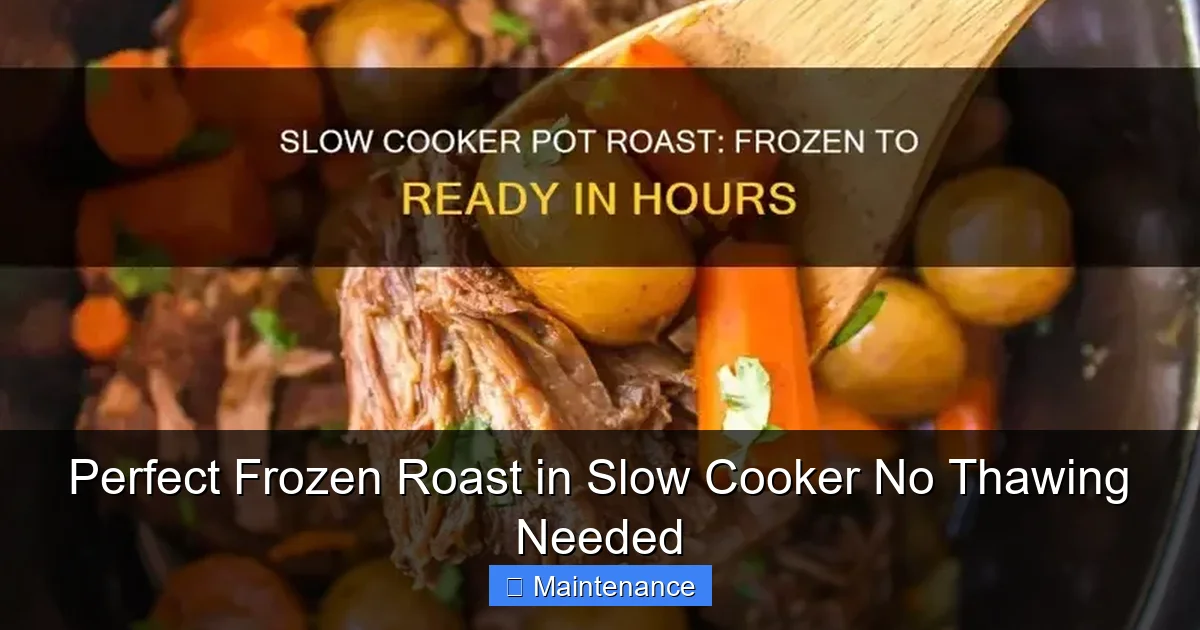
Visual guide about frozen roast in slow cooker
Image source: shungrill.com
Dispelling Myths: Why It’s Safe
Traditional advice often warns against cooking frozen meat in a slow cooker. This advice primarily applies to situations where the slow cooker might not heat quickly enough or maintain a consistently high temperature, allowing the meat to linger in the danger zone for too long. However, modern slow cookers, especially when operating on the LOW setting with sufficient liquid, are designed to heat food safely and efficiently.
The key difference with a slow cooker is that it heats from the bottom and sides, creating a hot, steamy environment that gradually thaws and cooks the roast. When you add a frozen roast directly to a slow cooker with liquid, the intense heat works to bring the internal temperature up past the danger zone relatively quickly, especially when compared to methods that might involve less direct heat transfer or smaller amounts of liquid.
Achieving Safe Temperatures Reliably
To ensure safety when cooking a frozen roast in slow cooker, adherence to specific cooking practices is crucial:
- Use the LOW Setting: Always, always use the LOW setting. The LOW setting allows for a longer, more gradual cooking process, ensuring the heat penetrates the frozen meat thoroughly and evenly. Cooking on HIGH might cook the exterior too quickly while the interior remains dangerously cold.
- Add Sufficient Hot Liquid: Starting with warm or hot liquid (like broth or water) helps kickstart the heating process and ensures there’s enough moisture to generate steam, which is vital for heat transfer and preventing dryness. This liquid should ideally surround the frozen roast.
- Ensure Adequate Cook Time: A frozen roast will naturally take longer to cook than a thawed one. Expect to add at least 2-4 hours to the typical cooking time for a thawed roast. For most beef or pork roasts, this means 8-10 hours on LOW.
- Always Use a Meat Thermometer: This is non-negotiable. The only way to truly confirm that your roast is safe to eat is by checking its internal temperature with a reliable meat thermometer. For beef and pork, the minimum safe internal temperature is 145°F (63°C) for whole cuts, but for shreddable roasts cooked in a slow cooker, you’ll typically aim for 190-205°F (88-96°C) for fall-apart tenderness. When starting from frozen, ensure the roast reaches 160°F (71°C) quickly enough (within 2-3 hours) as it thaws, and then continues to cook to your desired final temperature for tenderness.
Essential Gear and Ingredients for Success
To master the art of cooking a frozen roast in slow cooker, you don’t need fancy equipment, but selecting the right ingredients and having a few basic tools can make all the difference.
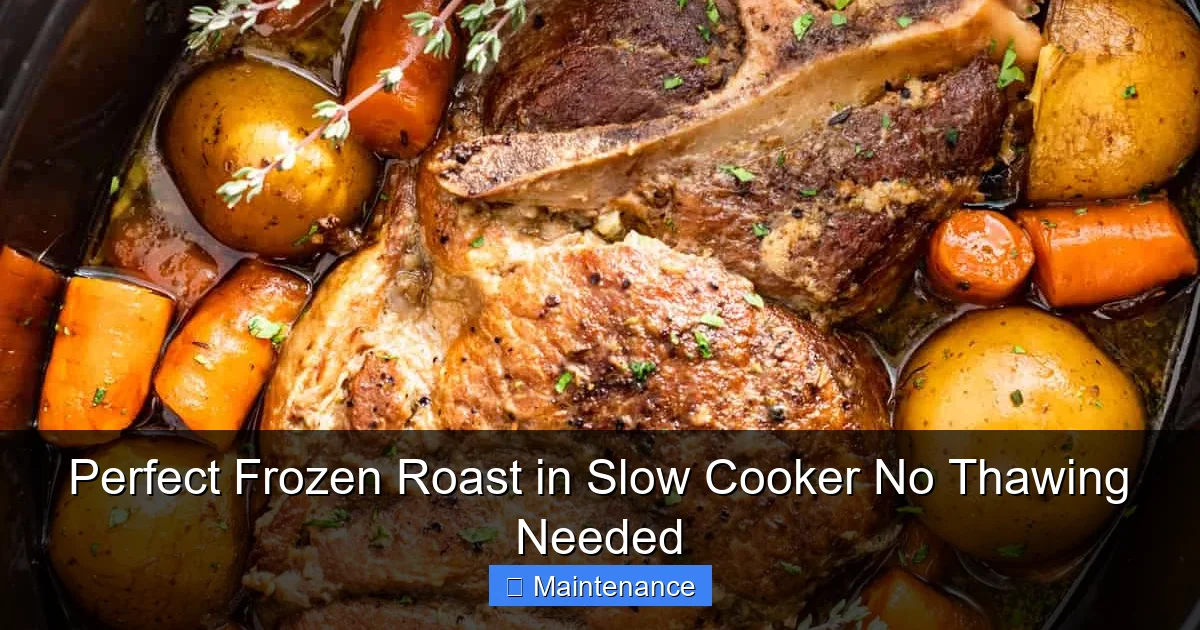
Visual guide about frozen roast in slow cooker
Image source: getinspiredeveryday.com
Your Trusty Slow Cooker
Naturally, a slow cooker is your primary piece of equipment! The size of your slow cooker should match the size of your roast. A 6-quart slow cooker is a good all-around size for most family-sized roasts. Ensure your slow cooker is in good working order and that the lid fits snugly to trap heat and moisture effectively. You can opt for a programmable model for extra convenience, allowing you to set a timer and have it switch to “keep warm” automatically.
The Right Cut of Roast
Not all roasts are created equal when it comes to slow cooking, especially from frozen. For the best results, choose cuts that benefit from long, moist cooking to break down tough connective tissues. These include:
- Chuck Roast: Often labeled “pot roast,” this cut from the shoulder is incredibly flavorful and becomes wonderfully tender and shreddable. It’s an excellent choice for a frozen roast in slow cooker.
- Round Roast (Bottom Round, Top Round): While leaner than chuck, round roasts can still become tender when slow cooked, though they might not reach the same fall-apart shreddable texture.
- Pork Shoulder (Pork Butt or Boston Butt): Perfect for pulled pork, this cut is fatty and rich, yielding incredibly juicy and tender results when cooked from frozen in a slow cooker.
Avoid very lean cuts like tenderloin, which can dry out quickly, or delicate cuts that don’t require extensive cooking time.
Flavor Boosters and Liquids
The liquid you add to your slow cooker does more than just provide moisture; it’s the foundation of your meal’s flavor. Aim for at least 1-2 cups of liquid, depending on the size of your roast and slow cooker.
- Broth or Stock: Beef, chicken, or vegetable broth are excellent choices, adding depth of flavor.
- Water: While less flavorful, water can be used, especially if you’re relying heavily on other seasonings.
- Wine or Beer: A splash of red wine or a dark beer can add incredible richness and complexity.
- Canned Soups: Cream of mushroom or cream of chicken soup are classic additions for a creamy, savory sauce.
- Acidic Liquids: A bit of balsamic vinegar, Worcestershire sauce, or even tomato paste can add a tangy counterpoint and help tenderize the meat.
Don’t forget your aromatics and seasonings! These are crucial for building flavor:
- Onions and Garlic: Essential flavor builders. You can add them chopped or even whole if desired.
- Root Vegetables: Carrots, potatoes, and celery are traditional pot roast accompaniments. Add them towards the end of the cooking process so they don’t turn to mush if you desire them to hold their shape.
- Herbs: Fresh or dried rosemary, thyme, bay leaves, and parsley all complement beef and pork beautifully.
- Spices: Salt, black pepper, paprika, onion powder, and garlic powder are staple seasonings.
Step-by-Step Guide: From Freezer to Feast
Now for the main event! Here’s how to cook a perfect frozen roast in slow cooker, ensuring safety, tenderness, and incredible flavor.
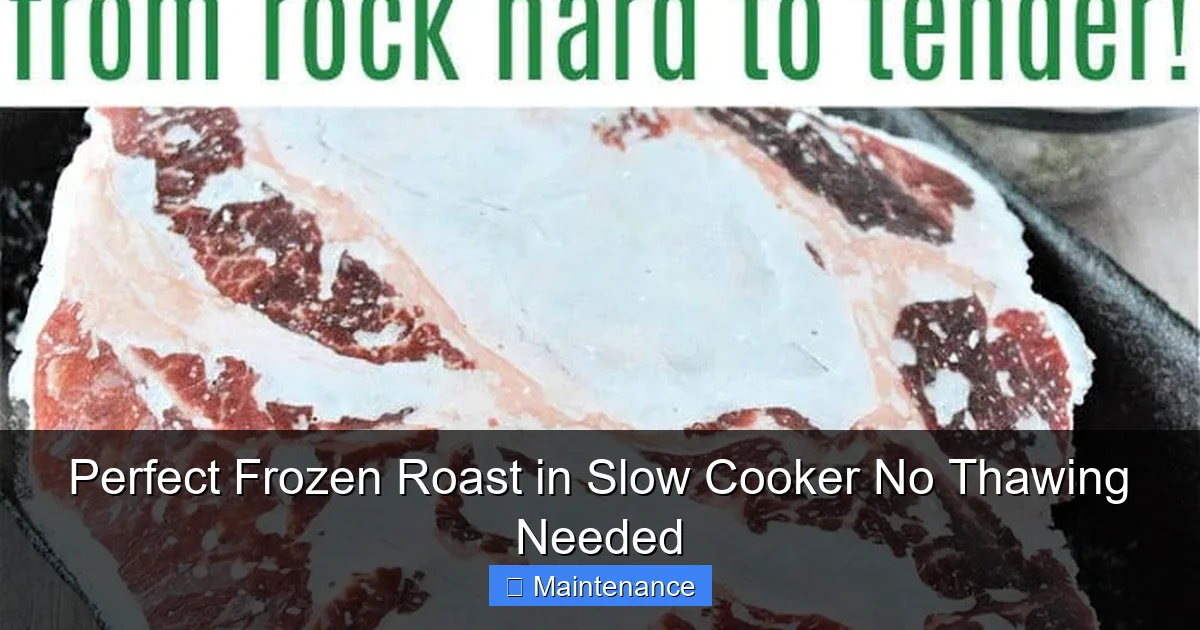
Visual guide about frozen roast in slow cooker
Image source: temeculablogs.com
Step 1: Prep Your Slow Cooker
Before adding anything, ensure your slow cooker insert is clean. You can lightly grease the inside with cooking spray to prevent sticking, though with plenty of liquid, this is often unnecessary. A slow cooker liner is also an option for super easy cleanup.
Step 2: Place the Frozen Roast
Carefully place your solid, frozen roast directly into the slow cooker insert. Try to position it as centrally as possible, but don’t force it if it’s a tight squeeze. If the roast has a thick fat cap, place it fat side up, as the melting fat will baste the meat as it cooks.
Step 3: Add Liquids and Aromatics
Pour your chosen liquid(s) around the frozen roast. Aim for at least 1-2 cups, ensuring there’s enough to create a steamy environment. You can use hot tap water or warmed broth to give it a head start. Add any chopped onions, garlic, herbs (dried or fresh), and other seasonings (salt, pepper, spices) around and over the roast. For root vegetables like carrots and potatoes, consider adding them during the last 2-3 hours of cooking so they don’t become overly soft.
Step 4: Set and Forget (Mostly!)
Secure the lid tightly on your slow cooker. Set the temperature to LOW. This is crucial for safely cooking a frozen roast in slow cooker. Resist the urge to lift the lid during cooking, as each peek releases heat and steam, significantly extending the cooking time. Let it cook for approximately 8-10 hours for most beef or pork roasts. Larger or denser roasts may require up to 12 hours.
Step 5: Check for Doneness and Tenderness
After the recommended cooking time, it’s time to check if your frozen roast in slow cooker is done. Insert a meat thermometer into the thickest part of the roast, avoiding bone. For shreddable meat, you’re looking for an internal temperature between 190°F and 205°F (88-96°C). The meat should also be fork-tender, easily pulling apart with gentle pressure. If it’s not quite there, replace the lid and continue cooking for another 1-2 hours on LOW, checking again.
Troubleshooting and Tips for Success
Even with the best instructions, sometimes things can go a little differently. Here are some tips to ensure your frozen roast in slow cooker turns out perfectly every time, along with solutions for common challenges.
Dealing with Excess Liquid
Slow cookers are designed to retain moisture, so you might end up with a good amount of liquid. If you want a thicker gravy:
- Skim Fat: Once the roast is removed, use a spoon or fat separator to skim off any excess fat from the cooking liquid.
- Thicken on the Stovetop: Transfer the liquid to a saucepan, bring it to a simmer, and create a slurry with cornstarch or flour (1 tablespoon cornstarch mixed with 1 tablespoon cold water per cup of liquid). Whisk the slurry into the simmering liquid until thickened to your desired consistency.
Ensuring Maximum Tenderness
If your roast isn’t as tender as you’d like, it likely needs more time. Don’t rush it! The beauty of cooking a frozen roast in slow cooker is that it’s difficult to overcook it to dryness, especially with ample liquid. If it’s tough, simply put the lid back on and continue cooking on LOW for another hour or two until it’s fork-tender.
Boosting Flavor After Cooking
While the slow cooker does a great job infusing flavor, sometimes you want an extra boost:
- Sear for Crust: If you miss that browned crust, after removing the roast from the slow cooker, pat it dry and sear it in a hot pan with a little oil for a few minutes per side. This adds incredible texture and depth of flavor.
- Fresh Herbs: Stir in fresh chopped parsley, chives, or cilantro just before serving for a burst of freshness.
- A Touch of Acid: A squeeze of fresh lemon juice or a dash of red wine vinegar at the end can brighten the flavors.
Carving and Serving Your Roast
Once your frozen roast in slow cooker is perfectly tender, remove it from the cooker. Let it rest for 10-15 minutes on a cutting board before shredding or slicing. Resting allows the juices to redistribute, ensuring a more succulent result. Serve your roast with the delicious pan juices, over mashed potatoes, egg noodles, or with your favorite roasted vegetables.
Leftovers Love
Leftover slow cooker roast is a culinary gift! Store any remaining meat and liquid in an airtight container in the refrigerator for up to 3-4 days. Repurpose leftovers into sandwiches, tacos, quesadillas, shepherd’s pie, or even a hearty stew. The possibilities are endless, making your initial effort go even further.
Conclusion: Your New Go-To Dinner Solution
Cooking a frozen roast in your slow cooker is more than just a kitchen hack; it’s a testament to convenience, safety, and delicious results. By embracing the “low and slow” method, ensuring proper temperatures, and adding the right blend of liquids and aromatics, you can consistently achieve a tender, flavorful roast without ever having to think about thawing ahead of time.
This technique liberates you from the tyranny of advance meal planning, offering a flexible and reliable way to put a wholesome, comforting meal on the table. So, next time you’re contemplating dinner and spot that frozen hunk of meat, remember this guide. Your slow cooker, and your taste buds, will thank you. Get ready to enjoy the ultimate in effortless, satisfying home cooking!
Frequently Asked Questions
Is it truly safe to put a frozen roast directly into a slow cooker?
Yes, it is safe, provided you follow specific guidelines. The key is to cook the roast on the LOW setting with sufficient liquid, ensuring the internal temperature rises quickly past the “danger zone” (40-140°F) and reaches a safe final temperature (e.g., 160°F for beef/pork, and then higher for tenderness).
How long does a frozen roast typically take to cook in a slow cooker?
A frozen roast will generally take 2-4 hours longer than a thawed roast. For most beef or pork roasts (3-4 lbs), expect a cooking time of 8-10 hours on the LOW setting. Larger or denser cuts might require up to 12 hours.
What kind of liquid should I use, and how much?
You should use at least 1-2 cups of liquid, such as beef or chicken broth, water, or even a mix of broth and wine. The liquid is essential for moisture, flavor, and efficient heat transfer. Starting with hot liquid can also give the cooking process a head start.
Can I add vegetables to the slow cooker with a frozen roast?
Yes, you can, but it’s often best to add heartier vegetables like carrots, potatoes, or celery during the last 2-3 hours of cooking. This prevents them from becoming overly mushy due to the extended cook time required for a frozen roast.
How do I know when my frozen roast is done?
The most reliable way is to use a meat thermometer. For safe consumption, the internal temperature should reach at least 160°F (71°C), and for fall-apart tenderness in cuts like chuck roast, aim for 190-205°F (88-96°C). The meat should easily shred or pull apart with a fork.
Will cooking from frozen affect the texture or taste of the roast?
Not negatively, in fact, many find it enhances texture. The slow, moist cooking process from a frozen state helps to break down tough connective tissues even more effectively, often resulting in an incredibly tender and juicy roast. The taste is primarily determined by your chosen seasonings and liquids.

Jennifer D. Simon has spent the last 26 years studying and practicing nutrition science. She has used a larger part of this time in improving people’s livelihoods. She has done so by coming up with unquestionable ideas on how to tackle food problems in her community. Read More