Can You Roast in Slow Cooker
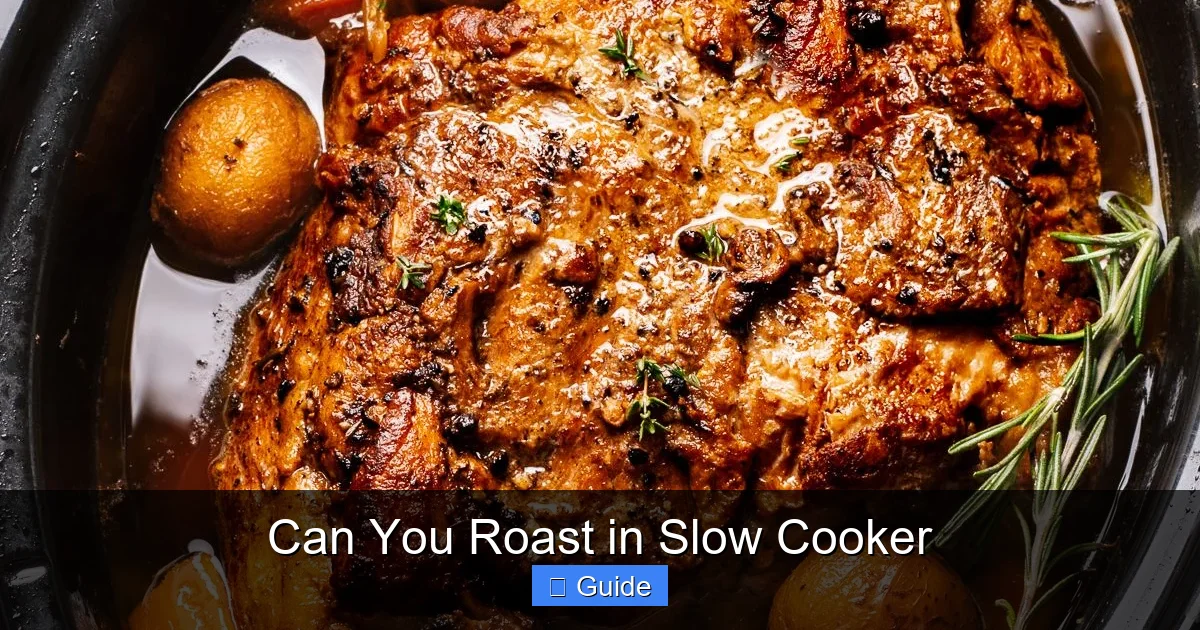
Yes, you absolutely *can* “roast” in a slow cooker, though it’s more accurately a slow braise that results in incredibly tender, fall-apart meat rather than a crispy exterior. This method is perfect for busy cooks seeking hands-off preparation and succulent, deeply flavored dishes. Prepare to transform tougher cuts into culinary masterpieces with minimal effort.
Can You Roast in Slow Cooker?
Welcome, fellow food enthusiasts! Have you ever wondered if your trusty slow cooker, that countertop champion of convenience, could handle something as grand as a roast? The short answer is a resounding YES! But let’s clarify what that “roast” truly means in the context of a slow cooker, because it’s a little different from what you might achieve in a traditional oven.
In this comprehensive guide, we’re going to dive deep into the art and science of “roasting” in a slow cooker. You’ll learn exactly how to transform tougher, more affordable cuts of meat into incredibly tender, fall-apart masterpieces with minimal effort. We’ll cover everything from choosing the right meat and essential equipment to step-by-step instructions, practical tips, and even how to troubleshoot common issues. By the end, you’ll be a slow cooker roast expert, ready to impress your family and friends with deeply flavorful, succulent meals.
Key Takeaways
- Understanding the “Roast”: Roasting in a slow cooker is actually a braising process. It won’t give you crispy skin, but it excels at creating incredibly tender, fall-apart meat due to long, moist heat cooking.
- Best Cuts for Success: Opt for tougher, fattier cuts like chuck roast, pork shoulder, brisket, or lamb shoulder. These cuts benefit most from low-and-slow cooking, breaking down connective tissue.
- Searing is Key for Flavor: While optional, searing your meat before slow cooking adds a crucial layer of deep, rich flavor and a beautiful browned crust that cannot be achieved in the slow cooker itself.
- Minimal Liquid is Often Sufficient: Slow cookers create their own moisture. You typically only need 1/2 to 1 cup of liquid, depending on the meat and cook time, to prevent drying out and create a flavorful braising liquid.
- Low and Slow is the Way to Go: For optimal tenderness and flavor development, cook your roast on the LOW setting for a longer duration (6-8+ hours) rather than rushing it on HIGH.
- Finishing for Texture: If a crispy exterior is desired, transfer the cooked roast to a preheated oven or broiler for a few minutes after slow cooking. This is an optional step to mimic traditional roasting.
- Don’t Forget to Rest: Always allow your slow-cooked roast to rest for 10-15 minutes after cooking. This helps redistribute the juices, ensuring a more tender and moist final product.
Quick Answers to Common Questions
Can I put frozen meat directly into a slow cooker?
It’s generally not recommended to put frozen meat directly into a slow cooker. The meat stays in the “danger zone” temperature too long, where bacteria can multiply rapidly. Always thaw meat completely in the refrigerator before adding it to your slow cooker for food safety.
Do I need to add water to my slow cooker?
Not necessarily! Many recipes, especially for roasts, rely on the natural juices released by the meat and any added broth or wine. Slow cookers are very efficient at trapping moisture, so you usually only need 1/2 to 1 cup of liquid to prevent drying and create a flavorful sauce.
How can I make my slow cooker roast gravy thicker?
After removing the meat, you can thicken the slow cooker juices by making a slurry of cornstarch or flour mixed with a little cold water. Stir this mixture into the hot liquid directly in the slow cooker (or transfer to a saucepan) and cook until thickened, whisking constantly.
What if my slow cooker roast is still tough after hours of cooking?
If your roast is tough, it almost always means it needs *more* time, not less. Connective tissues require prolonged, low-temperature cooking to break down and become tender. Keep cooking on the LOW setting; it will eventually become fall-apart tender.
Can I cook vegetables with my slow cooker roast?
Yes, absolutely! Hearty root vegetables like potatoes, carrots, and onions can be added at the beginning. Softer vegetables like peas or green beans should be added during the last 30-60 minutes to prevent them from becoming mushy.
The Slow Cooker “Roast” – Understanding the Difference
When we talk about “roasting” in a slow cooker, it’s important to understand that the cooking method is technically closer to braising or stewing. Traditional roasting in an oven uses dry heat, often at higher temperatures, to create a crispy, browned exterior and a tender interior. Think of a classic prime rib or a whole roasted chicken.
A slow cooker, on the other hand, operates with moist heat. It traps all the steam and liquid, cooking the meat gently over many hours at a low temperature. This environment is absolutely ideal for breaking down tough connective tissues in less expensive cuts of meat, rendering them incredibly tender and juicy. The result is a flavorful, fall-apart roast that practically melts in your mouth. What you won’t get is a crispy skin or crust straight out of the slow cooker – but don’t worry, we have a tip for that later if you crave a little crunch!
Benefits of Slow Cooker Roasting
Why choose your slow cooker for a roast when an oven is available? The benefits are numerous, especially for busy individuals or those who appreciate hands-off cooking.
- Unmatched Tenderness: The low, slow, moist heat is a magic wand for tougher cuts, transforming them into succulent, shreddable deliciousness.
- Flavor Infusion: Cooking for hours in its own juices and aromatics allows flavors to meld and deepen like no other method.
- Convenience and Hands-Off Cooking: Prep in the morning, set it, and come home to a fully cooked meal. No constant checking or basting required.
- Energy Efficiency: Slow cookers generally use less energy than an oven, especially for long cooking times.
- Budget-Friendly Meals: This method makes inexpensive cuts of meat taste gourmet, helping you stretch your grocery budget further.
- Less Cleanup: Often, it’s a one-pot meal, minimizing dirty dishes.
What Meats Work Best for Slow Cooker Roasting?
To achieve the best results when you roast in slow cooker, select cuts that thrive under long, slow, moist cooking. These are typically the tougher, more fibrous cuts with good marbling (streaks of fat).
- Chuck Roast: The undisputed king of slow cooker roasts. Beef chuck, often labeled as pot roast, shoulder roast, or boneless chuck roast, is perfect. It’s affordable, flavorful, and becomes incredibly tender.
- Pork Shoulder (Pork Butt/Boston Butt): Ideal for pulled pork. It has excellent fat marbling and yields beautifully tender, shreddable meat.
- Beef Brisket: While often smoked, brisket also shines in the slow cooker, becoming melt-in-your-mouth tender for sandwiches or main dishes.
- Lamb Shoulder: A fantastic option for a rich, flavorful lamb roast that falls off the bone.
- Rump Roast/Bottom Round: These leaner cuts can work, but require careful attention to liquid and cooking time to prevent drying out. They won’t be as “fall apart” as a chuck roast.
What to Avoid: Leaner cuts like pork loin, tenderloin, or very lean beef cuts (e.g., eye of round) are generally not ideal for slow cooker “roasting.” They can become dry and stringy because they lack the fat and connective tissue that benefit from long, slow cooking. Save those for quicker, dry-heat methods.
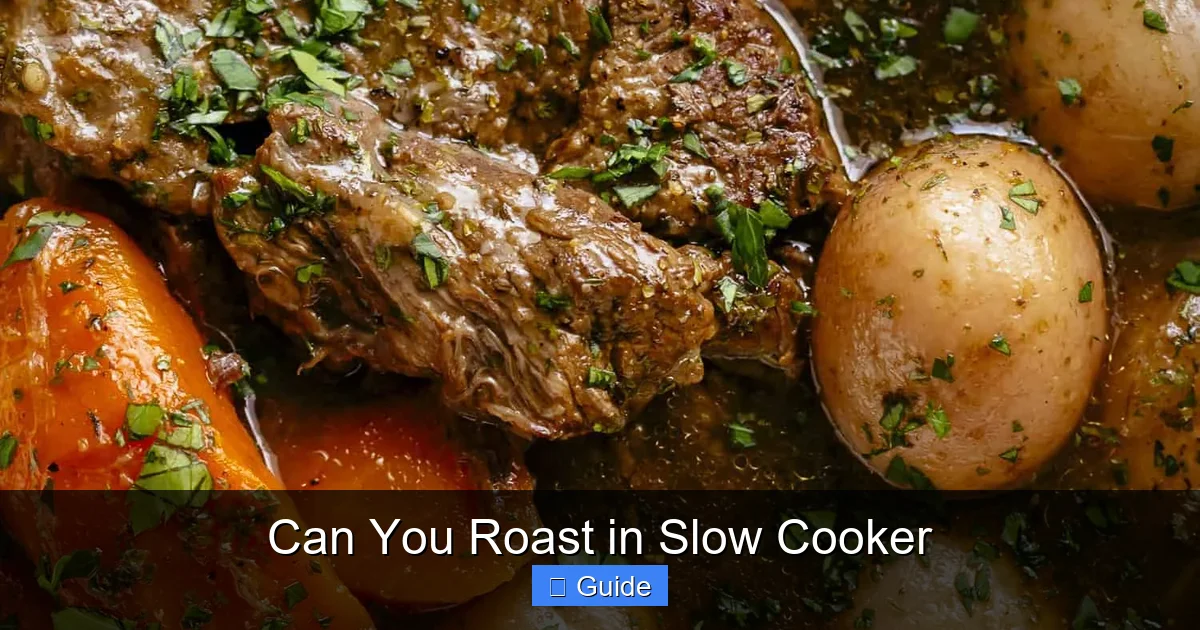
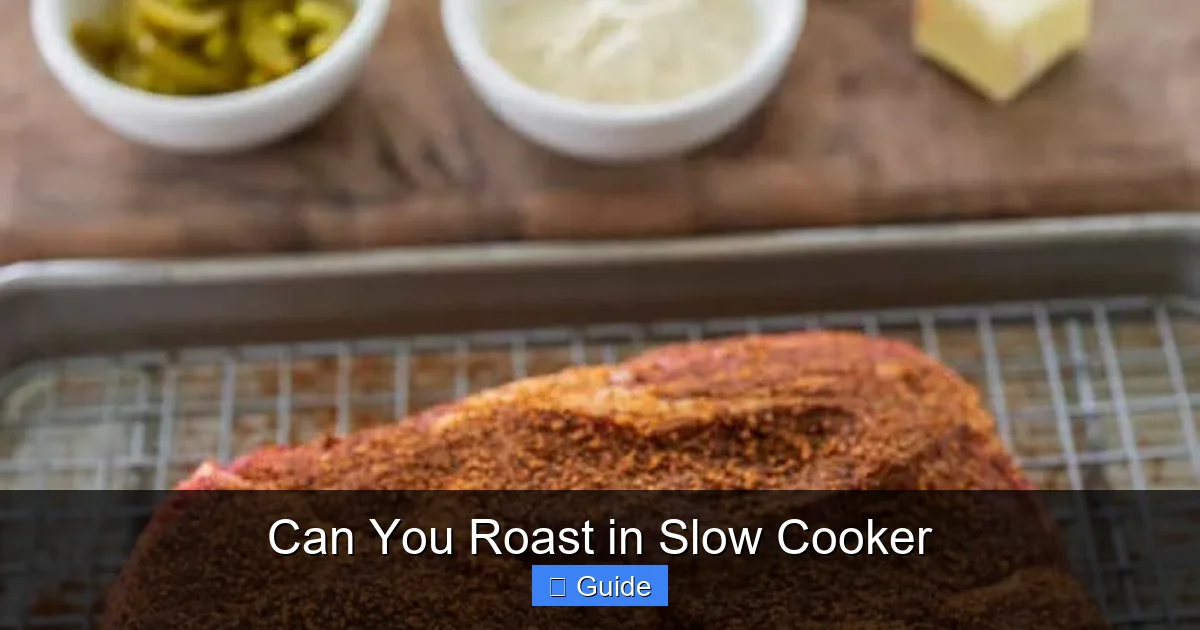
Visual guide about how to roast in slow cooker
Image source: cafedelites.com
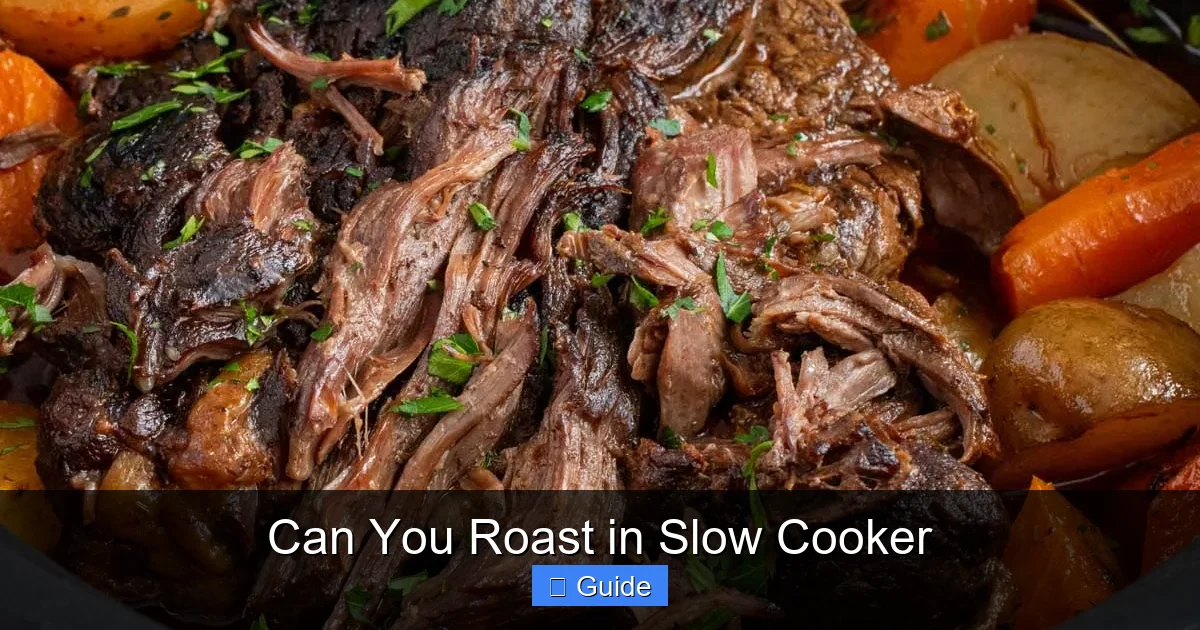
Visual guide about how to roast in slow cooker
Image source: masonfit.com
Essential Equipment
You don’t need much to roast in a slow cooker, which is part of its charm!
- Slow Cooker (Crock-Pot): Obviously! Ensure it’s the right size for your roast (e.g., 6-quart for a 3-4 lb roast).
- Large Skillet (Optional but Recommended): For searing your meat before slow cooking.
- Tongs: For handling hot meat.
- Meat Thermometer: To check for doneness, especially with larger cuts.
- Foil: For resting the meat after cooking.
- Cutting Board and Sharp Knife: For prep and serving.
Step-by-Step: How to “Roast” in Your Slow Cooker
Ready to create a delicious, tender roast? Follow these simple steps.
Step 1: Prepare Your Meat
Start by patting your chosen cut of meat thoroughly dry with paper towels. This is crucial for achieving a good sear later. Season the meat generously on all sides with salt, black pepper, and any other dry seasonings you prefer (garlic powder, onion powder, paprika, herbs like thyme or rosemary work wonderfully). Don’t be shy with the seasoning; a large piece of meat needs a lot of flavor.
Visual guide about how to roast in slow cooker
Image source: kaynutrition.com
Step 2: Sear for Flavor (Optional but Recommended)
While you *can* skip this step, searing your meat before slow cooking is highly recommended for an unparalleled depth of flavor and a beautiful color. Heat a large, heavy-bottomed skillet over medium-high heat with a tablespoon or two of oil (vegetable, canola, or olive oil). Once the oil is shimmering and hot, carefully place your seasoned meat in the skillet. Sear for 3-5 minutes per side, until a deep golden-brown crust forms. Don’t overcrowd the pan; sear in batches if necessary. Remove the seared meat and set aside.
Step 3: Layer Aromatics and Liquid
In the bottom of your slow cooker, place a bed of aromatics. This can include chopped onions, carrots, celery, garlic cloves, or even potatoes and other root vegetables if you want a complete meal. These vegetables will absorb the meat’s juices and contribute to the overall flavor. Then, pour in your liquid. For a roast in slow cooker, you typically don’t need much liquid because the slow cooker creates a lot of moisture. Aim for about 1/2 to 1 cup of liquid. Good choices include beef or chicken broth, red wine, a can of crushed tomatoes, or even a mix. This liquid will become a rich braising sauce.
Step 4: Place the Meat
Carefully place your seared (or unseared) roast on top of the aromatics and liquid in the slow cooker. Ensure it fits comfortably without touching the lid too much. If adding more vegetables to cook alongside the roast, place them around the meat at this stage or add them halfway through cooking if you prefer them less mushy.
Step 5: Set It and Forget It (Cooking Times & Temperatures)
Put the lid on your slow cooker and set it to the appropriate temperature. For most roasts, the “low and slow” method is best for maximum tenderness and flavor development.
- LOW setting: Cook for 6-8 hours for smaller roasts (2-3 lbs), or 8-10+ hours for larger roasts (4-5+ lbs).
- HIGH setting: Cook for 3-4 hours for smaller roasts, or 4-6 hours for larger roasts.
While the HIGH setting is faster, the LOW setting generally yields more tender results. Resist the urge to lift the lid during cooking, as this releases heat and moisture, significantly prolonging the cooking time.
Step 6: Check for Doneness
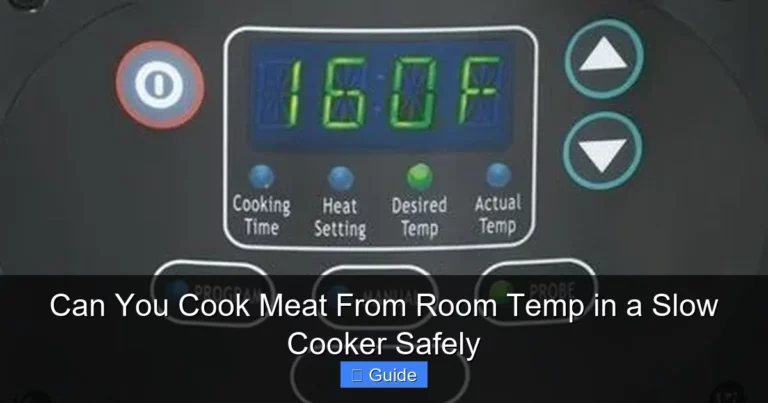
Your slow cooker roast is done when it’s fork-tender. This means you should be able to easily pull the meat apart with two forks or pierce it with very little resistance. For beef or pork, a good internal temperature for shredding is usually around 190-205°F (88-96°C), but tenderness is the best indicator for these braised cuts. For poultry like a whole chicken (less common for “roasting” but can be done), ensure it reaches 165°F (74°C).
Step 7: Rest and Serve
Once cooked, carefully remove the roast from the slow cooker and transfer it to a cutting board. Tent it loosely with foil and let it rest for 10-15 minutes. This crucial step allows the juices to redistribute throughout the meat, resulting in a more moist and tender final product. While the meat rests, you can use the flavorful cooking liquid to make gravy (see tips below). After resting, slice, shred, or pull the meat as desired and serve with your delicious braising liquid or gravy.
Tips for Success
Mastering the art of how to roast in slow cooker involves a few key tricks.
Don’t Overfill Your Slow Cooker
For optimal cooking, your slow cooker should be filled between half full and two-thirds full. If it’s too full, it will take much longer to heat up and cook evenly. If it’s too empty, the food might overcook or dry out.
Add Vegetables Smartly
Root vegetables like carrots, potatoes, and parsnips can be added at the beginning of cooking, as they can withstand long cooking times. Softer vegetables like peas or green beans should be added during the last 30-60 minutes of cooking to prevent them from turning to mush. You can also brown vegetables lightly with the meat for extra flavor before adding to the slow cooker.
Creating a “Crispy” Finish
If you miss that traditional crispy crust from oven roasting, there’s a trick! After your slow cooker roast is perfectly tender, transfer it to a baking sheet. Pop it under a preheated broiler for 5-10 minutes, or into a hot oven (around 400°F/200°C) for 10-15 minutes, until the exterior is browned and slightly crispy. Watch it carefully to prevent burning!
Making Gravy from Pan Juices
The flavorful liquid left in your slow cooker is liquid gold! To make gravy: strain the liquid to remove solids. Skim off excess fat if desired. In a saucepan, melt 2 tablespoons of butter over medium heat, then whisk in 2 tablespoons of flour to create a roux. Cook for 1-2 minutes. Gradually whisk in 2 cups of the strained slow cooker liquid until thickened. Season to taste.
Adjusting for Different Cuts
Remember that different cuts of meat will cook slightly differently. A boneless chuck roast might cook faster than a bone-in pork shoulder. Always prioritize tenderness over specific timing. When you roast in slow cooker, use the suggested times as a guideline, but let the meat tell you when it’s ready.
Troubleshooting Common Issues
Even with the best intentions, things can sometimes go awry. Here’s how to fix common slow cooker roast problems.
Meat is Dry/Tough
This is often due to two main reasons:
- Not enough liquid: Although slow cookers create moisture, very lean cuts or insufficient initial liquid can dry out meat. Ensure there’s always at least 1/2 cup of liquid at the bottom.
- Not cooked long enough: Counter-intuitively, tough meat often means it hasn’t cooked long enough for the connective tissues to break down. Keep cooking! It usually needs more time, especially on low.
Not Enough Flavor
If your roast tastes bland, consider these points for next time:
- Insufficient seasoning: Don’t be afraid to season generously. Remember to season the braising liquid too.
- Skipped searing: Searing creates a crucial flavor base that can’t be replicated in the slow cooker alone.
- Lack of aromatics: Onions, garlic, herbs, and even a splash of wine or Worcestershire sauce greatly enhance flavor.
Vegetables are Mushy
This happens when delicate vegetables are cooked for too long.
- Add later: For firm vegetables, add them about 1-2 hours before the end of cooking.
- Use heartier vegetables: Stick to root vegetables like potatoes, carrots, and parsnips which hold up better to long cooking.
Not Cooked Through
If your meat isn’t fork-tender after the recommended time:
- Give it more time: Slow cooker times are often approximate. Lids can vary, and meat density differs. Just keep cooking it on low until it reaches desired tenderness.
- Avoid lifting the lid: Every time you peek, you extend the cooking time significantly.
Conclusion
So, can you roast in slow cooker? Absolutely! While it’s more accurately a braising method, the results are nothing short of spectacular: incredibly tender, deeply flavorful meat that requires minimal hands-on effort. From juicy chuck roasts to succulent pulled pork, your slow cooker is a secret weapon for transforming tougher cuts into fall-apart perfection. Embrace the low and slow method, experiment with flavors, and enjoy the convenience of coming home to a delicious, comforting meal. Happy slow cooking!

Jennifer D. Simon has spent the last 26 years studying and practicing nutrition science. She has used a larger part of this time in improving people’s livelihoods. She has done so by coming up with unquestionable ideas on how to tackle food problems in her community. Read More