Can You Transport Slow Cooker with Food Inside
Transporting a slow cooker with food inside is absolutely possible, but it requires careful planning to ensure both food safety and mess prevention. The key is to either keep the food consistently hot (above 140°F) or thoroughly chilled (below 40°F) to avoid the “danger zone,” while also securing the lid and providing adequate insulation to prevent spills and maintain temperature during the journey.
Can You Transport Slow Cooker with Food Inside?
Imagine this: you’ve just whipped up a delicious slow cooker chili or a comforting pot roast, and it’s perfect. The aroma fills your kitchen, and you can’t wait to share it with friends and family at a potluck, holiday gathering, or tailgate party. But then a question pops into your head: “Can I actually transport this slow cooker with all that amazing food inside?”
The short answer is a resounding *yes*, you absolutely can! But, like many things in life, there’s a right way and a wrong way to do it. Transporting a slow cooker with food inside requires careful planning to ensure both food safety and mess prevention. No one wants to arrive with a spoiled meal or, worse, a car full of spilled stew. This comprehensive guide will walk you through everything you need to know, from preparation to arrival, making your next slow cooker transport a breeze. You’ll learn how to keep your food at the right temperature, prevent spills, and arrive at your destination with your delicious creation intact and ready to enjoy.
Key Takeaways
- Food Safety First: Always prioritize keeping food out of the temperature danger zone (40°F to 140°F). Transport food either consistently hot (above 140°F) or cold (below 40°F) to prevent bacterial growth.
- Secure Lids Are Crucial: Invest in a slow cooker with a locking lid mechanism or use heavy-duty foil, plastic wrap, and bungee cords or tape to create a tight seal to prevent spills during transit.
- Insulation is Your Friend: Use specialized slow cooker carriers, thick towels, blankets, or insulated bags to help maintain the food’s temperature, whether hot or cold, and to protect the ceramic insert.
- Plan Your Route and Time: Minimize travel time, especially for hot food. Aim for trips under 1-2 hours to maintain safe temperatures and reduce the risk of spills.
- Protect Your Vehicle: Place the slow cooker on a flat, stable surface like the floorboard or secured with a seatbelt. Use old towels, newspapers, or a shallow pan underneath to catch any unexpected drips or spills.
- Check Temperature on Arrival: If transporting hot food, use a food thermometer to verify it’s still above 140°F before serving or plugging it back in to keep warm. Reheat anything that has cooled too much to 165°F.
- Handle Ceramic Inserts Gently: Slow cooker ceramic inserts are fragile. Pad them well if transporting separately or ensure they are securely nestled within the slow cooker’s base to prevent breakage.
Quick Answers to Common Questions
What’s the best way to prevent spills?
Use a slow cooker with a locking lid. If yours doesn’t have one, layer heavy-duty foil under the lid and secure it tightly with bungee cords, tape, or strong plastic wrap around the entire unit.
How long can hot food stay warm in a slow cooker during transport?
With good insulation (like an insulated carrier or thick towels), hot food can typically stay above 140°F for 1-3 hours. Always aim to minimize travel time to be safe.
Should I cool my food before transporting it?
You should either transport food consistently hot (above 140°F) or thoroughly cooled (below 40°F) in an insulated cooler with ice packs. Avoid transporting food that is just lukewarm, as it’s in the danger zone.
What’s the safest place to put a slow cooker in the car?
The floorboard of the passenger side is generally the safest spot due to its flat, low surface. Secure it with other items or a seatbelt to prevent shifting and place old towels underneath for spill protection.
Can I transport my slow cooker with just the ceramic insert and lid?
Yes, but ensure the insert’s lid is extremely secure and the insert itself is heavily padded within a sturdy box or cooler to prevent cracks. The heating base can then be transported separately.
The Short Answer: Yes, But…
Yes, transporting a slow cooker with food inside is entirely feasible and a common practice for many home cooks. However, it’s not as simple as just grabbing it and going. The “but” comes with important considerations around food safety, spill prevention, and the integrity of your slow cooker. The main goal is to ensure your food stays out of the “temperature danger zone” (between 40°F and 140°F) where bacteria multiply rapidly, and that your car interior remains spotless.
Understanding the Risks: Why Caution is Key
Before we dive into the how-to, let’s quickly understand *why* careful planning is so important when you transport slow cooker with food inside.
Foodborne Illness
This is the biggest risk. The temperature danger zone for food is between 40°F (4°C) and 140°F (60°C). In this range, bacteria can double every 20 minutes, potentially making your delicious meal unsafe to eat. If your hot slow cooker meal cools into this zone and stays there for more than two hours, it’s best to discard it. If you’re transporting cold food, it must remain below 40°F.
Spills and Messes
Hot liquids and sauces inside a slow cooker can easily slosh out with every bump, turn, or sudden stop. A spill of hot food in your car can not only create a huge cleaning nightmare but also pose a burn risk. Grease stains and lingering odors are also unwelcome souvenirs from your journey.
Damage to Your Slow Cooker
The ceramic or stoneware insert of a slow cooker is generally quite fragile. It can crack or break if jostled too much or if it experiences sudden temperature changes. Dropping the slow cooker base can also damage the electrical components. Protecting your appliance during transit is important.
Pre-Transport Preparations: Getting Your Slow Cooker Ready
The success of transporting your slow cooker with food inside starts long before you leave the driveway.
Cook Food Thoroughly
Always ensure your slow cooker meal is cooked to the appropriate internal temperature according to food safety guidelines before considering transport. For most meats, this is 165°F (74°C). This gives you the best starting point for maintaining a safe temperature.
Decide: Keep Hot or Cool Down?
You have two primary strategies for safely transporting food: keeping it consistently hot or thoroughly cooling it down.
If Transporting Hot Food
Your goal is to keep the food above 140°F (60°C) during the entire journey. This usually means cooking it right before you leave and immediately preparing it for transport while still hot.
Visual guide about how to transport slow cooker with food inside
Image source: cdn.apartmenttherapy.info
Visual guide about how to transport slow cooker with food inside
Image source: herwholesomekitchen.com
If Transporting Cold Food
If your destination is far, or you don’t have a way to keep it hot, it’s safer to cool the food rapidly and thoroughly. Once cooked, divide the food into shallow containers to cool quickly in the refrigerator. Once it’s below 40°F (4°C), you can transport it in a cooler with ice packs and reheat it thoroughly to 165°F (74°C) upon arrival.
Assess Your Slow Cooker
Before loading up, quickly inspect your slow cooker. Is the lid securely fitting? Are there any existing cracks in the ceramic insert? Are the handles sturdy? Addressing these issues beforehand can prevent problems on the road.
Choosing the Right Slow Cooker for Transport
Some slow cookers are simply better designed for travel.
Locking Lids are a Game-Changer
If you frequently transport slow cooker with food inside, a model with a locking lid is your best friend. These lids have clips or clamps that secure the lid to the base, forming a much tighter seal than a standard lid. This drastically reduces the risk of spills.
Sturdy, Heat-Resistant Handles
Look for slow cookers with large, robust handles that are comfortable to grip, even when the unit is full and heavy. Make sure they are heat-resistant if you’re handling a hot slow cooker.
Consider an Insulated Carrier
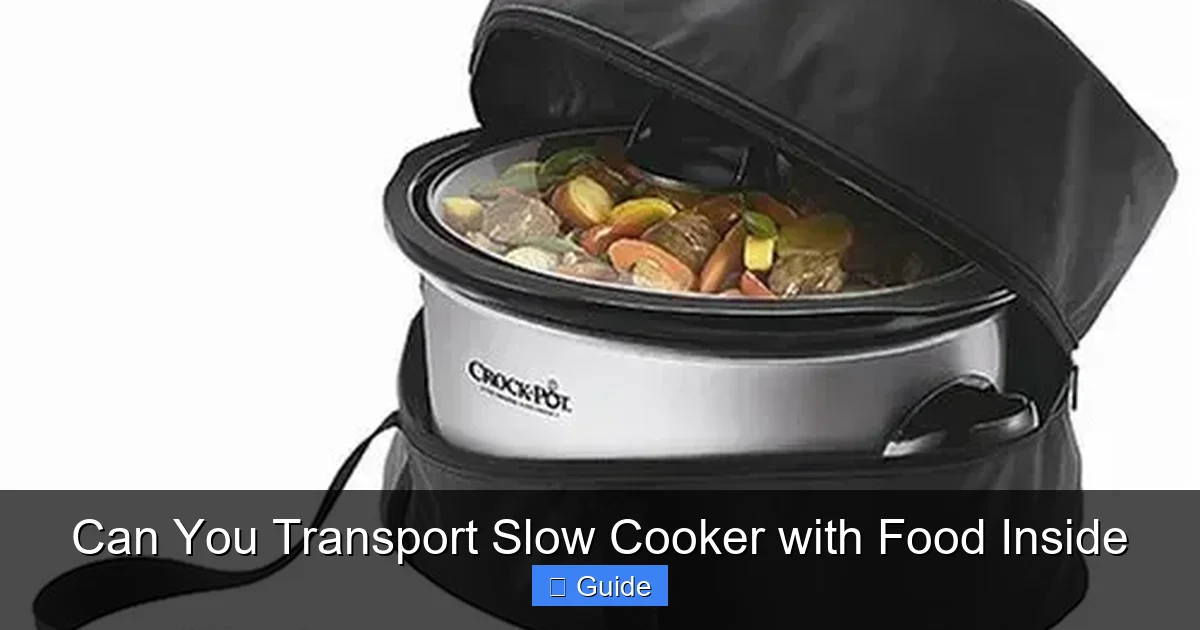
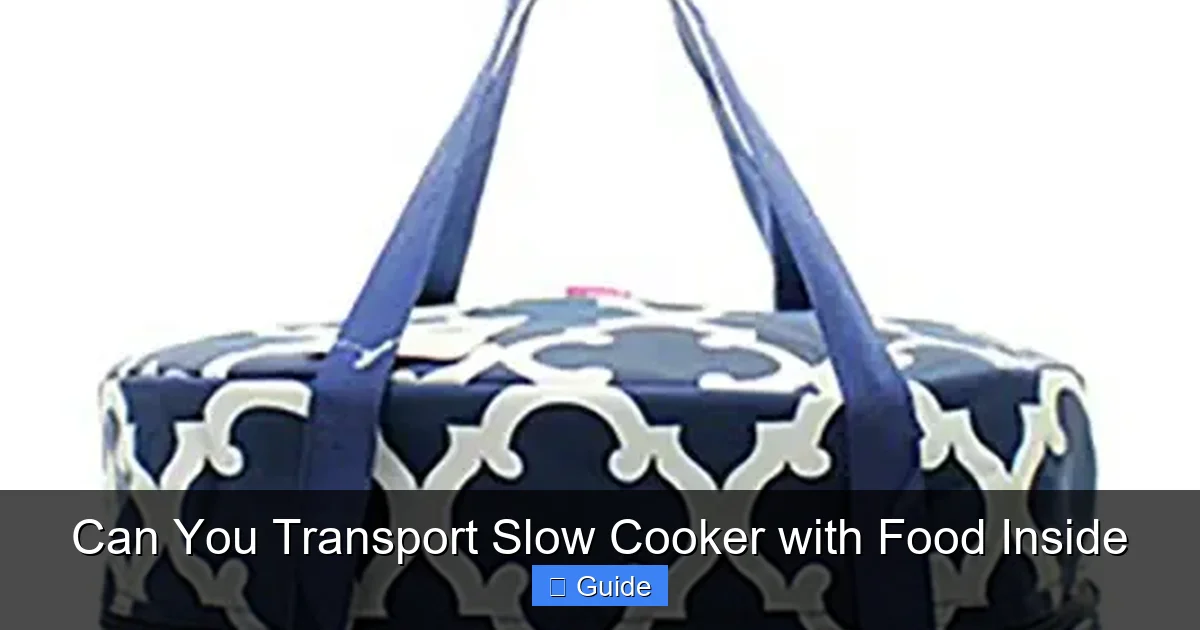
Many brands offer purpose-built insulated carrying bags for slow cookers. These carriers not only provide an extra layer of insulation to keep food hot or cold but also offer padding to protect the ceramic insert and straps for easier carrying. This is one of the best ways to transport slow cooker with food inside.
Packing Your Slow Cooker for the Journey
This is where you put your spill-prevention and temperature-maintenance strategies into action.
Securing the Lid: The Ultimate Spill Prevention
Even with a locking lid, a little extra security doesn’t hurt.
For Locking Lids
Engage the clips firmly. You can add an extra layer of heavy-duty aluminum foil under the lid before clipping it down for an even tighter seal. Some people even use painter’s tape around the lid’s edge for maximum security.
Visual guide about how to transport slow cooker with food inside
Image source: cdn.apartmenttherapy.info
For Non-Locking Lids
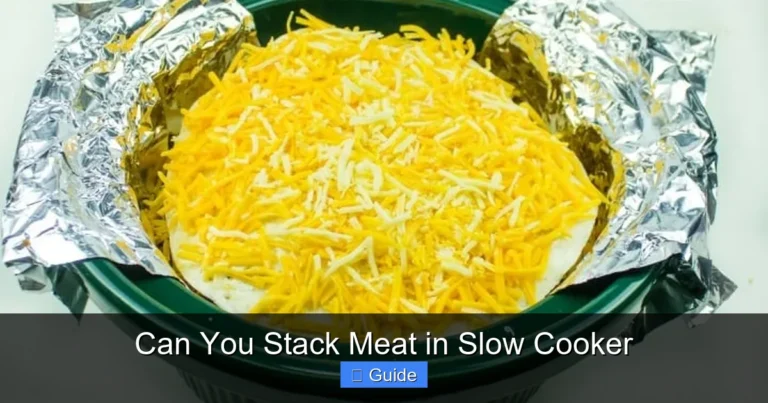
This requires a bit more creativity. First, place several layers of heavy-duty aluminum foil directly over the top of the stoneware insert, extending down over the edges. Then, place the lid on top. Secure the lid and foil combination tightly with elastic bungee cords wrapped around the entire slow cooker base and lid, or use strong packing tape to create a seal where the lid meets the base. Be careful not to get tape on any painted or delicate surfaces of your slow cooker.
External Insulation: Maintaining Temperature
Once the lid is secured, it’s time to insulate.
Using a Specialized Carrier
If you have an insulated slow cooker carrier, simply place the slow cooker inside, zip it up, and you’re good to go. These are designed to keep food warm for several hours.
Using Household Items
No special carrier? No problem! Wrap the entire slow cooker (base and lid) in several thick towels, blankets, or even a sleeping bag. The more insulation, the better it will maintain its temperature. You can then place this wrapped slow cooker inside a large sturdy tote bag or a laundry basket to make it easier to carry and contain any unexpected leaks.
Placement in Your Vehicle: Stability is Key
Where you put the slow cooker in your car makes a huge difference.
Flat and Stable Surface
The floorboard of the passenger side is often the best spot, as it’s typically flat and low to the ground, minimizing movement. If using a seat, ensure it’s on a flat section and not tilted. Avoid placing it on the passenger seat unless it can be firmly secured.
Use Seatbelts and Barriers
If placing it on a seat, secure the slow cooker with a seatbelt to prevent it from sliding or tipping over during turns or stops. You can also use other bags or items to create a “wall” around the slow cooker, preventing it from shifting.
Avoid Direct Sunlight or Extreme Cold
If possible, keep the slow cooker out of direct sunlight, especially if you’re trying to keep food cold. Conversely, in very cold weather, extreme temperatures can still affect the internal temperature, so keeping it inside the passenger cabin is usually best.
Protection Against Spills (Just in Case)
Even with the best precautions, accidents can happen. Prepare for them.
Old Towels or Newspapers
Place old towels, a shower curtain, or several layers of newspaper underneath and around the slow cooker. This acts as an absorbent barrier for any minor drips or major spills.
Shallow Pan
Consider placing the entire slow cooker (or at least the wrapped ceramic insert) inside a shallow baking pan or a plastic bin. This creates a secondary containment system for any liquid that might escape.
Separate Components (Optional, but Smart)
For particularly fragile inserts or very liquidy dishes, you might consider transporting the ceramic insert separately from the heating base.
Ceramic Insert Alone
If the ceramic insert can be secured very well, you might wrap it (with food inside and lid secured) in towels and place it in a cooler. Then, transport the empty slow cooker base separately. This reduces the weight in the insert and potentially minimizes stress on the ceramic. This is a great way to transport slow cooker with food inside for peace of mind.
During Transport: Keeping Food Safe and Sound
The journey itself is critical for maintaining food safety.
Maintain Temperature During Travel
Your efforts at insulation will shine here. Drive efficiently but safely, minimizing unnecessary stops.
For Hot Food
The insulation should keep your food above 140°F for a few hours. Try to get to your destination as quickly and directly as possible. For very long trips (over 3-4 hours), consider transferring the food to an electric cooler or reheating capabilities en route if possible.
For Cold Food
If you opted to cool your food, ensure it stays in a well-packed cooler with plenty of ice packs or ice, keeping it below 40°F. Do not let cold food warm up into the danger zone.
Minimize Movement
Drive smoothly, avoid sharp turns, and brake gradually. Treat your slow cooker like a passenger that needs a gentle ride.
Check Temperature on Arrival (If Possible)
If you have a food thermometer, it’s a good idea to quickly check the internal temperature of your food upon arrival, especially if you transported it hot. It should ideally still be above 140°F.
Consider Travel Time
For hot food, aim for transport times of less than 2 hours. If you anticipate a longer journey, be extra diligent with insulation, or consider the “cool and reheat” method instead.
Arrival and Reheating: What to Do When You Get There
You’ve arrived! Now, let’s make sure your food is ready to serve safely.
If Food is Still Hot (Above 140°F)
If your food has maintained a safe temperature, simply plug your slow cooker back in at the destination. Set it to the “warm” setting if serving immediately, or “low” if you need to hold it for a short period before serving. Stir the food to ensure even heating if it’s been sitting.
If Food is Lukewarm (Between 40°F and 140°F)
This is the danger zone. If your food has been in this range for less than two hours total (including cooking, transport, and arrival time), you *might* be able to salvage it by immediately reheating it to 165°F (74°C). If it has been in the danger zone for more than two hours, it is safest to discard it to prevent foodborne illness.
If Food Was Transported Cold (Below 40°F)
Reheat the food thoroughly to 165°F (74°C) before serving. You can do this in the slow cooker on a “high” setting, on a stovetop, or in an oven, depending on the food type and available equipment. Once reheated, you can then switch the slow cooker to a “warm” setting for serving.
Serving Safely
Once your food is at a safe serving temperature, use clean serving utensils. Keep the lid on the slow cooker when not serving to maintain warmth. If serving buffet-style, remind guests to keep the lid closed. Do not leave perishable food out at room temperature for more than two hours.
Troubleshooting Common Transport Issues
Even with the best planning, sometimes things don’t go perfectly.
My Lid Doesn’t Seal Well
Solution: Use extra layers of heavy-duty aluminum foil directly over the stoneware insert before placing the lid. Then, use elastic bungee cords or strong packing tape around the entire slow cooker, securing the lid tightly to the base. Remember to be gentle with the tape on the slow cooker’s exterior.
A Spill Still Happened!
Solution: Don’t panic. If you followed the advice about placing towels or a pan underneath, the mess should be contained. Clean up immediately upon arrival. Use appropriate cleaners for your vehicle’s upholstery. For persistent odors, an odor neutralizer designed for cars might be necessary.
My Food Cooled Down Too Much
Solution: Check the temperature. If it’s been in the danger zone for a short period (less than 2 hours total), reheat it rapidly to 165°F (74°C). If it’s been lukewarm for longer, it’s safer to discard it. Always err on the side of caution when it comes to food safety.
No Power Source at My Destination
Solution: This is why the “cool and reheat” method is often preferred for unknown destinations. If you transported hot food and can’t plug it in, you’ll need another way to reheat it (microwave, oven, stovetop) or serve it immediately if it’s still hot enough. Plan ahead by asking your host about their kitchen setup.
My Ceramic Insert Feels Fragile
Solution: Pad the slow cooker well with towels or blankets, ensuring the insert is snugly nested within the heating element. For extreme caution, if the food allows, you could even transport the food in a separate, sealed, sturdy container within a cooler, and then transfer it to the slow cooker insert upon arrival for reheating or serving.
Creative Ways to Transport Your Slow Cooker Meals
Sometimes, thinking outside the box can make transportation even easier.
Divide Into Smaller Containers
Instead of one large slow cooker, divide your meal into several smaller, airtight containers. These are easier to pack into a cooler with ice packs (for cold transport) or an insulated bag (for hot transport), and less prone to large spills. Reheat in batches upon arrival.
Transport Ingredients Separately and Cook On-Site
For some meals, especially those with multiple components (like tacos or build-your-own bowls), you might transport the prepped ingredients in separate containers and simply assemble or finish cooking on-site. This works well if you have access to a kitchen at your destination and want maximum freshness.
Use a Portable Warming Tray or Chafing Dish
If you’re often transporting food for parties, consider investing in a portable warming tray or a chafing dish. You can transfer your slow cooker meal into these at the destination, freeing up your slow cooker for other uses or making serving more elegant.
Conclusion
Transporting a slow cooker with food inside doesn’t have to be a source of stress. With a little foresight and the right techniques, you can confidently take your culinary creations on the road, knowing they’ll arrive safely, deliciously, and mess-free. The core principles are simple: prioritize food safety by maintaining proper temperatures, secure your slow cooker tightly to prevent spills, and insulate it well for the journey. Whether you’re heading to a casual potluck or a festive family gathering, these tips will ensure your slow cooker meal is a smashing success, from your kitchen to the table. Happy transporting!

Jennifer D. Simon has spent the last 26 years studying and practicing nutrition science. She has used a larger part of this time in improving people’s livelihoods. She has done so by coming up with unquestionable ideas on how to tackle food problems in her community. Read More