
Can You Save Overcooked Meat in Slow Cooker
Ever ruined a perfectly good piece of meat by overcooking it? Don’t despair! This guide reveals how you can save overcooked meat in slow cooker, transforming dry, tough cuts into tender, flavorful dishes. Learn the secrets to rehydrating and revitalizing your meal, turning a kitchen mishap into a delicious success with the power of low and slow cooking.
Can You Save Overcooked Meat in Slow Cooker
We’ve all been there. You’re excited for a delicious meal, you pull the meat out of the oven or off the grill, and… disaster strikes. It’s dry. It’s tough. It’s stringy. That perfectly planned dinner is now staring back at you like a culinary failure. Your heart sinks. Is it salvageable, or is it destined for the bin?
Good news! While not every kitchen mishap can be completely undone, in many cases, you absolutely can save overcooked meat in slow cooker. This trusty appliance, known for its ability to transform tough cuts into tender masterpieces, can be your secret weapon against dryness and chewiness. This comprehensive guide will walk you through the process, from understanding what went wrong to enjoying a surprisingly delicious second act for your once-overcooked protein.
You’ll learn practical, step-by-step methods, discover the best liquids and flavor enhancers, and get tips for turning your culinary “oops” into a triumph. So, before you give up on that dry chicken breast, tough pork roast, or leathery beef, let’s explore how to save overcooked meat in slow cooker and bring it back to life.
Key Takeaways
- Assessment is Crucial: Not all overcooked meat can be saved. Severely burnt or charred meat is often beyond repair, but dry and tough meat is a prime candidate for slow cooker rescue.
- Slow Cooker Rehydrates and Tenderizes: The “low and slow” cooking method in a slow cooker helps break down tough muscle fibers and reintroduce moisture, effectively tenderizing and rehydrating dry meat.
- Liquid Choice is Key: Using flavorful broths, stocks, or sauces is essential to infuse moisture and enhance the taste of the rescued meat, preventing it from tasting bland.
- Patience and Low Heat are Vital: For best results, cook the overcooked meat on a low setting for several hours. This gradual process allows the meat to absorb liquid and become tender without drying out further.
- Prepare the Meat Properly: Shredding, cubing, or slicing the overcooked meat before adding it to the slow cooker increases its surface area, allowing it to absorb moisture and flavors more efficiently.
- Versatility in Serving: Once revitalized, the meat can be repurposed into various dishes like tacos, sandwiches, casseroles, or soups, giving it a delicious second life.
Quick Answers to Common Questions
Can I put frozen overcooked meat into the slow cooker to save it?
It’s best to thaw the meat first. Frozen meat won’t absorb flavors and moisture as efficiently, and it will significantly extend the cooking time, potentially leading to uneven rehydration.
What if I only have plain water? Can I still save overcooked meat?
Yes, but you’ll need to add plenty of seasonings. Use bouillon cubes or granules, soy sauce, Worcestershire sauce, herbs, spices, and aromatics like onion and garlic to build flavor. Plain water alone won’t infuse much taste.
How much liquid should I use to save overcooked meat in slow cooker?
Aim to submerge the meat about three-quarters of the way. You want enough liquid to rehydrate and tenderize without completely drowning it, unless you’re making a soup or stew.
Can this method work for fish or seafood that’s overcooked?
Generally, no. Fish and seafood are much more delicate than red meat or poultry. Once overcooked, they tend to become rubbery and break apart easily, and the slow cooker’s long, moist heat will likely make them even mushier or tougher, not better.
Should I cook the meat on HIGH or LOW to rehydrate it?
Always use the LOW setting. The goal is gentle rehydration and tenderization, not further cooking. High heat can boil the liquid too vigorously and dry out the meat even more.
Understanding Overcooked Meat: What Went Wrong?
Before we dive into the rescue mission, it’s helpful to understand what happens when meat gets overcooked. Essentially, proteins in the meat denature (change structure) and tighten up, squeezing out moisture. The connective tissues, which normally break down into gelatin during proper cooking, can become tough and rubbery if cooked too long at too high a temperature without sufficient moisture. The result? Dry, chalky, and unappetious meat. However, if it’s merely dry and tough, rather than burnt to a crisp, there’s a good chance you can save overcooked meat in slow cooker.
When a Slow Cooker Can (and Cannot) Help
It’s important to set realistic expectations. A slow cooker is fantastic for rehydrating and tenderizing meat that has become dry or tough. Think of a pork shoulder that’s a bit too firm, a chicken breast that’s lost all its juiciness, or a pot roast that’s more like shoe leather. In these scenarios, you can definitely save overcooked meat in slow cooker.

Visual guide about how to save overcooked meat in slow cooker
Image source: shungrill.com
However, a slow cooker isn’t a miracle worker for everything. If your meat is:
- Severely Burnt: If it’s charred black and has a strong bitter taste, no amount of slow cooking will remove that.
- Spoiled: This goes without saying, but if the meat has gone bad, throw it out.
- Already Mushy: Some meats, if cooked too long at a very low heat without proper structure, can become mushy. Adding them back to a slow cooker might exacerbate this.
But for the vast majority of cases where meat is simply dry and tough, using your slow cooker to save overcooked meat is an excellent strategy.
The Science Behind Rehydrating and Tenderizing in a Slow Cooker
The magic of the slow cooker lies in its “low and slow” approach. Here’s why it works to save overcooked meat:
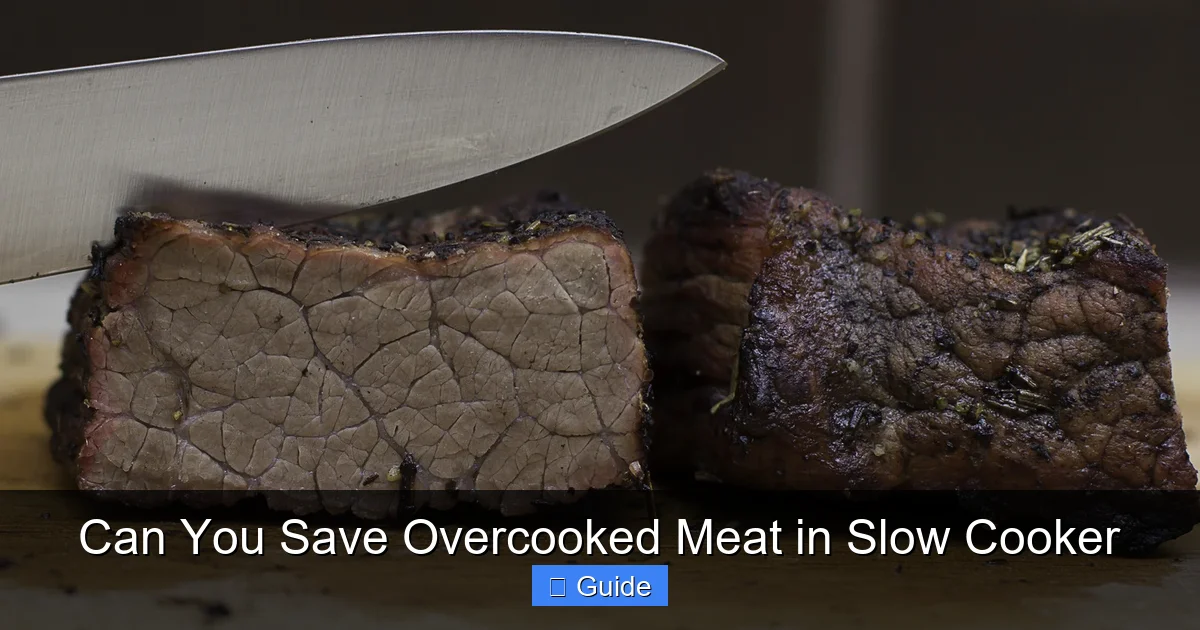
Visual guide about how to save overcooked meat in slow cooker
Image source: tastingtable.com
- Moisture Reintroduction: By simmering the dry meat in a flavorful liquid, the muscle fibers slowly reabsorb moisture, plumping them up again.
- Collagen Breakdown: Even if the connective tissue initially tightened up, prolonged gentle heat in a moist environment will eventually break down any remaining collagen into gelatin, making the meat incredibly tender.
- Even Heat Distribution: Slow cookers provide consistent, gentle heat from all sides, preventing further drying out and allowing the meat to cook uniformly in its liquid bath.
This process transforms what seemed like a lost cause into a juicy, tender component for a brand new dish. You truly can save overcooked meat in slow cooker with patience and the right technique.
Step-by-Step Guide: How to Save Overcooked Meat in Slow Cooker
Step 1: Assess the Damage and Prepare the Meat
The first crucial step to save overcooked meat in slow cooker is to understand its condition and get it ready for its second cooking phase.
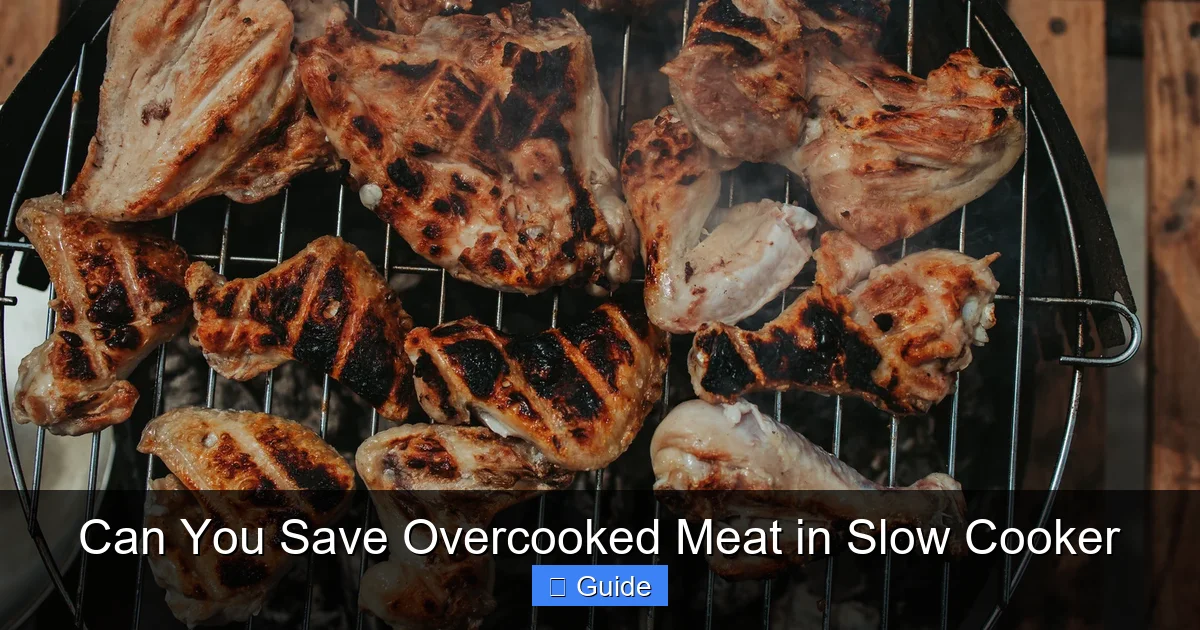
Visual guide about how to save overcooked meat in slow cooker
Image source: mashed.com
1.1 Evaluate the Overcooking Level
Take a good look at your meat. Is it just dry and a bit tough? Or are there burnt edges? If it’s merely dry and tough, you’re in an excellent position to save overcooked meat in slow cooker. If there are heavily burnt parts, trim those off and discard them. Burnt flavors are very difficult to mask.
1.2 Prepare the Meat for Rehydration
To maximize the surface area for rehydration and flavor absorption, you’ll want to break down the meat. For larger cuts like roasts, shred it with two forks if possible, or cut it into small cubes (1/2 to 1-inch) or thin slices. For chicken breasts or other smaller pieces, shredding is often the easiest and most effective method. The smaller the pieces, the quicker they will absorb moisture and become tender. This preparation is key when you want to save overcooked meat in slow cooker.
Step 2: Choose Your Rehydrating Liquid Wisely
The liquid you choose is paramount. It’s not just about adding moisture; it’s about adding flavor. Don’t just use plain water unless you’re prepared to heavily season it.
2.1 Broths and Stocks
These are your best friends. Chicken, beef, or vegetable broth/stock will add a fantastic depth of flavor. Match the broth to the type of meat you’re rescuing (e.g., chicken broth for chicken, beef broth for beef). Low-sodium options are great, allowing you to control the saltiness later.
2.2 Sauces and Gravies
For an extra boost of flavor and to create a ready-made meal base, consider using a prepared sauce or gravy. BBQ sauce, marinara, enchilada sauce, or even a basic gravy mix can work wonders. This is an excellent way to save overcooked meat in slow cooker while simultaneously planning its new identity.
2.3 Water with Flavor Boosters
If you don’t have broth, water can work, but you’ll need to compensate with plenty of seasonings. Think bouillon cubes/granules, Worcestershire sauce, soy sauce, liquid smoke, or concentrated tomato paste to build a flavor base.
Step 3: Add Flavor Enhancers and Aromatics
Once you’ve chosen your liquid, boost the flavor profile. This step is crucial for making your rescued meat taste intentional and delicious.
3.1 Vegetables and Herbs
Add chopped onions, garlic, carrots, celery, bell peppers, or mushrooms. Fresh herbs like thyme, rosemary, bay leaves, or parsley can infuse wonderful aromas. Dried herbs work too, but use them sparingly as their flavor is more concentrated.
3.2 Spices and Seasonings
Don’t be shy! Ground cumin, chili powder, paprika, dried oregano, black pepper, and a touch of salt (be careful if your broth is already salty) can make a huge difference. Think about the dish you want to create with the revitalized meat. For instance, if you’re aiming for tacos, add cumin and chili powder.
3.3 Acids for Brightness
A splash of something acidic can brighten flavors and help tenderize. A tablespoon of apple cider vinegar, red wine vinegar, balsamic vinegar, or lemon juice added at the beginning (or towards the end for freshness) can be very effective.
Step 4: Load the Slow Cooker and Set the Stage
Now it’s time to bring everything together in your slow cooker.
4.1 Place Meat First
Add your shredded, cubed, or sliced overcooked meat to the bottom of the slow cooker insert. Distribute it as evenly as possible.
4.2 Cover with Liquid and Aromatics
Pour your chosen liquid over the meat. Add your aromatics, vegetables, herbs, and spices. Make sure the meat is mostly submerged. You want enough liquid to rehydrate without making it soupy if your goal isn’t a stew. A good rule of thumb is to cover about 3/4 of the meat.
4.3 Ensure Proper Coverage
The liquid should completely envelop the meat. If it’s just peeking out, add a little more broth or water until it’s comfortably submerged. This ensures even rehydration when you try to save overcooked meat in slow cooker.
Step 5: The “Low and Slow” Cooking Process
Patience is a virtue here. Resist the urge to crank up the heat.
5.1 Set Temperature and Time
Set your slow cooker to the LOW setting. Avoid using HIGH, as this can still dry out the meat or cook it too quickly without allowing proper rehydration. For most shredded or cubed meats, cook on LOW for 2-4 hours. Larger pieces might need longer, possibly up to 6 hours. The goal isn’t to cook the meat further, but to gently rehydrate and tenderize it.
5.2 Monitor and Stir Occasionally
Check the meat after 2 hours. Give it a gentle stir to ensure even exposure to the liquid. If the liquid level seems to be reducing too quickly, add a little more. Keep the lid on as much as possible to retain moisture and heat.
Step 6: Test for Tenderness and Adjust
Once the cooking time is up, it’s time to assess your success.
6.1 The Fork Test
Carefully remove a piece of meat and test its texture with a fork. It should be tender and easily pull apart or cut without resistance. If it’s still tough or dry, continue cooking on LOW for another hour, checking periodically. This is the moment you confirm you truly can save overcooked meat in slow cooker.
6.2 Adjust Seasoning and Consistency
Taste the meat and the liquid. Adjust salt, pepper, and other seasonings as needed. If the sauce is too thin, you can thicken it by making a slurry of cornstarch and water, stirring it in, and cooking on high for another 15-30 minutes, or by simmering it on the stovetop after removing the meat. If it’s too thick, add a bit more broth.
Step 7: Serving Your Revitalized Meal
Congratulations! You’ve successfully managed to save overcooked meat in slow cooker. Now, let’s turn it into something delicious.
7.1 Shredded Meat Dishes
Perfect for:
- Tacos, burritos, or nachos
- Pulled pork/chicken sandwiches
- Stirred into mac and cheese
- Mixed into a creamy pasta sauce
- Topping for baked potatoes
7.2 Cubed or Sliced Meat Dishes
Great for:
- Mixing into stews or chilis
- Adding to a shepherd’s pie filling
- Serving over rice or noodles with the remaining sauce
- Incorporating into a hearty casserole
Practical Tips for Success
- Don’t Overcrowd: Ensure there’s enough liquid and space for the meat to simmer gently without being too packed.
- Low Heat is Your Friend: Always use the “LOW” setting to avoid further drying out the meat.
- Taste as You Go: Adjust seasonings throughout the process. It’s easier to add more than to fix an over-salted dish.
- Match Flavors: Think about the original meat and the planned new dish when choosing your liquids and seasonings.
- Patience: The slow cooker works its magic over time. Don’t rush the process.
Troubleshooting Your Rescued Meat
Still Dry and Tough?
If after several hours your meat is still not as tender as you’d like, it likely needs more time and possibly more liquid. Ensure it’s fully submerged and continue cooking on LOW. Some very tough cuts might just need extra patience. The goal is to truly save overcooked meat in slow cooker, and sometimes that takes a bit longer.
Too Mushy?
This is less common when trying to save overcooked meat, as the initial overcooking usually results in toughness. However, if it happens, it might be due to too much liquid or simply the nature of the meat breaking down completely. If it’s just a little too soft, serve it as a stew, a sauce over pasta, or a filling for wraps. There’s usually still a way to enjoy it!
Lacking Flavor?
This is an easy fix! Once the meat is tender, taste it. If it’s bland, stir in more seasonings, herbs, a splash of soy sauce, Worcestershire, or even a dash of hot sauce. A squeeze of fresh lemon or lime juice at the very end can also brighten everything up.
Conclusion
Don’t let an overcooked piece of meat ruin your dinner plans or your budget. With the humble slow cooker, a little patience, and the right approach, you can often turn what seems like a kitchen disaster into a surprisingly delicious and creative meal. Learning how to save overcooked meat in slow cooker is a valuable skill for any home cook, minimizing waste and maximizing flavor. So, next time you find yourself with dry, tough meat, reach for your slow cooker and give that meal the second chance it deserves!

Jennifer D. Simon has spent the last 26 years studying and practicing nutrition science. She has used a larger part of this time in improving people’s livelihoods. She has done so by coming up with unquestionable ideas on how to tackle food problems in her community. Read More