Why Slow Cooker Meat Gets Tough Instead of Tender
Ever wondered why your slow cooker meat gets tough instead of tender? The secret lies in understanding meat’s composition—specifically collagen and muscle fibers—and how low, slow heat transforms them. This comprehensive guide reveals common mistakes like choosing the wrong cuts, insufficient cooking time, and improper liquid usage, providing clear, step-by-step instructions and practical tips to ensure your next slow cooker meal is perfectly succulent and fork-tender, banishing tough slow cooker meat from your kitchen for good.
Why Slow Cooker Meat Gets Tough Instead of Tender
There’s nothing quite like the dream of coming home to a perfectly cooked, fall-apart tender meal simmering in your slow cooker. The aroma fills the house, promising comfort and deliciousness. But then, disappointment strikes. You take a bite, and instead of melting in your mouth, your slow cooker meat gets tough, stringy, and utterly unsatisfying. It’s a common culinary frustration, leaving many home cooks wondering where they went wrong.
If you’ve ever experienced the heartbreak of tough slow cooker meat when you were expecting tender results, you’re in the right place. This comprehensive guide will pull back the curtain on the science behind meat tenderness, expose the common culprits that lead to tough slow cooker meat, and, most importantly, provide you with the knowledge and practical tips to ensure every future slow cooker meal is nothing short of succulent perfection. We’ll explain exactly why your slow cooker meat gets tough and how to prevent it, so you can achieve that sought-after fork-tender texture every single time.
Key Takeaways
- Choose Collagen-Rich Cuts: Opt for cuts like chuck roast, pork shoulder, or short ribs, which have ample connective tissue. This collagen breaks down into gelatin during slow cooking, making the meat incredibly tender.
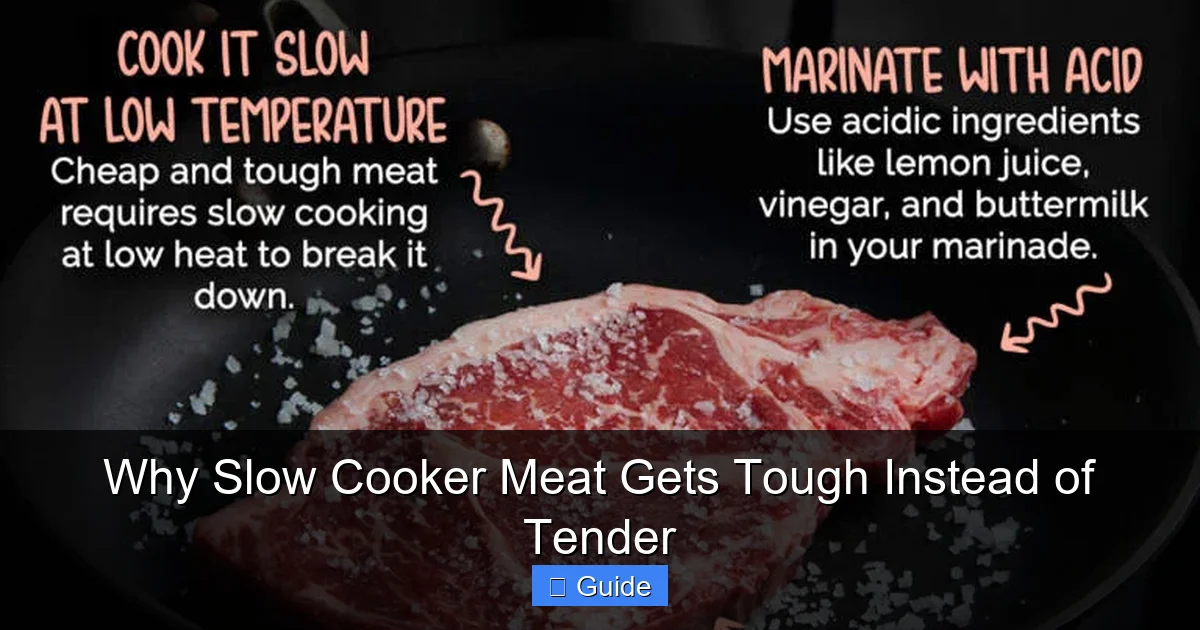
- Embrace “Low and Slow”: True tenderness in a slow cooker comes from extended cooking at a low temperature. This process slowly dissolves tough collagen without contracting muscle fibers excessively, preventing your slow cooker meat from getting tough.
- Ensure Adequate Braising Liquid: Liquid is crucial for creating steam and helping collagen break down. However, don’t drown the meat; just enough to partially submerge it is usually ideal to braise, not boil.
- Cook Long Enough (and Beyond the “Tough Zone”): Meat often passes through a “tough phase” before becoming tender. If your slow cooker meat gets tough, it almost certainly needs more time to cook, not less.
- Utilize Acidity and Aromatics: Ingredients like tomatoes, vinegar, wine, or citrus can aid in breaking down connective tissues and enhance both tenderness and flavor.
- Avoid Overcrowding and Peeking: Give your meat space to cook evenly. Opening the lid frequently releases precious heat and steam, significantly extending cooking time and hindering the tenderizing process.
- Rest the Meat: After cooking, allowing the meat to rest for a few minutes helps the juices redistribute, resulting in a more succulent and tender final product.
Understanding Meat: The Science of Tenderness (and Toughness)
To truly understand why slow cooker meat gets tough, we need to talk about what meat actually is. Meat is primarily made up of two key components that react differently to heat:
Muscle Fibers
These are the individual cells that make up the lean part of the meat. When exposed to heat, muscle fibers contract and squeeze out moisture. If cooked too quickly or at too high a temperature, they can become tightly packed and dry, leading to a tough, chewy texture. Think about cooking a lean steak well-done – it often ends up dry and tough.
Connective Tissue (Collagen and Elastin)
This is the “glue” that holds muscle fibers together. There are two main types:
- Collagen: This is the hero of slow cooking. Collagen is a tough, fibrous protein that, when cooked low and slow for an extended period, gradually breaks down and melts into gelatin. Gelatin is what gives slow-cooked meats that incredibly succulent, moist, and tender mouthfeel. Cuts of meat high in collagen are ideal for slow cooking.
- Elastin: This type of connective tissue is much tougher and doesn’t break down with heat. It remains chewy even after long cooking. Fortunately, most of the elastin is found in parts of the animal that are usually removed during butchering, but sometimes you might encounter small pieces.
The “Tough Zone”
Here’s a critical concept: meat goes through a “tough zone” during cooking. As muscle fibers contract (usually around 140-160°F or 60-70°C), they can become tough. However, if you continue cooking at a low temperature, the collagen eventually starts to break down and melt into gelatin, past the point where the muscle fibers would be at their toughest. This is the magic of slow cooking. If you stop cooking too early, while the meat is still in this “tough zone” and before the collagen has had enough time to dissolve, your slow cooker meat gets tough.
Common Reasons Why Slow Cooker Meat Gets Tough
Now that we understand the science, let’s pinpoint the specific mistakes that often lead to tough slow cooker meat.
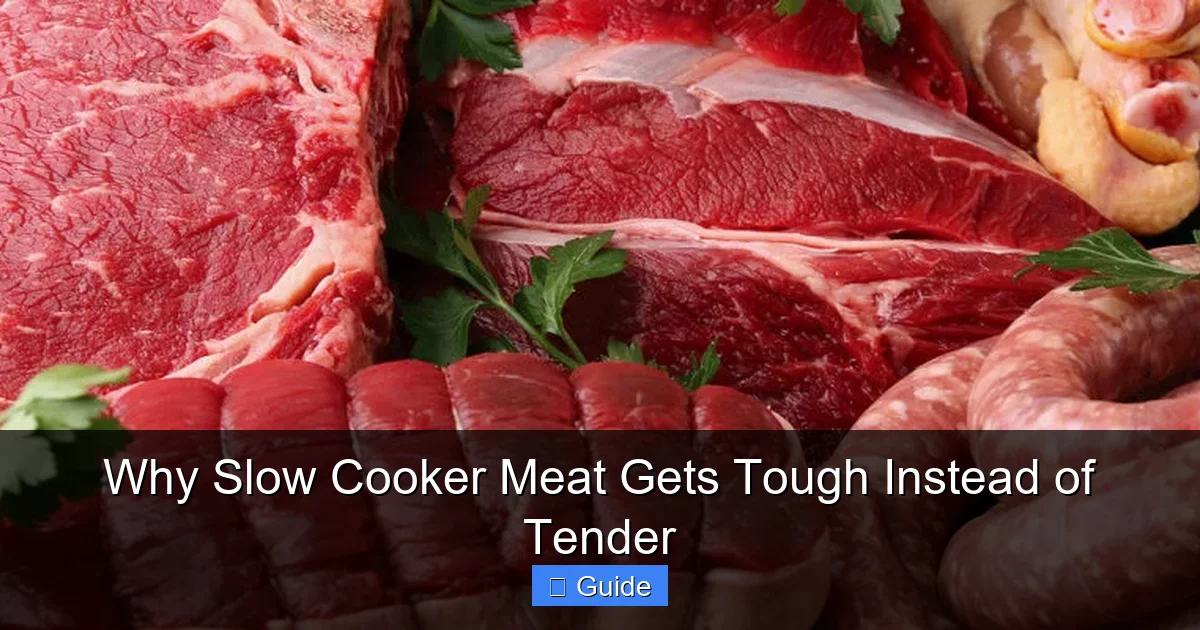
Visual guide about how to Meat Gets Tough Instead of Tender
Image source: meatbrothers.co.za
1. Choosing the Wrong Cut of Meat
This is perhaps the most frequent reason why slow cooker meat gets tough. Not all cuts of meat are created equal for slow cooking. Leaner cuts with very little connective tissue, like chicken breast, pork loin, or sirloin steak, will almost always become dry and tough in a slow cooker because they lack the collagen needed to break down into gelatin.
2. Not Cooking Long Enough
Patience is a virtue in slow cooking. Many people stop cooking when the meat reaches a certain internal temperature, as they would for roasting. However, for slow cooker meat to be truly tender, it needs time for that collagen to melt. If you pull the meat out too soon, it will still be in that “tough zone,” resulting in meat that isn’t falling apart.
3. Cooking at Too High a Temperature
While the slow cooker offers “low” and “high” settings, sometimes even the “high” setting can be too aggressive for certain cuts, especially if you’re trying to rush the process. High heat causes muscle fibers to contract too quickly, squeezing out moisture and leaving the meat dry and tough before the collagen has a chance to fully break down. This is a common pitfall that makes slow cooker meat get tough.
4. Insufficient Liquid or Moisture
The slow cooker thrives on moist heat. If there isn’t enough liquid in the pot, or if the lid isn’t sealed properly, the meat can dry out. Dry meat means tough meat. The liquid serves multiple purposes: it prevents burning, creates steam for a moist environment, and aids in the collagen breakdown process.
5. Overcrowding the Slow Cooker
Stuffing too much meat into your slow cooker can lead to uneven cooking. The meat in the center might not get enough heat, or it might prevent proper circulation of heat and steam, leaving some parts undercooked and tough, while others might overcook. It’s a subtle but significant factor in why slow cooker meat gets tough.
6. Lack of Acidity
Acidic ingredients (like tomatoes, vinegar, wine, or citrus) can help to tenderize meat by beginning to break down connective tissues even before cooking starts. If your recipe lacks any acidic components, the tenderizing process relies solely on heat and time, which can sometimes be less effective.
7. Peeking Too Often
It’s tempting to lift the lid and check on your masterpiece, but every time you do, you release a significant amount of heat and steam. This drop in temperature means your slow cooker has to work harder to get back up to temperature, effectively adding 20-30 minutes (or more!) to your cooking time. Frequent peeking prolongs the cooking process, increasing the chance your slow cooker meat gets tough because it’s taken out too early.
How to Guarantee Tender Slow Cooker Meat Every Time
Now that we’ve identified the problems, let’s dive into the solutions! Here’s how to ensure your slow cooker meat gets tender, juicy, and delicious, rather than tough.
Visual guide about how to Meat Gets Tough Instead of Tender
Image source: img.wonderhowto.com
1. Choose the Right Cut of Meat
This is arguably the most crucial step. For fork-tender slow cooker meat, you need cuts that are rich in connective tissue. These are typically the tougher, less expensive cuts from working muscles.
- Beef: Chuck roast (pot roast), short ribs, brisket, beef shanks, oxtail, stew beef (often cut from chuck).
- Pork: Pork shoulder (Boston butt), pork butt, pork ribs, pork hocks.
- Lamb: Lamb shanks, lamb shoulder.
- Poultry: Dark meat chicken (thighs, drumsticks) with bones and skin do well; chicken breast can work if submerged in liquid and not overcooked, but it’s not ideal for “fall-apart” tenderness.
Avoid very lean cuts like sirloin, tenderloin, chicken breast (unless specifically aiming for shredded chicken and careful with timing), or pork loin, as these will almost certainly end up dry and tough in a slow cooker.
2. Prepare Your Meat Properly
Browning for Flavor, Not Tenderness
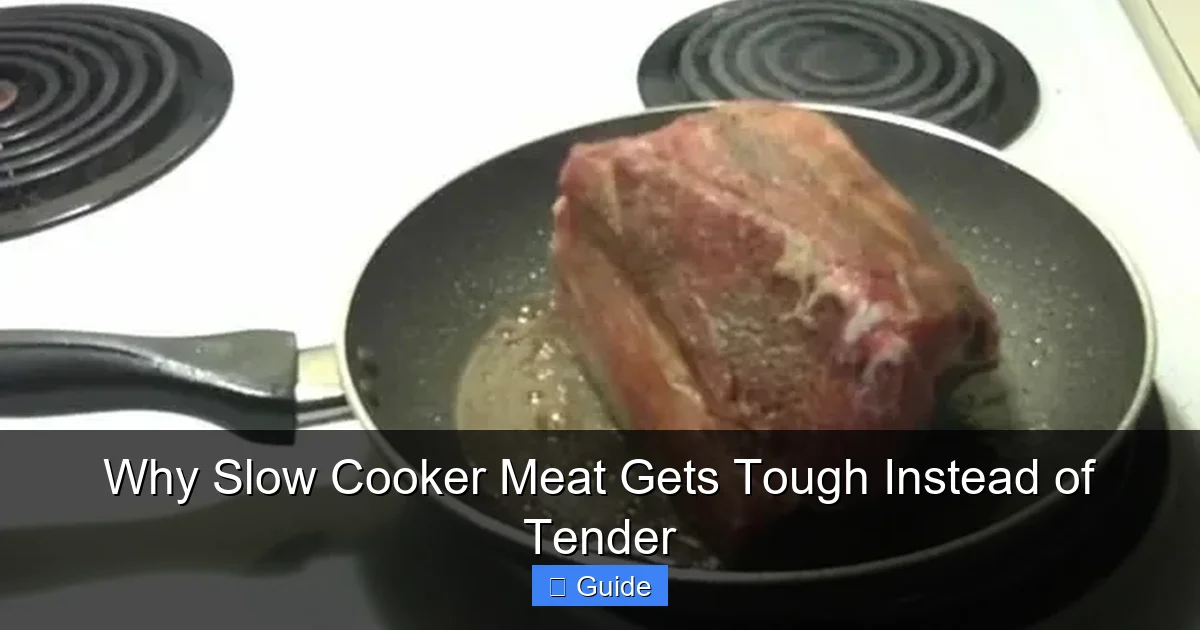
While not strictly necessary for tenderness, browning your meat in a skillet before adding it to the slow cooker adds an incredible depth of flavor (Maillard reaction). Pat the meat dry, season it well, and sear it on all sides until nicely caramelized. This step won’t prevent your slow cooker meat from getting tough, but it will make it taste significantly better.
Cutting the Meat
For roasts, you can leave them whole. For stews, cut the meat into uniform chunks (1-2 inches) so they cook evenly. Don’t cut them too small, or they might become stringy. Trimming some excess hard fat is good, but leave a bit for flavor and moisture.
3. Master the Temperature and Time
This is where the “low and slow” philosophy truly shines to prevent slow cooker meat from getting tough.
Embrace the “Low” Setting
Whenever possible, cook on the “low” setting. This allows for a more gradual and gentle breakdown of collagen. While “high” cooks faster, it can sometimes be too intense, causing muscle fibers to seize up before the connective tissue has fully dissolved. A general rule of thumb: 1 hour on high is roughly equivalent to 2 hours on low.
Don’t Stop Cooking Too Soon
The biggest mistake in slow cooking is removing the meat when it’s just “cooked through” by internal temperature (e.g., 160°F for pork). For true tenderness, you need to continue cooking well beyond that point until the collagen has melted. This means:
- Cook until it’s Fork-Tender: The ultimate test for slow-cooked meat isn’t a thermometer reading; it’s how easily it shreds or pulls apart with a fork. You should be able to effortlessly pull it apart without resistance. If your slow cooker meat gets tough, it usually just needs more time.
- Ignore the Clock (to a degree): Recipes provide estimated cooking times, but your slow cooker, the cut of meat, and its size will all influence the actual time needed. Use the recipe as a guide, but trust the “fork test” more. Don’t be afraid to add another hour or two (or even more!) if the meat isn’t falling apart.
4. Use the Right Amount of Liquid
Liquid is essential for braising, but it’s a fine balance. You want enough to create a moist, steamy environment and partially submerge the meat, but not so much that you’re boiling it, which can dilute flavor and sometimes make slow cooker meat get tough by washing away flavor.
- Aim for Partial Submersion: For most braised dishes, the liquid should come up about halfway or two-thirds of the way up the sides of the meat. The steam created by this liquid, trapped under the lid, will do the rest of the work.
- Flavorful Liquids: Don’t just use water! Broth (beef, chicken, vegetable), wine, beer, diced tomatoes, or a combination of these will infuse incredible flavor into your meat.
5. Incorporate Acidity and Aromatics
Acids help break down tough fibers. Don’t shy away from adding them!
- Acidic Ingredients: A splash of apple cider vinegar, a can of diced tomatoes, a dry wine (red for beef, white for pork/chicken), or even a squeeze of citrus juice can work wonders. Add these in the beginning of the cooking process.
- Aromatics: Onions, garlic, carrots, and celery add essential base flavors and release moisture as they cook, contributing to the overall deliciousness and preventing slow cooker meat from getting tough.
6. Don’t Overcrowd and Resist the Urge to Peek
These two tips go hand-in-hand for consistent, tender results.
- Give it Space: Don’t pack your slow cooker to the brim. Leave some room for heat and steam to circulate. If you have too much food, cook in batches or use a larger slow cooker.
- Keep the Lid On: Seriously, resist the temptation! Every time you lift the lid, you lose about 15-20 minutes of cooking time and valuable moisture. Plan your cooking so you don’t need to check too frequently, and trust the process. This is vital to prevent slow cooker meat from getting tough.
7. Let the Meat Rest
Once your meat is fork-tender, carefully remove it from the slow cooker and let it rest on a cutting board, loosely tented with foil, for 10-15 minutes before shredding or slicing. This allows the juices to redistribute throughout the meat, making it even more succulent and tender. Skipping this step can lead to tougher, drier meat.
Troubleshooting: What if Your Slow Cooker Meat is Still Tough?
You’ve followed all the steps, but your slow cooker meat gets tough, even after the estimated cooking time. Don’t despair! There’s usually a simple solution:

Visual guide about how to Meat Gets Tough Instead of Tender
Image source: missvickie.com
- Keep Cooking! This is the most common fix. If your meat isn’t fork-tender, it almost certainly just needs more time. Put the lid back on and continue cooking on the “low” setting for another 1-2 hours, then check again. The “tough zone” can be misleading; push through it, and tenderness awaits.
- Add More Liquid: If the pot seems dry, add a bit more broth or water to create more steam, ensuring the slow cooker meat has a moist environment to tenderize in.
- Check Your Slow Cooker: Is your slow cooker heating properly? Older models or faulty units might not maintain temperature correctly, affecting cooking times and leading to tough results. Consider using a slow cooker liner or checking your unit’s thermostat if you suspect an issue.
Conclusion
The frustration of discovering your slow cooker meat gets tough instead of tender is a thing of the past. By understanding the science of muscle fibers and collagen, and by implementing these practical tips—from choosing the right cut and cooking low and slow, to ensuring proper moisture and resisting the urge to peek—you are now equipped to create consistently delicious, fork-tender slow cooker meals. Embrace the patience and embrace the process. Your slow cooker is a powerful tool for creating amazing food; with these insights, you’ll unlock its full potential and enjoy succulent, fall-apart meat every single time. Happy slow cooking!

Jennifer D. Simon has spent the last 26 years studying and practicing nutrition science. She has used a larger part of this time in improving people’s livelihoods. She has done so by coming up with unquestionable ideas on how to tackle food problems in her community. Read More