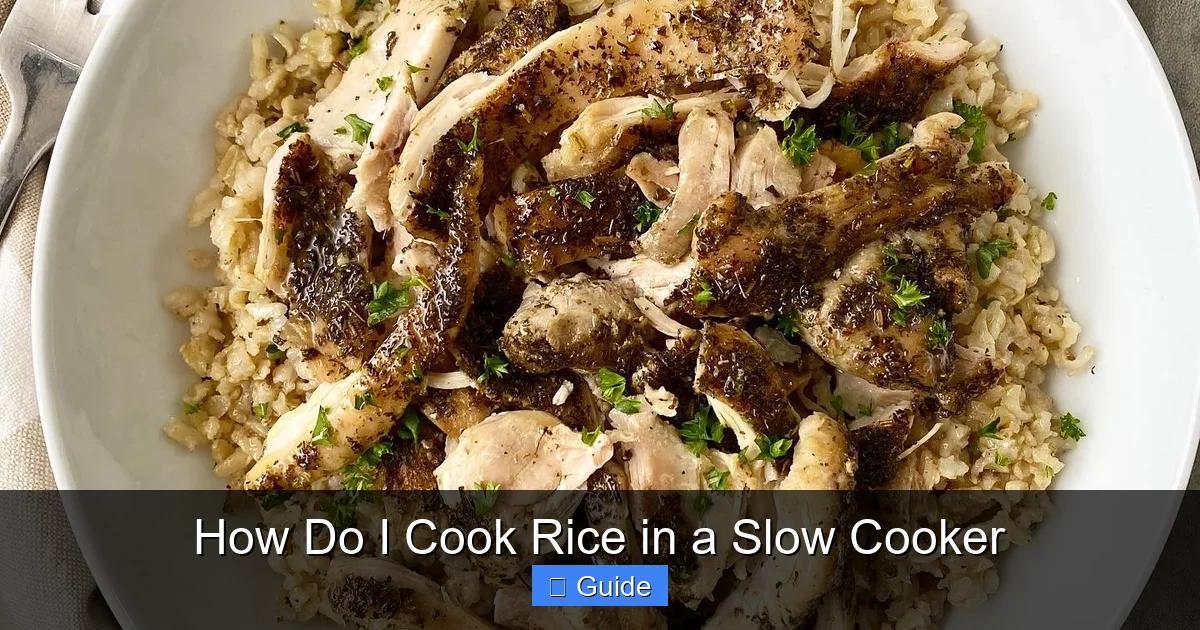
How Do I Cook Rice in a Slow Cooker
Cooking rice in a slow cooker is a game-changer, offering a hands-free method for perfectly fluffy grains. This comprehensive guide walks you through every step, from selecting the right rice and ideal liquid ratios to essential tips and troubleshooting. You’ll learn how to achieve consistently delicious rice with minimal effort, freeing up your stovetop for other culinary adventures and making slow cooker rice a staple in your kitchen. Say goodbye to burnt pots and hello to perfectly cooked, stress-free rice every time.
How Do I Cook Rice in a Slow Cooker?
Are you tired of burnt rice, sticky pots, or constantly monitoring your stovetop while trying to get dinner on the table? What if we told you there’s a magical appliance sitting in your kitchen that can help you achieve perfectly fluffy, consistently delicious rice with minimal effort? Yes, we’re talking about your trusty slow cooker! Learning how to cook rice in a slow cooker can be a total game-changer, freeing up your hands and your stovetop, and delivering fantastic results every single time.
In this comprehensive guide, we’ll dive deep into the world of slow cooker rice. You’ll learn everything from choosing the best rice for your slow cooker to mastering the ideal liquid ratios, following simple step-by-step instructions, and uncovering expert tips and troubleshooting solutions. By the end of this article, you’ll be a slow cooker rice pro, ready to impress your family and friends with perfectly cooked grains without breaking a sweat. So, let’s get started on your journey to effortless, delicious slow cooker rice!
Key Takeaways
- Choose the Right Rice: While many types of rice can be cooked, long-grain white rice and brown rice are the most common and forgiving for slow cooker preparation.
- Rinse Thoroughly: Always rinse your rice under cold running water until it runs clear. This crucial step removes excess starch, which is key to preventing sticky or gummy slow cooker rice.
- Master the Liquid Ratio: The general rule for slow cooker rice is less liquid than stovetop. Aim for approximately 1 cup of rice to 1.5-1.75 cups of liquid for white rice, and 1 cup to 2-2.25 cups for brown rice.
- Cook Low and Slow: Always use the LOW setting on your slow cooker. This allows for even heat distribution and gentle absorption of liquid, leading to perfectly cooked grains and preventing scorching.
- Resist the Urge to Peek: Lifting the lid during cooking releases essential heat and steam, significantly extending the cooking time and potentially affecting the final texture of your slow cooker rice.
- Rest and Fluff: Once cooked, allow the rice to rest in the slow cooker with the lid on for 10-15 minutes before fluffing with a fork. This step ensures moisture redistributes evenly for light, fluffy rice.
Understanding Your Ingredients: Choosing the Right Rice
The journey to perfect slow cooker rice begins with choosing the right type of rice. While a slow cooker is incredibly versatile, some types of rice perform better than others in this cooking method.
Different Types of Rice for Your Slow Cooker
- Long-Grain White Rice (e.g., Basmati, Jasmine): These are generally the easiest and most forgiving types of rice to cook in a slow cooker. They tend to stay separate and fluffy. Basmati and Jasmine rice are aromatic varieties that also do well, but remember to rinse them very thoroughly.
- Medium-Grain White Rice: Think of varieties like Arborio, which is typically used for risotto. While possible, medium-grain rice can become a bit stickier in a slow cooker due to its higher starch content. If you choose this, rinse extra well.
- Short-Grain White Rice: Often used for sushi, short-grain rice is naturally stickier. It can be cooked in a slow cooker, but expect a much softer, clumpier texture.
- Brown Rice (Long-Grain, Short-Grain): Brown rice takes longer to cook and requires more liquid than white rice, but it absolutely shines in a slow cooker. The low and slow cooking method helps it become tender without drying out. It’s a fantastic option for a healthier slow cooker rice.
- Wild Rice: While often grouped with rice, wild rice isn’t technically rice but a seed. It has a much longer cooking time and needs significantly more liquid, making it less ideal for a standard slow cooker rice recipe without specific adjustments.
- Avoid: Instant or quick-cooking rice is designed for very fast cooking methods and will turn mushy in a slow cooker. Sushi rice and Arborio rice, unless you specifically want a very soft, sticky result, are generally better prepared on the stovetop where you have more control over the specific texture.
For best results, especially when you’re just learning how to cook rice in a slow cooker, start with a good quality long-grain white rice or brown rice.
The Importance of Rinsing Rice
No matter which type of rice you choose, rinsing is a non-negotiable step for great slow cooker rice. Rinsing removes excess starch from the surface of the grains. If you skip this, you’re likely to end up with gummy, sticky rice that clumps together. For fluffy, separate grains, don’t skimp on the rinse!
The Golden Ratio: Rice to Liquid
One of the biggest differences between stovetop rice and slow cooker rice is the liquid ratio. Because slow cookers have tightly fitting lids and cook at lower temperatures, there’s less evaporation. This means you’ll typically need less liquid than you would for stovetop cooking.
General Guidelines for Slow Cooker Rice
- For White Rice (Long-Grain, Basmati, Jasmine): A good starting point is 1 cup of rice to 1.5 – 1.75 cups of liquid. Some slow cookers might even require as little as 1:1.25.
- For Brown Rice: Brown rice needs more liquid and more time. Aim for 1 cup of brown rice to 2 – 2.25 cups of liquid.
Keep in mind that these are starting points. Different slow cooker models vary slightly in how much moisture they retain. You might need to adjust slightly after your first attempt. Older, drier rice might also require a tiny bit more liquid.
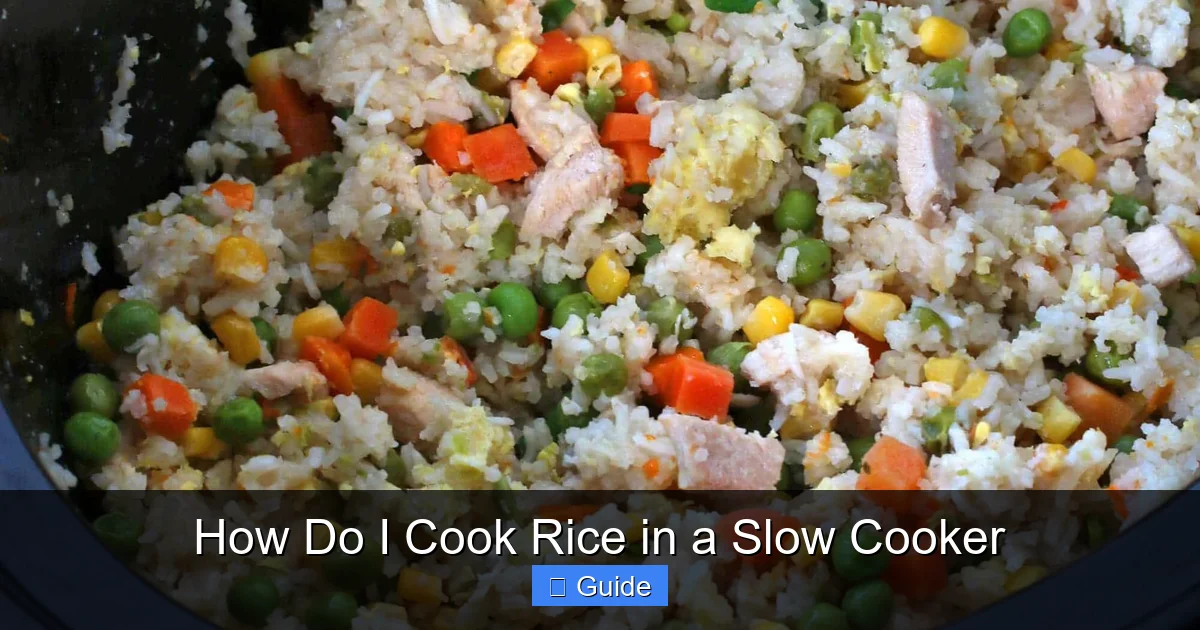
Visual guide about how to cook rice in slow cooker
Image source: daringgourmet.com
Types of Liquid to Use
While water is perfectly fine, you can elevate your slow cooker rice by using other liquids:
- Water: The simplest choice, allowing the natural flavor of the rice to shine.
- Chicken or Vegetable Broth: Adds a savory depth of flavor. This is a popular choice for enhancing slow cooker rice.
- Coconut Milk: Great for adding a creamy texture and subtle sweetness, perfect for Thai or Indian-inspired dishes. Combine with water for a lighter flavor.
Essential Tools You’ll Need
You don’t need a lot of fancy equipment to cook rice in a slow cooker, but a few basics will make the process smoother.
- Slow Cooker (Crock-Pot): Obviously! A 3-quart to 6-quart model is ideal for most batches of rice. Too small, and it might cook too quickly; too large, and a small amount of rice might spread too thin and dry out.
- Measuring Cups (Dry and Liquid): Accuracy is key for rice. Use dry measuring cups for rice and liquid measuring cups for water/broth.
- Fine-Mesh Sieve: Essential for rinsing your rice effectively.
- Spatula or Fork: For fluffing the rice once it’s cooked.
- Optional: Non-Stick Spray, Butter, or Oil: For greasing the slow cooker insert, making cleanup much easier.
Step-by-Step Guide: How Do I Cook Rice in a Slow Cooker?
Now for the main event! Follow these simple steps to cook perfect rice in a slow cooker.
Step 1: Prepare Your Slow Cooker
Grease the Insert (Optional but Recommended)
Before adding any ingredients, it’s a good idea to lightly grease the inside of your slow cooker insert. This simple step prevents the rice from sticking to the bottom and sides, making cleanup a breeze. You can use butter, olive oil, or a non-stick cooking spray. A light coating is all you need.
Step 2: Rinse Your Rice Thoroughly
The Importance of Rinsing
This step is crucial for achieving fluffy, non-gummy slow cooker rice. Place your measured rice in a fine-mesh sieve.
How to Rinse
Run cold water over the rice, gently swishing it with your hand, until the water running through the sieve is clear. This usually takes 1-2 minutes. Drain the rice well after rinsing.
Step 3: Combine Rice and Liquid
Measure Accurately
Transfer the rinsed and drained rice into your greased slow cooker insert. Add the measured liquid (water, broth, or a mix) according to the recommended ratios (e.g., 1 cup white rice to 1.5-1.75 cups liquid; 1 cup brown rice to 2-2.25 cups liquid).
Add Flavor (Optional)
Now is the time to add any optional flavorings. A pinch of salt (about 1/2 teaspoon per cup of rice), a pat of butter, a drizzle of olive oil, or even a bay leaf can enhance the taste of your slow cooker rice. Stir gently to combine everything.
Step 4: Set Your Slow Cooker
The Low and Slow Method
Place the lid on your slow cooker firmly. For best results with rice, always set your slow cooker to the LOW setting. Cooking on high can lead to scorched bottoms and unevenly cooked grains because the liquid evaporates too quickly. The low setting ensures gentle, even cooking and proper absorption of the liquid.
Cooking Times
The cooking time will vary depending on your slow cooker model, the type of rice, and the amount you’re cooking.
- White Rice: Generally, white rice will take about 1.5 to 2.5 hours on LOW.
- Brown Rice: Brown rice requires more time, typically 2.5 to 4 hours on LOW.
If this is your first time cooking rice in a slow cooker, it’s a good idea to start checking around the shorter end of the cooking range. However, resist the urge to constantly open the lid!
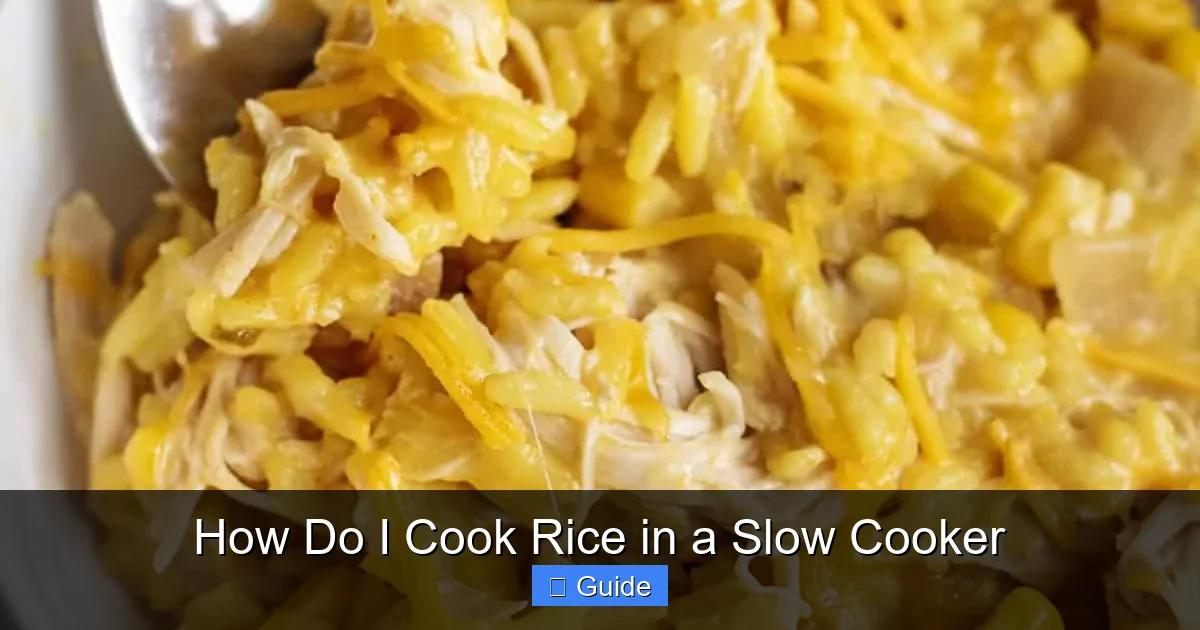
Visual guide about how to cook rice in slow cooker
Image source: southernplate.com
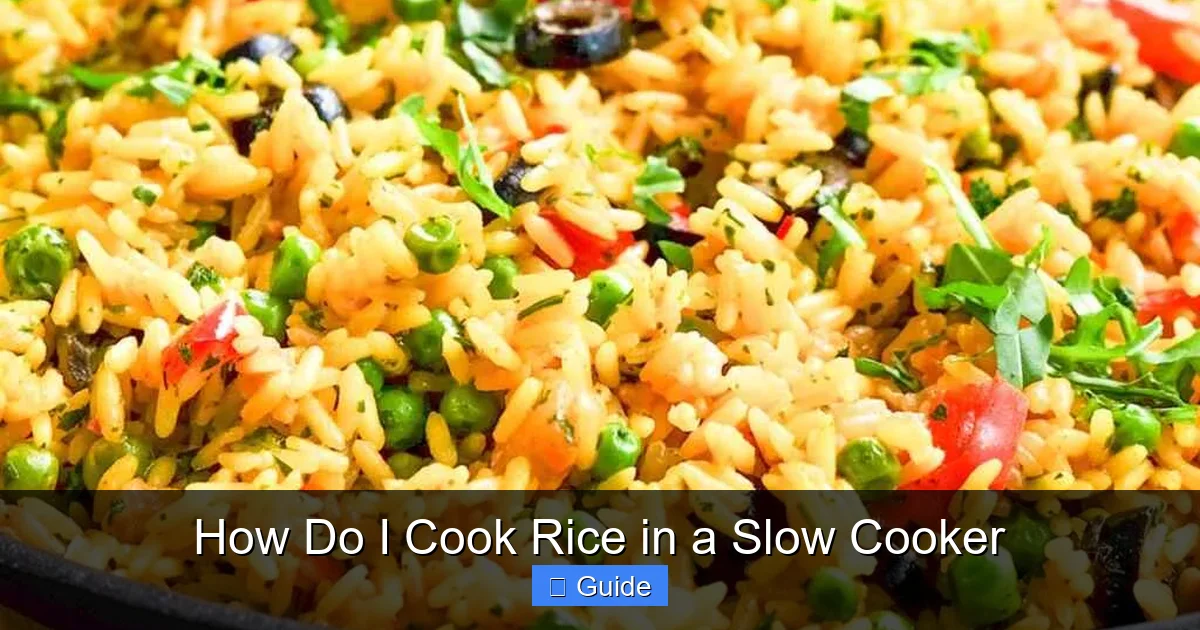
Visual guide about how to cook rice in slow cooker
Image source: lovefoodfeed.com
Step 5: Resist the Urge to Peek!
Why Keep the Lid On?
This is perhaps the most important rule when you cook rice in a slow cooker. Every time you lift the lid, you release valuable heat and steam that are essential for the rice to cook properly. This can add 15-20 minutes to your cooking time and result in unevenly cooked or dry rice. Trust the process, and let your slow cooker do its job undisturbed.
Step 6: Check for Doneness and Fluff
When is it Ready?
After the suggested cooking time has passed (and you haven’t peeked!), carefully remove the lid. The rice should have absorbed all the liquid, and the grains should appear tender and separate.
Fluffing Techniques
Gently fluff the rice with a fork or a spatula, moving from the bottom of the slow cooker to the top. This helps to release any remaining steam and separate the grains, giving you that wonderfully fluffy texture.
Resting Period (Important!)
Once fluffed, replace the lid and turn off the slow cooker (or switch it to the “Warm” setting if available). Let the rice rest for another 10-15 minutes. This resting period allows the moisture to redistribute evenly throughout the grains, ensuring a perfect texture. Skipping this step can result in slightly hard or unevenly cooked slow cooker rice.
Practical Tips for Slow Cooker Rice Success
Mastering how to cook rice in a slow cooker is easy, but these tips will help you achieve perfection every time.
- Don’t Overcrowd Your Slow Cooker: While it might be tempting to fill your slow cooker to the brim, especially if you’re making a large batch, avoid overfilling it with rice. Leave at least an inch or two of space from the top, as rice expands significantly during cooking. Overcrowding can lead to uneven cooking and can make it difficult for the steam to circulate properly.
- Batch Cooking and Freezing: Slow cooker rice is fantastic for meal prep. Once cooked and fluffed, let it cool completely. Portion it into airtight containers or freezer bags, and it can be stored in the refrigerator for up to 4-5 days or frozen for up to 3 months. Thaw in the fridge overnight and reheat in the microwave or on the stovetop with a splash of water or broth.
- Adding Flavor Boosters: Don’t limit yourself to just salt! Enhance the flavor of your slow cooker rice by adding aromatics like minced garlic, finely diced onion or shallots, or a bay leaf to the liquid before cooking. A tablespoon of fresh herbs (like chopped parsley or cilantro) stirred in after fluffing can also add a burst of freshness.
- Using a Slow Cooker Liner: For incredibly easy cleanup, consider using a slow cooker liner. While greasing the pot helps, a liner makes washing up almost non-existent. Just be careful when stirring or fluffing not to tear the liner.
- Adjusting for Altitude: If you live at a high altitude, you might need to make minor adjustments. High altitudes cause water to boil at a lower temperature, which can affect cooking times and liquid evaporation. You might need to add a touch more liquid or slightly extend the cooking time. It’s often a process of trial and error to find your perfect balance.
- Listen to Your Slow Cooker: Get to know your specific slow cooker. Some run hotter than others. After a couple of batches, you’ll get a feel for its unique quirks and can fine-tune your liquid ratios and cooking times.
Troubleshooting Common Slow Cooker Rice Issues
Even with the best intentions, sometimes things don’t go perfectly. Here are some common problems when you cook rice in a slow cooker and how to fix them (or prevent them next time).
Rice is Mushy/Gummy:
This is usually a sign of too much liquid, overcooking, or not rinsing the rice thoroughly enough.
Solution: For your next batch, reduce the liquid slightly (e.g., from 1.75 cups to 1.5 cups per cup of rice). Ensure you rinse the rice until the water runs completely clear. Also, double-check your cooking time – you might be cooking it for too long.
Rice is Hard/Undercooked:
If your rice is still hard in the center, it’s likely due to not enough liquid or not enough cooking time. Lifting the lid too often can also be a culprit, as it allows steam to escape.
Solution: If you notice it’s hard while still cooking, you can try adding a small splash (1/4 to 1/2 cup) of hot water or broth, stirring gently, and then replacing the lid and continuing to cook for another 20-30 minutes. Next time, try increasing the liquid slightly or extending the cooking time. And remember: resist the urge to peek!
Rice is Sticking to the Bottom:
This usually happens if you didn’t grease the slow cooker insert, or if the rice was cooked on a setting that was too high, causing it to scorch.
Solution: Always grease your slow cooker well before adding the rice. Make sure you’re consistently using the LOW setting. If you find your slow cooker runs very hot, you might even consider adding a tiny bit more liquid or checking it at the earliest suggested cooking time.
Unevenly Cooked Rice:
If some grains are perfect while others are still a bit hard, it could be due to overcrowding the slow cooker or uneven heat distribution.
Solution: Ensure you’re not overfilling your slow cooker; give the rice room to expand. While generally discouraged, if you have a known hot spot in your slow cooker, you could very gently stir the rice once about halfway through the cooking time, but do this quickly to minimize heat loss.
Conclusion
Cooking rice in a slow cooker is a truly revolutionary method for anyone seeking convenience without sacrificing quality. No more babysitting a pot on the stove, no more guessing games with water levels, just consistently fluffy, perfectly cooked grains waiting patiently for you. By following the simple steps outlined in this guide – from rinsing your chosen rice and using the right liquid ratios to the magic of low-and-slow cooking and the crucial resting period – you’ll master the art of slow cooker rice in no time.
Embrace the ease, enjoy the freedom it gives you in the kitchen, and experiment with different rice types and flavorings to make it truly your own. Whether you’re making a simple weeknight meal or preparing for a big family dinner, knowing how to cook rice in a slow cooker will quickly become one of your most valued culinary skills. So go ahead, dust off that slow cooker, and get ready to enjoy perfectly delicious rice with minimal effort, every single time!

Jennifer D. Simon has spent the last 26 years studying and practicing nutrition science. She has used a larger part of this time in improving people’s livelihoods. She has done so by coming up with unquestionable ideas on how to tackle food problems in her community. Read More