
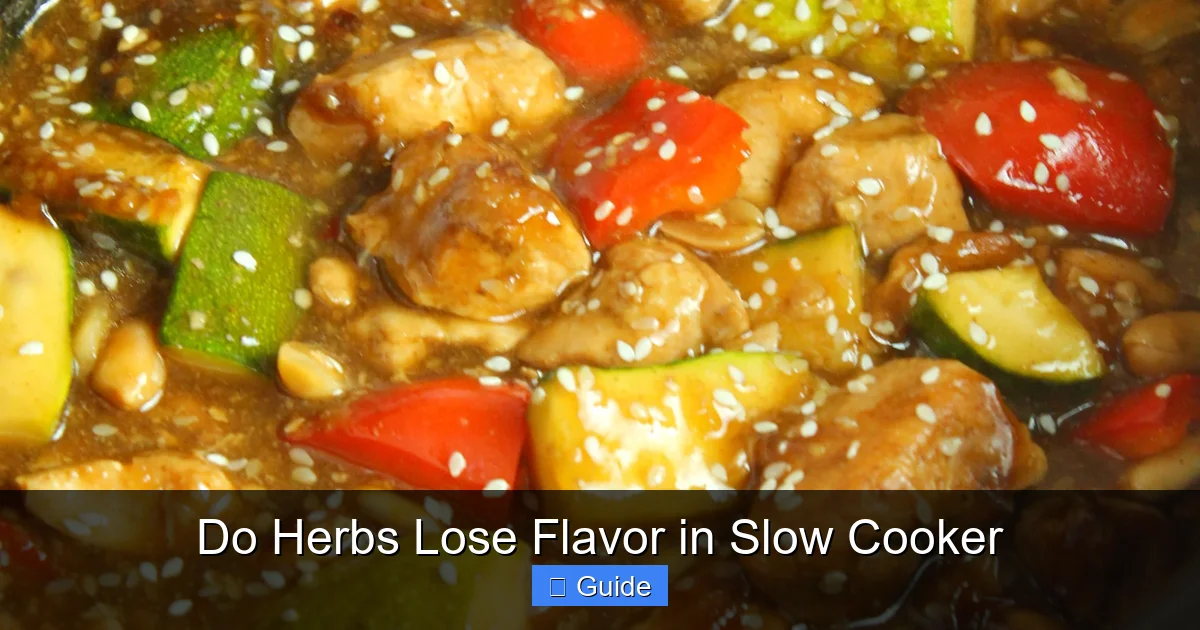
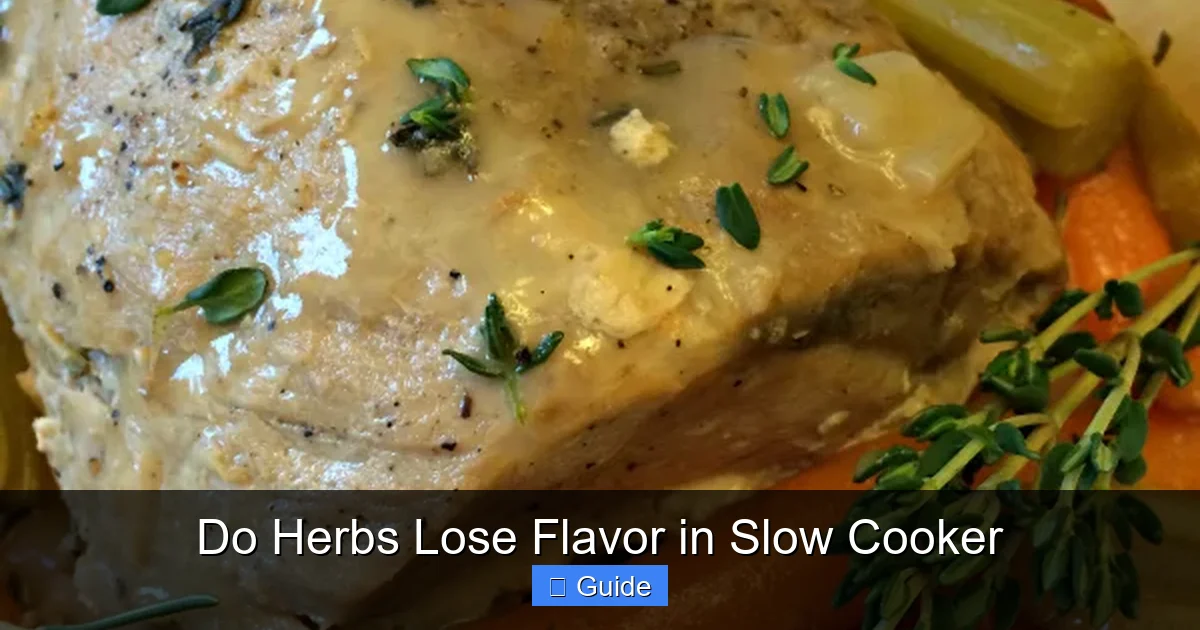
Do Herbs Lose Flavor in Slow Cooker
Many home cooks wonder, “Do herbs lose flavor in slow cooker?” The answer is often yes, especially delicate ones, due to prolonged heat and moisture. However, with the right techniques, you can ensure your slow-cooked dishes are bursting with aromatic goodness. This guide will show you when to add different types of herbs, how to maximize their flavor retention, and practical tips to elevate your slow cooker meals.
Do Herbs Lose Flavor in Slow Cooker? Unlocking Aromatic Perfection
Slow cookers are kitchen heroes, transforming tough cuts of meat and humble ingredients into tender, flavorful meals with minimal effort. They’re perfect for busy weeknights, meal prepping, and creating comforting dishes that simmer away while you go about your day. However, many home cooks often ask, “Do herbs lose flavor in slow cooker?” It’s a valid question, and one that can significantly impact the final taste of your culinary creations.
The short answer is: yes, herbs absolutely can lose their vibrant flavor and aromatic punch when subjected to the prolonged, gentle heat and moisture of a slow cooker. But don’t despair! This doesn’t mean you should abandon herbs in your slow-cooked dishes. Instead, it means you need to understand *why* this happens and, more importantly, *how* to prevent it.
In this comprehensive guide, we’ll dive deep into the science behind herb flavor loss, differentiate between herb types, and equip you with practical strategies and step-by-step instructions to ensure your slow-cooked meals are always bursting with delicious, aromatic goodness. Get ready to elevate your slow cooker game!
Key Takeaways
- Delicate vs. Woody Herbs: Recognize that delicate herbs (basil, cilantro, parsley) are highly susceptible to flavor loss in a slow cooker, while woody herbs (rosemary, thyme, bay leaf) are more resilient.
- Timing is Crucial: Add delicate, fresh herbs in the last 15-30 minutes of cooking, or as a garnish, to preserve their vibrant flavor and aroma. Woody herbs can often be added at the beginning.
- Dried Herbs First, Fresh Herbs Later: Dried herbs have a more concentrated flavor and can withstand longer cooking times, making them suitable for early addition. Fresh herbs should generally be reserved for the end.
- Boost Flavor Post-Cooking: Always taste and adjust seasonings at the end. A final sprinkle of fresh herbs, a dash of infused oil, or a squeeze of citrus can awaken and brighten the dish’s overall flavor profile.
- Layering Technique: Consider adding a portion of dried or woody herbs at the start for a deep base flavor, and then adding fresh or delicate herbs towards the end to maintain their brighter notes.
- Quantity Adjustment: When substituting dried herbs for fresh in slow cooking, use about one-third the amount of dried herbs, as their flavor is more concentrated.
Quick Answers to Common Questions
Should I use fresh or dried herbs in my slow cooker?
For long cooking times, dried herbs (especially woody ones) are generally more resilient and infuse flavor well. Fresh, delicate herbs are best added at the very end or as a garnish to preserve their vibrant taste.
How do I know if my dried herbs are still potent?
Rub a small amount between your fingers and smell it. If the aroma is faint or nonexistent, it’s likely the herb has lost much of its flavor and should be replaced.
Can I add a bouquet garni to my slow cooker?
Absolutely! Tying woody herbs like thyme, rosemary, and bay leaves into a bundle with kitchen twine allows their flavors to infuse beautifully, and they are easily removed before serving.
What if my slow cooker dish tastes bland at the end?
Taste and adjust! Add a final sprinkle of fresh, delicate herbs, a squeeze of lemon juice, a dash of vinegar, or a pinch more salt to brighten and enhance the overall flavor profile.
Is it okay to mix fresh and dried herbs in a slow cooker?
Yes, it’s a great strategy! You can add dried or woody herbs early for a foundational flavor, and then finish with fresh, delicate herbs at the end for a burst of vibrant aroma and taste.
Understanding Why Herbs Lose Flavor in a Slow Cooker
To effectively preserve herb flavor, it’s essential to grasp the factors at play.
The Impact of Heat and Time
The primary culprit for flavor loss is prolonged exposure to heat. Herbs, particularly fresh ones, contain volatile oils – these are the compounds responsible for their distinctive aromas and flavors. When these oils are heated for extended periods, especially in a moist environment, they begin to evaporate and break down. This chemical change diminishes the herb’s potency, leading to a bland or muted taste in your finished dish.
The Role of Moisture
Slow cookers excel at creating a moist environment, which is great for tenderizing food. However, this moisture can also contribute to the dilution and washing out of delicate herb flavors. The constant simmering in liquid can extract and disperse the flavor compounds to the point where they become imperceptible.
Differentiating Herb Types: The Key to Flavor Preservation
Not all herbs are created equal when it comes to slow cooking. They can generally be categorized into two main types: delicate and woody. Understanding this distinction is the first critical step in deciding when and how to add them.
Delicate Herbs (Flavor-Sensitive)
These herbs have tender leaves and stems and are rich in volatile oils that break down quickly under heat. Their flavor is bright, fresh, and often described as “top notes” in a dish.
- Examples: Parsley (flat-leaf and curly), cilantro, basil, chives, mint, dill, tarragon, marjoram.
- Characteristics: Best added at the very end of cooking, or as a garnish, to preserve their fresh flavor and vibrant color. They are highly susceptible to flavor loss in slow cooker environments if added too early.
Woody Herbs (Heat-Tolerant)
These herbs have tougher stems and leaves, and their flavors are more robust and stable. They can generally withstand longer cooking times, as their oils are less volatile. Their flavors often deepen and meld beautifully with other ingredients over time.
- Examples: Rosemary, thyme, oregano, bay leaves, sage, savory.
- Characteristics: Can often be added at the beginning of the slow cooking process. Their flavors infuse into the dish over hours, creating a rich, earthy base.
Step-by-Step Guide: Preserving Herb Flavor in Your Slow Cooker
Now that you understand the “why,” let’s get into the “how.” Here’s a detailed approach to ensure your herbs maintain their delicious impact.
Step 1: Choose the Right Herb Type for Your Dish
Before you even start chopping, consider the nature of your recipe.
- For long-simmered stews, roasts, and braises: Woody herbs like rosemary, thyme, and bay leaves are excellent choices. They hold up well and release their flavor slowly, becoming an integral part of the dish’s profile.
- For lighter dishes, soups, or garnishes: Delicate herbs like parsley, cilantro, or basil are perfect for adding a fresh, vibrant finish.
Step 2: Master the Art of Timing
This is perhaps the most crucial step in preventing herbs from losing flavor in slow cooker meals.
H3: Add Woody Herbs Early for Deep Infusion
If your recipe calls for woody herbs, go ahead and add them along with your other ingredients at the beginning of the slow cooking cycle. The long, slow simmer will allow their robust flavors to fully develop and integrate into the dish. You can leave them on the stem (especially bay leaves or thyme sprigs) for easy removal later, or chop them finely.
Visual guide about how to herbs lose flavor in slow cooker
Image source: myincrediblerecipes.com

Visual guide about how to herbs lose flavor in slow cooker
Image source: slowcookerfoodie.com
H3: Add Delicate Herbs Late for Brightness
For delicate fresh herbs, resist the urge to add them at the start. Instead, save them for the very end of the cooking process.
- Last 15-30 Minutes: Stir in finely chopped delicate herbs during the final 15-30 minutes of cooking. This allows them just enough time to warm through and release their aroma without being overcooked.
- Just Before Serving: Even better, use delicate herbs as a fresh garnish just before serving. This provides a burst of vibrant flavor, color, and aroma that truly brightens the dish. Think fresh cilantro on chili, basil on tomato sauce, or parsley on a stew.
Step 3: Optimize Your Herb Format – Fresh vs. Dried
The form of your herb also plays a significant role in how it behaves in a slow cooker.
H3: When to Use Dried Herbs
Dried herbs have a more concentrated flavor than fresh herbs because their moisture has been removed. This makes them more resilient to prolonged heat. They are excellent for slow cooking as they can infuse deep, foundational flavor. When a recipe calls for fresh herbs but you’re slow cooking, it’s often better to use dried herbs at the beginning and then finish with a little fresh herb at the end. Remember the general substitution rule: use 1/3 the amount of dried herbs for fresh herbs (e.g., 1 tsp dried for 1 tbsp fresh).
H3: Maximize Fresh Herb Impact
When using fresh herbs, ensure they are clean and dry before chopping. For delicate herbs, a fine chop maximizes surface area for flavor release when added at the end. For woody herbs added early, you can be a bit coarser with your chop, or leave sprigs whole.
Step 4: Consider Herb Infusion Techniques
Sometimes, you want the flavor without the herb itself dissolving or losing its punch.
H3: Herb Bundles (Bouquet Garni)
For woody herbs like thyme, rosemary, and bay leaves, consider tying them together with kitchen twine into a “bouquet garni.” This allows the flavors to infuse into the dish throughout cooking, but makes it easy to remove the spent herbs before serving. This is particularly useful for herbs you don’t want to chew on, like bay leaves or tough rosemary stems.
H3: Infused Oils
Finish your dish with a drizzle of herb-infused oil (e.g., basil oil, parsley oil). This is a fantastic way to introduce fresh, vibrant herb flavor without subjecting the herbs themselves to prolonged heat. You can make these in advance or even just before serving by quickly blending fresh herbs with a good quality olive oil.
Step 5: Boost Flavor Post-Cooking
Even with the best planning, a dish can sometimes taste a bit flat. This is where final adjustments come in.
H3: The Power of Fresh Finishers
Always taste your slow cooker meal at the end of the cooking cycle. If it feels like something is missing, it might be that bright “top note” that fresh herbs provide. A generous sprinkle of freshly chopped delicate herbs, a squeeze of lemon juice, or a splash of vinegar can awaken the flavors and add that missing vibrancy.
General Best Practices for Slow Cooker Herbs
- Taste and Adjust: Always taste your food throughout the cooking process (if safe to do so) and, most importantly, right before serving. This allows you to adjust seasoning and add more herbs if needed.
- Don’t Overcrowd: While not directly related to herbs losing flavor, overcrowding your slow cooker can lead to uneven cooking and less intense flavors overall. Give your ingredients, including herbs, room to breathe.
- Consider Herb Pastes: For certain delicate herbs like basil or cilantro, blending them into a pesto or a thick paste with a little oil and garlic, then adding this paste during the last 30 minutes, can help retain more flavor than just chopping the fresh leaves.
Troubleshooting: My Slow Cooker Dish Tastes Bland!
If you’ve followed the steps and your dish still lacks that herbal punch, here are a few things to consider:
H3: Did You Add Delicate Herbs Too Early?
This is the most common reason for blandness. If you added basil or cilantro at the beginning, their flavor likely evaporated. Remedy this by adding fresh herbs as a garnish at the end.
Visual guide about how to herbs lose flavor in slow cooker
Image source: blogghetti.com
H3: Was Your Dried Herb Old?
Dried herbs lose potency over time. If your dried rosemary has been in the pantry for three years, it probably won’t deliver much flavor. Check expiration dates and refresh your spice rack regularly. A quick sniff test can tell you a lot – if it doesn’t smell much, it won’t taste much.
H3: Did You Use Enough Herbs?
Slow cookers handle large volumes of food. Sometimes, a small amount of herbs just isn’t enough to flavor a whole pot. Don’t be shy, especially with woody herbs added early.
H3: Is It Just the Herbs, or Overall Seasoning?
Sometimes, what feels like a lack of herb flavor is actually an overall lack of salt, acidity (lemon juice, vinegar), or other spices. Make sure to season adequately throughout the cooking process and adjust at the end.
Conclusion
So, do herbs lose flavor in slow cooker? Yes, they can, but with the right knowledge and techniques, you can confidently use both fresh and dried herbs to create slow-cooked meals that are deeply flavorful and wonderfully aromatic. By understanding the difference between delicate and woody herbs, mastering the timing of addition, and utilizing various infusion methods, you’ll ensure that every spoonful delivers a delightful burst of herbal goodness. Happy slow cooking!

Jennifer D. Simon has spent the last 26 years studying and practicing nutrition science. She has used a larger part of this time in improving people’s livelihoods. She has done so by coming up with unquestionable ideas on how to tackle food problems in her community. Read More