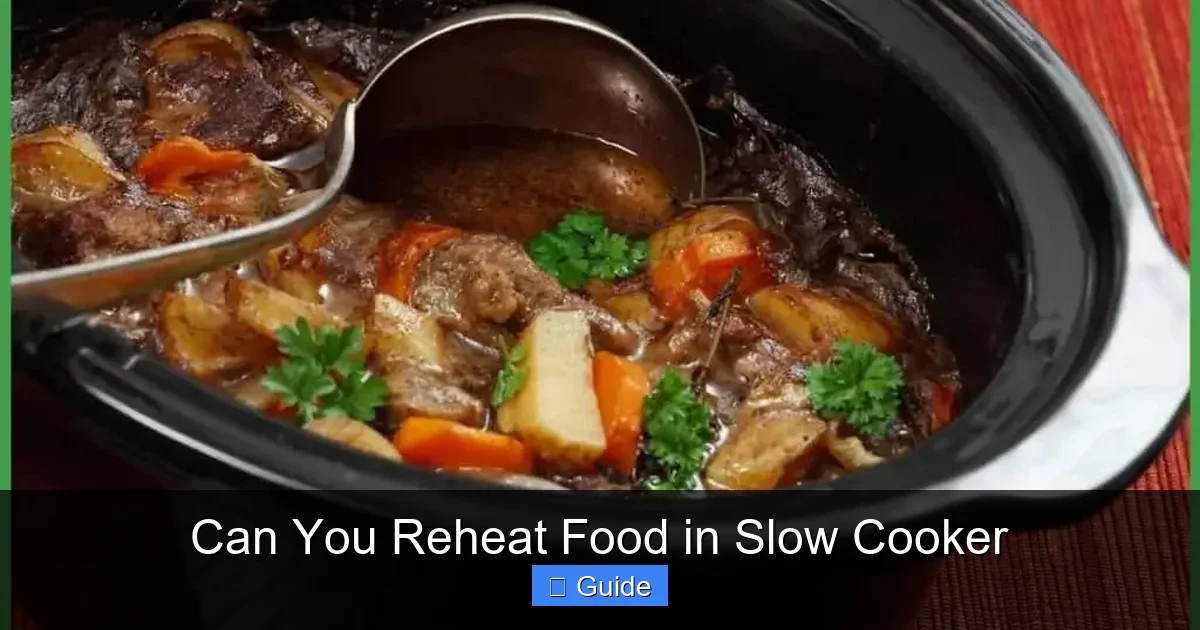
Can You Reheat Food in Slow Cooker
Yes, you can *safely* reheat food in a slow cooker, but it requires careful attention to food safety. The key is to ensure the food reaches an internal temperature of 165°F (74°C) throughout, ideally starting from a thawed state and using the HIGH setting. While convenient, the slow cooker is not the quickest reheating method, and vigilance with a food thermometer is crucial to prevent bacterial growth.
Can You Reheat Food in Slow Cooker?
Slow cookers are absolute superheroes in the kitchen. They let you set it and forget it, transforming humble ingredients into mouth-watering meals with minimal effort. But what happens when you have delicious leftovers from your slow-cooked masterpiece? Can you simply toss them back into the slow cooker for a convenient reheat? It’s a question many home cooks ponder, and the answer is a bit nuanced: yes, you *can* reheat food in a slow cooker, but it comes with a big asterisk regarding food safety.
This comprehensive guide will walk you through everything you need to know about safely reheating food in your slow cooker. We’ll dive into the critical food safety principles, provide step-by-step instructions, share practical tips, and point out common mistakes to avoid. By the end, you’ll feel confident enjoying your slow-cooked leftovers without any worries.
Key Takeaways
- Food Safety First: Always ensure reheated food reaches an internal temperature of 165°F (74°C) to kill harmful bacteria. A food thermometer is essential.
- Thaw Completely: Never attempt to reheat food from frozen in a slow cooker. Thaw it completely in the refrigerator beforehand for safe and even heating.
- Use the HIGH Setting: To reheat food effectively and quickly pass through the bacterial danger zone, always use your slow cooker’s HIGH setting, not LOW or WARM.
- Add Moisture and Stir: A splash of liquid (broth, water) helps prevent drying and promotes even heat distribution. Stirring occasionally is also vital for consistent reheating.
- Not for All Foods: While excellent for soups, stews, and casseroles, the slow cooker isn’t ideal for delicate foods like seafood, rice, or dairy-heavy dishes, which can dry out or become unsafe.
- One Reheat Cycle Only: Only reheat food once. Repeated reheating increases the risk of bacterial contamination and degrades food quality.
- Serve Immediately: Once the food has reached 165°F (74°C) and is thoroughly heated, serve it promptly. Avoid holding it on the “warm” setting for extended periods after reheating.
Understanding the Risks: Why Reheating Matters
Before we get into the “how-to,” it’s crucial to understand *why* reheating food correctly is so important. The primary concern revolves around bacterial growth.
Food left at room temperature or in the “temperature danger zone” (between 40°F and 140°F, or 4°C and 60°C) for too long becomes a breeding ground for harmful bacteria like *Salmonella*, *E. coli*, and *Listeria*. These bacteria can multiply rapidly, producing toxins that can cause foodborne illness.
A slow cooker, by its very nature, heats food slowly. While this is fantastic for tenderizing meats and melding flavors during initial cooking, it poses a challenge for reheating. If not managed carefully, food can linger in that danger zone for an extended period, even while it’s heating up, increasing the risk. The goal when you reheat food in slow cooker is to get it through that danger zone as quickly as possible and up to a safe internal temperature.
The Golden Rules for Safely Reheating in a Slow Cooker
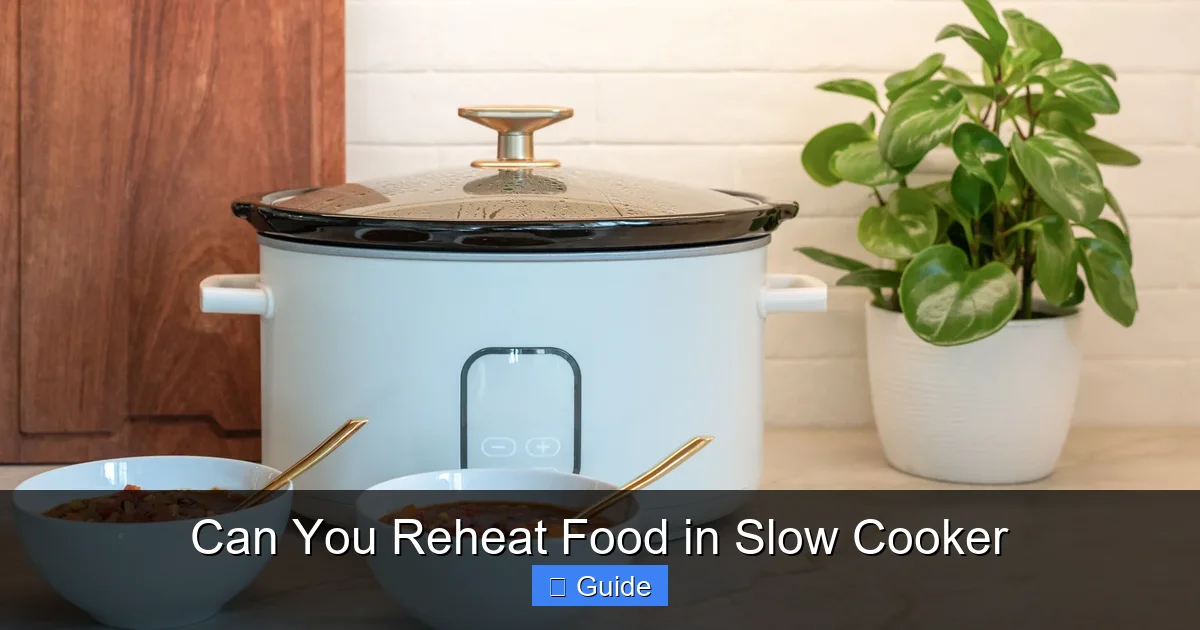
Visual guide about how to reheat food in slow cooker
Image source: chowhound.com
To safely reheat food in a slow cooker, you need to follow a few non-negotiable rules. These aren’t suggestions; they are critical for your health and safety.
Rule 1: Reheat to 165°F (74°C) Throughout
This is the most important rule. All reheated food, regardless of the method, must reach an internal temperature of 165°F (74°C) and hold that temperature for at least 15 seconds. This temperature is sufficient to kill most harmful bacteria. You *must* use a reliable food thermometer to verify this. Guessing or just feeling that it’s “hot enough” isn’t safe.
Rule 2: Don’t Reheat from Frozen
Your slow cooker is designed to cook food, not rapidly thaw and then reheat it. Placing frozen food directly into a slow cooker for reheating means it will spend an unacceptably long time in the danger zone as it slowly thaws and then heats. Always thaw your food completely in the refrigerator before attempting to reheat food in slow cooker.
Rule 3: Not All Foods Are Created Equal for Slow Cooker Reheating
Some foods are better suited for slow cooker reheating than others. Hearty soups, stews, chilis, and meat-based casseroles tend to fare well. However, delicate items like seafood, rice, pasta, or dishes with a lot of dairy or eggs can become dry, overcooked, or even unsafe if reheated slowly. Consider other methods for these types of foods.
Rule 4: One Reheat Cycle Only
Food should only be reheated once. Every time you cool and reheat food, you provide more opportunities for bacteria to multiply. Reheating previously reheated food significantly increases the risk of foodborne illness. If you’ve already reheated it once, any leftovers should be discarded.
Step-by-Step Guide: How to Reheat Food in a Slow Cooker Safely
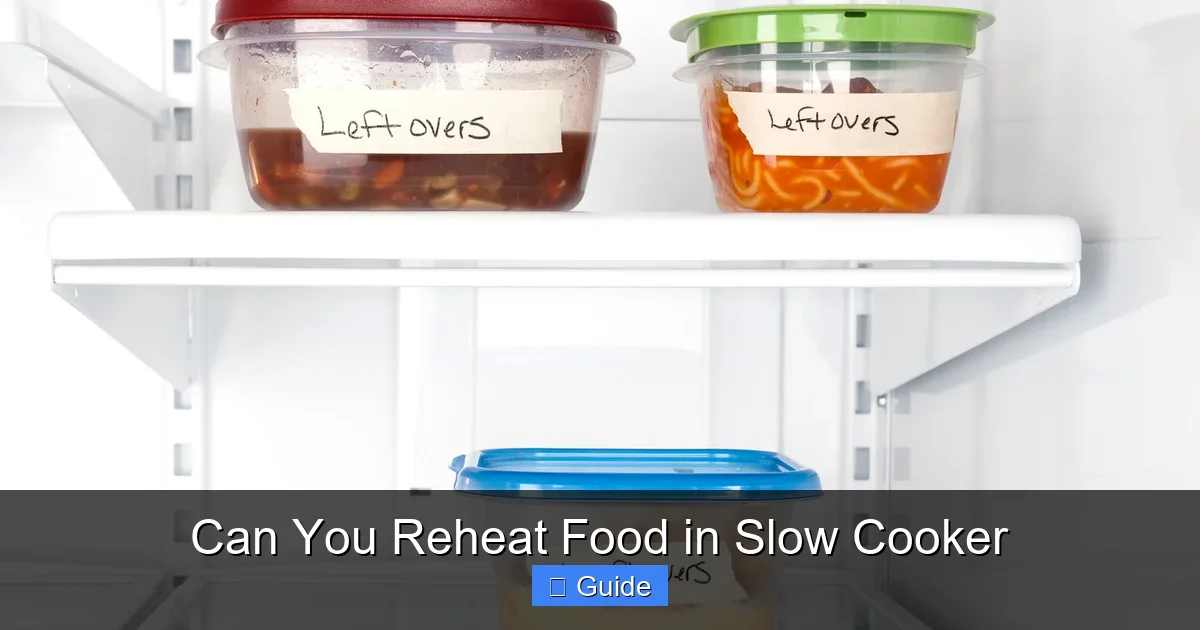
Visual guide about how to reheat food in slow cooker
Image source: tastingtable.com
With those crucial rules in mind, let’s go through the process of how to reheat food in slow cooker safely and effectively.
Step 1: Proper Storage and Thawing
The journey to safe reheating begins long before the food ever sees the slow cooker again.
- Chill Food Quickly: After its initial cooking, make sure you’ve cooled your leftovers rapidly. Divide large portions into smaller, shallow containers to help them cool faster in the refrigerator. Aim to get food into the fridge within two hours of cooking.
- Store Properly: Store leftovers in airtight containers in the refrigerator at or below 40°F (4°C). Consume them within 3-4 days of initial cooking.
- Thaw Completely: As mentioned, this is critical. Transfer your frozen leftovers to the refrigerator 24-48 hours before you plan to reheat them. Ensure the food is fully thawed before proceeding. Never thaw on the countertop.
Step 2: Prepare Your Slow Cooker
Before adding your food, give your slow cooker a quick check.
- Clean Liner: Ensure your slow cooker insert is clean and free of any residue.
- Add a Splash of Liquid: This is a key step to help your food reheat evenly and prevent it from drying out or sticking. Add about 1/4 to 1/2 cup of liquid (water, broth, or leftover sauce from the dish) to the bottom of the slow cooker before adding the food.
- Consider Elevating (Optional): For some dishes, placing the food in a heat-safe bowl that sits on a trivet or a crumpled foil ball at the bottom of the slow cooker can help circulate heat more effectively, though it’s not strictly necessary for most liquid-heavy dishes.
Step 3: Add the Food
Now it’s time to get your thawed food into the slow cooker.
- Don’t Overfill: Fill your slow cooker no more than two-thirds full. Overfilling can make it harder for the food to reach a safe temperature evenly and quickly.
- Even Layer: Spread the food out in as even a layer as possible. Avoid creating dense, thick pockets, as these will heat much slower. Break up any large clumps of food.
Step 4: Set the Temperature and Monitor
This is where the actual reheating begins.
- Use the HIGH Setting: Always use the HIGH setting on your slow cooker when reheating food. The LOW setting will take too long to heat the food through the danger zone, posing a significant safety risk. The “WARM” setting is also not appropriate for reheating; it’s designed to keep already hot food warm, not to bring cold food up to temperature.
- Anticipate Heating Time: Depending on the volume and type of food, reheating on HIGH can take anywhere from 1 to 4 hours. Start checking around the 1-hour mark for smaller quantities.
- Stir Occasionally: Every 30-60 minutes, give the food a good stir. This helps distribute the heat more evenly and prevents hot spots and cold spots.
Step 5: Check Internal Temperature
This is the most critical step for food safety.
- Use a Food Thermometer: Insert a clean food thermometer into the thickest part of the food, making sure it doesn’t touch the bottom or sides of the slow cooker.
- Reach 165°F (74°C): The thermometer should read 165°F (74°C). If it hasn’t, continue heating and check again in another 30 minutes, stirring in between.
- Check Multiple Spots: For larger quantities, check the temperature in several different places to ensure the entire dish is uniformly hot. The entire volume of food must reach 165°F (74°C).
Step 6: Serve Immediately
Once the food has reached the safe internal temperature, it’s time to enjoy!
- Don’t Linger: Serve the reheated food promptly. While your slow cooker’s “warm” setting can hold food for a short period, it’s best to consume it right after it reaches the safe temperature to minimize any further time in potential danger zones.
- Discard Leftovers: If you have any further leftovers from this reheated batch, they should be discarded. Remember, one reheat cycle only.
Tips for Successful and Safe Slow Cooker Reheating
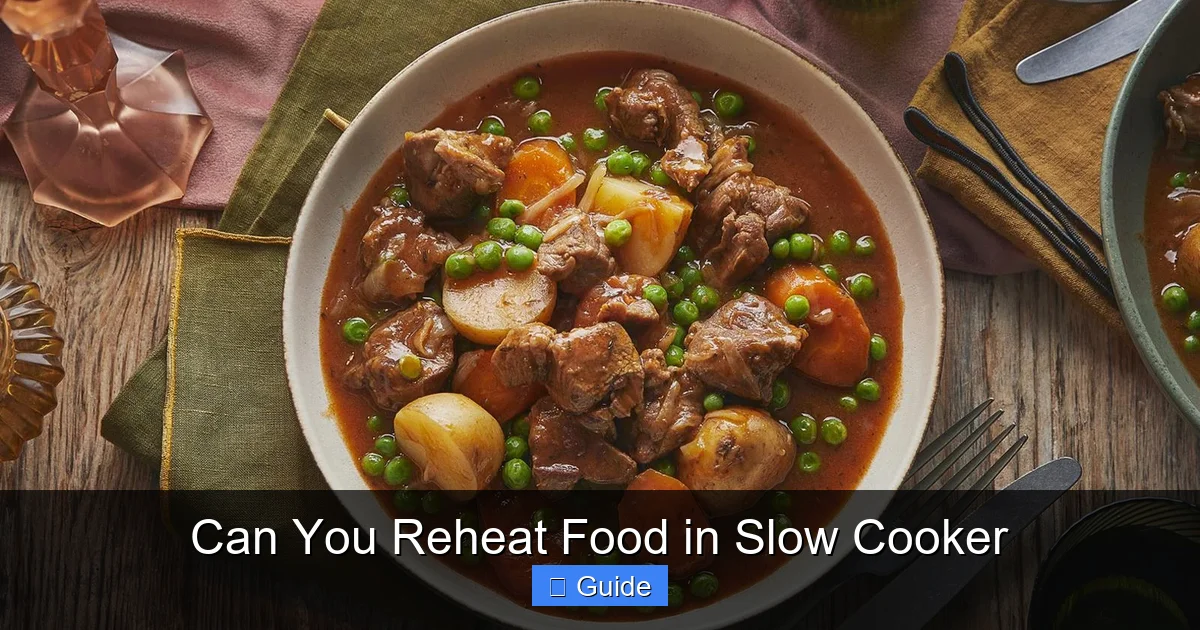
Visual guide about how to reheat food in slow cooker
Image source: ichef.bbci.co.uk
Beyond the step-by-step guide, these practical tips will help you safely reheat food in slow cooker with better results.
- Tip 1: Always Use HIGH: We can’t stress this enough. The slow cooker’s HIGH setting is the only safe option for reheating. LOW is too slow, and WARM is never for reheating.
- Tip 2: Add Moisture Generously: Don’t be shy with adding a little extra liquid. Soups and stews often need it to prevent drying out. For casseroles, broth or water can work wonders.
- Tip 3: Stir Frequently: This is especially important for thicker foods. Stirring helps break up cooler spots and distributes the heat, ensuring the entire dish warms up evenly and quickly.
- Tip 4: Don’t Overpack: Resist the urge to cram too much food into the slow cooker. Airflow and even distribution of heat are essential for safe reheating. If you have a lot of leftovers, reheat in batches.
- Tip 5: Use a Quality Food Thermometer: An instant-read digital thermometer is your best friend here. It provides quick and accurate readings, crucial for verifying food safety.
- Tip 6: Know Your Slow Cooker: Every slow cooker is a little different. Some run hotter, some cooler. Over time, you’ll get a feel for how long your specific appliance takes to reheat food.
- Tip 7: Consider the Food Type: While we covered this, it bears repeating: dense, uniform foods (like a pulled pork stew or chili) reheat better than uneven dishes or those with delicate components.
Foods That Are Best (and Worst) for Slow Cooker Reheating
Choosing the right foods to reheat in your slow cooker can make a big difference in both safety and quality.
Best Foods for Slow Cooker Reheating:
- Soups and Stews: These are ideal. Their high liquid content helps distribute heat evenly and prevents drying.
- Chili: Similar to soups, chili reheats beautifully, often tasting even better the next day.
- Pot Roasts and Pulled Meats (in sauce): Meats swimming in gravy or sauce (like pulled pork or shredded chicken) retain moisture and reheat well.
- Hearty Casseroles: Meat-based casseroles with a good amount of sauce or liquid content can work, especially if stirred.
Worst (or Tricky) Foods for Slow Cooker Reheating:
- Rice and Pasta: These can become mushy, dry, or sticky. Reheating rice slowly also carries a higher risk of *Bacillus cereus* bacteria if not handled very carefully.
- Seafood: Delicate fish or shellfish will almost certainly overcook and become rubbery or dry.
- Dairy-Heavy Sauces: Creamy sauces can separate, curdle, or become oily when reheated slowly.
- Already Dry Foods: Anything that was already a bit dry after initial cooking will become even more so.
- Eggs: Egg dishes can become rubbery and are generally not recommended for slow cooker reheating.
For these “worst” categories, a microwave, stovetop, or oven will typically yield better and safer results.
Common Mistakes to Avoid When Reheating in a Slow Cooker
Knowing what *not* to do is just as important as knowing what to do when you reheat food in slow cooker.
- Reheating from Frozen: As emphasized, this is a major food safety no-no. Always thaw first.
- Using the LOW Setting: This is a recipe for disaster, as the food will spend too much time in the temperature danger zone.
- Not Using a Food Thermometer: Without a thermometer, you’re just guessing, and guessing with food safety is a gamble you shouldn’t take.
- Leaving Food in the Danger Zone for Too Long: This applies both to cooling *and* reheating. Get food into the fridge quickly, and reheat it quickly past the danger zone.
- Reheating Multiple Times: Stick to one reheat cycle per batch of food.
- Overfilling the Slow Cooker: This hinders efficient heating and can lead to uneven temperatures.
- Not Adding Extra Liquid: This often results in dry, unappetizing food.
- Forgetting to Stir: Stirring is key for even heat distribution.
Troubleshooting: What If Your Food Isn’t Heating Properly?
Even with the best intentions, you might run into issues when you reheat food in slow cooker. Here are some common problems and solutions:
- Food Isn’t Getting Hot Enough After Adequate Time:
- Solution: Ensure your slow cooker is on HIGH. Check the thickness of your food layer; it might be too dense. Stir more frequently. Verify your food thermometer is working correctly. If your slow cooker itself seems unusually slow, it might be aging and losing efficiency.
- Food is Drying Out:
- Solution: You likely need more liquid. Add more broth, water, or the original sauce from the dish. Stirring more often can also help distribute moisture. Consider covering the top of the food directly with a piece of parchment paper before putting the lid on, to trap steam.
- Food is Heating Unevenly (Some Spots Hot, Others Cold):
- Solution: This almost always means you need to stir more thoroughly and more often. Break up any large chunks of food. Ensure your slow cooker isn’t overfilled, which can restrict heat circulation.
- Slow Cooker Not Heating at All:
- Solution: First, check that it’s plugged in correctly and the outlet is working. Ensure the dial is set to HIGH and not OFF or WARM. If it still doesn’t heat, your slow cooker might have a malfunction and need repair or replacement.
Conclusion
So, can you reheat food in slow cooker? The definitive answer is yes, but with a strong emphasis on adhering to strict food safety guidelines. While it offers a convenient way to warm up many types of leftovers, particularly hearty, liquid-based dishes, it’s not a set-it-and-forget-it reheating solution.
Your trusty food thermometer, the HIGH setting, proper thawing, and frequent stirring are your best friends in this process. By following the steps and tips outlined in this guide, you can confidently and safely reheat your delicious slow-cooked meals, minimizing waste and maximizing your enjoyment of those wonderful leftovers. Enjoy your next reheated slow cooker meal with peace of mind!

Jennifer D. Simon has spent the last 26 years studying and practicing nutrition science. She has used a larger part of this time in improving people’s livelihoods. She has done so by coming up with unquestionable ideas on how to tackle food problems in her community. Read More