Convert Oven Recipe to Slow Cooker
Transform your favorite oven dishes into convenient slow cooker meals, saving time and effort. This comprehensive guide teaches you essential adjustments for liquids, cooking times, and ingredients, ensuring delicious, tender results every time. Discover how to convert oven recipe to slow cooker with confidence and enjoy hearty, flavorful meals without being tied to the kitchen.
Convert Oven Recipe to Slow Cooker: Your Ultimate Guide
Imagine coming home to the aroma of a delicious, home-cooked meal, ready to serve with minimal effort on your part. This isn’t just a dream; it’s the reality of slow cooking! While your oven is fantastic for baking, roasting, and quick casseroles, the slow cooker excels at transforming tough cuts of meat into fall-apart tender masterpieces and simmering hearty stews to perfection, all while you’re busy with other things. The secret lies in learning how to convert oven recipe to slow cooker effectively.
Many beloved oven recipes can be successfully adapted for the slow cooker, bringing convenience and incredible flavor to your table. This comprehensive guide will walk you through the essential steps, tips, and tricks to confidently convert oven recipe to slow cooker, ensuring delicious results every time. You’ll learn how to adjust liquids, manage cooking times, prepare ingredients, and troubleshoot common issues, making your slow cooker an even more versatile kitchen companion.
Key Takeaways
- Select Suitable Recipes: Not all oven recipes convert perfectly; stews, roasts, chili, and casseroles with plenty of moisture are ideal candidates for slow cooking.
- Reduce Liquids Significantly: Slow cookers retain moisture very well, so cut the liquid in most oven recipes by about 1/2 to 2/3 to prevent a watery dish.
- Adjust Cooking Time and Temperature: Convert oven temperatures to slow cooker settings using general guidelines (e.g., 30-minute oven time equals 1-2 hours on High or 2-4 hours on Low in a slow cooker).
- Pre-Cook or Sear for Flavor: While optional, browning meats and sautéing aromatics before adding them to the slow cooker greatly enhances the final flavor and texture.
- Add Delicate Ingredients Later: Dairy products, fresh herbs, and quick-cooking vegetables should be added towards the end of the slow cooking process to prevent curdling, mushiness, or loss of flavor.
- Consider Pot Size and Layering: Fill your slow cooker between half and two-thirds full, and layer ingredients with root vegetables at the bottom and more delicate items on top for even cooking.
- Thicken Sauces at the End: If your sauce is too thin, stir in a cornstarch slurry or flour paste during the last 30 minutes of cooking, or reduce it on the stovetop after the slow cooking is complete.
Quick Answers to Common Questions
Should I brown meat before slow cooking?
Yes, absolutely! While not strictly necessary for safety, searing meat (like beef or pork roasts) in a pan before adding it to the slow cooker significantly enhances the flavor and develops a richer color. This process creates savory caramelized notes that you can’t achieve in the slow cooker alone.
Can I put frozen meat in a slow cooker?
It’s generally not recommended by food safety experts to put large pieces of frozen meat directly into a slow cooker. The slow cooker heats food very gradually, meaning frozen meat could stay in the “danger zone” (between 40°F and 140°F) for too long, allowing bacteria to multiply. Always thaw meat thoroughly in the refrigerator before slow cooking.
How full should my slow cooker be?
For optimal cooking and safety, your slow cooker should be filled between half and two-thirds full. If it’s too full, it might take too long to heat properly and could overflow. If it’s too empty, the food might cook too quickly or dry out.
Can I add pasta directly to the slow cooker?
Yes, you can, but typically only towards the end of the cooking process. Adding dry pasta at the beginning will usually result in mushy, overcooked noodles. Stir in pasta (like macaroni, egg noodles, or small shells) during the last 30-60 minutes, ensuring there’s enough liquid for it to absorb and cook properly.
What if my slow cooker recipe is too watery?
If your slow cooker dish ends up too watery, you have a couple of options. You can remove the lid and cook for an additional 30-60 minutes on high to allow some liquid to evaporate. Alternatively, remove the meat and vegetables, transfer the liquid to a saucepan, and simmer it on the stovetop to reduce. You can also thicken it by stirring in a cornstarch slurry (1 tbsp cornstarch mixed with 1 tbsp cold water) during the last 30 minutes of cooking in the slow cooker.
Understanding the Core Differences: Oven vs. Slow Cooker
Before we dive into the conversion process, it’s crucial to understand why an oven recipe needs adjustments for a slow cooker. The two appliances operate on fundamentally different principles:
Temperature and Heat Application
Ovens typically cook at higher temperatures (ranging from 300°F to 500°F or higher), using dry heat that circulates around the food. This promotes browning and crisping. Slow cookers, on the other hand, operate at much lower, consistent temperatures (generally between 170°F and 280°F) over a longer period, using moist heat.
Moisture Retention
One of the biggest differences when you convert oven recipe to slow cooker is moisture. Ovens tend to dry out food, as moisture evaporates. Slow cookers, with their tightly fitting lids, trap almost all the moisture. This means less liquid is needed in slow cooker recipes, and any liquid you do add will remain in the pot, creating a humid environment that keeps food incredibly moist and tender.
Cooking Time and Convenience
Oven recipes often require active monitoring and shorter cooking times. Slow cookers are designed for “set it and forget it” convenience, cooking for many hours without attention. This longer, gentler cooking breaks down tough fibers in meats and melds flavors beautifully.
Step 1: Choose Your Oven Recipe Wisely
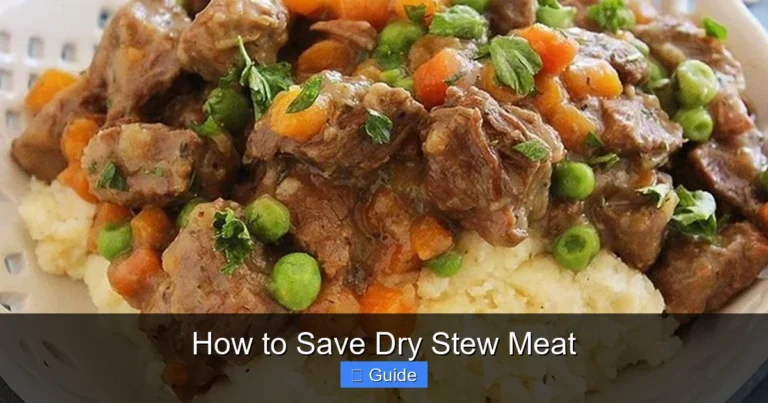
Not every oven recipe is a perfect candidate for slow cooker conversion. To successfully convert oven recipe to slow cooker, you need to pick dishes that benefit from moist, low-and-slow cooking.
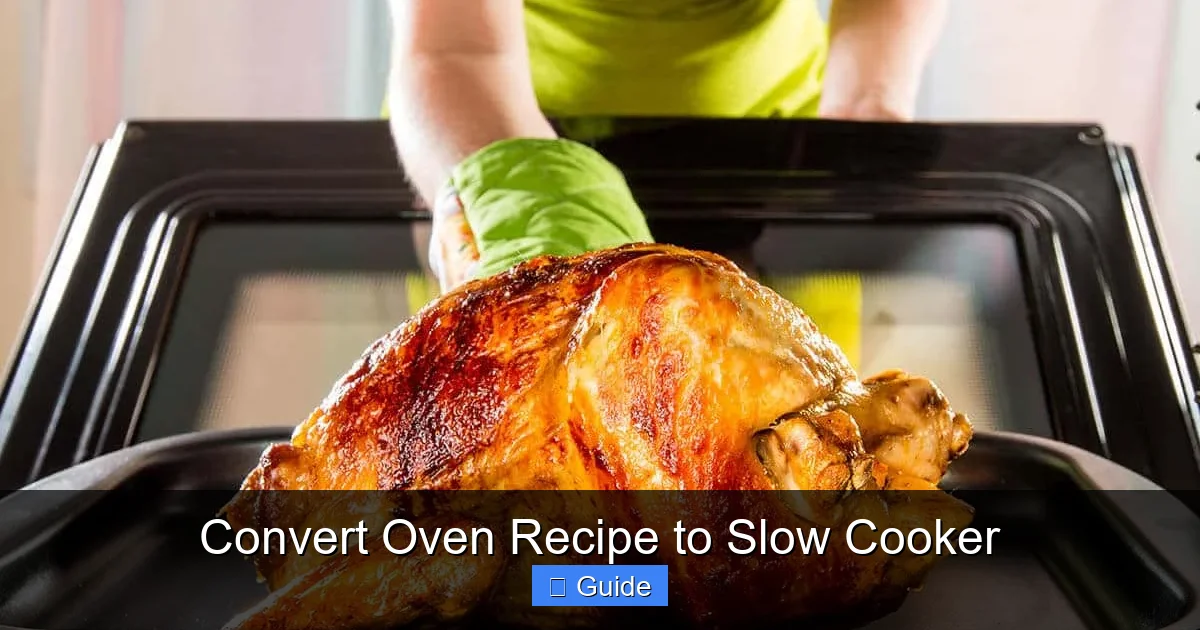
Visual guide about how to convert oven recipe to slow cooker
Image source: bowl-me-over.com
Best Candidates for Slow Cooker Conversion
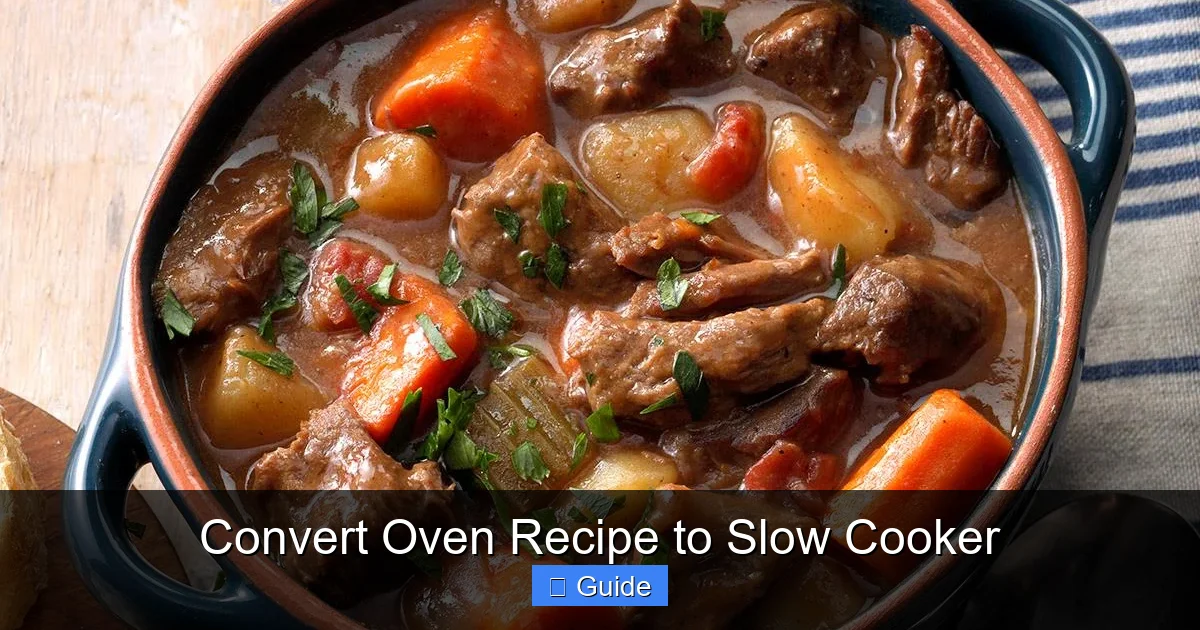
- Stews and Chilis: These are absolute slow cooker stars. Dishes with a sauce or liquid base, like beef stew, chicken chili, or lentil soup, thrive in the slow cooker’s moist environment.
- Roasts and Braised Meats: Tougher cuts of meat like chuck roast, pork shoulder, ribs, and lamb shanks become incredibly tender and flavorful when slow-cooked.
- Casseroles: Many vegetable and meat-based casseroles can be adapted, especially those that aren’t meant to be crispy on top.
- Soups: Hearty, simmered soups are excellent in a slow cooker, allowing flavors to deepen.
- Dishes with Root Vegetables: Potatoes, carrots, parsnips, and sweet potatoes hold up well and absorb flavors during long cooking times.
Recipes Not Ideal for Slow Cooker Conversion
- Dishes Needing Crispiness: Anything requiring a crispy skin or crust (like roast chicken with crispy skin, crispy potatoes, or baked goods like bread) won’t achieve that texture in a slow cooker.
- Quick-Cooking Delicate Foods: Seafood, pasta (unless added at the very end), or very delicate vegetables can easily become overcooked and mushy.
- High-Temperature Baking: Cakes, pies, and soufflés are best left to the oven.
Step 2: Adjust Liquids and Moisture
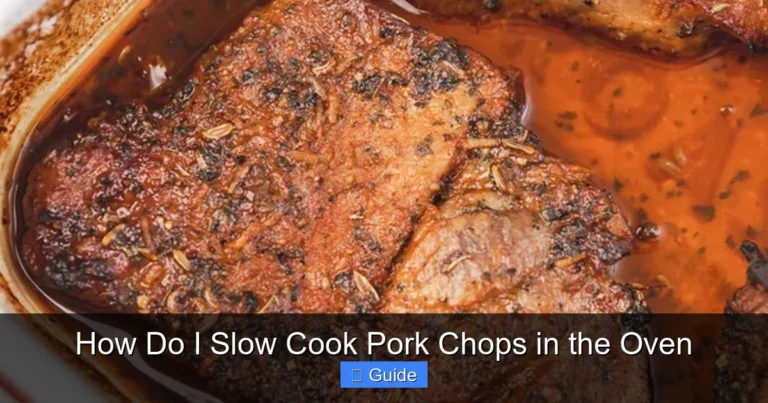
This is arguably the most critical step when you convert oven recipe to slow cooker. Remember, the slow cooker traps moisture, so you’ll need significantly less liquid than an oven recipe calls for.
Visual guide about how to convert oven recipe to slow cooker
Image source: bowl-me-over.com
Why Less Liquid is Needed
In an oven, liquids evaporate, reducing the volume of sauces and keeping things from becoming too soupy. In a slow cooker, condensation drips back into the pot, effectively adding to the liquid content. Ingredients like vegetables and meat also release their own moisture during the long cooking process.
How Much to Reduce?
A good rule of thumb is to reduce the liquid in your oven recipe by approximately one-half to two-thirds. If an oven recipe calls for 2 cups of broth, start with 1 cup (or even 3/4 cup) for your slow cooker version. If the recipe calls for canned tomatoes, condensed soup, or other high-moisture ingredients, these will also contribute to the liquid volume, so account for that.
- Example: An oven pot roast recipe that calls for 3 cups of beef broth might only need 1 to 1.5 cups in the slow cooker.
- Example: If a recipe calls for a can of diced tomatoes *and* 1 cup of water, you might only use the canned tomatoes and omit the water entirely, or add just a splash.
When to Add More Liquid?
If your dish looks too dry during cooking (though this is rare in a slow cooker), you can always add a small amount of liquid, about 1/4 to 1/2 cup at a time. It’s much easier to add liquid than to remove it or thicken a watery sauce later.
Step 3: Account for Cooking Time and Temperature
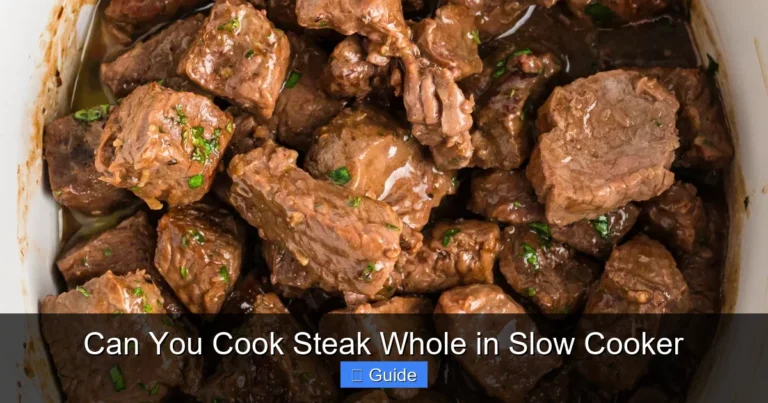
Converting oven cooking times and temperatures to slow cooker settings requires a different mindset. Slow cooking is about low and slow, not high and fast.
Visual guide about how to convert oven recipe to slow cooker
Image source: cdn3.tmbi.com
General Rule of Thumb for Time Conversion
Here’s a common guideline to convert oven recipe to slow cooker cooking times:
- Oven Time (350°F / 175°C) for 15-30 minutes: Convert to 1-2 hours on High or 2-4 hours on Low in a slow cooker.
- Oven Time (350°F / 175°C) for 30-45 minutes: Convert to 2-4 hours on High or 4-6 hours on Low in a slow cooker.
- Oven Time (350°F / 175°C) for 1-2 hours: Convert to 3-6 hours on High or 6-8 hours on Low in a slow cooker.
- Oven Time (350°F / 175°C) for 2-4 hours: Convert to 4-6 hours on High or 8-12 hours on Low in a slow cooker.
Keep in mind these are general guidelines. Factors like the size and cut of meat, the amount of food in the slow cooker, and the model of your slow cooker can influence actual cooking times.
Low vs. High Settings
The “High” setting on a slow cooker cooks food roughly twice as fast as the “Low” setting. Most slow cooker recipes can be cooked on either setting, with appropriate time adjustments. If you’re going to be away for a long day, “Low” is often the safer bet, as it’s more forgiving. For faster results, “High” is useful. Always check your food for doneness, especially meat, using a meat thermometer if applicable.
Monitoring and Adjusting
Resist the urge to lift the lid frequently! Each time you lift the lid, the temperature inside the slow cooker drops by about 10-15°F, and it takes about 20-30 minutes for it to recover. Only peek when absolutely necessary, or towards the end of the cooking time to check for doneness.
Step 4: Prepare Ingredients for Slow Cooking
Proper ingredient preparation makes a big difference in the final taste and texture of your slow cooker meal.
Sizing Ingredients Uniformly
Cut vegetables and meats into roughly uniform sizes. This ensures they cook evenly. Larger, denser vegetables like potatoes and carrots should be placed at the bottom of the slow cooker, closer to the heat source, and cut into similar-sized pieces.
Searing Meats and Sautéing Aromatics
While you can simply dump everything into a slow cooker, taking a few extra minutes to sear meat and sauté aromatics (onions, garlic, celery) will dramatically improve the flavor and texture of your finished dish. Browning meat creates rich, complex flavors through the Maillard reaction that you won’t get from just slow cooking. Sautéing vegetables softens them and builds a deeper flavor base. Do this in a skillet on the stovetop before transferring to the slow cooker insert.
Adding Delicate Ingredients Later
Some ingredients don’t fare well with long cooking times:
- Dairy Products: Milk, cream, sour cream, and cheese can curdle or separate if added at the beginning. Stir them in during the last 30 minutes to an hour of cooking, or just before serving.
- Fresh Herbs: Delicate fresh herbs like parsley, cilantro, or basil lose their flavor and vibrant color with extended cooking. Stir them in right before serving. Hardier herbs like rosemary or thyme can be added earlier.
- Quick-Cooking Vegetables: Peas, corn, spinach, or bell peppers can become mushy if cooked for too long. Add them during the last hour of cooking.
- Pasta: If your recipe includes pasta, add it during the last 30-60 minutes of cooking, depending on the type of pasta, to prevent it from becoming gluey. Ensure there’s enough liquid for it to cook properly.
Step 5: Layering and Arrangement in the Slow Cooker
How you arrange ingredients in your slow cooker can impact how evenly they cook.
Optimal Filling Level
Fill your slow cooker between half and two-thirds full. If it’s too full, it might not cook evenly, or it could overflow. If it’s too empty, food might cook too quickly or dry out.
Layering for Even Cooking
- Place root vegetables (potatoes, carrots, onions) at the bottom. These dense vegetables require more heat and longer cooking times.
- Add meat on top of the vegetables.
- Pour in your adjusted liquid.
- Add any other vegetables or ingredients that can withstand long cooking times.
- Save delicate items for later (as discussed in Step 4).
Step 6: Don’t Forget the Flavor Boosts and Finishing Touches
When you convert oven recipe to slow cooker, you might notice that some flavors mellow out or require a boost due to the long, moist cooking environment.
Herbs and Spices
You might need to increase the amount of dried herbs and spices slightly, as their flavors can diminish over long cooking periods. A good rule of thumb is to use about 1.5 times the amount of dried herbs/spices as the original oven recipe calls for. For fresh herbs, add them at the end. Consider adding a dash of something acidic (like vinegar or lemon juice) at the end to brighten flavors.
Salt and Pepper
Taste and adjust seasoning at the end. It’s often better to under-salt initially and add more later, as flavors can concentrate, and different ingredients release varying amounts of sodium.
Thickening the Sauce
Because of the reduced evaporation, your slow cooker sauce might be thinner than you expect from an oven recipe. You have a few options to thicken it:
- Cornstarch Slurry: Mix 1-2 tablespoons of cornstarch with an equal amount of cold water to form a slurry. Stir it into the slow cooker during the last 30 minutes of cooking, stirring gently until thickened.
- Flour Paste (Roux): For a richer sauce, you can make a roux on the stovetop (equal parts butter and flour, cooked for a minute or two) and then stir it into the slow cooker during the last hour.
- Reduce on Stovetop: For the best flavor and texture, remove the cooked meat and vegetables. Ladle the remaining liquid into a saucepan and simmer on the stovetop over medium-high heat until it reduces and thickens to your desired consistency.
Troubleshooting Common Issues
Even with careful planning, sometimes things don’t go exactly as planned when you convert oven recipe to slow cooker. Here are solutions to common problems:
The Dish is Too Watery
- Solution 1 (During cooking): If you catch it early, you can try propping the lid slightly open (using a wooden spoon) for the last hour of cooking to allow some steam to escape.
- Solution 2 (After cooking): Remove the meat and vegetables. Ladle the liquid into a saucepan and simmer on the stovetop over medium-high heat until it reduces to your desired consistency. You can also thicken it with a cornstarch or flour slurry (as described above).
The Meat is Undercooked
- Solution: This usually means it hasn’t cooked long enough. If there’s still time, increase the cooking time on the “High” setting. If it’s close to serving time, you can carefully transfer the dish to an oven-safe pot and finish cooking in a preheated oven (e.g., 325°F/160°C) until done, or transfer meat to a pot and simmer on the stovetop.
The Meat or Vegetables are Overcooked/Mushy
- Solution: Unfortunately, once food is overcooked and mushy, it’s hard to reverse. Next time, cook for less time or on a lower setting. For future recipes, ensure you’re not overfilling the slow cooker, as this can lead to uneven cooking and some parts getting overcooked. If only vegetables are mushy, add them later in the cooking process next time.
Lack of Flavor
- Solution:
- Ensure you’re searing meats and sautéing aromatics at the start.
- Don’t forget to season generously with salt, pepper, and herbs/spices, tasting and adjusting at the end.
- Add a splash of an acid like lemon juice, vinegar, or a dash of Worcestershire sauce or hot sauce at the very end to brighten flavors.
- Consider adding a bouillon cube or paste for an extra layer of savory depth.
Conclusion
Converting your favorite oven recipes to the slow cooker is a skill that opens up a world of convenience and delicious possibilities. By understanding the fundamental differences in cooking methods and applying the key adjustments for liquids, cooking times, and ingredient preparation, you can confidently transform almost any suitable dish into a slow-cooked masterpiece. Embrace the magic of “set it and forget it” cooking and enjoy the rich, tender, and flavorful meals your slow cooker can deliver. Happy slow cooking!

Jennifer D. Simon has spent the last 26 years studying and practicing nutrition science. She has used a larger part of this time in improving people’s livelihoods. She has done so by coming up with unquestionable ideas on how to tackle food problems in her community. Read More