Convert Stovetop Recipe to Slow Cooker
Unlock the convenience of your slow cooker by learning how to convert stovetop recipes with ease. This guide covers essential adjustments for liquids, cooking times, and ingredients to ensure delicious, hands-off meals. Discover practical tips and tricks to transform your favorite dishes into slow cooker masterpieces, making meal prep simpler and more flavorful.
Convert Stovetop Recipe to Slow Cooker: Your Ultimate How-To Guide
Imagine coming home after a long day to the comforting aroma of a perfectly cooked meal, ready to serve with minimal effort. That’s the magic of a slow cooker! While many fantastic recipes are designed specifically for this countertop hero, what about all your beloved stovetop classics? Don’t worry, you don’t have to leave them behind. With a few smart adjustments, you can effortlessly convert stovetop recipe to slow cooker versions, unlocking a world of convenience and deliciousness.
This comprehensive guide will walk you through everything you need to know to transform your favorite skillet, pot, and Dutch oven dishes into tender, flavorful slow cooker meals. We’ll cover crucial steps like adjusting liquid, converting cooking times, preparing ingredients, and fine-tuning flavors. Get ready to embrace the hands-off wonder of slow cooking and make your kitchen life a whole lot easier! Learning to convert stovetop recipes to slow cooker methods is a game-changer for busy home cooks.
Key Takeaways
- Reduce Liquid Significantly: Slow cookers trap moisture, so cut the amount of liquid from your original stovetop recipe by at least 1/3 to 1/2.
- Adjust Cooking Time Appropriately: A general rule for converting is 15-30 minutes on the stovetop equals 1-2 hours on LOW or 30-60 minutes on HIGH in the slow cooker.
- Layer Ingredients Strategically: Place tougher vegetables and meats at the bottom of the slow cooker, where heat is most concentrated, and delicate items towards the top or added later.
- Pre-Brown Meats for Flavor: While not mandatory, searing meat on the stovetop before adding it to the slow cooker significantly enhances flavor and texture, mimicking stovetop results.
- Season Towards the End: Flavors can intensify and change during long, slow cooking. It’s best to add salt, fresh herbs, and dairy products in the last 30-60 minutes of cooking.
- Don’t Overfill or Peek: Fill your slow cooker no more than two-thirds full to ensure even cooking, and resist the urge to lift the lid, as each peek adds 20-30 minutes to the cooking time.
- Thicken Sauces Post-Cook: Slow cookers don’t allow for much evaporation, so if you desire a thicker sauce, plan to use a cornstarch slurry or another thickening agent at the very end.
Quick Answers to Common Questions
Should I brown meat before putting it in the slow cooker?
While not strictly necessary, browning meat on the stovetop first creates a delicious caramelized crust that adds significant depth of flavor and improves texture. It’s a highly recommended step if you have the time.
How do I prevent my slow cooker meal from being watery?
Always reduce the liquid from your original stovetop recipe by about 1/3 to 1/2, as slow cookers trap moisture. You can always add more liquid later if needed, but it’s hard to remove excess.
Can I put frozen meat directly into a slow cooker?
It’s generally not recommended. For food safety, meat should be thawed before going into the slow cooker. This ensures it reaches a safe cooking temperature quickly enough to prevent bacterial growth.
What if my slow cooker recipe finishes too early or too late?
If it finishes early, turn it to the “Warm” setting. If it’s taking too long, check if your slow cooker is filled correctly (half to two-thirds full) and avoid opening the lid. For future reference, adjust cooking times or temperature settings.
How can I intensify flavors in my slow cooker dish?
Beyond proper seasoning, consider pre-browning meats and sautéing aromatics. At the end, a squeeze of fresh lemon juice, a splash of vinegar, or a dash of Worcestershire sauce can brighten and deepen the overall flavor profile.
Understanding Your Slow Cooker
Before we dive into conversions, it helps to understand how your slow cooker works. Unlike a stovetop where heat is applied directly and evaporation is high, a slow cooker cooks food gently and evenly over several hours in a sealed environment. This means very little moisture escapes, and flavors have ample time to meld and deepen. This unique cooking method is why you need to adjust when you convert stovetop recipe to slow cooker.
Slow cookers typically have two main settings: LOW and HIGH. The “HIGH” setting cooks food faster, usually about half the time of the “LOW” setting. However, the internal temperature of the food will eventually reach the same point on either setting; it just takes longer on LOW. Most recipes benefit from the LOW setting for maximum tenderness and flavor development, especially when you convert stovetop recipe to slow cooker that involves tough cuts of meat.
Step 1: Choose Your Stovetop Recipe Wisely
Not every stovetop recipe is a perfect candidate for slow cooking. The goal is to successfully convert stovetop recipe to slow cooker format without sacrificing quality. Some dishes truly shine with this method, while others might fall flat or become mushy.
Visual guide about how to convert stovetop recipe to slow cooker
Image source: missvickie.com
Ideal Stovetop Candidates
The best recipes to convert are those that benefit from long, moist cooking times. Think about dishes where ingredients need to tenderize or where flavors need a chance to meld. Excellent choices include:
- Stews and Chili: These are natural fits. Tough cuts of meat become incredibly tender, and flavors deepen beautifully.
- Braised Meats: Pot roasts, short ribs, and pork shoulders are perfect for slow cooking. They turn fall-apart tender.
- Soups: Creamy soups or hearty vegetable soups can easily be adapted. Just remember to adjust the liquid!
- Pulled Meats: Pork for pulled pork sandwiches or chicken for tacos is fantastic when slow-cooked.
- Casseroles: Many stove-top or oven-baked casseroles can be adapted, especially those with root vegetables and meats.
Recipes to Approach with Caution
Some recipes just aren’t suited for a slow cooker. Trying to convert stovetop recipe to slow cooker that relies on quick cooking or crisp textures might lead to disappointment.
- Quick-Cooking Proteins: Delicate fish, seafood like shrimp, or thinly sliced chicken breasts can become rubbery or overcooked in a slow cooker.
- Dishes Requiring Crispness: Anything that needs a crispy crust or skin (like pan-seared chicken skin) won’t achieve that in a slow cooker’s moist environment.
- Delicate Vegetables: Quick-cooking vegetables like zucchini, mushrooms, or green beans can turn to mush if added too early.
- Pasta: Adding pasta too early can make it overly soft and gummy. It’s usually best to cook pasta separately and add it just before serving.
Step 2: Adjust Liquid Levels
This is arguably the most critical step when you convert stovetop recipe to slow cooker. On the stovetop, liquids evaporate significantly. In a slow cooker, the tight-fitting lid traps almost all the moisture. If you use the same amount of liquid, your dish will likely be watery and diluted.
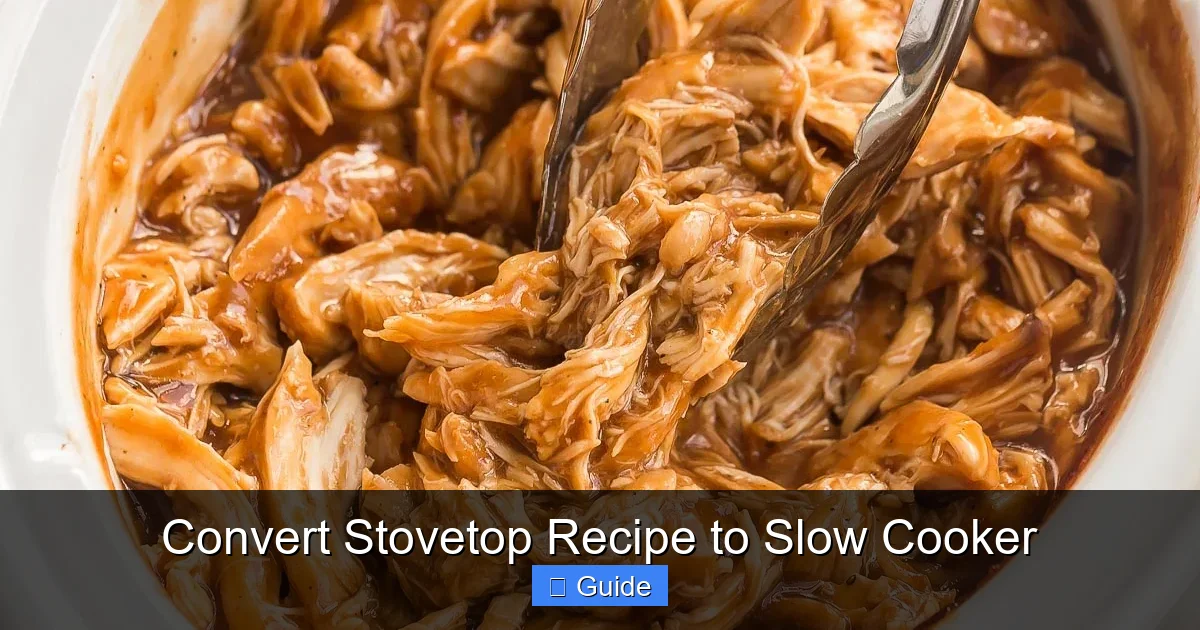
Visual guide about how to convert stovetop recipe to slow cooker
Image source: thereciperebel.com
Why Less is More
When converting, you generally need to reduce the liquid by at least 1/3 to 1/2. This includes broths, water, canned tomatoes, and even high-moisture vegetables which release their own juices during cooking. For example, if a stovetop recipe calls for 3 cups of broth, start with 1.5 to 2 cups in your slow cooker. Vegetables like onions, peppers, and mushrooms also contribute liquid.
When to Add Liquid
Always err on the side of less liquid. You can always add more during the last hour of cooking if the dish seems too dry or thick. It’s much harder to remove excess liquid without compromising flavor or consistency. For very thick stews or casseroles, you might only need to reduce the liquid by a quarter, but for thinner soups or sauces, cutting it in half is often necessary to achieve a good consistency when you convert stovetop recipe to slow cooker.
Step 3: Account for Cooking Times and Temperatures
The second major adjustment you’ll make when you convert stovetop recipe to slow cooker is the cooking time and temperature. Slow cooking is, by definition, a slower process.
Visual guide about how to convert stovetop recipe to slow cooker
Image source: traditionalcookingschool.com
Low vs. High Settings
- LOW Setting: This is generally preferred for most slow cooker recipes, especially those with tougher cuts of meat. It allows flavors to develop slowly and meat to become incredibly tender. Use LOW for 6-8 hours, sometimes up to 10.
- HIGH Setting: This cooks food faster, typically in about half the time of the LOW setting. It’s useful when you’re short on time, but be aware that some dishes may not develop as much depth of flavor or tenderness as they would on LOW. Use HIGH for 3-4 hours, sometimes up to 6.
General Time Conversion Chart
Here’s a handy guide for converting stovetop cooking times to slow cooker times:
- 15-30 minutes stovetop: 1-2 hours on HIGH or 2-4 hours on LOW.
- 30-60 minutes stovetop: 2-3 hours on HIGH or 4-6 hours on LOW.
- 1-2 hours stovetop: 3-4 hours on HIGH or 6-8 hours on LOW.
- 2-4 hours (braises, stews) stovetop: 4-6 hours on HIGH or 8-10 hours on LOW.
These are general guidelines. Always check for doneness, especially with meats and root vegetables. A meat thermometer is your best friend to ensure food safety and optimal tenderness when you convert stovetop recipe to slow cooker.
Step 4: Layering and Ingredient Preparation
The order in which you add ingredients to your slow cooker can make a big difference in the final texture and taste. Proper layering helps when you convert stovetop recipe to slow cooker.
Pre-Cooking/Browning Meat and Aromatics
While not strictly necessary, taking a few minutes to brown meat on the stovetop before adding it to the slow cooker can significantly enhance the flavor. This creates a rich, caramelized crust that adds depth. Sautéing aromatics like onions and garlic on the stovetop until fragrant also boosts flavor. If you skip this step, your dish might lack some of the complex flavors you’re used to from stovetop versions.
Root Vegetables and Tough Cuts
Place root vegetables (like carrots, potatoes, parsnips) and tough cuts of meat at the bottom of the slow cooker. This area typically receives the most direct heat, ensuring these ingredients cook thoroughly and become tender. Chop vegetables into uniform, bite-sized pieces for even cooking.
Delicate Ingredients
More delicate or quick-cooking ingredients should be added later in the cooking process. Fresh herbs, dairy products (like milk, cream, sour cream), and delicate vegetables (like peas, spinach, bell peppers, or mushrooms) should ideally be stirred in during the last 30-60 minutes of cooking. This prevents them from becoming overcooked, mushy, or, in the case of dairy, curdling.
Step 5: Seasoning and Flavor Adjustments
Flavors can change and intensify during the long, slow cooking process. Being mindful of your seasonings is key when you convert stovetop recipe to slow cooker.
Hold Back on Herbs and Spices (Initially)
With less evaporation, flavors become more concentrated. Start with slightly less salt and strong spices than your stovetop recipe calls for. You can always add more at the end. Dried herbs generally work well, but for fresh herbs, add them in the last 30 minutes to retain their vibrant flavor and color. A touch of acid, like a squeeze of lemon juice or a splash of vinegar at the end, can brighten up flavors that have melded for hours.
Dairy and Thickeners
As mentioned, dairy products can sometimes curdle if cooked for too long on a high setting. Add milk, cream, or sour cream during the last 30 minutes of cooking. If your stovetop recipe uses flour or cornstarch as a thickener, you’ll want to adjust how and when you add it, as the slow cooker environment won’t allow for reduction.
Step 6: Thickening and Finishing Touches
Since slow cookers don’t allow for much liquid evaporation, your sauce might be thinner than you’d like. This is normal when you convert stovetop recipe to slow cooker and easily fixed.
Cornstarch Slurry or Roux
If your dish is too watery at the end of cooking, you can easily thicken it. Mix a tablespoon or two of cornstarch with an equal amount of cold water to create a slurry. Stir this mixture into your slow cooker, turn the setting to HIGH (if not already there), and cook for another 15-30 minutes, or until the sauce has thickened to your desired consistency. Another option is to remove some of the liquid, make a quick roux on the stovetop (butter and flour), and then stir it back into the slow cooker.
Cream and Cheese
If your stovetop recipe calls for cheese, stir it in just before serving, allowing it to melt into the hot dish. This prevents it from becoming oily or gritty from prolonged cooking. Similarly, for a creamy finish, stir in sour cream, heavy cream, or Greek yogurt just before serving, or during the last 30 minutes of cooking on LOW.
Practical Tips for Slow Cooking Success
Beyond the conversion steps, these tips will help you master your slow cooker and truly enjoy the process of how to convert stovetop recipe to slow cooker.
Don’t Peek!
It’s tempting to lift the lid and stir, but resist! Every time you open the slow cooker, you release a significant amount of heat and moisture, which can add 20-30 minutes to your cooking time. Trust the process.
Use a Liner
Slow cooker liners are a fantastic invention for easy cleanup. They prevent food from sticking to the stoneware and make washing up a breeze. Simply toss the liner when you’re done.
Don’t Overfill
For best results, fill your slow cooker between half and two-thirds full. If it’s too full, it might not cook evenly or reach a safe temperature in time. If it’s too empty, it could overcook or dry out.
Preheat Your Slow Cooker (Optional)
Some people like to preheat their slow cooker for 20-30 minutes on HIGH before adding ingredients, similar to preheating an oven. This can help jumpstart the cooking process, especially if your ingredients are cold from the fridge. However, it’s not strictly necessary.
Leftovers are Your Friend
Slow cooker meals often taste even better the next day as flavors continue to meld. Plan to make larger batches for easy lunches or dinners later in the week.
Safety First
Always ensure meat reaches a safe internal temperature (e.g., chicken to 165°F, pork to 145°F, beef to 145°F). Keep perishable ingredients refrigerated until you’re ready to add them. Don’t leave cooked food in the “warm” setting for more than a few hours.
Troubleshooting Common Slow Cooker Issues
Even with the best intentions, sometimes things don’t go perfectly. Here’s how to fix common problems when you convert stovetop recipe to slow cooker.
My Dish is Too Watery!
This is the most common issue. First, ensure you’ve reduced the liquid in your original conversion. To fix it, you can:
- Use a Cornstarch Slurry: As mentioned, mix 1-2 tablespoons of cornstarch with an equal amount of cold water until smooth. Stir into the slow cooker during the last 30 minutes on HIGH.
- Remove and Reduce: Ladle out some of the liquid into a saucepan, bring it to a simmer on the stovetop, and reduce it by half. Stir it back into the slow cooker.
- Add a Starchy Thickener: Stir in some instant mashed potato flakes or even a bit of quick-cooking oats. They’ll absorb liquid without significantly altering flavor.
The Meat is Dry or Tough!
This can happen for a few reasons when you convert stovetop recipe to slow cooker.
- Overcooked: Yes, meat can get dry even in a slow cooker if cooked for too long, especially leaner cuts. Next time, try reducing the cooking time or using a meat thermometer to check doneness earlier.
- Undercooked: If it’s tough and not falling apart, it likely needs more time. Slow cookers work magic on tough cuts by breaking down connective tissue; this just takes patience.
- Too Lean: For truly melt-in-your-mouth results, choose cuts of meat with some fat and connective tissue, like chuck roast, pork shoulder, or bone-in chicken thighs.
The Flavor is Flat!
This often happens when flavors don’t concentrate enough or you’ve been too conservative with seasoning.
- Taste and Adjust: At the end of cooking, taste the dish and add more salt, pepper, or other spices as needed.
- Add Acidity: A splash of vinegar (red wine, balsamic, apple cider) or a squeeze of fresh lemon or lime juice at the end can brighten flavors considerably.
- Fresh Herbs: Stir in fresh parsley, cilantro, or chives right before serving.
- Umami Boost: A dash of Worcestershire sauce, a spoonful of tomato paste, or a pinch of anchovy paste can add depth without being overpowering.
The Vegetables are Mushy!
This means they were likely added too early or cooked for too long.
- Add Later: For softer vegetables like bell peppers, zucchini, mushrooms, or frozen peas/corn, add them during the last 30-60 minutes of cooking.
- Cut Larger: If you want certain vegetables to hold their shape, cut them into larger chunks.
Conclusion
Learning how to convert stovetop recipe to slow cooker is a valuable skill that opens up a world of culinary possibilities, making your favorite dishes more convenient and often even more flavorful. By understanding the nuances of liquid, cooking times, and ingredient placement, you can confidently transform almost any suitable stovetop recipe into a hands-off, delicious slow cooker meal.
Embrace the freedom and ease that slow cooking offers. Experiment with your favorite recipes, make notes of your adjustments, and soon you’ll be a slow cooker conversion master. Happy cooking, and enjoy the wonderful aromas and tender results that await you!

Jennifer D. Simon has spent the last 26 years studying and practicing nutrition science. She has used a larger part of this time in improving people’s livelihoods. She has done so by coming up with unquestionable ideas on how to tackle food problems in her community. Read More