
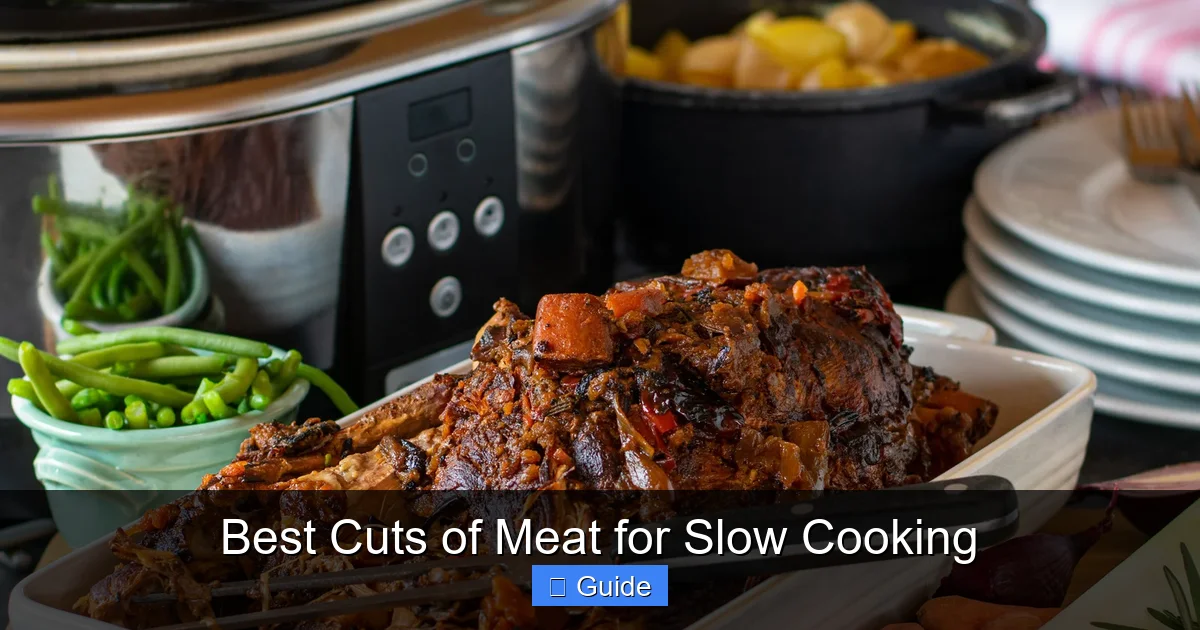
Best Cuts of Meat for Slow Cooking
Transform tough, inexpensive cuts of meat into incredibly tender, flavorful meals using the magic of slow cooking. This guide reveals the best cuts of meat for slow cooking, explaining why their collagen and fat content make them perfect for long, gentle heat. Learn how to choose the right beef, pork, lamb, and poultry cuts to achieve mouth-watering results every time.
Best Cuts of Meat for Slow Cooking
Welcome, fellow food lovers! Are you ready to unlock the secrets to truly delicious, fall-apart tender meals that practically cook themselves? If you’ve ever dreamed of coming home to a house filled with the tantalizing aroma of a slow-cooked masterpiece, you’re in the right place. Slow cooking is a culinary superpower, transforming humble ingredients into extraordinary dishes with minimal effort. And the real secret? Choosing the best cuts of meat for slow cooking.
This guide will walk you through everything you need to know. We’ll dive deep into why certain cuts excel in the slow cooker, how to pick them, and what to expect from each. By the end, you’ll be a slow-cooking connoisseur, confident in selecting the perfect piece of meat for your next pot roast, pulled pork, or hearty stew. Get ready to impress your taste buds and simplify your kitchen routine!
Key Takeaways
- Embrace Tough Cuts: The best cuts for slow cooking are often tougher, less expensive cuts with high amounts of connective tissue (collagen) and marbling. These break down beautifully during long cooking, yielding incredible tenderness and flavor.
- Collagen is Your Friend: Collagen, a protein found in connective tissue, converts into gelatin when cooked slowly with moisture. This gelatin gives slow-cooked meats their signature succulent texture and enriches the cooking liquid.
- Beef Favorites: For beef, go-to choices include chuck roast (pot roast), brisket, short ribs, and oxtail. These cuts are packed with flavor and become wonderfully tender.
- Pork Perfection: Excellent pork options for slow cooking are pork shoulder (Boston butt or picnic shoulder) and various ribs, all known for their ability to become fall-apart tender and juicy.
- Lamb & Poultry Options: Don’t overlook lamb shoulder and shanks for rich, comforting stews. For poultry, chicken thighs and drumsticks are ideal for their robust flavor and ability to withstand long cooking without drying out.
- Preparation Matters: Browning your meat before slow cooking adds deep, savory flavors. Ensure enough liquid is present, but avoid submerging the meat entirely, and always allow the cooked meat to rest for optimal juiciness.
- Patience is Key: Slow cooking is all about patience. Resist the urge to frequently open the lid, as this releases heat and prolongs cooking time, potentially leading to less tender results.
Understanding the Magic of Slow Cooking
Before we dive into specific cuts, let’s briefly understand *why* slow cooking works so well for certain types of meat. It’s all about science and patience!
The Science of Tenderness
Think about a tough steak versus a tenderloin. The tough steak comes from muscles that get a lot of exercise, making them fibrous and full of connective tissue, especially collagen. The tenderloin comes from a less-used muscle and has less connective tissue.
When you cook a tough cut of meat quickly at high heat, the collagen tightens up, making the meat even tougher. But when you cook it slowly, at a low temperature, with moisture, something magical happens. The collagen slowly breaks down and melts into gelatin. This gelatin coats the muscle fibers, making the meat incredibly succulent, moist, and fork-tender. It also adds a rich body and flavor to your cooking liquid. The fat marbling in these cuts also slowly renders, contributing to moisture and flavor.
This is why the “best cuts of meat for slow cooking” are often the ones you might consider “tough” or “inexpensive” if you were grilling them. They’re packed with flavor potential, just waiting for the right cooking method to shine.
Beef: The King of Slow Cooking
When it comes to the best cuts of meat for slow cooking, beef often takes center stage. Its robust flavor and generous marbling make it a perfect candidate for long, gentle cooking.
Chuck Roast (Pot Roast, Chuck Shoulder, Chuck Eye)
This is arguably the quintessential cut for slow cooking, and for good reason! The chuck comes from the shoulder of the cow, a well-exercised area that’s rich in connective tissue and marbling (small streaks of fat within the muscle). When slow-cooked, that connective tissue breaks down into gelatin, resulting in incredibly tender, flavorful meat that practically melts in your mouth.
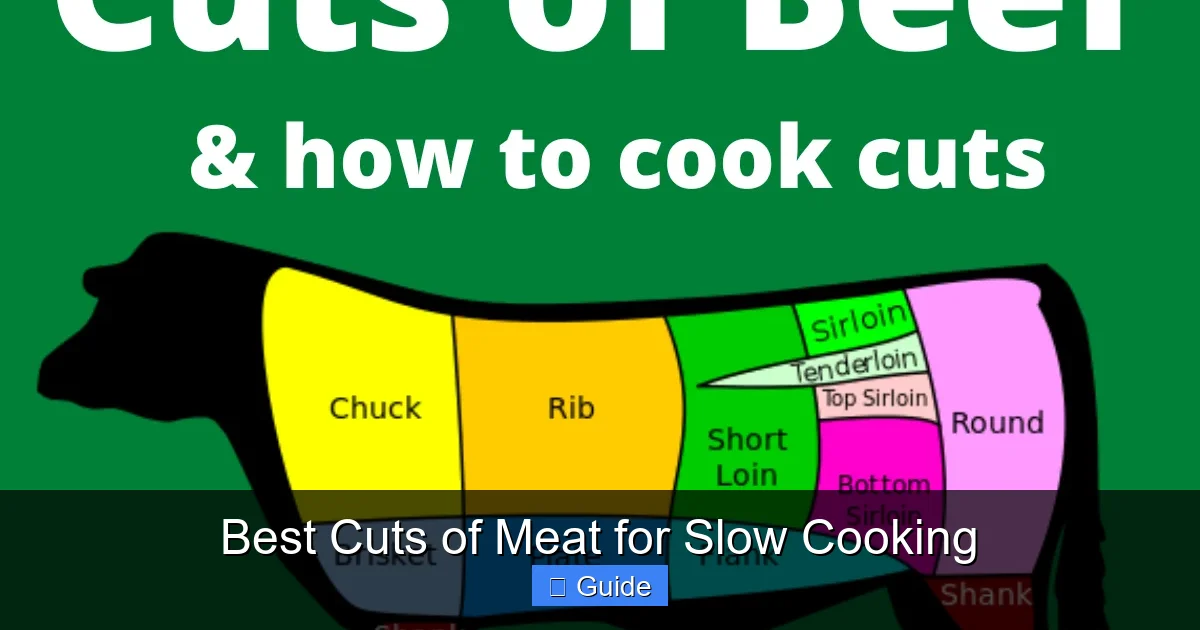
Visual guide about how to Cuts of Meat for Slow Cooking
Image source: clovermeadowsbeef.com
- Why it’s great: Excellent marbling, high collagen content, rich beefy flavor. It becomes incredibly tender and shreddable.
- Best for: Classic pot roast, shredded beef sandwiches, beef stew, barbacoa.
- Tips: Look for a chuck roast with good marbling. Sear it deeply on all sides before slow cooking to develop a rich, savory crust and enhance flavor.
Brisket
Brisket is another superstar, famous in barbecue circles but equally fantastic in a slow cooker. It comes from the chest of the cow and is typically sold as two distinct parts: the “flat” (leaner) and the “point” (fattier). Both are excellent for slow cooking.
- Why it’s great: Abundant connective tissue and a good fat cap (especially on the point) render down to create a moist, succulent final product. It has a distinctive, rich beef flavor.
- Best for: Braised brisket, corned beef, shredded beef.
- Tips: The flat cut is great if you prefer leaner slices, while the point is ideal for shredding. Cook it fat-side up so the fat renders over the meat, keeping it moist.
Short Ribs
Oh, short ribs! These are a true indulgence. Cut from the plate or chuck primal, short ribs are meaty, bone-in (or boneless) cuts with layers of muscle, fat, and bone. The bone adds incredible depth of flavor to your braising liquid.
- Why it’s great: Intense beefy flavor, high fat content, and bone-in structure lead to a luxurious, fall-off-the-bone tenderness and rich sauce.
- Best for: Braised short ribs (often with wine or beer), hearty stews.
- Tips: Brown them really well before adding liquid. The rich fat renders beautifully, and the meat becomes incredibly tender. They pair wonderfully with robust flavors.
Round (Rump Roast, Bottom Round)
Cuts from the round, located in the hind leg, are leaner than chuck but still benefit immensely from slow cooking. While they have less marbling, they are rich in collagen.
- Why it’s great: Leaner option, but still becomes tender and flavorful when slow-cooked, especially when sliced against the grain.
- Best for: Pot roasts (for slicing), beef stews, shredded beef.
- Tips: Because it’s leaner, ensure there’s enough liquid to keep it moist. Slicing against the grain after cooking is crucial for tenderness.
Oxtail
Don’t let the name deter you! Oxtail is a gelatin-rich cut that yields an incredibly flavorful and unctuous dish. It’s essentially the tail of the cow, cut into segments, with bone, marrow, and connective tissue.
- Why it’s great: Extremely rich in collagen and bone marrow, resulting in a deeply flavored, incredibly tender meat and a thick, glossy sauce.
- Best for: Hearty stews, soups, and classic oxtail dishes.
- Tips: Patience is key, as oxtail takes longer to become truly tender. Brown it well and use plenty of aromatics.
Pork: Versatile & Flavorful for Slow Cooking
Pork is another excellent choice for slow cooking, offering a slightly different flavor profile and equally tender results.
Pork Shoulder (Boston Butt, Picnic Shoulder)
This is the go-to cut for pulled pork, and for good reason! The pork shoulder, also known as Boston butt (even though it’s from the shoulder, not the rear) or picnic shoulder, is rich in fat and connective tissue. It transforms into incredibly juicy, shreddable meat.
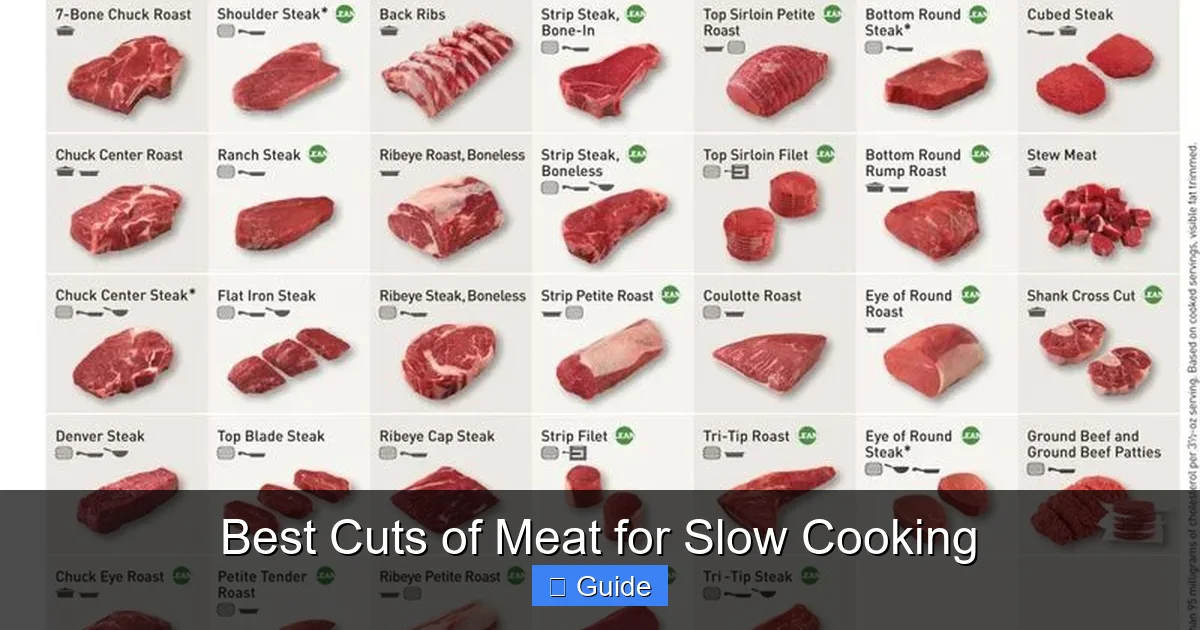
Visual guide about how to Cuts of Meat for Slow Cooking
Image source: i.kinja-img.com
- Why it’s great: High fat content and collagen ensure moist, tender, and incredibly flavorful results. It’s very forgiving.
- Best for: Pulled pork, carnitas, slow-cooked pork roast.
- Tips: Score the fat cap if present to allow flavors to penetrate. A bone-in shoulder will add even more flavor to your dish.
Pork Ribs (Spare Ribs, Country-Style Ribs)
While often grilled or barbecued, pork ribs are fantastic in the slow cooker, resulting in fall-off-the-bone tenderness.
- Why it’s great: The slow, moist heat melts the fat and connective tissue, making the meat incredibly tender and easy to separate from the bone.
- Best for: BBQ ribs (finish under the broiler or on the grill), saucy ribs, stews.
- Tips: Remove the membrane from the back of the ribs for a more tender bite. You can finish them with a quick broil or grill session to get a nice crispy crust and caramelization.
Pork Hocks/Shanks
Pork hocks (also called ham hocks) and shanks are very gelatinous cuts from the lower leg. They’re often smoked but can be slow-cooked fresh as well. They’re incredibly inexpensive and add immense flavor to broths and stews.
- Why it’s great: Tremendous amount of collagen provides a rich, unctuous texture and deep pork flavor to liquids and the meat itself.
- Best for: Adding flavor to soups (like split pea soup), stews, or braised until tender and served with kraut.
- Tips: If using smoked hocks, be mindful of salt content in your recipe. Fresh hocks are great for a purer pork flavor.
Lamb: Rich & Aromatic Slow Cooking Cuts
Lamb offers a distinct, rich flavor that shines when slow-cooked, especially with aromatic spices and herbs.
Lamb Shoulder
Similar to pork or beef shoulder, lamb shoulder is a hardworking muscle that benefits greatly from long, slow cooking. It’s a flavorful, relatively inexpensive cut with a good amount of fat and connective tissue.
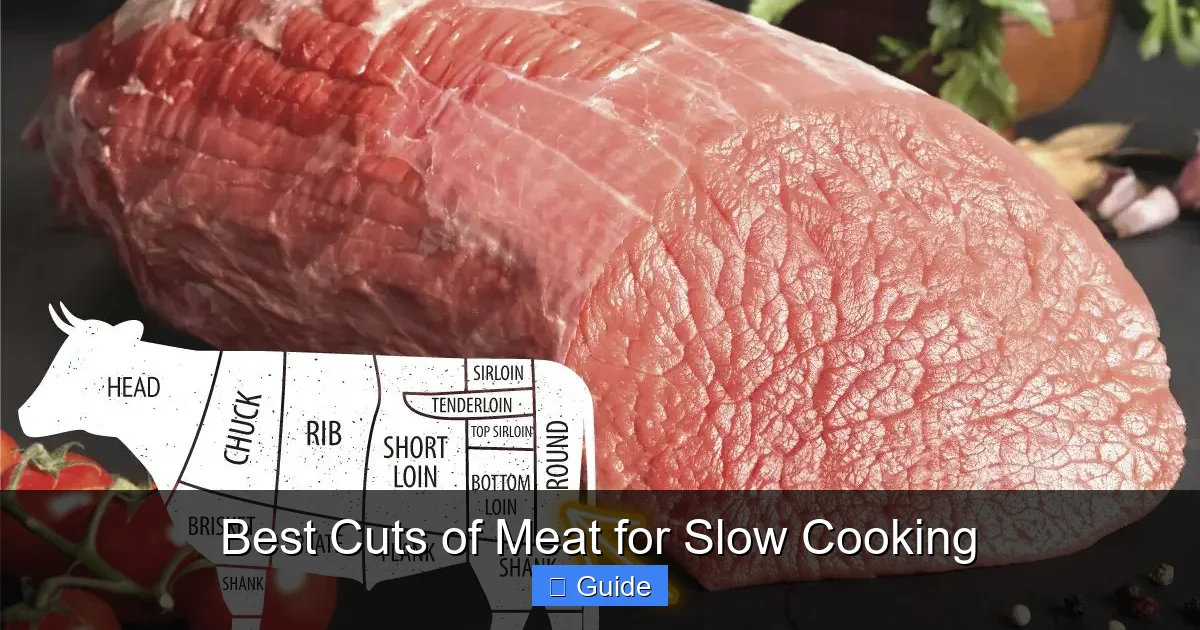
Visual guide about how to Cuts of Meat for Slow Cooking
Image source: foodhow.com
- Why it’s great: Becomes incredibly tender and succulent, absorbing flavors beautifully.
- Best for: Lamb tagines, curries, pulled lamb, stews.
- Tips: Sear it well before slow cooking. Lamb pairs wonderfully with garlic, rosemary, mint, and spices like cumin and coriander.
Lamb Shank
Lamb shanks are another excellent choice for slow cooking. These bone-in cuts from the lower leg are packed with collagen and bone marrow, which enrich the cooking liquid and contribute to a meltingly tender texture.
- Why it’s great: Provides an incredibly rich, deep lamb flavor and a succulent texture that falls off the bone.
- Best for: Braised lamb shanks (a classic!), hearty stews.
- Tips: Ensure the shanks are well-browned for maximum flavor development. The bone will release delicious marrow and collagen into your sauce.
Poultry & Other Meats for Slow Cooking
While beef and pork often dominate the slow cooking landscape, don’t forget about poultry and other options!
Chicken Thighs & Drumsticks
While chicken breasts can dry out in a slow cooker, dark meat chicken (thighs and drumsticks) are perfect. They have more fat and connective tissue, making them much more forgiving and flavorful.
- Why it’s great: Retain moisture, become incredibly tender, and offer a richer flavor than breast meat.
- Best for: Chicken stews, curries, shredded chicken for tacos or sandwiches, coq au vin.
- Tips: You can cook them skin-on for extra flavor, but you might want to remove the skin after cooking if you prefer less fat, as it won’t crisp up.
Turkey Thighs & Wings
Similar to chicken, turkey dark meat is fantastic for slow cooking. Turkey thighs and wings offer a robust flavor and become wonderfully tender.
- Why it’s great: Excellent for flavorful, moist results, especially when you want a larger quantity of dark meat.
- Best for: Hearty turkey stews, shredded turkey, or for making rich stock.
- Tips: Ensure enough liquid is present to keep the meat moist. Great for using up leftover turkey after holidays.
Essential Tips for Perfect Slow Cooking
Choosing the best cuts of meat for slow cooking is the first step, but a few techniques will ensure your success every time.
H3: Don’t Skip the Browning!
Searing your meat in a hot pan before adding it to the slow cooker is not just for looks; it creates what’s called the Maillard reaction, developing deep, complex, savory flavors that you can’t get otherwise. Pat your meat dry first to get a good sear.
H3: Use Just Enough Liquid
Slow cookers create their own moisture, so you don’t need to drown your meat. Typically, 1 to 2 cups of liquid (broth, wine, water, tomatoes) is sufficient for most recipes. The liquid should cover about one-third to one-half of the meat, not submerge it completely. Too much liquid can dilute flavors and make your sauce watery.
H3: Layer Your Flavors
Place aromatics like onions, garlic, and carrots at the bottom of the slow cooker to prevent meat from scorching and to infuse the liquid. Add herbs and spices earlier for deep flavor. Hard root vegetables cook better when placed closer to the heat source (the bottom/sides).
H3: Resist the Urge to Peek
Every time you lift the lid of your slow cooker, you lose heat, and it can add 20-30 minutes to your cooking time. Trust the process and let it do its magic.
H3: Rest Your Meat
Once cooked, remove the meat from the slow cooker and let it rest on a cutting board, covered loosely with foil, for 10-15 minutes. This allows the juices to redistribute, resulting in a more tender and moist final product. This is especially important for cuts you plan to slice, like a pot roast.
H3: Cut Against the Grain
For cuts that you’ll be slicing (like beef round or some chuck roasts), always identify the grain of the meat (the direction the muscle fibers run) and slice perpendicular to it. This shortens the fibers, making each bite much more tender.
Troubleshooting Common Slow Cooking Issues
Even with the best cuts of meat for slow cooking, sometimes things don’t go exactly as planned. Here are solutions to common problems.
H3: My Meat is Still Tough!
This is almost always a sign that it simply needs more time. The collagen hasn’t fully broken down yet. Continue cooking, checking periodically, until it reaches the desired fork-tender consistency. It’s nearly impossible to overcook these cuts to the point of toughness in a slow cooker; they usually just get more tender.
H3: My Dish is Bland!
Did you brown the meat? Did you use enough aromatics, herbs, and spices? If the dish tastes flat, try adding a splash of Worcestershire sauce, soy sauce, a spoonful of tomato paste, a squeeze of lemon juice, or a pinch of red pepper flakes at the end. Taste and adjust seasoning (salt and pepper) before serving.
H3: My Sauce is Too Thin!
After removing the meat, you can thicken the sauce by simmering it on the stovetop until reduced to your desired consistency. Alternatively, make a slurry of cornstarch or flour and cold water (1 tablespoon starch to 2 tablespoons water), whisk it into the hot liquid, and simmer for a few minutes until thickened.
H3: My Sauce is Too Thick/Oily!
If the sauce is too thick, simply thin it with a little more broth or water. If it’s too oily, skim the fat from the top with a spoon or use a fat separator. A trick is to chill the liquid briefly, which causes the fat to solidify on top, making it easier to remove.
Conclusion: Embrace the Slow Cooking Journey
There you have it – your comprehensive guide to selecting and preparing the best cuts of meat for slow cooking. By understanding the magic behind low and slow heat and choosing the right cuts, you’re set to create incredibly flavorful, tender, and satisfying meals with ease.
Slow cooking isn’t just about convenience; it’s about unlocking the full potential of often overlooked cuts, transforming them into culinary delights. So, grab a chuck roast, a pork shoulder, or some lamb shanks, dust off your slow cooker, and start experimenting. Your taste buds (and your busy schedule) will thank you. Happy slow cooking!

Jennifer D. Simon has spent the last 26 years studying and practicing nutrition science. She has used a larger part of this time in improving people’s livelihoods. She has done so by coming up with unquestionable ideas on how to tackle food problems in her community. Read More