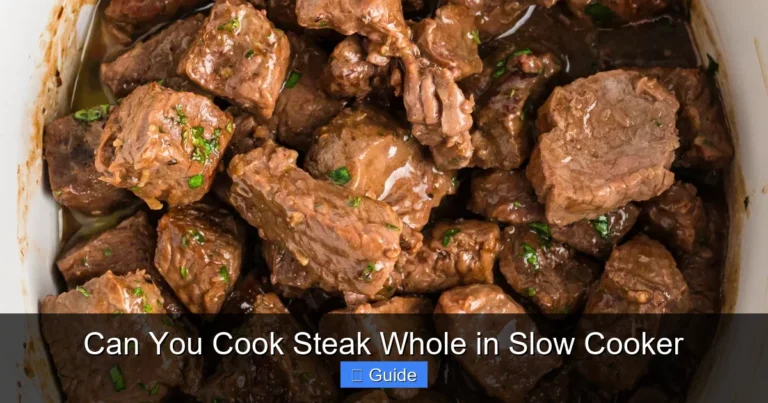
How Do You Cook Cabbage in a Slow Cooker
Transform humble cabbage into a delicious, melt-in-your-mouth dish with the magic of your slow cooker. This guide provides step-by-step instructions for preparing and cooking cabbage, ensuring a tender and flavorful result every time. Discover how to choose the right cabbage, layer ingredients, and perfect seasoning for a hands-off meal that’s both comforting and incredibly tasty. You’ll learn the secrets to truly great slow cooker cabbage without the fuss!
How Do You Cook Cabbage in a Slow Cooker
Have you ever wished you could turn simple cabbage into a tender, flavorful, and absolutely hands-off side dish or even a main meal? The slow cooker is your secret weapon! This unassuming kitchen appliance can transform a humble head of cabbage into a culinary delight, infusing it with incredible flavor and making it unbelievably tender. If you’ve been wondering how to cook cabbage in a slow cooker, you’ve come to the right place.
This comprehensive guide will walk you through every step, from selecting the perfect cabbage to layering your ingredients, setting your slow cooker, and adding those crucial finishing touches. We’ll explore different flavor profiles, offer practical tips, and even tackle common troubleshooting questions. By the end, you’ll be a slow cooker cabbage pro, ready to impress your family and friends with this comforting and delicious dish. Get ready to embrace the magic of slow cooking for one of the most underrated vegetables out out there!
Key Takeaways
- Choose Wisely: Select fresh, firm cabbage heads with crisp leaves for the best slow cooker results, whether green, red, or savoy.
- Prep Properly: Always wash, core, and cut your cabbage into uniform pieces (wedges or shreds) to ensure even cooking and tender texture.
- Build Flavor Layers: Start with a rich base like bacon, ham hocks, or sautéed aromatics before adding cabbage and liquid for deeply infused flavor.
- Optimal Liquid & Seasoning: Use just enough broth or water to keep the cabbage moist without drowning it, and season generously but taste and adjust before serving.
- Low and Slow is Key: Cooking cabbage on the LOW setting for 4-6 hours (or HIGH for 2-3 hours) allows it to become incredibly tender and absorb all the delicious flavors.
- Don’t Overcrowd: Avoid packing your slow cooker too tightly, as cabbage shrinks significantly but needs space for heat and moisture circulation.
- Finish Strong: A splash of apple cider vinegar or a knob of butter stirred in at the end can brighten flavors and add a luxurious finish to your slow cooker cabbage.
Step 1: Choosing and Preparing Your Cabbage
The journey to delicious slow cooker cabbage begins with the right choice and proper preparation. Don’t underestimate this initial step; it lays the foundation for your dish.
Selecting the Right Cabbage
While green cabbage is the most common choice for slow cooking, don’t limit yourself! Red cabbage, savoy cabbage, and even napa cabbage can be delightful.
- Green Cabbage: This is your go-to. It’s affordable, widely available, and holds up well to long cooking times, becoming wonderfully tender and sweet.
- Red Cabbage: Similar to green, but it has a slightly firmer texture and a beautiful vibrant color. Be aware that red cabbage can “bleed” its color into other ingredients. A splash of vinegar can help stabilize its color.
- Savoy Cabbage: With its crinkly, loose leaves, savoy cabbage is a bit more delicate and has a milder flavor. It will become extremely tender.
- Napa Cabbage: Very mild and tender, often used in Asian cuisine. It cooks down very quickly, so keep that in mind when adjusting your slow cooker time.
No matter which type you choose, look for a head that feels firm and heavy for its size. The leaves should be crisp and vibrant, free from wilting, blemishes, or yellowing.
Cleaning and Coring Your Cabbage
Once you have your perfect head of cabbage, it’s time for some prep work.
First, remove any loose or damaged outer leaves. These are often tough or dirty. Give the whole cabbage a good rinse under cool running water. Pat it dry with a clean kitchen towel or paper towels.
Next comes coring. The core of a cabbage is dense and fibrous, and it doesn’t break down well during slow cooking. To remove it, place the cabbage stem-side down on a sturdy cutting board. Using a large, sharp knife, cut the cabbage in half vertically, through the stem. Then, cut each half into quarters, still through the stem. With your knife at an angle, carefully slice out the triangular core from each quarter.
Cutting the Cabbage
How you cut your cabbage depends on your preference and what you’re serving it with.
- Wedges: For a hearty, rustic presentation, cut each cored quarter into 2-3 wedges. These hold their shape well and are fantastic when serving with roasted meats.
- Shredded/Chopped: If you prefer a more uniform, fork-friendly texture, you can thinly slice the cored quarters into shreds or chop them into bite-sized pieces. This is ideal for mixing into other dishes or when you want the cabbage to melt into the background.
Aim for relatively uniform pieces, regardless of your chosen cut, to ensure even cooking in your slow cooker.
Step 2: Preparing Your Aromatics and Flavor Base
The secret to exceptional slow cooker cabbage isn’t just the cabbage itself; it’s the rich, savory foundation you build around it.
Sautéing for Depth (Optional but Recommended)
While the slow cooker is known for its “dump and go” convenience, a little pre-sautéing can dramatically enhance the flavor of your dish. This step develops deep, caramelized notes that can’t be achieved by simply adding raw ingredients to the slow cooker.
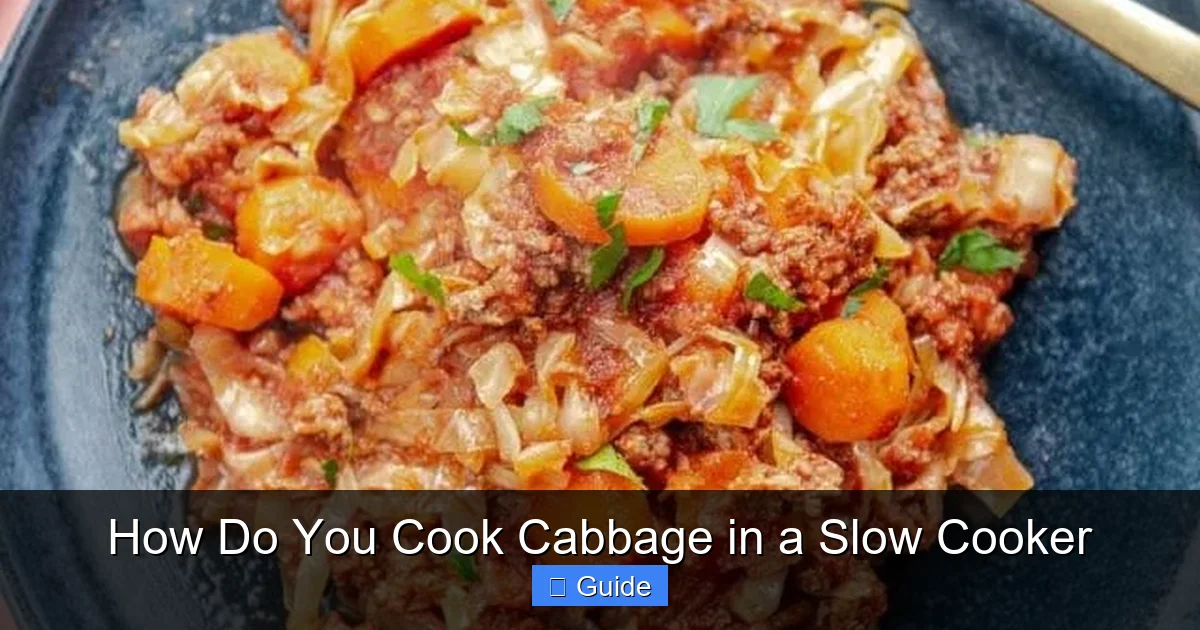
In a large skillet over medium heat, add a tablespoon or two of olive oil or butter. Sauté diced onions (yellow or white work best) until they are soft and translucent, about 5-7 minutes. Add minced garlic during the last minute of cooking to prevent it from burning. This aromatic base will infuse your cabbage with a wonderful sweetness and complexity.
Visual guide about how to cook cabbage in slow cooker
Image source: spendwithpennies.com
Building the Flavor Profile
This is where you can truly customize your slow cooker cabbage. The additions you choose will define the character of your dish.
- Smoked Meats: This is a classic choice that pairs beautifully with cabbage. Think bacon, smoked sausage (kielbasa is excellent), ham hocks, or even leftover ham. Cook bacon until crispy, then crumble it. For ham hocks or sausage, you can brown them briefly in the skillet before adding them to the slow cooker. The smoky, salty notes are a perfect complement.
- Vegetarian Options: If you’re skipping the meat, you can still build a robust flavor base. Consider adding smoked paprika for a smoky essence, or a tablespoon of tomato paste, sautéed briefly to deepen its flavor. Mushrooms can also add an earthy umami.
- Herbs and Spices: Fresh herbs like thyme or rosemary sprigs can be added whole to the slow cooker. Dried spices such as caraway seeds (a classic pairing with cabbage), bay leaves, black pepper, and a pinch of red pepper flakes for a kick, are excellent choices. Don’t forget salt! Cabbage needs generous seasoning.
Step 3: Layering Ingredients in the Slow Cooker
Proper layering isn’t just for aesthetics; it helps distribute heat and flavors evenly, leading to perfectly cooked slow cooker cabbage.
Bottom Layer (Meat/Fat)
If you’re using bacon, ham hocks, or any other meat that benefits from direct heat or releases fat, it often goes on the bottom.
Lay your rendered bacon pieces, ham hocks, or browned sausage directly into the bottom of your slow cooker insert. This allows their fats and flavors to render out and coat the cabbage as it cooks. If you pre-sautéed onions and garlic, you can add them here as well.
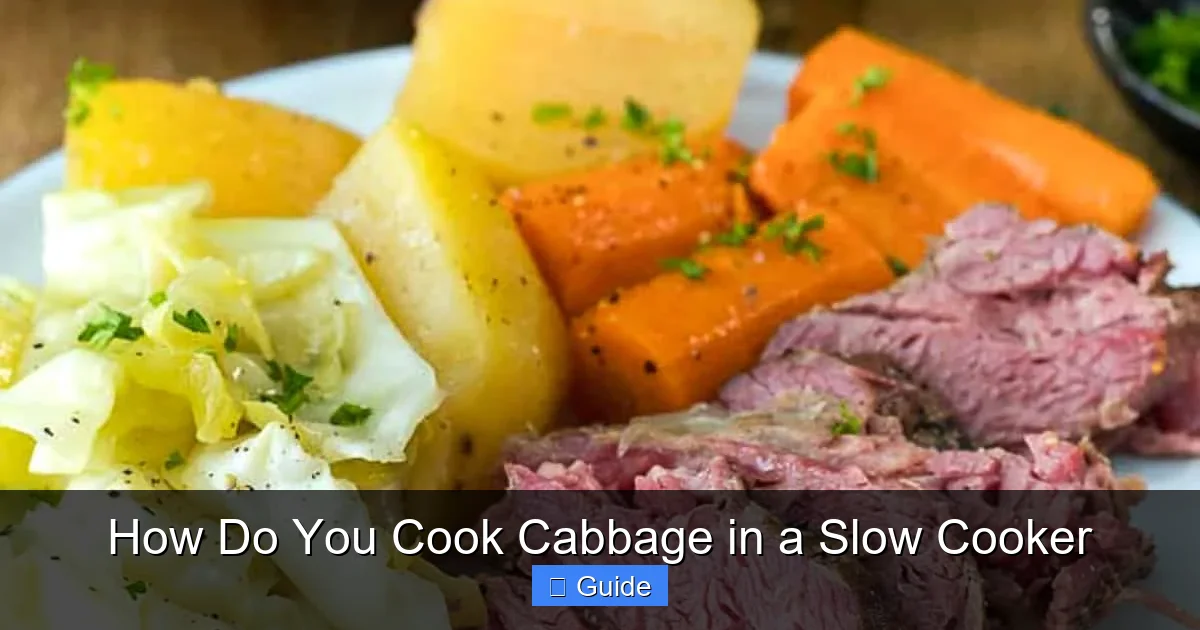
Visual guide about how to cook cabbage in slow cooker
Image source: skinnytaste.com
Middle Layer (Cabbage, Aromatics)
This is the bulk of your dish!
Start adding your prepared cabbage pieces. If you have a lot, don’t worry about packing it in; cabbage shrinks dramatically as it cooks. Layer in your shredded or wedged cabbage, distributing it as evenly as possible over the flavor base. If you have extra aromatics (like more onions or garlic that weren’t sautéed) or other vegetables (like sliced carrots or potatoes), you can tuck them in amongst the cabbage.
Top Layer (Liquid, Seasonings)
The liquid is crucial for tenderness, and the seasonings bring everything to life.
Pour in your liquid of choice. This could be chicken broth, vegetable broth, or even just water. You don’t want to completely submerge the cabbage; usually, about 1 to 1.5 cups is sufficient for a medium-sized head of cabbage, as the cabbage itself releases a lot of moisture. Add any remaining seasonings now: salt, freshly ground black pepper, caraway seeds, bay leaves, or other dried herbs and spices. Give everything a gentle stir, ensuring the liquid and seasonings are somewhat distributed, but don’t overmix. You want those distinct layers to meld slowly.
Step 4: Setting Your Slow Cooker and Cooking Times
The beauty of the slow cooker is its hands-off nature, but understanding the settings and timing is key to perfect results.
Low vs. High Setting
Most slow cooker recipes offer two settings: LOW and HIGH. Both can work for cabbage, but they yield slightly different results.
- LOW Setting (4-6 hours): This is generally recommended for cabbage. Cooking on LOW allows the cabbage to slowly break down, becoming incredibly tender and allowing the flavors to meld deeply without overcooking. It’s also less likely to dry out or become mushy.
- HIGH Setting (2-3 hours): If you’re in a hurry, HIGH can work. The cabbage will cook faster, but you’ll need to monitor it more closely to prevent it from becoming too soft or losing all its texture. The flavors might also be less developed compared to cooking on LOW.
General Cooking Times
These are approximate times, always use the tenderness of the cabbage as your guide.
- Shredded Cabbage: On LOW, expect 3-5 hours. On HIGH, 1.5-2.5 hours.
- Cabbage Wedges: On LOW, expect 4-6 hours. On HIGH, 2-3 hours.
Factors like the size of your slow cooker, the amount of cabbage, and the type of cabbage (savoy cooks faster than green) can influence cooking times.
Monitoring for Tenderness
Start checking your cabbage around the lower end of the suggested cooking time.
Carefully remove the lid (trying not to lose too much heat) and gently poke a piece of cabbage with a fork. It should be easily pierced and feel tender, but not completely disintegrated or mushy. If it’s still too firm, replace the lid and continue cooking for another 30 minutes to an hour, checking periodically. The goal is melt-in-your-mouth tenderness.
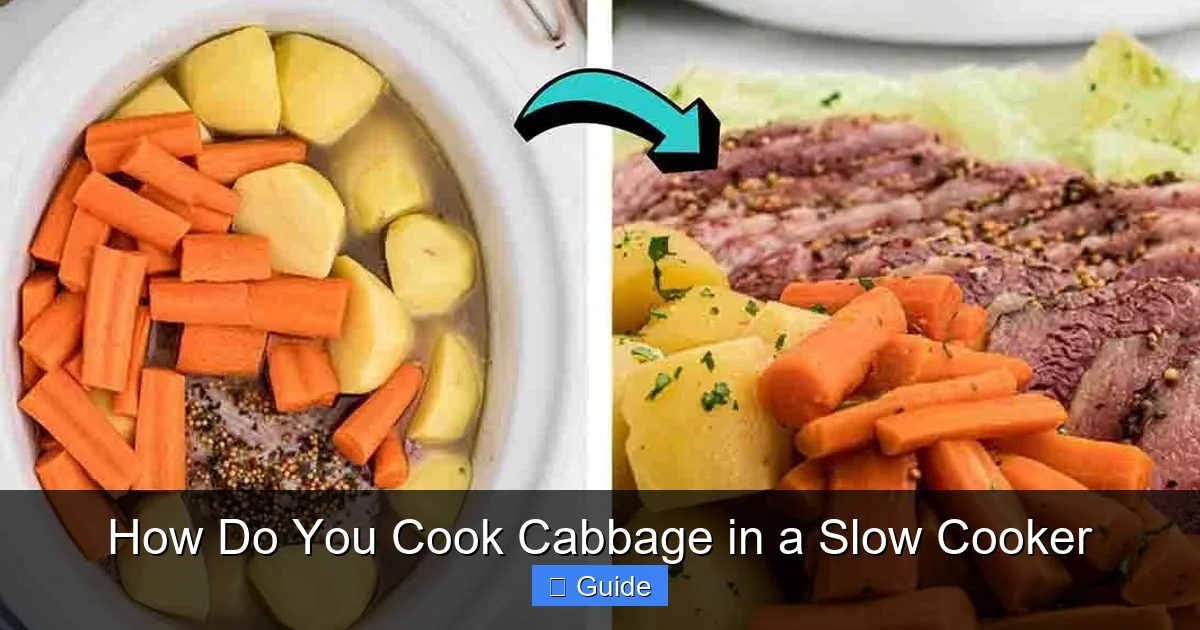
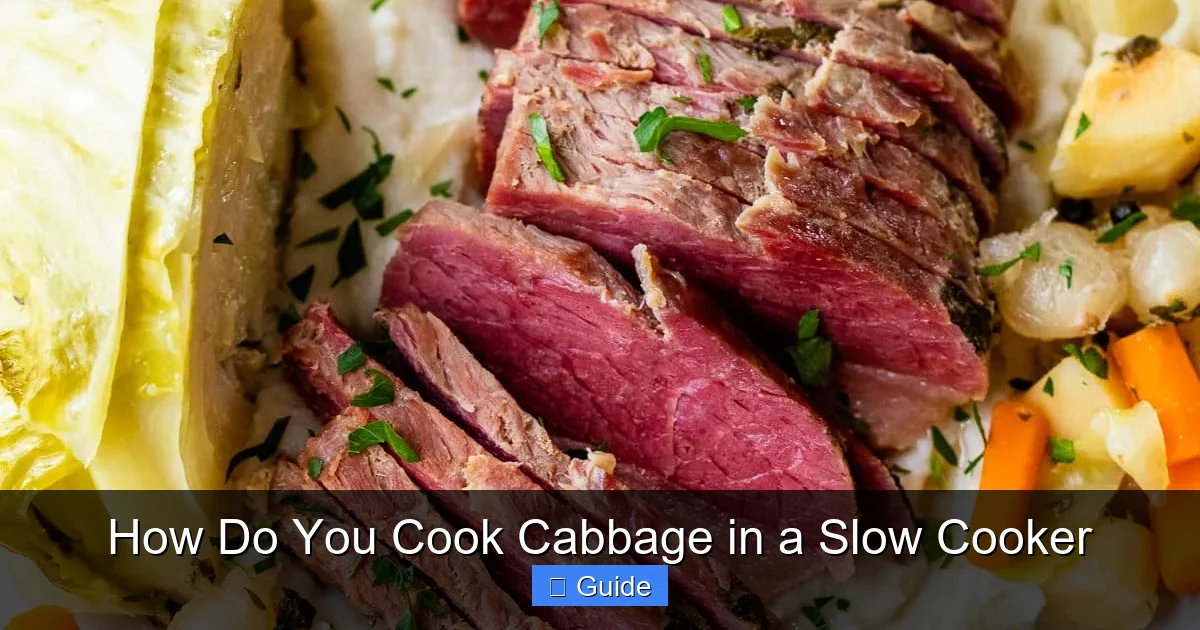
Visual guide about how to cook cabbage in slow cooker
Image source: diyjoy.com
Step 5: Finishing Touches and Serving Suggestions
Once your slow cooker has worked its magic, a few final steps can elevate your cabbage from good to absolutely amazing.
Adjusting Seasoning
This is a critical step! Flavors can change during long cooking periods.
Once the cabbage is cooked, give it a taste. Does it need more salt? A bit more pepper? Perhaps a dash of garlic powder or onion powder? Adjust to your liking. Remember, you can always add more, but you can’t take it away.
Adding Acidity
A splash of acidity can brighten the flavors of slow cooked cabbage and cut through any richness, especially if you’ve used fatty meats.
Stir in a tablespoon or two of apple cider vinegar, red wine vinegar, or even a squeeze of fresh lemon juice just before serving. Taste as you go, adding a little at a time until you reach your desired balance. This small addition makes a huge difference!
Pairing with Meals
Slow cooker cabbage is incredibly versatile.
- Classic Pairing: Serve it alongside corned beef, roasted pork, grilled sausage, or a hearty ham steak.
- Comfort Food: It’s wonderful with mashed potatoes, creamy polenta, or crusty bread for soaking up the delicious juices.
- Lighter Fare: Pair it with a simple baked chicken breast or white fish for a lighter, yet flavorful, meal.
- Vegetarian Meal: Combine it with hearty beans (like cannellini or kidney beans) for a satisfying vegetarian dish.
Don’t forget a sprinkle of fresh parsley or dill for a burst of color and freshness right before serving!
Tips for the Perfect Slow Cooker Cabbage
Mastering the art of slow cooking cabbage involves a few clever tricks that can make all the difference.
- Don’t Overcrowd Your Slow Cooker: While cabbage shrinks, packing too much in can lead to uneven cooking and less flavor absorption. Aim for the cabbage to fill about two-thirds to three-quarters of the slow cooker insert.
- Use Good Quality Broth: The liquid you use heavily influences the final flavor. A rich, flavorful broth will yield more delicious cabbage than plain water.
- Brown Your Meat First: If you’re using bacon, sausage, or ham hocks, taking a few minutes to brown them in a skillet before adding them to the slow cooker will develop more intense, savory flavors through the Maillard reaction.
- Add Fresh Herbs at the End: Delicate fresh herbs like parsley, dill, or chives lose their vibrancy during long cooking. Stir them in just before serving for a pop of freshness.
- Experiment with Different Cabbage Types: Don’t stick to just green cabbage. Try red cabbage for a beautiful color, or savoy for a milder, more delicate texture.
- Spice it Up: Don’t be afraid to experiment with spices. A pinch of smoked paprika, a dash of cumin, or a touch of chili flakes can add exciting new dimensions to your slow cooker cabbage.
- Consider a Touch of Sweetness: For a slightly different profile, particularly with red cabbage, a tablespoon of brown sugar or a diced apple can complement the savory flavors beautifully.
Troubleshooting Common Issues
Even with the best intentions, sometimes things don’t go exactly as planned. Here’s how to tackle common slow cooker cabbage problems.
Cabbage is Still Tough
Possible Cause: Not enough cooking time, or pieces were too large/dense. Your slow cooker might also run a little cooler than average.
Solution: Continue cooking on the LOW setting for another 1-2 hours, checking every 30-45 minutes. If you’re short on time, you can switch to HIGH, but monitor closely. Ensure your cabbage pieces weren’t packed too tightly, which can prevent even heat distribution.
Cabbage is Too Watery
Possible Cause: Cabbage releases a lot of moisture as it cooks, and you might have added too much initial liquid.
Solution: You have a few options. If it’s still cooking, remove the lid for the last 30 minutes to an hour to allow some moisture to evaporate. Alternatively, you can carefully drain some of the liquid before serving. If you want to thicken the liquid, mix a tablespoon of cornstarch with an equal amount of cold water to create a slurry, then stir it into the hot liquid in the slow cooker during the last 30 minutes of cooking (on HIGH if possible) until thickened.
Flavor is Bland
Possible Cause: Insufficient seasoning, lack of a flavor base, or not enough acidity.
Solution: After cooking, taste and adjust! Add more salt, pepper, or other dried spices. A dash of hot sauce can perk things up. Most importantly, add a good splash of apple cider vinegar or lemon juice to brighten the flavors. If you skipped the sautéing or smoked meats, consider adding those elements next time.
Cabbage Smells Too Strong
Possible Cause: Cabbage, especially when overcooked or cooked without proper ventilation, can release strong sulfurous odors.
Solution: Ensure your slow cooker lid fits snugly. While cooking, briefly open a window for ventilation if possible. Adding a splash of vinegar towards the end of cooking can help mitigate the smell. For future batches, ensure you’re not overcooking the cabbage; cook until just tender. The “strong” smell is often less noticeable once the cabbage is served and mixed with other components.
Conclusion
Cooking cabbage in a slow cooker is a wonderfully simple and effective way to turn a humble vegetable into a truly delicious and comforting dish. It’s a method that promises tender results, deeply infused flavors, and the convenience of a largely hands-off process. By following these steps—from choosing and preparing your cabbage, building a robust flavor base, to understanding cooking times and adding those crucial finishing touches—you’re now equipped to create slow cooker cabbage that will impress.
So go ahead, dust off that slow cooker, grab a head of cabbage, and start experimenting with flavors. Whether you’re aiming for a classic Southern-style side with bacon or a lighter vegetarian option, your slow cooker is ready to help you unlock the amazing potential of cabbage. Enjoy the ease, the aroma, and most importantly, the incredible taste of perfectly slow-cooked cabbage!

Jennifer D. Simon has spent the last 26 years studying and practicing nutrition science. She has used a larger part of this time in improving people’s livelihoods. She has done so by coming up with unquestionable ideas on how to tackle food problems in her community. Read More