

How to Rehydrate Dry Roast Beef
Don’t let dry roast beef go to waste! This guide teaches you effective methods to rehydrate dry roast beef, transforming it from tough to tender. You’ll learn how to use gentle simmering, oven rehydration, or even the microwave to bring back moisture and flavor, ensuring your roast beef is delicious once more.
How to Rehydrate Dry Roast Beef
Picture this: you’ve got some leftover roast beef, perhaps from a beautiful Sunday dinner or a special occasion. You pull it out of the fridge, anticipating a delicious sandwich or a quick meal, only to find it’s become… dry. Maybe even a little tough. It’s a common culinary heartbreak, but it doesn’t mean your precious roast beef is destined for the bin. Far from it! You can actually bring that dry roast beef back to life, restoring its moisture and tenderness.
This comprehensive guide is your go-to resource for learning exactly how to rehydrate dry roast beef. We’ll explore various methods, offer practical tips, and help you salvage your leftovers, transforming them into a succulent, flavorful meal once again. Say goodbye to dry, chewy meat and hello to juicy, tender roast beef!
Key Takeaways
- Understand Why Roast Beef Dries: Often due to overcooking or improper storage, losing natural moisture. Knowing this helps prevent future dryness and guides rehydration.
- Choose the Right Rehydration Method: Gentle simmering is ideal for slices, while slow oven rehydration works best for larger pieces or entire roasts. The microwave is a quick fix but requires careful attention.
- Use a Flavorful Liquid: Beef broth, pan drippings, or even a mix of water and seasonings are crucial for adding moisture and enhancing the taste of your dry roast beef.
- Prioritize Low and Slow Heat: Rapid, high heat will only dry out the meat further. Rehydration is most effective when done gradually at a lower temperature, allowing the meat to slowly absorb liquid.
- Avoid Overcooking During Rehydration: The goal is to add moisture, not to cook it more. Overheating can make the rehydrated roast beef tough and rubbery. Monitor closely and remove once tender.
- Slice Smartly and Rest: For best results, slice your dry roast beef thinly before rehydrating if using the simmering method. Always allow rehydrated meat to rest briefly before serving to redistribute juices.
- Enhance Flavor with Aromatics: Adding onions, garlic, herbs, and spices to your rehydration liquid can significantly improve the taste profile of the restored roast beef.
Why Does Roast Beef Get Dry?
Before we dive into the “how,” let’s quickly understand the “why.” Roast beef typically dries out for a few main reasons:
- Overcooking: The most common culprit. When cooked beyond its ideal internal temperature (e.g., medium-rare for most roasts), the muscle fibers contract too much, squeezing out moisture.
- Improper Slicing: Slicing meat against the grain helps shorten muscle fibers, making it seem more tender. Slicing with the grain can make even perfectly cooked meat feel tougher.
- Lack of Fat: Leaner cuts of beef have less internal fat to keep them moist, making them more prone to drying out.
- Reheating Incorrectly: High heat, especially in a microwave without proper care, can quickly zap any remaining moisture.
- Storage: Uncovered or improperly sealed roast beef in the refrigerator or freezer can lose moisture over time due to air exposure.
Understanding these factors helps us tackle the problem head-on and prevent future occurrences, but for now, let’s focus on solutions for how to rehydrate dry roast beef.
Gathering Your Supplies
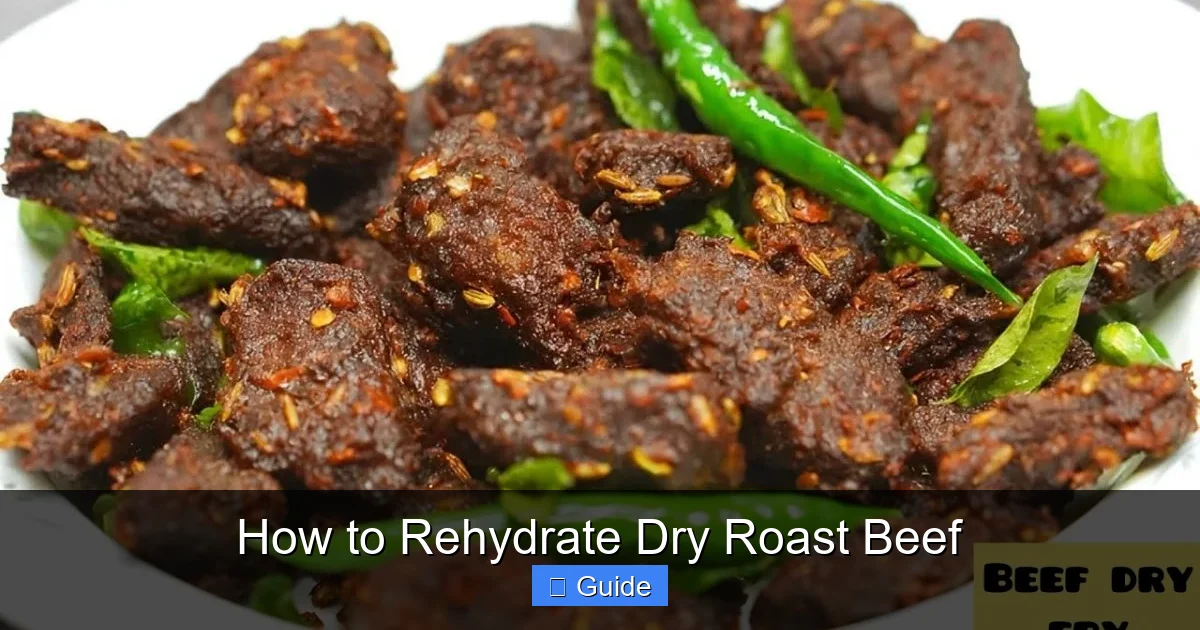
Visual guide about how to Rehydrate Dry Roast Beef
Image source: amazingfoodstv.com
Before you begin the rehydration process, make sure you have these basic items on hand:
- The Dry Roast Beef: Of course! Sliced or in larger pieces.
- A Flavorful Liquid: This is key. Options include:
- Beef broth (low sodium is often best)
- Chicken broth or vegetable broth
- Pan drippings from the original roast (if you saved them!)
- Red wine or a mix of broth and wine
- Water (less flavorful, but can work with added seasonings)
- A Pot or Skillet: For stovetop simmering.
- An Oven-Safe Dish with a Lid or Aluminum Foil: For oven rehydration.
- Microwave-Safe Dish with a Lid or Wrap: For the microwave method.
- Tongs or a Slotted Spoon: For handling the meat.
- Optional Flavor Enhancers:
- Onions, garlic (minced or sliced)
- Fresh or dried herbs (thyme, rosemary, bay leaf)
- Salt and pepper
- Worcestershire sauce or soy sauce for umami
Method 1: The Gentle Simmer (Best for Slices and Shreds)
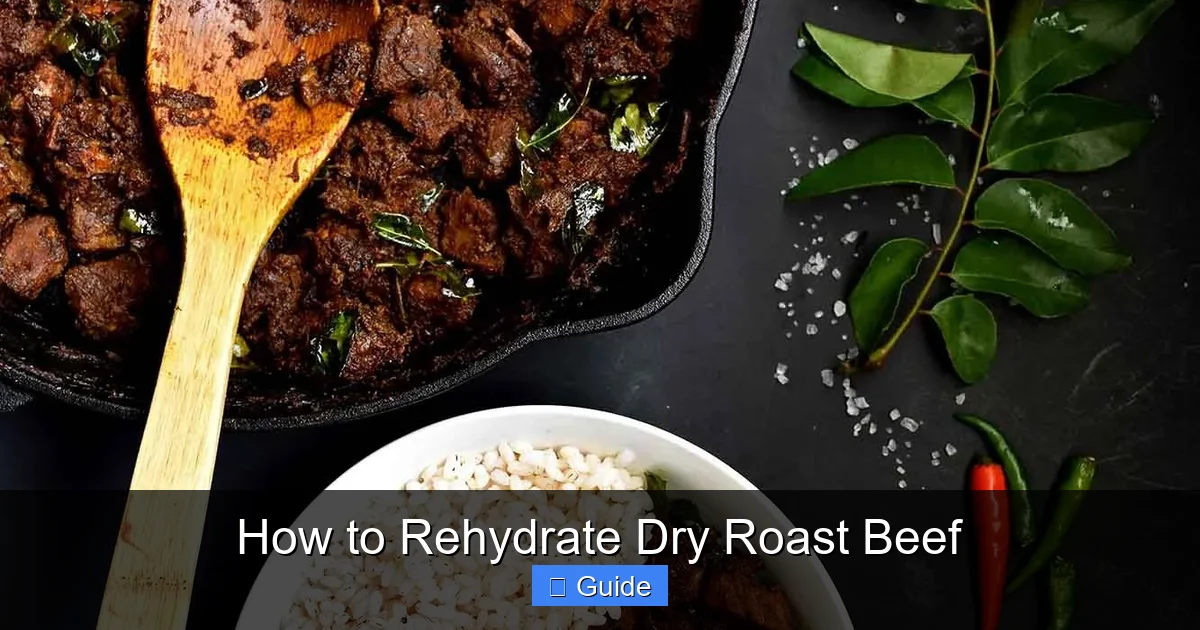
Visual guide about how to Rehydrate Dry Roast Beef
Image source: i.pinimg.com
This is often the most effective and forgiving method for how to rehydrate dry roast beef, especially when dealing with pre-sliced or shredded meat. It works by slowly infusing moisture back into the meat fibers.
Step 1: Prepare Your Liquid
The foundation of successful rehydration is a good liquid.
- Pour your chosen liquid (beef broth, pan drippings, etc.) into a pot or deep skillet. You’ll need enough liquid to mostly submerge the roast beef, but it doesn’t have to be completely drowning. Aim for at least 1/2 to 1 inch of liquid in the pan.
- Add your desired flavor enhancers now. Think sliced onions, minced garlic, a sprig of fresh rosemary or thyme, a bay leaf, a dash of Worcestershire sauce, or a pinch of salt and pepper. These will infuse flavor into the liquid and, consequently, into your roast beef.
- Bring the liquid to a gentle simmer over medium-low heat. You want to see small bubbles, not a rolling boil.
Step 2: Add the Roast Beef
It’s usually best to work with slices when using this method. If you have a larger piece of dry roast beef, consider slicing it thinly (against the grain if possible) before adding it to the pot. This increases the surface area for moisture absorption.
- Carefully add the dry roast beef slices or shredded meat into the simmering liquid. Arrange them in a single layer if possible, or gently stack them, ensuring they are mostly submerged.
Step 3: Gentle Simmering
Patience is a virtue here. You’re not cooking the meat; you’re rehydrating it.
- Reduce the heat to low, so the liquid is barely simmering. Cover the pot with a lid.
- Let the roast beef gently warm and absorb the liquid for 5-15 minutes. The exact time will depend on the thickness of your slices and how dry the meat is.
- Check periodically by gently pressing a slice with tongs or a fork. It should feel pliable and warm through. Avoid over-simmering, as this can make the meat tough again.
Step 4: Rest and Serve
Once the roast beef feels tender and moist, it’s ready.
- Remove the pot from the heat. You can leave the beef in the hot liquid for another 2-3 minutes to absorb a little more warmth and flavor.
- Using tongs or a slotted spoon, carefully remove the rehydrated roast beef from the liquid. You can discard the aromatics if you prefer, or serve them alongside.
- Serve immediately, perhaps with some of the flavorful liquid drizzled over it, or use it in sandwiches, salads, or other dishes.
Method 2: Oven Rehydration (Good for Larger Pieces or Roasts)

Visual guide about how to Rehydrate Dry Roast Beef
Image source: i.pinimg.com
If you have a larger, intact piece of dry roast beef that you want to serve as a sliceable roast, or if you prefer a less hands-on approach, the oven method is excellent for how to rehydrate dry roast beef.
Step 1: Create a Flavorful Bath
Just like with the simmering method, a good liquid is essential.
- Choose an oven-safe dish that comfortably fits your roast beef.
- Pour in about 1/2 to 1 cup of beef broth, pan drippings, or a mixture of liquid and aromatics (onions, garlic, herbs). The amount will depend on the size of your roast; you want about 1/2 inch of liquid at the bottom.
Step 2: Prepare the Roast Beef
You can leave the roast beef whole or slice it into thicker pieces if desired.
- Place the dry roast beef into the oven-safe dish. Ensure it’s sitting in the liquid.
- If the roast beef is particularly thick or dry, you might gently prick the surface with a fork in a few spots to help with liquid penetration.
- Consider adding a pat of butter or a drizzle of olive oil over the top for extra moisture and richness.
Step 3: Slow and Low Heat
This method relies on creating a steamy, moist environment to gently rehydrate the meat.
- Cover the dish tightly with a lid or aluminum foil. The goal is to trap steam and moisture.
- Preheat your oven to a low temperature, typically 250-300°F (120-150°C).
- Place the covered dish in the preheated oven.
- Bake for 30 minutes to 1 hour, or longer for very large or very dry pieces. The timing will vary greatly depending on the size and initial dryness of your roast beef.
Step 4: Check for Moisture and Tenderness
Periodically check the roast beef to gauge its progress.
- After about 30 minutes, carefully remove the dish from the oven and lift the lid/foil.
- Gently press the roast beef with tongs or a fork. It should feel warm throughout and have regained some of its pliability and moisture. You might even see a little juice escaping.
- If it’s still dry or stiff, re-cover and return to the oven for another 15-30 minutes, checking again. Add more liquid if the dish is drying out.
Step 5: Rest Before Slicing
Once your roast beef is rehydrated to your liking, remove it from the oven.
- Let it rest, still covered, for 10-15 minutes outside the oven. This allows the juices to redistribute, leading to a more tender and flavorful result.
- Slice against the grain and serve, perhaps with some of the flavorful pan juices.
Method 3: The Microwave (Quick Fix, Use with Caution)
The microwave can be a convenient option for how to rehydrate dry roast beef when you’re in a hurry, but it requires careful monitoring. Microwaves can heat unevenly and quickly dry out meat if not managed properly. This method is best for small portions or individual servings.
Step 1: Prep with Liquid
Don’t microwave dry roast beef on its own!
- Place your dry roast beef slices (thinly sliced works best) in a microwave-safe dish.
- Pour a small amount of liquid over the meat – a tablespoon or two of beef broth, water, or even a splash of gravy. You want just enough to create some steam and moisture.
- Add any quick-release flavor enhancers like a tiny pinch of garlic powder or a few drops of Worcestershire sauce.
Step 2: Microwave in Short Bursts
This is crucial to prevent further drying or rubberiness.
- Cover the dish tightly with a microwave-safe lid or microwave-safe plastic wrap, leaving a small vent for steam.
- Microwave on medium power (not high!) for 30-60 second intervals.
Step 3: Monitor Closely
Check the meat after each burst.
- After each interval, carefully remove the dish, lift the lid/wrap, and check the temperature and tenderness of the roast beef.
- Flip the slices if necessary to ensure even heating.
- Continue microwaving in short bursts until the roast beef is warm throughout and has regained some moisture and tenderness. Stop immediately once it feels right, as even a few seconds too long can undo your work.
Serve immediately. This method is generally for immediate consumption, as the texture can degrade if left to sit too long after microwaving.
Tips for Success When Rehydrating Roast Beef
Beyond the methods, these tips will help you perfect the art of how to rehydrate dry roast beef.
Choose the Right Liquid
The liquid you use contributes significantly to the final flavor.
- Beef Broth: A classic choice, enhancing the natural beef flavor.
- Pan Drippings/Gravy: If you have them, these are gold! They bring back the original roast’s flavor profile.
- Wine: Red wine (like a Cabernet or Merlot) can add depth and richness, especially when rehydrating a more robust cut.
- Water + Seasonings: In a pinch, water with a bouillon cube, soy sauce, Worcestershire, garlic powder, onion powder, and herbs can create a decent rehydration liquid.
Don’t Overcook
Remember, the roast beef is already cooked. Your goal is to add moisture and gently warm it, not to cook it further. Overheating, especially at high temperatures, will only lead to tougher, drier meat. Keep the heat low and the process slow.
Slice Smartly
For best results with the stovetop or microwave methods, slice your dry roast beef thinly (about 1/8 to 1/4 inch thick). This increases the surface area, allowing the meat to absorb moisture more efficiently and quickly. If you’re using the oven method for a larger piece, you can leave it thicker, but remember it will take longer.
Enhance Flavor
Rehydration is also an opportunity to infuse more flavor.
- Add aromatics like sliced onions, minced garlic, shallots, or leeks to your rehydration liquid.
- Fresh herbs such as rosemary, thyme, or bay leaves impart wonderful fragrance and taste.
- A dash of a savory liquid like Worcestershire sauce, soy sauce, or even a touch of balsamic vinegar can add complexity.
- Don’t forget to taste the liquid and adjust salt and pepper as needed.
Patience is Key
Good things take time, and successfully rehydrating dry roast beef is no exception. Rushing the process with high heat will almost always yield disappointing results. Embrace the “low and slow” approach for the most tender outcome.
Consider the End Dish
Think about what you’re making with the rehydrated roast beef.
- For sandwiches, thinly sliced and gently simmered works beautifully.
- For a roast-style meal, the oven method is ideal.
- For tacos or a hash, shredded meat rehydrated on the stovetop is perfect.
Troubleshooting Common Issues
Even with the best intentions, you might run into a few snags. Here’s how to troubleshoot when you’re trying to rehydrate dry roast beef.
Still Dry After Rehydration?
- Cause: Not enough liquid, not enough time, or slices were too thick.
- Solution: Add more liquid (ensure it’s flavorful). Continue rehydrating at a very low simmer or in the oven, giving it more time to absorb. If the slices are thick, consider slicing them thinner and resuming the process. Ensure the meat is fully submerged or covered to create a steamy environment.
Roast Beef is Rubbery or Tough?
- Cause: Most likely, overcooked during rehydration (too high heat, too long) or it was already very overcooked and dry to begin with, making it hard to fully restore.
- Solution: Unfortunately, once meat proteins seize up and become rubbery from excessive cooking, it’s very difficult to reverse. For future attempts, use lower heat and shorter rehydration times. If it’s still salvageable, consider shredding it very finely and mixing it with a flavorful, moist sauce (e.g., BBQ sauce for pulled beef sandwiches) to mask the texture.
Loss of Flavor?
- Cause: Using plain water without seasonings, or the original roast beef was bland to begin with.
- Solution: Always use a flavorful liquid like beef broth or pan drippings. Infuse the liquid with aromatics (onions, garlic, herbs). A dash of umami-rich ingredients like Worcestershire sauce, soy sauce, or even a tiny amount of mushroom powder can significantly boost flavor. You can also add a pinch of salt and pepper to the liquid before adding the meat.
Conclusion
Rehydrating dry roast beef is a fantastic way to prevent food waste and enjoy delicious leftovers that might otherwise be overlooked. By understanding the principles of gentle, moist heat and flavorful liquids, you can transform tough, dry meat back into something tender and succulent. Whether you opt for the steady simmer, the slow oven method, or a quick microwave fix, remembering to go low and slow is key.
Don’t let perfectly good roast beef go to waste again. With these techniques for how to rehydrate dry roast beef, you’re now equipped to restore moisture, enhance flavor, and enjoy every last bite. Happy rehydrating!

Jennifer D. Simon has spent the last 26 years studying and practicing nutrition science. She has used a larger part of this time in improving people’s livelihoods. She has done so by coming up with unquestionable ideas on how to tackle food problems in her community. Read More