How Do I Use a Slow Cooker
Are you wondering how to use a slow cooker to create delicious, effortless meals? This comprehensive guide demystifies the process, breaking down everything from choosing the right recipe and understanding your appliance’s settings to proper food layering, safety tips, and smart troubleshooting. Discover how easy it is to enjoy hearty, home-cooked dishes with minimal fuss, transforming your meal prep and bringing comforting flavors to your table with this indispensable kitchen tool.
How Do I Use a Slow Cooker
Welcome to the wonderful world of slow cooking! If you’ve ever dreamed of coming home to a delicious, home-cooked meal with minimal effort, then learning how to use a slow cooker is your ticket to culinary success. This amazing kitchen appliance takes the stress out of meal prep, allowing you to “set it and forget it” while it slowly simmers ingredients to tender perfection. Whether you’re a busy parent, a student, or just looking to simplify your cooking routine, a slow cooker can be a game-changer.
In this comprehensive guide, we’re going to walk you through everything you need to know about using a slow cooker. We’ll cover how to choose the right recipes, prepare your ingredients, set the perfect temperature, and even troubleshoot common issues. By the end, you’ll feel confident creating a wide array of mouth-watering dishes, from hearty stews and succulent roasts to comforting soups and even desserts, all with the incredible ease a slow cooker offers.
Key Takeaways
- Understand Your Appliance: Familiarize yourself with your slow cooker’s specific settings (low, high, warm) and components to maximize its efficiency and safety.
- Choose Wisely and Prep Smart: Select recipes designed for slow cooking and properly prepare ingredients by chopping, browning (if desired), and managing liquid levels to avoid soggy or dry results.
- Layer for Success: Always place denser, slower-cooking ingredients like root vegetables at the bottom, followed by meat, and delicate items on top, ensuring even heat distribution.
- Set It and Resist the Peek: Once your slow cooker is set to “low” or “high,” avoid lifting the lid. Each peek releases heat and can add 20-30 minutes to your cooking time.
- Prioritize Food Safety: Ensure ingredients are cooked to safe internal temperatures and promptly refrigerate leftovers to prevent bacterial growth.
- Embrace Troubleshooting: Don’t be discouraged by common issues. Learn how to address problems like watery sauces, undercooked food, or sticking to improve your slow cooking skills.
- Add Finishing Touches: Enhance flavor by adding fresh herbs, dairy, or quick-cooking vegetables during the last 30 minutes of cooking or just before serving.
Understanding Your Slow Cooker
Before we dive into cooking, let’s get acquainted with your slow cooker. While models vary, they all share basic features that make them incredibly user-friendly.
The Basic Components
- The Base: This is the outer shell of your slow cooker. It contains the heating element that gently cooks your food.
- The Crock (or Insert): This is the removable pot that sits inside the base. It’s usually made of ceramic or stoneware, designed to withstand low, long heat. This is where your food goes!
- The Lid: Typically made of glass, the lid seals in moisture and heat, creating the ideal cooking environment inside your slow cooker.
Common Settings on a Slow Cooker
Most slow cookers have a few essential settings you’ll use regularly:
- LOW: This setting cooks food slowly and gently, usually taking 6-8 hours (or even up to 10-12 hours for some recipes). It’s perfect for tenderizing tougher cuts of meat and allowing flavors to meld beautifully.
- HIGH: The high setting cooks food faster, typically in 3-4 hours (or up to 4-6 hours). It’s great when you have less time, but remember that food cooked on high might not be as tender as food cooked on low.
- WARM: This setting keeps cooked food at a safe serving temperature without continuing to cook it. It’s handy for buffets or if dinner is delayed. Never cook food on the “warm” setting; it’s only for holding food after it’s fully cooked.
- TIMER/PROGRAMMABLE: Many modern slow cookers come with a timer that allows you to set a specific cooking duration. Once the time is up, the slow cooker often automatically switches to the “warm” setting. This is incredibly convenient for busy schedules.
Types of Slow Cookers
You might encounter different types of slow cookers, each with its own advantages:
- Manual Slow Cookers: These are the simplest, typically offering just low, high, and warm settings that you turn on and off manually.
- Programmable Slow Cookers: These allow you to set a specific cooking time, after which the slow cooker often automatically switches to warm.
- Smart Slow Cookers: Some advanced models can be controlled via an app on your smartphone, letting you adjust settings or monitor cooking remotely.
- Multi-Cookers: Appliances like Instant Pots often have a slow cooker function, offering versatility, but dedicated slow cookers sometimes excel at the specific low-and-slow process.
Step 1: Choosing the Right Recipe and Ingredients
The secret to slow cooker success starts with the right recipe and proper ingredient prep.
Visual guide about how to use slow cooker
Image source: mommymoment.ca
Look for “Slow Cooker” Specific Recipes
Not all recipes are suitable for a slow cooker. Recipes designed for this appliance will account for the minimal liquid evaporation and the long cooking times. Trying to adapt a stovetop or oven recipe directly can lead to watery, mushy, or overcooked results.
Ingredient Preparation is Key
- Chop Evenly: Cut vegetables and meat into uniform sizes. This ensures they cook evenly. Smaller pieces will cook faster; larger pieces will take longer.
- Browning Meat (Optional but Recommended): For richer flavor and better texture, brown meat in a skillet before adding it to your slow cooker. This step adds a depth of flavor that can’t be achieved by simply slow cooking raw meat.
- Dealing with Root Vegetables: Hard vegetables like potatoes, carrots, and sweet potatoes cook slower than meat. Place them at the bottom of the slow cooker, closest to the heating element, and cut them into smaller pieces than your meat if you want them to finish cooking at the same time.
Liquid Levels Matter
One of the biggest differences with a slow cooker is that very little liquid evaporates during cooking. This means you generally need much less liquid than a traditional stovetop or oven recipe. As a rule of thumb, only cover ingredients halfway with liquid, or use about half to two-thirds of the liquid an oven recipe would call for. Excess liquid will result in a soupy, diluted dish.
When to Add Delicate Ingredients
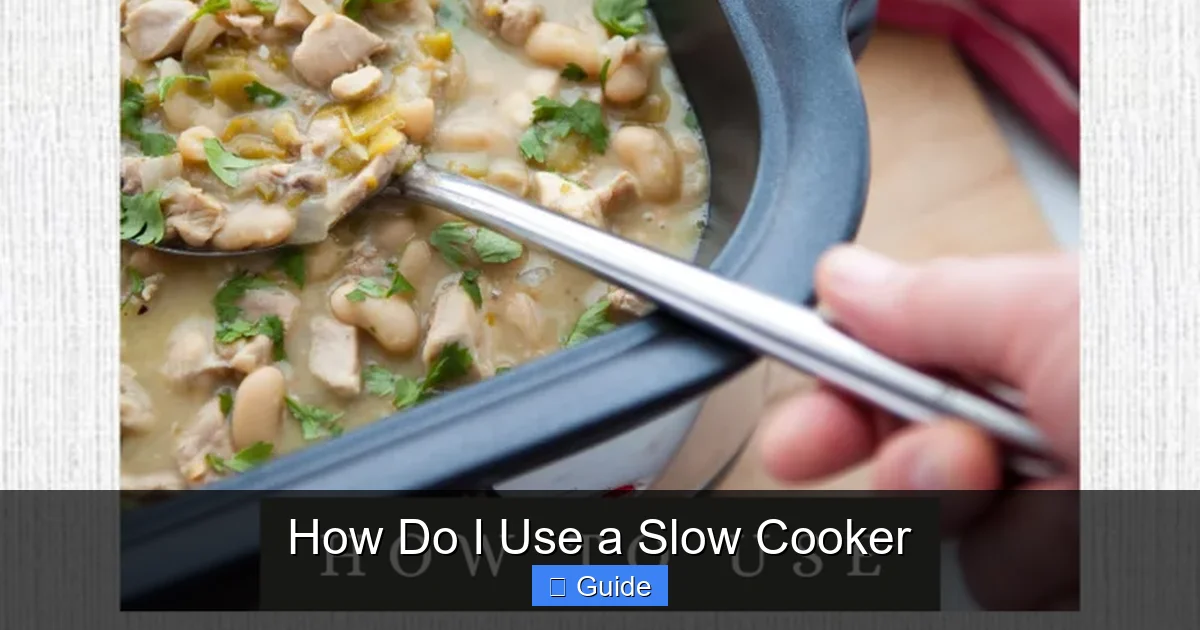
Dairy products (milk, sour cream, cheese), fresh herbs, and delicate vegetables (peas, corn, spinach) should be added toward the end of the cooking cycle, usually in the last 30-60 minutes. Adding them too early can cause dairy to curdle, herbs to lose their flavor, and vegetables to turn to mush.
Step 2: Preparing Your Slow Cooker
A little prep goes a long way to ensure easy cooking and cleanup.
Visual guide about how to use slow cooker
Image source: fitslowcookerqueen.com
Cleanliness is Crucial
Always start with a clean slow cooker crock. Wash it thoroughly with soap and water after each use to prevent food residue buildup and ensure hygiene.
Consider Slow Cooker Liners (Optional)
Slow cooker liners are plastic bags specifically designed for slow cookers. They fit inside the crock and make cleanup incredibly easy—just lift out the liner and discard. While convenient, some people prefer not to use them for environmental reasons or concerns about plastics and heat. It’s a personal choice!
Greasing the Crock (If Not Using a Liner)
If you’re not using a liner, lightly spray the inside of your slow cooker crock with non-stick cooking spray or grease it with a little oil or butter. This helps prevent food from sticking, especially during long cooking times, and makes cleanup easier.
Step 3: Layering Ingredients Properly
How you layer your ingredients in the slow cooker significantly impacts how evenly and thoroughly your food cooks.
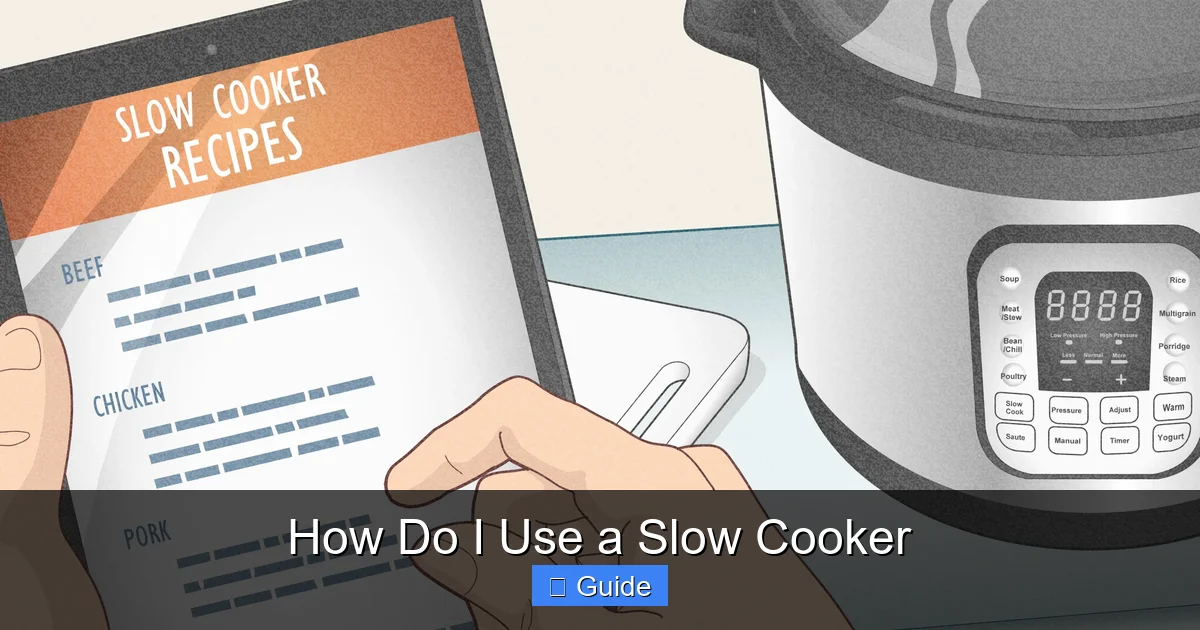
Visual guide about how to use slow cooker
Image source: wikihow.com
The Bottom Layer: Root Vegetables and Harder Items
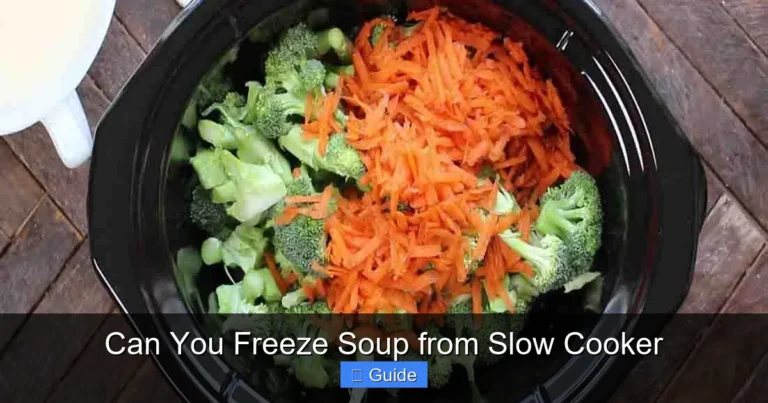
Place denser, slower-cooking ingredients at the bottom of the crock. This includes root vegetables like potatoes, carrots, onions, and sweet potatoes. These items benefit from being closest to the heat source and will soften nicely over the long cooking period.
The Middle Layer: Meat and Protein
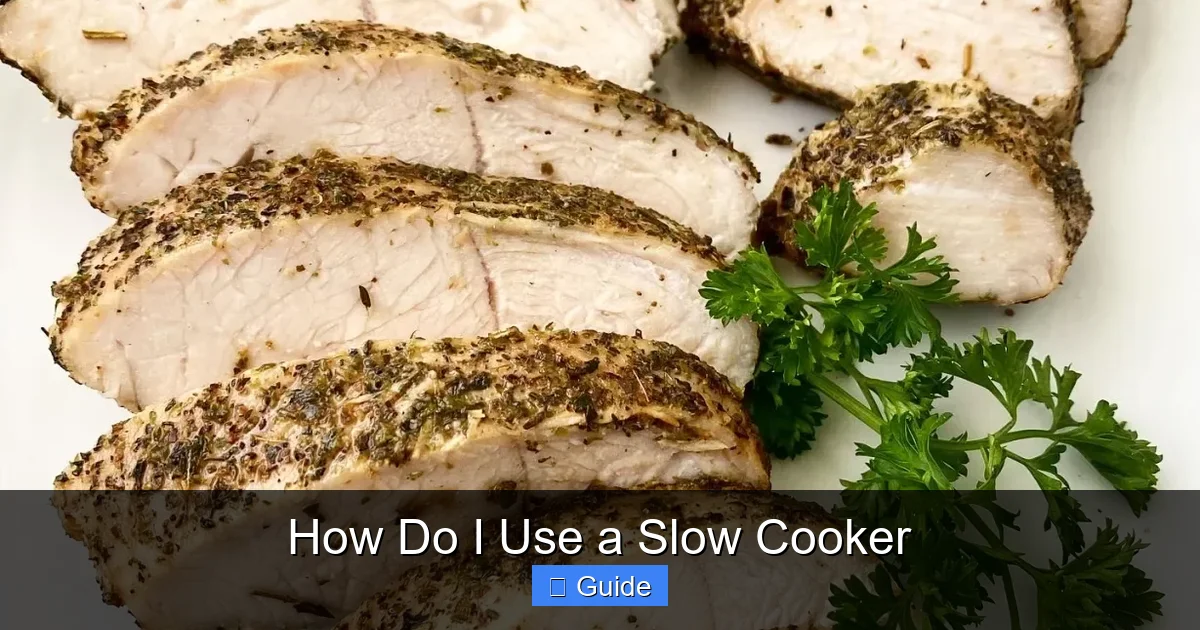
Next, add your meat or other protein. Ensure it sits on top of the vegetables. If you’ve browned your meat, this is when it goes into the slow cooker. Arrange it in an even layer.
The Top Layer: Delicate Vegetables, Liquids, and Seasonings
Finally, add softer vegetables that cook faster, such as bell peppers or mushrooms, on top. Then pour in your liquids (broth, sauces, diced tomatoes) and sprinkle in your seasonings and herbs (unless they are fresh, which you’d add at the end). Make sure the liquid covers at least some of the ingredients, particularly the bottom layer, but remember our rule about not overfilling.
Tip: Avoid filling your slow cooker more than two-thirds full. Overfilling can lead to uneven cooking and potential overflow. Too little food (less than half full) can cause it to overcook quickly.
Step 4: Setting the Temperature and Time
This is where the “set it and forget it” magic happens!
Low vs. High Setting: What to Choose?
- For Tender Results: Most recipes benefit from the LOW setting. The longer, gentler cooking time breaks down tough fibers in meat, resulting in incredibly tender, flavorful dishes. This is often recommended for maximum flavor development.
- When You’re Short on Time: The HIGH setting is useful when you need dinner ready faster. Remember that cooking on high is roughly half the time of cooking on low. For example, a recipe that takes 8 hours on low will generally take about 4 hours on high.
Conversion Tips
- Low to High: If a recipe calls for 8 hours on low, it will generally take 4 hours on high.
- High to Low: If a recipe calls for 4 hours on high, it will generally take 8 hours on low.
Always check your specific recipe for recommended times, as these are just general guidelines.
Don’t Peek! The Golden Rule of Slow Cooking
It’s tempting to lift the lid and check on your delicious creation, but resist the urge! Every time you open the lid, you release a significant amount of heat, causing the internal temperature of your slow cooker to drop. This can add 20-30 minutes (or more!) to your overall cooking time. Trust the process; the slow cooker is doing its job.
Step 5: Safety and Monitoring
Food safety is paramount when using any cooking appliance, especially one that cooks for extended periods.
Maintain Safe Food Temperatures
Your slow cooker should reach a safe internal temperature (above 140°F / 60°C) within 2-4 hours to prevent bacterial growth. While the “low” setting might seem too low, the prolonged cooking time ensures food reaches and stays at safe temperatures. Use a food thermometer to verify doneness, especially for meats. Most meats are safe to eat between 160-165°F (71-74°C), but some, like beef pot roast, might be cooked higher for tenderness.
Electrical Safety
- Place your slow cooker on a flat, stable, heat-resistant surface away from walls and flammable materials.
- Ensure the cord is not frayed or damaged.
- Do not immerse the electrical base in water.
Knowing When It’s Done
Meat should be fork-tender and easily pull apart. Vegetables should be soft but not mushy. Always check for doneness, especially if you’re adapting a recipe or trying a new one.
Step 6: Serving and Storing
Once your slow cooker meal is perfectly cooked, it’s time to enjoy it and store any leftovers safely.
Resting Time
Just like meat cooked in an oven, some slow-cooked meats, particularly roasts, can benefit from a short resting period after cooking. This allows the juices to redistribute, resulting in a more tender and flavorful dish. You can simply turn off the slow cooker and leave the lid on for 10-15 minutes.
Safe Storage of Leftovers
Cool and refrigerate leftovers promptly, within two hours of cooking. Divide large quantities into smaller, shallow containers to help them cool faster. Store in airtight containers in the refrigerator for up to 3-4 days, or freeze for longer storage. Always reheat leftovers thoroughly until steaming hot.
Practical Tips for Slow Cooker Success
Here are some additional tips to help you master your slow cooker and consistently create amazing meals.
Browning Meat for Flavor
While optional, taking a few minutes to brown your meat in a separate skillet before adding it to the slow cooker can significantly enhance the depth of flavor and give your dish a more appealing color. This caramelization adds a rich, savory note that un-browned meat simply won’t have.
Adding Flavor at the End
Many delicate flavors can be lost during long cooking times. For a fresh burst of taste, add ingredients like fresh herbs (parsley, cilantro, dill), a squeeze of lemon or lime juice, a splash of vinegar, or dairy products (sour cream, cream cheese) in the last 30 minutes of cooking or just before serving.
Thickening Sauces
If your slow cooker sauce is too thin at the end of cooking, you have a few options:
- Cornstarch Slurry: Mix equal parts cornstarch and cold water (e.g., 1 tablespoon cornstarch with 1 tablespoon water) until smooth. Stir this slurry into the hot liquid in your slow cooker, turn the heat to high, and cook for another 15-30 minutes, stirring occasionally, until thickened.
- Flour Slurry: Similar to cornstarch, but use 2 tablespoons of flour per tablespoon of cold water. Flour can sometimes create a cloudier sauce than cornstarch.
- Reduce on Stovetop: Carefully remove the liquid from the slow cooker and transfer it to a saucepan. Simmer on the stovetop over medium-high heat until it reduces to your desired thickness.
Batch Cooking and Meal Prep
A slow cooker is fantastic for batch cooking. Make a large quantity of stew, chili, or pulled pork, and portion it out for lunches or dinners throughout the week, or freeze portions for quick meals later. This saves time and effort during busy weeknights.
Size Matters
Choose a slow cooker size that matches your typical cooking needs. A 3-quart slow cooker is great for 1-2 people, while a 6-quart or 7-quart model is ideal for families or for entertaining. As mentioned before, don’t fill your slow cooker less than half full or more than two-thirds full for optimal results.
Troubleshooting Common Slow Cooker Issues
Even seasoned slow cooker users encounter hiccups. Here’s how to tackle some common problems.
Food is Undercooked
- Possible Cause: Not enough cooking time, lid lifted too often, too much liquid, or ingredients cut too large.
- Solution: Continue cooking on high until done. Ensure you’re using the correct cooking time for your recipe and resist the urge to peek. Next time, try cutting harder vegetables into smaller pieces.
Food is Overcooked or Mushy
- Possible Cause: Cooked too long, too much liquid, or ingredients are too delicate for the full cooking time.
- Solution: Reduce cooking time in the future. If possible, add delicate ingredients (like soft vegetables or pasta) later in the cooking process. Ensure you’re using the right slow cooker size—too much empty space can cause food to overcook quicker.
Sauce is Too Watery
- Possible Cause: Too much liquid was added, or not enough thickener. Slow cookers retain a lot of moisture.
- Solution: Use less liquid next time. For the current meal, use one of the thickening methods mentioned above (cornstarch or flour slurry, or stovetop reduction).
Food Sticks to the Crock
- Possible Cause: Crock wasn’t greased, or food was left on “warm” for too long after cooking.
- Solution: Always grease your crock or use a slow cooker liner. If food has stuck, soak the crock in hot, soapy water immediately after serving to loosen the residue. A plastic scraper can also help.
Conclusion
Congratulations! You now have a comprehensive understanding of how to use a slow cooker, from setting it up to serving a delicious meal. This incredible appliance is designed to simplify your life, offering the gift of flavorful, comforting food with minimal hands-on effort. Don’t be afraid to experiment with different recipes, ingredients, and settings. Each time you use your slow cooker, you’ll gain more confidence and discover new favorites.
Embrace the convenience, savor the flavors, and enjoy the ease that slow cooking brings to your kitchen. Happy cooking!

Jennifer D. Simon has spent the last 26 years studying and practicing nutrition science. She has used a larger part of this time in improving people’s livelihoods. She has done so by coming up with unquestionable ideas on how to tackle food problems in her community. Read More