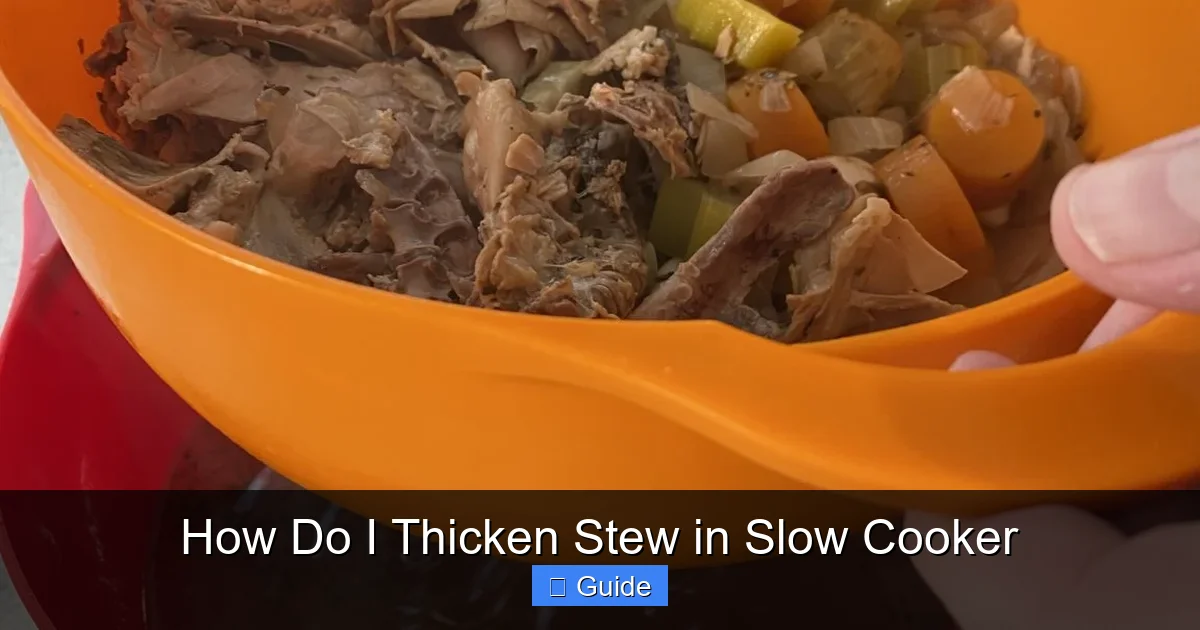
How Do I Thicken Stew in Slow Cooker
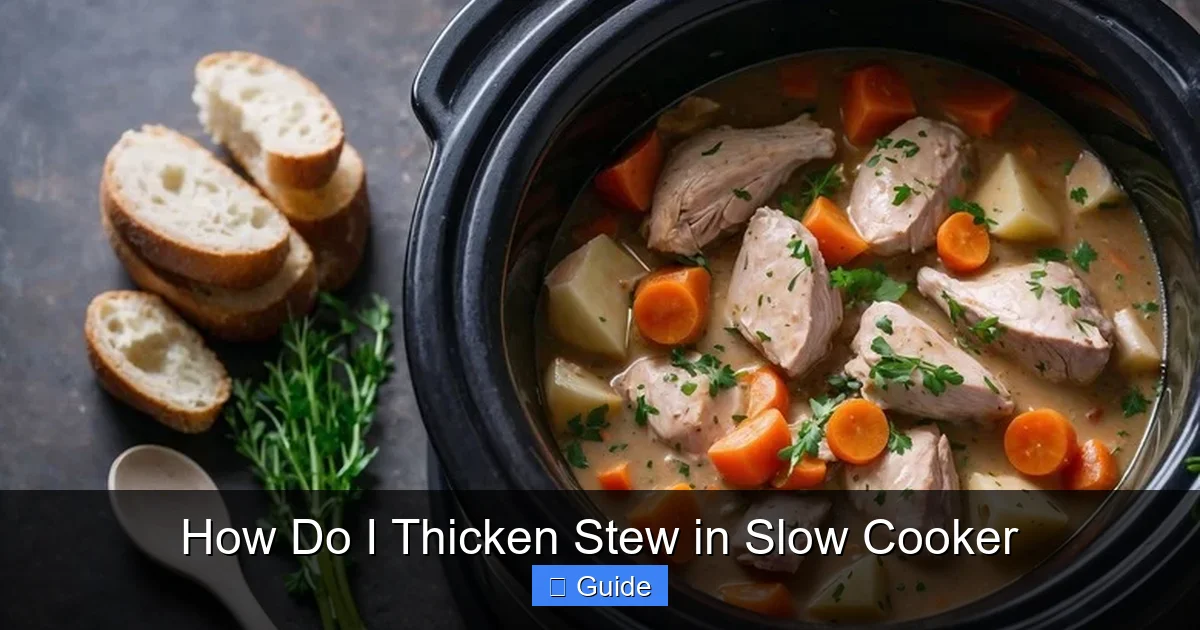
Achieving a perfectly thick stew in your slow cooker is simpler than you think. This guide explores various effective methods, from reducing excess liquid to incorporating different thickening agents like flour or cornstarch slurries. You’ll learn how to transform a watery stew into a rich, comforting meal with practical, easy-to-follow steps and tips for success, ensuring your slow cooker stew is perfectly hearty every time.
How Do I Thicken Stew in Slow Cooker
There’s nothing quite like coming home to the comforting aroma of a slow cooker stew. It’s hearty, delicious, and incredibly convenient. But sometimes, despite all your efforts, you might lift the lid to find a stew that’s a little too thin, more like a soup than the rich, gravy-like consistency you were hoping for. Don’t worry, you’re not alone! This is a very common slow cooker dilemma, and thankfully, it’s an easy one to fix.
In this comprehensive guide, we’re going to explore all the best ways to thicken stew in slow cooker. We’ll cover everything from simple natural reduction methods to using various thickening agents, giving you the knowledge to achieve that perfect, luscious texture every single time. Get ready to transform your watery slow cooker stew into a masterpiece of culinary comfort!
Key Takeaways
- Reduce Excess Liquid: For a naturally thicker stew, simply remove the lid during the last hour or two of cooking to allow some liquid to evaporate, concentrating flavors.
- Cornstarch Slurry for Clarity: A cornstarch slurry (cornstarch mixed with cold water) is excellent for a clear, glossy finish, added in the final 30-60 minutes to prevent over-thickening.
- Flour Slurry for Hearty Texture: A flour slurry (flour mixed with cold water or broth) provides a classic, opaque, and hearty texture, often added earlier or cooked slightly to prevent a raw flour taste.
- Incorporate Starchy Vegetables: Adding starchy vegetables like potatoes, parsnips, or even instant mashed potatoes late in the cooking process can naturally absorb liquid and contribute to a thicker consistency.
- Always Add Thickeners Gradually: Regardless of the method, always add thickening agents slowly, allowing the stew to come up to temperature and thicken before adding more to avoid an overly dense result.
- Prevent Lumps: To avoid lumps, always mix your chosen thickener with an equal amount of cold liquid (water, broth, or cream) to create a smooth slurry before stirring it into the hot stew.
- Patience is Key: Slow cookers thicken slowly. Give your chosen method 30-60 minutes to take effect before deciding if more thickening is needed, as the stew will continue to thicken slightly as it cools.
Understanding Why Stews Get Thin in a Slow Cooker
Before we dive into the “how-to,” let’s quickly understand “why.” Why does slow cooker stew often end up thin?
- Lack of Evaporation: Unlike stovetop cooking where steam escapes easily, the slow cooker’s lid traps almost all moisture. This means the liquid you put in at the beginning mostly stays there, not evaporating to concentrate the sauce.
- Vegetable Moisture Release: Many vegetables, especially those with high water content like mushrooms, onions, and even meat, release their own juices during the long cooking process. This adds even more liquid to your stew.
- No Initial Searing or Roux: Traditional stews often start with searing meat and building a roux (flour and fat paste) to thicken the base. Slow cooker recipes often skip these steps for convenience, contributing to a thinner result.
Understanding these points helps us choose the right thickening method. Now, let’s get those slow cooker stews thick and delicious!
Method 1: Reducing the Liquid (The Natural Way)
This is arguably the simplest and most natural way to thicken stew in slow cooker, as it doesn’t involve adding any extra ingredients. It works by allowing excess moisture to evaporate.
Visual guide about how to thicken stew in slow cooker
Image source: chowhound.com
When to Use This Method
This method is perfect if you have some cooking time left (at least an hour or two) and prefer not to add any starches or other thickening agents. It also intensifies the flavor of your stew as the liquid concentrates.
How to Do It
- Step 1: Uncover the Slow Cooker. About 1-2 hours before your stew is scheduled to be done, carefully remove the lid from your slow cooker.
- Step 2: Increase Heat (Optional). If your slow cooker has a “High” setting, you can switch it to “High” to speed up evaporation. Otherwise, leave it on “Low.”
- Step 3: Simmer and Stir. Let the stew simmer uncovered for 1 to 2 hours, stirring occasionally. You’ll notice steam escaping, and the liquid level gradually reducing. The stew will start to thicken as it reduces.
Tips for Best Results
- Monitor Closely: Keep an eye on the stew, especially if on “High,” to prevent it from reducing too much or drying out.
- Taste Test: As the liquid reduces, the flavors will concentrate, so you might need to adjust seasonings (salt, pepper) towards the end.
- Partial Reduction: If you’re worried about too much evaporation, you can prop the lid slightly ajar instead of fully removing it.
Method 2: Using a Cornstarch Slurry (For a Clear, Glossy Finish)
Cornstarch is a fantastic thickener for slow cooker stews, especially if you want a clear, glossy, and relatively neutral-tasting sauce. It thickens quickly and efficiently.
Visual guide about how to thicken stew in slow cooker
Image source: recipethis.com
Why Cornstarch?
Cornstarch provides a very smooth, translucent finish and is gluten-free. It’s often preferred for Asian-inspired stews or when you want the natural color of your ingredients to shine through.
Preparing the Slurry
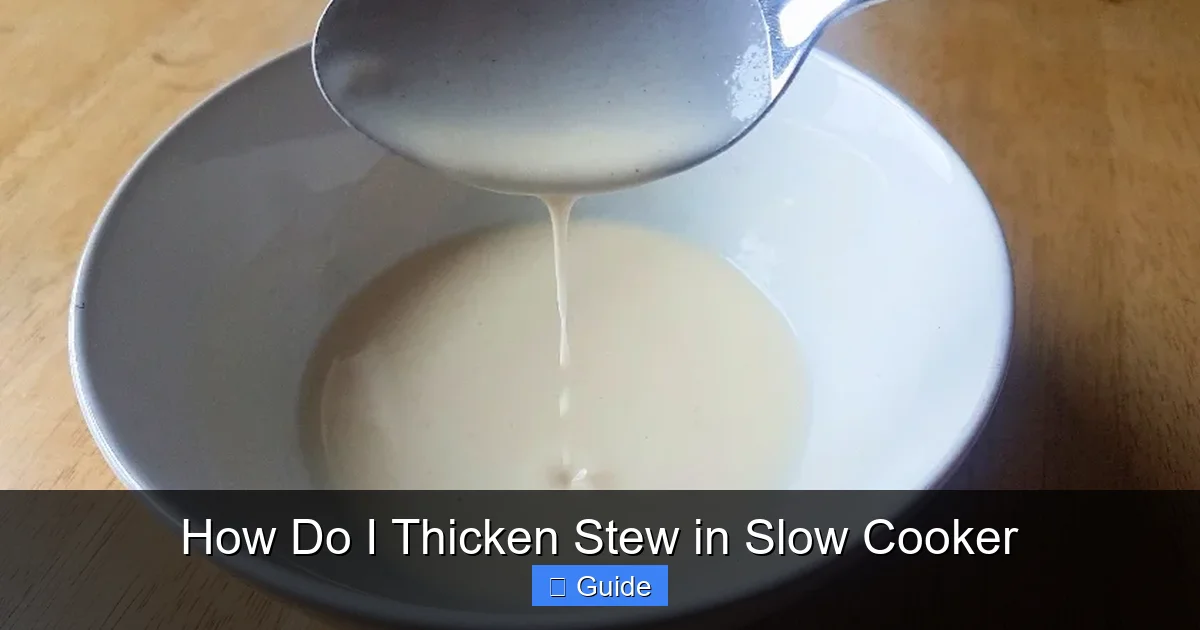
- Step 1: Measure Cornstarch. Start with 1-2 tablespoons of cornstarch for an average slow cooker stew (around 6-8 servings). You can always add more if needed.
- Step 2: Add Cold Liquid. In a small bowl, combine the cornstarch with an equal amount of cold water or broth. For 1 tablespoon of cornstarch, use 1 tablespoon of cold liquid.
- Step 3: Whisk Until Smooth. Whisk vigorously until you have a completely smooth, lump-free paste (a “slurry”). It’s crucial that the liquid is cold; hot liquid will cause the cornstarch to clump instantly.
Incorporating into the Stew
- Step 1: Increase Heat. About 30-60 minutes before serving, switch your slow cooker to the “High” setting. The stew needs to be actively simmering (or at least very hot) for the cornstarch to activate.
- Step 2: Stir in Slurry Gradually. Slowly pour the cornstarch slurry into the hot stew while continuously stirring. Stirring helps distribute the thickener evenly and prevents lumps.
- Step 3: Cook and Observe. Continue cooking on “High” for at least 15-30 minutes, stirring occasionally. The stew will visibly thicken as the cornstarch cooks.
Important Considerations
- Don’t Overdo It: Cornstarch thickens significantly. Start with a small amount and add more if necessary. Remember, the stew will continue to thicken slightly as it cools.
- Avoid Prolonged Boiling: While it needs heat to activate, prolonged, vigorous boiling can break down cornstarch, causing the stew to thin out again. So, once thickened, avoid extended high-heat cooking.
- Texture Change: Reheating cornstarch-thickened stews can sometimes alter the texture slightly, making it less smooth.
Method 3: Using a Flour Slurry (For a Classic, Opaque Thickening)
Flour is a traditional thickener that gives stews a classic, hearty, and opaque appearance. It’s excellent for beef stews, gravies, and anything where you want a substantial body.

Visual guide about how to thicken stew in slow cooker
Image source: recipethis.com
Why Flour?
Flour provides a rich, gravy-like consistency and adds a bit more body and mouthfeel than cornstarch. It’s often used in traditional European-style stews.
Preparing a Simple Flour Slurry
- Step 1: Measure Flour. Start with 2-3 tablespoons of all-purpose flour for a standard slow cooker stew.
- Step 2: Add Cold Liquid. In a small bowl, mix the flour with an equal amount of cold water or broth until it forms a smooth, lump-free paste.
- Step 3: Incorporate and Cook. As with cornstarch, turn the slow cooker to “High” about 1-2 hours before serving. Slowly stir in the flour slurry. You’ll need to cook this longer (at least 30-60 minutes) to cook out the raw flour taste and allow it to thicken properly. Stir frequently.
The Beurre Manié Technique (A Pro Tip)
For an even richer, lump-free result, consider a beurre manié (pronounced “burr man-yay”).
- Step 1: Soften Butter. In a small bowl, combine equal parts softened butter and all-purpose flour (e.g., 2 tablespoons butter, 2 tablespoons flour).
- Step 2: Mix to a Paste. Mash them together with a fork until you have a smooth paste.
- Step 3: Add to Stew. Drop small pieces of the beurre manié into your hot slow cooker stew (on “High” setting) about 1-2 hours before serving. Stir well until dissolved and thickened. The butter helps prevent lumps and adds richness.
Tips to Avoid Lumps and Raw Taste
- Cold Liquid is Key: Always mix flour with cold liquid first to prevent lumps.
- Cook Long Enough: Flour needs more time to cook out its raw taste and fully thicken compared to cornstarch. Ensure at least 30 minutes, ideally an hour, on “High” after adding.
- Slight Opacity: Flour will make your stew more opaque, which is generally desired for hearty stews.
Method 4: Other Starch Thickeners (Arrowroot, Tapioca Starch)
While cornstarch and flour are the most common, other starches can also thicken stew in slow cooker effectively, each with its own characteristics.
Arrowroot Starch
- Characteristics: Produces a very clear, glossy sauce like cornstarch, but is more stable for longer cooking or reheating without breaking down. It’s also gluten-free.
- How to Use: Mix 1-2 tablespoons of arrowroot with an equal amount of cold water to form a slurry. Add to the slow cooker stew on “High” during the last 30-60 minutes, stirring constantly until thickened.
- Best For: Fruit sauces, clear glazes, and stews where clarity is paramount.
Tapioca Starch (or Tapioca Flour)
- Characteristics: Also gluten-free, tapioca starch creates a glossy, slightly chewy texture. It works well in slow cookers as it’s quite stable.
- How to Use: Use 1-2 tablespoons mixed with cold water as a slurry, similar to cornstarch or arrowroot. Add to the stew on “High” during the last 30-60 minutes, stirring until it reaches the desired consistency.
- Best For: Sweet and sour dishes, fruit fillings, and stews needing a resilient texture.
General Tips for These Starches
- Gluten-Free: Both arrowroot and tapioca are excellent alternatives for gluten-free diets.
- Similar to Cornstarch: Treat them much like cornstarch in terms of preparation (cold slurry) and cooking time (last 30-60 minutes on “High”).
Method 5: Incorporating Starchy Vegetables or Legumes
This is a fantastic way to naturally thicken your slow cooker stew while also boosting its nutritional value and flavor. It adds body without relying solely on refined starches.
Mashed Potatoes (Instant or Fresh)
- Instant Mashed Potatoes: A secret weapon! Add 1/4 to 1/2 cup of instant mashed potato flakes directly into your simmering stew about 30 minutes before serving. Stir well and let it absorb liquid and thicken. It’s quick, effective, and adds a creamy texture without altering flavor much.
- Fresh Potatoes (Pureed): If you have extra cooked potatoes in your stew, you can scoop out about 1/2 to 1 cup, mash them thoroughly, and then stir them back into the stew. This works beautifully to thicken.
Red Lentils or Split Peas
- How to Use: Add 1/4 to 1/2 cup of red lentils or split peas directly to your slow cooker stew during the last 1-2 hours of cooking. As they cook, they’ll break down and release their starch, naturally thickening the stew.
- Benefit: Adds fiber, protein, and a lovely earthy flavor.
Root Vegetables (Pureed)
Many stews contain root vegetables like carrots, parsnips, or potatoes. If your stew is too thin, you can remove a portion of these cooked vegetables (say, 1-2 cups), mash or blend them until smooth, and then stir them back into the stew. This enriches the flavor and texture significantly.
Method 6: Adding Creamy Elements (For Richness and Thickness)
If your slow cooker stew would benefit from a creamy, rich texture, dairy products can be an excellent thickening choice. This works especially well for chicken stews or creamy beef stews.
Heavy Cream or Sour Cream
- How to Use: Towards the end of the cooking process (the last 15-30 minutes), stir in 1/2 to 1 cup of heavy cream, half-and-half, or sour cream.
- Important: If using sour cream, temper it first by mixing a spoonful of hot stew liquid into the sour cream before adding it to the pot. This prevents it from curdling. Do not boil vigorously once dairy is added.
- Benefit: Adds incredible richness and a luxurious mouthfeel.
Cream Cheese or Soft Cheeses
- How to Use: For an even thicker, cheesy stew, you can cut 2-4 ounces of cream cheese (or other soft, meltable cheese like mascarpone) into cubes and stir them into the hot stew during the last 15-30 minutes.
- Benefit: Creates a wonderfully thick, creamy, and savory stew, often perfect for chicken or vegetable stews.
General Tips for Success When Thickening Stew in a Slow Cooker
No matter which method you choose to thicken stew in slow cooker, these general tips will help you achieve the best results.
Add Thickeners Gradually
This is perhaps the most important rule. It’s much easier to add more thickener than it is to thin out an overly thick stew. Start with a conservative amount, stir it in, wait for it to thicken (30-60 minutes depending on the method), and then decide if you need more.
The Heat Must Be High Enough
Most starches (cornstarch, flour, arrowroot, tapioca) need to reach a certain temperature to activate and thicken properly. Always switch your slow cooker to the “High” setting when you add a slurry, and allow it sufficient time to simmer and thicken. If the stew isn’t hot enough, your thickener won’t work.
Stir Frequently (But Gently)
When adding a thickener, especially a slurry, stirring helps distribute it evenly and prevents lumps from forming. Once it starts to thicken, occasional stirring will prevent it from sticking to the bottom.
Pre-Thicken Liquids (Optional)
If you know your recipe tends to yield a thin slow cooker stew, you can pre-thicken a portion of your liquid before adding it to the slow cooker. For example, make a small roux on the stovetop and then deglaze it with some broth before adding to the slow cooker. This gives you a head start on thickening.
Taste and Adjust Seasoning
Remember that as liquid reduces or new ingredients are added, the overall seasoning of your stew might change. Always taste your stew after it has thickened and adjust salt, pepper, herbs, or spices as needed.
Troubleshooting Common Thickening Problems
Even with the best intentions, sometimes things don’t go exactly as planned. Here’s how to troubleshoot common issues when trying to thicken stew in slow cooker.
My Stew Is Still Too Thin!
- Give It More Time: Did you wait long enough? Starches need time and heat to activate. Allow at least 30-60 minutes on “High” after adding a thickener.
- Add More Thickener: If it’s still thin after waiting, prepare another small batch of your chosen slurry (cornstarch or flour) and slowly stir it into the stew. Repeat the cooking and waiting process.
- Try Instant Potatoes: For a quick fix, a spoonful or two of instant mashed potato flakes can work wonders without much fuss.
My Stew Is Too Thick!
- Add More Liquid: The easiest solution! Stir in a little more hot broth, water, or even some milk or cream (if appropriate for your stew) until you reach your desired consistency. Add slowly, a quarter cup at a time, until it’s just right.
- Taste and Adjust: Remember to taste and adjust seasonings after adding more liquid.
Lumpy Stew Disaster!
- Prevention is Key: Lumps usually happen if the thickener wasn’t mixed with cold liquid first or wasn’t stirred enough when added to the hot stew.
- Whisk Vigorously: If you spot lumps right after adding, try to whisk them out immediately with a sturdy whisk.
- Puree a Portion: For more stubborn lumps, you can carefully scoop out a portion of the lumpy liquid, blend it until smooth with an immersion blender or regular blender, and then return it to the pot.
- Strain (Last Resort): In extreme cases, you might have to strain the stew (temporarily remove solids), whisk the liquid until smooth, and then return the solids. This is messy but effective.
Conclusion
Thickening stew in slow cooker doesn’t have to be a mystery or a struggle. With the right techniques and a little patience, you can turn any watery slow cooker stew into a gloriously rich, flavorful, and perfectly textured meal. Whether you prefer the natural reduction method, the clarity of a cornstarch slurry, the heartiness of a flour-based thickener, or the subtle richness of pureed vegetables, you now have a comprehensive toolkit at your disposal.
Remember to always add thickeners gradually, ensure your slow cooker is on “High” for activation, and give it enough time to work its magic. Go forth and confidently create the thickest, most delicious slow cooker stews your heart desires!

Jennifer D. Simon has spent the last 26 years studying and practicing nutrition science. She has used a larger part of this time in improving people’s livelihoods. She has done so by coming up with unquestionable ideas on how to tackle food problems in her community. Read More