
Can You Reduce Liquid in Slow Cooker
Facing a surprisingly watery slow cooker dish? Don’t worry, you absolutely can reduce liquid in a slow cooker, though the best methods often involve a little post-cooking intervention. While slow cookers naturally trap moisture, making dishes appear liquidy, this guide offers practical strategies. You’ll learn proactive steps to prevent excess liquid and effective techniques, like stovetop simmering or using a slurry, to thicken your sauce to perfection after cooking, ensuring delicious results every time.
Can You Reduce Liquid in Slow Cooker? A Comprehensive How-To Guide
Welcome, home cooks! Have you ever eagerly lifted the lid of your slow cooker, only to find your delicious-smelling stew or pot roast swimming in a surprisingly large amount of liquid? It’s a common scenario, and if you’ve ever wondered, “Can you reduce liquid in slow cooker recipes?” the answer is a resounding yes! You’re not alone in this culinary predicament, and thankfully, a watery dish doesn’t mean your meal is ruined.
Slow cookers are fantastic for tender meats and rich flavors, but their design – a tight-fitting lid and low, slow heat – means moisture gets trapped. Ingredients like vegetables and meat release their natural liquids, and without much evaporation, your sauce can become thinner than you intended. But don’t fret! This comprehensive guide will walk you through exactly how to reduce liquid in slow cooker dishes, turning that soupy mess into a perfectly saucy masterpiece.
We’ll cover why your slow cooker produces so much liquid, practical methods to reduce it during and after cooking, and even proactive tips to prevent it from happening in the first place. By the end of this guide, you’ll be a master at managing moisture in your slow cooker, ensuring every meal has the ideal consistency. Let’s dive in!
Key Takeaways
- Understanding the Problem: Slow cookers naturally retain moisture due to their sealed lids and low cooking temperatures, leading to more liquid than stovetop recipes often need.
- Proactive Prevention is Key: The best approach is to reduce initial liquid, brown meats, and sauté vegetables before adding them to the slow cooker to minimize water release.
- Post-Cooking Reduction is Most Effective: For significantly watery dishes, transferring the liquid to a stovetop pot and simmering it down is the most efficient and recommended method to reduce liquid.
- Thickeners Offer Quick Solutions: Cornstarch or flour slurries are excellent for quickly thickening sauces *after* cooking, providing immediate results without lengthy reduction times.
- Uncovering Helps (Slightly): While not a primary method, removing the lid during the last hour of cooking can allow some minor evaporation, helping to reduce liquid slightly.
- Skim Fat First: Always skim any excess fat from the surface of your slow cooker dish before attempting to reduce or thicken the liquid, as fat won’t thicken and can dilute flavor.
- Taste and Adjust: As you reduce liquid, the flavors concentrate. Always taste your sauce and adjust seasonings (salt, pepper, herbs) as needed after thickening or reduction.
Why Do Slow Cookers Produce So Much Liquid?
Before we tackle how to reduce liquid in slow cooker meals, it’s helpful to understand why this happens. It’s not a flaw in your cooking; it’s just how slow cookers work!
The Sealed Environment
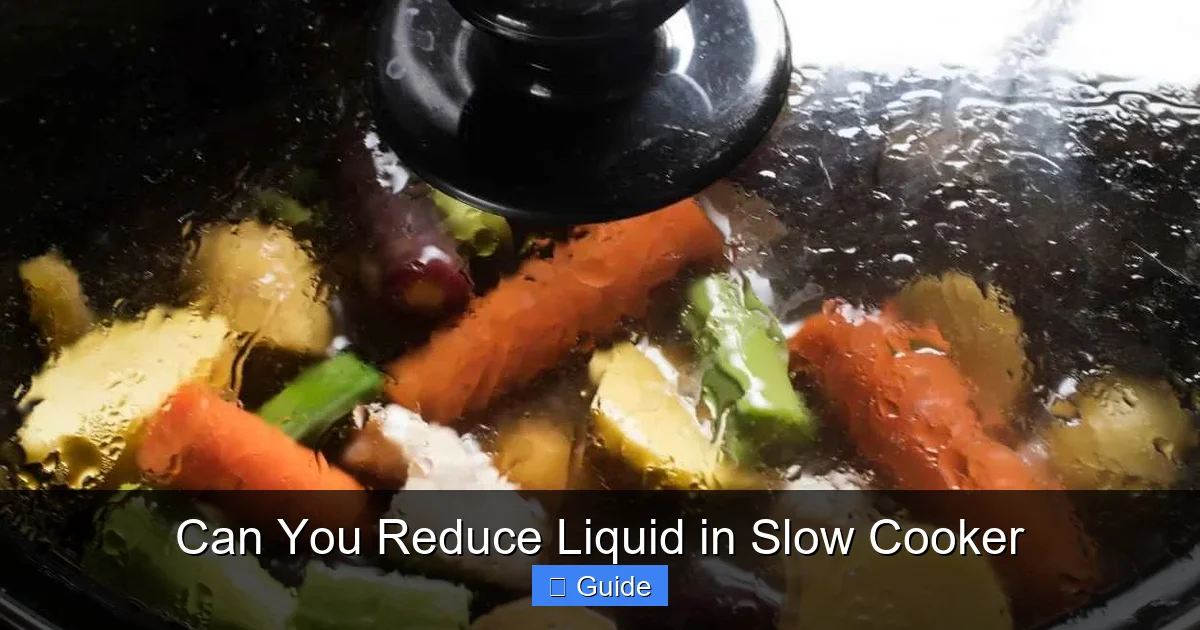
Unlike a pot simmering on the stovetop where steam escapes freely, a slow cooker has a tight-fitting lid. This lid traps almost all the moisture inside the cooking vessel. This is great for keeping food moist and tender, but it also means very little liquid evaporates during the long cooking process.
Ingredients Release Water
Many common slow cooker ingredients, especially vegetables like onions, carrots, celery, and mushrooms, are packed with water. As they cook slowly for hours, they release this moisture into your dish. Meats also release juices as they break down. On a stovetop, this excess liquid would evaporate, but in a slow cooker, it just accumulates.
Low Cooking Temperature
Slow cookers operate at lower temperatures for extended periods. While this is perfect for tenderizing tough cuts of meat, it’s not conducive to rapid evaporation. High heat is needed for quick steam production and reduction, which isn’t the slow cooker’s strong suit. So, without that high heat, your sauce stays liquidy.
Method 1: Reducing Liquid *During* Cooking (Limited Effectiveness)
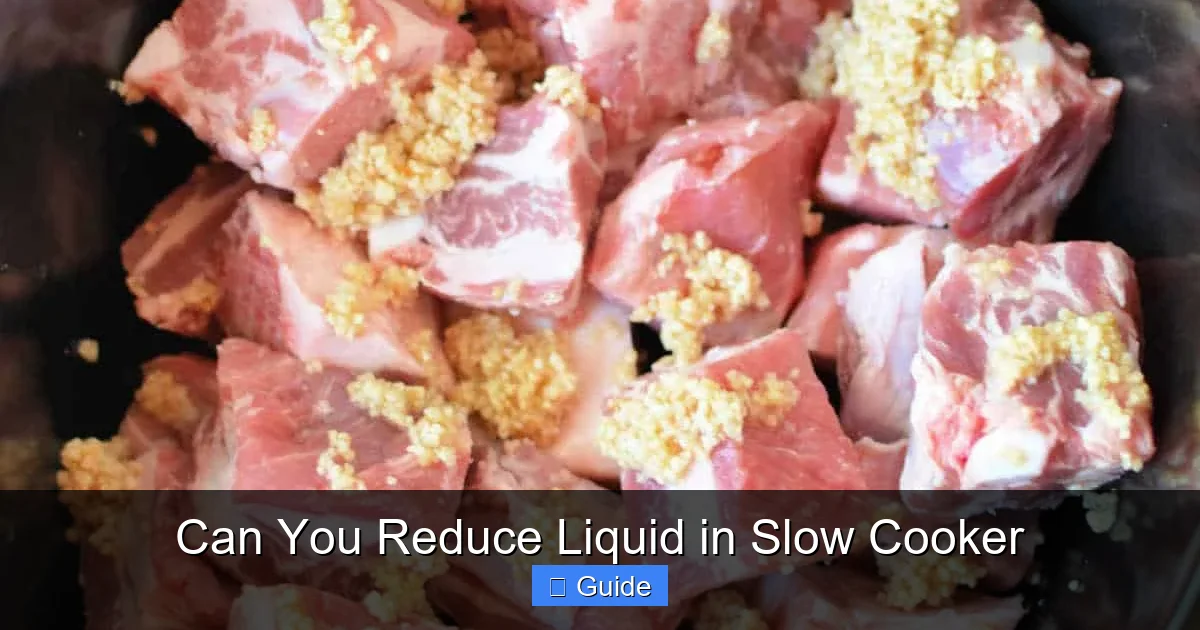
Visual guide about how to reduce liquid in slow cooker
Image source: temeculablogs.com
While most effective liquid reduction happens after cooking, there are a few things you can try while your slow cooker is still chugging along. Keep in mind these methods offer only modest results for trying to reduce liquid in slow cooker recipes.
Step 1: Uncover During the Final Hour
This is the simplest, albeit least impactful, method to reduce liquid during cooking.
- How to do it: About 60 minutes before your dish is scheduled to finish, carefully remove the lid from your slow cooker.
- Why it helps: With the lid off, some steam can escape, allowing for a small amount of evaporation.
- Important note: Be mindful that removing the lid too early or for too long can significantly extend cooking time, as the heat will escape. This method is best for a slight adjustment, not for a major reduction. It won’t drastically reduce liquid in slow cooker dishes, but it can help a little.
Step 2: Add Thickeners Early (With Caution)
You can introduce some thickening agents during the last hour or two of cooking, but careful technique is crucial to avoid lumps.
- H3: Using a Cornstarch or Flour Slurry
- What it is: A “slurry” is a mixture of a thickening agent (like cornstarch or flour) and a cold liquid (water, broth, or some of the slow cooker liquid). Mixing it with cold liquid *before* adding prevents lumps.
- How to make and add:
- Scoop about 1/2 to 1 cup of the hot liquid from your slow cooker into a separate bowl.
- Let it cool for a minute or two, or use cold water/broth instead.
- Whisk 2-3 tablespoons of cornstarch or flour into the *cold* liquid until completely smooth and lump-free.
- Stir the slurry back into the slow cooker.
- Replace the lid and cook for another 30-60 minutes on HIGH or LOW. The heat will activate the thickener.
- Pro tip: Start with a smaller amount of thickener. You can always add more if needed, but you can’t easily remove it! This is a good way to reduce liquid in slow cooker dishes if you want a slightly thicker sauce.
- H3: Using Instant Mashed Potato Flakes or Breadcrumbs
- How to add: Stir in a few tablespoons of instant mashed potato flakes or finely crushed breadcrumbs (panko works well) during the last 30 minutes of cooking.
- Why it helps: These absorb liquid quickly and discreetly, often without altering the flavor significantly.
- Consideration: Be careful not to add too much, as they can make the dish starchy or pasty.
Method 2: Reducing Liquid *After* Cooking (Most Effective)

Visual guide about how to reduce liquid in slow cooker
Image source: smartcooknook.com
For serious liquid reduction and thickening, waiting until the main cooking time is complete gives you the most control and the best results. This is where you can truly reduce liquid in slow cooker meals to your desired consistency.
Step 1: Skim Off Excess Fat
Before you start reducing or thickening, always take a moment to skim any fat that has risen to the surface. Fat won’t thicken, and it can make your sauce greasy.
- How to do it: Use a large spoon or a fat separator to carefully remove the layer of fat floating on top of the liquid.
- Why it helps: This step ensures a cleaner, richer-tasting sauce and prevents unnecessary greasiness once reduced.
Step 2: Remove Solids and Simmer the Liquid
This is the gold standard for how to reduce liquid in slow cooker sauces. It allows for rapid evaporation and flavor concentration.
H3: On the Stovetop (Recommended Method)
This is by far the most effective way to reduce liquid in slow cooker recipes.
- How to do it:
- Carefully remove all the solid ingredients (meat, vegetables) from your slow cooker and set them aside in a separate bowl. You can use a slotted spoon or tongs for this.
- Pour the remaining liquid from the slow cooker into a saucepan or pot on your stovetop.
- Bring the liquid to a rolling boil over medium-high heat.
- Once boiling, reduce the heat to a medium-low simmer. Let it simmer, uncovered, stirring occasionally, until the liquid has reduced to your desired thickness and quantity. This can take anywhere from 10 to 30 minutes or more, depending on how much liquid you have and how thick you want it.
- Taste the reduced sauce. As it concentrates, flavors (and saltiness) will intensify. Adjust seasonings if necessary.
- Once reduced, return the solids to the slow cooker or directly to the stovetop pot with the thickened sauce and stir to combine. Serve immediately, or keep warm.
- Why it helps: The direct heat of the stovetop and the uncovered pot allow for rapid evaporation, quickly reducing the volume and concentrating the flavors. This is the most efficient way to reduce liquid in slow cooker preparations.
H3: In the Slow Cooker (Less Effective)
While possible, trying to reduce liquid in the slow cooker itself after cooking is much slower and yields less dramatic results.
- How to do it:
- Once your dish is fully cooked, remove the lid.
- Switch the slow cooker setting to HIGH.
- Let it cook, uncovered, for another 30-90 minutes, or until some liquid has evaporated. Stir occasionally.
- Why it’s less effective: Even on HIGH, the slow cooker doesn’t reach temperatures high enough for rapid evaporation compared to a stovetop. It will take a very long time to see significant reduction, and the food may become overcooked or mushy while you wait. Use this only if you have no stovetop access or need a very minor reduction.
Step 3: Use a Slurry for Immediate Thickening
If you need to thicken the sauce quickly and don’t want to simmer it for long, a slurry (as discussed in Method 1) is your best friend. This is an excellent way to reduce liquid in slow cooker sauces without removing the solids.
- Thickeners to use: Cornstarch, flour, or arrowroot powder are common choices. Cornstarch provides a clear, glossy finish, while flour gives a more opaque, gravy-like consistency. Arrowroot is similar to cornstarch but can break down if overcooked.
- How to make and add:
- Scoop out about 1/2 to 1 cup of the hot slow cooker liquid into a separate bowl or mug.
- Let it cool slightly for a minute or two.
- Whisk 2-4 tablespoons of your chosen thickener (cornstarch, flour, or arrowroot) into the *cold* or slightly cooled liquid until it forms a smooth, lump-free paste.
- Pour the slurry back into the slow cooker, stirring vigorously to combine it with all the liquid.
- Replace the lid and cook on HIGH for another 15-30 minutes, or until the sauce thickens to your liking. If the slow cooker is already off, you can simply stir it in and let it sit for 5-10 minutes, as the residual heat will often be enough to activate it.
- Tip: Always add a slurry to hot but not vigorously boiling liquid, and always whisk it into cold liquid first to prevent lumps.
Step 4: Add Other Thickeners After Cooking
Beyond slurries, other ingredients can help reduce liquid in slow cooker dishes.
H3: Mashed Potatoes or Potato Flakes
- How to add: Stir in a spoonful or two of leftover mashed potatoes or instant mashed potato flakes directly into the slow cooker.
- Why it works: Potatoes are excellent at absorbing liquid and can add a creamy texture without significantly altering the flavor, especially in stews.
H3: Breadcrumbs or Crushed Crackers
- How to add: Mix in a few tablespoons of panko breadcrumbs or finely crushed saltine crackers.
- Why it works: They absorb liquid well and can be a good option for certain dishes, though they might slightly change the texture.
H3: Roux (for rich, opaque sauces)
- What it is: A roux is a cooked mixture of fat (butter or oil) and flour.
- How to make and add:
- Melt 2-3 tablespoons of butter or oil in a small saucepan over medium heat.
- Whisk in 2-3 tablespoons of flour and cook for 1-2 minutes, stirring constantly, until it forms a paste (blonde roux for lighter sauces, darker for richer).
- Gradually whisk in about 1 cup of the hot slow cooker liquid into the roux until smooth.
- Pour this mixture back into the slow cooker, stirring to combine, and cook on HIGH for 15-30 minutes until thickened.
- Consideration: This adds a richer, slightly fattier taste compared to a simple slurry.
Proactive Measures: Preventing Excess Liquid in the First Place
Visual guide about how to reduce liquid in slow cooker
Image source: powerupcook.com
The best way to reduce liquid in slow cooker meals is to prevent having too much to begin with! A little foresight can save you a lot of effort later.
Tip 1: Reduce Initial Liquid Amount
This is perhaps the most crucial tip. Slow cooker recipes generally need less liquid than their stovetop counterparts.
- Rule of thumb: Start with about half to two-thirds the amount of liquid you’d use for a traditional stovetop braise or stew. The ingredients will release their own juices, adding to the volume.
- Example: If a regular recipe calls for 4 cups of broth, try 2-2.5 cups in your slow cooker. You can always add more if it looks too dry later, which is rare.
Tip 2: Brown Meats and Sauté Vegetables First
This step does more than just add flavor; it also helps manage moisture.
- Browning meat: Searing meat before adding it to the slow cooker creates a delicious crust and locks in juices.
- Sautéing vegetables: Cooking vegetables like onions, mushrooms, and peppers in a pan for a few minutes before adding them to the slow cooker helps to remove some of their natural water content. This prevents them from releasing as much liquid during the long slow cook. Plus, it develops deeper flavors!
Tip 3: Choose the Right Ingredients (Less Watery Veggies)
Some vegetables release a lot more water than others.
- High-water content veggies: Mushrooms, zucchini, tomatoes, and bell peppers can contribute significantly to excess liquid. If using them, consider reducing their quantity or giving them a quick sauté first.
- Lower-water content veggies: Root vegetables like potatoes, carrots, and parsnips are less prone to making your dish watery.
Tip 4: Use a Kitchen Towel Under the Lid
This is a quirky but effective trick.
- How to do it: Place a clean kitchen towel between the slow cooker and its lid, ensuring the towel doesn’t touch the food.
- Why it helps: The towel absorbs steam and condensation, preventing it from dripping back into your dish. This can help to reduce liquid in slow cooker recipes slightly over time, aiding in a thicker sauce.
Troubleshooting Common Issues
Even with the best intentions to reduce liquid in slow cooker dishes, sometimes things don’t go exactly as planned.
“My Dish Is Still Watery After Thickening!”
* Solution: You likely didn’t add enough thickener or didn’t cook it long enough to activate. If using a slurry, ensure you’ve cooked it for the recommended time (15-30 minutes on HIGH) after adding. If it’s still too thin, make another small slurry and add it, repeating the cooking process. For stovetop reduction, simply continue simmering until it reaches your desired consistency.
“The Sauce Tastes Bland After Reduction/Thickening.”
* Solution: As you reduce liquid, flavors concentrate, but sometimes thickening agents can dilute taste slightly, or you might have started with an under-seasoned broth. Taste your sauce after thickening or reduction and adjust seasonings. Add more salt, pepper, herbs, a splash of Worcestershire sauce, a squeeze of lemon juice, or a dash of hot sauce to brighten the flavors. A small amount of butter stirred in at the end can also add richness.
“My Slurry Clumped Up!”
* Solution: This almost always happens when you add a dry thickener directly to hot liquid, or if your slurry wasn’t mixed completely smooth with cold liquid first. If it’s lumpy, you might be able to strain the sauce to remove the lumps (then reheat). For next time, remember the golden rule: *always* mix thickeners with a *cold* liquid until perfectly smooth before stirring into the hot dish.
Conclusion
You now have all the tools and knowledge to confidently tackle the common slow cooker problem of too much liquid! We’ve seen that while slow cookers are prone to creating excess moisture due to their design, there are many effective ways to manage it. From smart proactive steps like reducing initial liquids and browning ingredients, to powerful post-cooking methods like stovetop reduction and clever use of slurries, you can easily reduce liquid in slow cooker dishes to achieve perfect texture and flavor.
Don’t let a watery sauce deter you from enjoying the convenience and deliciousness of slow cooking. With these techniques, you’re not just cooking; you’re mastering the art of the slow cooker. So go forth, experiment with these methods, and enjoy perfectly saucy, flavorful meals every time! Happy slow cooking!

Jennifer D. Simon has spent the last 26 years studying and practicing nutrition science. She has used a larger part of this time in improving people’s livelihoods. She has done so by coming up with unquestionable ideas on how to tackle food problems in her community. Read More